How to Get Rid of Strawberry Legs: Causes, Treatments, and What Actually Works
You've just shaved your legs, stepped out of the shower, and the skin still looks dotted — a pattern of dark spots or open pores that resembles the surface of a strawberry. If that sounds familiar, you're not alone. Strawberry legs are one of the most common skin concerns among women aged 18 to 40, and they tend to spike in visibility exactly when you most want smooth skin: before summer, before vacation, before wearing shorts.
The good news is that understanding how to get rid of strawberry legs starts with knowing what they actually are — because most people misidentify the cause entirely, and that's why so many home remedies fall flat. This guide covers the real science behind what's happening in your follicles, which habits make things worse, and the full spectrum of treatments that dermatologists actually recommend.
What Are Strawberry Legs, Exactly?
The term "strawberry legs" isn't a clinical diagnosis — it's a colloquial description for the appearance of small dark dots or open pores scattered across the legs, most noticeable after hair removal. Dermatologists typically associate the appearance with one or more of the following underlying causes:
1. Oxidized Sebum in Open Follicles
Your hair follicles contain sebaceous glands that produce oil (sebum). When a follicle is open and exposed to air — which happens after shaving cuts the hair at or just below the skin surface — the sebum inside can oxidize and darken. The result looks very similar to blackheads on the face. These are sometimes called open comedones on the legs. The dark dots you see aren't dirt; they're oxidized oil trapped just inside the pore opening.
2. Ingrown Hairs
When a shaved or waxed hair grows back, it can curl inward and pierce the side of the follicle wall instead of emerging normally. This triggers a localized inflammatory response, which can appear as a small red or dark bump. Strawberry legs after shaving are frequently caused or worsened by ingrown hairs, especially in people with coarser or curlier hair growth patterns.
3. Keratosis Pilaris
Keratosis pilaris (KP) is a very common, completely harmless condition in which the protein keratin builds up inside hair follicles, forming small plugs. These plugs create a rough, bumpy texture — often described as "chicken skin" — and can appear on the thighs, upper arms, and buttocks. KP is genetic and affects roughly 40% of adults. When it appears on the legs, it's often mistaken for or combined with strawberry leg appearance.
4. Folliculitis
Folliculitis is inflammation or mild infection of the hair follicle, typically caused by bacteria (often Staphylococcus aureus) introduced during shaving with a dull or dirty razor. It presents as small, pimple-like bumps that can be itchy or tender. Repeated folliculitis episodes can leave behind post-inflammatory hyperpigmentation — the dark spots on legs after shaving that persist long after any active inflammation has resolved.
Why Shaving Makes Strawberry Legs Worse
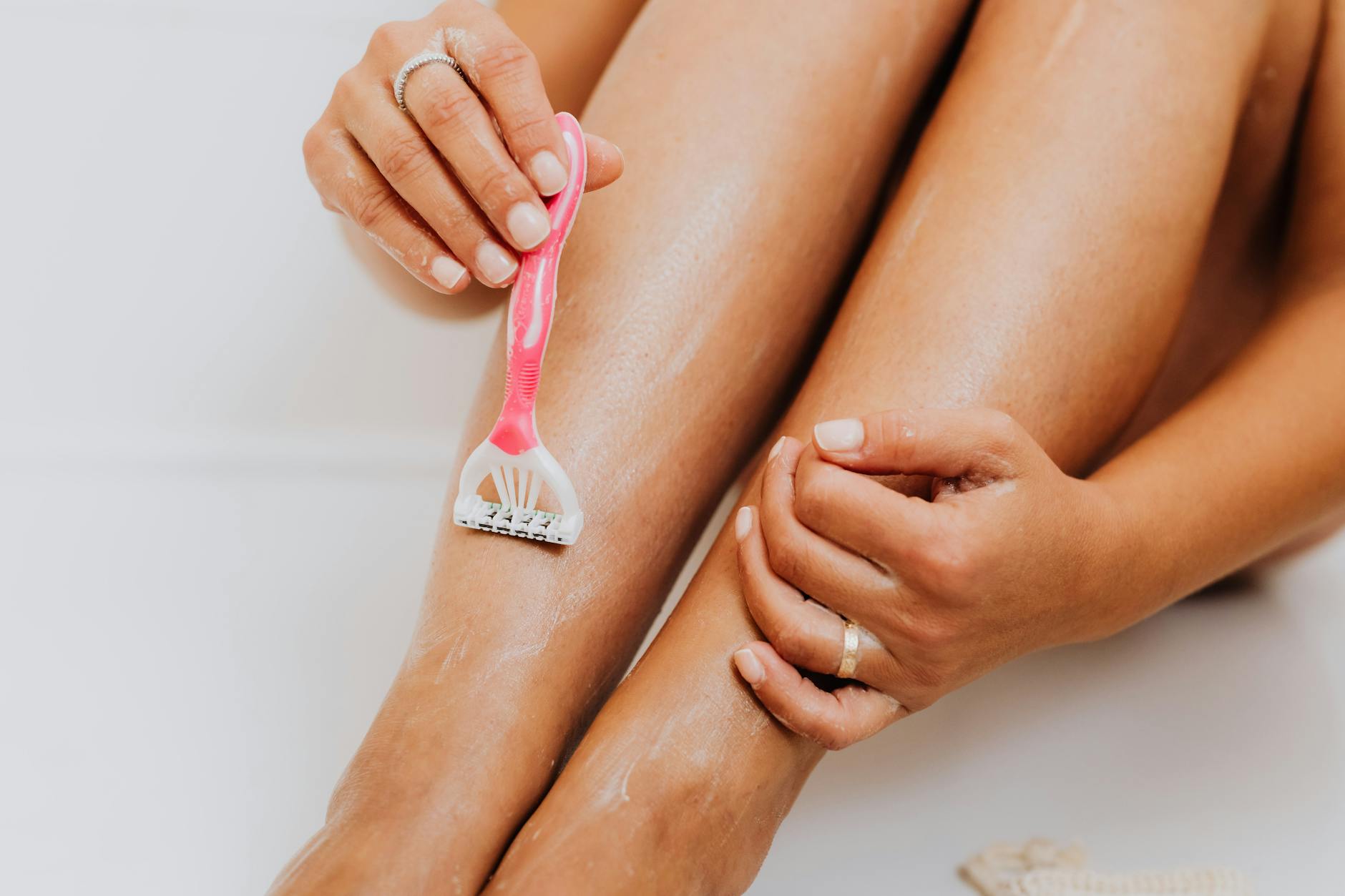
Shaving is, by far, the most common trigger for strawberry legs after shaving. Here's why: a razor blade cuts the hair off at or slightly below the skin surface, leaving a blunt, wide cross-section of hair visible just inside the open follicle. That blunt end, combined with exposed sebum and the slight trauma of dragging a blade across skin, creates the perfect conditions for all four causes listed above.
Specific shaving habits that worsen the appearance include:
- Using a dull razor blade. A dull blade drags across the skin instead of cutting cleanly, causing more follicle trauma, more micro-abrasions, and more bacterial introduction. Dermatologists generally recommend replacing single-use razors after every 5–7 shaves at most.
- Shaving dry skin. Dry shaving — without water, foam, or gel — creates massive friction and dramatically increases the risk of ingrown hairs and folliculitis.
- Shaving against the grain on coarse hair. While shaving against the direction of hair growth gives a closer shave, it also increases the likelihood of the hair tip curling back into the follicle.
- Not moisturizing afterward. Post-shave skin is temporarily more permeable and can lose moisture rapidly. Dry follicles are more prone to producing excess sebum and developing comedones.
- Skipping pre-shave exfoliation. Dead skin cells can trap hairs beneath the surface before they've fully emerged, leading directly to ingrowns.
Strawberry Legs Treatment: What Actually Works
There is no single overnight fix for strawberry legs, but a consistent, multi-step approach produces clear, measurable improvement for most people within 4 to 8 weeks. The following treatments are backed by dermatological evidence and widely recommended by skincare professionals.
Regular Physical Exfoliation
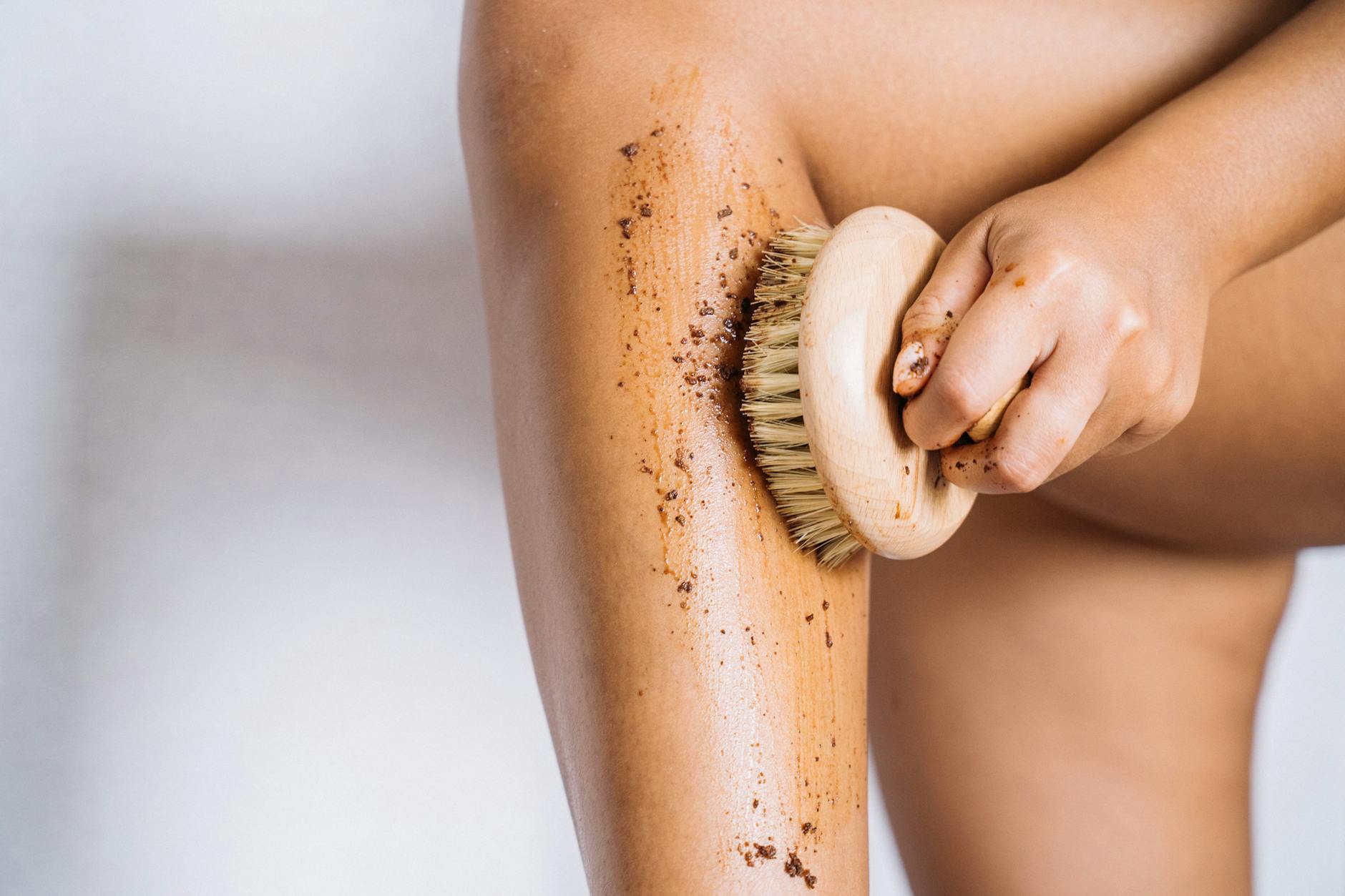
Exfoliating the legs 2–3 times per week is one of the most effective strawberry legs treatments for the majority of cases. Physical exfoliation removes the layer of dead skin cells that trap hair and sebum inside follicles, and it helps free existing ingrown hairs before they worsen. Options include:
- Dry brushing before showering, using a natural-bristle body brush in long strokes toward the heart
- Sugar or salt scrubs in the shower, massaged in circular motions over the affected areas
- Exfoliating gloves or loofahs used with a gentle body wash
The key is consistency. Sporadic exfoliation won't produce lasting results — the dead skin layer rebuilds quickly, especially in drier climates or during winter months.

Chemical Exfoliants: AHAs and BHAs
Chemical exfoliants are arguably more effective than physical scrubs for treating open pores on legs and stubborn follicle buildup, because they work at a molecular level inside the pore rather than just on the skin surface.
- Salicylic acid (BHA): Oil-soluble and able to penetrate inside the follicle. Salicylic acid dissolves the sebum plugs that cause the oxidized, dark-dot appearance. A body lotion or toner containing 1–2% salicylic acid applied after showering is particularly effective for the comedonal type of strawberry legs.
- Glycolic acid or lactic acid (AHAs): Water-soluble acids that exfoliate the surface layer of dead skin. Lactic acid is especially useful because it also acts as a humectant, drawing moisture into the skin. Products containing 5–10% lactic acid are commonly recommended for keratosis pilaris and work equally well on the follicle buildup that causes strawberry legs.
- Urea: At concentrations of 10–25%, urea softens keratin and helps dissolve the hard plugs associated with KP. It's one of the most under-discussed but clinically effective ingredients for rough, bumpy leg skin.
Start with one chemical exfoliant, use it every other day, and only increase frequency once your skin has adjusted. Combining multiple acids without building tolerance can cause irritation.
Consistent, Deep Moisturizing
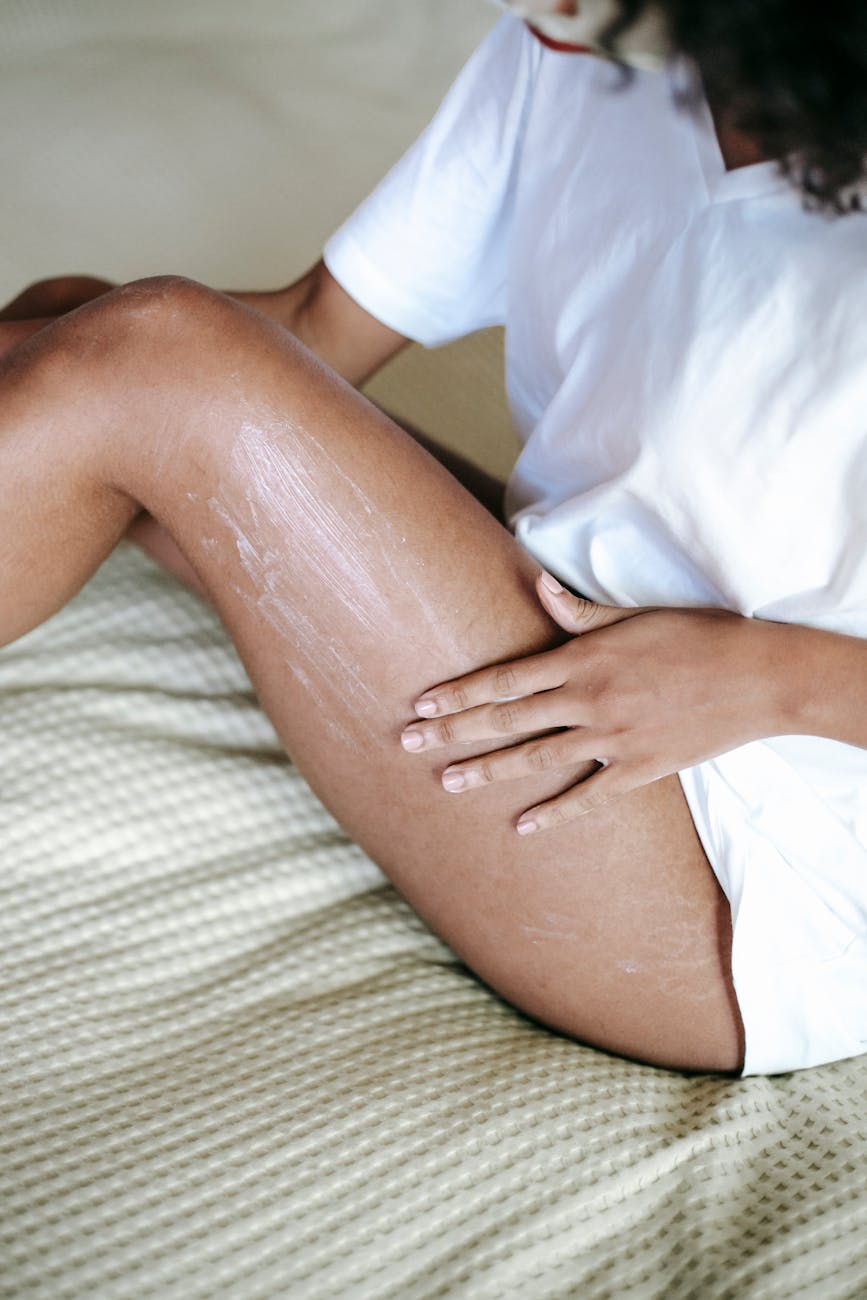
Dry skin dramatically worsens every type of strawberry leg presentation. When the skin lacks moisture, the follicle walls can become rough and rigid, making it harder for hair to exit cleanly and easier for keratin plugs to form. A daily moisturizing routine — applied to damp skin immediately after showering — is non-negotiable for improvement.
Look for body moisturizers containing:
- Ceramides: Rebuild the skin barrier and reduce transepidermal water loss
- Glycerin or hyaluronic acid: Humectants that draw water into the skin
- Shea butter or squalane: Emollients that soften and smooth the skin surface
Switching Hair Removal Methods
If you've been shaving and your strawberry legs persist despite consistent skincare, the most impactful change you can make is switching your method of hair removal entirely. Here's how the main alternatives compare:
- Waxing: Removes hair from the root rather than cutting at the surface, which means there is no blunt hair end sitting inside the follicle. Over repeated sessions, waxing can reduce hair regrowth thickness and frequency, which tends to reduce the strawberry leg appearance significantly. The downside: the initial wax sessions can trigger temporary folliculitis and ingrowns until skin adjusts, typically over 3–4 sessions.
- Epilating: Similar to waxing in that it removes hair from the root, but done mechanically with a rotating device. Regular epilating over months tends to produce noticeably finer, sparser regrowth, which reduces follicle visibility. Consistent pre-epilating exfoliation is essential to minimize ingrown hairs.
- Depilatory creams: Dissolve the hair shaft just below the skin surface using alkaline chemicals (typically thioglycolate). This leaves a tapered rather than blunt hair end, which is less visible in the follicle. A reasonable middle ground for those who find waxing too painful but want to reduce the post-shave dot appearance.
- Laser hair removal or IPL: The most permanent solution. By targeting the melanin in the hair follicle and progressively reducing hair growth, laser and IPL treatments eliminate the problem at its source. Multiple sessions are required (typically 6–8 for legs), and maintenance sessions are needed annually. This is the option dermatologists most commonly recommend when strawberry legs are persistent and cosmetically distressing.
Building a Complete Strawberry Legs Skincare Routine
A targeted, consistent routine addresses all three underlying factors: follicle blockage, skin dryness, and hair removal trauma. Here is a practical weekly structure that incorporates everything above:
Before Hair Removal
- Exfoliate with a physical scrub or dry brush 24 hours before shaving or waxing (not immediately before, as freshly exfoliated skin is more sensitive to razor irritation)
- Shower in warm (not hot) water to soften the skin and open follicles
- Apply a generous layer of shaving foam or gel — never shave dry
- Use a sharp, clean razor blade; shave in the direction of hair growth on sensitive areas
Immediately After Hair Removal
- Rinse with cool water to close follicles and reduce inflammation
- Pat skin dry gently — do not rub
- Apply a fragrance-free, alcohol-free moisturizer while skin is still slightly damp
- Avoid tight clothing for a few hours post-shave to reduce friction on open follicles
Daily (Non-Hair-Removal Days)
- Shower in lukewarm water — very hot water strips the skin's natural oil barrier
- Apply a lactic acid or salicylic acid body lotion every evening on affected areas
- Moisturize legs every day, not just on shaving days
2–3 Times Per Week
- Dry brush or use an exfoliating body scrub in the shower
- If using a high-strength chemical exfoliant (10%+ lactic acid or urea), apply 30 minutes after showering to avoid stinging on freshly cleansed skin
Addressing Specific Causes: Keratosis Pilaris vs. Folliculitis
Because the appearance of strawberry legs can stem from different root causes, it's worth tailoring your approach based on which cause is most dominant for you.
If your strawberry legs look rough and bumpy with a sandpaper texture — especially on the thighs — keratosis pilaris is likely the primary cause. The most effective ingredients for KP are urea (20–40% for very stubborn cases), lactic acid (12%+), and retinoids applied over the long term. KP cannot be cured, but it can be consistently managed. Sun exposure often temporarily improves KP because UV radiation suppresses the overactive keratin response, which is why many people notice improvement in summer.
If your strawberry legs appear mainly as dark dots on smooth skin after shaving — with little or no rough texture — oxidized sebum and the blunt hair shaft sitting inside the follicle are the likely culprits. Salicylic acid body wash and improved razor hygiene (fresh blade, proper foam, post-shave moisturizer) will make the biggest difference here.
If you notice small red or inflamed bumps alongside the dark spots — particularly after shaving — folliculitis is contributing. In addition to the skincare steps above, apply a gentle antibacterial body wash containing benzoyl peroxide or tea tree oil to the affected areas 2–3 times per week. Avoid sharing towels or razors, and wash gym clothes promptly after exercise to reduce bacterial reintroduction.
How Long Does It Take to See Results?
Timeline expectations matter. Strawberry legs did not develop overnight, and they won't clear overnight either. Here's a realistic framework:
- 2–4 weeks: Initial improvement in skin texture with consistent exfoliation and moisturizing. Dark spots may begin to lighten.
- 4–8 weeks: Noticeable reduction in the appearance of open pores on legs with regular chemical exfoliant use. Ingrown hairs should occur less frequently if shaving technique has been corrected.
- 3–6 months: Significant clearing of post-inflammatory hyperpigmentation (the dark spots that linger after folliculitis or ingrown hairs). This takes longer because melanin deposits in the dermis clear more slowly than surface issues.
- 6–12 months (laser/IPL): Progressive reduction in hair density and follicle visibility across multiple sessions, with lasting results.
Patience and consistency are the two factors that determine whether a strawberry legs routine succeeds. Switching products every two weeks because you haven't seen instant results is the most common reason people don't achieve improvement.
When to See a Dermatologist
Most cases of strawberry legs respond well to consistent at-home care. However, see a dermatologist if:
- You have persistent red, swollen, or painful bumps that do not resolve — this could indicate a more significant folliculitis or a condition like hidradenitis suppurativa that requires prescription treatment
- Dark pigmentation on the legs is spreading, deepening, or appearing in areas unrelated to shaving
- Over-the-counter chemical exfoliants have not produced any improvement after 8–12 weeks
- You're interested in prescription-strength retinoids or professional laser treatments, which require a consultation
Key Takeaways
Strawberry legs are not a sign of poor hygiene or a permanent skin problem. They're a very common cosmetic presentation driven by follicle biology, shaving mechanics, and skin hydration — all of which can be systematically addressed. To summarize what the evidence supports:
- Knowing the cause matters. Oxidized sebum, ingrown hairs, keratosis pilaris, and folliculitis each respond best to slightly different interventions.
- Exfoliate before hair removal, not just after. Clearing dead skin cells before you shave or wax dramatically reduces ingrown hairs and follicle trauma.
- Chemical exfoliants (salicylic acid, lactic acid, urea) outperform physical scrubs alone for the stubborn, deeply lodged sebum and keratin that causes the dark-dot appearance.
- Daily moisturizing is not optional. Dry skin is directly linked to worsened strawberry legs across every underlying cause.
- Switching hair removal methods — particularly to waxing, epilating, or laser — produces the most dramatic and sustained improvement for people who shave frequently.
- Results take weeks to months. Consistency beats product-switching every time.
With the right combination of exfoliation, moisture, and improved hair removal habits, the majority of people who struggle with how to get rid of strawberry legs will see meaningful, lasting improvement. The skin on your legs is capable of being smooth — it just needs the conditions to get there.