How to Improve Your Gut Microbiome: A Complete Guide to Better Digestive Health

Your gut is doing far more than digesting lunch. The trillions of microorganisms living in your digestive tract — collectively known as your gut microbiome — influence your immune system, your mental health, your body weight, your skin, and even your risk of chronic disease. If you want to improve your gut microbiome, you are working on one of the most impactful levers for whole-body wellness that exists. The good news: you can begin shifting your microbiome in a positive direction starting with your very next meal.
Research over the past two decades has produced an explosion of findings about the gut. Scientists now understand that the community of bacteria, fungi, viruses, and other microorganisms residing in your intestines is as unique as a fingerprint — and equally fragile. Poor diet, chronic stress, inadequate sleep, and overuse of antibiotics can all tip the balance toward a less healthy microbial community, driving inflammation and setting the stage for a wide range of health problems.
This guide covers everything you need to know about gut health tips that are backed by science: what the microbiome actually does, the warning signs that yours may need attention, and ten concrete strategies you can start implementing today. No extreme protocols, no expensive supplements required — just evidence-based habits that compound into lasting results.
What Is the Gut Microbiome?
The human gut microbiome is an ecosystem of approximately 38 trillion microorganisms living primarily in your large intestine. This community includes bacteria, archaea, fungi, protozoa, and viruses — though bacteria are the most studied and most numerous members. You carry roughly as many microbial cells as human cells in your body, meaning you are, in a very real sense, as much microbe as you are human.
Within this community, there is an ongoing tug-of-war between beneficial bacteria (such as Lactobacillus and Bifidobacterium species) and potentially harmful ones. A healthy microbiome is defined by diversity and balance — a wide variety of species with beneficial populations dominant. When harmful bacteria overgrow, or when overall diversity collapses, the resulting state is called dysbiosis, and it is linked to dozens of health conditions.
Beyond digestion, your gut bacteria perform essential functions that your own cells cannot:
- Producing vitamins — including vitamin K2 and several B vitamins your body relies on
- Fermenting dietary fiber into short-chain fatty acids (SCFAs) like butyrate, which nourish the cells lining your colon and reduce inflammation
- Training the immune system to distinguish between harmless substances and genuine threats
- Synthesizing neurotransmitters including roughly 90% of the body's serotonin
- Metabolizing compounds in food, drugs, and hormones that your liver cannot process alone
Understanding the microbiome as an active organ — not just a passive passenger — is the foundation for understanding why every strategy in this guide works.
Why Gut Microbiome Health Matters

The microbiome's reach extends well beyond your digestive system. Here is why improving your gut microbiome diet and lifestyle habits has such a broad impact on health:
Immune function. An estimated 70–80% of your immune cells reside in and around your gut. Beneficial bacteria actively train immune cells, help produce antibodies, and maintain the integrity of the intestinal barrier that prevents pathogens from entering the bloodstream. A disrupted microbiome is consistently associated with increased susceptibility to infections and autoimmune conditions.
Mental health and the gut-brain axis. Your gut and brain communicate bidirectionally through the vagus nerve, the enteric nervous system, and circulating chemical messengers. Gut bacteria produce neurotransmitters including serotonin, dopamine precursors, and GABA. Multiple studies have linked microbiome imbalances to higher rates of anxiety, depression, and cognitive difficulties. This connection is now its own research field: psychobiotics.
Weight and metabolism. Research, including landmark studies on germ-free mice, has demonstrated that the microbiome influences how many calories you extract from food, how fat is stored, and how hunger hormones like ghrelin and leptin are regulated. Obese and lean individuals consistently show different microbiome compositions.
Chronic disease prevention. Dysbiosis is implicated in type 2 diabetes, cardiovascular disease, inflammatory bowel disease, colorectal cancer, and non-alcoholic fatty liver disease. While causality is still being mapped, the associations are strong enough that improving gut health is considered a meaningful preventive health strategy.
Nutrient absorption and production. Even the best diet delivers suboptimal nutrition if your gut bacteria are not healthy enough to assist in absorbing minerals like magnesium, calcium, and iron — or to synthesize vitamins your body needs.
Signs of an Unhealthy Gut Microbiome
Your body often signals microbiome imbalance before any formal diagnosis is made. Watch for these common indicators that your gut health may need support:
Common Warning Signs
- Frequent bloating, gas, constipation, or diarrhea
- Feeling like certain foods suddenly cause problems you never had before
- Persistent fatigue that is not explained by sleep deprivation
- Skin conditions including eczema, acne, or rosacea that worsen with diet changes
- Frequent colds, infections, or slow recovery from illness
- Mood instability, anxiety, or brain fog that correlates with diet patterns
- Unintended weight changes despite stable eating habits
- Autoimmune flares that worsen after dietary indiscretions
None of these signs alone confirms a microbiome problem, but a cluster of them — particularly when they emerged after a course of antibiotics, a period of high stress, or a major dietary shift — is worth taking seriously. The strategies below address the root causes, not just the symptoms.
Strategy #1: Eat More Diverse Plant Foods
If there is a single most evidence-backed strategy to improve your gut microbiome, it is eating more diverse plants. A landmark study published in the journal Cell and backed by the American Gut Project found that people who ate 30 or more different plant foods per week had significantly more diverse microbiomes than those who ate 10 or fewer — regardless of whether they were vegan, vegetarian, or omnivore.
Why does diversity matter so much? Different plant foods contain different types of fibers, polyphenols, and resistant starches, each of which feeds different bacterial species. A varied microbial community is a resilient one, better able to crowd out pathogens and maintain intestinal integrity.
Try This: The 30-Plants-Per-Week Challenge
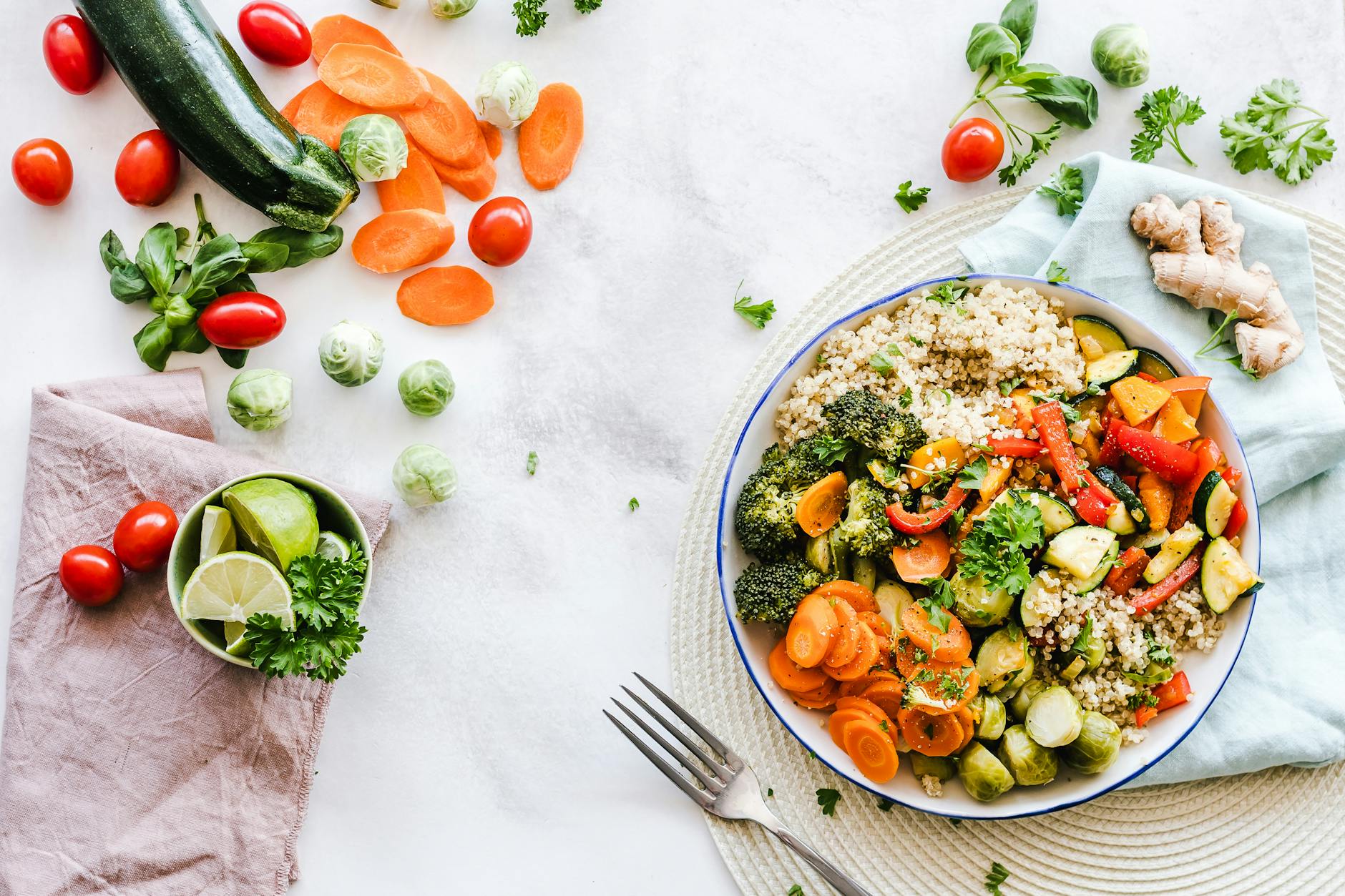
Count every different plant that crosses your lips in a week: vegetables, fruits, whole grains, legumes, nuts, seeds, herbs, and spices all count. Even a pinch of cinnamon on your oatmeal is a point. Most people discover they eat far fewer than they thought — and that small swaps (mixed salad greens instead of just romaine, a handful of walnuts added to lunch) can rapidly close the gap.
Practical ways to add variety without overhauling your kitchen:
- Buy mixed greens instead of a single lettuce variety
- Add beans or lentils to soups, stews, and grain bowls
- Keep a spice rotation going — turmeric, cumin, ginger, and oregano all count as plants
- Try one new vegetable per week from the produce section
- Snack on mixed nuts and seeds rather than a single type
Strategy #2: Include Fermented Foods Daily
Fermented foods deliver live microorganisms directly to your gut — the original probiotic strategy, practiced by virtually every traditional food culture on earth long before the word "probiotic" existed. A 2021 Stanford study published in Cell found that a diet high in fermented foods increased microbiome diversity and reduced markers of inflammation more effectively than a high-fiber diet alone, making fermented foods one of the most powerful gut health tips available.
The best fermented foods for gut health include:
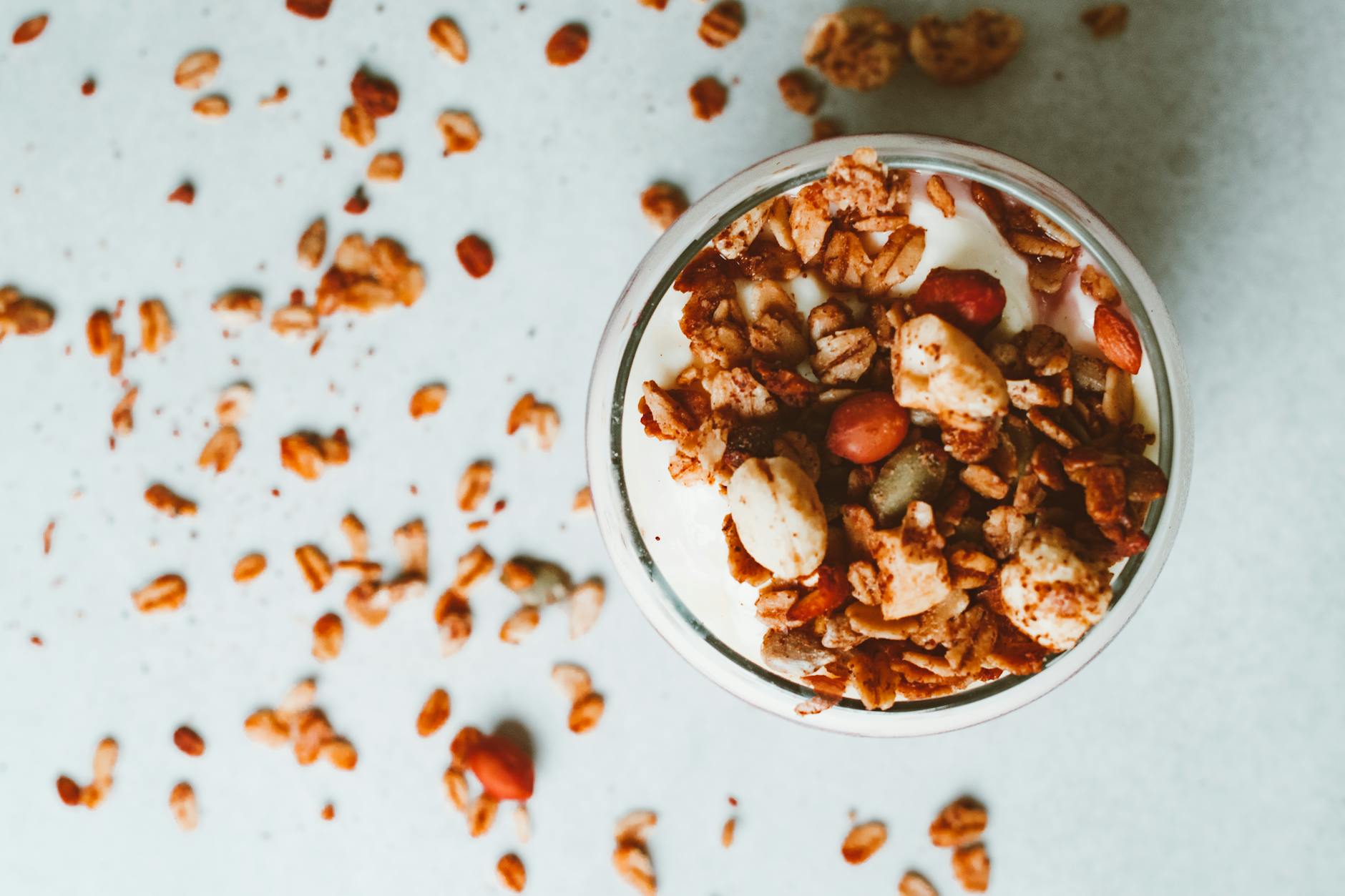
- Yogurt — choose plain, full-fat varieties with "live and active cultures" on the label; flavored yogurts often contain enough sugar to counteract the benefit
- Kefir — a fermented milk drink containing a far wider range of bacterial strains than yogurt; also available in dairy-free versions
- Sauerkraut and kimchi — fermented cabbage dishes that are rich in Lactobacillus species; buy refrigerated, unpasteurized versions to ensure live cultures
- Kombucha — fermented tea with live cultures; watch for versions high in added sugar
- Miso and tempeh — fermented soy products common in Japanese and Indonesian cuisines, excellent sources of both probiotics and protein
- Raw cheese and naturally fermented pickles — check that pickles are brine-fermented rather than vinegar-pickled, which kills live bacteria
Aim for at least one serving of a fermented food daily. If you are new to fermented foods, start with small amounts — a few tablespoons of yogurt or sauerkraut — and increase gradually to allow your gut time to adjust to the increased microbial activity.
Strategy #3: Feed Your Gut Bacteria with Prebiotics
Probiotics bring in beneficial bacteria; prebiotics feed the ones already living there. Prebiotics are types of dietary fiber and other compounds that human digestive enzymes cannot break down but that your gut bacteria ferment and use as fuel. This fermentation process produces the short-chain fatty acids — particularly butyrate — that nourish your colon lining and suppress inflammation.
The best prebiotic foods include:
- Garlic and onions — rich in fructooligosaccharides (FOS) and inulin, among the best-studied prebiotics
- Leeks and asparagus — excellent inulin sources; asparagus also provides a range of polyphenols
- Green bananas and slightly underripe bananas — high in resistant starch, which acts as a powerful prebiotic
- Jerusalem artichokes (sunchokes) — one of the highest inulin content of any food; start with small amounts
- Oats — contain beta-glucan fiber, which selectively feeds beneficial bacteria and is also linked to cholesterol reduction
- Legumes — beans, lentils, and chickpeas contain a mix of fermentable fibers that feed diverse bacterial species
- Cooked and cooled potatoes and rice — cooling starchy foods after cooking increases their resistant starch content
Current guidelines suggest aiming for 25–38 grams of total dietary fiber per day (most adults in Western countries get around 15g). Even a modest increase — adding half a cup of legumes to dinner, or switching to oats at breakfast — measurably shifts microbiome composition within a few days.
Strategy #4: Limit Artificial Sweeteners
Artificial sweeteners were long assumed to be microbiome-neutral because they pass through the body undigested. Research has since upended that assumption. A 2022 study in Cell found that consuming saccharin, sucralose, aspartame, or stevia altered gut microbiome composition and impaired glucose tolerance in previously healthy adults — effects that varied by individual microbiome baseline.
While the research is still evolving, the prudent approach is to limit artificial sweeteners, particularly if you are already managing digestive symptoms. Natural alternatives that have shown more favorable effects on gut bacteria include:
- Raw honey — contains prebiotics and antimicrobial compounds that appear to selectively support beneficial bacteria
- Maple syrup — contains polyphenols with prebiotic-like properties in small amounts
- Dates and whole fruit — sweet without disrupting microbial balance, and they come packaged with fiber
This does not mean eliminating sweeteners entirely is necessary for everyone, but reducing overall added sugar and relying on whole fruit for sweetness is a consistent gut microbiome diet recommendation.
Strategy #5: Be Mindful About Antibiotic Use
Antibiotics are life-saving medicines. They are also, by design, microbiome-disrupting ones. A broad-spectrum antibiotic course can eliminate 25–50% of gut bacterial species, with some studies showing incomplete recovery for up to 12 months afterward. This is not an argument against taking antibiotics when genuinely needed — untreated bacterial infections are far more dangerous than a temporarily disrupted microbiome.
What it does mean is that thoughtful use matters:
- Reserve antibiotics for bacterial infections — they have no effect on viral illnesses like colds, flu, or most sore throats, yet these are among the most common reasons antibiotics are prescribed
- Always complete the course — stopping early selects for the most resistant bacteria, worsening both the infection and the microbiome impact
- Ask your doctor about the narrowest-spectrum option — targeted antibiotics cause less collateral microbiome damage than broad-spectrum ones
- Rebuild aggressively afterward — during and after any antibiotic course, increase fermented foods, prebiotic fibers, and diverse plant intake
Try This: Post-Antibiotic Microbiome Reset
After finishing a course of antibiotics, spend the following four weeks eating at least one fermented food daily, aiming for 30+ plant foods per week, and adding a prebiotic-rich food (oats, garlic, onions) to each meal. This focused effort meaningfully accelerates microbiome recovery compared to doing nothing.
Strategy #6: Manage Stress — Your Gut Feels It Too
The gut-brain connection is bidirectional: just as your gut sends signals to your brain, your brain's stress responses directly affect your gut. Chronic psychological stress elevates cortisol levels, which increases intestinal permeability (the "leaky gut" phenomenon), reduces protective mucus production, and actively alters which bacterial species thrive in the intestine. Research consistently shows that high-stress individuals have less diverse microbiomes.
Effective stress management techniques that have also shown positive effects on gut bacteria include:
- Mindfulness meditation — as little as 10 minutes daily has been shown in multiple trials to reduce inflammatory markers linked to gut dysbiosis
- Deep breathing exercises — slow, diaphragmatic breathing activates the vagus nerve, which directly calms the enteric nervous system governing gut motility
- Time in nature — spending time outdoors also exposes you to environmental microorganisms that may enrich your own microbiome diversity
- Social connection — strong social relationships are independently associated with healthier microbiome profiles in population studies
- Adequate downtime — unscheduled, unproductive rest is not a luxury; it is a biological requirement for stress hormone regulation
Managing stress is one of the most underappreciated gut health tips, precisely because the connection between psychological state and gut bacterial composition is less intuitive than eating more vegetables — but the evidence is just as strong.
Strategy #7: Exercise Regularly
Physical activity is independently linked to microbiome health, separate from its effects on weight or diet. Multiple studies have found that exercise increases microbial diversity, raises populations of butyrate-producing bacteria, and strengthens the intestinal barrier — even when diet is held constant.
A notable study of professional rugby players found they had significantly more diverse microbiomes than sedentary controls matched for diet. Rodent studies have confirmed the causality: when germ-free mice receive the microbiome of exercised animals, they show reduced inflammation and improved metabolic markers compared to those receiving a sedentary microbiome.
The practical takeaways for exercise and gut health:
- Both aerobic exercise (walking, cycling, swimming) and resistance training benefit the microbiome, though aerobic exercise has the most research support
- Even moderate activity — 150 minutes per week of brisk walking — produces measurable microbiome improvements
- Consistency matters more than intensity; daily movement beats occasional intense exercise for gut health outcomes
- Outdoor exercise adds the benefit of environmental microorganism exposure
If you are currently sedentary, start with 20-minute walks after meals. Post-meal walking also directly improves gut motility and reduces post-meal blood sugar spikes, both of which benefit the microbiome.
Strategy #8: Prioritize Quality Sleep
Your gut bacteria operate on a circadian rhythm, just like you do. Different bacterial species are active at different times of day, and this cycle regulates everything from intestinal motility to the production of immune compounds. Sleep deprivation and disrupted circadian rhythms — including those caused by shift work, late-night eating, and irregular sleep schedules — measurably alter microbiome composition toward more inflammatory profiles.
Sleep hygiene habits that support both your circadian rhythm and your gut bacteria:
- Aim for 7–9 hours of sleep in a consistent window — going to bed and waking at the same times seven days a week is more beneficial than catching up on weekends
- Avoid eating within 2–3 hours of bedtime; late eating disrupts the gut's nocturnal maintenance cycles
- Limit blue light exposure in the hour before bed, which suppresses melatonin and disrupts the gut's circadian signaling
- Keep your bedroom cool and dark — core body temperature drop is a key circadian trigger that also signals the gut to shift into its overnight repair mode
Strategy #9: Stay Consistently Hydrated
Water is the most overlooked gut health nutrient. The mucosal lining of your intestines — the protective layer that both houses beneficial bacteria and serves as the primary barrier against pathogens — requires consistent hydration to maintain its integrity. Chronic mild dehydration reduces mucus production, impairs the motility that moves food and waste through the intestinal tract, and is associated with lower microbial diversity in population studies.
Practical hydration goals for gut health:
- Aim for 2–3 liters of total fluid daily from water, herbal teas, and water-rich foods
- Drink a glass of water first thing in the morning before coffee to rehydrate after the overnight fast
- Herbal teas — particularly ginger, peppermint, and chamomile — provide hydration with additional gut-soothing compounds
- Reduce or replace alcohol and excess caffeine, both of which promote fluid loss and directly disrupt gut barrier function
Strategy #10: Consider a Quality Probiotic Supplement
Whole food sources of probiotics and prebiotics should always come first — the research on food-based microbiome interventions is more robust and consistent than for supplements. That said, probiotic supplements can be a useful tool in specific circumstances, including after antibiotic use, during high-stress periods, when traveling and dietary variety suffers, or when managing a condition that has evidence-based probiotic protocols (such as IBS, antibiotic-associated diarrhea, or certain immune conditions).
If you choose to use a probiotic supplement, look for:
- Multiple well-studied strains — look for Lactobacillus acidophilus, Lactobacillus rhamnosus GG, Bifidobacterium longum, and Bifidobacterium bifidum as baseline species
- At least 10–30 billion CFUs (colony-forming units) per dose — more is not always better; match CFU count to the purpose
- Delayed-release capsules — to survive stomach acid and reach the colon where they are needed
- Third-party testing certification — independent verification of the label's claims is essential, as probiotic supplement quality is highly variable
- Prebiotic co-ingredients — synbiotic products (probiotics plus prebiotics) tend to show better outcomes than probiotics alone
Always discuss probiotic supplementation with your healthcare provider if you are immunocompromised, pregnant, or managing a serious health condition.
Foods to Limit for Better Gut Health
Learning what to add to your diet is only half the equation. Certain foods actively disrupt the microbiome by feeding harmful bacteria, degrading the intestinal lining, or reducing microbial diversity:
Limit These for a Healthier Gut
- Processed foods and fast food — typically high in refined carbohydrates, inflammatory oils, and chemical additives that reduce beneficial bacteria populations
- Excess added sugar — feeds Candida and other opportunistic organisms while depleting fiber-fermenting beneficial species
- Alcohol — even moderate consumption increases intestinal permeability and reduces microbial diversity; heavy drinking causes significant dysbiosis
- Emulsifiers — common food additives like carboxymethylcellulose and polysorbate-80 (found in many processed foods) have been shown in animal studies to degrade the protective mucus layer
- Excess red and processed meat — high intake is linked to increased production of trimethylamine N-oxide (TMAO) by certain gut bacteria, associated with cardiovascular risk
- Fried foods and trans fats — promote inflammatory bacteria and are consistently associated with lower microbiome diversity in epidemiological studies
None of these foods needs to be permanently eliminated for most people. The goal is a pattern in which they are occasional rather than daily staples, and in which whole, fiber-rich foods make up the foundation of eating.
Creating Your Gut Health Action Plan
Knowing what to do and actually doing it consistently are two different things. Rather than attempting all ten strategies simultaneously — which research on behavior change shows is a reliable recipe for abandonment — the most effective approach is a progressive, sequenced implementation.
Week 1–2: Assess and establish baselines. For one week, keep a simple food log noting what you ate, how your digestion felt, and rough mood and energy levels. Count how many different plant foods you eat in a typical week. This gives you an honest baseline and reveals the lowest-hanging fruit.
Week 3–4: Add before you subtract. Pick the two strategies that feel most accessible — typically adding a daily fermented food and increasing plant variety. Make these non-negotiable before attempting to reduce anything.
Month 2: Layer in lifestyle factors. Once dietary additions are habitual, begin addressing sleep consistency and a daily stress management practice. These compound powerfully with the dietary changes.
Month 3 and beyond: Refine and personalize. By this point, most people notice sufficient digestive and energy improvements to motivate further refinement. This is the right time to address foods you want to reduce and to experiment with more advanced strategies.
Gut-Friendly Meal Ideas to Get You Started
Breakfast: Plain yogurt with berries, a sliced banana, mixed seeds, and a drizzle of raw honey — hits fermented food, prebiotic fruit, and diverse plant count in one bowl.
Lunch: Large salad with mixed greens, roasted chickpeas, chopped red onion, cucumber, avocado, pumpkin seeds, and lemon-olive oil dressing — easily 8–10 plant points.
Dinner: Stir-fry with tempeh, broccoli, snap peas, garlic, ginger, scallions, and mixed peppers over brown rice — fermented food plus 7+ plants in one meal.
Snacks: A small amount of sauerkraut alongside whole grain crackers and hummus; or apple slices with almond butter and a sprinkle of cinnamon.
Track progress not just by digestive symptoms but by energy, mood, skin clarity, and sleep quality — all of which tend to improve as the microbiome shifts toward healthier balance. Most people notice meaningful changes within two to four weeks of consistent implementation.
Key Takeaways
Your gut microbiome is one of the most dynamic and responsive systems in your body. Unlike genetics, which you cannot change, your microbiome responds to the inputs you give it — often within 24 to 72 hours of a dietary shift. This is simultaneously humbling and empowering: the choices you make at every meal are actively shaping the microbial community that governs your digestion, immunity, mood, and long-term disease risk.
The core principles to carry forward:
- Diversity is the most important dietary goal — aim for 30 different plant foods per week
- Fermented foods are the most powerful single addition — daily, starting small
- Prebiotics feed what probiotics introduce — you need both strategies working together
- Lifestyle factors matter as much as food — stress, sleep, and exercise each independently shape microbiome composition
- Consistency over perfection — a moderately healthy diet maintained for months outperforms any short-term gut reset or cleanse
- Be patient — meaningful microbiome shifts take weeks to months, and the most significant changes often happen quietly, before symptoms fully resolve
The gut microbiome is not a problem to be fixed once and forgotten. It is a living ecosystem that requires ongoing tending. The ten strategies in this guide are not a protocol to complete — they are a new baseline for how you relate to food, movement, rest, and stress for the rest of your life. Start with one change today, build from there, and trust the compounding effects of small, consistent improvements over time.