How to Improve Your Oral Hygiene Routine: 10 Habits Dentists Actually Recommend

Most adults brush their teeth twice a day and consider the job done. But the best oral hygiene routines go well beyond a quick two-minute scrub — and dentists know it. The difference between a mouth that stays healthy for decades and one that accumulates costly damage often comes down to a handful of specific habits that most people either skip entirely or perform incorrectly.
This guide breaks down exactly how to improve oral hygiene with 10 dentist-recommended habits, along with the science behind each one. Understanding why a habit matters makes it far easier to actually stick with it.
Why Your Current Routine Probably Has Gaps
According to the American Dental Association, nearly half of adults over 30 show some signs of gum disease — a condition that is largely preventable with a consistent daily routine. The problem is rarely effort; most people are motivated to take care of their teeth. The problem is technique and completeness. Brushing the wrong way, skipping floss, and neglecting the tongue and gumline all allow bacteria to accumulate in the exact spots that lead to decay, disease, and persistent bad breath.
The good news: every one of the habits below can be adopted without any special equipment or significant time investment. Small, deliberate changes to your daily routine compound into dramatically better oral health over months and years.
The 10 Habits That Define a Genuinely Good Oral Hygiene Routine
1. Brush for a Full Two Minutes, Twice a Day — With a Timer
Most people brush for around 45 seconds, according to research published in the Journal of Dental Hygiene. That is less than half the time needed to adequately clean every tooth surface. The American Dental Association recommends two full minutes, twice daily — and timing yourself is the only reliable way to hit that target.
The science: Dental plaque — the sticky biofilm of bacteria that causes both tooth decay and gum disease — begins reforming within hours of brushing. Two thorough sessions a day disrupt this cycle before the bacteria have time to produce enough acid to damage enamel or inflame gum tissue.
Implementation tip: Use the built-in timer on an electric toothbrush, or simply set a phone timer. Divide your mouth into four quadrants and spend 30 seconds on each.
2. Use the Modified Bass Technique — The Best Brushing Technique for Adults
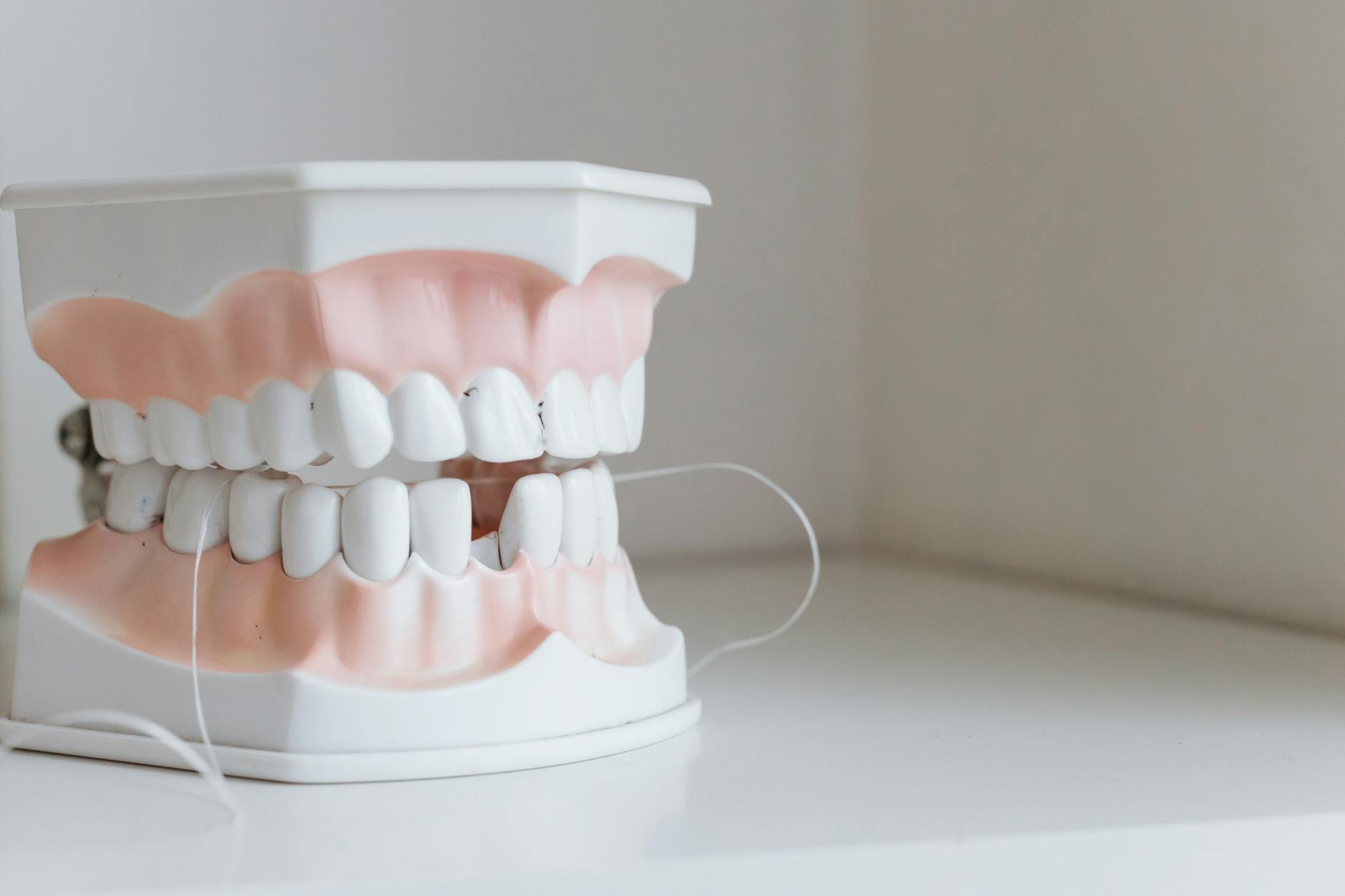
Scrubbing back and forth horizontally is intuitive but wrong. The best brushing technique recommended by most dental professionals is the Modified Bass Technique: hold the brush at a 45-degree angle to the gumline, use small circular or gentle back-and-forth strokes about half a tooth-width wide, and finish each section with a sweeping motion toward the biting surface.
The science: The 45-degree angle directs bristle tips slightly beneath the gumline, where the sulcus (the shallow pocket between tooth and gum) harbors the bacteria most responsible for early-stage gum disease. Aggressive horizontal scrubbing misses this area entirely and can cause gum recession and enamel abrasion over time.
Implementation tip: Apply only light pressure — the bristles should flex only slightly. If your toothbrush looks splayed after a few weeks, you are pressing too hard.
3. Floss Once Every Day — Not Just When You Feel Food Stuck
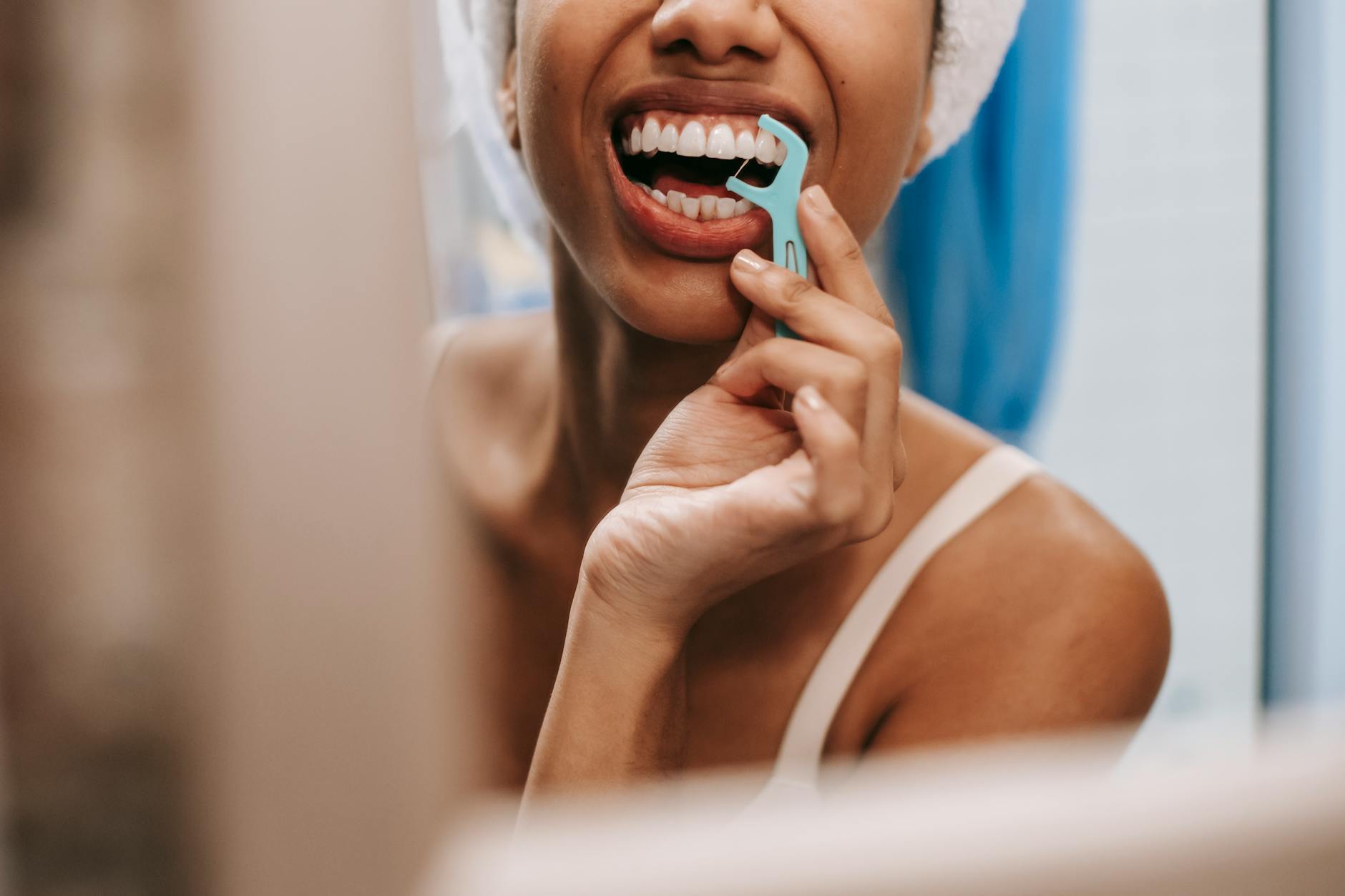
The question of how often to floss has a clear answer: every day. Flossing once a day — ideally before your evening brush — removes plaque and food debris from the contact points between teeth, areas a toothbrush cannot reach regardless of its shape or bristle design.
The science: Approximately 35 percent of each tooth's surface sits between adjacent teeth. Leaving these surfaces unclean means that a substantial portion of your enamel and gum tissue never gets properly cleaned. Interdental plaque is the primary cause of cavities that form between teeth (interproximal cavities) and the leading trigger for gingivitis.
Implementation tip: If standard floss is difficult to maneuver, interdental brushes, floss picks, or water flossers are all effective alternatives. Consistency matters more than the specific tool.
4. Add Tongue Scraping to Your Morning Routine
The tongue is a textured surface that traps bacteria, dead cells, and food particles overnight. Left undisturbed, this coating becomes a major source of volatile sulfur compounds — the primary driver of bad breath. Tongue scraping in the morning takes about 15 seconds and removes this layer far more effectively than brushing the tongue with a toothbrush.
The science: A landmark study in the Journal of Periodontology found that tongue scrapers reduced volatile sulfur compounds by 75 percent compared to 45 percent for toothbrush-based tongue cleaning. The scraping action physically removes the biofilm rather than simply redistributing it.
Implementation tip: Use a stainless steel or copper tongue scraper. Apply gentle pressure, glide from the back of the tongue to the front 3–5 times, and rinse between passes. Start further back than feels natural — that is where the heaviest coating accumulates.
5. Rinse With a Fluoride Mouthwash — But Not Right After Brushing
A fluoride mouthwash used as part of a dentist recommended oral care routine adds an additional layer of protection against decay by bathing all tooth surfaces — including hard-to-reach spots — in fluoride ions that strengthen enamel. However, timing matters significantly.
The science: Toothpaste leaves a concentrated fluoride film on your teeth immediately after brushing. Rinsing right after removes most of that protective residue. Using mouthwash at a different time — after lunch, or before bed after flossing but before brushing — maximizes the fluoride exposure your enamel receives over the course of the day.
Implementation tip: If you prefer to use mouthwash at night, floss first, swish with mouthwash for 60 seconds, then brush. Spit — do not rinse with water afterward.
6. Wait 30 Minutes After Eating Before Brushing
This is one of the most counterintuitive oral hygiene tips, but it is well-supported by research. After consuming acidic foods or drinks — citrus, coffee, fizzy drinks, wine — the enamel temporarily softens as a result of acid exposure. Brushing immediately during this window can physically abrade the softened surface.
The science: Saliva naturally neutralizes oral acidity and re-hardens enamel through a process called remineralization. This takes approximately 30 minutes. Waiting gives your saliva time to do its job before you introduce mechanical friction from brushing.
Implementation tip: After acidic meals or drinks, rinse with plain water immediately to dilute the acid, then wait 30 minutes before brushing. Chewing sugar-free gum in the interim stimulates saliva production and speeds up the neutralization process.
7. Stay Hydrated — Especially Throughout the Day
Saliva is one of the body's most powerful natural defenses against tooth decay, and it is composed largely of water. Chronic mild dehydration — common among adults who rely heavily on coffee and forget to drink water — reduces saliva production significantly, creating a dry oral environment where bacteria thrive.
The science: Saliva contains antimicrobial proteins, calcium and phosphate ions for enamel remineralization, and bicarbonate that buffers oral acid. A dry mouth (xerostomia) dramatically accelerates decay because none of these protective mechanisms can function without adequate saliva flow. Many medications also cause dry mouth as a side effect — worth discussing with your dentist if you notice persistent dryness.
Implementation tip: Drink water throughout the day rather than in large amounts at mealtimes only. Fluoridated tap water provides an additional passive benefit for enamel strength.
8. Replace Your Toothbrush (or Brush Head) Every Three Months
Most people keep their toothbrush far longer than they should. Frayed, worn bristles lose their ability to clean effectively and can also harbor bacteria, especially if stored in a closed container or in proximity to a toilet.
The science: A 2020 study published in the American Journal of Dentistry found that toothbrushes used for more than three months removed significantly less plaque than newer brushes during standardized testing. Additionally, when bristles splay outward, they no longer make proper contact with the tooth surface and gumline, reducing cleaning efficiency by up to 30 percent.
Implementation tip: Set a recurring reminder on your phone for every 12 weeks. Store your toothbrush upright and uncovered to allow it to air dry between uses. If you have been ill, replace it immediately after recovering to avoid reintroduction of pathogens.
9. Cut Back on Sugary and Starchy Snacks Between Meals
Diet has a profound impact on oral health, but it is less about what you eat and more about how often you eat it. Every time you consume fermentable carbohydrates — sugars and refined starches — oral bacteria metabolize them and produce lactic acid, which attacks enamel for approximately 20–40 minutes afterward.
The science: Frequent snacking means your teeth are subjected to repeated acid attacks throughout the day with little recovery time in between. Three meals a day with no snacking produces far fewer and shorter acid episodes than three meals plus five snack occasions, even if total sugar intake is identical. The frequency of exposure, not just the amount, determines decay risk.
Implementation tip: If you snack, pair carbohydrates with protein or fat (which do not ferment the same way and can slow the acid drop), or finish with a few sips of water to rinse. Cheese, in particular, is shown to neutralize oral acid through its calcium content.
10. See a Dentist for a Professional Clean Every Six Months
No matter how meticulous your home care, calculus (hardened plaque, also called tartar) accumulates in areas that brushing and flossing cannot reach — especially below the gumline. Once plaque mineralizes into tartar, it can only be removed with professional instruments.
The science: Calculus creates a rough surface that accelerates further plaque adhesion, acting as a scaffold for bacterial colonization right next to gum tissue. The bacteria embedded in sub-gingival calculus are the primary cause of periodontitis — the advanced form of gum disease that destroys the bone supporting your teeth. Biannual professional cleaning interrupts this process before it progresses.
Implementation tip: If cost or anxiety is a barrier, many dental schools offer cleanings at significantly reduced rates performed by supervised students. Some areas also have community health centers with sliding-scale dental fees. Do not let access issues keep you away indefinitely — even annual visits are far better than none.
Putting It All Together: A Sample Daily Routine
Knowing the habits is one thing; fitting them into a real day is another. Here is how a complete oral hygiene routine looks when organized across the day:
Morning
- Tongue scrape (15 seconds) before drinking or eating anything
- Brush for 2 minutes using the Modified Bass Technique
- Rinse with plain water — save mouthwash for a different time
After Meals
- Rinse with water immediately after acidic foods or drinks
- Wait 30 minutes before brushing if you had something acidic
- Use fluoride mouthwash after lunch as your midday fluoride boost
Evening
- Floss thoroughly between every tooth contact point
- Brush for 2 minutes — again with the correct angle and pressure
- Spit out toothpaste — do not rinse with water afterward
- Sip water before bed to keep saliva flow steady overnight
Common Mistakes That Undermine Even Good Routines
Even motivated people make a few consistent errors. Being aware of these helps you avoid them:
- Brushing too hard: Firm pressure does not mean better cleaning. It causes gum recession and enamel wear.
- Skipping the back molars: The most common areas for decay are the surfaces of back teeth — pay deliberate attention to reaching them.
- Using the same floss section repeatedly: Move to a fresh section of floss between each tooth gap to avoid redistributing bacteria.
- Storing a toothbrush in a closed container: This keeps it moist and promotes bacterial and mold growth. Air drying upright is always preferable.
- Ignoring bleeding gums: Gums that bleed during brushing or flossing are inflamed — usually from bacterial accumulation. This is a signal to improve your routine, not to brush more gently and avoid the area.
Frequently Asked Questions About Oral Hygiene
Key Takeaways
Building the best oral hygiene routine is not about finding a miracle product or spending more money — it is about executing a small number of well-understood habits with genuine consistency. Here is what the evidence supports most clearly:
- Technique matters more than time. Two minutes with correct angulation beats five minutes of aggressive scrubbing every time.
- Flossing is non-negotiable. Knowing how often to floss (daily) is easy — the challenge is making it a habit. Start with just one tooth gap per evening until it becomes automatic, then expand from there.
- Your tongue is part of the equation. Tongue scraping is among the highest-impact additions most adults can make to their routine with essentially zero cost or effort.
- Diet frequency matters more than diet composition. Sipping on sugary drinks all day is more damaging than eating a dessert in one sitting.
- Home care and professional care are partners, not substitutes. No dental visit replaces daily hygiene, and no home routine replaces the professional removal of calculus.
The mouth is the entry point to the body, and the research connecting oral health to systemic conditions — including cardiovascular disease, diabetes, and respiratory health — continues to grow. Investing time in how to improve oral hygiene today is one of the most straightforward things any adult can do for their long-term wellbeing.