How to Make Your Home Smell Good Naturally: 12 Methods That Actually Work
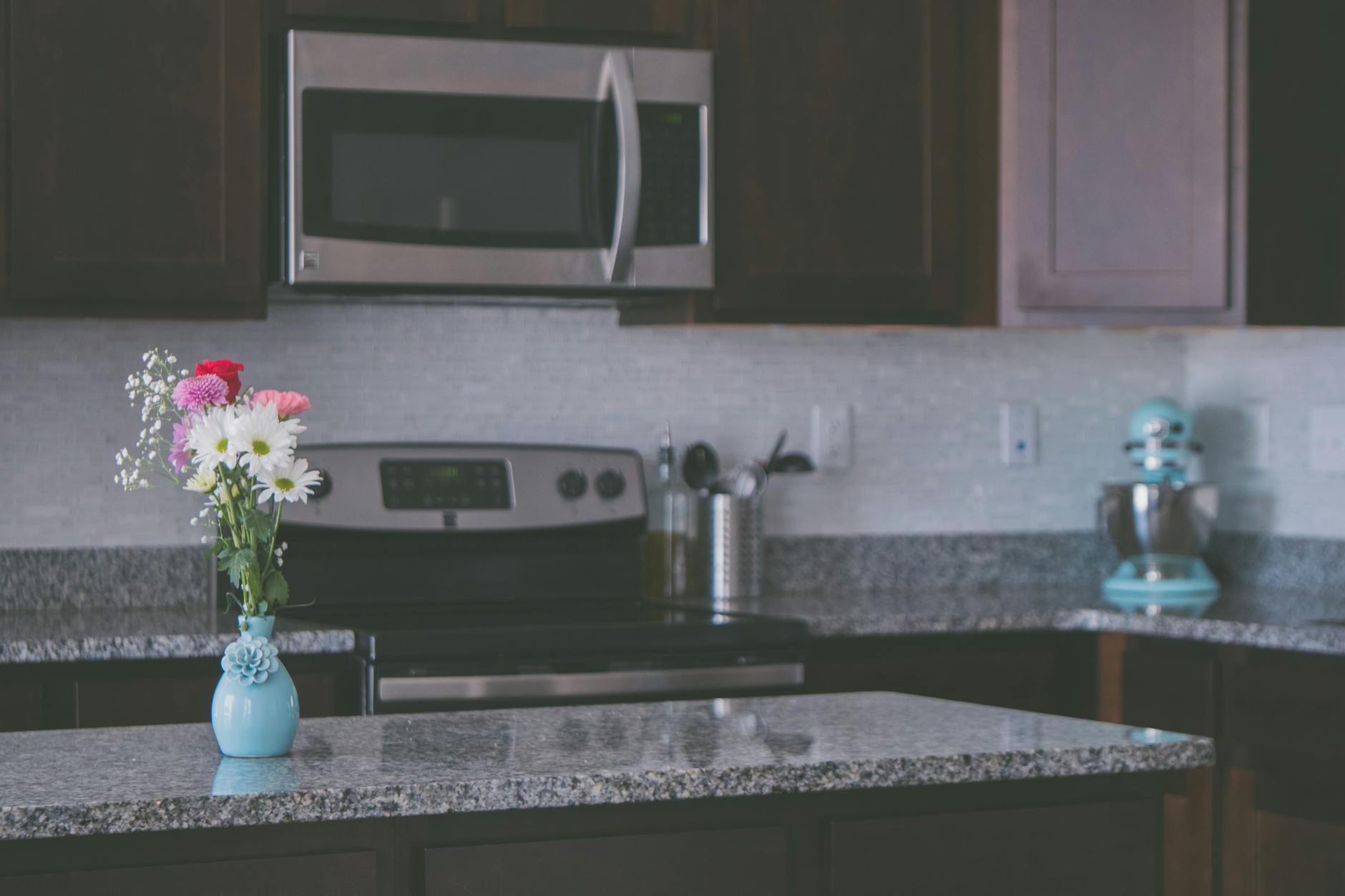
If you've ever walked into someone's home and immediately thought it smells so good in here — and then wondered what their secret was — you're not alone. How to make your home smell good naturally is one of the most-searched home improvement questions for a reason: most people want a fresh, welcoming scent without filling their air with synthetic fragrances, paraffin smoke, or chemical sprays.
The good news is that the best-smelling homes rarely rely on store-bought air fresheners. They use a layered combination of simple, low-cost techniques that work with your home's air instead of masking it. This guide covers 12 of the most effective methods — organized so you can pick the ones that fit your rooms, your lifestyle, and your nose.
Why Your Home Has a Persistent Odor Even When It's Clean
Before reaching for any fragrance solution, it helps to understand why homes develop baseline odors in the first place. Soft surfaces — upholstery, carpets, mattresses, curtains — absorb and slowly release odor molecules over time. Cooking oils polymerize on cabinet surfaces. Pet dander settles into textiles. Even clean laundry left in a basket too long begins to smell stale.
The second culprit is stagnant air. When a home has poor air circulation, odor compounds build up rather than dissipating. You can layer on all the fragrance you want, but if you're not moving air and removing odor at the source, you're essentially perfuming the problem. That's why several of the methods below address best ways to freshen home air structurally, not just cosmetically.
With that context in place, here are 12 methods that genuinely work.
Method 1: Simmer Pots with Herbs and Citrus

A simmer pot — also called a stovetop potpourri — is arguably the fastest way to fill an entire home with a rich, natural scent. Fill a small saucepan with water, bring it to a gentle simmer, and add your chosen aromatics. The steam carries the scent through every room connected to your kitchen.
A classic combination: two sliced oranges or lemons, two cinnamon sticks, a tablespoon of whole cloves, and a few sprigs of fresh rosemary. For a lighter, fresher take: sliced cucumber, fresh mint leaves, and a few drops of vanilla extract. Keep the water level topped up and never let the pot boil dry. The scent typically lasts two to three hours and can be refrigerated overnight and reused for up to three days.
This is one of the best DIY home fragrance options because the ingredients cost almost nothing and the scent is genuinely complex — not the flat, single-note quality of most sprays.
Method 2: Baking Soda Odor Absorption — Placement Guide
Baking soda (sodium bicarbonate) neutralizes acidic odor molecules rather than covering them up. An open box in the refrigerator is the classic use case, but the technique works anywhere odors accumulate: inside trash cans, at the back of a shoe closet, under bathroom sinks, and beneath pet beds.
For carpets, sprinkle baking soda generously, let it sit for 15–20 minutes (or overnight for deep odors), then vacuum thoroughly. For a subtle scent boost, mix a few drops of essential oil — lavender and tea tree work well — into the baking soda before sprinkling. Replace open containers every 30 days for maximum absorption effectiveness.
Method 3: Strategic Ventilation and the Cross-Breeze Technique
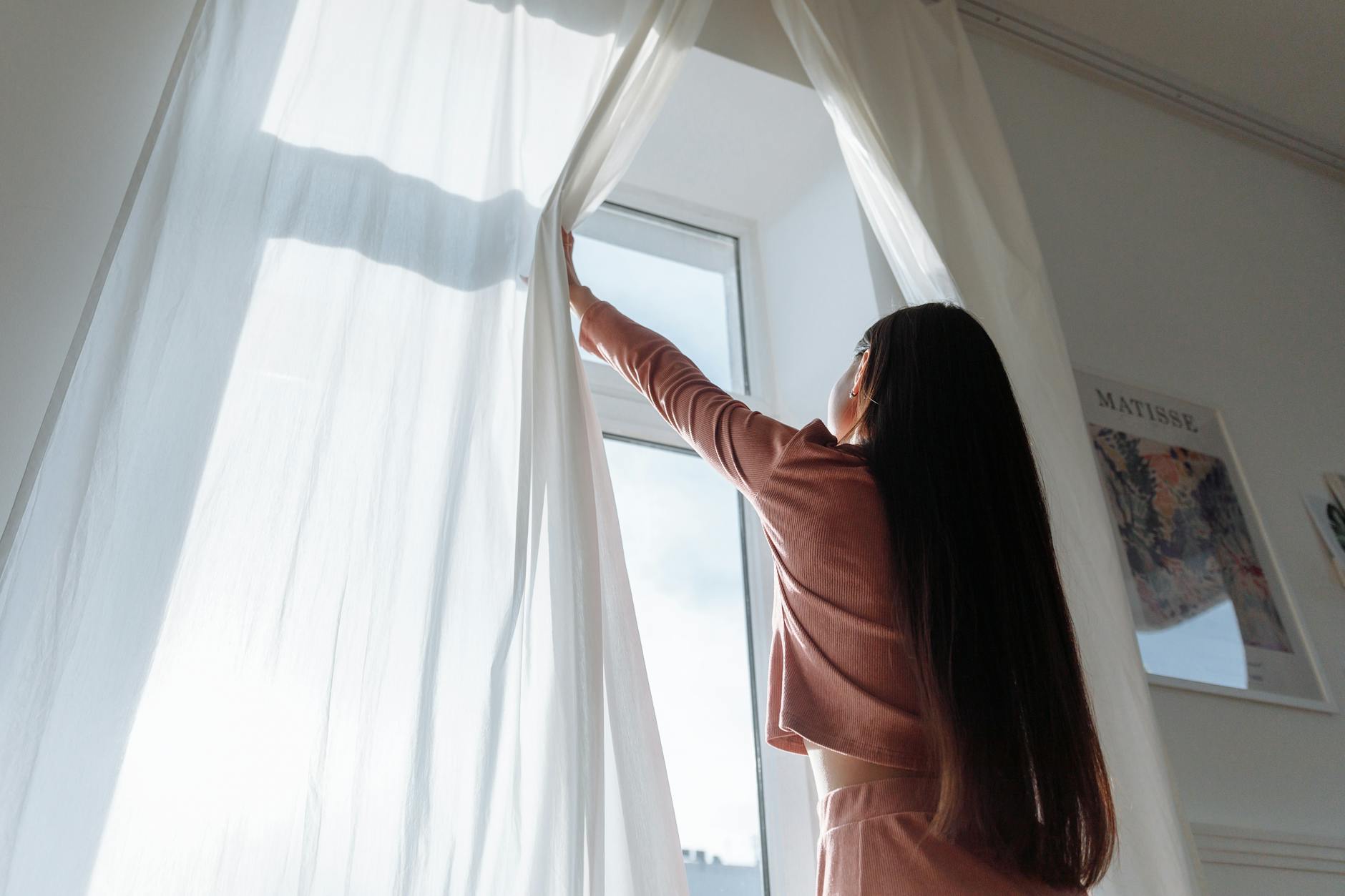
Fresh outdoor air is genuinely the most effective natural home fragrance available — and it costs nothing. The key is creating a cross-breeze rather than just cracking one window. Open a window on the windward side of your home and one on the opposite, leeward side. This pressure differential pulls stale, odorous air out and draws fresh air in at a much higher rate than a single open window.
Even 10 minutes of cross-ventilation on a mild day can dramatically reset the baseline smell of a room. In colder months, a quick five-minute full-flush is still worthwhile. Make it a morning habit: open both ends of the house while you shower or make coffee, then close up and let whatever fragrance method you prefer build on a clean foundation.
Method 4: Dried Botanicals and Pomanders
Dried lavender bunches hung in closets and bedrooms release a slow, gentle scent for months. Dried eucalyptus stems placed in a vase (without water) offer a spa-like freshness to bathrooms. Clove-studded oranges — called pomanders — are one of the oldest natural home fragrance ideas in existence and continue to work beautifully in entryways and linen closets.
To make a pomander: use a skewer to pre-puncture holes in a firm orange, then press whole cloves into the holes in rows or patterns until the surface is well covered. Roll the finished pomander in a mixture of cinnamon and orris root powder (which acts as a fixative) and let it dry for one to two weeks in a cool, dark spot. Once cured, it will hold its spiced-citrus scent for up to a year.
Method 5: Linen Spray with Essential Oils
A homemade linen spray is one of the simplest ways to make your home smell good without chemicals. Combine 15–20 drops of essential oil with one tablespoon of high-proof vodka or witch hazel (both act as dispersants) and top up with distilled water in a small spray bottle. Shake before each use and mist lightly over pillows, upholstery, curtains, and bedding.
Lavender is the classic choice for bedrooms. Eucalyptus and peppermint work well in bathrooms and laundry rooms. For living spaces, bergamot, sweet orange, or a blend of cedarwood and vetiver creates a warm, grounding scent. Avoid spraying directly on delicate fabrics without spot-testing first, and keep spray bottles away from heat and direct sunlight to preserve the essential oil integrity.
Method 6: Activated Charcoal Odor Absorbers
Activated charcoal (usually in the form of bamboo charcoal bags) is highly porous — one gram has a surface area estimated at over 500 square meters — making it extraordinarily effective at trapping odor molecules, moisture, and even some volatile organic compounds (VOCs). Unlike baking soda, bamboo charcoal bags don't need to be replaced monthly: set them in direct sunlight for two to three hours once a month, and they regenerate for up to two years.
Place them in areas where odor concentrates: gym bags, car interiors, laundry rooms, pet areas, and bathrooms. They're odorless themselves, which makes them ideal for anyone sensitive to fragrance who simply wants a cleaner-smelling baseline throughout the home.
Method 7: Houseplants with Mild Natural Scent
Most houseplants don't produce a detectable fragrance indoors, but a few genuinely do. Gardenias produce a rich, creamy scent when in bloom — though they require bright indirect light and consistent humidity. Jasmine (Jasminum polyanthum) blooms in late winter and fills a room with a sweet floral scent for weeks. Scented geraniums (Pelargonium) offer a range of aromas — rose, lemon, mint — from their leaves when brushed.
For a lower-maintenance option, a pot of fresh mint on a sunny kitchen windowsill releases a clean, bright scent whenever the leaves are touched. Lemon balm behaves similarly. Neither requires anything beyond a sunny spot and regular watering, and both do double duty as culinary herbs.
Method 8: Clean the Sources, Not Just the Symptoms
This method isn't glamorous, but it's the one that makes every other technique more effective. Persistent home odors almost always have a specific source: a buildup of cooking grease on range hood filters, mildew in the rubber seal of a washing machine door, bacteria in a garbage disposal, or saturated pet bedding. Making your house smell nice long-term requires locating and eliminating these sources directly.
A monthly maintenance routine makes a measurable difference: pour half a cup of baking soda followed by a cup of white vinegar down the kitchen drain and let it fizz before flushing with hot water. Run an empty washing machine on a hot cycle with two cups of white vinegar. Wipe down range hood grease filters with a degreasing dish soap. Wash all pet bedding on the hottest appropriate setting. These habits alone remove the foundation that makes home odors so persistent.
Method 9: Wax Warmers — Pros and Cons
Wax warmers use a low-heat bulb or plate to melt scented wax without combustion, which means no soot and no open flame. This makes them safer in homes with children or pets and a reasonable home scent without candles option for apartments where open flames may be restricted.
The main advantage is scent intensity: wax warmers can fill a medium-sized room quickly. The main disadvantage is that most commercially available wax melts still use synthetic fragrance compounds, which some people find irritating. If you're committed to fully natural scenting, look for wax melts made with soy or beeswax and scented only with essential oils — they're less common but available from smaller independent makers. Keep the wax pool clean by swapping melts before they lose scent entirely, as old wax can develop a stale, waxy undertone over time.
Method 10: Reed Diffusers
Reed diffusers work through capillary action: thin rattan or bamboo reeds absorb fragrance oil from a small vessel and slowly release it into the surrounding air. They require no electricity, no flames, and no attention — just an occasional flip of the reeds (every few days) to refresh scent output.
The scent from a reed diffuser is subtle and continuous rather than intense and periodic, which makes it ideal for entryways, bathrooms, and bedrooms where a background note of fragrance is more appropriate than a strong burst. Placement matters: positioning a diffuser near a heat source like a radiator or in a room with regular air movement will cause it to diffuse faster (and exhaust sooner). A cool, sheltered corner makes the oil last longer. For the most natural option, choose diffusers using carrier oils like fractionated coconut or sweet almond oil with pure essential oil blends.
Method 11: Cold-Air Diffusion Technology
Cold-air diffusers (also called nebulizing diffusers) break essential oils into micro-fine particles without heat, which preserves the full chemical complexity of the oil. Unlike ultrasonic diffusers that dilute oil in water, nebulizers emit pure, undiluted essential oil — the result is a noticeably richer, more true-to-nature scent.
They work best for essential oils with a strong aromatic profile: eucalyptus, frankincense, cedarwood, or citrus blends. Run a nebulizer in 30-minute intervals rather than continuously to avoid olfactory fatigue (where you stop noticing the scent entirely) and to avoid over-saturating a small space. This approach is particularly effective as part of a layered strategy: address odor sources and ventilation first, then use cold-air diffusion for the final fragrance layer.
Method 12: Scented Drawer Liners and Sachets
Scented drawer liners and sachets are the slow-release method that most people overlook. A sachet filled with dried lavender, cedar chips, or cloves placed in a dresser drawer or linen closet keeps textiles smelling fresh for months and prevents that musty, stored smell that even clean clothes can develop.
Cedar in particular does double duty: it repels moths and silverfish while imparting a clean, woody scent. Cedar blocks and balls sold for closets can be refreshed with fine-grit sandpaper when the scent fades — a quick sand exposes fresh wood and restores the cedar aroma without any additional product. For sachets, a small square of breathable cotton muslin filled with dried botanicals and tied with twine is all you need. Tuck them in coat pockets before storing seasonal clothing, between folded towels, and behind couch cushions for a quiet background fragrance that builds over time.
Which Method Is Right for Which Room and Lifestyle
No single method covers every room or every preference. The most fragrant homes use a layered approach: eliminate odor sources, improve air circulation, and then add fragrance intentionally. Here's a practical room-by-room guide:
- Kitchen: Simmer pots during cooking, monthly drain maintenance, and activated charcoal under the sink
- Living room: Reed diffuser in a corner, dried botanical arrangement, linen spray on upholstery weekly
- Bedroom: Lavender sachet in the linen closet, linen spray on pillows before sleep, scented drawer liners
- Bathroom: Dried eucalyptus hung near the shower, activated charcoal bag, wax warmer on the vanity
- Entryway: A clove pomander in season, reed diffuser with a light citrus or green scent, weekly baking soda treatment on any rugs
- Home office: Cold-air diffuser on an interval timer with a focus-supporting scent like rosemary or mint
- Closets and laundry room: Cedar blocks, baking soda open boxes, dried lavender sachets
If you have pets, lean heavily on activated charcoal bags and baking soda treatments on soft surfaces. If you have fragrance sensitivities or young children, ventilation and source-cleaning do the most work — and you can be very selective about which fragrance methods you layer on top. If you rent and can't make structural changes, simmer pots, sachets, and reed diffusers give you strong results with no permanent modifications.
Key Takeaways
Learning how to make your home smell good naturally comes down to three principles working together: remove odor at its source, circulate fresh air regularly, and then layer in fragrance intentionally using methods that suit your space and lifestyle. The 12 methods above cover the full spectrum — from free (ventilation, baking soda) to low-cost DIY (simmer pots, linen spray, sachets) to set-and-forget passive options (charcoal bags, cedar, reed diffusers) to more involved technology (cold-air diffusers, wax warmers).
The most important insight is this: fragrance works best as the finishing layer, not the foundation. A home that smells genuinely good is one where the air itself is clean and moving, soft surfaces are regularly refreshed, and odor sources are addressed at the root. Add natural scent on top of that foundation, and the result is the kind of home people walk into and immediately notice — in the best possible way.