How to Maximize Serum Absorption: Why Most People Are Wasting Their Skincare Products
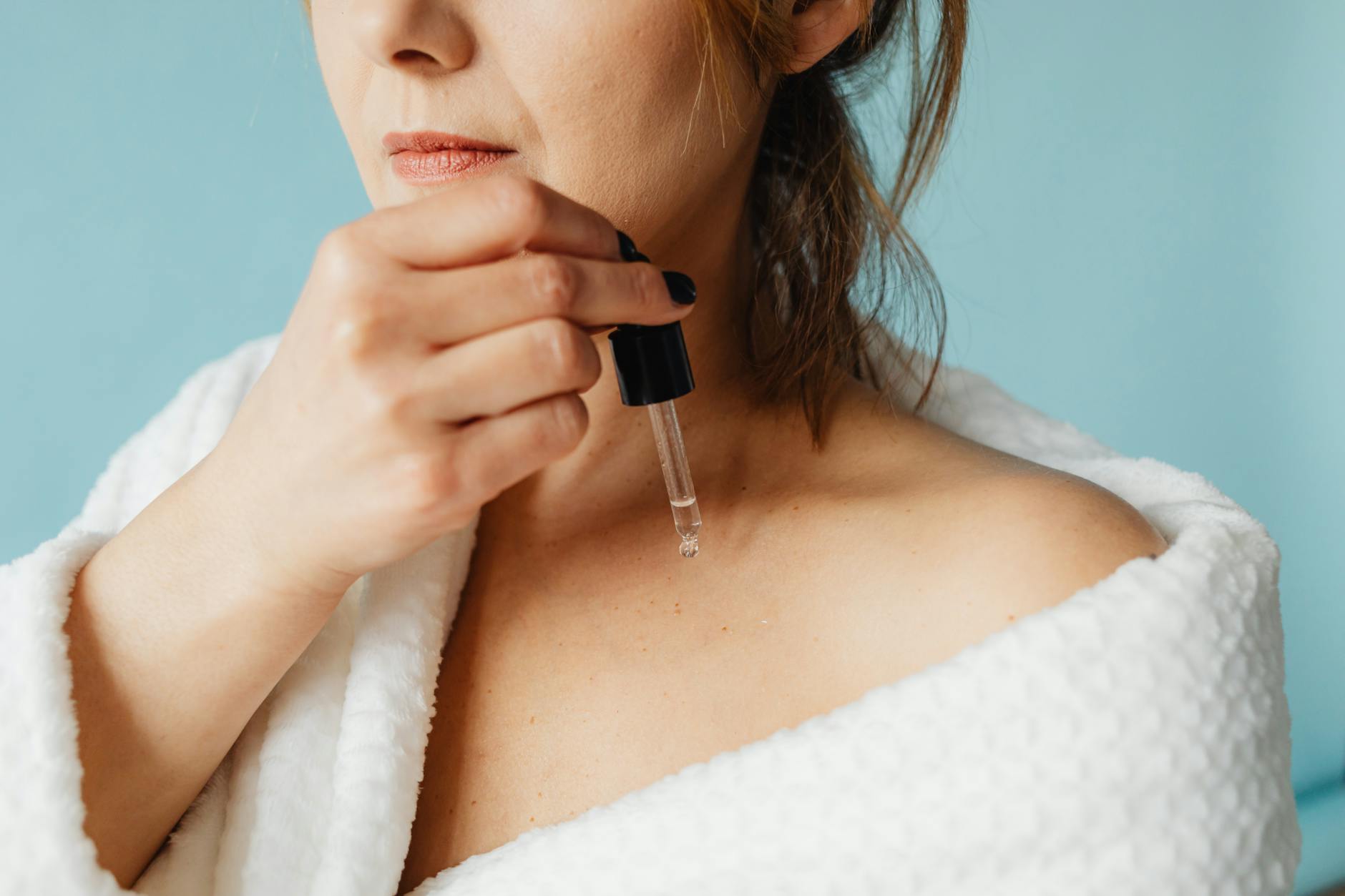
You spent $80 on a vitamin C serum. You apply it every morning. Your skin looks exactly the same as it did three months ago. Sound familiar? If you have ever wondered why your expensive skincare products don't seem to do anything, the answer is most likely not the product itself — it is that most of that serum never actually reaches the skin cells that need it. Understanding how to improve serum absorption is the single most overlooked variable in any skincare routine, and fixing it can make a dramatic difference without spending a single extra dollar.
The frustrating reality is that the skincare industry sells you highly concentrated, bioactive formulas while rarely explaining that the skin is specifically designed to keep things out. Your skin is not a sponge. It is a sophisticated barrier. And unless you know how to work with that barrier rather than against it, you are essentially moisturizing your bathroom air.
This guide explains exactly why absorption fails, what the science says about overcoming it, and eight proven methods you can start using today to ensure your serums actually do what they promise.
Why Your Expensive Serums Are Not Working: The Skin Barrier Explained
To understand the absorption problem, you first need to understand what you are up against. Human skin is a tri-layered organ, and its outermost layer — the stratum corneum — is one of the most effective biological membranes ever evolved. Its entire purpose is to prevent foreign substances from entering the body.
The stratum corneum is made up of roughly 15 to 20 layers of dead, flattened skin cells called corneocytes, embedded in a lipid-rich matrix of ceramides, cholesterol, and fatty acids. Scientists describe this structure as a "brick and mortar" model: the corneocytes are the bricks, and the lipid matrix is the mortar sealing them together. It is waterproof, largely airtight, and extraordinarily good at its job.
When you apply a serum, here is what typically happens: the liquid spreads across the surface, a small fraction of the molecules with the right size and chemical properties slip through the lipid channels between cells, and the rest evaporates or is wiped off before it can do anything. Studies suggest that even well-formulated topical products may only deliver 5–10% of their active ingredients to the deeper epidermal layers where they are needed. The skin cells responsible for collagen production, pigmentation control, and cellular renewal sit in the dermis — well below where most topicals can reach.
This is not a failure of the product. It is a failure of application strategy. The good news is that the barrier can be temporarily and safely modified to allow deeper penetration.
The Molecule Size Factor: Why Some Actives Absorb Better Than Others
Not all serum ingredients face equal barriers. One of the most important — and most ignored — factors in skin barrier and product absorption is molecular weight, measured in Daltons (Da). The general rule in dermatology is that molecules under 500 Da have a reasonable chance of penetrating the stratum corneum on their own. Larger molecules cannot.
This explains a lot of confusing results people see with different products:
- Retinol (roughly 286 Da) — penetrates well on its own
- Vitamin C (ascorbic acid) (176 Da) — can penetrate, but pH sensitivity is a major barrier
- Hyaluronic acid — in its native form, 1,000,000+ Da, it sits entirely on the surface; only low-molecular-weight versions (under 50,000 Da) can penetrate meaningfully
- Niacinamide (122 Da) — one of the better-absorbing actives available
- Peptides — highly variable, often large; many require encapsulation technology to penetrate
Understanding which ingredients in your routine can actually penetrate helps you set realistic expectations and prioritize your absorption-boosting efforts on the actives that genuinely need help.
8 Proven Ways to Boost Serum Penetration Naturally
Each of the following methods is supported by dermatological research or established clinical practice. You do not need all eight — even implementing two or three consistently will meaningfully improve how well your serums work.
1. Exfoliation: Clear the Path First
The most straightforward way to boost serum penetration naturally is to remove the top layers of dead skin cells before applying actives. The stratum corneum constantly sheds and regenerates, but dead cells can accumulate in patches, creating an uneven, thickened surface that acts like a cork on a bottle.
Chemical exfoliants (AHAs like glycolic and lactic acid, and BHAs like salicylic acid) dissolve the bonds holding dead cells together. Used 2–3 nights per week, they effectively thin the stratum corneum temporarily without creating micro-damage. Research has shown that glycolic acid treatments increase the penetration of subsequent topicals by up to 50% in some studies.
Physical exfoliants (gentle scrubs, cleansing brushes, or textured cloths) work mechanically. They are effective but easier to overdo. If you use physical exfoliation, do it gently and no more than twice a week — aggressive scrubbing can compromise the barrier and cause inflammation that actually reduces absorption.
The key practice: exfoliate the night before a morning serum application, or apply your serum directly after a chemical exfoliant has had 20–30 minutes to work and has been rinsed off.
2. Micro-Channels: Creating Temporary Pathways
One of the most scientifically compelling methods for improving dermal delivery is the creation of micro-scale channels through the stratum corneum. When tiny, controlled pathways are created in the skin's surface, they bypass the lipid barrier entirely and allow topicals to reach deeper layers directly.
This principle underlies a class of skincare tools that use fine, short needles or micro-tips to create these temporary channels before or during serum application. Clinical studies on this approach, often called transdermal microneedling or micro-channeling, have demonstrated dramatically increased absorption rates for active ingredients — some research documents increases of 200–1,000% for specific molecules compared to simple topical application.
The channels close within hours, making this a safe and repeatable technique when performed correctly with appropriate device hygiene and the right serum formulations (avoid anything with synthetic fragrance, alcohol-heavy formulas, or retinoids immediately post-micro-channeling, as these can irritate exposed tissue).
3. The Occlusion Technique: Lock It In
Occlusion is the practice of sealing a product against the skin with a physical barrier, preventing evaporation and increasing the concentration gradient that drives absorption. In practical terms: applying a thin layer of a heavier moisturizer or facial oil over your serum creates a semi-occlusive seal that forces more of the active to penetrate rather than evaporate.
This is sometimes called "slugging" in its most extreme form (using petroleum jelly as the occlusive layer), but even a standard ceramide moisturizer or a few drops of squalane oil applied immediately after serum application achieves a meaningful occlusion effect. Studies show that occlusion can increase the skin's hydration level by 50–100% compared to unoccluded application, which also temporarily softens the stratum corneum and makes it more permeable.
Occlusion is especially effective for humectant serums like hyaluronic acid, where without a seal, the humectant can actually draw moisture out of the skin in dry climates rather than hydrating it.
4. pH Optimization: Prepare the Terrain
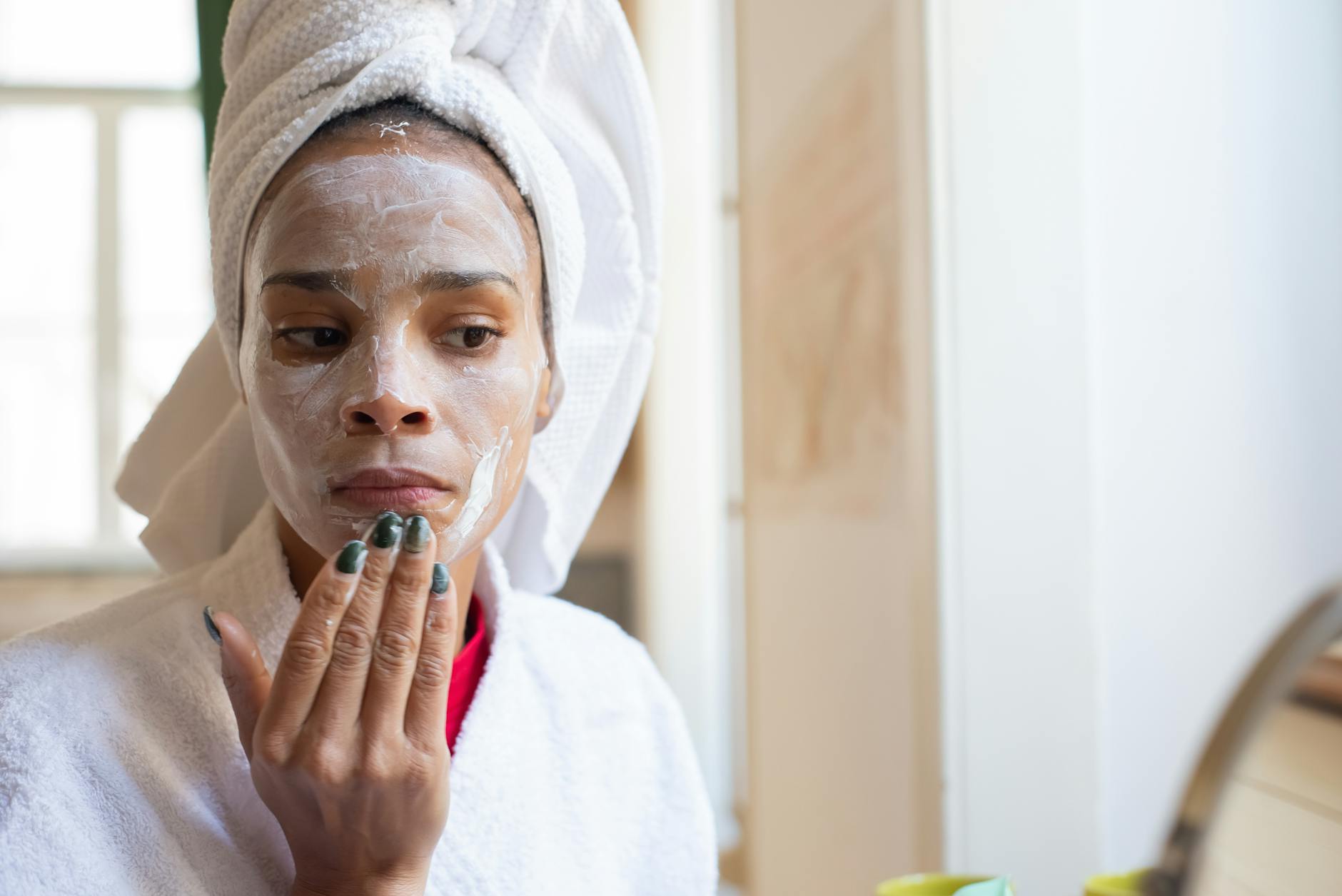
Healthy skin has an average surface pH of 4.5–5.5 — slightly acidic. This acidity is not accidental; it is critical for the enzymes that maintain the lipid barrier, for the skin's antimicrobial defense, and for the activation of many skincare ingredients.
Many cleansers, especially traditional bar soaps, have a pH of 9–10. Using an alkaline cleanser strips the acid mantle and pushes your skin's pH significantly higher. When your skin is at a neutral or alkaline pH, vitamin C serums (which require a pH below 3.5 to be bioavailable) become largely ineffective. Retinoids also work best in an acidic environment. The barrier itself becomes temporarily compromised at higher pH, paradoxically making it both more porous to irritants and less responsive to beneficial actives.
The fix is straightforward: use a pH-balanced cleanser (look for products explicitly labeled pH 4.5–5.5), and if you want to apply actives immediately after cleansing, use a pH-adjusting toner (something with a slight acid content, like niacinamide toner or a mild AHA mist) to restore the acid mantle before your serum step.
5. Application Timing: Damp Skin vs. Dry Skin
The debate over whether to apply serums to damp or dry skin is more nuanced than most guides acknowledge. The correct answer depends on the specific active ingredient.
Damp skin (best for): Hyaluronic acid, niacinamide, and most water-based serums. When skin is slightly damp — about 30–60 seconds after cleansing, not dripping wet — the hydration temporarily swells the corneocytes and slightly widens the intercellular channels. Applying a humectant serum at this point drives it into the skin more efficiently.
Dry skin (best for): Retinoids and vitamin C. Both of these actives have higher rates of irritation and sensitivity when applied to damp skin because they penetrate more rapidly. Applying to dry skin slows the penetration rate, reducing irritation while still delivering the active. The best time to apply serum like retinol is at least 10–15 minutes after cleansing, on fully dry skin.
A practical rule: wait 30–45 seconds after cleansing for hydrating serums, and 10–15 minutes for vitamin C or retinol products.
6. Layering Order: Thinnest to Thickest (With One Exception)
One of the most common reasons why skincare products don't absorb is incorrect layering order. The general principle is: apply thinnest/most watery consistencies first, thickest/most occlusive last. This allows lightweight actives to reach the skin before heavier occlusives create a physical barrier over them.
The correct general order is:
- Cleanser (removes surface debris and excess oil)
- pH-adjusting toner or essence (optional but recommended)
- Active serums (vitamin C in the morning; retinol at night)
- Hydrating serums or ampoules (hyaluronic acid, niacinamide)
- Eye cream (if using separately)
- Moisturizer (locks in layers below)
- SPF in the morning, facial oil at night (most occlusive layers)
The one exception: if you are using a chemical exfoliant like a glycolic acid toner, that goes on before your actives and needs 20–30 minutes to work before you layer anything else. Rushing this step cancels most of the penetration benefit.
7. Warmth: Using Temperature to Your Advantage
Heat dilates pores and temporarily increases skin permeability. This is why steaming your face before a facial works — it is not superstition. Elevated skin temperature increases the fluidity of the stratum corneum's lipid matrix, allowing molecules to move through it more easily.
Practical applications of this principle:
- Apply serum immediately after a warm shower when your skin temperature is still elevated
- Use a warm damp cloth on your face for 60 seconds before applying an important active
- Avoid applying serums to cold skin (after being outside in winter), as the stratum corneum becomes denser and less permeable in cold
- A hot yoga session or post-workout glow is actually a good time for serum application, assuming the skin has been cleansed
8. Massage and Lymphatic Drainage: Move It In
Manual massage during and after serum application serves two distinct purposes. First, mechanical pressure and friction from massaging increases local blood flow and temporarily raises skin temperature (see point 7 above). Second, it physically works the product into follicular channels and between skin folds — areas that passive application misses entirely.
Research on massage as an absorption enhancer is limited but promising. Studies on topical drug delivery have found that massage increases the bioavailability of some formulas by up to 30% compared to no-massage application. The technique matters: use upward and outward strokes (never aggressive downward dragging), and spend at least 30–60 seconds working each product into the skin after application rather than a quick pat-and-move-on.
Gua sha and jade rollers, while popular, primarily serve to enhance the massage-and-drainage effect rather than directly pushing product into the skin. They can be useful if you enjoy the ritual and find they help you spend more time on the massage step, but the fingertip technique is equally effective if done with intention.

How to Layer Skincare Correctly: Common Absorption Mistakes to Avoid
Even people who know the basics of how to layer skincare correctly often make a few critical errors that negate their efforts. Here are the most common ones:
Mixing incompatible actives in the same step. Vitamin C (low pH) and niacinamide (near-neutral pH) are commonly applied together, but at high concentrations they can interact to temporarily form niacin, a compound that causes flushing in some people. More importantly, applying an acidic vitamin C product alongside a buffering niacinamide essentially raises the pH of the vitamin C, reducing its efficacy. Apply them at separate times of day or with at least 30 minutes between application.
Using too much product. More serum does not mean more absorption. The skin can only absorb a finite amount of any given active in a single application. Using more than 3–5 drops of most serums simply creates a thicker layer that sits on the surface longer before evaporating or being wiped off. You are literally pouring money down the drain — or at least into your pillowcase.
Not waiting between layers. Applying moisturizer directly on top of a freshly applied serum before it has had any absorption time physically displaces the serum and dilutes it. Wait at least 60–90 seconds between product steps. For chemical exfoliants and vitamin C, wait longer.
Applying to skin that has product residue from the previous step. If you applied SPF in the morning and do not thoroughly cleanse before your evening routine, the residual SPF film acts as a barrier against your evening actives. Always start with a clean canvas.
Refrigerating vitamin C serums without understanding why. Keeping vitamin C in the fridge is genuinely useful for stability, but applying it cold to your skin (straight from the fridge) can temporarily contract the stratum corneum and reduce absorption. Allow it to come to room temperature for a few minutes first.
How to Know If Your Serums Are Actually Working
The challenge with skincare efficacy is that most benefits are gradual and easy to miss without a consistent evaluation method. Here is how to objectively assess whether your skin barrier and product absorption improvements are translating into real results:
Take consistent photos every 4 weeks. Same lighting, same time of day, same angle. The human memory is terrible at tracking subtle skin changes. Side-by-side comparison photos over 3–4 months tell a far more accurate story than daily mirror checks.
Track texture, not just appearance. Before-and-after photos often miss improvements in skin texture, pore appearance, and skin feel. Run your fingertips over your skin after cleansing (before products) every few weeks and notice whether the texture feels smoother or rougher compared to when you started.
Monitor product "finish." When serums are absorbing well, they should leave minimal residue within 60–90 seconds. If your skin still feels slick or the product is sitting visibly on the surface after two minutes, the absorption is poor — either because of barrier issues, incorrect pH, or product incompatibility.
Watch for functional signs. A well-absorbed retinol routine will show mild initial peeling (this is the retinization process — normal). Well-absorbed vitamin C will gradually shift surface discoloration. These functional changes indicate the active is reaching target tissue.
Key Takeaways: Getting the Most From Every Drop
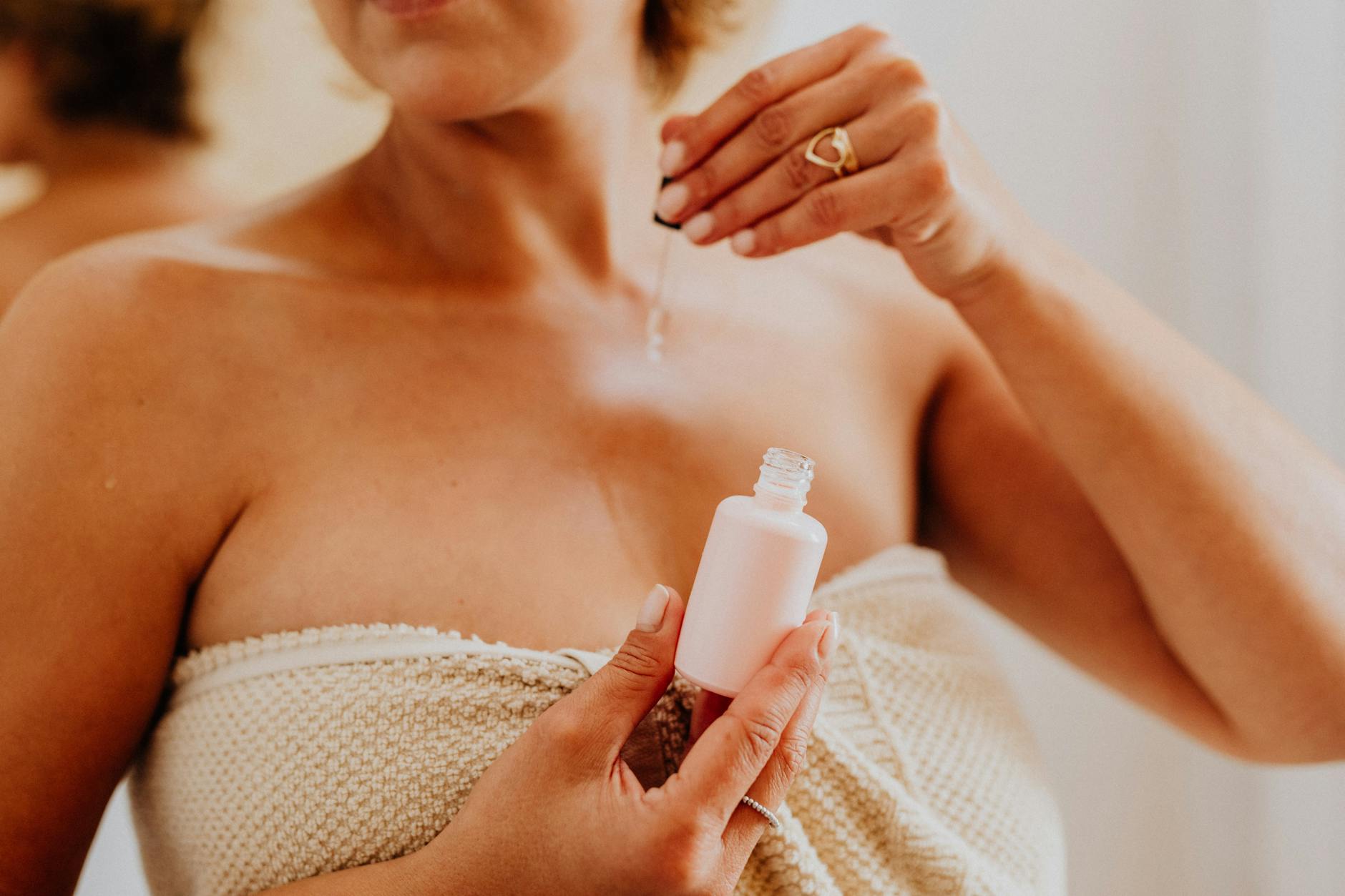
The skincare industry generates billions of dollars selling products. Almost none of that money goes toward teaching you how to actually use them. If there is one central insight from everything above, it is this: how to improve serum absorption is not about buying better products — it is about creating the right conditions for the products you already have.
To summarize the most impactful changes you can make right now:
- Switch to a pH-balanced cleanser immediately — this single change may be the most impactful
- Exfoliate 2–3 times per week (chemical exfoliants are generally superior to physical ones for absorption purposes)
- Apply serums at the right hydration state: damp for humectants, dry for retinoids and vitamin C
- Always layer thinnest to thickest, and wait 60–90 seconds between layers
- Apply an occlusive layer (moisturizer or facial oil) immediately after your final active serum
- Massage each product into the skin with deliberate upward strokes for 30–60 seconds
- Take advantage of post-shower warmth — apply your most important serums within 2 minutes of stepping out
- Explore micro-channel techniques if you are using high-value actives and want to dramatically increase their delivery depth
Your skin is a remarkable, sophisticated organ. Once you stop fighting its barrier and start working strategically with it, you will find that the products you already own — applied correctly — can deliver the results you originally expected when you bought them.