How to Properly Store Your Toothbrush: 8 Habits Most People Get Wrong
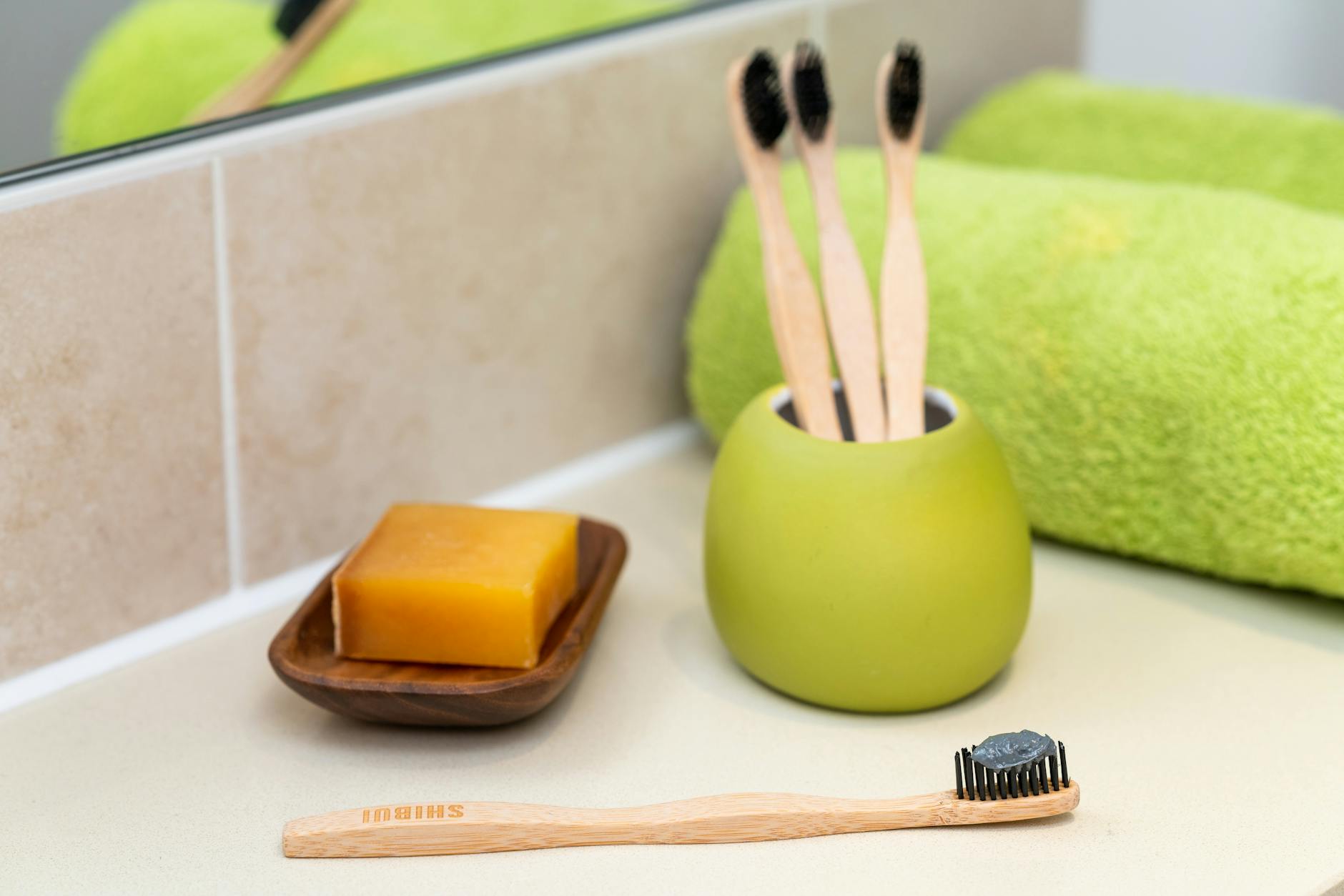
Most people brush their teeth twice a day without giving a second thought to where the toothbrush lives between uses. It gets rinsed, shaken off, and dropped back into a holder — job done. The problem is that how to store a toothbrush properly is one of the most overlooked aspects of everyday oral hygiene, and getting it wrong can introduce the very bacteria you just worked to remove.
Research published in nursing and infection-control literature has found that improperly stored toothbrushes can harbor Staphylococcus aureus, E. coli, and other fecal-origin microorganisms. The American Dental Association (ADA) and the Centers for Disease Control and Prevention (CDC) both publish specific guidance on the topic — guidance that the vast majority of households simply do not follow.
Below you will find the 8 most common toothbrush storage hygiene mistakes, the science that explains why they matter, and a practical protocol you can put in place today.
The 8 Most Common Toothbrush Storage Mistakes
Mistake #1: Storing Your Toothbrush Too Close to the Toilet
This is the single most impactful mistake in terms of contamination risk. Every time a toilet flushes with the lid open, it generates what microbiologists call a toilet plume — an aerosol spray of microscopic water droplets that can travel up to six feet and remain airborne for up to 90 minutes. Those droplets contain fecal bacteria and viruses.
The CDC explicitly recommends keeping toothbrushes as far from the toilet as possible and always flushing with the lid closed. In most standard bathrooms, the sink is within six feet of the toilet, which means an open-lid flush reaches your toothbrush every single time. Closing the lid before flushing is the single easiest change you can make today.
Mistake #2: Using an Enclosed or Covered Container
It seems counterintuitive — surely covering the brush keeps it cleaner? In practice, the opposite is true. The ADA specifically advises against storing a toothbrush in a closed container when it is not being used for travel. When bristles are sealed inside a cap or case while still damp, moisture is trapped and air circulation is eliminated. This creates an ideal breeding environment for mold and bacterial growth.
Should you cover your toothbrush? The answer for everyday home use is no. The only exception is short-term travel, and even then the brush should be as dry as possible before capping it. After a trip, remove the cap immediately and allow the brush to air-dry before storing it uncovered again.
Mistake #3: Letting Bristles Touch Other Toothbrushes
Many households store multiple toothbrushes in a single cup-style holder where the bristle heads make direct contact. This cross-contaminates brushes even between healthy family members, but it becomes genuinely problematic when one person has a cold sore, strep throat, or stomach illness. The ADA recommends storing brushes separately so that the heads do not touch. This is a simple fix: use a holder with individual slots or position brushes far enough apart that the heads are clearly separated.
Mistake #4: Keeping Brushes in Persistently Humid Environments
Bathrooms that retain high humidity — those without adequate ventilation, windows, or exhaust fans — create a chronic moisture problem for toothbrush storage. Humidity slows the drying process, and a brush that stays damp between uses accumulates microbial growth faster than one that dries thoroughly. The best way to store a toothbrush in a humid bathroom is to use an upright, open-air holder positioned as far as possible from the shower, and to run the exhaust fan for at least 15 minutes after showering.
Mistake #5: Not Rinsing the Brush Thoroughly After Use
A quick flick under the tap is not enough. After brushing, hold the toothbrush under running water and use your thumb to work water through the bristles from multiple angles, dislodging any remaining toothpaste, food particles, and debris. These residues are a direct food source for bacteria. Tap the brush lightly against the sink to shed excess water, then store it upright. Do not wipe the bristles on a towel — towels harbor bacteria and the friction can damage bristle tips.
Mistake #6: Ignoring the Toothbrush Holder Itself
Toothbrush holder hygiene is almost universally neglected. Studies testing household bathroom surfaces have repeatedly found that the toothbrush holder ranks among the most germ-contaminated objects in the home, often containing more bacteria than the toilet handle. Water, toothpaste, and saliva collect at the base of the holder and are rarely cleaned. You should rinse the holder with hot water weekly, and run it through the dishwasher or scrub it with soap and a bottle brush at least once a month. Let it dry completely before replacing brushes.
Mistake #7: Keeping a Toothbrush Too Long
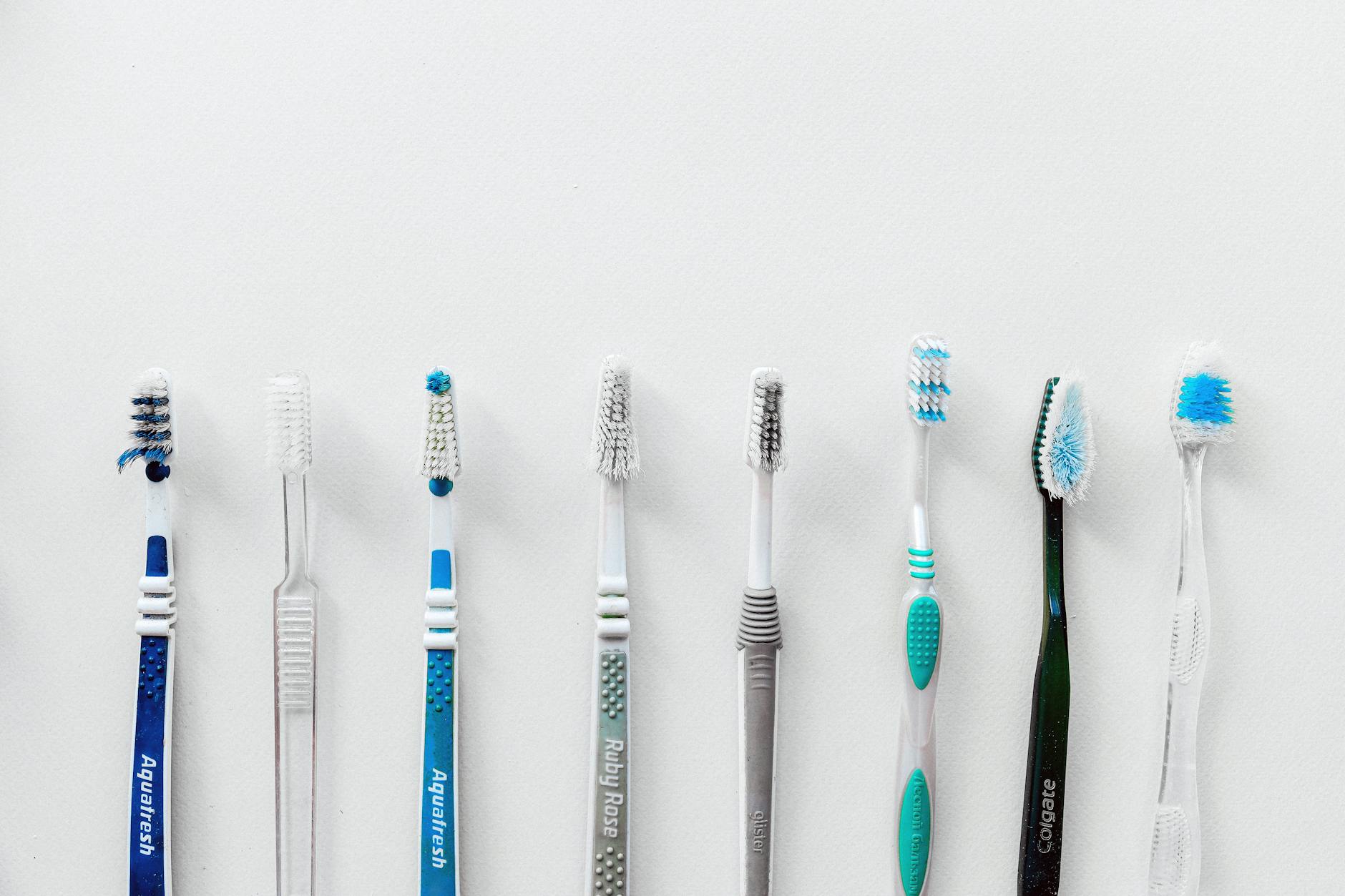
Both the ADA and the CDC recommend replacing a toothbrush every three to four months, or sooner if the bristles are visibly frayed or splayed. Frayed bristles clean teeth less effectively, but the replacement timeline is also about hygiene: over months of use, bristles accumulate microbial biofilm that thorough rinsing cannot fully remove. If you have been sick with a cold, the flu, or strep throat, replace the brush as soon as you recover regardless of how old it is. There is no strong scientific consensus that continuing to use the same brush after illness definitively re-infects you, but the low cost of a new toothbrush makes replacement the sensible precaution.
Mistake #8: Sharing Storage Space Without Boundaries
In households with children, it is common for toothbrushes of different sizes to end up jumbled together. Parents brushing next to young children may inadvertently touch bristle heads or allow the children's brushes to fall and touch other surfaces. For families, color-coding brushes, labeling individual holders, and storing children's brushes in dedicated slots removes the ambiguity and reduces cross-contamination risk without requiring any extra effort once the system is set up.
What the CDC and ADA Actually Recommend
Both agencies agree on a consistent set of core principles. Here is a summary of their official guidance:
- Rinse toothbrushes thoroughly with tap water after each use.
- Store brushes upright and allow them to air-dry. Do not routinely cover them or store them in closed containers.
- Keep brushes separate from other household members' brushes — bristle-to-bristle contact should be avoided.
- Replace your toothbrush every three to four months, or when bristles are visibly worn.
- Do not share toothbrushes. Sharing spreads saliva and blood-borne microorganisms.
- The CDC also notes there is no evidence that soaking toothbrushes in mouthwash or other antiseptic agents provides meaningful long-term protection, and that some methods may actually increase cross-contamination risk if multiple brushes share the same soak container.
Neither the CDC nor the ADA recommends using a UV sanitizer as a required or necessary step, though both acknowledge that ultraviolet devices can reduce microbial counts on bristles when used correctly. The baseline of air-drying in an upright, open-air holder remains their core recommendation for typical home use.

The Science Behind Proper Toothbrush Storage
Understanding why these rules exist makes them easier to follow consistently. Three mechanisms drive toothbrush contamination:
1. Aerosol deposition. The toilet plume phenomenon is well-documented in environmental microbiology. A 2012 study in the journal Infection Control & Hospital Epidemiology found measurable contamination of nearby surfaces after simulated flushing. A 2022 study from the University of Colorado found toilet plume particles reaching heights of up to 1.5 meters and persisting for several minutes — well within the range of a typical bathroom toothbrush holder.
2. Moist-surface biofilm formation. Bacterial biofilms form preferentially on wet surfaces. A toothbrush that stays damp in an enclosed cap provides extended contact time between bacteria and bristles at body temperature, which is near-optimal for microbial growth. Air-drying disrupts this cycle by removing the moisture that biofilms require.
3. Cross-contamination pathways. Direct bristle contact, shared soak solutions, and shared holders all create physical transfer routes. Studies have detected Streptococcus mutans — the primary bacterium associated with tooth decay — on toothbrushes stored in contact with each other, even in the absence of any illness in the household.
Step-by-Step Storage Protocol
Here is the complete daily routine for storing a toothbrush correctly. It adds under 30 seconds to your existing routine.
- Close the toilet lid before flushing — every time, without exception.
- Rinse the brush head under running tap water for 10–15 seconds, working water through the bristles with your thumb.
- Tap lightly on the edge of the sink two or three times to dislodge excess water droplets.
- Store upright in an open-air holder with the bristle head facing up and exposed to air.
- Ensure separation — bristle heads should not touch those of other brushes in the same holder.
- Do not cap it unless you are traveling. If traveling, cap only when the brush is dry.
- Wash hands before and after brushing to avoid transferring additional bacteria to the handle.
How to Clean Your Toothbrush Holder
The holder is the forgotten variable in toothbrush storage hygiene. Residue accumulates in the base and along the interior walls every day. Left uncleaned, this residue becomes a concentrated reservoir of bacteria that the stored brushes sit in continuously.
Weekly maintenance:
- Remove all brushes and rinse the holder under hot running water.
- Wipe the exterior with a damp cloth and a small amount of dish soap.
- Shake out any water from the base holes and allow the holder to air-dry before replacing brushes.
Monthly deep clean:
- If the holder is dishwasher-safe, run it on the top rack on a hot cycle.
- If hand-washing, soak the holder for 5–10 minutes in a solution of one tablespoon of white vinegar per cup of warm water, then scrub with a small bottle brush and rinse thoroughly.
- Allow the holder to dry completely — at minimum 30 minutes at room temperature — before returning brushes to it.
If your holder has become discolored, cracked, or difficult to clean due to mineral deposit buildup, replace it. Holders are inexpensive, and an old one is not worth maintaining indefinitely.
When to Replace Your Toothbrush
The three-to-four-month guideline is a useful baseline, but visual inspection is equally important. Replace your toothbrush when you notice any of the following:
- Bristles that are visibly frayed, bent outward, or no longer spring back to an upright position.
- Bristles that have discolored significantly beyond normal use (this suggests buildup that rinsing has not removed).
- Any evidence of mold on the handle or base of the brush head.
- After any illness involving the mouth or throat — strep throat, cold sores, or a respiratory infection during which the brush was in regular use.
- After a period of improper storage, such as a trip during which it was capped while damp for several days.
For electric toothbrush users: the same rules apply to replacement heads. The three-to-four-month timeline still holds, and many manufacturers include indicator bristles that fade as a visual cue. Rinse and air-dry the replacement head between uses just as you would a manual brush.
Special Considerations
Travel
Travel toothbrush cases are necessary but require careful use. Before placing the brush in a case, shake out excess water, then blot the bristles on a clean piece of toilet paper to remove as much moisture as possible. At your destination, remove the brush from the case immediately and store it uncovered upright if the hotel provides a cup. If not, lean the brush against a clean surface bristle-head-up with the cap removed.
Children
Children's toothbrushes often end up on their sides on a shelf or in a communal cup where multiple brushes touch. Establish a habit early of upright, separated storage. Color-coding is effective: give each family member a dedicated color and a designated slot in the holder. Children's brushes should be replaced more frequently — every three months — because children tend to brush with more force, which accelerates bristle wear.
Orthodontic Appliances
People with braces or retainers accumulate more debris in and around bristles during brushing. This means more thorough rinsing is required after each use, and the brush head should be inspected regularly for trapped food particles before being stored. Orthodontic patients often benefit from using a separate, dedicated brush for cleaning around brackets, stored with the same hygiene protocols as the main brush.
Illness Recovery
When a household member is sick, their toothbrush should be physically separated from others — not just in a separate slot, but in a different holder or different area of the bathroom entirely. Upon recovery, the brush should be replaced. If the sick person is a child, wash their holder separately as well before returning it to the shared bathroom space.
Key Takeaways: Your Toothbrush Storage Checklist
Knowing how to store a toothbrush properly does not require new equipment or significant effort. It requires a few consistent habits backed by straightforward hygiene science. Here is a quick reference checklist:
- Always flush with the toilet lid closed.
- Rinse bristles thoroughly under running water after every use.
- Store the brush upright in an open-air holder — no caps or covers at home.
- Keep bristle heads separate from other brushes.
- Clean the toothbrush holder weekly and deep-clean it monthly.
- Replace the brush every three to four months, or sooner if bristles are frayed or after illness.
- Never share a toothbrush.
- In humid bathrooms, use the exhaust fan to improve drying time.
These eight changes are each small on their own. Together, they represent the difference between a toothbrush that maintains good oral hygiene and one that routinely reintroduces bacteria every morning and night. The best way to store a toothbrush is simply: upright, uncovered, away from the toilet, and in a holder you actually keep clean.