How to Remineralize Teeth Naturally: What the Science Actually Says
If you've ever wondered how to remineralize teeth — whether after reading about early-stage cavities, noticing increased sensitivity, or simply wanting a stronger, healthier smile — you are far from alone. It is one of the most searched dental topics online, yet most of the answers you find are either dangerously oversimplified or quietly designed to sell you something. This post is neither. It is a thorough, evidence-based breakdown of what remineralization actually is, what drives it, and what the science says you can realistically do about it.
What Is Tooth Enamel, and Why Does It Break Down?
Before understanding remineralization teeth science, it helps to understand what enamel actually is. Tooth enamel is the outermost layer of the crown of your tooth — the hardest biological material the human body produces. It is composed of approximately 96% inorganic mineral (primarily hydroxyapatite, a crystalline calcium phosphate), with the remaining 4% made up of water and organic proteins.
Hydroxyapatite crystals are organized into tightly packed rods called enamel prisms, which run from the dentin-enamel junction to the tooth surface. This structure gives enamel its extraordinary hardness — harder than bone — but it also makes enamel brittle and, critically, unable to regenerate itself the way bone can. Enamel-forming cells (ameloblasts) are lost after the tooth erupts. This means the only repair mechanism available to enamel after it forms is a purely chemical one: remineralization.
Enamel breaks down primarily through a process called demineralization. The culprit is acid. When bacteria in your mouth metabolize fermentable carbohydrates (sugars and refined starches), they produce organic acids — primarily lactic acid — as a byproduct. These acids lower the pH at the tooth surface. Once oral pH drops below approximately 5.5, the hydroxyapatite crystals in enamel begin to dissolve. Calcium and phosphate ions leach out of the enamel into the surrounding fluid. This is demineralization.
Demineralization is not inherently catastrophic. It happens dozens of times a day in virtually every human mouth. The critical question is whether it is being balanced — or outpaced — by remineralization.
The De-Re-Mineralization Cycle: The Core of Enamel Health
The concept of a continuous demineralization-remineralization cycle is the central framework of modern preventive dentistry. Your mouth is never in a static state. Mineral ions are constantly moving in and out of your enamel depending on the local pH, the concentration of ions in the surrounding fluid, and the presence of certain protective molecules.
When pH drops below 5.5 (the "critical pH" for hydroxyapatite), the equilibrium shifts toward dissolution. Mineral leaves the tooth. When pH rises back above 5.5 — which happens naturally as saliva buffers and clears the acid — conditions favor re-deposition. Calcium and phosphate ions re-enter the partially dissolved crystals, gradually restoring the mineral structure.
This is not a perfect repair process. Repeated acid attacks before remineralization can catch up produce a net mineral loss over time. The first visible sign is a "white spot lesion" — a chalky, opaque patch on the enamel surface caused by subsurface mineral loss and light-scattering from the porous structure. White spot lesions can still be reversed with aggressive remineralization support. Once a lesion progresses to a physical cavity (cavitation), the structural damage is permanent and requires a dentist to restore. The window for natural remineralization is the pre-cavitation stage.
Saliva: The Body's Own Remineralization System
Saliva is not just a lubricant — it is your mouth's primary defense against demineralization, and arguably the most underappreciated factor in dental health. Understanding saliva's role is essential to understanding how to remineralize teeth effectively.
Saliva performs several critical remineralization functions simultaneously.
Buffering capacity. Saliva contains bicarbonate ions that neutralize acids produced by bacteria, raising oral pH back above the critical threshold. The faster this buffering occurs after an acid challenge, the less net mineral loss accumulates. Individuals with reduced salivary flow (xerostomia) — caused by certain medications, autoimmune conditions, radiation therapy, or chronic mouth breathing — experience dramatically accelerated demineralization as a result of impaired buffering.
Mineral supersaturation. Saliva is supersaturated with calcium and phosphate ions relative to hydroxyapatite. This means that at normal oral pH, there is more calcium and phosphate in saliva than is needed to keep enamel crystals intact — the excess thermodynamically favors deposition rather than dissolution. This supersaturation is what makes remineralization possible at all.
Protective proteins. Salivary proteins such as statherin and proline-rich proteins adsorb onto enamel surfaces and modulate crystal growth. They help inhibit spontaneous precipitation of calcium phosphate salts in solution (which would be wasteful) and direct mineral deposition back into the enamel surface where it is needed.
Pellicle formation. Within seconds of tooth cleaning, salivary proteins form the acquired pellicle — a thin organic film that coats enamel and provides a selective barrier against acid diffusion. The pellicle also serves as the nucleation site for bacterial biofilm (dental plaque), which is why it has a dual nature: protective against acid erosion, but also the scaffolding for plaque.
The practical implication is clear: anything that supports healthy salivary flow directly supports remineralization. Staying well hydrated, stimulating saliva through chewing (particularly xylitol gum), and avoiding chronic mouth breathing are all meaningful remineralization strategies backed by mechanism, not just folklore.
The Key Minerals: Calcium, Phosphate, Fluoride, and Hydroxyapatite
Four mineral systems dominate the scientific literature on enamel remineralization. Each works through a different mechanism, and each has a different evidence base.
Calcium and Phosphate
Calcium and phosphate are the building blocks of hydroxyapatite — the mineral that comprises enamel. Remineralization cannot occur without an adequate supply of both ions at the tooth surface. The challenge is delivery: simply having calcium and phosphate in your diet does not guarantee high concentrations at the enamel surface at the moment they are needed.
This has driven research into delivery technologies. Casein phosphopeptide-amorphous calcium phosphate (CPP-ACP), a derivative of milk protein, is one of the best-studied systems. CPP acts as a carrier that stabilizes amorphous calcium phosphate (ACP) in solution and deposits it at the tooth surface, where it can gradually dissolve to release calcium and phosphate ions directly into enamel. Multiple randomized controlled trials have shown CPP-ACP to significantly reduce white spot lesion progression and support remineralization compared to placebo. It is marketed under several commercial names and incorporated into certain professional-grade dental products.
Fluoride
Fluoride is the most extensively studied and most clinically validated remineralization agent in dentistry. Its mechanism is well characterized: fluoride ions present in the oral fluid during remineralization substitute for hydroxyl groups in hydroxyapatite crystals, forming fluorapatite and fluorhydroxyapatite. These fluoride-substituted minerals are significantly less soluble at low pH than pure hydroxyapatite — they are more acid-resistant and remineralize more readily under acidic conditions.
Fluoride works best at low, sustained concentrations rather than high, infrequent doses. This is why twice-daily brushing with fluoride toothpaste is more effective for remineralization than periodic high-dose fluoride treatments alone. The key is maintaining a reservoir of fluoride in the oral fluid (in the plaque fluid, specifically) so that it is available when remineralization occurs after each acid challenge.
An important nuance: fluoride facilitates remineralization — it does not independently create new enamel. It works by making the remineralization process faster, more complete, and more durable. Without sufficient calcium and phosphate in the surrounding fluid, fluoride alone cannot rebuild lost mineral.
Nano Hydroxyapatite
Nano hydroxyapatite enamel repair is one of the most active areas of current dental research, and interest in it has grown significantly among consumers since it was first developed by Japanese researchers in the 1970s for the space program. Nano hydroxyapatite (nHAp) consists of synthetic hydroxyapatite crystals manufactured at the nanoscale — small enough to physically integrate with and fill microscopic surface defects in enamel.
The proposed mechanism is direct: nHAp particles in toothpaste or mouthrinse deposit onto the demineralized enamel surface and physically occlude the micro-pores left by mineral loss. Unlike fluoride, which modifies existing crystal chemistry, nHAp directly contributes new mineral material that is chemically identical to enamel's own mineral phase. Studies using scanning electron microscopy have demonstrated measurable surface rehardening and reduced surface roughness following nHAp treatment.
A 2019 systematic review published in the British Dental Journal concluded that nano hydroxyapatite showed comparable efficacy to fluoride for remineralization of early enamel lesions in several laboratory and clinical studies, though the authors noted that longer-term clinical trials are still needed. A 2020 randomized clinical trial in Clinical Oral Investigations found that a 10% nHAp toothpaste was non-inferior to 500 ppm fluoride toothpaste for remineralization of white spot lesions in children over six months. The evidence base is still maturing, but it is increasingly robust.
Nano hydroxyapatite is particularly relevant for populations who avoid fluoride (including some parents of young children, individuals in areas with optimal water fluoridation who seek an alternative, and adults with certain health concerns), though it should be noted that mainstream dental organizations continue to endorse fluoride as the gold standard for caries prevention.
Dietary Strategies That Support Remineralization
Diet is arguably the most powerful modifiable factor in the calcium phosphate teeth remineralization equation. What you eat and drink determines both the frequency of acid attacks your enamel endures and the mineral availability for repair.
Reduce Acid Attack Frequency (Not Just Sugar)
The key variable is not merely how much sugar you consume, but how often you expose your teeth to fermentable carbohydrates throughout the day. Each exposure triggers a demineralization episode that lasts 20-40 minutes as oral bacteria metabolize the substrate and produce acid. Sipping a sugary drink continuously for an hour creates far more cumulative acid exposure than consuming the same drink with a single meal.
Acidic beverages — including citrus juices, carbonated soft drinks, energy drinks, and even sparkling water with added citric acid — cause direct acid erosion that bypasses the bacterial step entirely. These are particularly damaging because they attack the entire tooth surface simultaneously rather than in localized plaque zones.
Leverage Calcium and Phosphate-Rich Foods
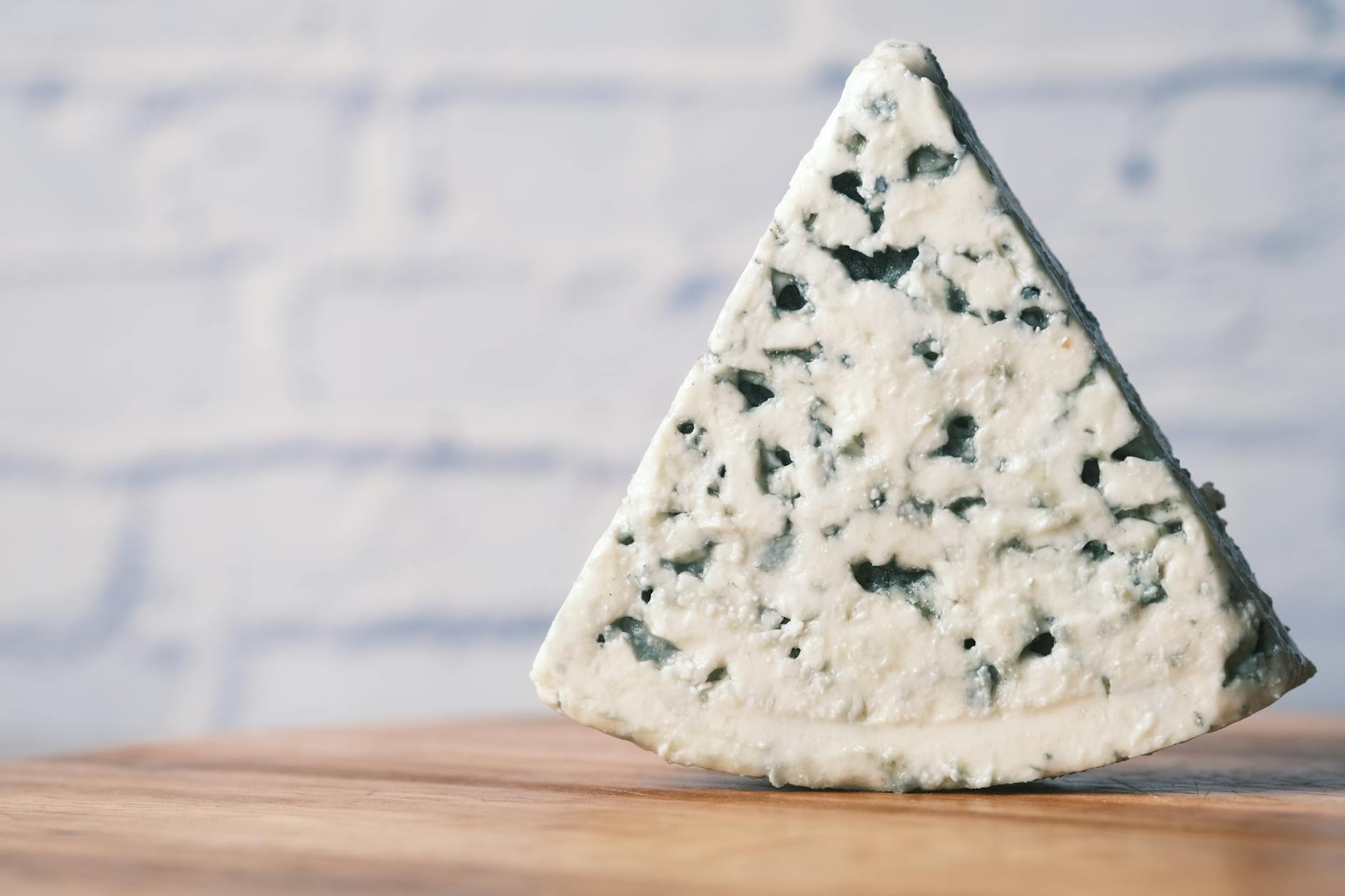
Dairy products are exceptionally well-suited to supporting strengthen tooth enamel naturally goals. Cheese, in particular, has been shown in multiple studies to raise oral pH after consumption (partly by stimulating saliva, partly through its buffering capacity), while simultaneously delivering calcium and phosphate directly to the tooth surface via the salivary route. A 2013 study in General Dentistry demonstrated that cheese consumption after an acid challenge significantly raised plaque pH compared to controls, with pH rising above the critical threshold within minutes.
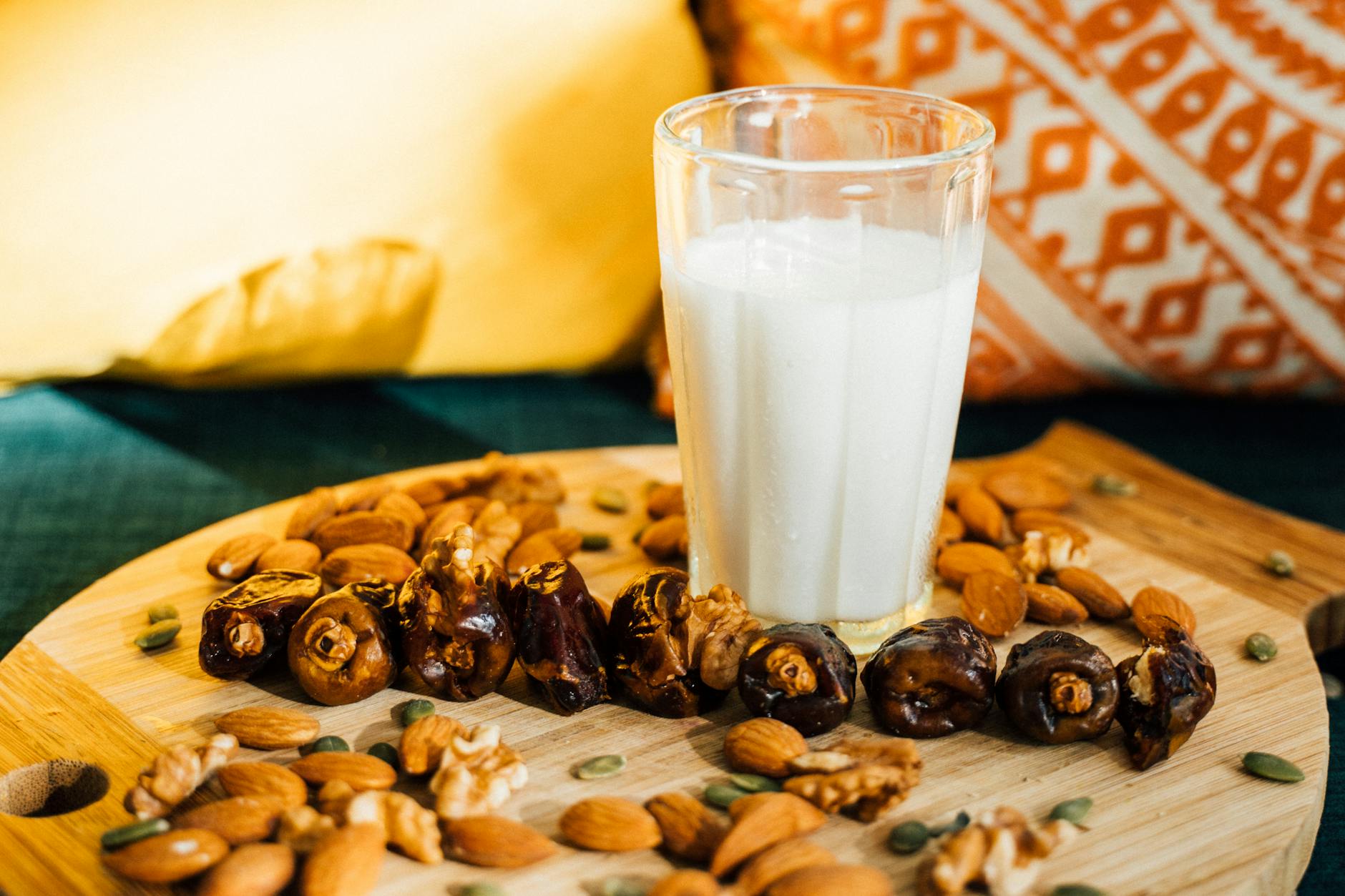
Milk and yogurt also contribute calcium and phosphate via the CPP mechanism described earlier — casein in dairy effectively acts as a calcium phosphate delivery vehicle. Non-dairy calcium sources such as leafy greens, almonds, and calcium-set tofu contribute to systemic calcium status, but the direct oral delivery effect of dairy may not fully replicate with non-dairy sources.
Prioritize Vitamin D and Vitamin K2
Calcium absorption is heavily regulated by vitamin D. Adequate vitamin D status (serum 25-hydroxyvitamin D generally considered optimal at 40-60 ng/mL) is necessary for dietary calcium to be absorbed in the gut and made available systemically. Vitamin K2 (specifically MK-7) plays a complementary role in directing calcium to hard tissues (bones and teeth) rather than soft tissues. While the direct evidence linking vitamin K2 to enamel remineralization specifically is less mature than the calcium and fluoride literature, the physiological mechanism is sound and supplementation with D3/K2 is broadly recommended for musculoskeletal health.
Xylitol: An Anti-Demineralization Strategy
Xylitol, a naturally occurring sugar alcohol found in birch bark and many fruits, exerts its dental benefits primarily by disrupting the demineralization side of the cycle rather than directly driving remineralization. Streptococcus mutans (the primary cariogenic bacterium) cannot metabolize xylitol for energy the way it does other sugars — uptake of xylitol actually inhibits bacterial growth and reduces acid production. Consistent xylitol consumption (from gum, mints, or oral rinses) over several months has been shown to reduce S. mutans counts in plaque and saliva. By reducing acid production, xylitol shifts the de-re-mineralization balance in favor of remineralization passively.
Remineralizing Toothpastes vs. Whitening Toothpastes: An Important Distinction
The toothpaste aisle is increasingly crowded with products making "enamel repair," "enamel protect," or "remineralizing" claims alongside whitening claims. It is worth understanding what these claims actually mean — and where they diverge.
Genuine remineralization requires depositing calcium and phosphate (or structurally analogous mineral) back into the enamel surface. A toothpaste capable of this must contain one or more active mineral delivery systems: fluoride at a sufficient concentration (at least 1000 ppm sodium fluoride or equivalent for adults), nano hydroxyapatite, CPP-ACP, or a similar calcium phosphate technology.
Many "whitening" toothpastes work through an entirely different mechanism — abrasion. They use particles such as hydrated silica, calcium carbonate, or dicalcium phosphate dihydrate to physically polish surface stains off the enamel. This is a surface-cleaning effect, not a remineralization effect. At high concentrations or with very abrasive particles (measured as Relative Dentine Abrasivity, or RDA), whitening toothpastes can actually remove surface enamel over time — the opposite of remineralization.
Some products use hydrogen peroxide or carbamide peroxide for chemical whitening. These bleaching agents oxidize chromogenic molecules within the enamel and dentine structure, lightening tooth color. This is generally safe at the concentrations found in OTC products, but again, it has no direct remineralization effect.
The distinction matters because many consumers who want to "protect their enamel" reach for whitening products that neither remineralize nor protect — and may even contribute to surface wear. Look for products that explicitly list mineral-active ingredients rather than relying on marketing language about "enamel protection."
What Remineralization Cannot Do
Scientific honesty requires stating this clearly: remineralization has limits. It can reverse early-stage mineral loss (subsurface demineralization, white spot lesions) before physical cavitation occurs. It cannot:
- Rebuild enamel that has been physically worn away by erosion or abrasion
- Repair a tooth once a physical cavity has formed — that requires a dentist
- Regenerate enamel on an exposed root surface (which is dentine, not enamel)
- Reverse structural damage from cracking, fracture, or advanced caries
- Replace lost tooth structure with new enamel tissue (since ameloblasts are gone)
This is not a reason to be pessimistic — the pre-cavitation window for remineralization is quite wide, and a high proportion of "early cavities" identified at dental checkups are actively remineralizable with proper intervention. But it does underscore why regular dental monitoring is irreplaceable. Dentists can identify lesions at stages when remineralization is still the right treatment — before invasive intervention becomes necessary.
Buyer's Checklist: What Ingredients to Look For
If you are evaluating a toothpaste, mouthrinse, or oral care product with remineralization claims, use this evidence-based checklist to cut through the marketing.
Remineralizing Ingredient Checklist
Look for at least one of the following active mineral systems:
Avoid or be skeptical of products that:
Putting It All Together: A Practical Daily Protocol
Translating the science of remineralization teeth science into daily habits does not require expensive products or complex routines. The following framework is consistent with current evidence and applicable by most adults.
Morning: Brush for two minutes with a fluoride or nHAp toothpaste. Do not rinse with water immediately after — allow the active ingredients to remain in contact with tooth surfaces. If you use a fluoride toothpaste, spitting without rinsing significantly increases fluoride retention in the oral cavity and measurably improves remineralization outcomes. Wait at least 30 minutes after eating before brushing if you have consumed acidic food or drink — brushing during an acid-softened enamel phase increases abrasion.
Throughout the day: Minimize between-meal snacking on fermentable carbohydrates or acidic drinks. Drink water (ideally fluoridated where available) between meals to maintain salivary flow and dilute acids. Chew xylitol gum after meals if you cannot brush — 5 minutes of chewing stimulates saliva flow and delivers xylitol exposure simultaneously.
With meals: Where feasible, finish meals with cheese or another dairy product — the calcium, phosphate, and pH-raising effect is most relevant immediately after an acid challenge, not hours later.
Evening: Floss before brushing to remove interproximal plaque where acid production is most concentrated and where early caries most commonly develops. Brush again with mineral-active toothpaste and again avoid rinsing. Consider a calcium phosphate or fluoride varnish treatment from your dentist if you are in a higher-risk category (dry mouth, orthodontic appliances, history of frequent cavities).
Nutrition baseline: Ensure adequate dietary calcium (1000-1200 mg/day for most adults), vitamin D (1500-2000 IU/day or as directed by your physician based on blood levels), and maintain systemic hydration to support salivary flow. These are foundational, not supplementary.
Key Takeaways
The science of how to remineralize teeth is well-established, nuanced, and often misrepresented. The core realities are these: enamel mineral is continuously lost and regained throughout the day in a dynamic equilibrium driven by oral pH, mineral availability, and saliva. Fluoride remains the most validated remineralization agent, but nano hydroxyapatite is an increasingly well-supported alternative with a growing clinical evidence base. Diet — particularly the frequency of acid exposure and the strategic use of calcium-phosphate-rich foods — is a major and modifiable driver of the balance. Saliva is the unsung hero of the system, and anything that supports salivary function supports remineralization.
Remineralization is not a cure for cavities that have already formed, and it is not a substitute for regular professional dental care. But for the large proportion of early-stage lesions and demineralized enamel that exists before clinical cavitation, an evidence-based remineralization approach — consistently applied — can genuinely reverse damage and preserve tooth structure over a lifetime.
If you are concerned about enamel health, the most important step is discussing it with your dentist, who can identify lesions at stages when remineralization is still the appropriate intervention and guide you toward the right products and protocols for your individual risk profile.