How to Support Liver Detoxification Naturally: 12 Science-Backed Methods
Your liver is working around the clock right now — filtering your blood, neutralizing toxins, metabolizing hormones, and producing bile to digest fat — all without any help from a juice cleanse or a "detox tea." The truth is, your liver already performs liver detox naturally every single second of the day. The real question is: are you supporting it, or quietly making its job harder?
The market for liver cleanses and detox products is enormous, but the science tells a different story. Research shows that no pill or three-day juice fast can replicate or accelerate what a healthy liver does on its own. What does work — according to decades of clinical and nutritional research — is a set of consistent, practical lifestyle habits that give your liver the raw materials and conditions it needs to thrive.
This guide walks you through 12 science-backed methods to support liver detoxification naturally. No extreme protocols, no expensive supplements you can't pronounce, no fasting required. Just evidence-based strategies you can start this week — and maintain for life.
Understanding How Liver Detoxification Actually Works
Before diving into the methods, it helps to understand what your liver is actually doing. Liver detoxification happens in two coordinated stages known as Phase I and Phase II.
Phase I uses a family of enzymes (cytochrome P450) to chemically transform fat-soluble toxins — things like alcohol, drugs, pesticides, and metabolic waste products — into intermediate compounds. The catch: these intermediates are often more chemically reactive (and temporarily more harmful) than the original toxins.
Phase II is where the liver completes the job. It attaches molecules to those reactive intermediates — a process called conjugation — making them water-soluble so they can be safely excreted through bile or urine.
For both phases to work optimally, your liver needs a constant supply of specific nutrients: B vitamins, amino acids, antioxidants, sulfur compounds, and more. When these are lacking, Phase I can race ahead of Phase II, leaving a backlog of reactive intermediates that cause oxidative stress and cellular damage.
The myth of the "liver cleanse": Products marketed as liver cleanses typically contain diuretics, laxatives, or herbal compounds that may make you feel lighter — but no credible clinical evidence shows they remove toxins from the liver any faster than your liver would on its own. What does matter is consistently reducing the toxic load coming in, and consistently supplying the nutrients that keep both phases running smoothly.
Method #1: Eat Cruciferous Vegetables
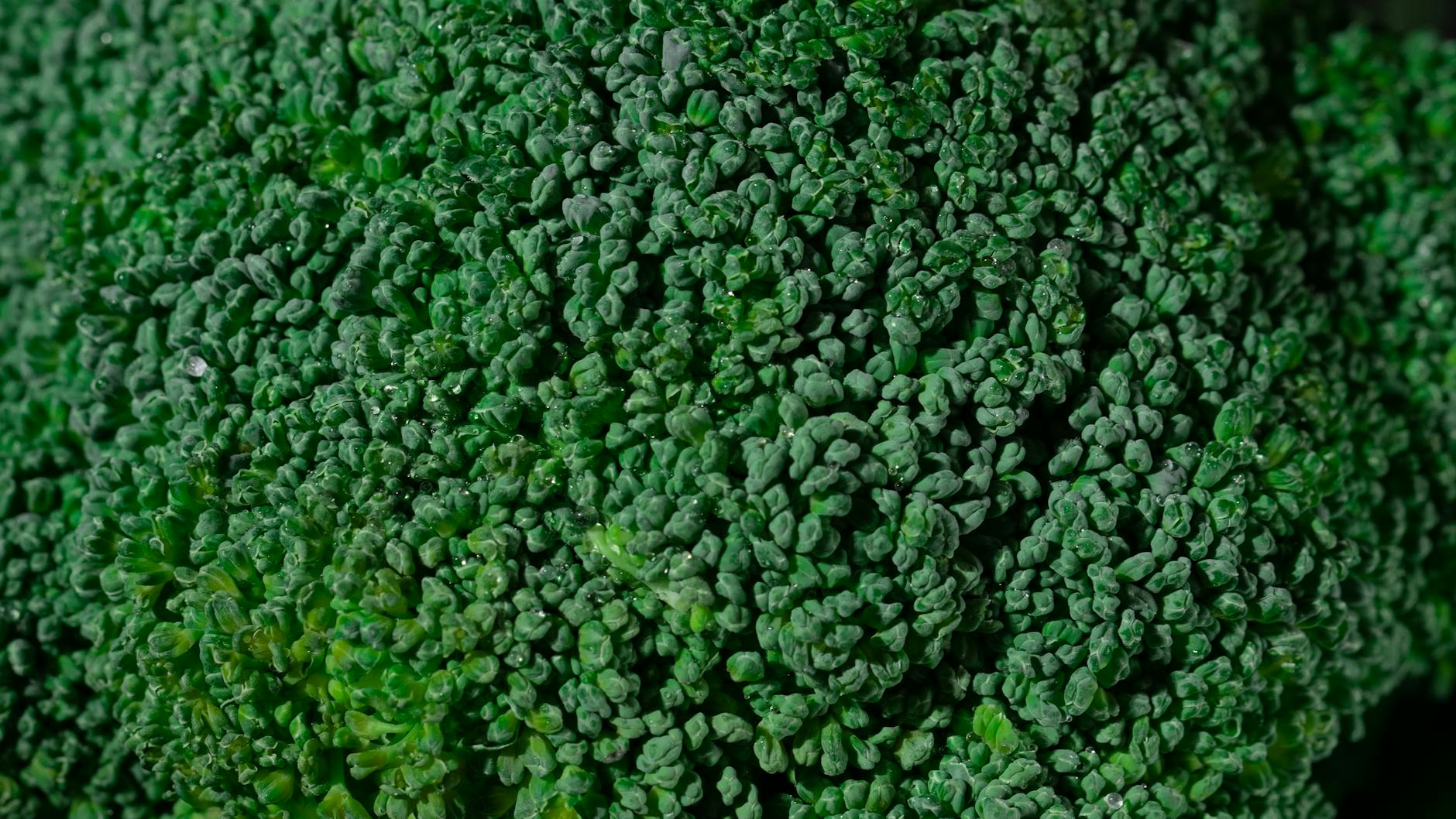
Broccoli, cauliflower, Brussels sprouts, cabbage, kale, and arugula are some of the most powerful foods you can eat to support liver detox naturally. These vegetables are rich in glucosinolates — sulfur-containing compounds that, when chewed and digested, break down into bioactive molecules including sulforaphane and indole-3-carbinol.
Research published in the journal Carcinogenesis and multiple subsequent studies show that sulforaphane activates the Nrf2 pathway, a master regulator of antioxidant defense in liver cells. This upregulates Phase II detoxification enzymes and protects liver tissue from oxidative damage.
A 2015 study in Cancer Prevention Research found that participants who consumed broccoli sprouts — an especially concentrated sulforaphane source — showed measurable increases in liver detoxification enzyme activity within days.
Quick Tip
Lightly steam broccoli rather than boiling it to preserve glucosinolates. Chewing raw broccoli or broccoli sprouts activates the enzyme myrosinase, which converts glucosinolates into active sulforaphane. Aim for 1–2 servings of cruciferous vegetables daily.
Method #2: Load Up on Antioxidant-Rich Foods
Phase I detoxification generates free radicals as a byproduct. Without enough antioxidants, these free radicals can damage liver cells — contributing to inflammation and, over time, conditions like non-alcoholic fatty liver disease (NAFLD). Natural liver support depends heavily on keeping your antioxidant intake high.
Key antioxidant-rich foods for liver health include:
- Berries (blueberries, cranberries, raspberries) — rich in anthocyanins and polyphenols that reduce liver inflammation and fibrosis markers in animal and human studies
- Walnuts and Brazil nuts — provide glutathione precursors and selenium, a critical cofactor for glutathione peroxidase (a key liver antioxidant enzyme)
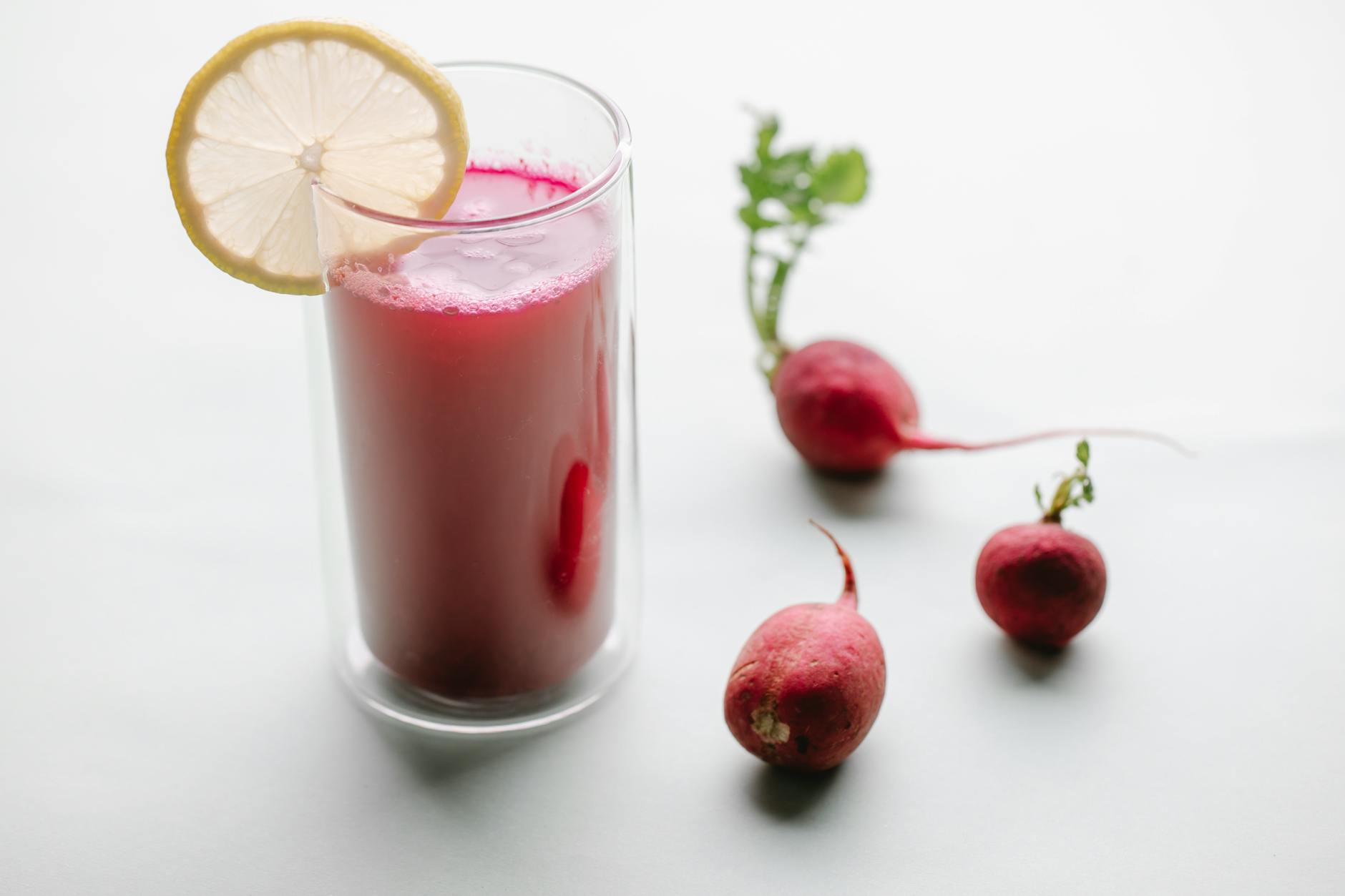
- Beets — contain betalains, which research shows reduce oxidative damage in liver tissue
- Garlic and onions — sulfur compounds stimulate glutathione production and Phase II enzyme activity
- Turmeric — curcumin has demonstrated liver-protective effects in multiple clinical trials, particularly for reducing liver enzyme levels
Quick Tip
Add a handful of mixed berries to your morning routine, crush garlic and let it sit for 10 minutes before cooking (this activates allicin), and use turmeric with black pepper — piperine increases curcumin absorption by up to 2000%.
Method #3: Consider Milk Thistle
Milk thistle (Silybum marianum) is one of the most well-researched herbal supplements for how to detox the liver naturally. Its active compound, silymarin, is a flavonoid complex with potent antioxidant and anti-inflammatory properties.
A systematic review published in the American Journal of Gastroenterology found that silymarin significantly reduced levels of AST and ALT — two liver enzymes that rise when the liver is under stress. Additional research shows it may help protect liver cells from toxin-induced damage and support regeneration of existing liver tissue.
Milk thistle supplements are widely available in capsule, tablet, and liquid extract form. Standardized extracts containing 70–80% silymarin are typically used in research. As with any supplement, speak with a healthcare provider before starting — especially if you take prescription medications, as milk thistle can affect drug metabolism.
Quick Tip
Look for a standardized extract with 140–200mg of silymarin per dose, and always consult your doctor before adding any new supplement — particularly if you have an existing liver condition.
Method #4: Stay Well Hydrated
Water is the medium through which your liver and kidneys flush water-soluble waste products from your body. Without adequate hydration, bile becomes more concentrated, kidney filtration slows, and the final step of excreting conjugated toxins becomes less efficient.
The general recommendation is 8–10 cups (2–2.5 liters) of water per day for most adults, though individual needs vary based on body weight, activity level, and climate. Pale yellow urine is the simplest real-world indicator of adequate hydration.
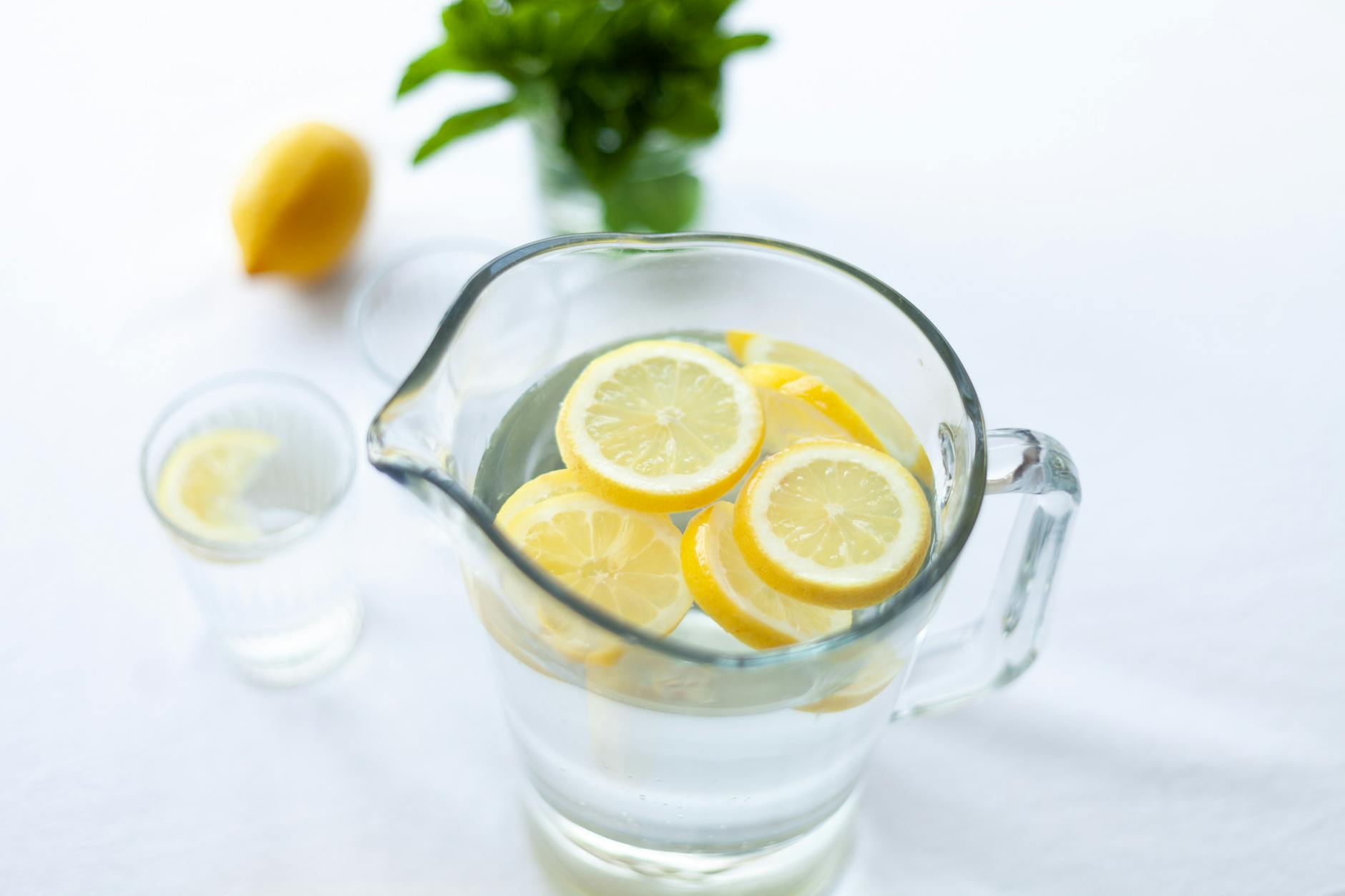
Lemon water in the morning has become a popular wellness habit — and while it is not a magical liver flush, there is a plausible mechanism: the citric acid in lemon may mildly stimulate bile production, and the vitamin C supports glutathione synthesis. More importantly, the ritual encourages people to hydrate first thing in the morning before reaching for coffee.
Quick Tip
Keep a large water bottle at your desk or workspace and set a goal to finish it twice a day. Herbal teas (especially dandelion root and peppermint) also count toward your fluid intake and have mild liver-supportive properties.
Method #5: Reduce Alcohol Consumption
No guide to liver cleanse natural strategies would be complete without addressing alcohol — the single most direct threat to liver health in the modern diet. Alcohol is metabolized almost exclusively in the liver, and the byproducts of this metabolism (particularly acetaldehyde) are highly toxic to liver cells.
Regular heavy drinking leads to a well-documented progression: fatty liver → alcoholic hepatitis → cirrhosis. But research also shows that even moderate drinking causes measurable oxidative stress in liver tissue.
Current guidelines from the World Health Organization and most national health bodies define "moderate" consumption as no more than one standard drink per day for women and two for men — though emerging research suggests no level of alcohol consumption is entirely without health risk.
The encouraging news is that the liver has remarkable regenerative capacity. Studies show that liver fat and enzyme markers can normalize within weeks of significantly reducing or eliminating alcohol intake, particularly in people who have not yet developed fibrosis.
Quick Tip
Try designating several alcohol-free days each week, and swap evening drinks for sparkling water with citrus or a non-alcoholic botanical beverage. Many people notice improved sleep, energy, and digestion within the first 2–4 weeks.
Method #6: Eat More Dietary Fiber
Fiber plays a surprisingly important role in how to detox the liver. Here is the mechanism: your liver packages processed toxins and excess hormones (like estrogen) into bile, which is released into the digestive tract. Dietary fiber — particularly soluble fiber — binds to this bile and carries it out of the body through stool. Without enough fiber, bile (along with its toxic cargo) gets reabsorbed through the intestinal wall and recirculated back to the liver for re-processing.
Best fiber sources for liver support:
- Oats — beta-glucan fiber is specifically associated with reduced liver fat in clinical studies
- Flaxseeds and chia seeds — rich in both soluble fiber and omega-3s
- Legumes (lentils, chickpeas, black beans) — among the highest fiber foods per serving
- Apples and pears — pectin fiber is a particularly effective bile binder
- Psyllium husk — used clinically to lower cholesterol via bile acid binding
Quick Tip
Aim for 25–35 grams of fiber per day. If you are currently eating very little fiber, increase gradually over 2–3 weeks to avoid bloating. Drink plenty of water alongside fiber-rich foods.
Method #7: Consume Healthy Fats
Not all fats are created equal — and for liver health, the type of fat you eat matters significantly. Diets high in saturated fats and trans fats are strongly associated with hepatic fat accumulation (fatty liver). Conversely, specific healthy fats actively support liver function and reduce inflammation.
Omega-3 fatty acids (found in fatty fish, walnuts, flaxseeds, and algae-based supplements) have the strongest research backing for liver health. A meta-analysis of 10 clinical trials published in Alimentary Pharmacology and Therapeutics found that omega-3 supplementation significantly reduced liver fat content and liver enzyme levels in patients with NAFLD.
Extra virgin olive oil is another standout. Research shows it reduces oxidative stress in the liver, improves insulin sensitivity (a major driver of fatty liver), and lowers liver enzyme levels. A tablespoon or two daily — used in cooking or on salads — provides meaningful benefit.
Avocados contain oleic acid, glutathione, and vitamin E — a combination that research suggests actively protects liver cells from oxidative damage.
Quick Tip
Swap seed oils (canola, sunflower, soybean) for extra virgin olive oil in cooking. Add half an avocado to meals several times per week. Eat fatty fish like salmon or sardines at least twice weekly.
Method #8: Exercise Regularly

Regular physical activity is one of the most evidence-backed interventions for natural liver support. Exercise improves insulin sensitivity, reduces visceral fat (the fat most directly linked to liver fat accumulation), and increases circulation — all of which reduce the burden on the liver.
A landmark 2017 meta-analysis in the Journal of Hepatology reviewed 12 randomized controlled trials and found that aerobic exercise alone — without any dietary changes — reduced liver fat content by an average of 20–30% in patients with NAFLD. Resistance training produced comparable results through different mechanisms (increased muscle mass improves glucose uptake and reduces insulin resistance).
Sweating during exercise also provides a supplementary elimination pathway for certain toxins including heavy metals like cadmium and lead, as documented in several peer-reviewed studies on sweat composition.
Quick Tip
Aim for at least 150 minutes of moderate aerobic exercise per week (brisk walking counts) plus 2 days of resistance training. Even a 30-minute walk after dinner has been shown to significantly lower post-meal blood glucose — reducing the metabolic load on the liver.
Method #9: Limit Sugar and Processed Foods
The liver is the primary processor of dietary fructose — and unlike glucose, which gets distributed to cells throughout the body, fructose is almost entirely metabolized in the liver. When fructose intake is excessive (particularly from added sugars in processed foods and sweetened beverages), the liver converts it to fat, accumulating inside liver cells and triggering the inflammatory cascade associated with NAFLD.
Research published in the Journal of Hepatology found that just two weeks of high fructose consumption (equivalent to roughly two servings of sweetened soda per day) produced measurable increases in liver fat, even without weight gain.
Processed foods add to the liver's burden through additional channels: refined carbohydrates spike insulin repeatedly, artificial additives require Phase II processing, and high-sodium diets contribute to fluid retention and portal hypertension.
Quick Tip
Read labels and aim for less than 25–36 grams of added sugar per day (the American Heart Association's recommendation for women and men respectively). Replace sweetened drinks with sparkling water, herbal tea, or black coffee — itself associated with reduced liver fat and lower liver enzyme levels in research.
Method #10: Prioritize Quality Sleep
Sleep is when your body — including your liver — carries out critical repair and detoxification processes. Research shows that the glymphatic system (a waste-clearance system in the brain) is primarily active during deep sleep, but the liver's own metabolic recycling processes also follow a circadian rhythm.
Studies have shown that chronic sleep deprivation is independently associated with elevated liver enzymes, increased liver fat, and higher systemic inflammation — even after controlling for diet and exercise. A 2019 study found that people sleeping fewer than 6 hours per night had a significantly higher prevalence of NAFLD than those sleeping 7–9 hours.
The liver also processes and clears cortisol overnight. Poor sleep elevates cortisol, which drives insulin resistance and visceral fat — creating a compounding cycle that directly increases liver fat accumulation.
Quick Tip
Target 7–9 hours per night. Keep a consistent sleep schedule (same bedtime and wake time even on weekends), avoid screens 60 minutes before bed, and keep your room cool and dark. These three habits alone produce measurable improvements in sleep quality within 1–2 weeks.
Method #11: Reduce Your Toxin Exposure
Supporting liver detox naturally is not only about what you add to your routine — it is equally about reducing the volume of toxins your liver has to process in the first place. Environmental toxic load has increased dramatically over the past 50 years, with the average person now regularly exposed to hundreds of synthetic chemicals through food, air, water, personal care products, and cleaning agents.
Practical steps to reduce toxic load:
- Choose organic produce for the "Dirty Dozen" — the EWG's annual list of the most pesticide-contaminated fruits and vegetables (strawberries, spinach, kale, peaches, and apples consistently top the list)
- Filter your tap water — a quality carbon or reverse osmosis filter removes chlorine, chloramines, heavy metals, and pharmaceutical residues
- Switch to fragrance-free cleaning products — "fragrance" on a label can represent dozens of synthetic chemicals that are absorbed through inhalation and skin contact
- Reduce plastic contact with food — BPA and phthalates from plastics are endocrine-disrupting compounds that require liver processing; use glass or stainless steel containers, and never heat food in plastic
- Choose cleaner personal care products — the skin absorbs a meaningful proportion of what you apply to it. Look for products without parabens, synthetic fragrances, or formaldehyde-releasing preservatives
Quick Tip
You do not need to overhaul everything at once. Start with one swap per month: replace your multipurpose cleaner with a vinegar-based formula, switch to a glass water bottle, or add a water filter to your kitchen tap. Small reductions in toxic load add up meaningfully over time.
Method #12: Manage Chronic Stress
Chronic psychological stress has a direct physiological impact on liver health — one that is often overlooked in wellness conversations. When you are chronically stressed, your adrenal glands continuously release cortisol. Elevated cortisol increases blood glucose, promotes visceral fat storage, and drives systemic inflammation — all of which compound to increase liver fat and stress on liver cells.
Research has also found a bidirectional gut-liver axis: chronic stress alters gut microbiome composition, increasing intestinal permeability ("leaky gut") and allowing bacterial endotoxins to enter portal circulation and reach the liver — directly triggering liver inflammation.
Stress-reduction practices with documented physiological benefit include:
- Mindfulness meditation — even 10–15 minutes daily has been shown to reduce cortisol and inflammatory markers
- Yoga and tai chi — combine movement, breathwork, and mindfulness for compounded benefit
- Deep diaphragmatic breathing — activates the parasympathetic nervous system within minutes
- Time in nature — multiple studies show measurable reductions in cortisol and inflammatory markers after time spent in green spaces
Quick Tip
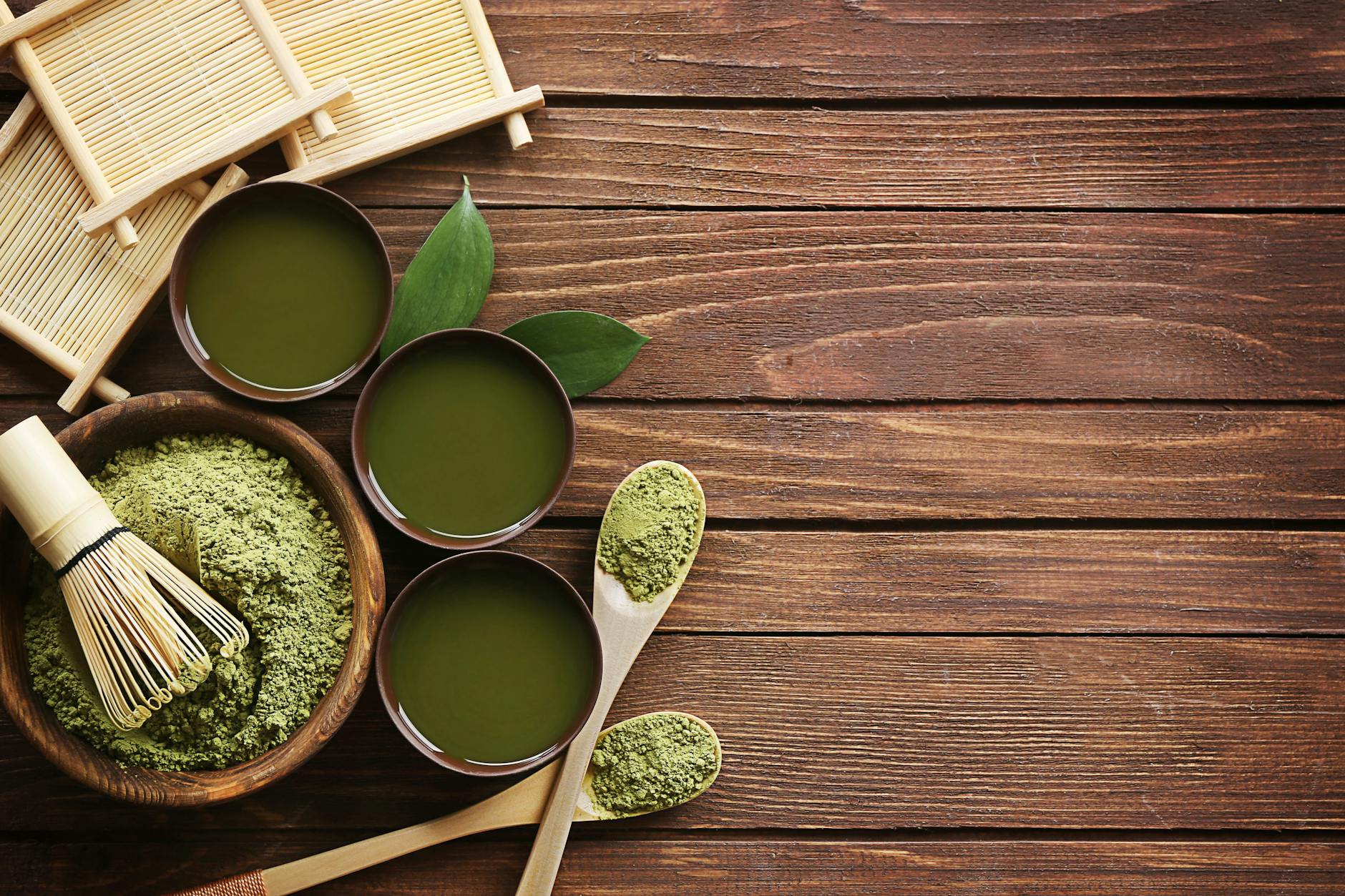
Swap your second cup of coffee for a cup of matcha green tea — it provides a gentler caffeine curve through L-theanine, is rich in EGCG (a potent liver-protective antioxidant), and the preparation ritual itself can become a calming daily anchor.
Your 7-Day Liver Support Kickstart Checklist
Use this simple checklist to build momentum in your first week of natural liver support:
Day 1 — Hydrate First
- Start the morning with a large glass of water (optionally with lemon)
- Set a goal of 8 glasses throughout the day
Day 2 — Add Cruciferous Vegetables
- Include one serving of broccoli, cauliflower, or Brussels sprouts with a meal
- Lightly steam or eat raw for maximum sulforaphane benefit
Day 3 — Move Your Body
- Take a 30-minute brisk walk or do any aerobic activity you enjoy
- Aim to sweat at least a little
Day 4 — Crowd Out Added Sugar
- Check labels on what you eat and identify your biggest added-sugar source
- Replace one sweetened item with a whole-food alternative
Day 5 — Sleep 7+ Hours
- Set a firm bedtime and honor it tonight
- Put screens away 60 minutes before sleep
Day 6 — Eat a Fiber-Rich Meal
- Add lentils, beans, or oats to one meal
- Include an apple or pear as a snack
Day 7 — Reduce One Toxin Source
- Switch to a glass or stainless steel water bottle
- Or swap a conventional cleaning product for a natural alternative
Creating Your Long-Term Liver Support Plan
The most important principle in any sustainable wellness strategy is this: do not try to change everything at once. Research on habit formation consistently shows that stacking too many changes simultaneously leads to decision fatigue and reversion to baseline within weeks.
Instead, start with two or three of the twelve methods that feel most accessible given your current lifestyle. Master those, then layer in the next. Here is a sample daily routine that integrates several methods naturally:
Sample Liver-Supportive Daily Routine
Morning: Large glass of water with lemon slice. Breakfast with oats, berries, and walnuts (fiber + antioxidants). Brisk 20-minute walk.
Midday: Lunch with leafy greens, cruciferous vegetables, legumes, and olive oil dressing. Herbal or green tea instead of a second coffee.
Afternoon: Hydrate consistently. Snack on fruit and nuts rather than processed snacks.
Evening: Dinner with fatty fish or plant protein, cooked vegetables including a cruciferous variety, and avocado. Limit alcohol. 10-minute wind-down routine (breathing, light stretching).
Bedtime: Screens off 60 minutes before bed. Consistent sleep and wake time.
When to See a Doctor
The strategies in this guide are supportive — not a substitute for medical evaluation. See a doctor promptly if you experience: persistent fatigue, jaundice (yellowing of the skin or eyes), abdominal pain or swelling in the upper right quadrant, dark urine or pale stools, unexplained weight loss, or easy bruising and bleeding. These can be early signs of liver disease that requires professional assessment and management.
Routine blood tests (including a liver function panel) are also worth discussing with your doctor if you have risk factors such as obesity, type 2 diabetes, heavy alcohol use, or a family history of liver disease.
Key Takeaways
Your liver does not need a dramatic three-day cleanse. It needs consistent, daily support through the food you eat, the movement you take, the sleep you protect, and the toxins you choose to limit. The 12 methods outlined in this guide each have meaningful research backing — and crucially, they work together synergistically.
You do not need to implement all 12 at once. Pick two or three that feel genuinely achievable this week and build from there. Liver detox naturally is not an event — it is an ongoing practice of giving your body the conditions it needs to do what it already does brilliantly.
Small, consistent improvements compound over months and years into a meaningfully healthier liver — and a healthier you. Your liver is doing its job. Let us make sure you are doing yours.