How to Travel to a Champions League Match: The Complete Fan Guide for 2026
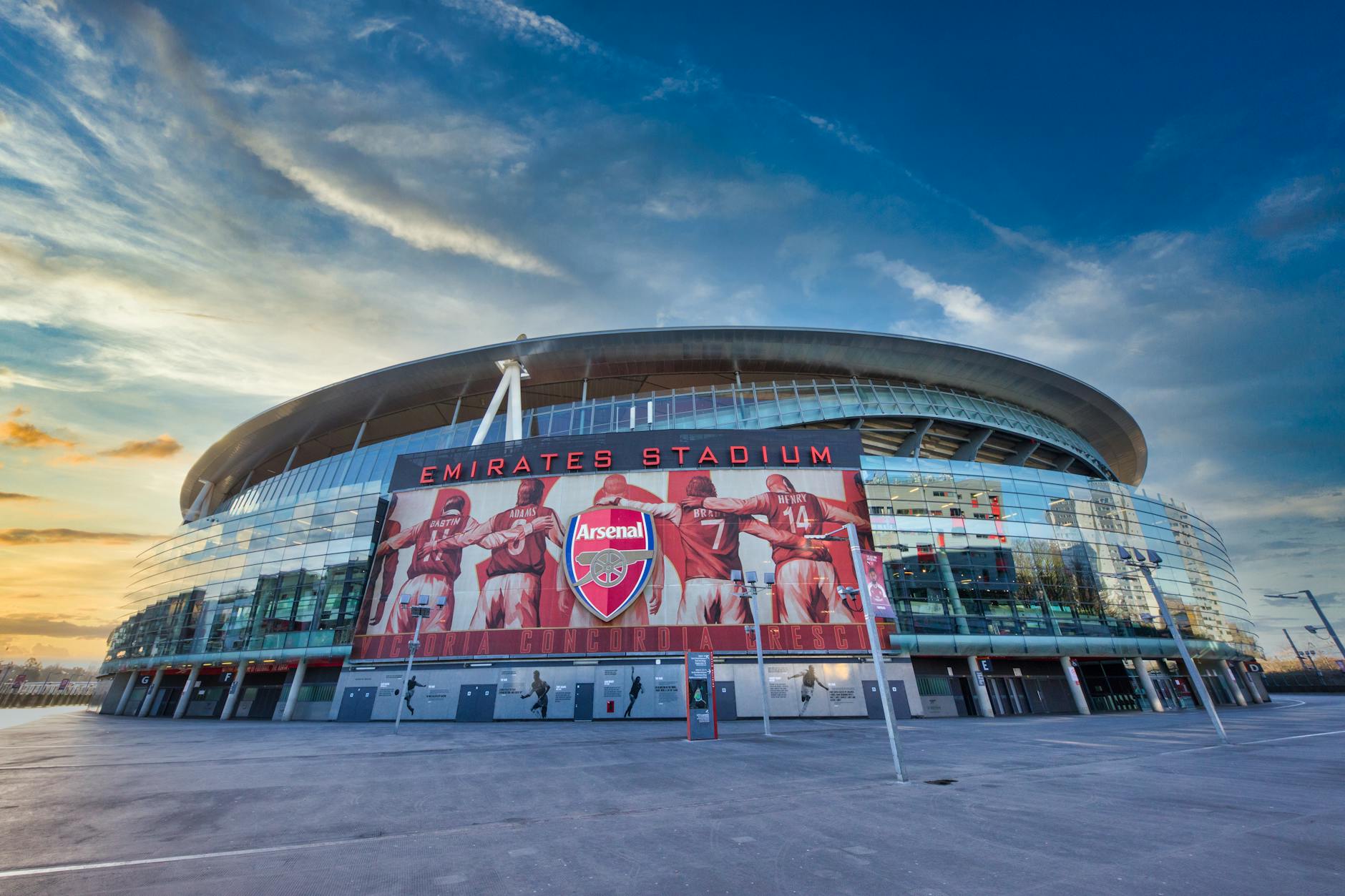
There is nothing quite like the feeling of hearing that iconic Champions League anthem echo around an unfamiliar stadium in a city where you barely speak the language. Whether your club has drawn a Spanish giant, a German powerhouse, or a Dutch side you have only ever watched on television, travelling to an away leg in Europe is one of the most rewarding experiences in football fandom — and one of the most logistically demanding.
This champions league travel guide covers everything from buying tickets and booking flights to finding the stadium on matchday, communicating with locals, and understanding the unwritten rules of European stadium culture. If you are planning to attend a Champions League tie abroad in 2026, read this before you book anything.
Step One: Securing Tickets Before You Book Anything Else
The cardinal mistake made by first-time European away-day travellers is booking flights and hotels before confirming they have tickets. Champions League tickets sell out fast — often within minutes of going on sale to club members — and if your draw means travelling to a high-profile venue, you may find yourself holding expensive non-refundable travel arrangements with no seat to sit in.
Here is how to maximise your chances of getting tickets legitimately:
- Your club's official allocation: Every visiting club receives a guaranteed allocation of seats — typically around five percent of stadium capacity for group-stage matches, and sometimes more in knockout rounds. These are distributed through your club's official ticketing system, usually on a loyalty-points or priority-membership basis. Register well in advance and accumulate loyalty points by attending domestic fixtures.
- UEFA's official fan travel packages: UEFA offers official travel packages that bundle flights, hotels, and match tickets together. These are sold through authorised travel partners listed on UEFA.com. They are generally more expensive than booking independently, but they guarantee a ticket and remove the logistical headache.
- The host club's allocation: Depending on the fixture, the home club sometimes releases a small number of tickets through their own website. Monitor their official channels carefully — these often go on sale without much warning.
- Avoid resale markets: Secondary market platforms operate in a legal grey area for UEFA competitions, and many clubs actively void resale tickets. Buy only through official channels.
Once you have confirmed tickets in hand, only then should you commit to travel bookings. Flexible fare options are worth the extra cost at this early stage.
Planning Your Flights: Timing, Airports, and Flexibility
Champions League midweek fixtures — typically Tuesday and Wednesday evenings — create a predictable but tricky travel window. Kickoff is almost always 8:00 PM local time. That means if you are flying from the UK, Ireland, Scandinavia, or further afield, you are looking at either a same-day travel plan that leaves almost no margin for error, or arriving the day before.
Arriving the day before is strongly recommended for any city you have never visited. It gives you time to:
- Locate your hotel and the stadium relative to the city centre
- Scope out the fan zones and pre-match gathering spots
- Identify reliable transport routes to the ground
- Recover from any travel delays without missing kickoff
When choosing flights, consider which airport actually serves the city. Many European cities have multiple airports with very different distances to the centre. Barcelona's El Prat is well-connected; Girona–Costa Brava, sometimes used for cheap flights to the area, is over 100 kilometres away. Milan has both Malpensa and Linate — Linate is far more convenient for the city. Madrid Barajas has four terminals connected by an underground shuttle. Research your specific arrival airport before assuming the journey to your hotel will be straightforward.
Getting to the Stadium on Matchday
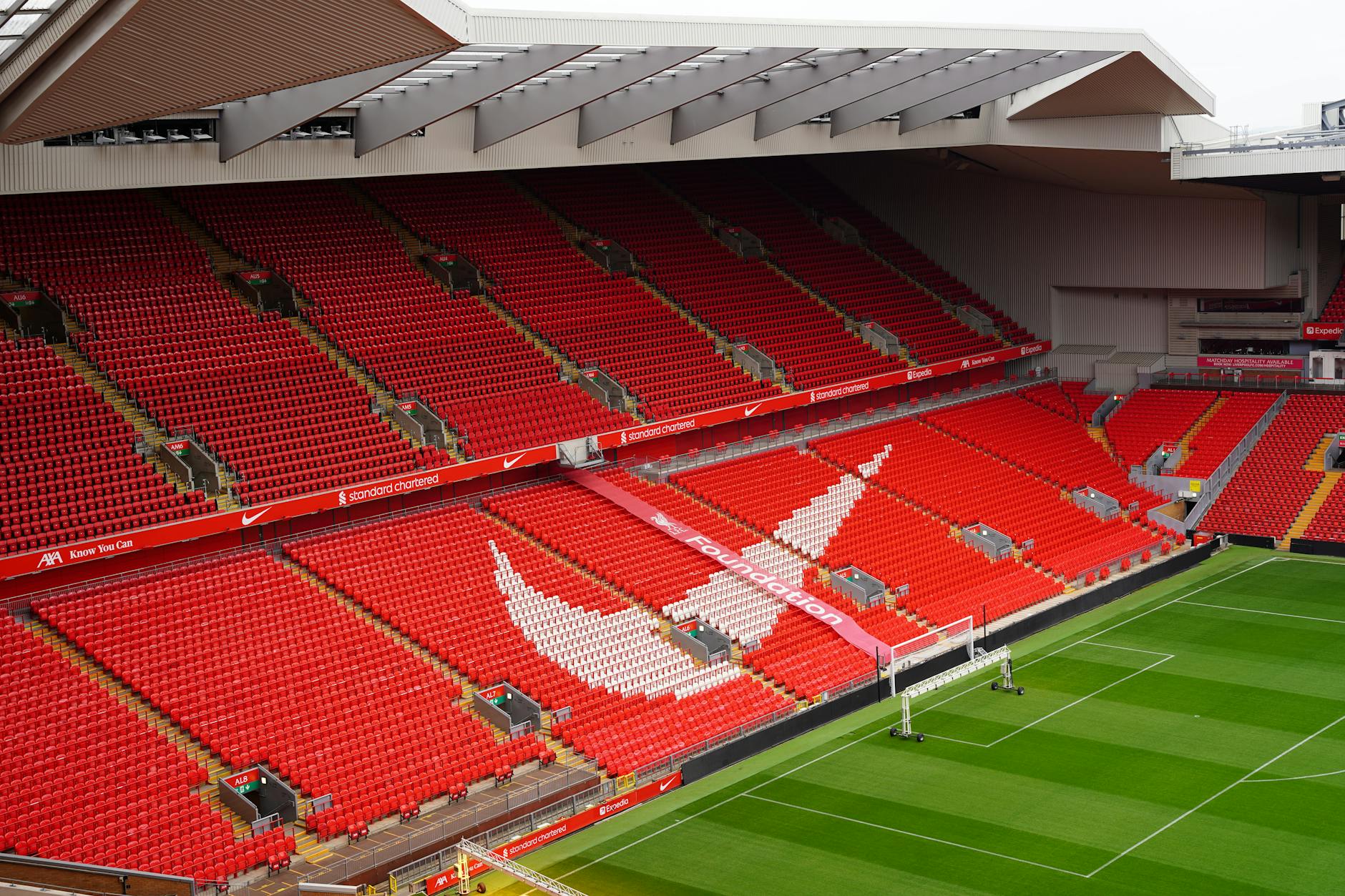
This is where european football travel tips become most practically valuable — and where the language barrier hits hardest. Most major European cities have excellent public transport, and the local metro, tram, or bus network is almost always your best option on matchday. Taxis and ride-share services like Uber often become unavailable or surge-priced in the hours around a big game, and driving anywhere near a major stadium is generally inadvisable.
Research the official transport guidance: Most host clubs publish specific matchday transport advice on their website, including which metro lines and bus routes serve the stadium, where the designated away-fan entrance is, and whether temporary shuttle services are running. This page is often available in English even if the rest of the site is not — look for an "Matchday Information" or "Getting to the Stadium" section.
Download offline maps before you leave: Google Maps and Apple Maps both allow you to download city maps for offline use. Do this on your hotel Wi-Fi before heading out. Mobile data roaming, even with international SIM cards, can become unreliable in crowded metro stations.
Know your station name in the local language: If the stadium's nearest metro stop is "Estadio" or "Stade" or "Stadion," that is easy enough. But many stops are named after the stadium itself or a nearby landmark using local spelling. Know the exact station name phonetically so you can ask a local if you get lost.
Allow significant extra time: Give yourself at least 90 minutes to travel to the stadium on matchday. What is a 25-minute metro ride under normal circumstances can take over an hour when tens of thousands of fans are doing the same thing. Factor in queuing for public transport, stadium security screening (which for Champions League matches is thorough), and finding your entrance — away fans are almost always directed to a specific gate on the opposite side of the ground from home supporters.
Navigating Cities Where You Don't Speak the Language
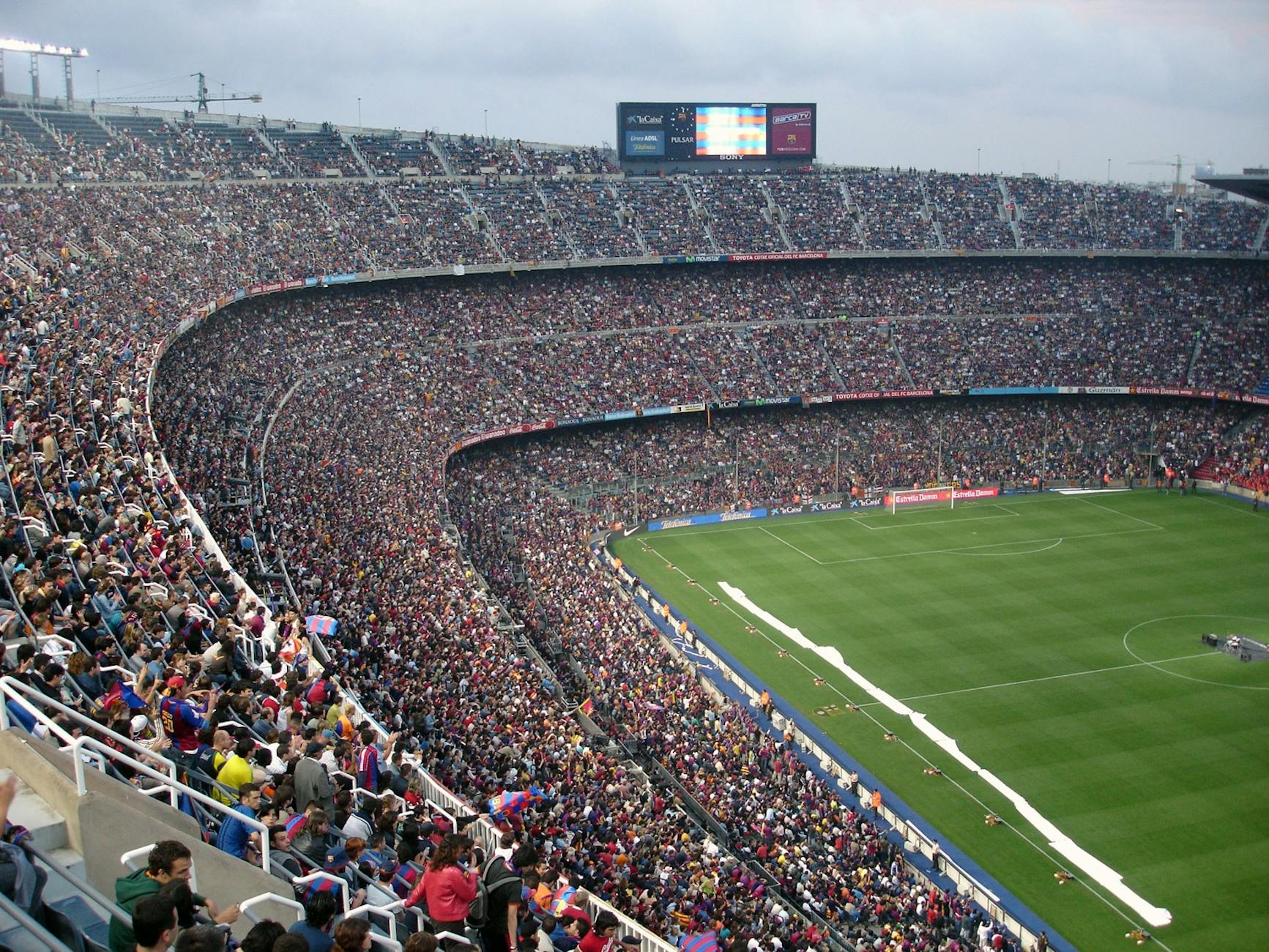
One of the unique challenges of attending a Champions League away game is that you are often dropped into cities where English is not widely spoken outside the tourist zone — think Porto, Lyon, Lisbon, Leverkusen, or Bratislava. The area immediately around a major stadium is rarely a tourist district, and the locals you encounter on matchday — transport staff, stewards, police, food vendors — may have limited or no English.
Here is a practical approach to managing communication:
Prepare a Handful of Key Phrases
You do not need to become conversational in Portuguese before flying to Lisbon. But knowing how to say "Where is the stadium?", "Which platform for [metro line]?", "Ticket, please," and "Thank you" in the local language goes a long way. Locals universally respond better to a foreigner who makes an effort, even a clumsy one, than to someone who simply repeats an English sentence more slowly and more loudly.
Write your key phrases on a small card or in your phone's notes app so you can show them rather than attempt to pronounce them perfectly under pressure.
Use Translation Apps Wisely
Google Translate's camera feature — which overlays translated text onto your phone's camera view in real time — is genuinely useful for reading stadium signage, menu boards, and transport maps. Download the relevant language pack for offline use before you leave home. The spoken translation function is also helpful in pinch situations, though be aware it draws attention to yourself, which is not always desirable in crowded stadium environments.
Know Your Key Addresses in Written Form
Have your hotel address written out in the local script and format — not just "Grand Hotel, City Centre" but the full street address. The same applies to the stadium. If you need to show a taxi driver or a local where you are going, a written address is unambiguous.
Follow the Away Fan Crowd
One of the most reliable navigation tools at a Champions League fixture is simply following other away supporters. Thousands of people wearing the same colours will be making the same journey, and the collective wisdom of a travelling fanbase is hard to beat. Metro platforms, bus stops, and walking routes self-organise remarkably efficiently on matchday. If you see a cluster of your club's shirts heading in a direction with purpose, it is almost always worth joining them.
Understanding European Stadium Culture and Etiquette
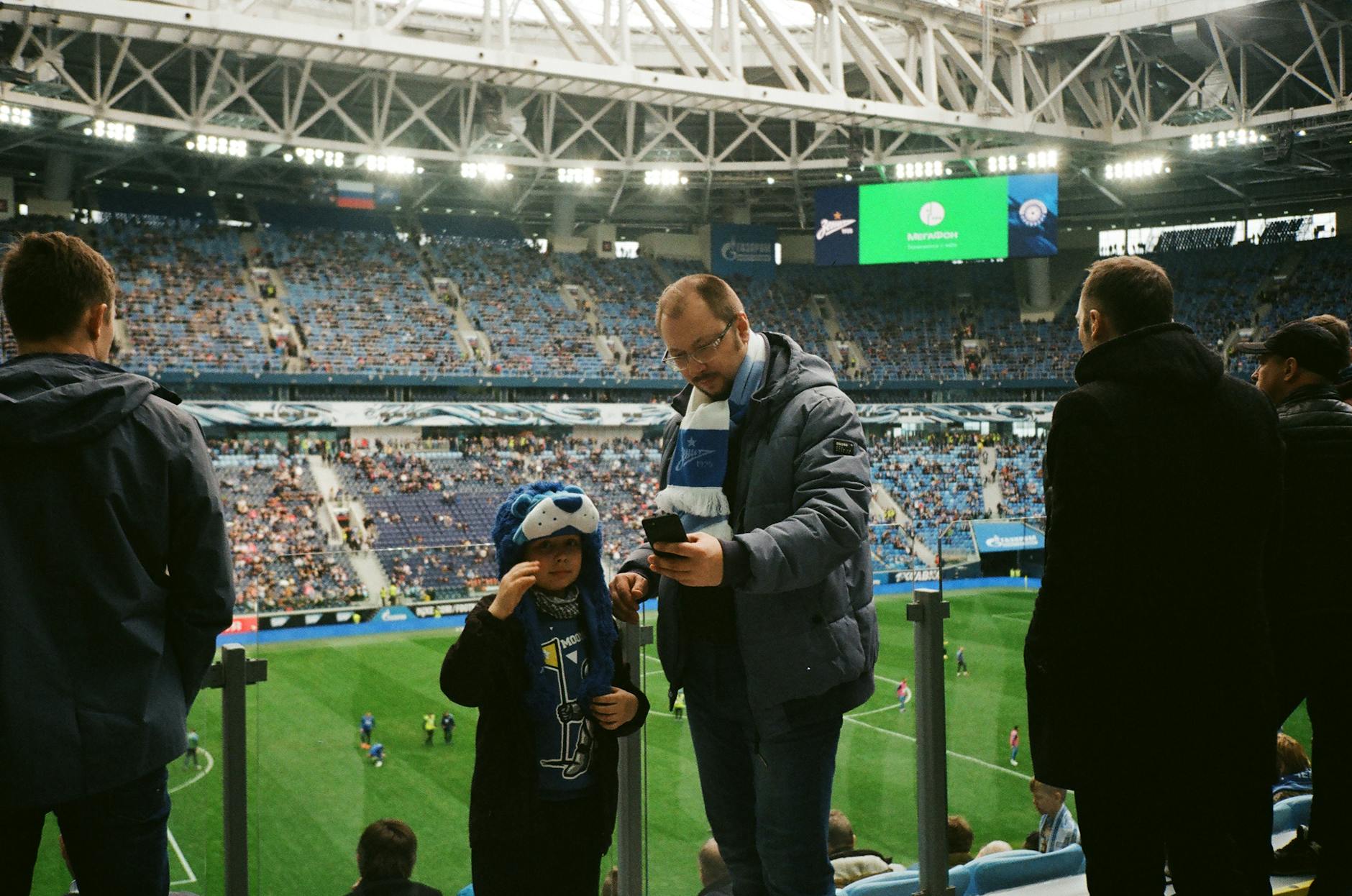
If your football experience is primarily from domestic leagues in England, Scotland, or Ireland, a number of things about a continental European stadium environment may catch you off guard.
Standing in seated sections: In many continental stadiums, fans stand throughout the match even in all-seater venues, particularly in the ultras sections. Away fans are usually expected to stand. This is a cultural norm — do not be the person trying to sit down in the middle of a standing, singing block.
Tifo displays and choreography: Many European ultras groups produce elaborate pre-match displays involving giant banners, card displays, smoke flares, and choreographed chants. These are taken seriously by the home supporters, and it is considered respectful to observe them without attempting to photograph your way through them or talk over them.
Alcohol restrictions: Unlike English grounds where beer is sold inside and in some areas consumed in view of the pitch, many European stadiums do not permit alcohol in sight of the playing area. In some countries, alcohol is banned in and around stadiums entirely on matchday. Check the specific rules for your host city — being caught smuggling alcohol into a stadium in some jurisdictions can result in ejection or worse.
Away fan segregation: This is taken extremely seriously at Champions League fixtures. You will be directed to a specific entrance, a specific section, and sometimes a specific exit route. Stewards and police will enforce this vigorously, and attempting to sit in the home end is a very bad idea regardless of how docile the atmosphere seems. Beyond the personal risk, it reflects poorly on your club's travelling support.
Security and bag policy: UEFA applies strict security standards across all Champions League venues. Bags above a certain size will not be admitted. Clear bags are sometimes required. Prohibited items include umbrellas, selfie sticks, professional camera lenses, and anything that could be construed as a projectile. Carry only what you genuinely need inside the ground — your ticket, your phone, your wallet, and a light layer if the evening is cold.
Where to Gather Before the Match
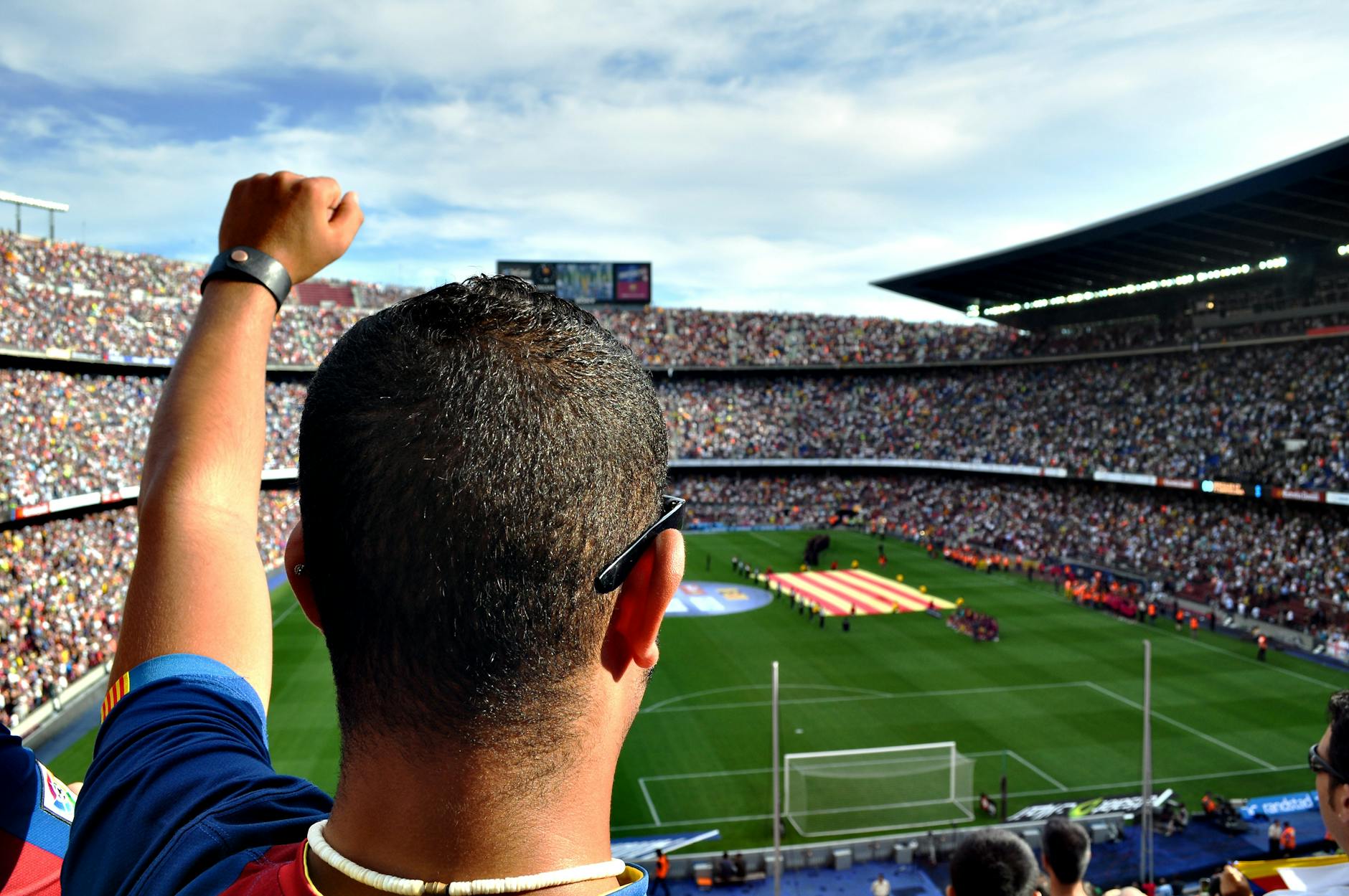
Pre-match culture is one of the great joys of a Champions League fan guide 2026 experience. Most host cities designate an official fan zone or away-supporter gathering area in the hours before kickoff. These are usually well-publicised by the club and often by local tourist boards, which recognise the economic value of thousands of visiting supporters spending money in the city.
Fan zones typically offer:
- Live music and pre-match entertainment
- Food and drink stalls
- A safe, stewarded environment for away supporters
- A central meeting point for groups who have travelled separately
- Staff who often speak English and can help with directions
Outside of official fan zones, your club's social media accounts and supporter forums — particularly dedicated away day forums and Facebook groups — will carry real-time information from fans already in the city. These communities are invaluable. Someone will have posted the name of the bar where the travelling support has congregated, what time the official coaches leave for the stadium, and which metro line to take.
Practical Logistics: Money, SIM Cards, and Safety
A few practical details that are easy to overlook when the excitement of an away European tie takes over:
Currency: Most Champions League host cities now accept contactless card payment widely, but carry some local cash regardless. Remote areas near stadiums, food stalls outside grounds, and small local bars may be cash-only. ATMs near stadiums on matchday run out of cash and have long queues — withdraw cash the day before.
Mobile data: If you are travelling within the EU and have a UK or EU SIM card, data roaming rules apply (though post-Brexit UK travellers should check their specific provider's policy, as many now charge roaming fees again). A local SIM card purchased at the airport is often the most reliable option for a multi-day trip and will ensure you have data available for maps, translation, and communication when it matters most.
Emergency contacts: Know the local emergency number (112 works across the EU and in most other European countries). Have the address of your nearest embassy or consulate saved in your phone. This is belt-and-braces preparation that most fans never need — but the one time you do need it, you really need it.
Travel insurance: Champions League travel is not just leisure travel — it involves crowds, late evenings, unfamiliar transport networks, and the occasional high-tension environment. Comprehensive travel insurance that covers cancelled matches, medical emergencies, and trip disruption is essential, not optional.
Getting Home After the Final Whistle
Post-match transport is often the part of the trip that fans plan least carefully and regret most. A few principles:
Do not try to leave before the end: Away fan exits at Champions League venues are typically held until a significant portion of the home crowd has dispersed. This is a safety measure. Attempting to leave before stewards give the all-clear is both ineffective and can create a dangerous crush. Use the waiting time to mentally decompress from the match.
Check last trains: If you are departing the city that night — particularly on an overnight train or early-morning flight — know your last possible train departure from the city centre and work backwards from the final whistle. European cities with 11 PM metro closures can leave fans stranded if the match goes to extra time or penalties.
Overnight stays after a late finish: If your match kicks off at 8 PM and you add 90 minutes of play, extended celebrations, and post-match transport delays, you are unlikely to be heading to an airport before midnight at the earliest. For fans flying home the same night, check that your flight is genuinely feasible given realistic exit times. Many experienced European away fans simply book a second night in the hotel and fly home the following morning.
Key Takeaways
Attending a Champions League match in Europe is one of football's great experiences — the anthem, the atmosphere, the sense of occasion, the joy of sharing it with thousands of fellow supporters in a city you might never otherwise visit. But it rewards preparation. The fans who enjoy it most are those who secured their tickets before booking anything else, arrived the day before, researched their transport route, downloaded offline maps, and prepared a handful of local phrases rather than assuming English would carry them through.
The language barrier is real in many host cities, but it is manageable — and overcoming it, even imperfectly, is part of what makes the trip memorable. A wrong metro line, a fumbled order at a local bar, a hastily mimed conversation with a home fan about the state of the match — these are the stories you will still be telling years later.
The Champions League travel guide framework is consistent regardless of which city your club draws: secure tickets first, book flexible travel, arrive early, follow your fellow supporters, respect the local stadium culture, and prepare for the journey home before you need to make it. Follow those principles and the rest — even in a city where you cannot read a single sign — has a way of working itself out.