How Your Bedroom Environment Affects Sleep Quality — What the Research Actually Says
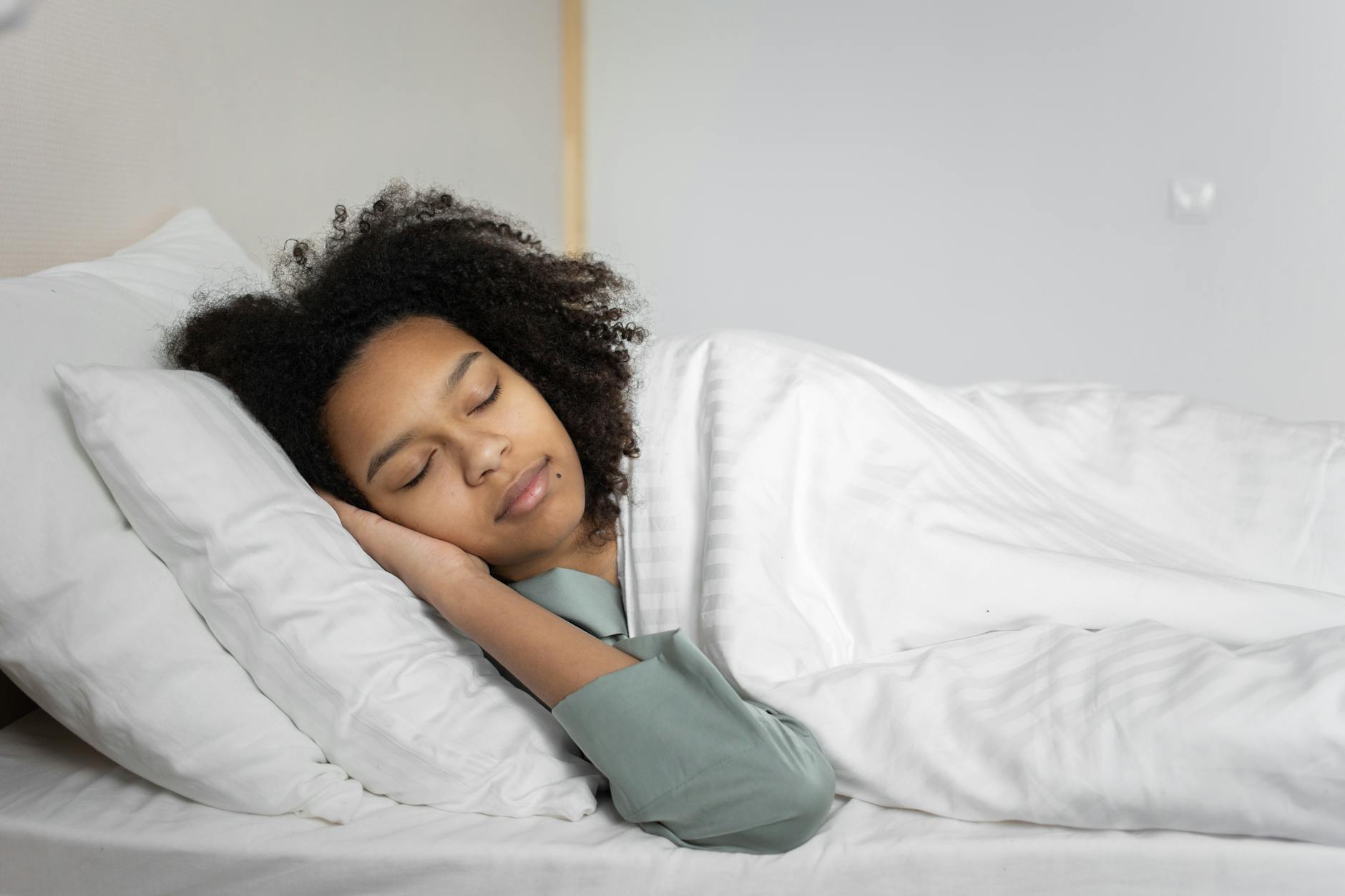
Most people who struggle with sleep focus on what they do before bed — the screen time, the late-night coffee, the racing thoughts. What they rarely examine is the room itself. Yet decades of sleep research point to one consistent finding: your bedroom environment and sleep quality are directly, measurably linked. The temperature of your room, the darkness level, the ambient noise, even whether your bed is made — each of these variables influences how quickly you fall asleep, how deeply you stay asleep, and how rested you feel when you wake up.
This is not self-help speculation. Sleep medicine researchers at institutions like the Harvard Division of Sleep Medicine and the National Sleep Foundation have conducted controlled studies showing that environmental factors can shift sleep architecture — the ratio of light, deep, and REM sleep you get each night — by measurable degrees. Understanding those findings, and translating them into practical bedroom sleep hygiene tips, is the goal of this article.
Why the Bedroom Is the Most Important Room for Your Health
You spend roughly one-third of your life in your bedroom. That alone makes it significant. But beyond raw hours, the bedroom is where your body performs essential maintenance that no other waking activity can replicate. During deep slow-wave sleep, your brain clears metabolic waste products through the glymphatic system — a process researchers at the University of Rochester linked to reduced long-term neurological risk. During REM sleep, the brain consolidates memory and regulates emotional processing. Neither of these processes can be "made up" by sleeping longer on weekends.
The body prepares for sleep using environmental cues. Temperature drop signals the brain that night has arrived. Darkness triggers melatonin release from the pineal gland. Silence — or at least the absence of startling noise — keeps the nervous system out of its threat-detection mode. When those cues are absent or disrupted, the body struggles to transition into restorative sleep, even when you feel subjectively tired. Sleep environment optimization is not about comfort for its own sake — it is about giving your body's biological systems the inputs they evolved to receive.
Temperature: The Most Underrated Sleep Factor
Of all the environmental variables studied in sleep science, core body temperature has arguably the strongest and most consistent evidence base. Your body must drop its core temperature by roughly 1 to 2 degrees Fahrenheit to initiate and maintain sleep. This thermoregulatory process is not optional — it is baked into your circadian biology.
Research published in the journal Sleep Medicine Reviews found that the best bedroom temperature for sleep falls between 60 and 67 degrees Fahrenheit (15.6 to 19.4 degrees Celsius) for most adults. Outside that range — whether too warm or too cold — sleep efficiency drops. A room that is too warm is particularly disruptive: it prevents the body from achieving the temperature drop needed to enter deep sleep stages, and it increases nighttime waking. Studies using polysomnography (the clinical gold standard for measuring sleep) have documented reduced slow-wave sleep in warm environments even when subjects reported no conscious discomfort.
Warmer sleeping conditions have also been associated with reduced REM sleep duration, according to research from the Chronobiology and Sleep Institute at the University of Pennsylvania. REM sleep is the stage most associated with emotional processing, creativity, and memory consolidation — so even modest temperature-related REM suppression can have real cognitive consequences.
Practical implications:
- Set your thermostat between 65 and 67°F (18 to 19°C) as a starting point and adjust based on how you feel.
- Use breathable, moisture-wicking bedding materials (cotton, bamboo, linen) rather than synthetic fabrics that trap heat.
- If you sleep with a partner who runs warm, consider separate blankets — a practice common in Scandinavian countries that is gaining research support.
- A warm bath or shower 1 to 2 hours before bed paradoxically helps: it draws heat to the skin's surface and accelerates core temperature drop once you exit.
Light and Darkness: How Blackout Conditions Change Your Sleep Architecture
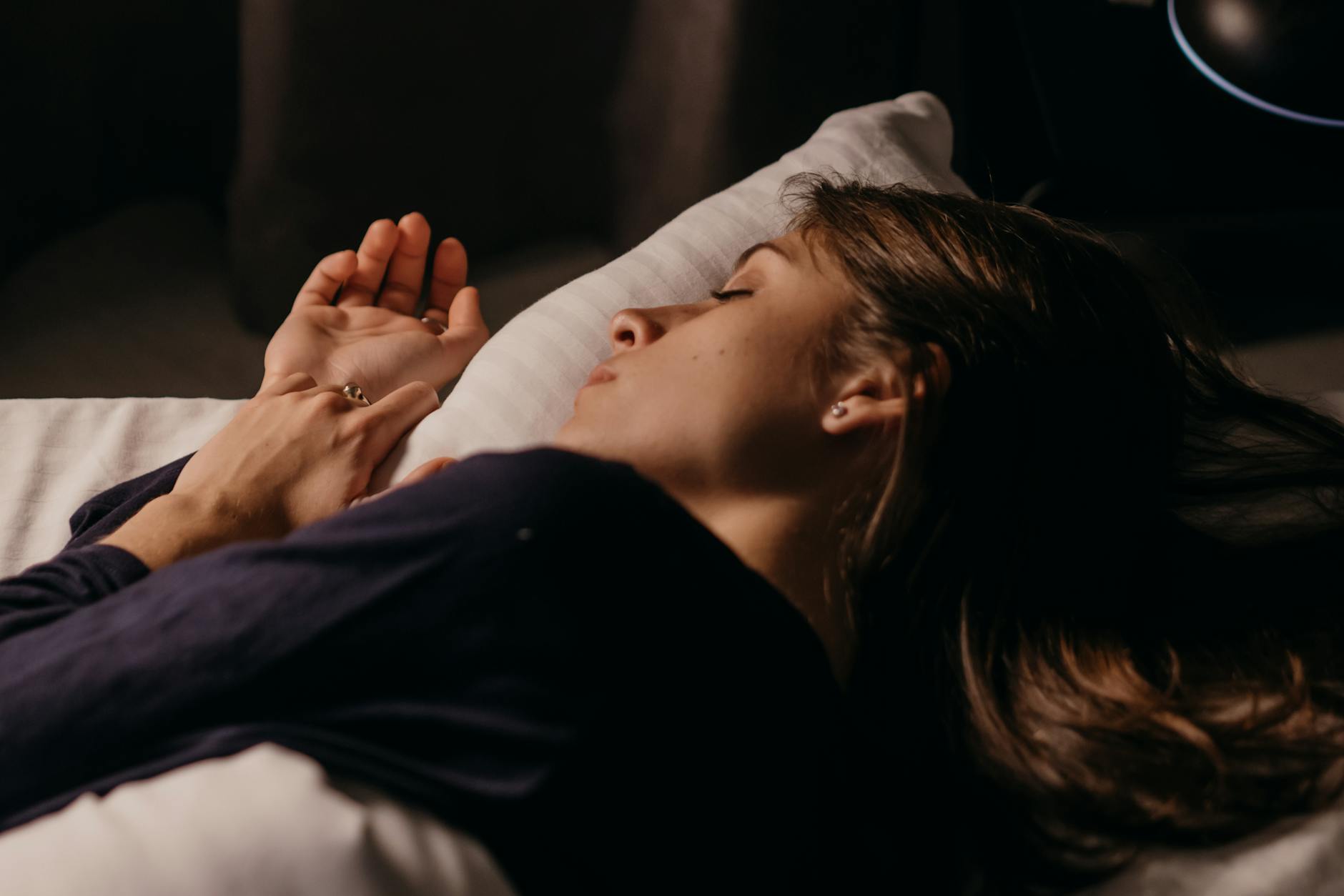
Light is the primary zeitgeber — a German word meaning "time-giver" — that synchronizes your circadian clock with the external world. Your retinas contain specialized photoreceptor cells called intrinsically photosensitive retinal ganglion cells (ipRGCs) that respond specifically to blue-wavelength light and send signals directly to the suprachiasmatic nucleus (SCN) in the hypothalamus — the brain's master clock. When these cells detect light, even at relatively low intensities, they suppress melatonin production and signal wakefulness.
This matters enormously for bedroom environment and sleep quality because modern bedrooms are rarely as dark as our ancestors' sleeping environments were. Streetlights bleed through curtains. Standby LEDs glow from televisions, chargers, and routers. Even the ambient glow of a city sky — visible through thin curtains — can register as a meaningful light signal to the brain.
A study published in JAMA Internal Medicine (2022) followed over 500 adults and found that those who slept with any amount of light in the room had significantly higher rates of obesity, diabetes, and hypertension compared to those who slept in complete darkness — independent of how many hours they slept. Researchers speculated that even modest light exposure during sleep disrupts melatonin rhythms and sympathetic nervous system regulation enough to produce metabolic consequences over time.
Separately, a study published in the Journal of Clinical Sleep Medicine found that exposure to even dim light (around 10 lux — roughly equivalent to a nightlight) during sleep increased sleep fragmentation and reduced sleep efficiency in healthy adults.
Practical implications:
- Use blackout curtains or blackout blinds to block external light. Proper blackout products block 99 to 100% of incoming light, which standard "room-darkening" curtains do not.
- Cover or unplug standby indicator LEDs on electronics — use electrical tape if necessary.
- Avoid using screens (phones, tablets, televisions) in bed; the blue light they emit directly suppresses melatonin at the moment you need it most.
- If you need a nightlight for safety, choose a red or amber light — wavelengths shown to have far less impact on melatonin suppression than blue or white light.
- In the morning, do the opposite: open curtains immediately upon waking. Bright morning light is the strongest tool available for anchoring your circadian rhythm and making it easier to fall asleep the following night.
Noise, Clutter, and Physical Comfort: The Hidden Disruptors
Noise and Sound Environment
Noise is one of the most studied sleep disruptors, and its effects are subtler than most people realize. You do not have to be woken fully by a sound for it to damage your sleep. Research using polysomnography has shown that sounds at 45 to 55 decibels — roughly equivalent to light traffic or a normal conversation — are sufficient to cause cortical arousals during sleep: momentary shifts toward lighter sleep stages that the sleeper never consciously registers but that accumulate over the night as reduced deep sleep and increased fatigue the next morning.
The World Health Organization's 2018 Environmental Noise Guidelines for the European Region recommend keeping nighttime outdoor sound levels below 40 decibels to protect sleep health. Many urban environments far exceed this threshold. Constant, steady-state sound (like a fan or white noise machine) is less disruptive than intermittent or variable sounds, because the brain's threat-detection system is more likely to react to changes in the acoustic environment than to consistent background noise.
Practical implications:
- White noise, pink noise, or brown noise can mask intermittent environmental sounds effectively; pink and brown noise are often preferred for their lower-pitched, less fatiguing quality.
- Heavy curtains and rugs also absorb sound, providing a dual benefit alongside light-blocking.
- If a partner's snoring disrupts your sleep, this is a physiological issue worth addressing with a healthcare provider — it often signals underlying sleep-disordered breathing.
Clutter and the Psychological Environment
Does a tidy bedroom help you sleep better? The research suggests yes — though through psychological rather than purely physiological mechanisms. A 2015 study published in Sleep (the journal of the Sleep Research Society) found that participants who described their bedrooms as cluttered or "unfinished" had higher rates of sleep problems and were more likely to have delayed sleep onset compared to those who described restful, ordered sleeping environments.
A separate study by researchers at St. Lawrence University found that people with more cluttered homes had elevated cortisol levels — the primary stress hormone — particularly in the evenings. Since cortisol is physiologically antagonistic to melatonin (high cortisol suppresses melatonin production), a visually chaotic bedroom can directly interfere with the biochemical processes that initiate sleep. The visual cues in your bedroom communicate either "safety and rest" or "unfinished tasks and stress" to your nervous system, and that signal influences your body's readiness to sleep.
Mattress, Pillow, and Bedding Quality
Physical comfort is the most intuitive factor in sleep environment, and the research confirms it matters. A 2011 study published in the Journal of Chiropractic Medicine found that replacing medium-firm mattresses that were at least five years old with new medium-firm mattresses led to significant improvements in sleep quality, back pain, and stress scores. More recent research has consistently found that mattress support appropriate to your sleep position and body weight reduces nighttime movement, which is one of the key drivers of sleep fragmentation.
Pillow loft and firmness affect cervical spine alignment during sleep, and misalignment is associated with both sleep disturbance and morning pain. Side sleepers generally need a higher-loft pillow than back or stomach sleepers. Bedding materials also play a role: natural fibers like cotton and wool have superior moisture-wicking and temperature-regulating properties compared to most synthetic fills, helping maintain the cool, dry microclimate that promotes sleep.
Air Quality, Scent, and Other Environmental Factors
Two additional environmental factors are supported by emerging research but are less commonly discussed.
Air quality and CO2 levels: A 2012 study published in Indoor Air found that elevated indoor CO2 levels — which accumulate in closed, unventilated bedrooms — were associated with decreased sleep quality and increased next-day tiredness. Sleeping with a window cracked slightly (when outdoor noise and temperature permit) or using an air purifier with HEPA filtration can meaningfully improve the air quality of your sleep environment. Some research also associates low indoor humidity with increased sleep disruption, particularly among people prone to nasal congestion — optimal bedroom humidity is generally cited at 40 to 60 percent.
Scent and aromatherapy: Evidence for scent as a direct sleep aid is more mixed, but lavender has the strongest research backing. A small but well-designed 2015 study published in the Journal of Alternative and Complementary Medicine found that lavender aromatherapy improved sleep quality scores in college students with self-reported sleep difficulties. Lavender is thought to act on GABA receptors, producing mild anxiolytic effects. While this is not a substitute for addressing structural environmental problems, it may offer marginal benefit as a wind-down cue.
A 10-Point Bedroom Checklist for Better Sleep Tonight
The following checklist synthesizes the evidence reviewed above into actionable steps you can begin implementing today. Each item is drawn directly from peer-reviewed sleep science rather than opinion or habit:
Key Takeaways
The relationship between bedroom environment and sleep quality is not subtle — it is direct, well-documented, and actionable. Temperature, light, sound, air quality, and even the visual orderliness of your space each send signals to your nervous system that either facilitate or disrupt the biological cascade that produces restorative sleep. The good news is that most of these variables are within your control and can be meaningfully improved without major expense.
The most high-impact changes, ranked by evidence strength:
- Lower your bedroom temperature to the 65–67°F range — this single change produces among the largest measurable improvements in sleep efficiency.
- Achieve true darkness using blackout curtains and eliminating standby LEDs — melatonin suppression from light exposure is one of the most well-replicated findings in circadian science.
- Address acoustic disruption with white or pink noise if your environment is unpredictable.
- Declutter your space and remove screens to reduce psychological arousal at bedtime.
- Ensure your bedding and mattress support thermal comfort and physical alignment appropriate to your sleep position.
Sleep science has made enormous advances in understanding why we sleep and what happens when we do not sleep well. What it has made equally clear is that how to improve sleep quality naturally begins not with a supplement or a gadget, but with the room you sleep in. Your bedroom environment is the single most powerful lever you have for better sleep — and optimizing it requires only attention, not expense.