Identity Theft Statistics 2026: What the Latest Data Reveals About Card Fraud

Identity theft statistics 2026 paint an increasingly urgent picture for consumers, financial institutions, and policymakers alike. In the United States alone, the Federal Trade Commission received over 1.4 million identity theft reports in 2024 — and early data for 2025 and 2026 suggests that number has continued to climb. From sophisticated phishing campaigns to contactless card skimming, the methods fraudsters use are evolving faster than most people realize. This guide breaks down what the latest data actually reveals, who is most at risk, and where the trends are headed.
The Scale of the Problem: How Common Is Identity Theft in 2026?
To understand how common is identity theft today, it helps to look at both the volume of incidents and the financial damage they cause. According to the FTC's Consumer Sentinel Network, credit card fraud consistently ranks as the most reported form of identity theft, accounting for roughly 40% of all cases filed each year. In 2025, losses attributed to identity fraud in the U.S. reached an estimated $23 billion — a figure that has more than doubled over the past decade.
Globally, the picture is just as stark. The Association of Certified Fraud Examiners (ACFE) estimates that organizations worldwide lose approximately 5% of their annual revenues to fraud, with identity-related schemes representing a growing share of that total. Europe, despite its strong data-protection regulations under GDPR, saw a 17% year-over-year increase in reported identity fraud cases between 2023 and 2025.
Key headline figures for 2026 based on the latest available reporting cycles:
- Approximately 1 in 15 Americans experienced some form of identity theft in the past 12 months.
- The average out-of-pocket loss per victim who did not receive full restitution was $1,100.
- Median time to discover fraudulent activity on an account: 3 months.
- New-account fraud (opening lines of credit in a victim's name) rose by 22% compared to 2023.
- Synthetic identity fraud — blending real and fabricated information — now accounts for up to 15% of all financial fraud losses in the U.S.

Credit Card Fraud Statistics: A Closer Look at the Numbers
Credit card fraud statistics reveal that payment card theft remains the dominant vector through which identity criminals profit. The Nilson Report, which tracks global payment card fraud, estimated that card fraud losses worldwide reached $34 billion in 2024 — up from $28.6 billion in 2022. The United States bears a disproportionate share of this burden, accounting for roughly 35–40% of global card fraud losses despite representing only about 26% of total card transaction volume.
Breaking down U.S. card fraud by type:
- Card-not-present (CNP) fraud — where the physical card is not used, such as online purchases — now represents over 75% of all card fraud losses. This share has grown dramatically since the widespread EMV chip rollout reduced in-person counterfeit fraud.
- Counterfeit card fraud (using cloned magnetic stripe data) has fallen sharply, down more than 80% from its 2015 peak, largely due to chip-and-PIN adoption.
- Lost and stolen card fraud remains relatively stable, accounting for around 10–12% of cases.
- Account takeover fraud — where criminals gain access to an existing account — grew by 31% between 2022 and 2025, driven largely by credential-stuffing attacks using leaked password databases.
The shift toward card-not-present fraud has major implications. It means that even consumers who are careful with their physical cards are exposed to risk whenever they shop online, particularly on sites that have experienced data breaches or that lack robust authentication protocols.
Contactless Card Fraud Rates: Separating Myth from Reality
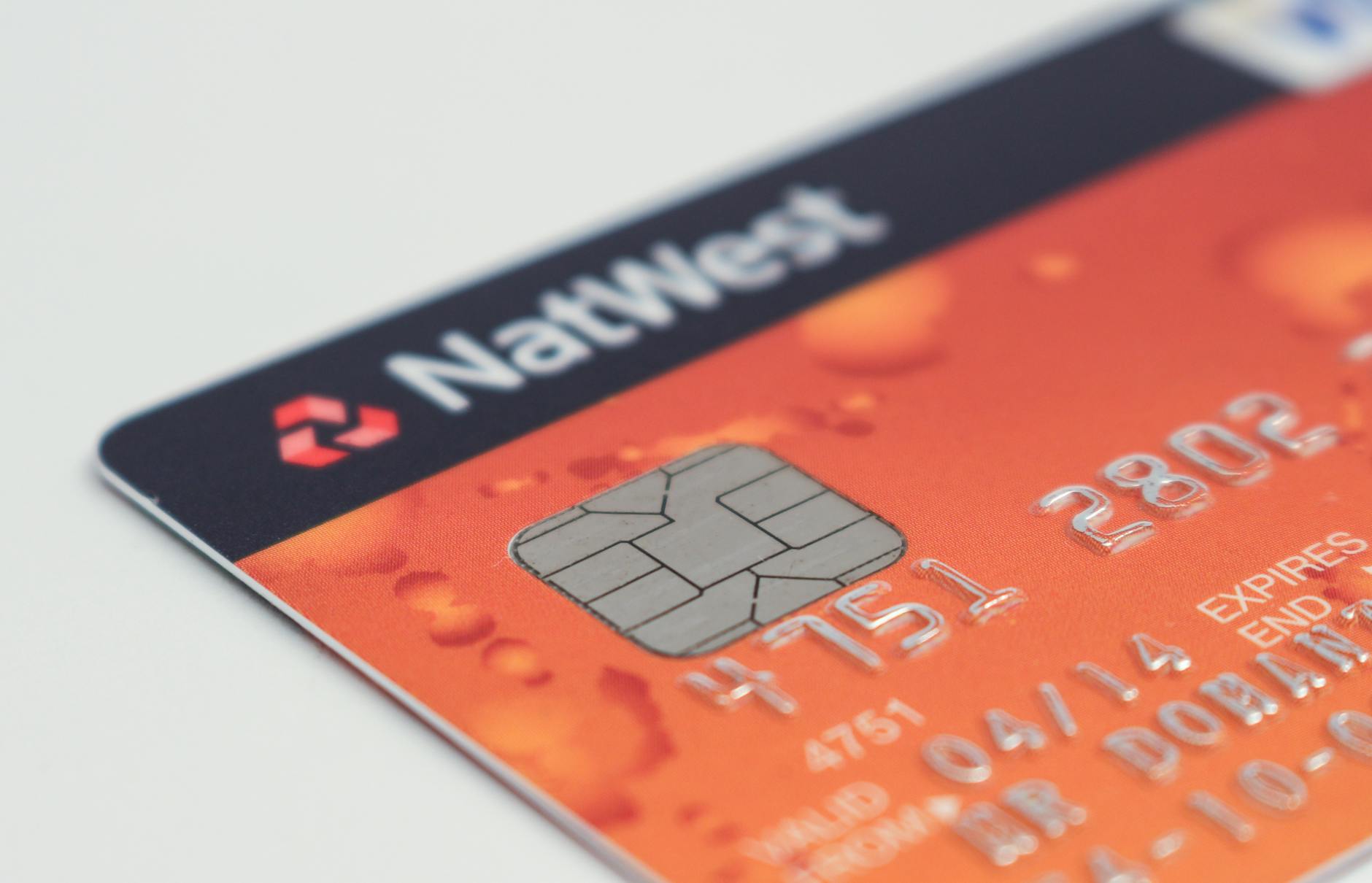
One of the most frequently searched topics in this space is contactless card fraud rates — and the data here may surprise you. Despite widespread concern that tap-to-pay cards are easily skimmed by criminals using RFID readers, the empirical evidence tells a different story. UK Finance, which publishes some of the world's most detailed payment fraud data, consistently reports that contactless fraud represents a very small fraction of total card fraud losses.
In the UK — one of the world's most cashless societies and an early adopter of contactless payments — contactless fraud accounted for just £33.6 million of the £1.2 billion in total card fraud losses recorded in 2024. That is less than 3% of card fraud by value, despite contactless payments now making up the majority of all face-to-face transactions.
Why are the contactless fraud numbers relatively low?
- Modern contactless cards use dynamic cryptographic tokens — each transaction generates a unique code that cannot be reused, even if intercepted.
- Transaction limits (typically $100–$250 depending on country and issuer) cap potential losses per tap.
- Cards must be within a few centimeters of a reader for a transaction to complete — making covert skimming in crowded spaces far less practical than popular coverage suggests.
- Banks monitor contactless transactions with the same fraud-detection algorithms applied to all other card use.
The real contactless fraud risk tends to be a lost or stolen physical card used before the owner reports it missing — not RFID skimming through a wallet or pocket. This distinction matters when evaluating how people should actually prioritize their security efforts.
Who Is Most Vulnerable? Demographics and Risk Profiles
The data on who gets targeted reveals some patterns that challenge common assumptions. While popular media often frames older adults as the primary victims of financial fraud, identity theft statistics show a more complex picture.
According to the FTC's most recent breakdown:
- Adults aged 30–49 file the highest number of identity theft reports in raw volume — likely because they have more financial accounts and higher credit availability than younger cohorts.
- Adults aged 70 and older report the highest median dollar losses per incident, often because they are more likely to fall victim to confidence-based scams alongside credential theft.
- Young adults aged 18–29 are increasingly targeted for new-account fraud, as their thin credit files make synthetic identity construction easier for fraudsters.
- Military personnel and active-duty service members are disproportionately targeted, filing identity theft reports at roughly twice the rate of the general population. Frequent moves and deployments create gaps in financial monitoring.
- Individuals who have experienced a prior data breach are three times more likely to become identity theft victims within 12 months of that breach.
Income level also plays a role. Lower-income households tend to experience higher rates of government benefits fraud (fraudulent unemployment claims, tax refund theft), while higher-income individuals are more frequently targeted for investment fraud and account takeover schemes.
The Most Common Methods: How Identity Theft Actually Happens
Understanding the mechanics of identity theft helps contextualize the statistics. The FTC data consistently shows that email and internet-based methods now account for the largest share of how fraudsters obtain personal information — overtaking physical methods such as mail theft and dumpster diving.
The leading methods in 2025–2026 data:
- Phishing and smishing (SMS phishing): The Anti-Phishing Working Group (APWG) recorded over 1.97 million unique phishing sites in 2024 alone — a record high. AI-generated phishing messages are now significantly harder to distinguish from legitimate communications.
- Data breaches: The Identity Theft Resource Center reported 3,158 publicly disclosed data compromises in 2024, exposing over 1.3 billion records. Healthcare, financial services, and retail were the most-breached sectors.
- Credential stuffing: Criminals purchase leaked username/password combinations on dark web marketplaces and automatically test them across banking, e-commerce, and email platforms. An estimated 193 billion credential stuffing attacks were attempted globally in 2024.
- Social engineering: Fraudsters impersonate bank representatives, government agencies, or tech support staff to trick victims into voluntarily handing over account credentials or one-time passcodes.
- Mail theft: Despite the rise of digital methods, physical mail theft remains a meaningful source of financial account information, particularly for pre-approved credit card offers and tax documents.

Digital Security Trends 2026: Where the Data Points Next
The digital security trends 2026 landscape is defined by a technological arms race between fraud prevention systems and increasingly sophisticated criminal tactics. Several developments stand out in the current data.
AI-powered fraud is accelerating. Generative AI tools have dramatically lowered the barrier to creating convincing phishing emails, deepfake audio for phone scams, and synthetic identity documents. Europol's 2025 Internet Organised Crime Threat Assessment flagged AI-enabled fraud as one of the fastest-growing threat categories.
Biometric authentication is expanding — but so are attacks against it. More financial institutions are deploying facial recognition and voice biometrics for account verification. In response, fraudsters are investing in deepfake technology to defeat these controls. The AITE-Novarica Group estimates that biometric spoofing attacks increased by 149% between 2022 and 2025.
Real-time payment fraud is a growing concern. The proliferation of instant payment rails — Zelle, FedNow, and equivalent systems in the UK and EU — has created new fraud vectors. Because transactions settle in seconds, the window for fraud detection and reversal is extremely narrow. Authorized push payment (APP) fraud, where victims are tricked into sending money themselves, hit a record high of £459 million in the UK in 2024.
Dark web data markets are maturing. Stolen personal data has become a commodity with relatively transparent pricing. A full identity package — including Social Security number, date of birth, address history, and financial account credentials — can be purchased for as little as $15–$30 on dark web marketplaces, making low-effort fraud accessible to a much broader pool of criminals.
Regulatory responses are intensifying. In the U.S., the Consumer Financial Protection Bureau has proposed expanded rules requiring faster fraud reimbursement for victims of unauthorized electronic fund transfers. The UK's Payment Systems Regulator introduced mandatory APP fraud reimbursement rules in late 2024. These regulatory shifts are expected to increase pressure on financial institutions to invest more heavily in proactive fraud prevention.
Year-Over-Year Trends: Is Identity Theft Getting Worse?
The short answer, based on the data, is yes — but the picture is nuanced. Raw incident counts have risen nearly every year for the past decade. However, the financial harm per incident has been partially contained by improved fraud detection, faster victim notification systems, and stronger consumer protections in many jurisdictions.
A few notable year-over-year data points from recent reporting periods:
- FTC identity theft reports: up approximately 8% year-over-year in the most recent full reporting year.
- Data breach volumes: up 72% over a two-year period (2022–2024), according to the Identity Theft Resource Center.
- Card-not-present fraud losses: up 14% in 2024 versus 2023, according to industry estimates.
- Government documents and benefits fraud: up 23% — the fastest-growing subcategory in recent FTC data.
- Resolution time for identity theft cases: average of 200 hours of victim effort to fully resolve, according to the Identity Theft Resource Center's ongoing research.
Despite these increases, there is meaningful good news embedded in the data. Consumer awareness has improved. Banks and card issuers now typically reimburse unauthorized transactions far more efficiently. Credit freezes — once cumbersome and fee-based — are now free and instantaneous in the U.S. And machine-learning fraud detection systems are intercepting a higher percentage of fraudulent transactions before they complete.
Frequently Asked Questions About Identity Theft Statistics
Key Takeaways
The identity theft statistics 2026 picture is one of a persistent and evolving threat — not a static problem with easy solutions. A few core conclusions stand out from the data:
- Credit card fraud statistics continue to be dominated by card-not-present (online) fraud, making digital hygiene just as important as physical card security.
- Despite public anxiety, contactless card fraud rates remain low in absolute terms — the technology is genuinely secure, and fear of RFID skimming should not be a primary concern for most consumers.
- Data breaches are the foundational enabler of most modern identity theft — every large-scale compromise creates downstream fraud risk for years afterward.
- AI tools are meaningfully raising the sophistication ceiling for fraud attacks, making awareness and skepticism more important than ever.
- The most protective steps available to individuals are free: credit freezes, unique strong passwords per account, two-factor authentication, and prompt reporting of suspicious activity.
- Digital security trends 2026 point toward continued escalation on both sides — more sophisticated attacks and more advanced detection — with the regulatory environment pushing financial institutions to absorb more of the residual consumer harm.
Understanding the statistics is the first step to making informed decisions about where to focus your own security attention. The data consistently points toward online accounts, credential reuse, and data-breach exposure as the highest-leverage areas for personal risk reduction.