Indoor Air Quality at Home: What's Polluting Your Air and How to Fix It
Most people assume that stepping inside means escaping air pollution. The traffic fumes, the pollen, the industrial haze — all of that stays outdoors, right? According to the U.S. Environmental Protection Agency, the reality is exactly the opposite. Indoor air quality at home is often two to five times worse than outdoor air, and in some cases can be up to 100 times more polluted. For people who spend 90% of their time indoors — which is the average for most American adults — that statistic carries serious weight.
The good news is that most indoor air pollution sources are completely within your control. Understanding what's in your air, where it comes from, and how to address it doesn't require expensive equipment or major renovations. This guide breaks down the science in plain language and gives you a practical, room-by-room plan to breathe easier starting today.
Why Indoor Air Is Often More Polluted Than Outdoor Air
Outdoor air, for all its visible smog and seasonal allergens, has one major advantage: it moves. Wind disperses pollutants, rain washes particles from the atmosphere, and the sheer volume of open space dilutes contaminants. Inside your home, none of those mechanisms exist. Pollutants accumulate in an enclosed space, often with limited air exchange, and concentrations build over time.
The EPA has studied indoor air pollution sources extensively since the 1980s and consistently finds that modern, energy-efficient homes — while cheaper to heat and cool — trap pollutants more effectively than older, draftier construction. Tighter building envelopes mean less natural ventilation. Add to that the sheer volume of synthetic materials, chemical products, and combustion appliances inside a typical home, and the conditions for poor air quality are already in place before you even open a cleaning spray.
The health consequences are well documented. The World Health Organization links indoor air pollution to respiratory disease, cardiovascular disease, cancer, and neurological effects. Children, the elderly, and people with existing conditions like asthma face the greatest risk — but prolonged exposure affects everyone.
The 8 Most Common Indoor Air Pollutants
Knowing your enemy is the first step. These are the pollutants most likely present in the average home right now:
- Volatile Organic Compounds (VOCs) — gases emitted from hundreds of common products including paints, varnishes, cleaning supplies, adhesives, and new furniture.
- Particulate Matter (PM2.5 and PM10) — microscopic particles from cooking, candles, tobacco smoke, and dust that penetrate deep into the lungs.
- Carbon Monoxide (CO) — colorless, odorless gas from gas stoves, furnaces, fireplaces, and attached garages.
- Nitrogen Dioxide (NO2) — produced by gas cooking and unvented space heaters; irritates airways and worsens asthma symptoms.
- Mold and Mildew Spores — thrive in damp areas and release spores and mycotoxins that trigger allergies and respiratory problems.
- Radon — a naturally occurring radioactive gas that seeps from soil and rock through foundations; the second leading cause of lung cancer in the U.S.
- Formaldehyde — off-gasses from pressed-wood furniture, flooring, insulation, and permanent-press fabrics.
- Biological allergens — dust mite feces, pet dander, cockroach particles, and pollen tracked indoors.
Most homes contain all eight in varying concentrations. The relative severity depends on the age of the home, what products you use, how well it's ventilated, and local environmental factors like geology (for radon) and outdoor air quality.
Volatile Organic Compounds: What They Are and Where They Come From
VOCs in the home deserve their own section because they are so pervasive and so misunderstood. The term "volatile organic compound" refers to any carbon-containing chemical that easily evaporates at room temperature and enters the air as a gas. There are thousands of them, and while some are harmless at low concentrations, others — like benzene, toluene, formaldehyde, and acetaldehyde — are known carcinogens or respiratory irritants even at the levels found in average homes.
Common VOC sources that most people don't think twice about include:
- Fresh paint and paint strippers (particularly oil-based products)
- New carpet, vinyl flooring, and laminate wood floors
- Pressed-wood furniture (particleboard, MDF) that uses urea-formaldehyde adhesives
- Dry-cleaned clothing brought into the home (perchloroethylene)
- Aerosol sprays including hairsprays, deodorants, and room fresheners
- Hobby supplies: glues, permanent markers, correction fluid
- Stored fuels and automotive products in attached garages
The EPA notes that VOC concentrations indoors are consistently 2 to 5 times higher than outdoors, and during certain activities — like stripping paint or applying adhesives — can reach 1,000 times the outdoor level. Off-gassing from new materials is highest immediately after purchase and gradually declines over months to years, which is why a newly renovated room or freshly furnished bedroom often has the poorest air quality in the home.
How Cooking, Cleaning Products, and Furniture Affect Your Air
Three of the most significant indoor air pollution sources are hiding in plain sight: your kitchen, your cleaning cabinet, and your living room furniture.
Cooking
Gas cooking releases nitrogen dioxide, carbon monoxide, and particulate matter every time you use the stove. A 2022 Stanford University study found that gas stoves leak methane even when turned off, and that cooking on gas generates NO2 levels that would violate outdoor air quality standards if measured outside. Even electric cooking generates significant particulate matter from high-heat frying and broiling — the cooking oils themselves pyrolize and release ultrafine particles that penetrate deep into lung tissue. Running your range hood at high speed, opening a window, or cracking a back door while cooking dramatically reduces these pollutants.
Cleaning Products and Household Chemicals
Household chemicals and air pollution are directly linked. Many conventional cleaning products contain VOCs including ethylene glycol, 2-butoxyethanol, and ammonia. Spray cleaners are particularly problematic because aerosolization disperses fine droplets throughout the air where they remain suspended for extended periods. Mixing bleach with ammonia-based cleaners (a common accidental occurrence) produces chloramine gases that cause immediate respiratory irritation. Even "natural" cleaning products frequently contain terpenes — limonene and alpha-pinene from citrus and pine scents — which react with indoor ozone to produce formaldehyde and ultrafine particles.
Furniture and Furnishings
That new sofa smell? That's formaldehyde and other VOCs off-gassing from the foam, adhesives, fabric treatments, and pressed-wood frame components. Flame retardant chemicals (PBDEs) applied to upholstered furniture and mattresses have been found in house dust at levels that exceed health benchmarks. Mattresses, carpets, curtains, and upholstery all accumulate and re-release these compounds over years of use. When you vacuum or disturb these surfaces, you resuspend particles that were previously settled.
The Role of Fragrance Products in Indoor Air Pollution
Scented candles, plug-in air fresheners, incense, wax melts, and scented cleaning sprays have become ubiquitous in modern homes — and they are among the most underappreciated contributors to poor indoor air quality at home.
Burning a paraffin candle releases toluene and benzene along with soot particles. Scented candles add a complex cocktail of fragrance chemicals, many of which are themselves VOCs. A 2019 study published in the journal Environmental Science and Technology found that personal care and household scented products now contribute as much VOC pollution in urban areas as vehicle traffic.
Plug-in and spray air fresheners don't remove odors — they mask them while adding new chemical compounds to your air. Many contain phthalates (used to make fragrances last longer), which are endocrine-disrupting chemicals linked to hormonal effects. The irony is sharp: products marketed to make your home smell clean are a meaningful source of indoor air pollution.
Incense burning, popular in many cultural and religious traditions, generates particulate matter at some of the highest concentrations measured in any indoor environment — often exceeding levels found near busy highways. Ventilation during and after burning is essential.
Signs Your Indoor Air Quality May Be Poor
Your body often signals poor air quality before any monitoring device does. Common indicators include:
- Frequent headaches that improve when you spend time outside
- Persistent fatigue or "brain fog" that isn't explained by sleep issues
- Runny nose, sneezing, or itchy eyes that worsen at home
- Throat irritation or a dry cough, especially in the morning
- Worsening asthma or allergy symptoms indoors
- Visible mold, musty odors, or condensation on windows and walls
- Odors that linger long after cooking or cleaning
- Increased sensitivity to smells or chemical products
These symptoms collectively are sometimes called "sick building syndrome" — a term the WHO formally recognized in the 1980s. If multiple household members experience overlapping symptoms that improve when away from home for extended periods, the building itself is the most likely common variable.
Air quality for asthma at home is a particularly pressing concern. The Asthma and Allergy Foundation of America identifies indoor allergens and irritants as primary triggers for the majority of asthma attacks. For households with asthmatic members, addressing indoor air quality is not optional self-improvement — it is a medical priority.

10 Practical Ways to Improve Indoor Air Quality Without Expensive Equipment
Improving air quality at home does not require a whole-house air purification system or a professional remediation contractor (unless you have confirmed mold or radon problems, which do warrant professional attention). Most meaningful improvements come from behavioral changes and low-cost interventions.
- Open windows strategically. Even 10 to 15 minutes of cross-ventilation per day — opening windows on opposite sides of the home — flushes accumulated pollutants and dramatically lowers VOC and CO2 concentrations. On high-pollen or high-smog days, check your local outdoor air quality index (AQI) before opening up.
- Use exhaust fans consistently. Run the kitchen range hood on high whenever you cook, and run the bathroom exhaust fan for at least 20 minutes after a shower. These two habits alone address two of the biggest pollutant-generating activities in most homes.
- Switch to fragrance-free cleaning products. Unscented versions of almost every household cleaner exist and perform identically. Eliminating synthetic fragrances removes a significant VOC load from your home's air in one step.
- Vacuum with a HEPA-filter vacuum. Standard vacuums re-exhaust fine particles back into the air. HEPA-filter vacuums capture particles down to 0.3 microns — including dust mite allergens, pet dander, and fine particulate matter. Vacuum twice weekly on carpeted surfaces.
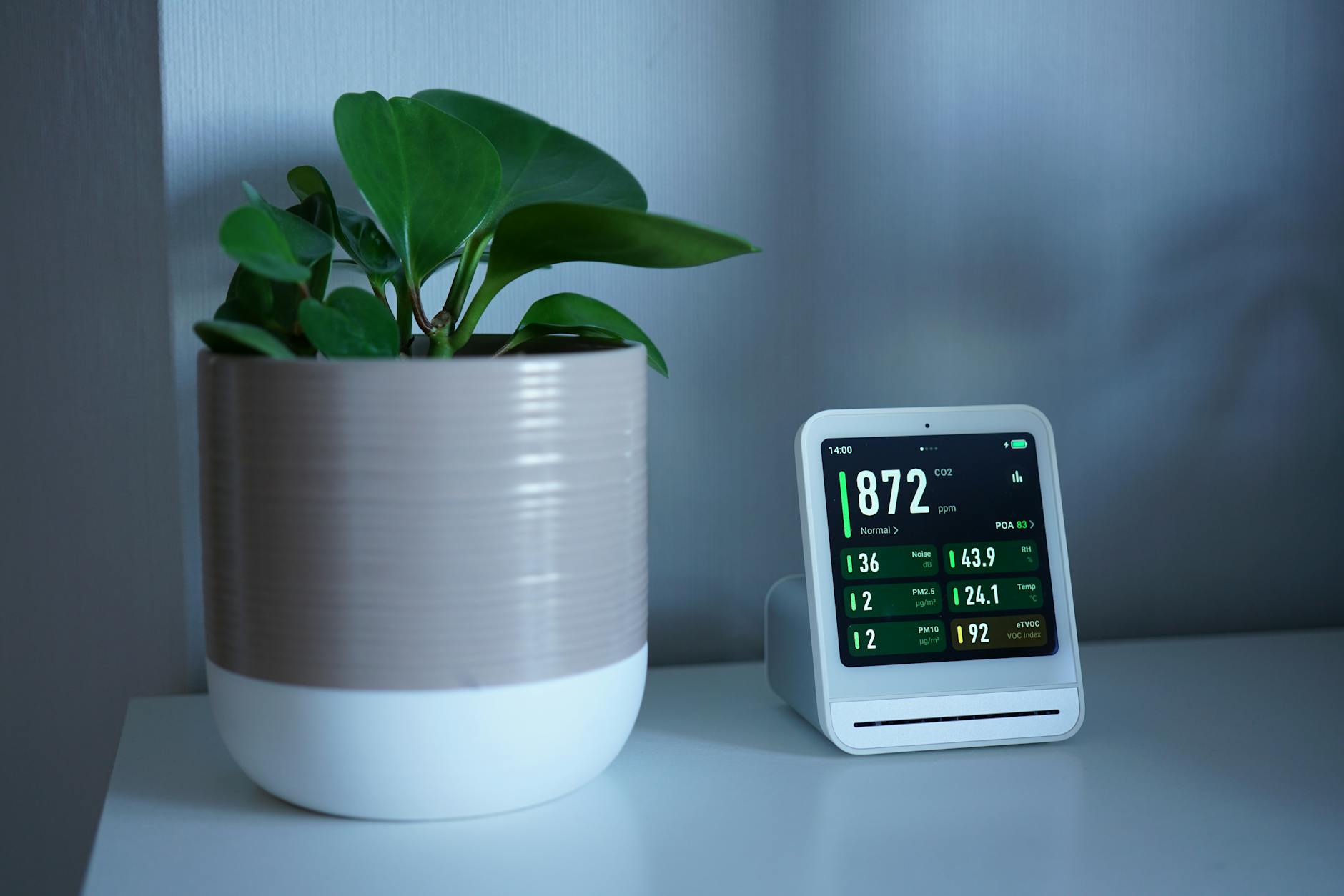
- Increase humidity in winter, reduce it in summer. Dust mites thrive above 50% relative humidity; mold grows above 60%. Keeping indoor humidity between 30% and 50% suppresses both. A basic digital hygrometer (under $15) lets you monitor this without guessing.
- Air out new purchases before bringing them inside. New furniture, mattresses, area rugs, and freshly dry-cleaned items off-gas most heavily in the first days and weeks. Leaving them in a garage or on a covered porch for several days before indoor use significantly reduces the initial pollutant load.
- Replace aerosol sprays with pump or wipe formats. Aerosols disperse product into the air where it remains suspended. Pump sprays and wipe-on products deliver the same cleaning action with far less airborne exposure.
- Test for radon. Radon is invisible, odorless, and the second leading cause of lung cancer in the U.S., responsible for roughly 21,000 deaths per year (EPA estimate). Long-term radon test kits cost under $30 and are available at hardware stores. If levels exceed 4 pCi/L, mitigation systems are effective and relatively affordable (typically $800–$2,500 installed).
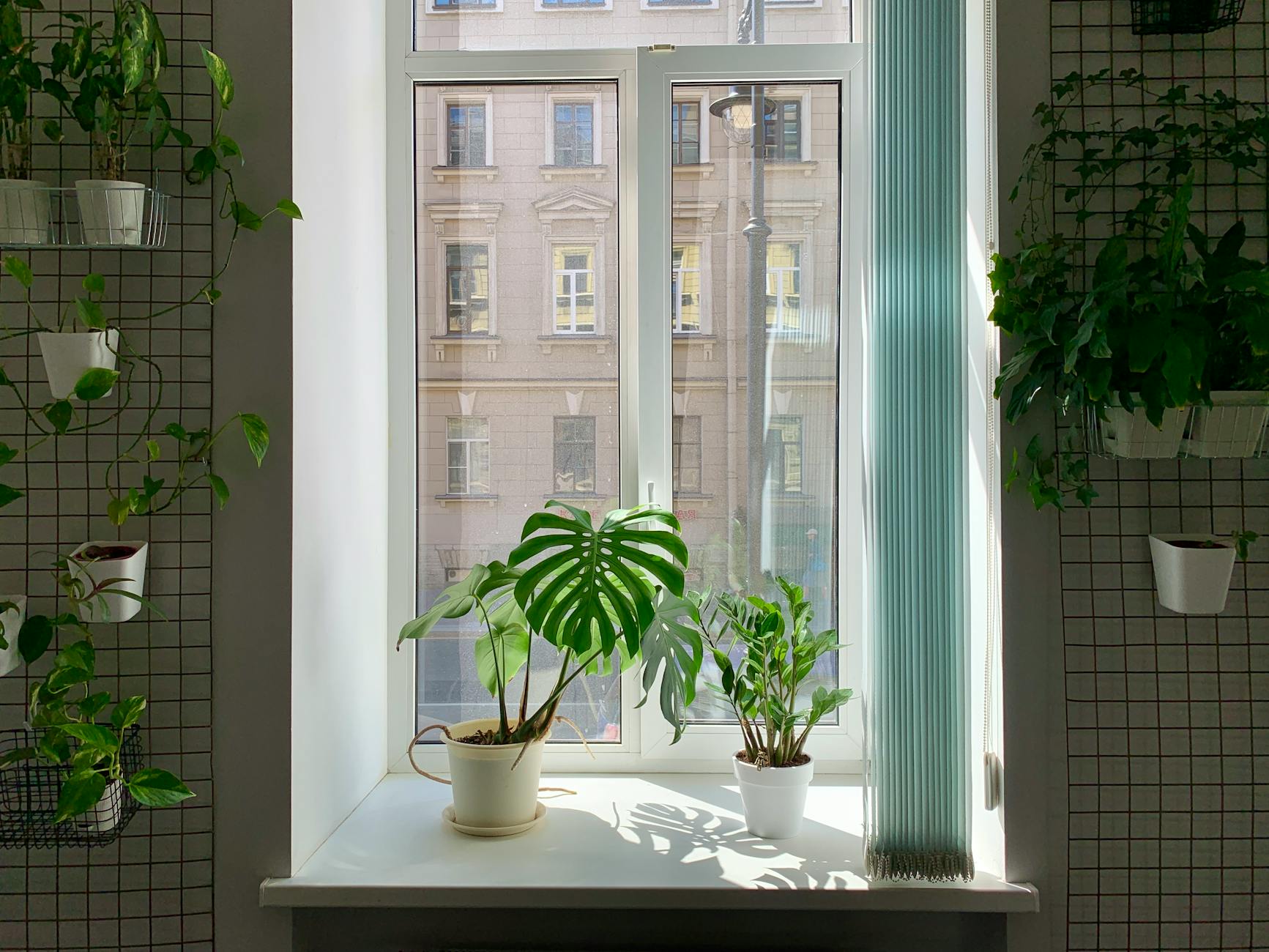
- Keep indoor plants. While the NASA "plants clean air" claims are often overstated in terms of scale, houseplants do contribute modestly to absorbing some VOCs and produce oxygen. More practically, they increase humidity through transpiration and provide a psychological connection to nature that reduces stress. Spider plants, peace lilies, snake plants, and pothos are all low-maintenance options.
- Reduce clutter and dust accumulation surfaces. Flat surfaces collect settled particulate matter that becomes resuspended with any air movement. Fewer items on shelves, open bookshelves, and decorative surfaces means less surface area for dust and allergen accumulation — and less time spent disturbing those surfaces during cleaning.
When to Consider an Air Purifier vs. Ventilation Changes
Air purifiers with true HEPA filters are genuinely effective at reducing airborne particulate matter — dust, dander, pollen, smoke particles, and mold spores — in the room where they operate. They are particularly valuable for bedrooms, where you spend 7 to 9 hours of relatively still time each night, and for households with asthma sufferers or allergy-sensitive family members. Look for devices with a Clean Air Delivery Rate (CADR) appropriate for the room size.
However, air purifiers do not remove VOCs effectively unless they include a substantial activated carbon filter, and even then, they address the symptom rather than the source. No purifier can compensate for ongoing high-level VOC emission from new furniture or frequent use of spray cleaners.
Ventilation changes — increasing fresh air exchange through mechanical ventilation, improving HVAC filter quality (MERV 11 or higher), or installing energy recovery ventilators (ERVs) in tightly sealed homes — address the root cause more comprehensively than air purification. ERVs bring in fresh air while recovering heat energy, making them practical even in cold climates without large energy penalties.
The hierarchy of intervention, in order of cost-effectiveness, is: eliminate the source first, then increase ventilation, and use air purification as a supplementary layer for particulates. All three working together produce the best results.
A Room-by-Room Checklist for Cleaner Home Air
Use this checklist to systematically audit your home's most significant air quality vulnerabilities:
Kitchen
- Range hood vented to the outside (not recirculating type), used every time you cook
- Carbon monoxide detector within 10 feet of gas appliances
- No aerosol cleaners stored under sink — replaced with pump or wipe formats
- Refrigerator drip pan cleaned every 6 months to prevent mold
Bathroom
- Exhaust fan running during and for 20 minutes after every shower
- No visible mold on grout, caulk, or ceiling — address immediately if present
- Fragrance-free or minimally scented personal care products
- Towels dried completely between uses; no damp towels piled on floor
Bedroom
- Mattress covers (allergen-proof encasements) on mattresses and pillows
- Bedding washed weekly in hot water (130°F / 54°C kills dust mites)
- No scented plug-ins, candles, or air fresheners — especially in children's rooms
- New mattress or furniture aired out before sleeping in the room
- Windows opened for at least 10 minutes each morning when outdoor AQI permits
Living Room
- Carpet vacuumed twice weekly with a HEPA-filter vacuum
- Rugs shaken outdoors or professionally cleaned annually
- Fireplace or wood stove: flue inspected annually, never burn treated wood
- Clutter reduced to minimize dust accumulation surfaces
Basement / Utility Areas
- Radon test completed — retest every 2 years and after any major renovation
- Humidity monitored and kept below 50% to prevent mold
- HVAC filters replaced every 90 days (or more frequently if you have pets)
- Combustion appliances inspected annually by a certified technician
- Paints, solvents, and chemical products stored in a detached garage or outdoor shed
Key Takeaways
The EPA's finding that indoor air quality at home is often far worse than outdoor air is not cause for alarm — it is cause for action. The pollutants involved are well understood, their sources are identifiable, and the interventions that reduce them are largely free or low-cost. A few consistent behavioral changes — cooking with ventilation, switching to fragrance-free cleaners, airing out new purchases, opening windows when outdoor air permits, and testing for radon — will meaningfully reduce the pollutant load in your home.
For households with children, elderly members, or anyone managing asthma or respiratory conditions, these changes are especially important. The air you breathe at home is not fixed. It reflects the products you use, the habits you maintain, and the ventilation choices you make — all of which are within your control. Starting with one or two changes from this guide this week is enough to set your home on a healthier trajectory.