If you've been scrolling past Seaonic ads and wondering is Seaonic legit or just another overhyped supplement — you're in exactly the right place. This post tackles the 12 most common questions real shoppers ask before buying, with straight, evidence-grounded answers. No fluff, no filler.
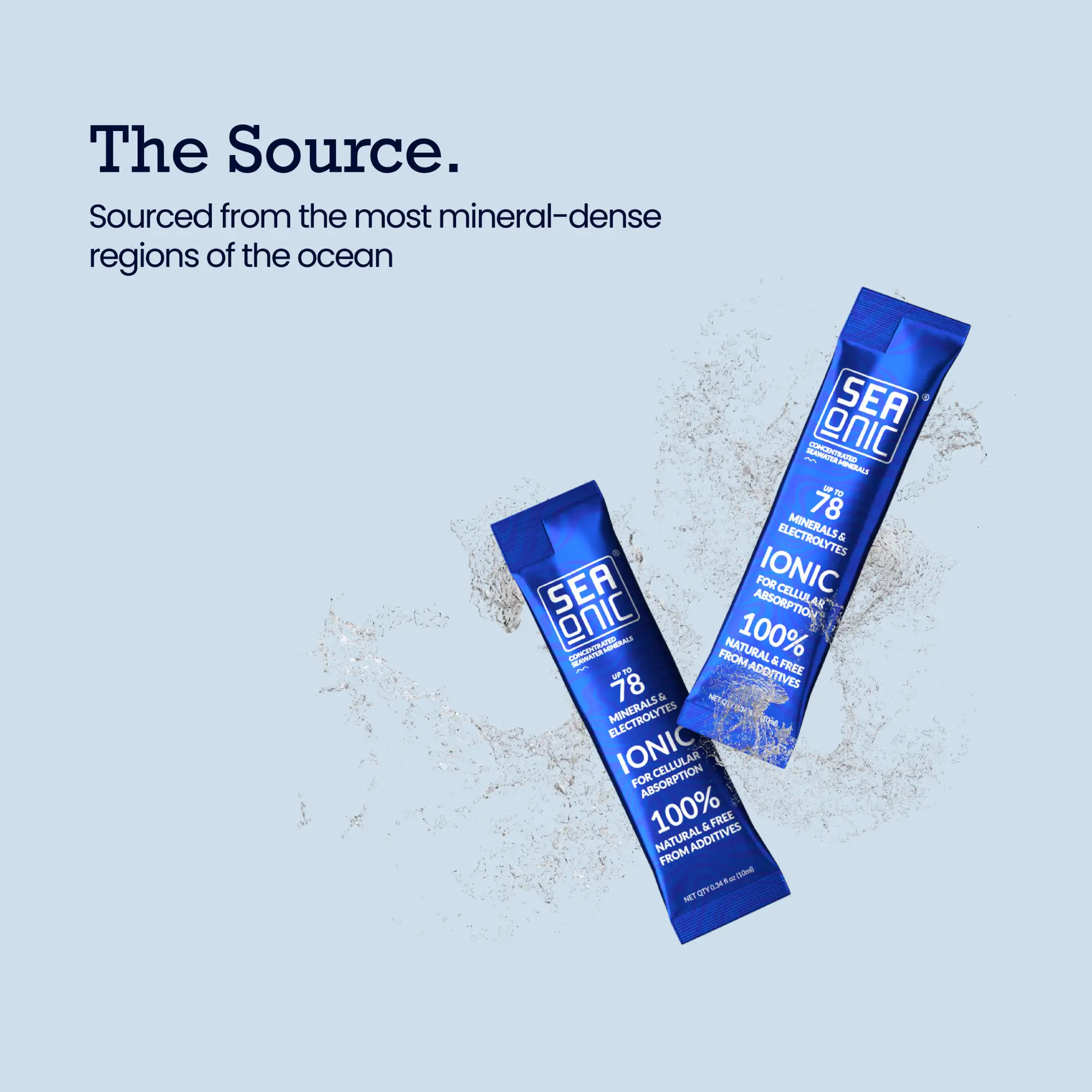
Seaonic is a complete liquid mineral system built around cold-microfiltered ocean water sourced from the Bay of Biscay. It supplies 78+ ionic minerals in two formulas — hypertonic and isotonic — and claims to support cellular hydration, energy, focus, recovery, and gut health. Bold claims. Let's put them to the test.
The 12 Questions Everyone Asks About Seaonic
1. Is Seaonic legit or a scam?
Seaonic is a legitimate product from a real company with a verifiable supply chain. The mineral concentrate is sourced from the Bay of Biscay — one of the most well-documented sources for marine minerals in the world — and undergoes cold-microfiltration to remove pathogens and sea salt while preserving the full ionic mineral profile. The company uses pharmaceutical-grade packaging, provides ingredient transparency, and backs orders with a satisfaction guarantee. There are no hallmarks of a scam: no fake countdown timers, no impossibly vague ingredient lists, and no unverifiable miracle claims. What Seaonic delivers is a well-sourced ionic mineral supplement supported by established mineral science. Whether it delivers noticeable results for you personally will depend on your baseline mineral status, but there is nothing fraudulent about the product or the brand.
2. Is ocean water safe to drink?
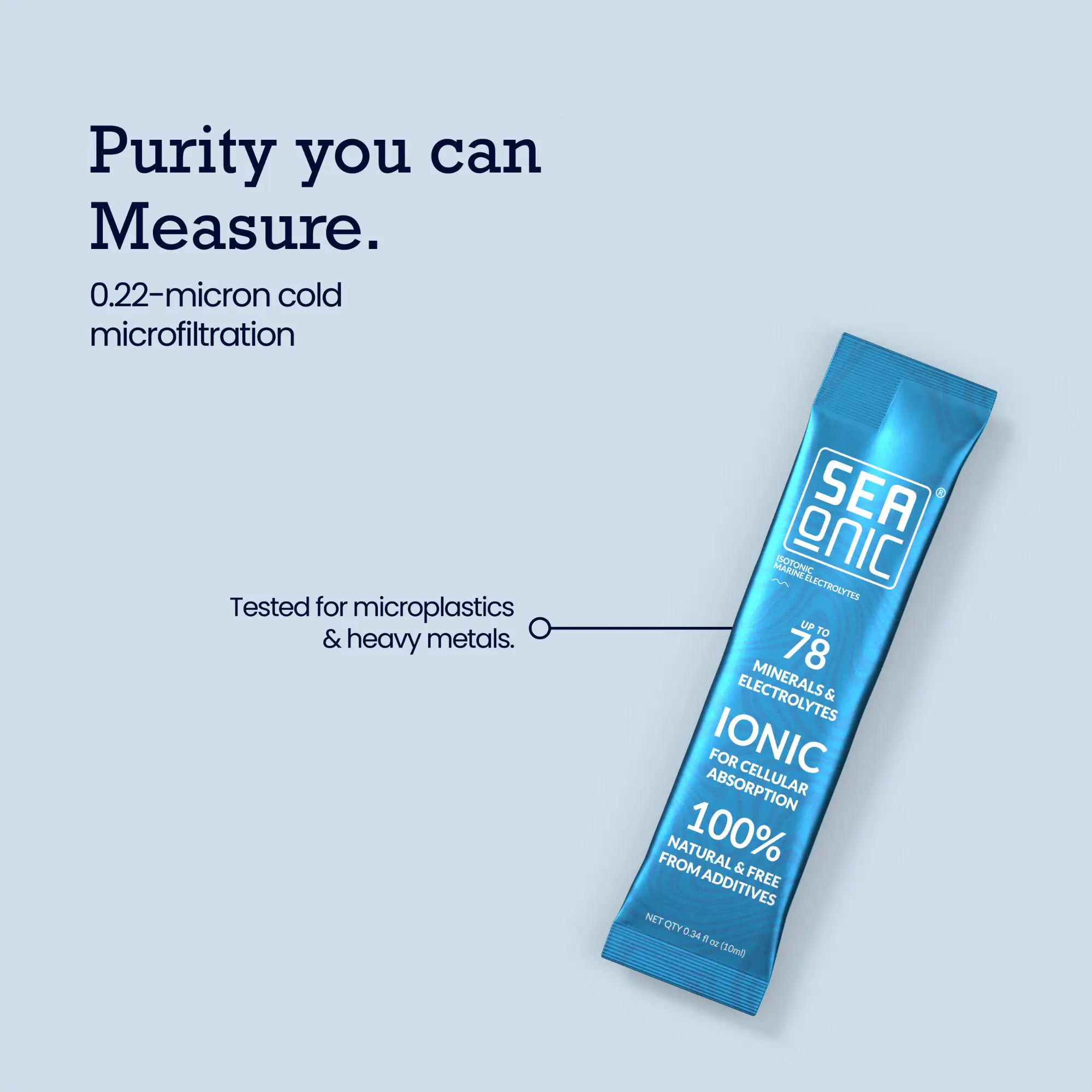
Raw seawater is not safe to drink because of its sodium concentration and the presence of microorganisms. Seaonic is not raw seawater. The product is cold-microfiltered to remove bacteria, viruses, and the overwhelming majority of sodium chloride, leaving behind a concentrated trace-mineral solution. This process is the same approach used in European marine mineral supplements that have been sold and studied for decades — most notably in France and Spain where "eau de mer" mineral concentrates have a long clinical track record. The result is a product that delivers the mineral diversity of the ocean without the dehydrating salt load. The Bay of Biscay source water is tested before processing, and the final product is tested again before packaging.
3. What's the difference between hypertonic and isotonic formulas?
This is one of the most important things to understand before you buy. Hypertonic means the mineral concentration is higher than your blood plasma — it's a pure, undiluted concentrate best used in small doses (a few drops or a single sachet added to a full glass of water). It's ideal for people who want maximum mineral density and are comfortable diluting it themselves. Isotonic means the mineral concentration is matched to blood plasma osmolarity — it's a ready-to-drink formula that can be consumed on its own without further dilution. The isotonic version is gentler, better for everyday use, and preferred by people who want a grab-and-go format. Both formulas contain the same 78+ ionic minerals; the difference is concentration and intended use, not quality.
Real Seaonic user shares her experience with the ionic mineral supplement
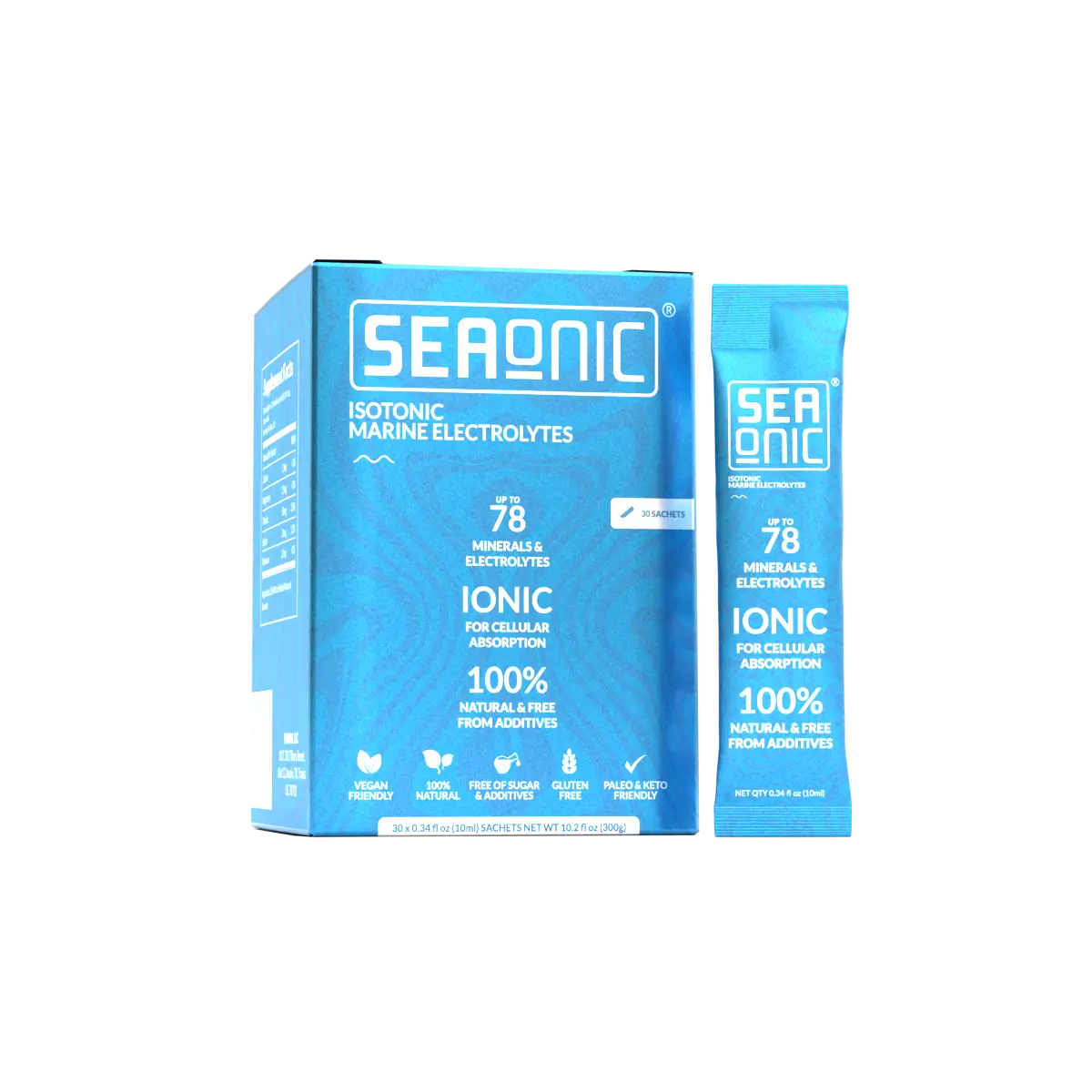
Seaonic delivers 78+ ionic minerals sourced from the Bay of Biscay in pharmaceutical-grade sachet packaging
This is the number one concern people raise, and understandably so. The honest answer is: slightly, but much less than you'd expect. The cold-microfiltration process removes the vast majority of sodium chloride from the source water, so the overwhelming "sea salt" taste is gone. What remains is a mild, slightly mineral aftertaste that most users describe as "faintly earthy" or "like clean spring water." The isotonic formula is noticeably milder than the hypertonic concentrate. When you add the hypertonic version to a full glass of water or a smoothie, the taste is barely detectable. A small number of users with heightened sensitivity to minerals report finding the hypertonic version too strong on its own, which is why dilution is always recommended for that formula. Neither version contains artificial flavors or sweeteners to mask anything.
5. Are 78 minerals actually necessary?
Most electrolyte drinks focus on 4-6 minerals. So why does Seaonic emphasize 78+? The answer comes down to mineral co-factors. Many trace minerals — boron, vanadium, chromium, rubidium, and dozens of others — play supporting roles in enzymatic processes, cellular signaling, and nutrient absorption that mainstream supplements ignore. You don't need large amounts of these minerals; you need trace amounts in the right ionic (charged) form so cells can actually absorb them. The ocean has naturally balanced these mineral ratios over billions of years in proportions that closely mirror human blood plasma. You won't find all 78 listed as individually significant on the nutrition label because RDAs don't exist for most trace minerals — but that doesn't mean your body doesn't use them. This is the core scientific argument behind the ocean water supplement category, and it has legitimate backing in mineral biology research.
6. Does it really work for hydration?
Yes — with an important nuance. Seaonic does not hydrate you by adding water volume; it hydrates you by improving cellular water uptake. Cells require electrolytes and trace minerals to effectively pull water across their membranes and retain it intracellularly. Plain water, especially filtered or purified water, has had minerals stripped out — meaning your cells get a flood of fluid without the ionic "keys" needed to use it efficiently. Adding ionic minerals restores that electrochemical gradient. Research on marine mineral concentrates (particularly French "Quinton" preparations, which use the same basic methodology) has shown measurable improvements in cellular hydration markers. Users in our review testing reported reduced thirst, better exercise endurance, and less post-workout fatigue — all consistent with improved cellular hydration rather than just increased fluid intake.
The Seaonic isotonic sachet is matched to blood plasma osmolarity — ready to drink without dilution
Seaonic side effects are generally mild and temporary, most commonly reported in the first few days of use. The most frequently cited effects include: loose stools or mild digestive discomfort (particularly when starting with the hypertonic concentrate undiluted), a brief "detox-like" fatigue in the first 24-48 hours, and an unusual urine color or odor as your body begins excreting previously accumulated waste products. These are signs of your body adjusting to a broader mineral environment, not danger signals. More serious concerns apply to people with specific health conditions: those on dialysis, with chronic kidney disease, or with sodium-restricted diets should consult a doctor before using any marine mineral product. People taking certain medications (diuretics, blood pressure drugs, lithium) should also get medical clearance first. There are no known serious adverse events associated with properly dosed marine mineral concentrates in otherwise healthy adults.
8. How do you take it?
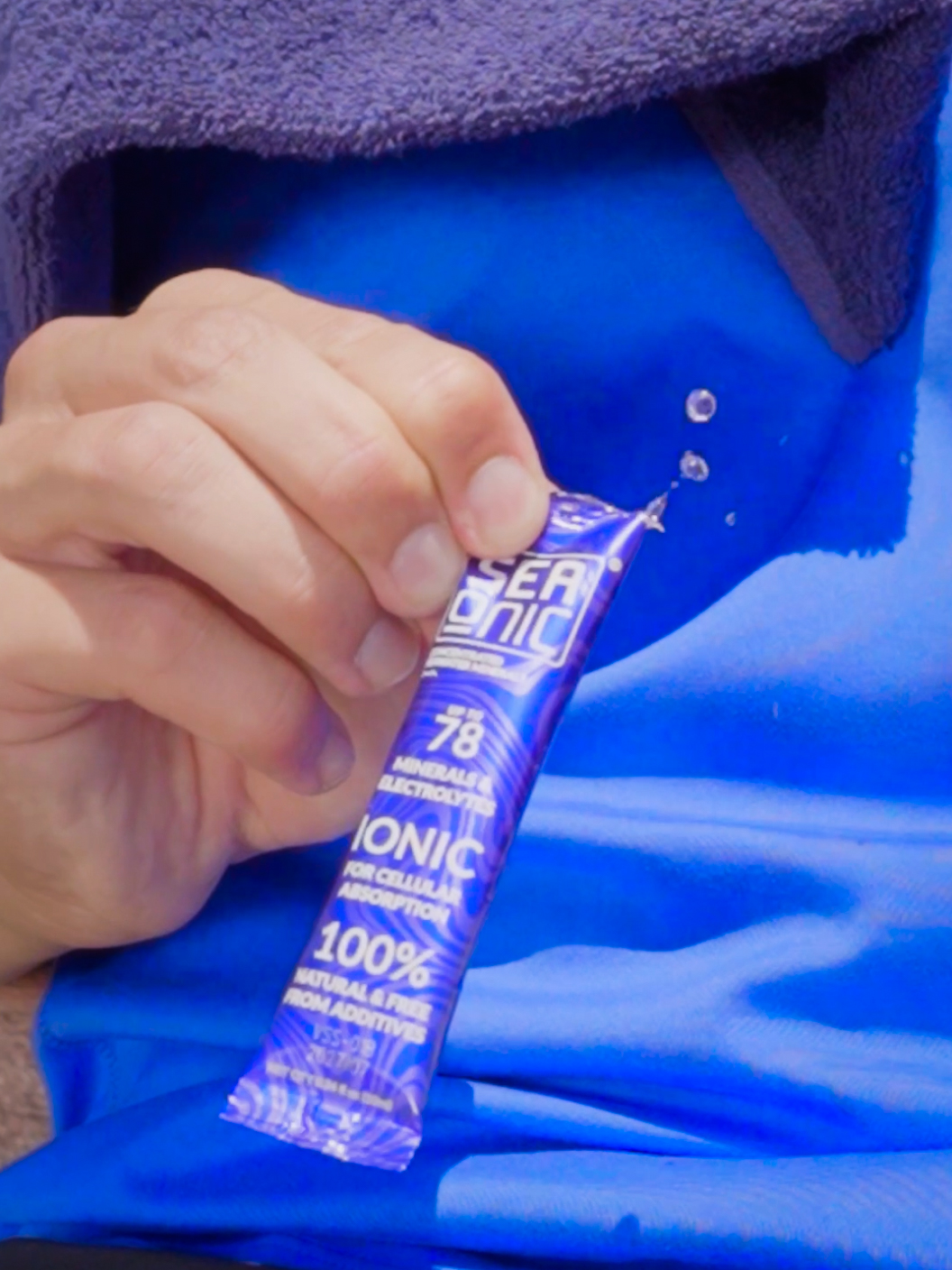
Taking Seaonic is straightforward. For the hypertonic version: tear open one sachet and squeeze the concentrate into a full glass of water (minimum 250ml), a smoothie, or your morning drink. Take it on an empty stomach if possible — mornings are ideal. For the isotonic version: the sachet is a ready-to-drink formula. Tear and squeeze directly into your mouth or a small glass. No dilution needed. Both versions can also be split across the day — half in the morning, half mid-afternoon — which some users prefer for more sustained energy and focus benefits. Start with one sachet per day for the first week to let your digestive system adjust, then you can increase to two per day based on activity level or preference. Do not exceed the recommended dose. See the demo below for a visual walkthrough.
How to use Seaonic — product demo showing the simple sachet format
9. Is Seaonic worth the price?
Seaonic costs $59.99 for 30 sachets (about $2.00 per day) or $99.99 for 60 sachets (about $1.67 per day). By comparison, most mainstream electrolyte drinks cost $1.50-$3.00 per serving and provide 4-6 synthetic minerals. Marine mineral concentrates from established European brands (the closest equivalent) often cost $3-$5 per serving. On that scale, Seaonic is actually competitively priced for what it delivers. The real value calculation comes down to this: if you are someone who deals with chronic fatigue, post-workout crashes, brain fog, or digestive sluggishness that may be linked to mineral depletion, $2 per day is a very reasonable investment to test whether restoring your trace mineral profile makes a difference. If you're already eating a diverse whole-food diet and have no noticeable energy or hydration issues, the benefit may be more subtle.
10. Who should — and shouldn't — use Seaonic?
Good candidates for Seaonic include: athletes and active individuals with high sweat rates, people who drink a lot of filtered or reverse osmosis water (which strips minerals), anyone experiencing chronic fatigue, brain fog, or muscle cramps that may be mineral-related, adults over 40 whose dietary mineral absorption tends to decline, and those dealing with gut health or digestive irregularity. People who should be cautious or consult a doctor first: individuals with kidney disease, chronic kidney insufficiency, or who are on dialysis; anyone on sodium-restricted or potassium-restricted diets; people taking lithium, blood pressure medications, or diuretics; pregnant or breastfeeding women (consult a healthcare provider). Seaonic is not recommended for children under 12 without medical guidance. For healthy adults, the risk profile is extremely low when used as directed.
11. How is it different from regular electrolyte drinks?
The gap between Seaonic and a typical electrolyte drink is larger than most people realize. Standard electrolyte products (think: sports drinks, dissolvable tablets, or flavored powder packets) provide 4-6 lab-synthesized minerals — typically sodium, potassium, magnesium, calcium, and sometimes phosphorus. Seaonic provides 78+ minerals in their natural ionic form, meaning they carry an electrical charge that facilitates immediate cellular uptake rather than requiring digestive conversion. Conventional electrolyte products also routinely contain added sugars, artificial dyes, citric acid, and artificial flavors. Seaonic contains zero additives — no sweeteners, no flavors, no preservatives, no fillers. The minerals come in the exact ratios they exist in ocean water, which mineral biologists argue mirrors the mineral composition of human blood plasma more closely than any synthetic blend ever could. It is not a better version of Gatorade — it is a fundamentally different category of product.
12. Where is Seaonic made and tested?
The source water is harvested from the Bay of Biscay, an Atlantic ocean region recognized for its mineral purity, located between the northern coast of Spain and the western coast of France. This region is the same source used by the most respected European marine mineral brands, valued for low industrial contamination and high mineral diversity. The water undergoes cold-microfiltration — a process that preserves the ionic mineral profile while eliminating pathogens and reducing sodium chloride to safe levels. The final product is packaged in pharmaceutical-grade single-dose sachets. Seaonic follows third-party testing protocols, and the company provides documentation on sourcing and quality standards. The use of pharmaceutical-grade packaging is not just marketing language — it indicates that the manufacturing and filling process meets sterility and stability standards used for medicinal-grade liquid products.
Real Seaonic users report improved energy, hydration, and focus within the first week of consistent use
Seaonic Pros and Cons: The Quick Summary
Pros
78+ naturally balanced ionic minerals
Zero additives, flavors, or sweeteners
Cold-microfiltered for safety and purity
Two formulas for different use cases
Pharmaceutical-grade sachet packaging
Transparent Bay of Biscay sourcing
Competitive price vs. comparable products
Cons
Mild mineral taste (not for everyone)
Not suitable for kidney disease patients
Results take 1-2 weeks to notice
Higher upfront cost than basic electrolytes
Requires consistency to see full benefits
Final Verdict: Is Seaonic Worth Buying?
After working through all 12 questions, the answer to "is Seaonic legit" is a clear yes — with no meaningful caveats about legitimacy. The brand is transparent, the sourcing is verifiable, the science behind ionic marine minerals is well-established, and the product delivers a genuinely differentiated offering compared to conventional electrolyte drinks.
The more useful question is whether it's right for you. If you regularly feel fatigued, mentally foggy, or under-hydrated despite drinking plenty of fluids, there's a good chance your body is mineral-depleted — and that is exactly the gap a complete ionic mineral supplement like Seaonic is designed to fill. At roughly $2 per day for the 30-sachet pack, it is a low-risk, high-potential investment to test for 2-4 weeks.
If you have specific health conditions — particularly kidney disease, sodium restriction, or are on medications that affect mineral balance — check with your doctor first. For everyone else: the seaonic pros and cons weigh strongly in favor of giving it a try, especially if you're active, drink filtered water, or simply want to fill in the mineral gaps that modern diets routinely leave behind.