Kitchen Fire Safety: 10 Habits That Could Save Your Family's Life
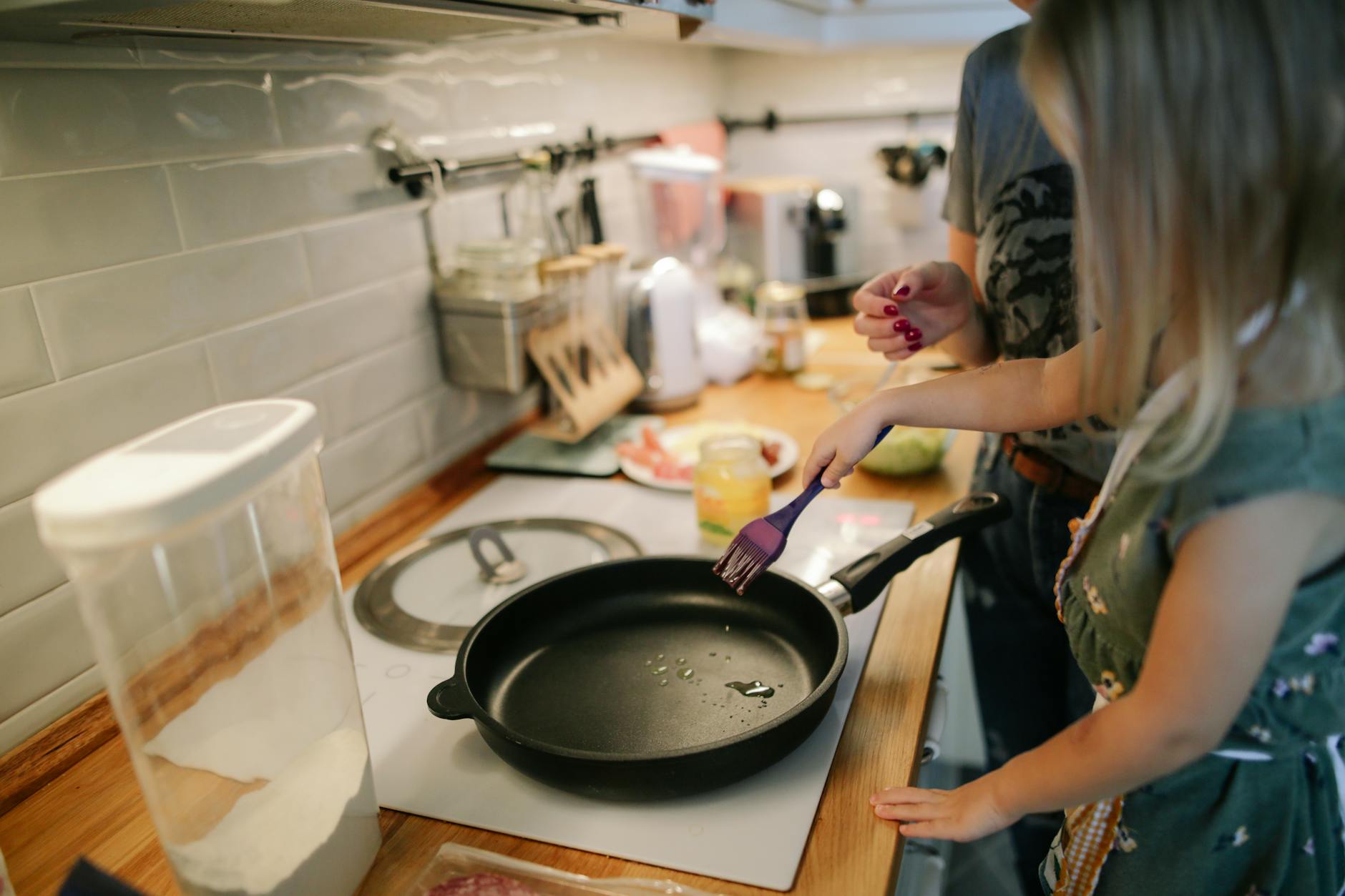
Every year, kitchen fires are responsible for nearly half of all home structure fires in the United States. According to the National Fire Protection Association (NFPA), cooking equipment is the leading cause of home fires and home fire injuries, accounting for approximately 49% of all residential fires. The U.S. Fire Administration (USFA) reports that cooking fires cause an estimated 1,760 civilian injuries and $1.2 billion in property damage annually. These numbers are sobering — but the good news is that the vast majority of kitchen fires are entirely preventable.
Most kitchen fires don't start because of faulty appliances or bad luck. They start because of small, easily correctable habits: walking away from a hot stove, keeping a dish towel too close to a burner, or letting grease build up on cooking surfaces. Practicing solid kitchen fire safety tips consistently is one of the highest-impact things you can do to protect your home and your family. This guide walks you through the 10 most important habits — grounded in fire safety research — that can make a genuine difference.
The Most Common Causes of Kitchen Fires You Need to Know
Before diving into the habits, it helps to understand what actually starts kitchen fires. The NFPA's research consistently points to a short list of culprits:
- Unattended cooking — the single leading factor in kitchen fire deaths
- Ignition of flammable materials near the stove (dish towels, paper towels, curtains)
- Grease and oil fires from overheated pans
- Dirty cooking surfaces with built-up grease
- Misuse of cooking appliances including microwaves and toaster ovens
Range tops and ovens are responsible for the majority of cooking fires, with range tops alone causing 61% of kitchen fire incidents according to NFPA data. Knowing where the risk is concentrated helps you focus your attention on the habits that matter most.
10 Kitchen Fire Safety Habits That Actually Matter
1. Never Leave Cooking Unattended
This is the single most important cooking fire safety habit you can build. The NFPA reports that unattended cooking is the leading contributing factor in kitchen fire fatalities. It takes less than 30 seconds for an unattended pan to go from simmering to fully ablaze. If you must leave the kitchen — even briefly — turn off the burner or take a wooden spoon with you as a physical reminder that something is on the stove. When frying, grilling, or broiling, make it a rule to stay in the kitchen the entire time. For longer cooking tasks like simmering soups or roasting, stay in the home and check back regularly.
2. Keep Flammable Items Away From the Stove
Dish towels, paper towels, oven mitts, plastic bags, and even loose-fitting clothing can ignite instantly if they contact an open flame or a hot burner. Establish a three-foot safety zone around your stove — nothing combustible belongs within that radius while cooking is underway. Move paper towel holders to a spot away from the range. Store oven mitts in a drawer rather than hanging next to the stove. These small repositionings are among the easiest and most effective home kitchen fire prevention steps you can take.
3. Clean Cooking Surfaces Regularly
Grease buildup on stovetop grates, burner rings, oven walls, and range hoods is a hidden fire hazard. Over time, accumulated cooking residue becomes a fuel source that can ignite from a stray spark or an overheated burner. Make it a habit to wipe down stove surfaces after every cooking session while they are still slightly warm (not hot). Do a deeper clean of the oven and range hood filter at least once a month. A clean cooking surface is a safer cooking surface — and it's one of the most overlooked kitchen fire safety tips in daily practice.

4. Use Timers — Every Single Time
A timer is one of the simplest tools in the kitchen fire prevention toolkit, yet it's vastly underused. Setting a timer every time you put something on the stove or in the oven creates an audible checkpoint that pulls you back to the kitchen before things go wrong. Use the timer on your stove, your phone, or a standalone kitchen timer — whichever you are most likely to hear. This habit is especially important when cooking foods that take longer periods of time, such as roasts, stews, or baked goods, when it's easy to lose track of time or become distracted.
5. Keep a Fire Extinguisher Accessible in the Kitchen
According to the USFA, having the right fire safety equipment and knowing how to use it can mean the difference between a minor incident and a devastating loss. A Class K or multipurpose (ABC) fire extinguisher should be mounted in or near the kitchen, within easy reach but away from the stove itself (so a stove fire doesn't block your access to it). Equally effective for small grease fires is a fire blanket, which smothers flames without the mess of a powder extinguisher. Review the PASS technique regularly: Pull the pin, Aim at the base of the flame, Squeeze the handle, and Sweep side to side.
6. Test Smoke Detectors Monthly
Smoke detectors are your first line of defense when fire prevention fails. The NFPA found that three out of five home fire deaths occur in homes with no smoke alarms or non-functioning ones. Test every smoke detector in your home monthly by pressing the test button. Replace batteries at least once a year — many households tie this to a seasonal event like daylight saving time. Detectors themselves should be replaced entirely every 10 years. For the kitchen specifically, consider a detector that uses both ionization and photoelectric sensors, as photoelectric detectors are better at catching the smoldering, slow-burning fires that cooking environments are prone to.

7. Handle Grease and Oil With Extreme Care
Grease fires are among the most dangerous and unpredictable kitchen hazards. Oil has a specific smoke point — the temperature at which it begins to break down and can spontaneously ignite. Never leave a pan of oil unattended, and always heat oil gradually rather than on maximum heat. Watch for wisps of smoke, which signal the oil is approaching its smoke point. If a grease fire starts in a pan, slide a lid over the pan to cut off oxygen and turn off the burner — do not move the pan. Never pour water on a grease fire; the violent steam explosion can spread burning oil across your entire kitchen. Keep a box of baking soda nearby as an additional smothering agent for small grease fires.
8. Choose Safe Clothing While Cooking
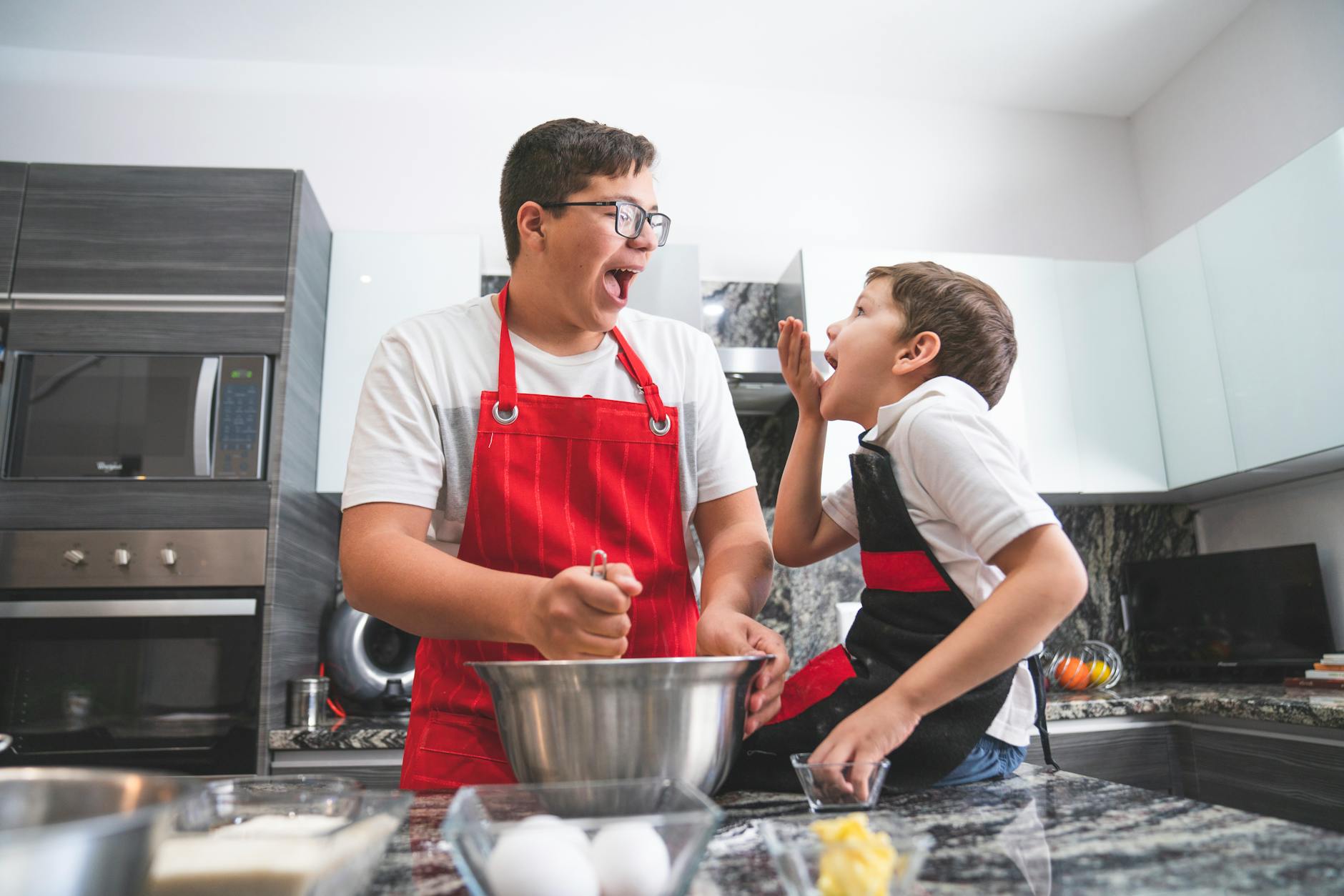
Loose, flowing sleeves are one of the most underappreciated fire hazards in the kitchen. Synthetic fabrics like polyester and nylon melt and cling to skin when they catch fire, causing severe burns. When cooking — especially on a gas stove — wear close-fitting clothing or roll up loose sleeves. Avoid wearing dangling scarves or ties near open flames. A fitted apron provides an additional layer of protection. This is a particularly important cooking fire safety habit to reinforce with teenagers who are learning to cook independently.
9. Establish Clear Safety Rules for Children in the Kitchen
Children are naturally curious about the kitchen, and that curiosity is worth nurturing — but within firm boundaries. The USFA recommends establishing a clearly defined "kid-free zone" of at least three feet around the stove and oven. Teach children from an early age that burners, oven doors, and cooking surfaces remain hot long after they are turned off. When children are old enough to participate in cooking, supervise them closely and use back burners where possible, with pot handles turned inward so they cannot be grabbed or knocked over. These conversations and physical boundaries are foundational to long-term home kitchen fire prevention in households with children.
10. Know Exactly How to Respond to a Kitchen Fire
Preparation is the final — and often most neglected — piece of the kitchen fire safety puzzle. Every member of your household should know: where the fire extinguisher is and how to use it, how to smother a small pan fire with a lid, that you should never use water on a grease fire, and most importantly, when to get out and call 911 rather than attempt to fight a fire. If a fire spreads beyond a single pan or appliance, evacuate immediately and close interior doors behind you to slow the fire's spread. Have a household escape plan with two exits from every room and a designated outdoor meeting point. Practice it at least twice a year.
A Quick-Reference Summary of the 10 Habits
- Stay in the kitchen whenever you are frying, grilling, or broiling
- Maintain a three-foot flammable-free zone around your stove
- Wipe down cooking surfaces after every use; deep clean monthly
- Set a timer every single time something goes on the heat
- Mount a fire extinguisher or fire blanket within easy reach
- Test smoke detectors monthly; replace batteries yearly
- Never leave hot oil unattended; smother grease fires — never use water
- Wear close-fitting clothing; avoid loose sleeves near flames
- Enforce a child-free safety zone around the cooking area
- Rehearse your household escape plan at least twice a year
Frequently Asked Questions About Kitchen Fire Safety
Key Takeaways
Kitchen fires are the leading cause of home fires in the United States, but they are also among the most preventable. The data from the NFPA and USFA consistently shows that a small number of behavioral changes — staying present while cooking, keeping the area around the stove clear, maintaining clean surfaces, and making sure detection and suppression equipment is in working order — account for the vast majority of preventable incidents.
None of the kitchen fire safety tips in this guide require expensive equipment or significant time investment. They require attention and consistency. The most dangerous kitchen is one where safety has become an afterthought. Build these habits gradually, teach them to everyone in your household, and review your escape plan at least twice a year. The few minutes you invest in preparation now could be the most valuable minutes you ever spend.
Sources: National Fire Protection Association (NFPA) — Cooking Equipment Fire Statistics; U.S. Fire Administration (USFA) — Residential Building Cooking Fires Report.