Language Barriers While Traveling: What They Really Cost You (And How to Avoid Them)
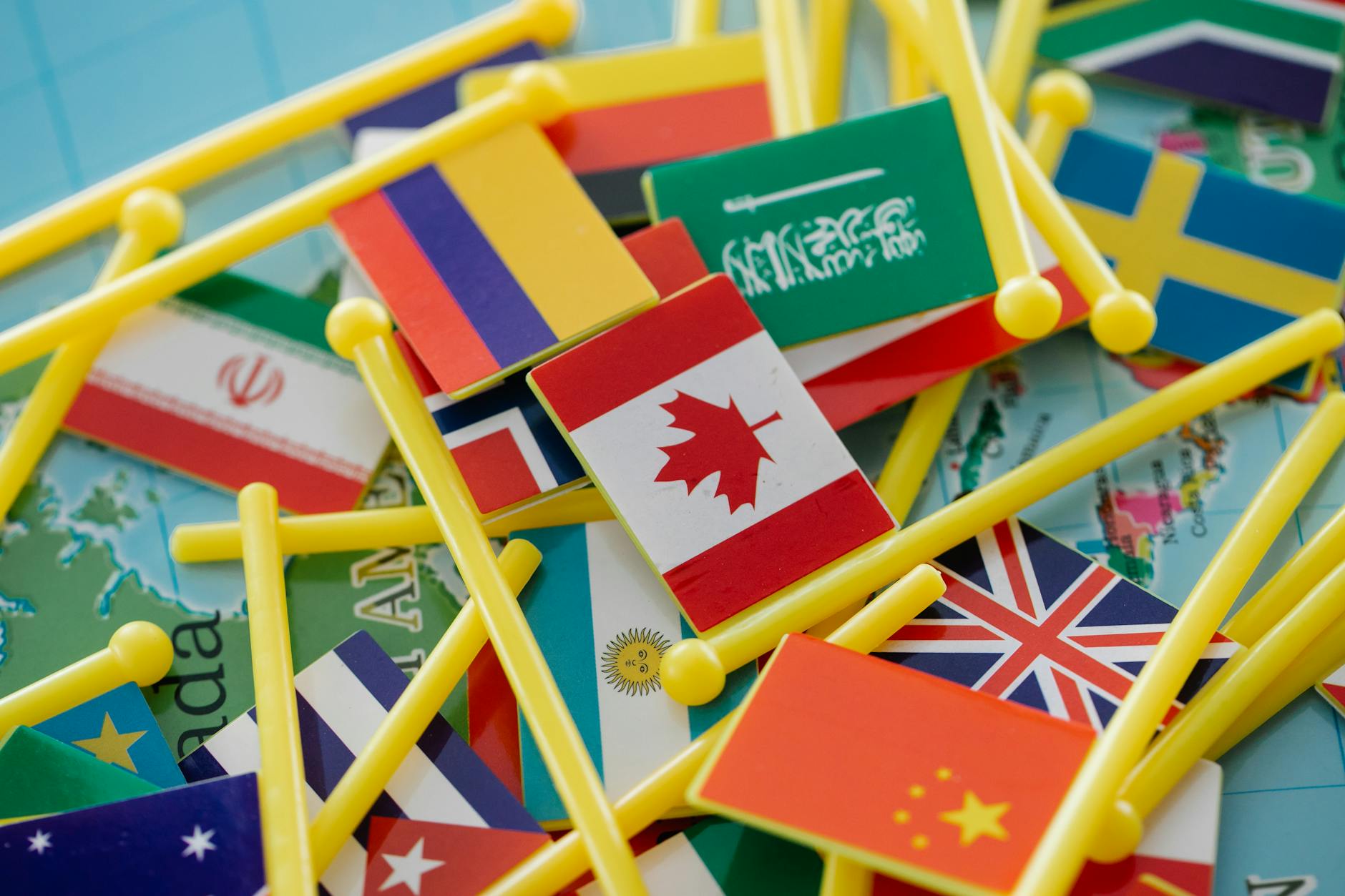
You have landed at the airport, bags in hand, excitement running high — and then a stranger in a uniform says something to you in a language you do not understand. You smile and nod. They say it again, more urgently. You have no idea what is happening. Welcome to the language barrier travel experience that roughly 75% of international travelers encounter at some point, according to survey data from the European Commission's Eurobarometer.
That moment of confusion rarely ends with just awkwardness. Depending on where you are and what the situation demands, a language barrier can cost you real money, real time, and in some circumstances, real safety. This guide examines the full scope of what communication gaps actually cost travelers, how the tools for solving them have evolved over the past century, and how to honestly compare every approach available to you today.
The Real-World Costs of a Language Barrier While Traveling
Most travelers treat the language barrier as a minor inconvenience — a source of funny stories for back home. The data tells a different story.
Financial Overcharging
Tourists who cannot read menus, negotiate prices, or challenge incorrect charges are systematically overcharged in many destinations around the world. A 2019 study published in the Journal of Travel Research found that tourists unable to communicate in the local language paid on average 18–30% more for goods and services in markets across Southeast Asia, North Africa, and parts of Eastern Europe. This is not always the result of deliberate fraud — it can be as simple as a vendor assuming the foreigner wants the premium version of something, and the foreigner having no way to clarify otherwise.
Taxi overcharging is the most commonly cited example among budget travelers. Without the ability to ask for a metered fare, confirm a route, or simply tell a driver you know roughly what the journey should cost, you are at the mercy of whatever number they decide to quote. In a language you do not speak, even disputing a clearly wrong bill feels nearly impossible.
Safety Risks You May Not Have Considered
The safety dimension of the language barrier travel problem is underreported. Consider these scenarios: you develop an allergic reaction in a restaurant and cannot describe your symptoms or your allergy to the staff. You witness a crime and cannot give a coherent account to the police. You take wrong directions from someone who misunderstood your question and end up in an unsafe neighborhood after dark. You miss a warning posted on a trail about dangerous conditions ahead.
A report by the International SOS Foundation found that language difficulties were a contributing factor in 23% of medical emergencies involving international travelers in non-English-speaking countries. When the stakes are medical, the language barrier stops being an inconvenience and becomes a genuine risk.
The Experience Cost: What You Simply Miss
Beyond money and safety, there is a harder-to-quantify cost: the richness of experience that slips past you when you cannot communicate. You cannot ask the elderly shopkeeper about the history of the item she is selling. You cannot understand the joke the tour guide just made that sent the rest of the group laughing. You cannot ask your guesthouse host for their honest recommendation about where locals actually eat. Travel without any ability to communicate is, in a real sense, travel conducted behind glass — you see the place, but you cannot touch it.
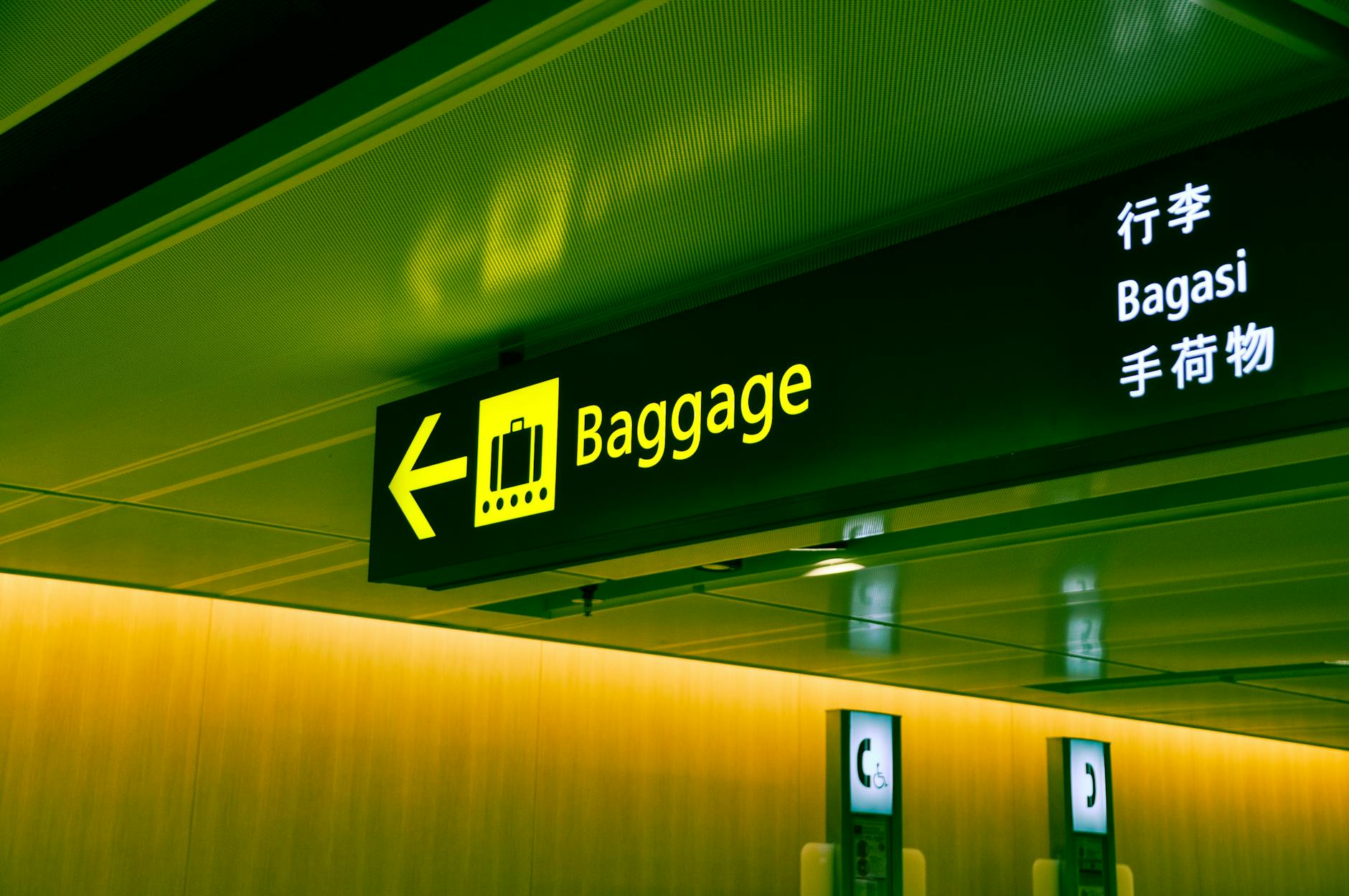
A Brief History of How Travelers Have Solved This Problem
The language barrier solutions for tourists did not begin with smartphone apps. People have been traveling across language boundaries for thousands of years, and the solutions they reached for have evolved significantly — though perhaps not as fast as the problem demands.
The Phrasebook Era
The modern phrasebook traces its origins to the 19th century, when the explosion of European tourism — driven by the railways and the rise of the middle class — created a market for practical language guides. Karl Baedeker, the German publisher whose red guidebooks became synonymous with travel in the Victorian era, included basic phrasebook sections. Berlitz launched its first phrase guides in the 1880s.
For most of the 20th century, the phrasebook was the primary tool for how to communicate while traveling abroad. The format was intuitive: questions organized by situation (at the hotel, at the restaurant, at the train station), with phonetic pronunciation guides printed alongside the foreign text. They required no battery, no signal, and no technical knowledge. Their weakness was equally obvious — a phrasebook can only help you say something. It cannot help you understand the reply.
The Electronic Dictionary and Early Translation Devices
The 1980s and 1990s saw the rise of pocket electronic dictionaries — handheld devices with keyboard input that could look up words in a second language. Brands like Franklin Electronic Publishers dominated this category. These devices were faster than flipping through a phrasebook and could handle a larger vocabulary, but they were still fundamentally word-for-word tools. Constructing a coherent sentence, let alone interpreting a natural spoken response, remained beyond their capability.
Early dedicated translation devices appeared in the 2000s, offering phrase libraries stored on hardware. They improved on phrasebooks in speed and storage capacity but brought few new capabilities. The real leap was still waiting for the internet.
The Smartphone App Revolution
The launch of the App Store in 2008 triggered a rapid transformation in communication tips for international travel. Google Translate launched a mobile app in 2010 and introduced camera-based text translation — point your phone at a sign in a foreign language and see it replaced in real time — in 2015. The technology, called augmented reality translation, was genuinely groundbreaking.
By 2023, Google Translate supported 133 languages and offered offline packs for dozens of them, meaning travelers could use core features without a data connection. Microsoft Translator, iTranslate, DeepL, and others entered the same space with competing approaches, and AI-powered improvements began closing the gap between literal translation and natural-sounding output.
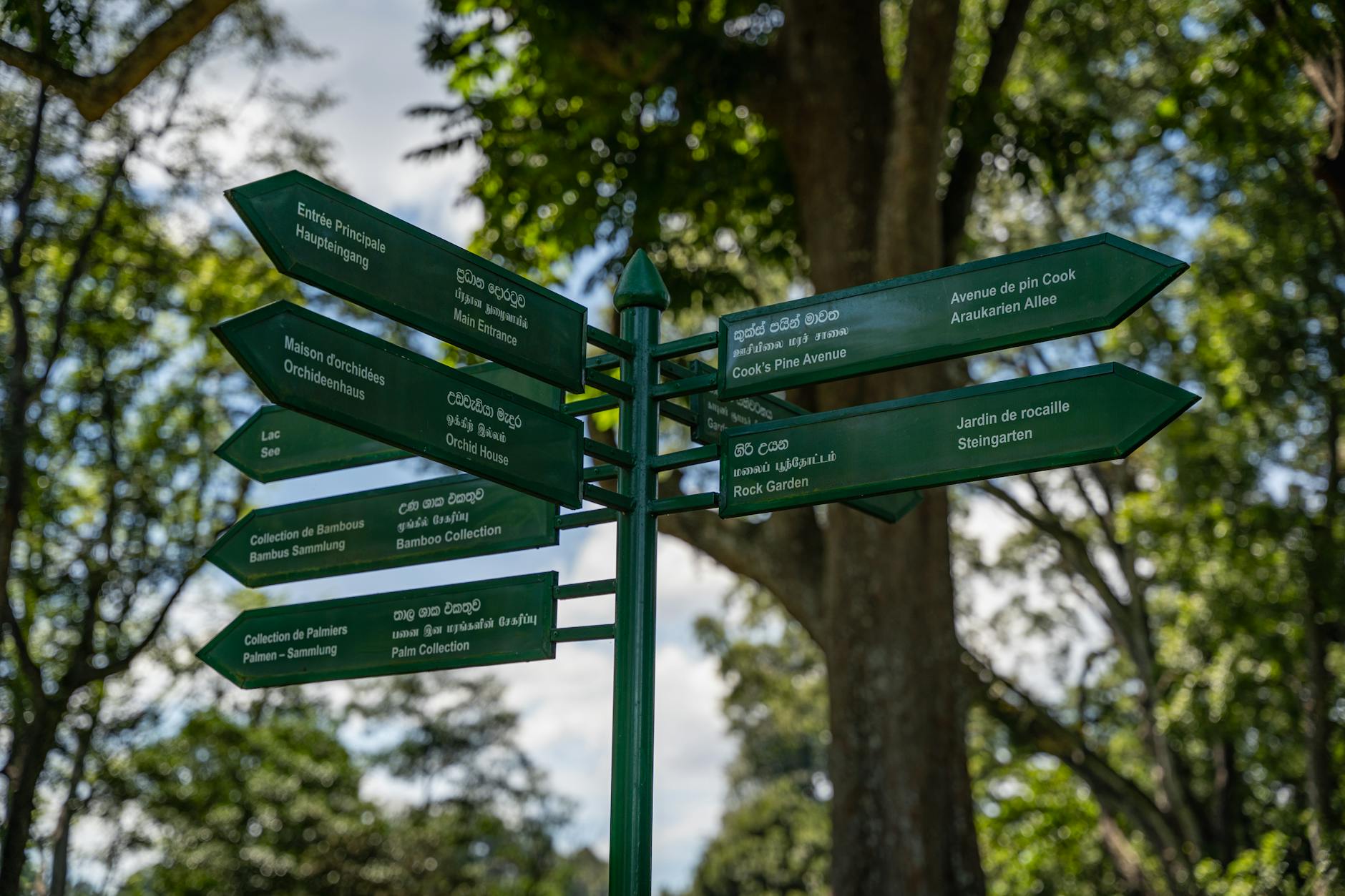
Comparing Every Approach Available to Travelers Today
The range of language barrier solutions for tourists available in 2026 is wider than it has ever been. Each approach has real strengths and real limitations. Here is an honest comparison.
1. Learning Basic Phrases Before You Go
This remains the most universally respected approach — both by travel writers and by the locals you will meet. Learning even 20–30 phrases in a destination language signals respect and often unlocks a warmer reception than any amount of technology can. Studies in social psychology consistently show that people respond more positively to communication attempts in their native language, even imperfect ones, than to requests routed through a third-party device.
Realistic limitations: This approach scales poorly. A traveler visiting five countries in three weeks cannot meaningfully prepare in five different languages. It also does not help with the comprehension side of conversation — you can ask a question in polished Japanese, and then understand nothing of the answer.
Apps like Duolingo, Babbel, and Pimsleur make basic pre-trip language learning more accessible than ever, and even ten minutes a day for two weeks before departure can yield enough vocabulary for polite, basic interactions.
2. Free Smartphone Translation Apps
For most travelers, Google Translate is the default tool and a genuinely capable one. Its strengths include a massive language library, offline capability for major languages, camera-based text translation, and conversation mode (where two people can speak alternately into the phone and hear translated responses).
Realistic limitations: Translation quality varies enormously by language pair. Translation between, say, Spanish and English is near-fluent. Translation between English and a less-resourced language like Mongolian or Swahili can be awkward and sometimes misleading. In noisy environments — markets, restaurants, transport hubs — the voice input function struggles. There is also the practical awkwardness of handing your phone to a stranger or holding it between yourself and another person.
Connectivity is a persistent issue. Offline packs cover text translation for many languages, but camera translation and voice features typically require data. Travelers without local SIM cards or reliable Wi-Fi access will find their app-based options constrained at exactly the moments they need them most.
3. Hiring a Local Guide or Fixer
In many destinations, hiring a local guide for even a portion of a trip remains one of the most effective language barrier solutions for tourists. A knowledgeable local guide does not just translate language — they translate culture. They know which question to ask and how to ask it. They can negotiate on your behalf without the dynamic of a foreigner with a phone being involved. They can spot when someone is giving you incorrect information and course-correct naturally.
The economic argument is also stronger than many travelers realize. In countries where a good local guide charges $30–60 for a day's assistance, the financial overcharging that guide prevents often exceeds their fee within a few hours. This is especially true in markets, when arranging private transport, or when navigating complex bureaucratic situations like visa extensions or police interactions.
Realistic limitations: This approach is not scalable for everyday travel. You cannot hire a guide for a grocery run or a late-night pharmacy visit. It is also not available in every situation and adds a layer of dependency to travel that some people find at odds with the experience they are seeking.
4. Dedicated Real-Time Translation Devices
The past several years have seen the emergence of a category of hardware specifically designed for real-time spoken translation. These devices — typically small, pocketable electronics — listen to speech in one language and play back a translation in another, with latency measured in seconds rather than minutes.
This category includes earpiece-based products (where each conversation partner wears a bud in one ear) and handheld devices (held between speakers, like a walkie-talkie). The appeal is obvious: they offer a more natural conversational experience than holding a phone between two people, and they are purpose-built for the task rather than a feature inside a multi-function device.
Realistic limitations: Most still require internet connectivity for the best results. Accuracy varies significantly by language pair, accent, and ambient noise level. They tend to be slower at handling complex or culturally specific content than a fluent human interpreter. And like all hardware, they are subject to battery life and the risk of loss or damage during travel.
5. Body Language, Visual Communication, and Creative Workarounds
Experienced travelers often develop a non-technological toolkit for getting through communication gaps. Pointing at a menu item, using fingers to indicate quantity or price, drawing a rough sketch, using a map to indicate a destination, showing a photo — these low-tech methods cover a surprising range of practical needs. In one survey of long-term travelers, the majority reported that the most useful communication skill they developed was not any app or device, but simply getting more comfortable with gesture, mime, and the willingness to look slightly ridiculous in public.

What the Research Says About Which Approaches Actually Work
A 2022 study from the University of Surrey's School of Hospitality and Tourism Management surveyed 1,400 international tourists across 12 countries about their communication strategies and outcomes. The findings were instructive:
- Travelers who combined basic phrase learning with a translation app reported the highest satisfaction scores for interactions with locals.
- Travelers who relied exclusively on translation apps reported moderate satisfaction but significantly more instances of miscommunication than those who used apps as a supplement rather than a primary tool.
- Travelers who used local guides, even for only part of their trip, reported the highest scores for cultural understanding and the lowest rates of financial overcharging.
- Travelers who made no language preparation whatsoever reported the most negative outcomes across all measured dimensions — financial, experiential, and in some cases safety-related.
The takeaway is not that any single solution is optimal. It is that travel without speaking the language is most successfully managed through a layered approach: some basic phrase knowledge, a capable translation app as a fallback, and the willingness to hire local expertise for the portions of a trip that most benefit from cultural fluency.
Practical Communication Tips for International Travel
Based on the research and the range of solutions available, here is a framework that experienced travelers and travel researchers consistently recommend:
Before departure: Spend 15–20 minutes learning the phonetic alphabet or basic pronunciation rules of your destination language. Even imperfect attempts at local pronunciation are better received than treating the language as irrelevant. Download offline language packs for your translation app of choice. Research whether your destination has widely spoken second languages — in many African and South Asian countries, English or French is a working second language even in rural areas.
On arrival: Write down your accommodation address in the local script, not just in Roman letters. Many taxi drivers in non-Latin-alphabet countries cannot read an address you have typed in English. Save key contact numbers — your hotel, local emergency services — in your phone before you need them. Get a local SIM card if you will be traveling for more than a few days; the cost is modest and the benefit to your connectivity (and therefore your translation app capability) is significant.
During interactions: Slow down. One of the most common communication errors is speaking faster when someone doesn't understand, when the opposite approach — slower, clearer speech with simple vocabulary — is far more effective. Use the camera translation feature of your app for menus and signs before engaging in conversation about them. When in doubt about a price or a direction, ask in at least two different ways and cross-check the answers.
For higher-stakes situations: Medical travel cards — pre-printed cards in the local language that describe your allergies, blood type, and medical conditions — are available from various travel health organizations and can be genuinely lifesaving in emergencies. Carry a physical copy of important phrases and addresses as a backup to your phone.
The Languages Worth Knowing (Even Just a Little)
Not all language preparation has equal return on investment. If you travel internationally with any regularity, the languages that will most reduce your language barrier travel experiences — by sheer coverage of global destinations — are Mandarin Chinese, Spanish, French, and Arabic. Together, these four languages cover the official or working language of over 100 countries and are native languages for more than two billion people.
Spanish is arguably the single most useful investment for travelers from English-speaking countries, given that it covers most of Latin America and Spain, is relatively accessible for English speakers to learn to a functional level, and can be partially understood in its written form by anyone who studied Latin languages in school. French covers an enormous swath of sub-Saharan Africa, North Africa, and much of the Caribbean in addition to France and Belgium — vastly more geographic coverage than most English speakers realize.
Even at a survival level — ordering food, asking for directions, counting money — each of these languages opens doors that staying English-only keeps firmly closed.
Key Takeaways
The language barrier travel problem is real, measurable, and consequential in ways that go beyond missed connections and funny anecdotes. Travelers who cannot communicate in a destination language pay more, miss more, and face higher safety risks than those who can — even at a basic level.
The good news is that the toolkit available to address this problem has never been more capable or more accessible. Free translation apps have genuinely closed much of the practical gap for everyday interactions. Pre-trip language learning is easier and more flexible than it has ever been. And the fundamental human skills of patience, body language, and a willingness to look a little lost and work through it together remain as effective as they have always been.
The most important shift is psychological: treating the language of a destination not as an obstacle but as part of the experience. Travelers who approach communication tips for international travel with curiosity rather than frustration consistently report richer, more connected experiences — regardless of which specific tools they use to get there.
No single solution works for every traveler in every situation. But the worst outcome — doing nothing and hoping English will cover everything — is also the most avoidable one.