LED Teeth Whitening: Does the Blue Light Actually Do Anything?
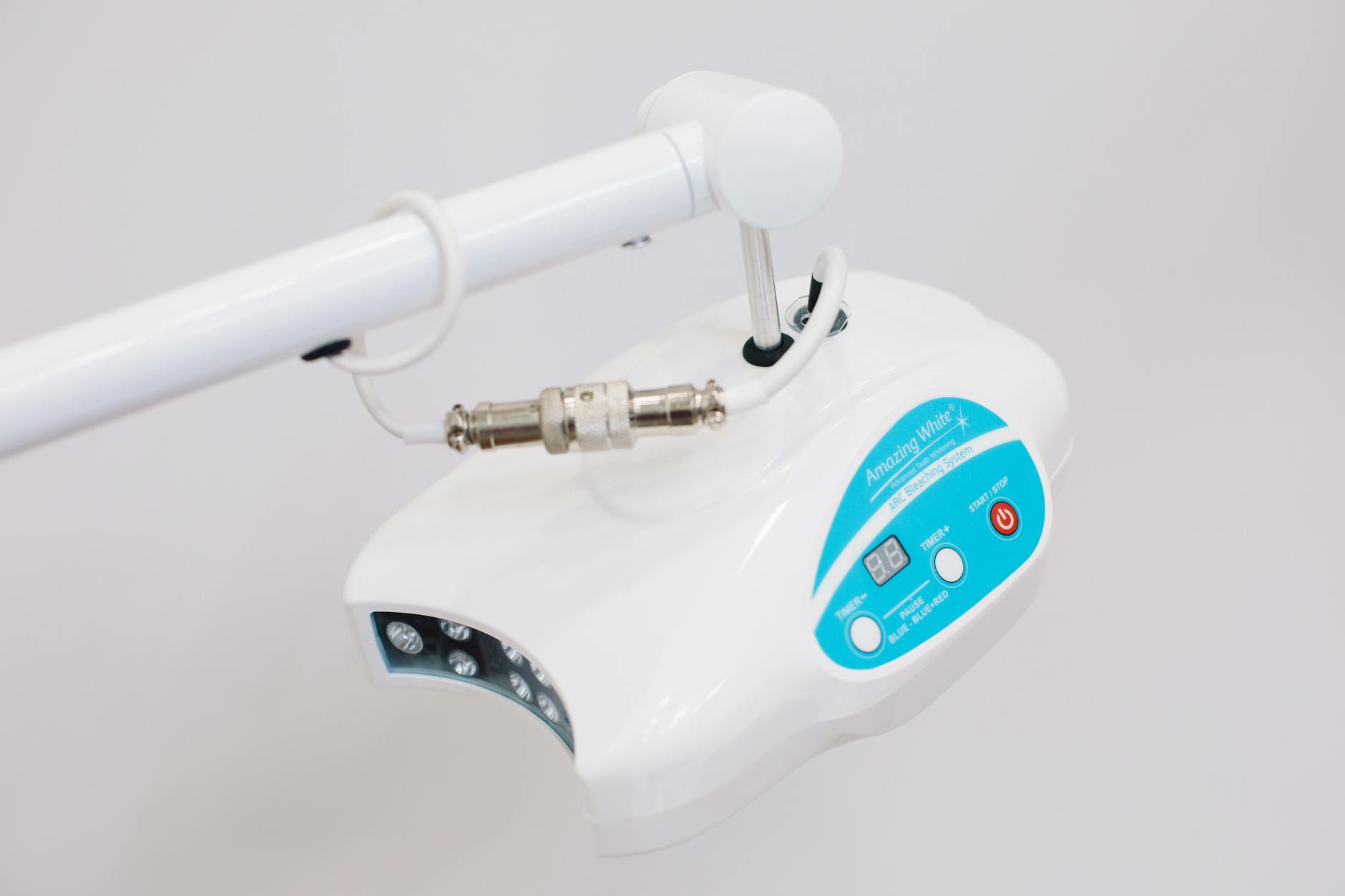
If you've ever held a blue-glowing mouthpiece in your mouth for ten minutes and wondered whether the light was doing anything at all — you're not alone. The question of whether LED teeth whitening works is one of the most searched topics in at-home oral care, and the honest answer is: it depends. Not on marketing, but on chemistry, wavelength physics, and the specific formulation of the gel you're using alongside the device. This guide cuts through the noise and explains the actual science, what peer-reviewed research has found, and how to tell a legitimate LED accelerator from a cheap plastic prop that glows blue for show.
What Does LED Light Actually Do to Whitening Gel?
To understand how LED teeth whitening works, you first need to understand how whitening gel works on its own. Most professional-grade and at-home whitening products rely on a peroxide compound — either hydrogen peroxide or carbamide peroxide — as the active bleaching agent. When this compound comes into contact with enamel, it releases unstable oxygen radicals. Those radicals penetrate the semi-porous surface of enamel and break apart the long-chain organic molecules responsible for tooth discoloration. That's the core mechanism, and it happens entirely through chemistry — no light required.
So where does the LED come in? The key concept is photoactivation. Certain whitening gel formulations include light-sensitive catalysts — chemical compounds that absorb specific wavelengths of light and, in doing so, accelerate the decomposition of the peroxide. In plain terms, the right light wavelength hitting the right gel formula can speed up the release of those oxygen radicals, potentially allowing the same whitening result in less time, or a more powerful result in the same time window.
The critical phrase there is "the right light wavelength hitting the right gel formula." Without both of those conditions being met simultaneously, the LED is decorative. It may look impressive, but it's contributing nothing to the chemistry.
The Wavelength Question: Why 465nm Blue Light Matters
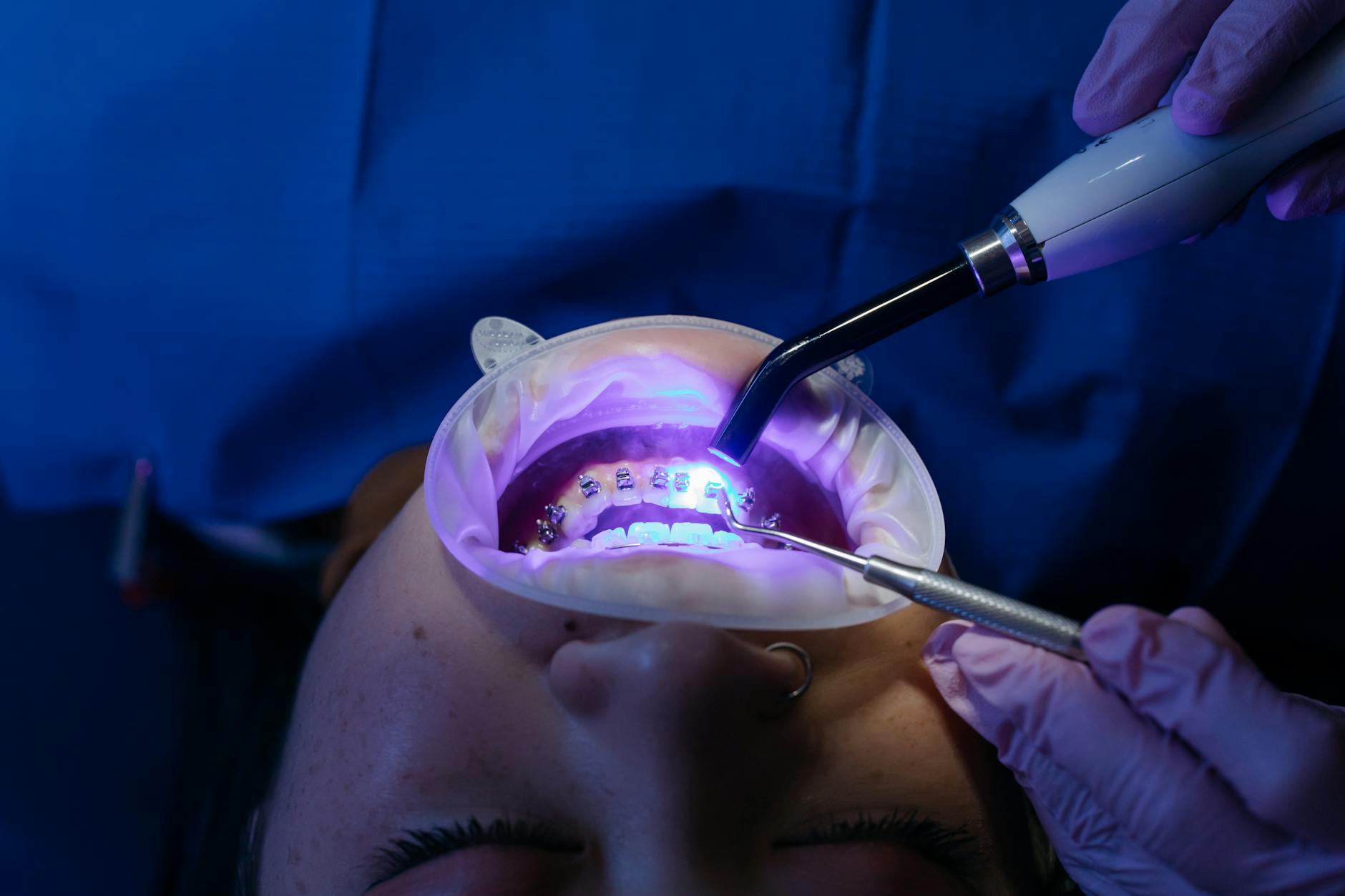
Not all blue light is created equal. Light is measured in nanometers (nm), and different wavelengths interact with matter in different ways. In the context of teeth whitening, the wavelength range that has shown meaningful interaction with peroxide-based gels falls primarily between 400nm and 500nm — the visible blue end of the spectrum.
The most commonly cited target wavelength in dental research is around 465nm. This is the range at which hydrogen peroxide's absorption peaks, meaning photons at this wavelength are most efficiently captured by the peroxide molecules, providing the activation energy that drives faster decomposition. Some formulations include additional photosensitizing agents — compounds specifically engineered to absorb light at a precise wavelength and transfer that energy to the peroxide — which can extend the effective range and improve activation efficiency.
Why does this matter practically? Because many cheap consumer LED whitening devices emit light across a broad, uncontrolled spectrum under the "blue light" label — which is why testing products like the Purely White Deluxe teeth whitening kit against clinical standards matters for consumers. A device that emits a blueish glow at 420nm or 490nm may look similar to the human eye, but those wavelengths interact with peroxide differently and may produce little or no meaningful acceleration. Precision in wavelength output is an engineering challenge, and it's one of the key differentiators between clinical-grade LED systems and low-cost novelty devices.
Red light wavelengths — typically in the 620nm to 700nm range — are also used in some advanced whitening systems, though their mechanism is different. Rather than directly activating peroxide, red light has been studied for its potential role in reducing gum sensitivity and supporting soft tissue during treatment, which matters for people who experience discomfort from whitening.
What Clinical Studies Say About LED-Accelerated Whitening
The research on blue light teeth whitening effectiveness is more nuanced than either enthusiastic manufacturers or cynical critics tend to admit. Here's what the studies actually show.
A number of controlled clinical trials have demonstrated that light-activated whitening produces measurably faster results compared to gel alone — but the effect size and durability of that acceleration depend heavily on concentration and gel chemistry. A 2014 study published in the Journal of Dentistry found that in-office LED-activated whitening with high-concentration peroxide (35–40%) produced significantly greater immediate whitening compared to peroxide alone, but that the difference in shade improvement narrowed considerably at the three-month follow-up mark. In other words, the light sped things up but didn't necessarily produce dramatically whiter teeth over the long term when compared to a longer course of gel-only treatment.
A systematic review published in Operative Dentistry covering multiple randomized controlled trials came to a similarly measured conclusion: light activation produced statistically significant short-term improvement in whitening speed, but evidence for superior long-term outcomes was inconsistent across studies. The review noted that the heterogeneity of LED devices tested — different wavelengths, intensities, and exposure times — made direct comparisons difficult.
The takeaway from the research is not that LED whitening is a myth. It's that the effect is real but conditional. Professional in-office LED systems, which combine precise wavelengths, high-intensity output, and pharmaceutical-grade photoactivated gels, do accelerate whitening in a meaningful and documented way. Consumer-grade devices, with their more variable specifications and lower-concentration gels, produce a smaller and less consistent effect — but still a real one when the engineering is sound.
LED vs. No-LED Whitening: Is There a Measurable Difference?
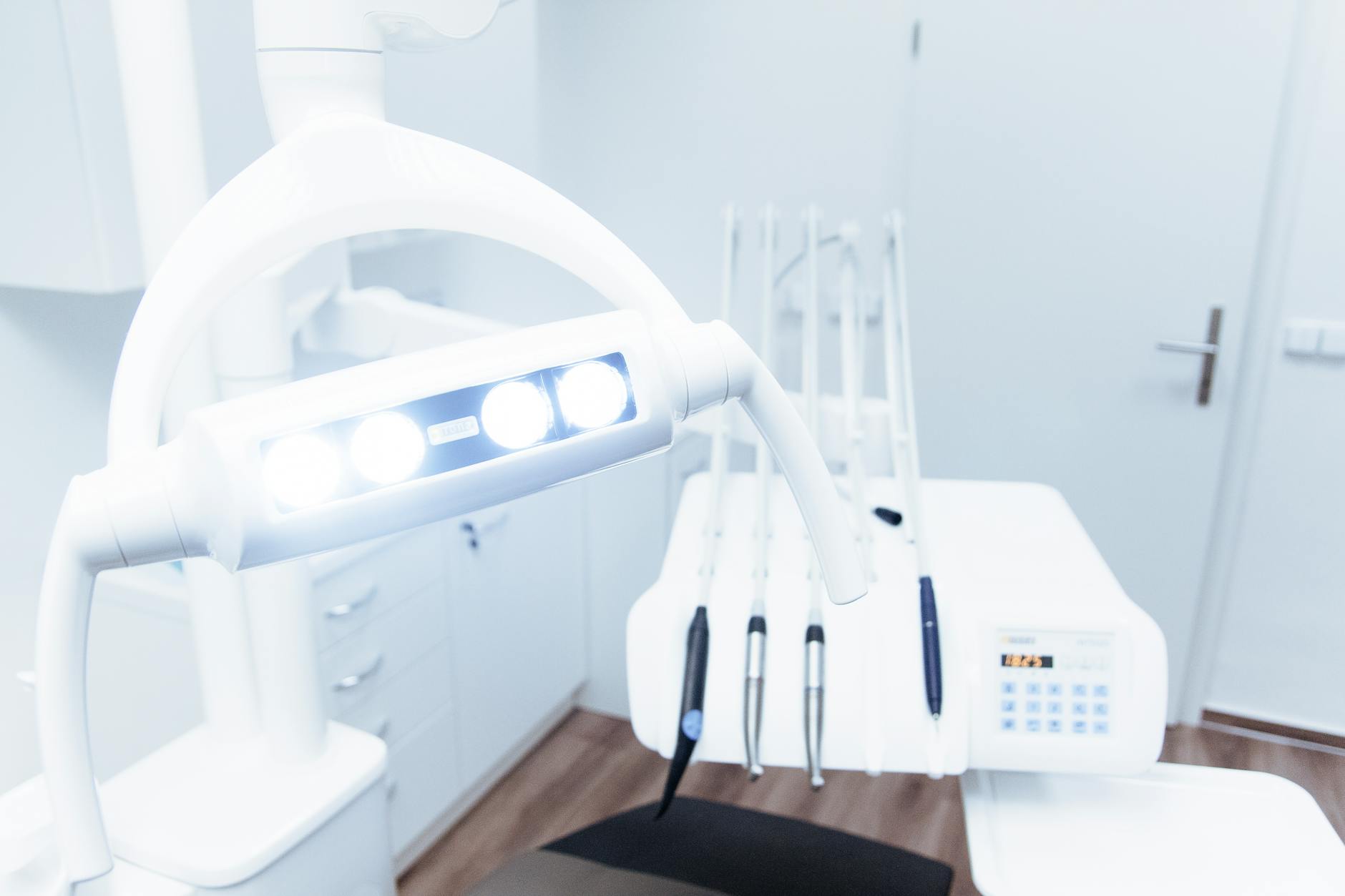
This is perhaps the most practically useful question for anyone shopping for an at-home whitening kit. When you compare LED vs. no-LED whitening in the consumer market, the picture looks roughly like this:
In studies where the same gel formulation was tested with and without LED activation, the LED group typically saw results in fewer sessions or reported slightly more pronounced whitening at the same time point. The margin, in well-controlled consumer studies, tends to be in the range of one to two shade improvements on the VITA shade guide — not transformational, but meaningful if you're chasing efficiency.
However — and this is the important caveat — those results only held up when the LED device being tested was engineered to emit the correct wavelength for the gel formulation in use. When researchers tested mismatched pairings (standard peroxide gel with an LED emitting at an ineffective wavelength, for example), the LED group performed no better than the gel-only group. This finding is crucial for consumers, because it means that simply buying any LED mouthpiece to use alongside any whitening strip or gel is not guaranteed to produce better results. The two components need to be designed to work together.
From a practical standpoint, this is the strongest argument for purchasing a complete LED whitening system — mouthpiece plus gel — from a single source that explicitly formulates its gel for photoactivation with that specific LED output. Mixing and matching components from different brands removes the engineered synergy that makes LED acceleration work.
How to Tell If an LED Kit Is Quality vs. a Gimmick
Given that does LED teeth whitening work is entirely contingent on the quality of the device, knowing what separates legitimate technology from a cosmetic light show is essential. Here are the questions worth asking before you purchase.
Does the manufacturer specify the LED wavelength? Legitimate LED whitening systems will specify the wavelength output of their light source — typically citing a value in the 460nm to 470nm range for blue light activation. Vague claims like "blue light technology" or "advanced LED" without a wavelength specification are a warning sign. The wavelength matters chemically; if a company can't or won't specify it, that's telling.
Is the gel formulated for photoactivation? Standard whitening gels and strips are designed to work by chemistry alone. A photoactivated gel will typically contain a photosensitizer — a compound that converts light energy into chemical activation energy. Manufacturers of genuine LED systems will note this in their formulation details. If the gel description makes no mention of light activation or photosensitizers, the LED is likely ornamental.
What is the light intensity? Intensity, measured in milliwatts per square centimeter (mW/cm²), determines how much photon energy reaches the gel during the treatment window. Clinical systems typically operate at much higher intensities than consumer devices, which is one reason professional results are faster. Among consumer products, higher intensity output — when paired with the correct wavelength — produces more effective activation. This specification is rarely advertised, but some premium consumer brands do publish it.
What does third-party testing show? Reputable LED whitening products will cite clinical studies or independent testing results, not just before-and-after photos from sponsored users. Look for shade guide measurements (VITA or Bleachedguide scales), sample sizes, and study duration. Marketing language like "clinically proven" without a citation to an actual study is not evidence of anything.
Red Flags in Cheap LED Whitening Products
The market for at-home LED teeth whitening has expanded rapidly, and not all of it is honest. Here are the specific red flags that indicate a product is more novelty than technology.
No wavelength specification. As discussed above, this is the clearest single indicator that the LED component has not been engineered for photoactivation.
No peroxide in the gel. Some products market themselves as "LED whitening" kits while using gel that contains no peroxide whatsoever — only surface-polishing agents or remineralizing compounds. These products may provide some surface cleaning benefit, but the LED is doing precisely nothing to a gel that has no photoactivatable ingredient. Hydrogen peroxide or carbamide peroxide should appear on the active ingredients list.
Extremely short treatment times. Peroxide needs sufficient contact time with enamel to produce whitening. LED activation can reduce the time needed compared to gel alone, but it doesn't eliminate the need for meaningful contact time. Any product claiming dramatic results in under five minutes with low-concentration gel should be viewed skeptically.
One-size-fits-all mouthpiece design. The LED mouthpiece needs to deliver consistent light exposure to all tooth surfaces simultaneously. A very cheap, poorly fitted tray is less likely to maintain the even coverage needed for consistent results — and uneven coverage means inconsistent activation across the gel surface.
No mention of sensitivity management. Peroxide-based whitening, especially when accelerated by light, can cause temporary tooth sensitivity. Responsible manufacturers acknowledge this, recommend appropriate usage frequency, and often include desensitizing agents like potassium nitrate or fluoride in their protocol. Products that make no mention of sensitivity considerations may be using formulations that either aren't strong enough to whiten effectively or haven't been tested with user safety in mind.
What to Look for in an LED Whitening Mouthpiece
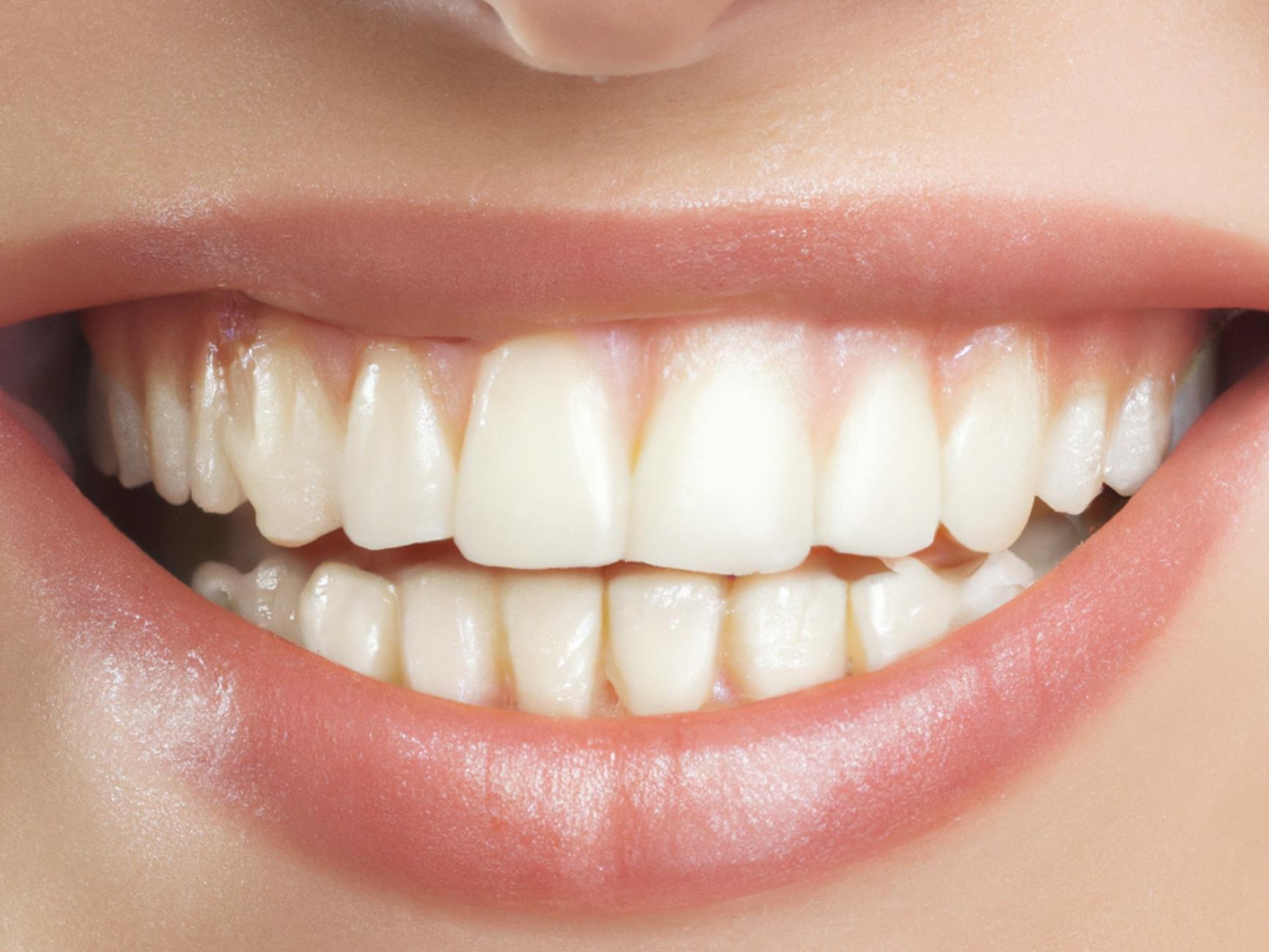
If you've decided that LED-accelerated whitening is something you want to pursue, here's a practical checklist of what a genuinely engineered device should offer.
Precise wavelength output around 465nm. This is non-negotiable for genuine photoactivation of standard peroxide gels. Some advanced systems now incorporate dual-spectrum output — blue light for activation plus red light for sensitivity reduction — which represents a meaningful engineering advance over single-spectrum devices.
Full-arch coverage. A well-designed mouthpiece illuminates all visible tooth surfaces simultaneously, including the curve of the arch. Devices that only illuminate the front-facing surfaces produce uneven results. Look for designs with LEDs positioned to wrap the illumination around the full arch, both upper and lower.
Gel compatibility verified by the manufacturer. As noted above, the gel and the LED need to be designed as a system. If a mouthpiece manufacturer also sells whitening gel and explicitly states the gel is formulated for use with that specific LED output, that's a positive signal. If the device is sold separately with no guidance on compatible gel, the photoactivation benefit is speculative.
A treatment timer. Most clinical protocols for LED-activated whitening call for consistent treatment windows — typically 10 to 16 minutes per session. A built-in timer removes guesswork and ensures you're meeting the minimum exposure duration for activation to occur.
Reasonable peroxide concentration in the gel. For at-home use, concentrations between 6% and 22% hydrogen peroxide (or equivalent carbamide peroxide) are standard. Higher isn't always better — concentration needs to be balanced against sensitivity risk — but concentrations below 6% are unlikely to produce significant enamel-level whitening regardless of LED activation.
The technology behind LED teeth whitening is neither magic nor meaningless. It is a genuine application of photochemistry that, under the right conditions, produces real and measurable results. The consumer challenge is that those conditions — correct wavelength, compatible photoactivated gel, adequate intensity, and sufficient exposure time — are rarely all met by the cheapest options on the market. Understanding what makes the technology work puts you in a much better position to evaluate any product you encounter, ask the right questions, and invest only in systems where the science actually backs the claims.
Key Takeaways
- LED whitening works — conditionally. The blue light must emit at the correct wavelength (around 465nm) and the gel must contain a photoactivatable ingredient for acceleration to occur.
- Clinical research supports light-activated whitening for speed of results, though long-term shade outcomes tend to converge with non-LED treatments over time.
- Cheap LED devices are often decorative. Without a specified wavelength and a compatible gel formulation, the glowing mouthpiece contributes nothing to the whitening chemistry.
- Gel and LED must be designed as a system. Mixing a random LED device with a standard whitening strip is unlikely to produce the acceleration effect — the two components need to be formulated for each other.
- Key quality signals include: published wavelength specification, photoactivated gel formulation, third-party testing data, full-arch LED coverage, and transparent sensitivity guidance.
- Red flags include: no wavelength specification, no peroxide in the gel, unrealistically short treatment claims, and no mention of sensitivity management.