LifeVac Review 2026: Does This Anti-Choking Device Really Work?
Limited Time Offer!
Get This Deal Now → *Affiliate link - We may earn a commissionChoking is one of the most terrifying emergencies a family can face — and it can happen in seconds, without any warning. As a parent and grandparent of young children, I spent years assuming a solid knowledge of the Heimlich maneuver was enough. Then I came across the LifeVac anti choking device and realized just how much I had been underestimating the risk. This LifeVac review covers everything I learned after researching the device in depth: how it works, who it protects, whether the science holds up, and whether it is genuinely worth buying in 2026.
The short answer: yes, it is. But read on — because the details matter, especially when a family member's life could one day depend on this device.
Home Kit from $63.55 — Limited Discount Available
What Is LifeVac and How Does It Work?
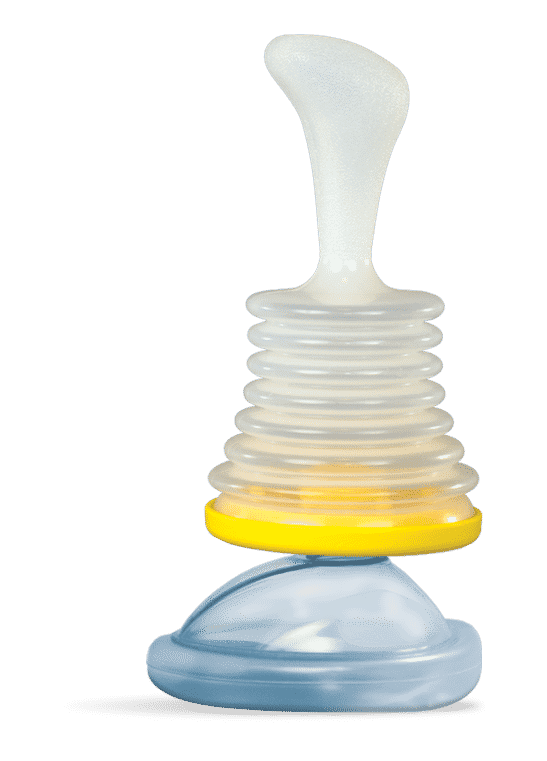
LifeVac is a patented airway clearance device designed to dislodge a choking obstruction when standard first-aid techniques — including back blows and abdominal thrusts — have failed or cannot be applied. It is FDA registered, CE marked, and MHRA approved, making it one of the few consumer anti-choking products with genuine regulatory backing across multiple markets.
The core of the device is a patented one-way valve. When you push the mask down over the victim's face and then pull the handle upward, the valve creates a powerful suction force that draws the obstruction out of the airway. Critically, the one-way valve ensures that when you push down, no air is forced back into the airway — which means the object is never pushed deeper. This is the engineering insight that sets LifeVac apart from any improvised approach.
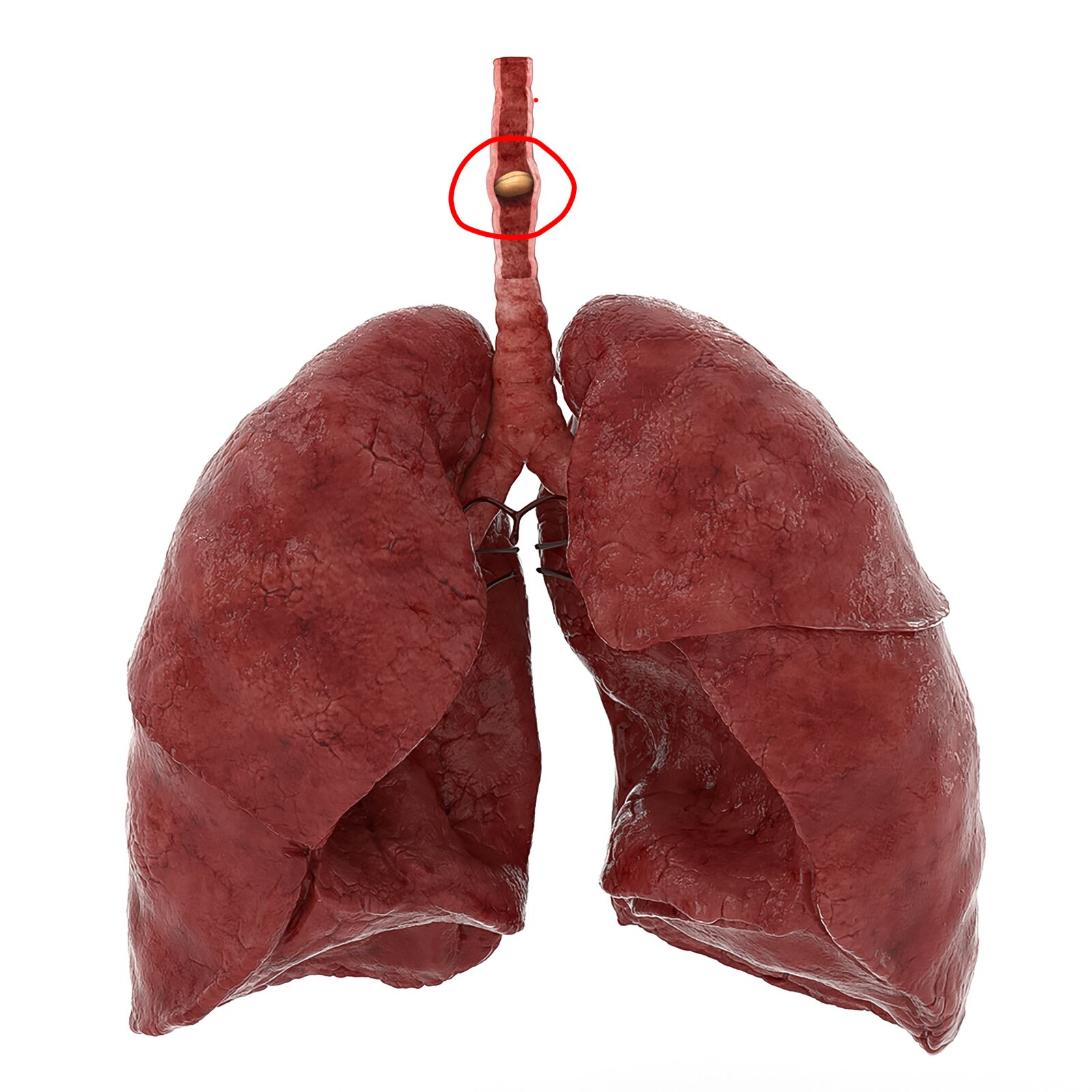
The 3-Step Operation: Place, Press, Pull
One of the strongest arguments for LifeVac is its simplicity. In a genuine choking emergency, panic sets in fast. The three-step process is designed so that even someone with no first-aid training can use it effectively:
- Place — Select the correct mask (pediatric, child, or adult) and place it firmly over the victim's mouth and nose to create a seal.
- Press — Push the plunger down firmly toward the face.
- Pull — Pull the plunger sharply upward. The suction force dislodges and extracts the obstruction.
That's it. No complicated assembly, no batteries, no electricity required. The device is always ready. LifeVac also includes three interchangeable mask sizes — pediatric (for infants and small children), child, and adult — so a single home kit protects every member of the family, from a 10 kg toddler to an elderly grandparent.
Kevin Harrington's Shark Tank Endorsement
If you have been researching the LifeVac anti choking device, you have probably come across the name Kevin Harrington — one of the original investors on ABC's Shark Tank and the man widely credited with pioneering the infomercial industry. Harrington is not simply a brand ambassador. He became a vocal supporter of LifeVac after reviewing the device's real-world save data and its regulatory approvals. Watch his full testimonial below:
Kevin Harrington (ABC's Shark Tank) on Why He Endorses LifeVac
For consumers who wonder whether LifeVac is a gimmick, Harrington's endorsement — from someone who has reviewed thousands of products professionally — carries meaningful weight. Harrington is not the type of investor to attach his name to an unproven product, and his enthusiasm for LifeVac speaks to the seriousness with which the device is taken by people who scrutinize health technology for a living.
The Numbers That Matter: 5,550+ Lives Saved
Marketing claims are one thing. Verified real-world outcomes are another. LifeVac publicly tracks and independently verifies each reported save, publishing documented cases on what it calls its "Hall of Saves." As of 2026, that total stands at more than 5,550 confirmed lives saved by the device — across households, care homes, schools, and restaurants worldwide.

These are not anecdotal testimonials. LifeVac requires documentation from each reported case before adding it to the count. The demographics span every age group — infants, children, adults, and seniors with neurological conditions like dementia who are at particularly elevated choking risk. The fact that the device consistently performs across all of these populations is a meaningful indicator of its reliability.
It is also worth noting that choking is not a rare event. In the United States alone, choking is the fourth leading cause of unintentional injury death. Globally, the statistics are similarly sobering. Most choking incidents happen at home, at mealtimes, and most victims are either under 5 or over 65. That profile almost certainly matches someone in your household or extended family.
Join Over 5,550 Families Who Have Relied on LifeVac
Who Should Use LifeVac?
The LifeVac anti choking device is designed to work across a wide range of body types and ages. Specifically, it is appropriate for:
- Infants and toddlers weighing as little as 10 kg (the pediatric mask is included)
- Children of all ages (child mask included)
- Adults including overweight or obese individuals where the Heimlich maneuver is difficult to administer
- Pregnant women, for whom abdominal thrusts cannot be used
- Elderly individuals and those with conditions such as dementia, Parkinson's, or dysphagia who face elevated choking risk
- People eating alone — LifeVac is one of the very few anti-choking devices that can be self-administered in a solo choking emergency
That last point is particularly significant. Traditional first-aid approaches to choking require a second person to administer them. LifeVac can be used by the choking victim themselves if they are conscious and alone — a scenario that is surprisingly common, especially among seniors who live independently.
Trusted by Major Organizations
LifeVac is not just a consumer product — it is deployed in professional settings including care homes, special needs schools, pediatric wards, restaurants, and emergency services. This institutional adoption is a strong signal of quality. Professional buyers in the healthcare sector evaluate safety devices with far greater rigor than individual consumers, and their decision to equip their facilities with LifeVac is meaningful validation of its effectiveness.
LifeVac Pros and Cons
Pros
- Patented one-way valve — object cannot be pushed deeper
- 3 mask sizes cover infants through adults in one kit
- Can be self-administered when alone
- No expiration date — lasts a lifetime
- FDA registered, CE marked, MHRA approved
- Endorsed by Kevin Harrington (Shark Tank)
- Over 5,550 verified real-world saves
- Works on pregnant women and obese individuals
- Extremely simple 3-step operation
- No batteries, no charging, always ready
Cons
- Should only be used when standard first aid has failed (not as a first resort)
- Requires a proper mask seal — practice is recommended
- Higher upfront cost than a basic first aid kit
- One device covers one location (consider multi-packs for car, workplace)
LifeVac Pricing & Bundle Options (2026)
LifeVac is currently offering significant discounts across all bundle tiers. Here is a breakdown of the current pricing:
| Bundle | Original Price | Sale Price | Best For |
|---|---|---|---|
| Home Kit (1 unit) | $95.33 | $63.55 | Singles, couples, small households |
| 2-Pack (1+1, 50% off second) | $179.90 | $127.10 | Home + car, or two floors of the house |
| Family Pack (3 units) ⭐ Most Popular | $269.85 | $180.19 | Families with children, or gift for grandparents |
| 4-Pack (3+1 FREE) | $359.80 | $243.69 | Extended families, care givers, or gifting |
In our view, the Family Pack (3 units) represents the best value for most households. With young children at home and elderly relatives to consider, having a device accessible in the kitchen, a bedroom, and a car — or at a grandparent's home — makes practical sense. The cost per unit drops substantially compared to buying singles, and each device has no expiration date, so it is a one-time purchase with lifetime coverage.
The 4-Pack (3+1 FREE) is the best option if you are buying for an extended family or want to give a unit to a parent, sibling, or caregiver as a gift.
Exclusive Discount — Save Up to 32% on Multi-Packs
Is LifeVac a Legitimate Medical Device?
This is a question that comes up repeatedly, and it deserves a direct answer. Yes — LifeVac is a registered medical device, not a novelty product. Its regulatory approvals include:
- FDA registered (United States Food and Drug Administration)
- CE marked (European Conformity — required for medical devices sold in the EU)
- MHRA registered (UK Medicines and Healthcare products Regulatory Agency)
These are not minor certifications. The CE marking and MHRA registration in particular require manufacturers to demonstrate clinical safety and effectiveness through documented testing. The fact that LifeVac holds all three approvals — across three different regulatory frameworks — is a strong indicator that it has been held to a genuine medical standard.
Furthermore, the device is patented. The one-way valve technology is proprietary, which means LifeVac has been subject to independent patent examination confirming that the mechanism is novel and functional.
Common Questions About LifeVac (FAQ)
Final Verdict: Is LifeVac Worth Buying in 2026?
After thoroughly reviewing the LifeVac anti choking device — its engineering, its regulatory credentials, its real-world track record, and its price — the verdict is straightforward: this is one of the most defensible safety purchases any household can make.
The LifeVac pros and cons balance heavily in favor of purchase. The cons are minor — it is best used after standard first aid attempts, and a proper seal takes a moment to learn — while the pros are significant: lifetime coverage, no batteries, three mask sizes, self-administration capability, full regulatory approval, and a verified save record of over 5,550 lives.
At $63.55 for the Home Kit, the cost is lower than most people spend on a single visit to a restaurant. The Family Pack at $180.19 covers three locations for the price of a gym membership. And unlike most safety purchases, LifeVac never expires and never needs refilling — buy it once and it is there when you need it, for the rest of your life.
If you have children, elderly relatives, or anyone in your household with a swallowing difficulty — or if you simply want the peace of mind that comes from being genuinely prepared — the LifeVac anti choking device deserves a place in your home. We recommend it without reservation.
Home Kit from $63.55 — Free Shipping — No Expiration Date
Disclaimer: This article is for informational purposes only and does not constitute medical advice. LifeVac should be used after standard first-aid protocols have been attempted. Always call emergency services immediately in a choking emergency. Individual results may vary.
Ready to Get Started?
Don't miss out on this exclusive offer!
Claim Your Discount → *This is an affiliate link. We may earn a commission at no extra cost to you.