Manual vs Electric Toothbrush: Which One Cleans Better According to Dentists
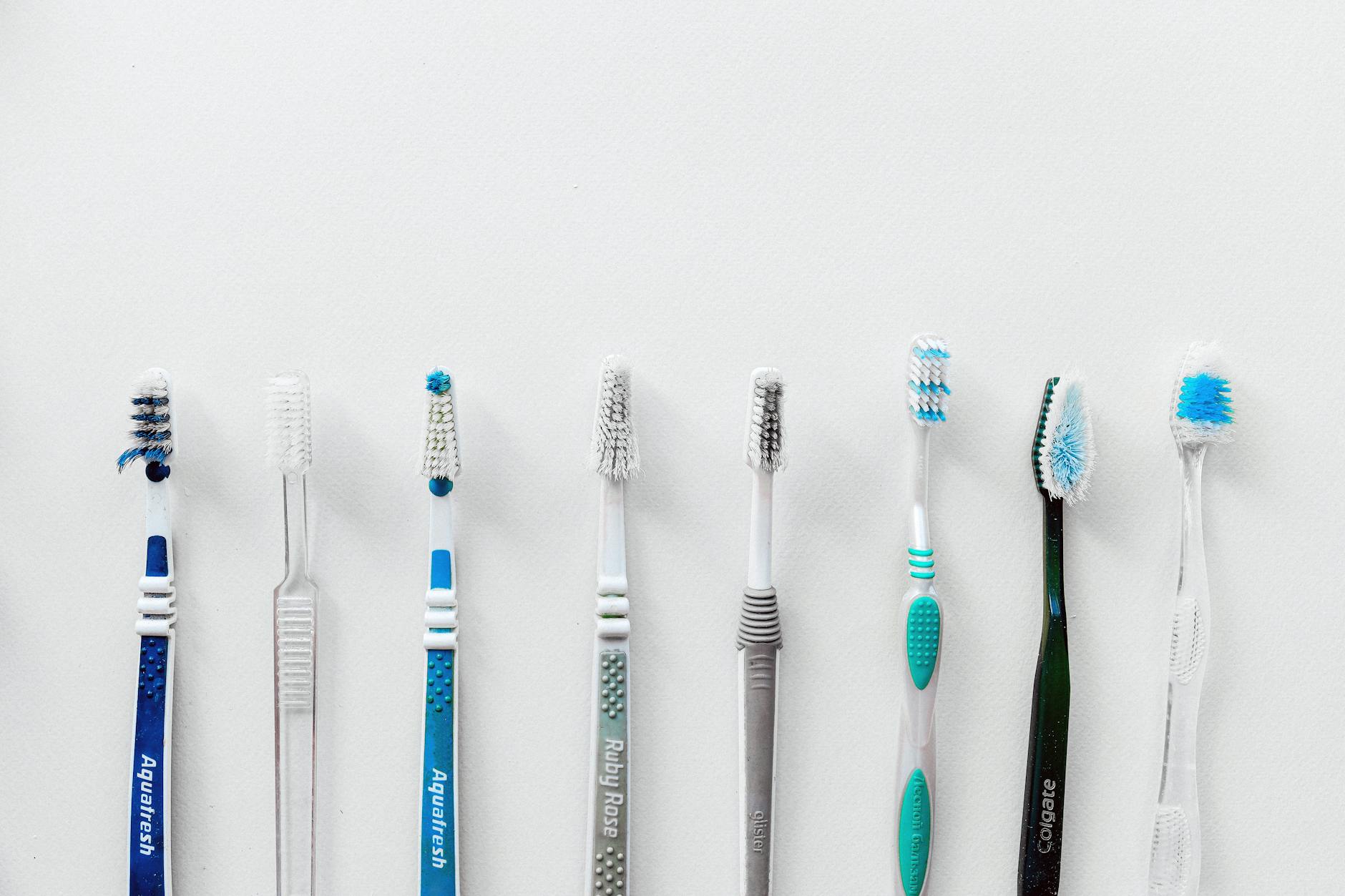
The manual vs electric toothbrush debate has been a fixture of dental waiting rooms and bathroom counters for decades. Ask ten people what they use and you will get a near-even split — and most of them will insist their dentist approved their choice. So what does the clinical evidence actually say? Is an electric toothbrush genuinely better than a manual one, or does technique matter more than the tool? This guide walks through the research, the expert consensus, and the practical trade-offs so you can make an informed decision for your own oral health.
What the Clinical Research Actually Shows
The most authoritative summary of the evidence comes from a 2014 Cochrane systematic review — updated since — which pooled data from 56 randomised controlled trials comparing powered and manual toothbrushes. The headline finding: electric toothbrushes reduced plaque by 21% more than manual brushes after one to three months of use, and reduced gingivitis (gum inflammation) by 11% more over the same period.
Those numbers sound convincing, but context matters. The studies measured average outcomes across large populations, many of whom received no special brushing instruction. When participants in the manual-brush groups were given thorough technique coaching, the performance gap narrowed substantially. In other words, a well-executed manual brushing routine can rival — and in some cases match — the plaque removal of an electric brush used carelessly.
A 2019 long-term observational study published in the Journal of Clinical Periodontology followed more than 2,800 participants over 11 years and found that consistent electric toothbrush users had significantly less tooth loss, lower rates of periodontitis, and shallower periodontal pockets compared with consistent manual users. That study leaned more in favour of electric brushes for long-term gum and tooth retention outcomes.
The takeaway from the research as a whole: electric toothbrushes have a measurable clinical advantage, particularly for plaque removal and gum health, but the margin is not so large that a motivated manual brusher cannot achieve excellent results.
How Electric Toothbrushes Work — and Why They Have an Edge
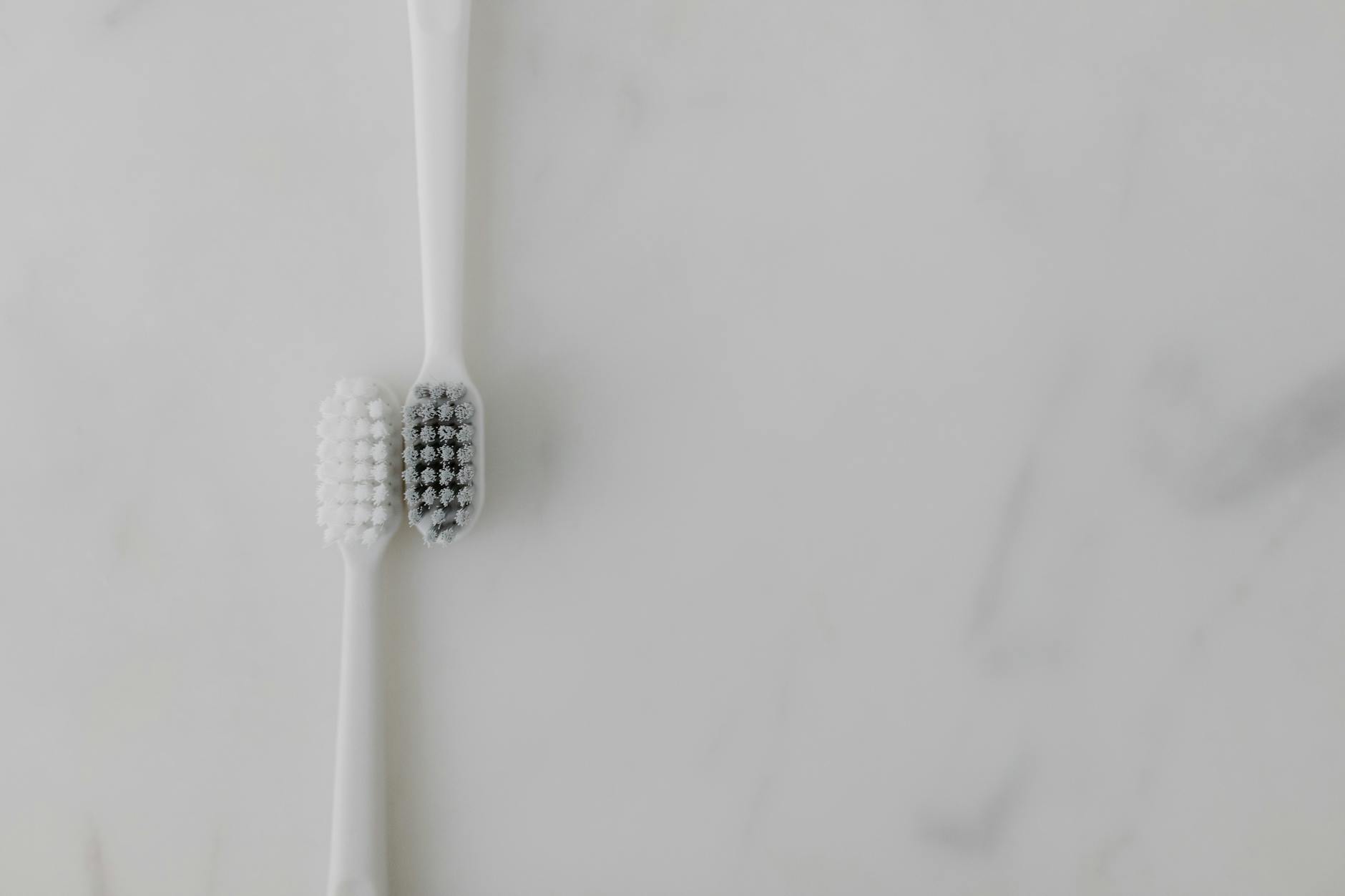
Standard electric toothbrushes fall into two main categories: oscillating-rotating heads (which spin and counter-rotate in small circles) and sonic toothbrushes (which vibrate at 30,000 to 40,000 strokes per minute using high-frequency side-to-side motion). A third, less common type uses ultrasonic frequencies above 20 kHz.
The mechanical advantage of powered brushes comes from two sources. First, the brush head does most of the physical work, removing the variability of human scrubbing technique. Second — particularly with sonic models — the fluid dynamics created by high-frequency vibration can disrupt plaque communities up to 4 mm beyond where the bristles physically touch, reaching into interdental spaces that a manual brush cannot easily access.
Most modern electric toothbrushes also include a built-in two-minute timer, and many have pressure sensors that alert users when they are pressing too hard. Both features address the two most common manual-brushing errors: brushing for too little time (the average person brushes for 46 seconds without a timer) and brushing with excessive force, which can cause gum recession and enamel erosion over time.
The oscillating-rotating design has the most robust evidence base among electric toothbrush types. Multiple independent meta-analyses have found it outperforms sonic brushes in head-to-head plaque removal comparisons, though the difference is modest and many dental professionals consider both types clinically effective.
The Case for Manual Toothbrushes
Electric toothbrushes dominate the clinical data, but manual brushes have a strong and legitimate case for millions of people. The manual toothbrush benefits are practical, economic, and in some contexts genuinely clinical.
Cost. A quality manual toothbrush costs between $2 and $8 and should be replaced every three months — an annual cost of roughly $8 to $32. Entry-level electric toothbrushes start around $30 to $50 for the handle, with replacement heads at $5 to $15 each, replaced every three months. Premium models from major brands can cost $150 to $250 up front. For budget-conscious households or families with multiple children, that cost differential is meaningful.
Travel and portability. A manual brush requires no charging, no carrying case for a charging dock, and no voltage-adapter considerations in international travel. For frequent travellers, this is a genuine convenience advantage.
Control and sensitivity. Some people with very sensitive teeth or recovering gum tissue find that they have more tactile control with a manual brush, allowing them to apply gentle, precise pressure in specific areas. This is especially true for patients in periodontal recovery who need to carefully navigate around inflamed tissue.
Technique ceiling. With proper technique — the modified Bass method, angling the brush 45 degrees toward the gumline, using short circular motions, covering each quadrant for 30 seconds — a manual toothbrush can remove plaque effectively enough to satisfy most clinical standards. The challenge is that most people do not use proper technique, which is exactly where electric brushes compensate.
What Dentists Actually Recommend
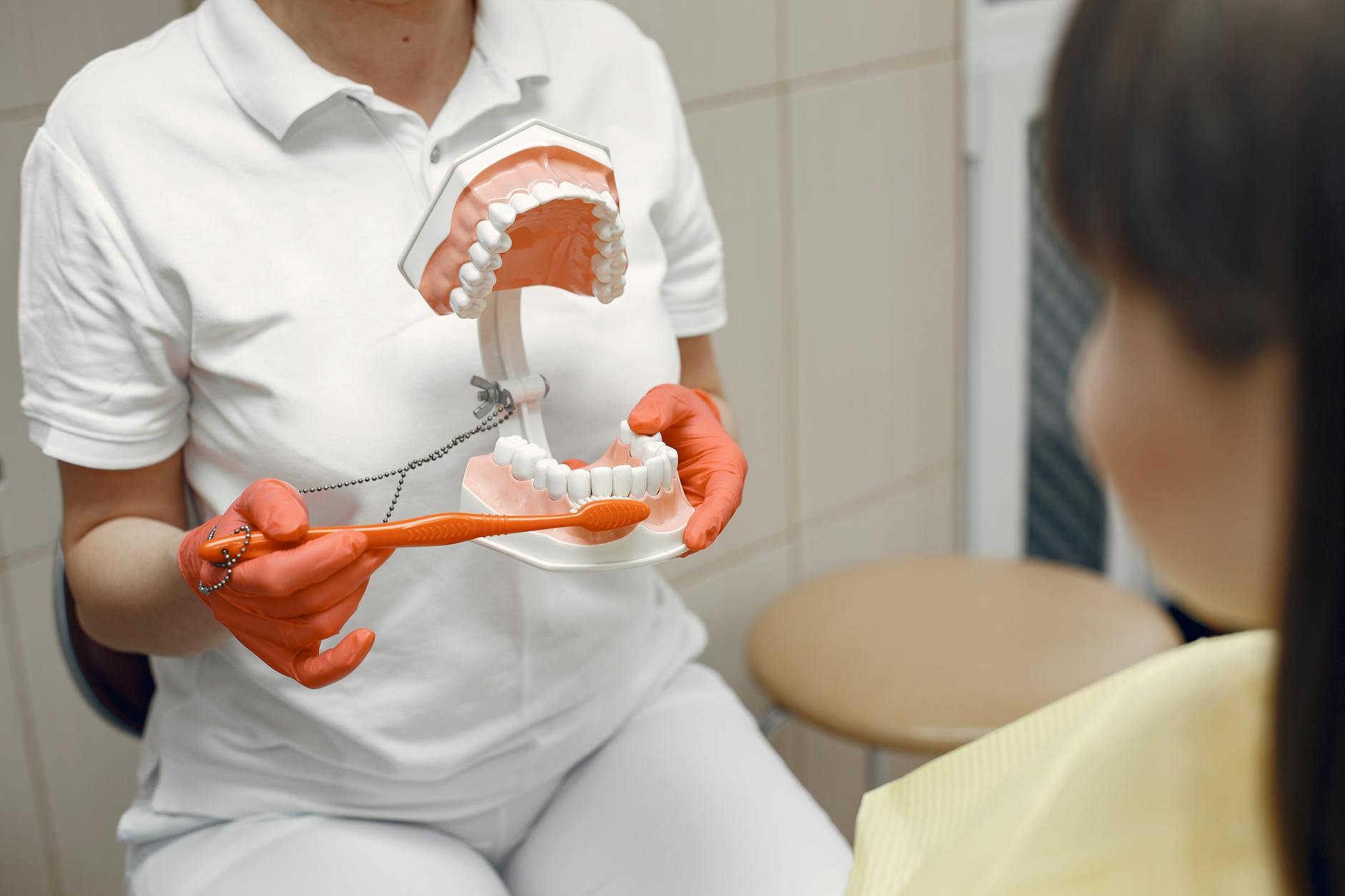
Survey data from professional dental organisations consistently shows that the majority of dentists recommend electric toothbrushes when asked which is most effective. A 2022 survey by the American Dental Association found that approximately 70% of dentist respondents said they personally used an electric toothbrush, and a similar proportion recommended them to patients with moderate to high plaque accumulation or early gum disease.
However, dental professionals are quick to add important nuance. The standard clinical position — summarised well by the British Dental Association — is that "the best toothbrush is the one you will use correctly and consistently." Dentists frequently recommend electric brushes specifically to patients who:
- Struggle to maintain consistent manual brushing habits
- Have early-stage gingivitis or are diagnosed with periodontitis
- Have limited dexterity due to arthritis, injury, or disability
- Are children or adolescents still developing brushing habits
- Wear orthodontic appliances that make plaque control more difficult
- Consistently brush for less than two minutes
For patients who already demonstrate excellent manual technique and come in for cleanings with minimal plaque buildup, most dentists are comfortable with a manual brush and do not push an upgrade. The clinical threshold for recommending an electric brush is typically tied to actual plaque levels, not to the tool itself.
It is also worth noting that no major dental organisation — including the American Dental Association, the British Dental Association, or the World Dental Federation — has issued a blanket recommendation that everyone should switch to electric. The formal position of all three bodies is that both types are acceptable when used correctly.
Head-to-Head: Key Factors Compared
| Factor | Manual Toothbrush | Electric Toothbrush |
|---|---|---|
| Plaque removal | Good with correct technique | Clinically superior on average (21% more in Cochrane review) |
| Gum health | Adequate; risk of recession if pressure is too high | Better average outcomes; pressure sensors help prevent damage |
| Ease of use | Requires good technique; no guides | Timer and sensors guide proper behaviour |
| Cost (annual) | $8 – $32 | $50 – $120+ (handle + replacement heads) |
| Travel friendliness | Excellent — no charging needed | Requires charging; bulkier to pack |
| Dexterity requirements | Higher — good technique is essential | Lower — helpful for limited mobility |
| Environmental impact | More plastic waste per brush (full unit) | Head-only replacements; battery/electronics waste a factor |
| Children | Fine for older children with supervision | Often recommended; children's models widely available |
A Third Category: Ionic Toothbrushes
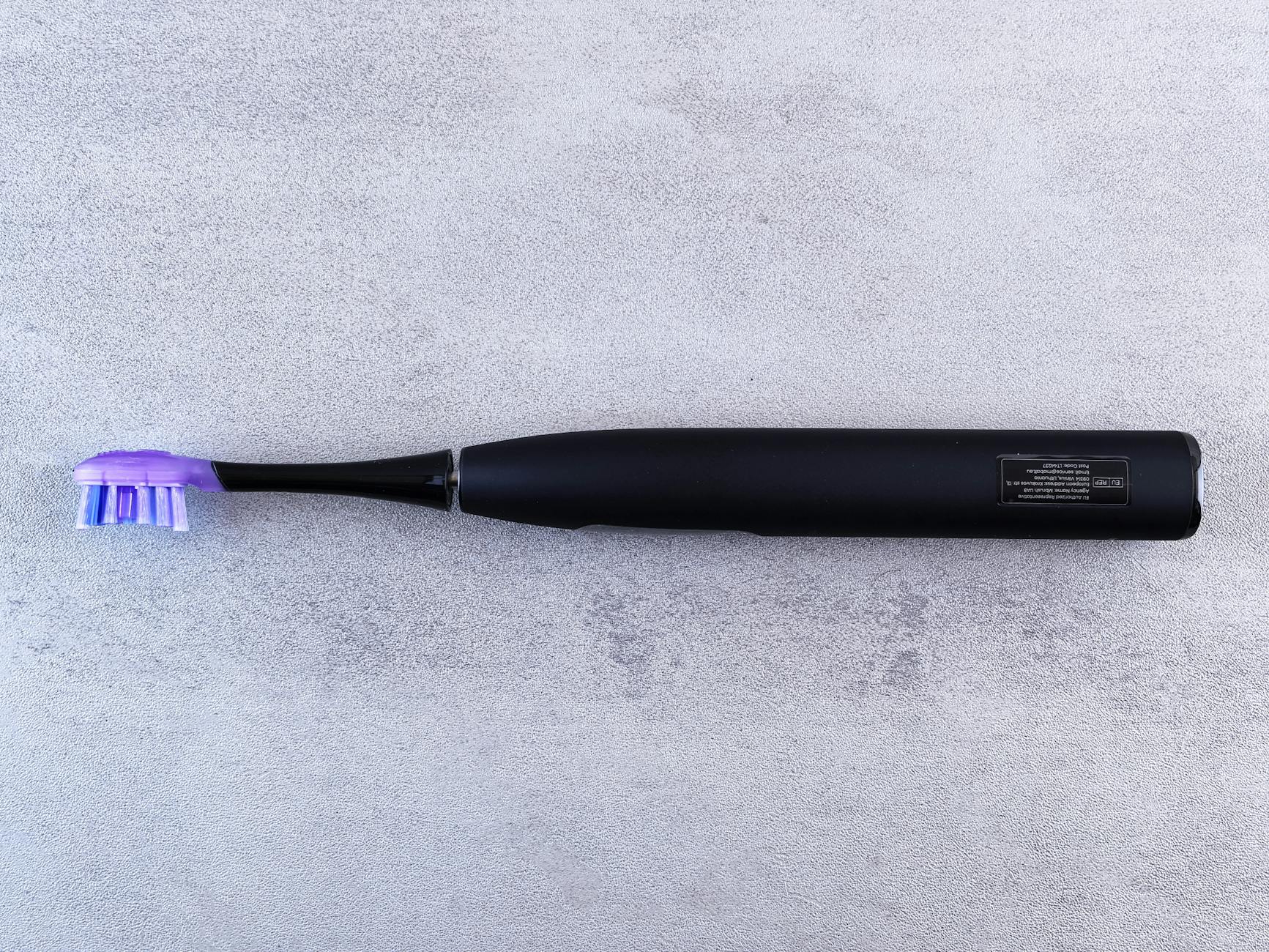
Beyond the standard manual-versus-electric debate, a newer category has been gaining attention among oral health researchers and some dental practitioners: ionic toothbrushes. These devices look like a conventional manual toothbrush but use a small battery or photovoltaic cell to generate a low-level electrical field around the bristles.
The mechanism is based on the electrochemical properties of dental plaque. Plaque biofilm carries a negative electrical charge, and so do tooth surfaces — which means plaque is naturally repelled from teeth to some degree but still adheres through organic bonding. Ionic toothbrushes temporarily reverse the polarity of the tooth surface, making it positively charged, which is claimed to repel the negatively charged plaque more effectively and make bristle removal easier.
The published evidence on ionic toothbrushes is less extensive than for conventional electric models, but several peer-reviewed studies — including a 2003 paper in the Journal of Clinical Dentistry and subsequent small trials — have found that ionic brushes outperform standard manual toothbrushes in plaque index scores, and in some comparisons perform comparably to oscillating-rotating electric brushes, with the advantage of requiring minimal technique and no charging dock.
Ionic toothbrushes occupy an interesting middle ground: they offer technology-assisted cleaning in a form factor that is as compact and travel-friendly as a manual brush. They are not yet widely recommended in mainstream dental guidelines — largely because the research base is smaller than for conventional electric brushes — but they represent a worth-knowing-about development in the which toothbrush is most effective conversation.
Frequently Asked Questions
Key Takeaways
The manual vs electric toothbrush question does not have a single correct answer for every person, but the weight of the clinical evidence points in a clear direction. Here is what the research and the dental profession agree on:
- Electric toothbrushes remove more plaque on average — the Cochrane review found a 21% advantage — and produce better gum health outcomes in long-term studies.
- The advantage is most pronounced when users have poor or inconsistent technique, and narrows when manual users brush correctly for the full two minutes.
- Most dentists recommend electric brushes for patients with plaque issues, gum disease, or limited dexterity, but do not universally mandate a switch for all patients.
- Manual toothbrushes remain a fully valid option for disciplined brushers on a budget, frequent travellers, and anyone who prefers the tactile control they offer.
- Ionic toothbrushes represent an emerging middle-ground category that merits attention as the evidence base grows — offering technology-assisted cleaning in a manual form factor.
- Regardless of which type you choose, the non-negotiables are the same: soft bristles, two minutes of brushing twice daily, replacement every three months, and daily flossing or interdental cleaning.
If you are on the fence, the safest guidance is to ask your own dentist at your next check-up. They can assess your actual plaque levels and gum health and give you a personalised recommendation based on your specific situation — which will always be more valuable than any generalised advice, no matter how well-evidenced.