March Madness Travel Guide 2026: How to Follow Your Team on the Road

There is nothing in American sports quite like March Madness. Sixty-eight teams, three weeks, and a single-elimination format that turns every game into a life-or-death moment for fans who have followed their program all season. For the truly devoted, watching on TV is simply not enough. Following your team from city to city through the 2026 NCAA Tournament is one of the great bucket-list experiences in American sports fandom — chaotic, expensive, exhausting, and utterly unforgettable.
But pulling it off requires real planning. The tournament's single-elimination structure means you may need to book and cancel travel at 48 hours' notice, secure tickets in a frenzied secondary market, drive hundreds of miles between host cities, and do all of it while holding down a job and a phone battery. This march madness travel guide covers everything: last-minute booking strategies, ticket-finding tactics, road trip logistics, and what to expect when you walk into an arena filled with fans from across the country.
Understanding the Tournament Structure Before You Book Anything
The biggest mistake first-time tournament travelers make is booking too far ahead for the wrong round. The NCAA Tournament is divided into rounds that span three weekends, played across a rotating cast of host cities:
- First Four (Play-In Games): Two host sites, played Tuesday and Wednesday of the first week
- First and Second Round: Eight host sites spread across the country, Thursday through Sunday of the first weekend
- Sweet 16 and Elite Eight: Four regional host sites, second weekend
- Final Four and National Championship: One predetermined host city, final weekend
The critical issue is that you do not know which city your team will play in until Selection Sunday — and you only have about five days before the first games tip off. For deeper rounds, you know the regional site in advance but not whether your team will be there. This single fact shapes every decision a traveling fan has to make.
The practical approach most experienced tournament travelers use is a two-stage booking strategy: book refundable hotel rooms and flexible flights as soon as your team makes the tournament, then confirm or cancel once you know the specific matchup. Paying a small premium for cancellable bookings is almost always worth it compared to the cost of nonrefundable travel to a game your team does not play in.
Booking Last-Minute Travel: What Actually Works
Speed matters more than almost anything else in tournament travel. The window between Selection Sunday and the first games is narrow, and prices on flights, hotels, and rental cars spike sharply within 24 hours of bracket reveal. Here is how to move fast and smart.

Flights
Set up fare alerts on Google Flights for every potential first-round host city as soon as bracket projections start circulating in early March. When Selection Sunday hits, you will already have a baseline sense of prices and can move immediately. Prioritize flexible or fully refundable fares even if they cost 15–20% more. Southwest Airlines remains one of the best options for tournament travel specifically because of its no-fee change and cancellation policy, which is ideal for the inherent uncertainty of bracket travel.
If driving is within range — typically anything under five to six hours — it is often the more practical choice. You avoid airport delays, you can carry more gear, and you can leave on your own timetable after a game ends late. More on road-tripping below.
Hotels
Host cities sell out fast. When a city is announced as a regional site months in advance, local hotels often fill up with team-affiliated travel packages long before the public can book. Your best options are:
- Book early, book refundable. The moment regional sites are announced (usually in the fall), make reservations at properties with free cancellation. You can always cancel if your team does not advance.
- Look outside the immediate downtown. A hotel 10–15 miles from the arena with easy highway access often has availability when downtown is sold out, and rideshares or shuttles cover the gap easily.
- Check VRBO and Airbnb. For groups of four or more traveling together, a rented house near the venue can be cheaper per person than hotel rooms and gives you space to decompress between sessions.
- Call hotels directly. This sounds old-fashioned, but hotel front desks sometimes hold back rooms not listed on booking platforms, particularly for multi-night stays.
Rental Cars
Rental car inventory in tournament host cities evaporates almost as fast as hotels. If you plan to drive once you arrive, book the rental as soon as you book your flight — ideally with free cancellation. Rideshare surge pricing around arena districts on game days can be punishing, so having your own vehicle for the trip between your lodging and the arena is a real advantage.
Finding Tickets: The Secondary Market Reality
Unless your school's athletic department offered you a ticket package through official channels — and most do for their fan base — you are buying on the secondary market. Here is how to approach it without overpaying badly.
StubHub, SeatGeek, Vivid Seats, and TickPick are the main platforms. Each charges different fee structures: TickPick, in particular, displays all-in pricing upfront, which makes it easier to compare actual costs. Always check multiple platforms before purchasing.
A few key points about tournament ticket pricing:
- Session tickets vs. single-game tickets: First and second round games are sold as "session" tickets covering two games. You will see both games regardless of which team you are rooting for. Prices are set before matchups are known, which means a session featuring a top seed in a large media market will command a premium.
- Prices drop on game day. Sellers who have not moved tickets by the morning of a game often drop prices significantly rather than eat the full cost. If you can risk waiting until two to three hours before tip-off, you can frequently find face-value or below-face deals.
- Standing-room and obstructed-view options: Some venues offer these at a significant discount. The atmosphere inside the building is the point — the view from an upper-corner seat at a tournament game still beats watching on television from any angle.
Road-Tripping Between Host Cities
Some of the best march madness travel stories come not from the games themselves but from the drives between them. If your team advances past the first weekend, you may be tracking from your first-round city to a regional site in a completely different part of the country. This is where the road trip dimension of following your bracket really takes shape.

A few practical tips for multi-city tournament road trips:
Map the Bracket Possibilities in Advance
Once you know your team's seed and regional bracket, you can see exactly which cities they would play in through each round. Map those cities before the tournament starts. If your team is seeded in the South Regional and the Final Four is in Phoenix, trace that route. Knowing the geography helps you plan driving distances, decide where to fly versus drive, and identify the midpoints where you might stay overnight between rounds.
Build a One-Day Buffer After Each Game
Games can end late, post-game celebrations run long, and driving five hours the same night as a win is a recipe for exhaustion. Try to build at least one day between rounds for travel, rest, and logistics. The tournament's scheduling actually allows for this in most cases: first-round games end Sunday, Sweet 16 games begin Thursday or Friday, giving you three or four days to reposition.
Pack for a Week, Not a Game
If your team is a legitimate contender and you plan to follow them through multiple rounds, pack as if you are going for seven to ten days. Laundry facilities at hotels or laundromats near host cities exist, but having enough clothing to be comfortable for a full week without scrambling to do laundry between games makes a significant quality-of-life difference on the road.
Have a Backup Plan for Every Game
The harsh reality of tournament travel is that your team loses. Sometimes in the first round. Having a flexible mindset — and flexible bookings — means you can pivot without catastrophic financial loss. Some fans pivot to watching other compelling games at local sports bars, which is its own worthwhile experience. Tournament host cities in the first round are electric even if your team is out, because there are always seven other games happening across the same weekend.
Staying Connected and Charged on the Road
A multi-city tournament run puts real strain on your technology. You are navigating constantly, streaming game updates, coordinating with friends in multiple cities, and posting to social media from arenas with notoriously congested cell networks. A few habits that make a significant difference:
- Download offline maps before you drive. Google Maps and Apple Maps both offer offline download for specific regions. Download the maps for every city on your potential route before you leave home, so you have navigation even when data is slow or congested.
- Carry a portable battery pack. Arena cell usage during a close game drains phones fast. A compact power bank in your pocket or bag means you will not be stranded on a dead battery at tip-off of overtime.
- Use a VPN if connecting to public hotel or arena Wi-Fi. Tournament travel means connecting to a lot of unfamiliar networks. A VPN protects your banking and personal data when you are using the hotel lobby network to book your next set of tickets.
- Set up your phone's mobile hotspot before you need it. Knowing how to quickly enable your hotspot means you can give your car a data connection for navigation when the driver's phone signal is weak.
The Fan Experience: What to Expect Inside the Arena
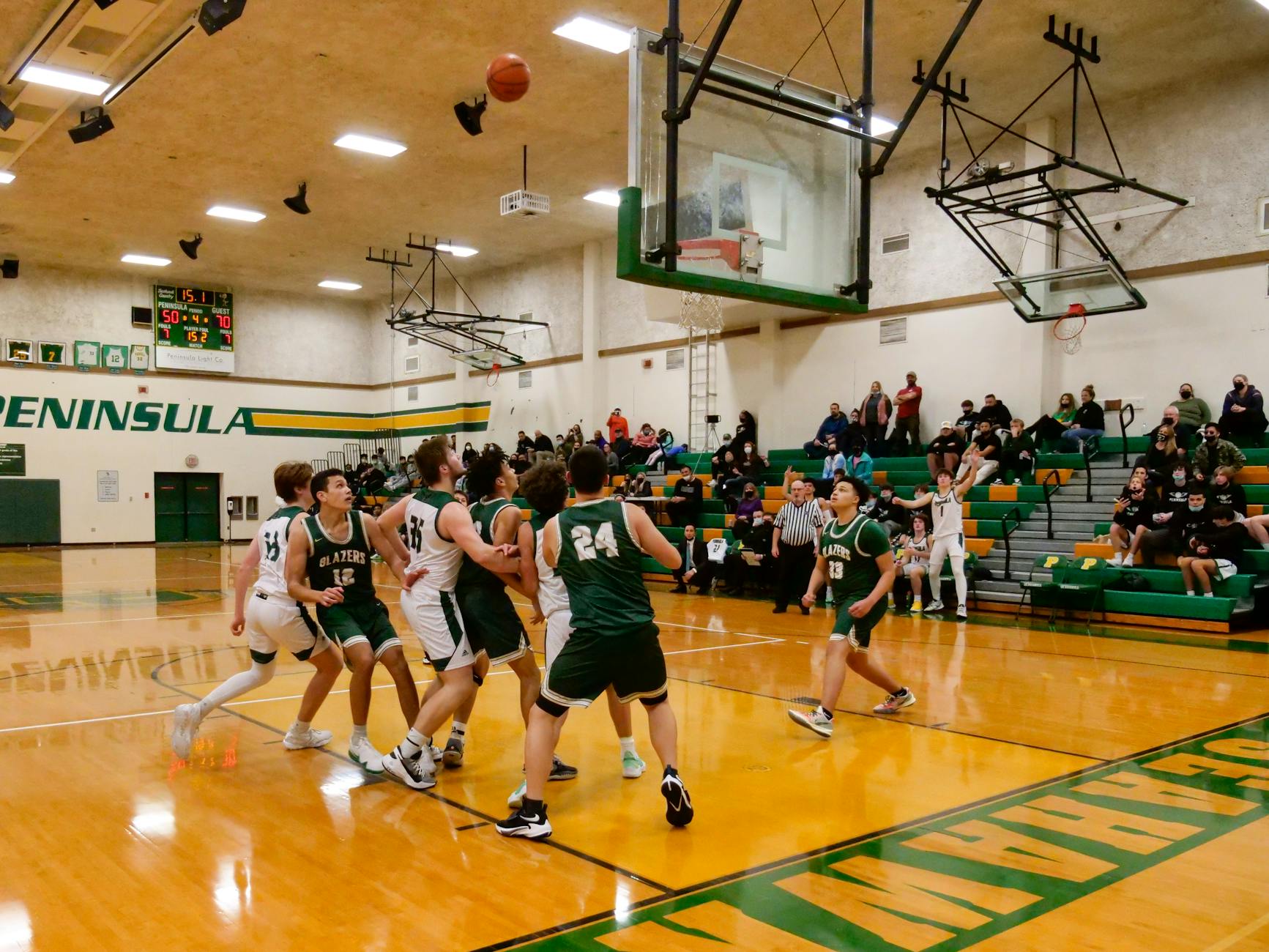
One of the things that surprises first-time tournament travelers is how different the arena experience is from a regular-season game. In the regular season, you are surrounded almost entirely by fans of the home team. At a tournament venue, particularly in the first two rounds where two games are played in a single session, the arena is shared by four different fan bases across the day. The atmosphere is somewhere between a playoff atmosphere and a college sports festival.
A few things to know about the in-arena experience:
- Arrive early for both sessions. If you have a session ticket, the first game often features the best neutral-crowd atmosphere of the day. Early arrivals get better concession lines, better entry queues, and the full experience of watching fans filter in from all over the country.
- The neutral-site atmosphere is unique. Unlike a home game where the crowd is uniformly partisan, tournament games at neutral sites often have sections of fans genuinely split. Sitting near a cluster of opposing fans, surprisingly, makes the game more intense and enjoyable — especially when the game is close.
- Bring cash. Many arena vendors accept only cash for the fastest lines. ATM fees inside arenas are punishing, so pull cash before you go in.
- Noise rules in the building. The tournament's single-elimination pressure creates a noise level in close games that is hard to replicate anywhere else. Wear earplugs if you are sensitive to sound — the final minutes of a tight tournament game in a full arena are legitimately loud.
Meeting Fans From Across the Country
One of the underrated joys of march madness fan travel is the people you meet. The tournament draws fans from every corner of the country to the same cities, the same sports bars, and the same arena concourses. You will find yourself talking college basketball with strangers from programs you have never followed, sharing a bar with fans whose team just played the night before, and comparing notes with someone who has been doing this for twenty years.
The post-game bar scene in tournament host cities is particularly special. Winning fans and losing fans end up in the same places, and the shared experience of having just watched a tournament game — with all the emotional stakes that entails — creates a kind of instant common ground that is rare in other settings. Lean into it. Some of the best conversations in sports happen in the sports bars of cities like Spokane, Memphis, or Indianapolis on a first-round Friday night.
The culture around following your team through march madness also includes a tradition of fan-to-fan generosity that is worth noting. If you are wearing your school colors and you look lost, someone will help you. If you just watched your team lose in heartbreaking fashion, someone from a rival fan base will probably buy you a drink. Tournament travel creates a shared community among people who take college basketball seriously, and that community is genuinely welcoming.
A Note for International Fans Visiting the US for March Madness
The 2026 NCAA Tournament is drawing increasing interest from international fans, particularly from countries where college basketball has a growing following — including Canada, Australia, several European nations, and parts of Latin America and Asia. If you are traveling from outside the United States specifically to attend tournament games, a few additional considerations apply.

Language and Communication
While English is the dominant language at every tournament venue, the fast-paced, slang-heavy nature of American sports culture can genuinely confuse first-time visitors — even those who speak excellent English. A few things that trip up international fans:
- Tournament terminology: "The bubble," "bracketology," "Cinderella," "chalk," and "the number of a team's seed" all have specific meanings that are not obvious to anyone outside the American college sports ecosystem. Spending time on ESPN or NCAA.com in the week before you arrive helps enormously.
- Arena announcements: In-arena announcements move quickly. If you miss a call or a change, the people around you are almost always happy to explain what just happened.
- Translation apps for daily logistics: While you will not need them for the games themselves, having Google Translate or a similar app loaded on your phone is useful for reading menus, navigating transit systems, and communicating in areas outside the main downtown core of host cities.
Practical Entry and Logistics
Ensure your visa or ESTA approval is secured well in advance — this is not something to leave until the last minute when you are scrambling to book tournament travel. The ESTA application for visa-waiver eligible countries typically processes within 72 hours but can take longer during busy periods. For countries requiring a tourist visa, allow several weeks.
US domestic transportation can also be disorienting for international visitors. Unlike many European or Asian cities, most US tournament host cities are not walkable from major airports, and public transit connections to arena districts vary widely. In most cases, renting a car or relying on rideshares like Uber and Lyft is the practical solution. Download both apps before you arrive and add your payment method in advance so you are not setting up an account in the arena parking lot at midnight.
Finally, the tipping culture in the United States applies at sports bars, restaurants, and for rideshare drivers. Fifteen to twenty percent on food and drinks is standard, and rideshare tip prompts will appear after every ride. Factor this into your daily budget — it adds up meaningfully across a week-long tournament trip.
Budgeting Realistically for a Tournament Run
Following a team deep into the NCAA Tournament road trip experience is not cheap. Here is a rough framework for thinking about costs across a deep run:
- First round (two games): Session tickets typically range from $80–$300 on the secondary market depending on the matchup. Hotel for two nights in a mid-tier host city runs $150–$250 per night. Add flights or fuel costs.
- Sweet 16 / Elite Eight: Tickets rise sharply as the bracket narrows. Sweet 16 tickets for popular programs can run $200–$600. Regional host cities are predetermined, so hotel options are somewhat better.
- Final Four: The most expensive destination of the run. Final Four tickets regularly sell for $400–$1,500+ on the secondary market. The host city is announced years in advance, so hotels and flights can be booked early at better rates if you believe your team has Final Four potential.
A realistic budget for following a team from first round to Final Four — a scenario that requires advance planning and some good luck — typically runs $3,000–$6,000 per person including tickets, travel, lodging, and food. That sounds like a lot. For fans who have followed their program for decades, most will tell you it was worth every dollar.
Key Takeaways
Following your team through the 2026 March Madness bracket is one of the great experiences American sports fandom has to offer. It demands flexibility, speed, and a willingness to spend money on experiences that may be over in 40 minutes if a buzzer beater does not fall your way. But the combination of live tournament basketball, new cities, fans from across the country, and the shared electricity of single-elimination stakes creates something genuinely irreplaceable.
- Book refundable travel as soon as Selection Sunday hits — move fast, pay a small premium for flexibility
- Use the secondary market strategically: game-day prices often drop significantly in the final hours before tip-off
- Map the bracket possibilities before the tournament so you understand your potential route city by city
- Build buffer days between rounds for travel, rest, and logistics
- Keep your devices charged and download offline maps for every potential host city before you leave home
- International fans should sort visas, rideshare apps, and tipping norms before arrival
- Embrace the shared community — tournament travel puts passionate fans in the same spaces, and the conversations and connections are part of the experience
The bracket is unpredictable. That is the whole point. Pack your bag, set your out-of-office, and be ready to go wherever your team takes you.