NBA Explained: A Beginner's Complete Guide to Understanding Basketball
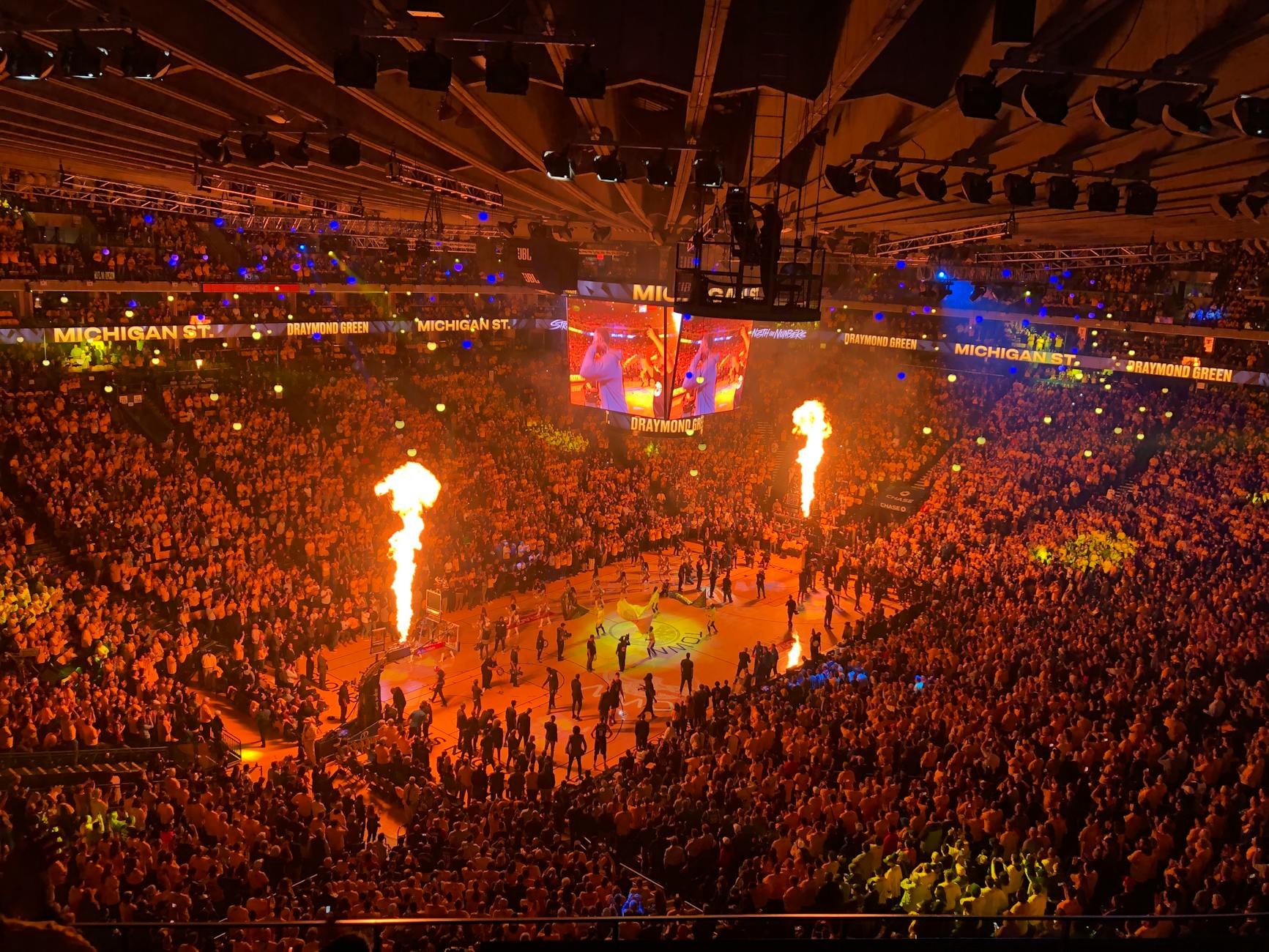
If you've ever sat down to watch an NBA game and felt completely lost — you're not alone. NBA explained simply is one of the most searched phrases among new sports fans, and for good reason. The game is fast, the rules are layered, and the league structure can feel genuinely confusing at first glance. This guide breaks everything down from scratch: how the league is organized, how a game actually works, what all those rules mean, and how to find a team you'll want to root for. By the end, you'll be watching with real understanding — not just polite nodding.
What Is the NBA and How Is It Structured?
The National Basketball Association, or NBA, is the premier professional basketball league in the world. Founded in 1946, it currently has 30 teams spread across the United States and Canada. Every team plays in an arena that seats roughly 18,000 to 21,000 fans, and the league runs from October through June each year.
The 30 teams are divided into two conferences — the Eastern Conference and the Western Conference — each with 15 teams. Within each conference, teams are further grouped into three divisions of five teams. Here's what that looks like at a glance:
- Eastern Conference: Atlantic Division, Central Division, Southeast Division
- Western Conference: Northwest Division, Pacific Division, Southwest Division
The divisional structure mostly affects scheduling — teams play their division rivals more frequently. For practical purposes as a beginner, the most important split to understand is East vs. West, because those two conferences stay largely separate until the NBA Finals.

Each team has a roster of 15 players, though only 13 can be active on game day. Teams are run by a head coach, a general manager (who makes roster decisions), and an ownership group. The league itself is governed by the Commissioner, a role currently held by Adam Silver.
How a Regular Season NBA Game Works
Understanding basketball at the NBA level starts with understanding the basic structure of a single game. Here's everything you need to know before tip-off.
Quarters and Game Time
An NBA game is divided into four quarters, each 12 minutes long. That makes a regulation game 48 minutes of play — though real-world games take about 2 to 2.5 hours due to timeouts, free throws, and stoppages. Each team gets seven timeouts per game (limited to four in the fourth quarter). If the score is tied after 48 minutes, the game goes to overtime, an extra 5-minute period. As many overtime periods as needed are played until a winner emerges.
The Shot Clock
One of the rules that confuses beginners most is the 24-second shot clock. Every time a team gains possession of the ball, a 24-second timer starts. The team must attempt a shot that hits the rim before those 24 seconds expire, or possession is handed to the other team. This rule exists to keep the game moving and prevent teams from holding the ball indefinitely. The shot clock resets to 14 seconds (not 24) after an offensive rebound.
How Points Are Scored
Points in basketball come in three varieties:
- 1 point — a free throw, awarded after certain fouls
- 2 points — any field goal made from inside the three-point arc
- 3 points — any shot made from beyond the three-point arc (roughly 23 feet 9 inches from the basket)
Fouls and Free Throws
When a defender makes illegal physical contact with an offensive player, it's called a personal foul. Each player is allowed six personal fouls per game before fouling out (being disqualified for the rest of that game). When a team accumulates five fouls in a quarter, the opposing team enters the bonus — meaning any subsequent foul results in free throw attempts, regardless of whether it happened during a shot.
Key NBA Rules That Confuse Beginners
Even fans who have watched casually for years sometimes misunderstand these rules. Here's a plain-language breakdown of the ones that come up most often.
Traveling
Traveling is called when a player takes too many steps without dribbling the ball. The basic rule: you can take one "gather step" as you pick up your dribble, and then two more steps before you must shoot or pass. The NBA's interpretation of traveling has loosened significantly over the years — what looks like too many steps to a new viewer is often within the rules once you understand what a gather step is.
Flagrant Fouls
Not all fouls are equal. A flagrant foul is called when contact is deemed excessive or unnecessary. There are two levels: Flagrant 1 (unnecessary contact, results in two free throws plus possession) and Flagrant 2 (excessive or dangerous contact, which also results in ejection). These calls are frequently reviewed by officials using instant replay.
The Challenge Rule
Since 2019, NBA head coaches have been allowed one coach's challenge per game. A coach can use it to dispute a called foul, a goaltending call, or an out-of-bounds ruling. The play goes to replay review, and if the coach wins the challenge, the call is overturned and the challenge is retained. If the coach loses, that's their one challenge gone for the game. It adds a real strategic element to late-game situations.
Goaltending and Basket Interference
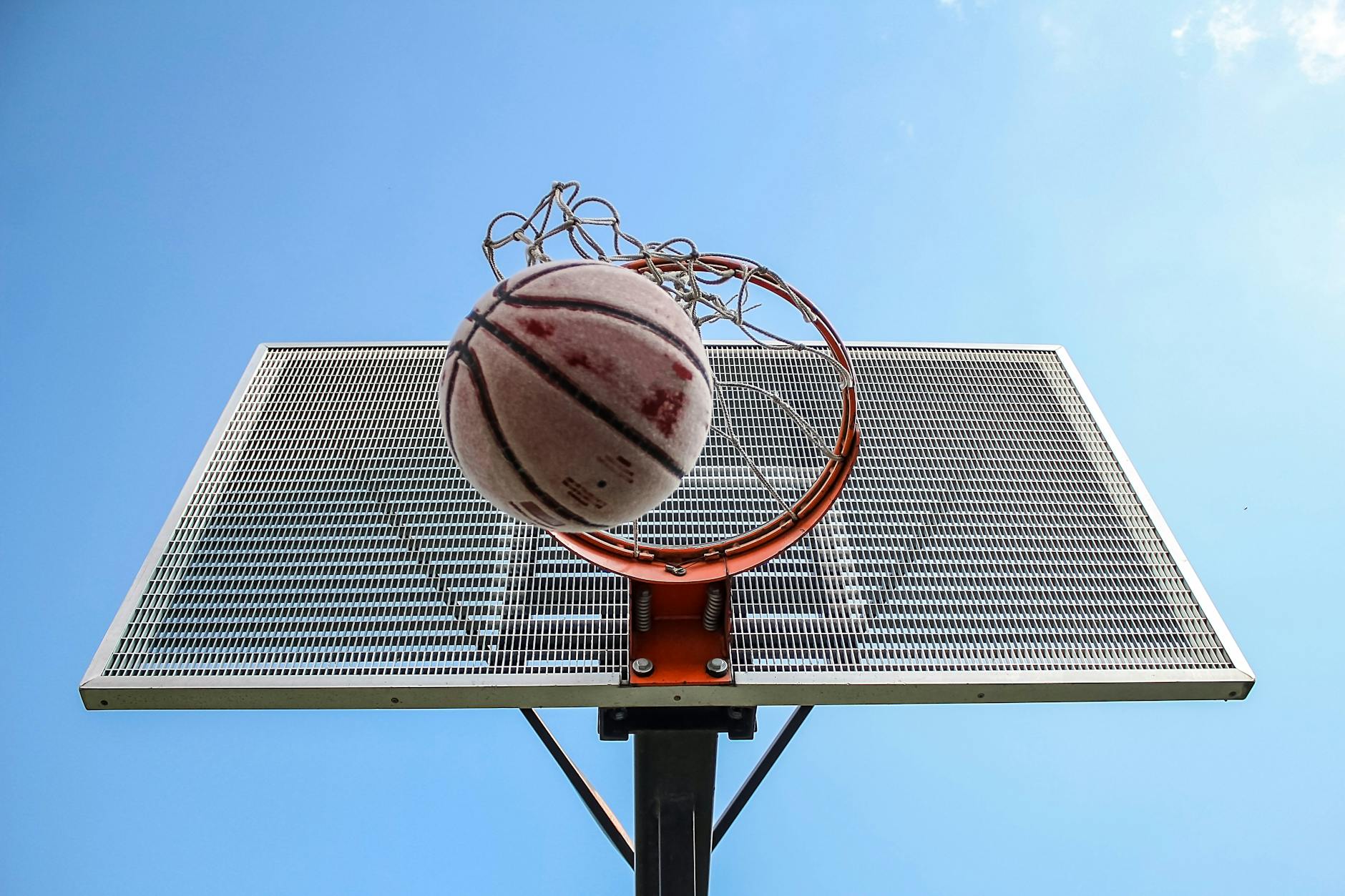
Goaltending occurs when a defender touches the ball while it is on a downward arc toward the basket, or while it is in the cylinder above the rim. If goaltending is called, the offensive team is automatically awarded the points for that shot. Basket interference applies to both teams — neither team can touch the rim or the ball while it is in the cylinder.
The Three-Second Rule
An offensive player cannot stand in the painted area (also called "the lane" or "the key") under the basket for more than three consecutive seconds while their team has possession. This rule prevents big players from simply camping under the basket waiting for a pass. There is also a defensive three-second rule — a defender cannot stay in the paint for three seconds unless actively guarding a player near them.
The Five Positions and What Each Player Does
Understanding basketball positions is one of the most useful things a new fan can learn because it gives you a framework for watching the game. Each position has a general role, though modern NBA basketball has blurred these lines significantly.
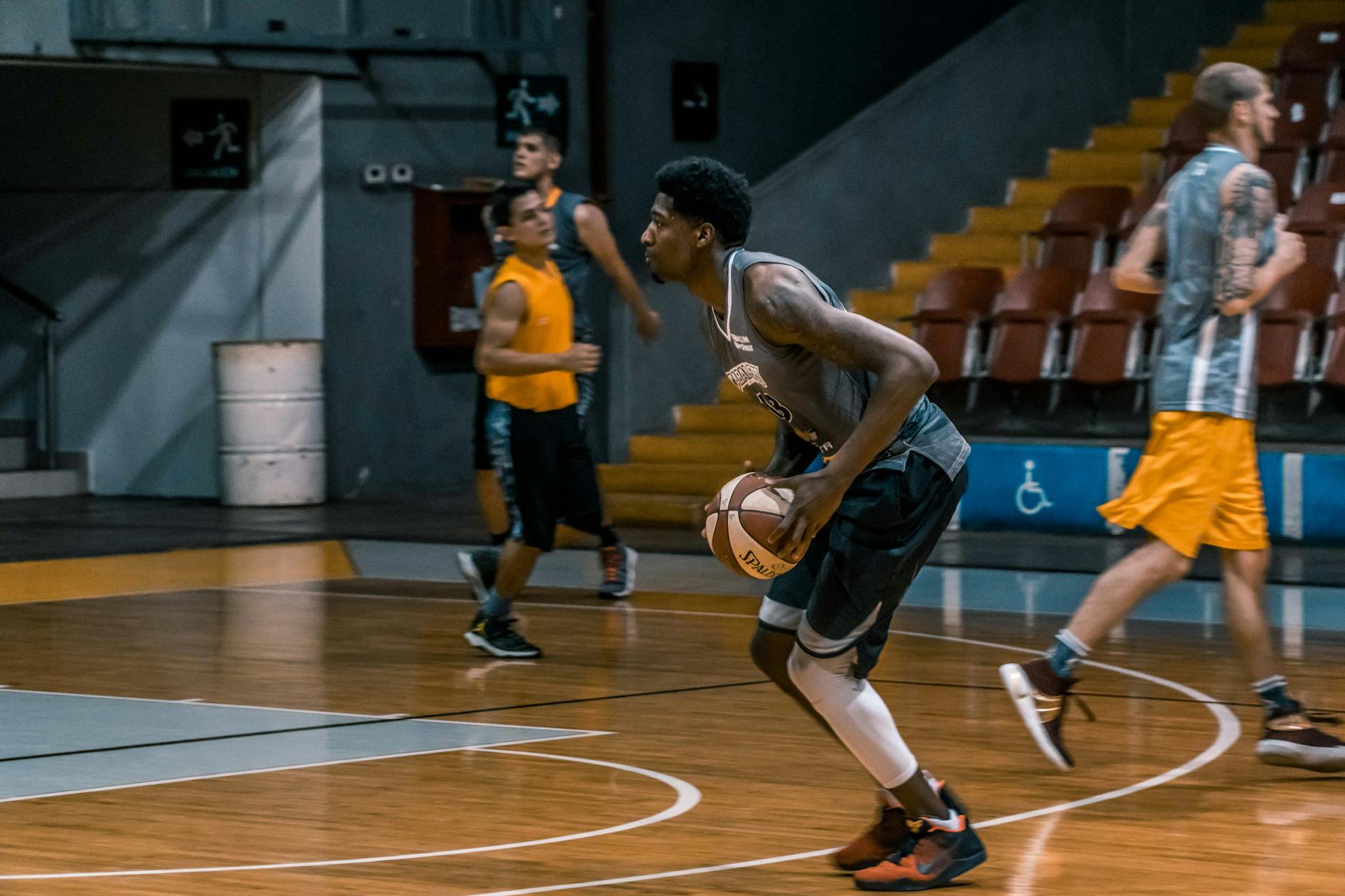
The five traditional positions are:
1. Point Guard (PG)
The quarterback of the team. The point guard handles the ball, runs the offense, and makes decisions about when to shoot, pass, or create plays. They are typically the fastest player on the court and the best passer. Famous examples: Stephen Curry, Luka Doncic, Chris Paul.
2. Shooting Guard (SG)
Typically the team's best perimeter scorer. Shooting guards are expected to knock down outside shots and create their own offense off the dribble. Famous examples: Kobe Bryant (retired), Devin Booker, Donovan Mitchell.
3. Small Forward (SF)
The most versatile position on the floor. Small forwards must be able to score inside and outside, guard multiple positions, and contribute on the glass. Famous examples: LeBron James, Jayson Tatum, Kevin Durant.
4. Power Forward (PF)
Traditionally a physical player who works close to the basket — setting screens, grabbing rebounds, and scoring in the post. In today's NBA, many power forwards are also three-point threats. Famous examples: Giannis Antetokounmpo, Anthony Davis, Pascal Siakam.
5. Center (C)
The tallest player on the floor, usually stationed near the basket. Centers protect the rim on defense, rebound aggressively, and score from close range. Many modern centers have also developed perimeter shooting. Famous examples: Nikola Jokic, Joel Embiid, Karl-Anthony Towns.
In modern NBA basketball, you'll hear the term "positionless basketball" — meaning rosters are increasingly built around versatile players who can do multiple things, rather than specialists locked into a single role. Don't worry too much about strict position labels; focus instead on what each individual player does well.
How the Playoff System and NBA Finals Work
The regular season runs from October through April and consists of 82 games per team. At the end of the regular season, the top teams from each conference advance to the playoffs.
The Play-In Tournament
Introduced in 2021, the play-in tournament involves teams finishing 7th through 10th in each conference. The 7th-place team plays the 8th-place team; the winner earns the 7th seed in the playoffs. The 9th-place team plays the 10th-place team; the loser is eliminated. The 8th seed is determined from a second round of these games. This gives more teams a genuine shot at the postseason and keeps late-season games meaningful.
The Playoffs Bracket
The playoffs feature 16 teams total — 8 from the East, 8 from the West. Games are played in a best-of-seven format, meaning the first team to win four games in a series advances. The bracket structure is:
- First Round: 8 matchups (1 vs 8, 2 vs 7, 3 vs 6, 4 vs 5) in each conference
- Conference Semifinals: 4 matchups (winners from first round)
- Conference Finals: 2 matchups, one in each conference — determines the Eastern and Western champions
- NBA Finals: The Eastern Conference champion vs. the Western Conference champion — best-of-seven for the championship
The team that wins the NBA Finals is awarded the Larry O'Brien Championship Trophy. Every player on the winning roster and coaching staff also receives a championship ring — a custom-designed piece of jewelry that has become one of the most coveted symbols in American sports.
What Makes an MVP, All-Star, and Hall of Famer?
Once you understand the basics of how the NBA works for beginners, the next layer is understanding the awards and honors that give the season its storylines.
The MVP Award
The Most Valuable Player award is voted on by a panel of sportswriters and broadcasters at the end of the regular season. There is no formal definition of "most valuable," which makes it one of the most debated topics in basketball every year. In practice, the award typically goes to a player who was both individually dominant and whose team performed well in the standings. A player on a struggling team rarely wins the MVP, regardless of personal statistics.
The All-Star Game
Every February, the NBA pauses its regular season for All-Star Weekend. Fan votes, player votes, and media votes determine which players are selected as "All-Stars" — the 24 best players in the league at that point in the season. Being named an All-Star is a significant individual honor and often used as a benchmark for career achievement ("He's a five-time All-Star," etc.). All-Star Weekend also includes the Slam Dunk Contest, the Three-Point Contest, and other skills competitions.
The Hall of Fame
The Naismith Memorial Basketball Hall of Fame in Springfield, Massachusetts is the highest individual honor in the sport. Inductees are not limited to NBA players — it includes international players, coaches, referees, and women's basketball legends. To be eligible, players must be retired for at least four years. Induction is a recognition of an entire career, not a single season, and is considered the ultimate validation of a basketball life well lived.
Other Notable Awards
- Defensive Player of the Year (DPOY): Awarded to the best defender in the league
- Rookie of the Year (ROY): Best first-year player
- Sixth Man of the Year: Best player who comes off the bench (not a starter)
- Most Improved Player (MIP): The player who showed the biggest leap in performance
- Finals MVP: The best performer in the NBA Finals — goes to a player on the winning team
How to Pick a Team to Follow
One of the great joys of becoming an NBA fan is choosing a team. There's no wrong answer, but here are a few frameworks that tend to work well for beginners.
Local team first. If there's an NBA franchise in or near your city, that's the most natural starting point. Going to games, hearing the team mentioned on local news, and meeting other fans in your area all become easier when you root for the home team. Cities with NBA teams include major metros like New York, Los Angeles, Chicago, Miami, Boston, and Toronto, as well as many mid-size cities like Oklahoma City, Memphis, and Salt Lake City.
Follow a player you find compelling. Sometimes a single player's style of play grabs you — the elegance of a particular shooter, the physicality of a dominant big man, the creativity of a ball-handler. If a player catches your eye, following their team is an entirely valid way to pick a side.
Pick a team with a winning tradition. If you want to watch playoff basketball from the start, following franchises with strong recent records — teams that consistently qualify for postseason play — means more high-stakes games. Teams like the Boston Celtics, Golden State Warriors, Miami Heat, and Denver Nuggets have been regular playoff contenders in recent years.
Pick an underdog. Alternatively, some fans find it more emotionally rewarding to root for a team that is rebuilding — a franchise gathering young talent with championship ambitions still a year or two away. Following a young team from the bottom up can be deeply satisfying when things finally come together.
Where to Watch NBA Games in 2026
The NBA's broadcast landscape has shifted considerably in recent years. As of the 2025-26 season, here is how fans in the United States can watch games.
National TV broadcasts are split between ABC/ESPN, TNT/truTV, and Amazon Prime Video — the three partners that hold the league's current television rights. Nationally televised games are typically the most prominent matchups of each week, including marquee rivalries, top-team showdowns, and the majority of playoff games. The NBA Finals air on ABC.
League Pass is the NBA's own streaming service, offering live and on-demand access to all out-of-market games. It's available as an app on smartphones, tablets, smart TVs, and streaming devices. League Pass is the best option for fans who want to follow a specific team regardless of where they live, since local market restrictions still apply.
Local market broadcasts — your team's games that aren't on national TV — have moved largely to streaming apps tied to regional sports networks. The specific app or service varies by team and market. Checking your local team's official website is the most reliable way to find out which platform carries their regional broadcasts in your area.
International fans have solid options too. NBA League Pass is available in most countries, and several major international broadcasters carry game packages. The NBA's official app is available globally and often includes highlight packages and condensed game replays for fans in time zones where live viewing is impractical.
Key Takeaways
Understanding the NBA doesn't require memorizing rulebooks or years of casual watching. Once you grasp the basic structure — 30 teams, two conferences, an 82-game regular season, 16-team playoff bracket — and the fundamentals of how a game works, everything else falls into place naturally over time.
The rules that seem confusing at first, like the shot clock, traveling, and goaltending, start to feel intuitive after a few games. The five positions give you a lens for reading what's happening on the court. And once you have a team to root for — whether it's your local franchise, a player you admire, or an underdog you believe in — the entire season takes on a different texture.
Basketball rewards attentive watching. The more you understand, the more you see. And the NBA, at its best, is genuinely one of the most exciting sports in the world to follow. Pick a game, pick a team, and give it a few nights. The rest tends to take care of itself.