Non-Surgical Skin Tightening: Every Option Compared (Costs, Results, and Who Each Is For)
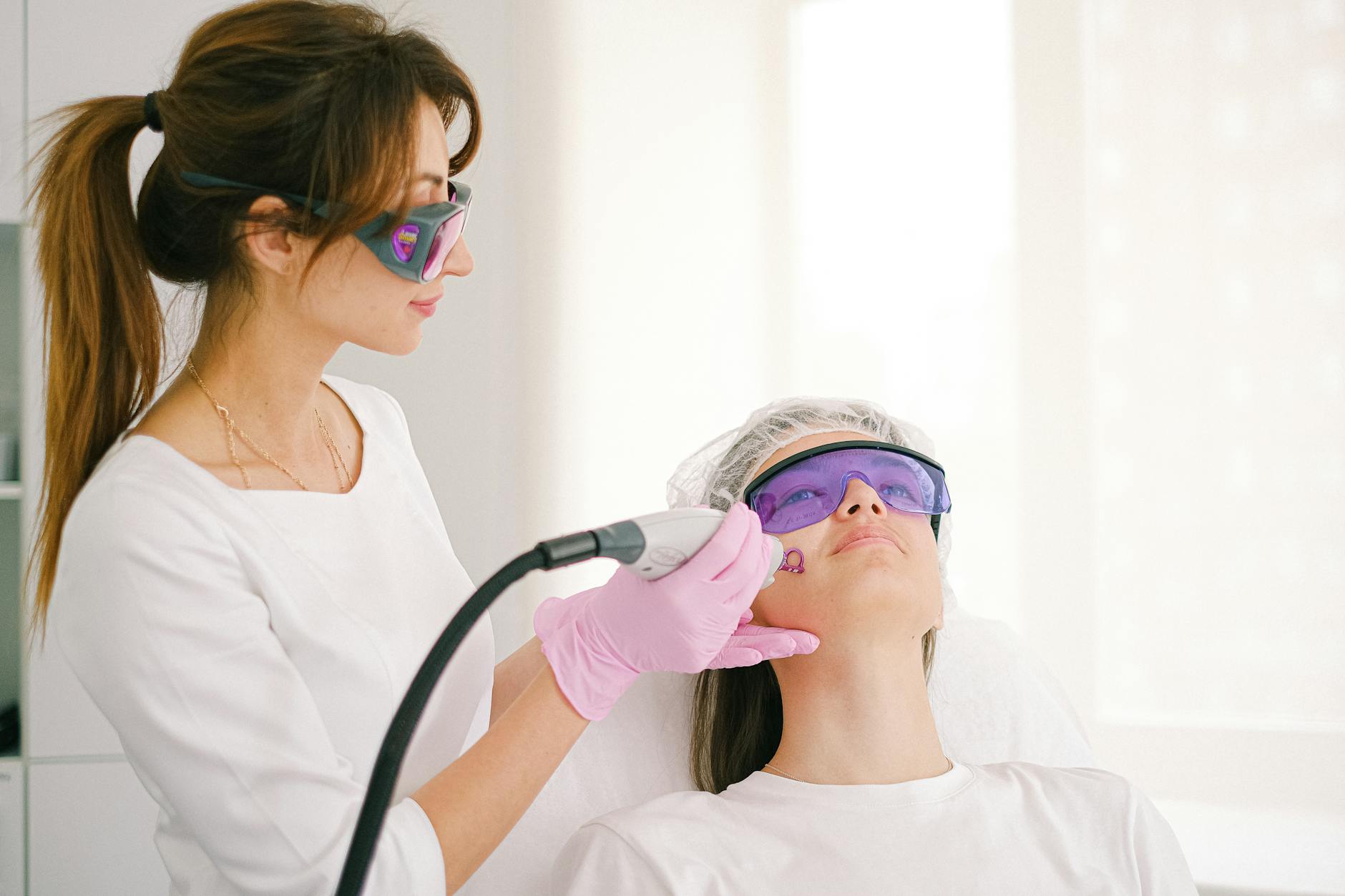
If you've been researching non-surgical skin tightening options, you've almost certainly encountered a wall of confusing brand names, conflicting price quotes, and vague before-and-after photos that don't tell you much. Ultherapy. Thermage. Morpheus8. RF microneedling. Red light therapy. The list goes on — and so do the price tags.
This guide cuts through the noise. Below, you'll find a plain-English breakdown of every major non-invasive skin tightening method available today: how each one works at a biological level, what it realistically costs, how much downtime to expect, who it actually works for, and what kind of results you can expect — and when. Whether you're exploring professional in-clinic procedures or researching at-home body contouring devices, this comparison gives you the information you need before spending a single dollar.
Why Skin Loosens — and What Tightening Treatments Actually Target
Before comparing treatments, it helps to understand why skin loses firmness in the first place. The answer comes down to two structural proteins: collagen and elastin. Collagen provides the scaffolding that keeps skin plump and firm. Elastin gives skin the ability to snap back after being stretched. Together, they're responsible for that taut, youthful texture most people want to restore.
From your mid-20s onward, the body produces roughly 1% less collagen per year. UV exposure, hormonal shifts (especially around menopause), weight fluctuations, and smoking all accelerate this decline. The result: skin that was once tight over the jawline, arms, abdomen, and thighs begins to lose its structure and sag.
Every non-surgical skin tightening treatment on this list works by targeting this collagen loss — either by heating existing collagen fibers to cause them to contract, stimulating the body's own wound-healing response to produce new collagen, or both. The key difference between treatments is how deep they reach and how aggressively they trigger that response.

Ultherapy (Focused Ultrasound)
Ultherapy uses focused ultrasound energy — the same technology used in diagnostic imaging — to deliver precise heat to the deepest layers of the skin, including the SMAS layer (the superficial muscular aponeurotic system), which is the same tissue layer surgeons address in a facelift. This depth is what separates Ultherapy from most other energy-based treatments.
The heat triggers a wound-healing response, stimulating new collagen production over the following three to six months. Because the energy bypasses the skin's surface entirely, there's no external wound and very little downtime.
- Best areas: Face, neck, under-chin ("turkey neck"), brow lifting, upper chest (décolletage)
- Typical cost: $2,000–$5,500 per full-face session; $700–$1,500 for neck or brow only
- Sessions needed: Usually 1–2 per year; results build over 3–6 months
- Downtime: Minimal — mild swelling or tingling for a few days; most people return to work immediately
- Results timeline: Gradual improvement from 3 months; peak results at 6 months
- Ideal candidate: Adults in their 30s–50s with mild to moderate skin laxity, particularly around the jaw, neck, and brows; those who want facial lifting without surgery
- Limitations: Painful during treatment (numbing cream is often used); results are subtle compared to surgery; not effective for severely loose skin
Thermage (Monopolar Radiofrequency)
Thermage was one of the first FDA-cleared radiofrequency treatments for skin tightening, and it remains one of the most widely used. It delivers monopolar radiofrequency energy deep into the dermis, heating collagen fibers to the point where they contract and tighten immediately, while simultaneously triggering new collagen synthesis over the following months.
The latest version, Thermage FLX, uses a larger treatment tip and a vibration mechanism to make the procedure more comfortable than earlier generations.
- Best areas: Face, eyelids, abdomen, thighs, arms, buttocks
- Typical cost: $1,500–$4,500 per session (face); $2,000–$5,000 for body areas
- Sessions needed: Typically just 1 session per year; results develop over 2–6 months
- Downtime: None to minimal; skin may appear slightly red for a few hours
- Results timeline: Some immediate tightening visible; full collagen remodeling peaks at 4–6 months
- Ideal candidate: Adults 35–65 with mild to moderate laxity; body areas like the abdomen and thighs (where Ultherapy is less commonly used); those wanting a single-session protocol
- Limitations: One of the pricier single-session options; requires an experienced provider to avoid uneven results or burns; not sufficient for heavy skin excess
RF Microneedling (Morpheus8, Vivace, Sylfirm X)
RF microneedling combines two proven technologies: microneedling (tiny needles that create controlled micro-injuries) and radiofrequency energy delivered directly through those needles into the deeper dermis. This dual mechanism makes it one of the most versatile and increasingly popular non-invasive skin tightening methods.
Because the RF energy is deposited precisely at depth (the needle length determines how deep), providers can customize the treatment to target superficial texture issues and deep collagen remodeling in the same session. Devices like Morpheus8 can reach 4–8mm into the tissue, which is unusually deep for a non-surgical treatment.

- Best areas: Face, neck, abdomen (loose skin post-pregnancy or weight loss), arms, thighs
- Typical cost: $700–$2,500 per session; most patients need 3 sessions spaced 4–6 weeks apart
- Sessions needed: 3–4 for initial results; annual maintenance sessions recommended
- Downtime: 2–5 days of redness and swelling; pinpoint bleeding immediately after is normal; makeup can usually be worn after 24–48 hours
- Results timeline: Initial improvement in 2–4 weeks; full results after 3–6 months of collagen remodeling
- Ideal candidate: Adults dealing with crepey skin, acne scars, stretch marks, or loose skin on the body; those who want more dramatic results than surface-only treatments; darker skin tones (RF microneedling has a lower risk of post-inflammatory hyperpigmentation than laser)
- Limitations: More downtime than Ultherapy or Thermage; multiple sessions required; not recommended for active acne or certain skin infections
Laser Skin Tightening and Resurfacing
Laser treatments span a wide spectrum, from gentle non-ablative devices that cause no surface damage to aggressive ablative lasers that remove the top layers of skin entirely. For skin tightening specifically, non-ablative fractional lasers (like Fraxel Dual) and ablative fractional CO2 lasers are most commonly used.
Non-ablative lasers heat the dermis without damaging the surface, stimulating collagen with minimal downtime. Ablative fractional CO2 lasers remove micro-columns of skin tissue, triggering a more intense healing response and more dramatic collagen remodeling — but with significantly more downtime.
- Best areas: Face and neck (most common); décolletage; hands
- Typical cost: Non-ablative fractional: $1,000–$2,500 per session; ablative fractional CO2: $2,000–$5,000 per session
- Sessions needed: Non-ablative: 3–5 sessions; ablative: often 1–2 sessions for significant improvement
- Downtime: Non-ablative: 1–3 days of redness; ablative: 5–10 days of peeling, redness, and crusting
- Results timeline: Non-ablative: 3–6 months for full collagen response; ablative: dramatic improvement visible once healed (2–4 weeks), continuing for 6+ months
- Ideal candidate: Non-ablative suits busy individuals wanting gradual improvement; ablative suits those willing to accept downtime for more dramatic results; lighter skin tones respond best to many laser types (caution with darker skin)
- Limitations: Highest downtime of any non-surgical option (ablative); laser treatments carry a higher risk of pigmentation changes in darker skin tones; sun avoidance required before and after
Quick-Reference Comparison Table
| Treatment | Mechanism | Cost Range | Downtime | Results In | Best For |
|---|---|---|---|---|---|
| Ultherapy | Focused ultrasound | $700–$5,500 | None–minimal | 3–6 months | Face, neck, brow lift |
| Thermage | Monopolar RF | $1,500–$5,000 | None | 2–6 months | Face & body laxity |
| RF Microneedling | RF + microneedling | $700–$2,500/session | 2–5 days | 2–6 months | Face, neck, abdomen, arms |
| Laser (non-ablative) | Fractional laser heat | $1,000–$2,500/session | 1–3 days | 3–6 months | Face, neck, texture |
| Laser (ablative CO2) | Tissue removal + heat | $2,000–$5,000 | 5–10 days | Weeks–6 months | Face, dramatic results |
| LED / Red Light Therapy | Photobiomodulation | $0–$500 (at-home) / $75–$200/session (clinic) | None | 3–6 months (consistent use) | Mild laxity, maintenance, sensitive skin |
| At-Home RF Devices | Low-level RF energy | $150–$600 (device cost) | None | 6–12 weeks (consistent use) | Mild laxity, budget-conscious users |
LED and Red Light Therapy for Skin Tightening
LED phototherapy — particularly red light (630–700nm) and near-infrared light (800–1000nm) — works through a process called photobiomodulation. Rather than heating tissue, it uses specific wavelengths of light to stimulate cellular energy production in fibroblasts (the cells responsible for collagen and elastin synthesis). The result is a gradual increase in collagen density over weeks and months of consistent use.
LED therapy is one of the few treatments equally accessible at professional clinics and at home. Professional panels deliver much higher irradiance (light intensity) than consumer devices, but the gap has narrowed significantly in recent years.
- Best areas: Face, neck, décolletage; increasingly used for body areas with larger panel devices
- Typical cost: Clinical sessions: $75–$200 each; at-home devices: $150–$600 for a quality panel
- Sessions needed: 3–5x per week for at-home use; 2–3x per week at a clinic; results require months of consistency
- Downtime: Zero — no heat, no injury, no redness
- Results timeline: Subtle improvements in 6–8 weeks; meaningful tightening visible at 3–6 months of regular use
- Ideal candidate: Those with mild laxity looking for a gentle, zero-downtime option; individuals who want to maintain results from more aggressive treatments; people with sensitive skin who cannot tolerate heat-based procedures; those on a tighter budget who can commit to consistent use
- Limitations: Results are more subtle than thermal treatments; requires ongoing, consistent use — stopping treatment means collagen production returns to its baseline rate; at-home devices are not as powerful as clinical systems
At-Home RF and Body Contouring Devices
Consumer-grade radiofrequency devices — marketed as at-home body contouring devices — have grown significantly in sophistication over the past several years. These handheld tools deliver low-level radiofrequency energy to the skin, heating the dermis to stimulate collagen remodeling. Some devices combine RF with infrared heat, LED light, microcurrent, or EMS (electrical muscle stimulation) in a single unit.
They work on the same fundamental principle as professional RF treatments (Thermage, for example), but at significantly lower energy levels. This makes them safe for unsupervised home use but means results are more gradual and modest than in-clinic counterparts.
- Best areas: Face, neck, arms, abdomen, thighs — anywhere accessible with a handheld device
- Typical cost: $150–$600 for a quality device (one-time purchase)
- Sessions needed: 3–5 sessions per week; 10–20 minutes per area per session
- Downtime: None
- Results timeline: Noticeable firmness improvements in 6–12 weeks with consistent use; continued improvement over 4–6 months
- Ideal candidate: Those with mild to early moderate skin laxity who cannot afford or do not want in-clinic treatments; those who want a cost-effective way to maintain professional treatment results at home; people looking for a skin tightening without surgery cost that fits within a modest budget
- Limitations: Energy output is lower than clinical devices; results are more subtle and require ongoing commitment; quality varies enormously between brands; not appropriate for severe or significant laxity

Alternatives to Arm Lift Surgery: What Actually Works
The upper arms are one of the most common complaint areas for skin laxity — loose, crepey skin that resists diet and exercise. Alternatives to arm lift surgery (brachioplasty) are frequently searched because the surgical version requires incisions along the entire length of the inner arm, significant downtime, and visible scarring.
Here's how the non-surgical options stack up for this specific concern:
- RF microneedling (e.g., Morpheus8) is widely considered the most effective non-surgical option for arms, as it can reach deeper tissue and treat a large surface area. Expect 3 sessions and 3–6 months for meaningful tightening.
- Thermage is another strong contender for arm laxity given its ability to treat large body areas in a single session.
- At-home RF devices are a reasonable starting point for mild laxity or for those not ready to invest in clinical treatment. Results are more modest but come at a fraction of the cost.
- LED therapy alone is generally insufficient for significant arm laxity but can help maintain results after a clinical treatment.
- Surgery remains the only option for significant excess skin (often following major weight loss). Non-surgical treatments cannot remove excess skin — they can only tighten what is there.
The honest answer for arms: if laxity is mild to moderate, non-surgical options — particularly RF microneedling or Thermage — can produce visible improvement. If skin excess is significant, non-surgical treatments will provide limited benefit and a consultation with a board-certified plastic surgeon is worth pursuing.
Ultherapy vs. Radiofrequency: Which Is Better?
The Ultherapy vs radiofrequency skin tightening debate is one of the most common questions in this space. The short answer: they work differently, target different depths, and are often best used together rather than compared as competitors.
Ultherapy reaches the deepest tissue layer (the SMAS), which makes it uniquely effective for true lifting — particularly the brow, jawline, and neck. However, it does not address skin surface texture at all.
Radiofrequency (whether Thermage or RF microneedling) primarily targets the dermis and subdermis. It is better for overall skin quality, tightening, and body areas. RF microneedling also improves surface texture, pore size, and fine lines in a way ultrasound cannot.
In practice, many patients with more significant facial laxity combine both in a single treatment plan — Ultherapy for structural lifting, RF microneedling for skin quality improvement — with their provider spacing them appropriately to avoid over-treating the same tissue.
What Results Are Realistic? Setting Honest Expectations
One of the biggest sources of dissatisfaction with non-surgical skin tightening options is unrealistic expectations. Here's what the research and clinical evidence actually supports:
- Non-surgical treatments cannot replicate surgery. If you have significant excess skin — particularly after major weight loss or multiple pregnancies — energy-based treatments will tighten what is there but cannot remove excess tissue. Surgery remains the only solution for true skin excess.
- Results are gradual. Unlike surgery, where results are immediate, non-surgical treatments work by stimulating collagen remodeling, which takes time. Most patients see their best results 3–6 months after treatment.
- Maintenance is required. Collagen continues to break down with age. A single Thermage or Ultherapy session does not produce permanent results — most patients repeat treatment annually or every 18 months.
- Individual variation is significant. Age, skin condition, lifestyle, and genetics all affect how well any treatment works. A 35-year-old with early jowling will see dramatically better results from Ultherapy than a 65-year-old with significant facial drooping.
- Provider skill matters enormously. Particularly for Thermage and RF microneedling, the technique, settings, and number of passes all affect outcomes. A less experienced provider can undertreat (poor results) or overtreat (burns, irregular texture).
How to Choose the Right Option for Your Budget and Goals
With so many non-invasive skin tightening methods available, the right starting point depends on three factors: the severity of your laxity, your budget, and how much downtime you can tolerate.
Mild laxity (early signs, mainly prevention and maintenance): At-home RF devices and LED red light therapy are entirely reasonable starting points. They will not produce dramatic results, but they can slow the progression of collagen loss, improve skin texture, and complement a good skincare routine — all without spending thousands of dollars.
Moderate laxity (noticeable changes in firmness, skin texture concerns): This is where professional treatments offer meaningful ROI. RF microneedling is arguably the most versatile option at this stage — it addresses both texture and laxity, works on the face and body, and is effective across a wider range of skin tones than laser. Ultherapy is worth considering specifically for the lower face and neck if lifting is a priority.
Significant laxity (sagging jawline, heavy jowls, loose abdominal skin after weight loss): Non-surgical treatments will produce some improvement but have real limits. A consultation with both a board-certified dermatologist and a plastic surgeon is the most useful investment before committing to a treatment plan.
Regardless of where you land on that spectrum, the most important step is a thorough consultation with a qualified, board-certified provider — not just someone who owns the equipment. Ask to see actual before-and-after photos from patients with similar skin concerns, ask about realistic outcomes specifically for you, and be wary of clinics that promise dramatic results without honestly discussing limitations.
Key Takeaways
The landscape of non-surgical skin tightening options has never been broader or more capable than it is today. Here are the most important points to carry into your research:
- Every treatment works by stimulating collagen — the difference is in depth, mechanism, cost, and downtime.
- Ultherapy excels at deep facial lifting; RF microneedling is the most versatile option for face and body.
- At-home RF and LED devices are legitimate tools for mild laxity and maintenance, but cannot match clinical results for moderate-to-significant concerns.
- Non-surgical treatments cannot remove excess skin — they tighten what is already there.
- Results are gradual (3–6 months), maintenance is ongoing, and provider skill has a major impact on outcomes.
- The skin tightening without surgery cost can range from $150 for a home device to $5,000+ for a single in-clinic session — knowing your goals and severity upfront prevents overspending or under-treating.
- Always consult a qualified, board-certified provider before committing to any clinical treatment.