Pain Relief for Seniors: Safe Options When Ibuprofen Is No Longer an Option
Medical Disclaimer: This article is for informational purposes only and does not constitute medical advice. Always consult your GP, pharmacist, or a qualified healthcare professional before starting, stopping, or changing any pain management strategy or medication.
You've probably heard it from your doctor, or read it on the packet warning: long-term ibuprofen use is not recommended for older adults. But if you're dealing with daily joint pain, arthritis, or a bad back, that guidance can feel frustrating — even frightening. If the pill that used to work is now off the table, where does that leave you? The good news is that effective pain relief for seniors without medication is not only possible, it's increasingly well-supported by clinical evidence. This guide draws on guidance from the NHS, the Mayo Clinic, and the American Geriatrics Society to help you understand your real options.
Why NSAIDs Become Risky After 60
Non-steroidal anti-inflammatory drugs (NSAIDs) — including ibuprofen, naproxen, and diclofenac tablets — are among the most commonly used painkillers in the world. For younger adults with occasional pain, they're generally safe when used as directed. But for adults over 60, the risk profile shifts considerably, and the reasons are physiological, not arbitrary.
Kidney function naturally declines with age. The kidneys filter NSAIDs from the bloodstream, and as filtration slows, these drugs accumulate and can cause or accelerate chronic kidney disease. According to NHS guidance, people over 65 with any degree of reduced kidney function should use NSAIDs only under close medical supervision, if at all.
Gastrointestinal risk increases significantly. NSAIDs work by blocking prostaglandins — the same compounds that protect the stomach lining. In older adults, who already produce fewer protective stomach secretions, this mechanism dramatically raises the risk of stomach ulcers and GI bleeding. The American Geriatrics Society's Beers Criteria explicitly lists oral NSAIDs as potentially inappropriate for older adults with peptic ulcer disease or GI bleeding history.
Cardiovascular complications are a real concern. Long-term NSAID use is associated with elevated blood pressure, fluid retention, and an increased risk of heart attack and stroke — risks that compound for older adults who may already be managing hypertension or heart disease. This is a key reason the Mayo Clinic advises using the lowest effective dose for the shortest possible time in this population.
Taken together, these three risk factors mean that many older adults find themselves in a genuine bind: the pain is real, but the most familiar pill-based remedy has become medically inadvisable. That's why exploring safe pain relief for the elderly is not a lifestyle choice — it's a clinical necessity.

Safe Alternatives to NSAIDs for Seniors
The following options represent the current clinical consensus on alternatives to NSAIDs for seniors. Not every approach will suit every person — chronic pain is highly individual — but most older adults can find relief through a combination of two or more of these strategies.
1. Topical Diclofenac (Voltarol Gel)
Topical diclofenac gel — sold under brand names including Voltarol in the UK and Voltaren in the US — applies the same active NSAID ingredient directly to the painful joint, but with a critically different safety profile. Because the drug is absorbed locally rather than through the digestive system, systemic exposure (the amount reaching your kidneys, heart, and stomach) is estimated to be around 6–10 times lower than with an oral tablet, according to published pharmacokinetic data.
The NHS recommends topical NSAIDs as a first-line option for localised osteoarthritis pain, particularly in the knees and hands. For older adults who are not suitable for oral NSAIDs, this is often the first prescription-level alternative a GP will suggest. It is still worth discussing with your doctor or pharmacist if you have severe kidney disease, but for many seniors it represents a genuinely safe upgrade from swallowing a tablet.
2. Acetaminophen / Paracetamol (With Dose Awareness)
Paracetamol (known as acetaminophen in the US) remains one of the safest first-line pain relievers for older adults when used correctly. Unlike NSAIDs, it does not affect the stomach lining or raise cardiovascular risk. The standard adult dose is up to 1,000 mg (two 500 mg tablets) up to four times daily — a maximum of 4,000 mg per 24 hours. However, the American Geriatrics Society recommends that adults over 65, particularly those who are frail or lightweight, limit their daily intake to no more than 3,000 mg to protect liver function.
A key caution: many combination products — cold remedies, sleep aids, prescription codeine tablets — already contain paracetamol. Seniors taking multiple medications should check every label carefully to avoid accidental overdose, which can cause serious liver damage even when the individual doses seem modest. Your pharmacist can do a medicines reconciliation check to flag any hidden duplications.
3. TENS Therapy — Drug-Free, Zero Interactions
Transcutaneous Electrical Nerve Stimulation, or TENS, is one of the most clinically validated forms of drug-free pain management for older adults. A TENS unit delivers small, low-voltage electrical pulses through adhesive pads placed on the skin near a painful area. These pulses are thought to work via two main mechanisms: first, by stimulating sensory nerve fibres that compete with and effectively "gate out" pain signals before they reach the brain (the gate control theory of pain); and second, by encouraging the release of endorphins — the body's own natural pain-dampening chemicals.
From a safety standpoint for seniors, TENS is particularly attractive because it has no systemic effects. It does not interact with blood pressure medications, anticoagulants, diabetes drugs, or the long list of other medicines that many older adults take. NHS physiotherapy departments routinely use TENS as part of pain management programmes. Home TENS units are widely available without a prescription, are generally inexpensive, and can be used daily.
Important TENS precautions: TENS should not be used by anyone with a cardiac pacemaker or implantable defibrillator, or placed over the front of the neck, on broken skin, or near a tumour site. If you have epilepsy or are pregnant, speak to your doctor first. For the majority of older adults without these contraindications, however, TENS represents one of the most accessible and side-effect-free tools available for senior chronic pain solutions.

4. Physical Therapy and Structured Exercise
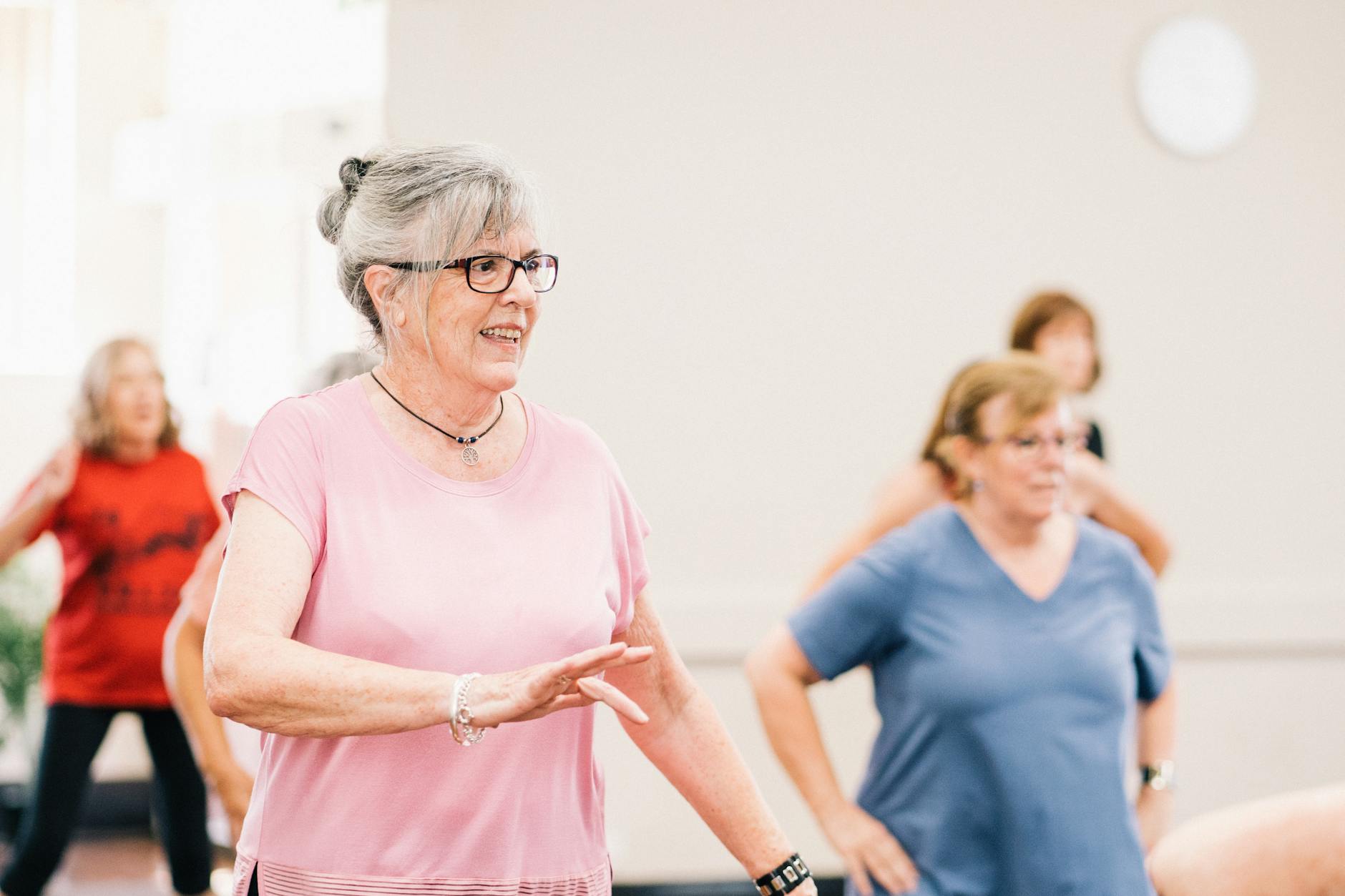
It may seem counterintuitive to move more when movement hurts, but exercise is consistently ranked among the most effective long-term interventions for joint pain in elderly adults. A landmark 2019 review published in the British Medical Journal found that exercise therapy produced clinically meaningful improvements in pain and function for knee osteoarthritis that were comparable to those produced by NSAIDs — without the side effects.
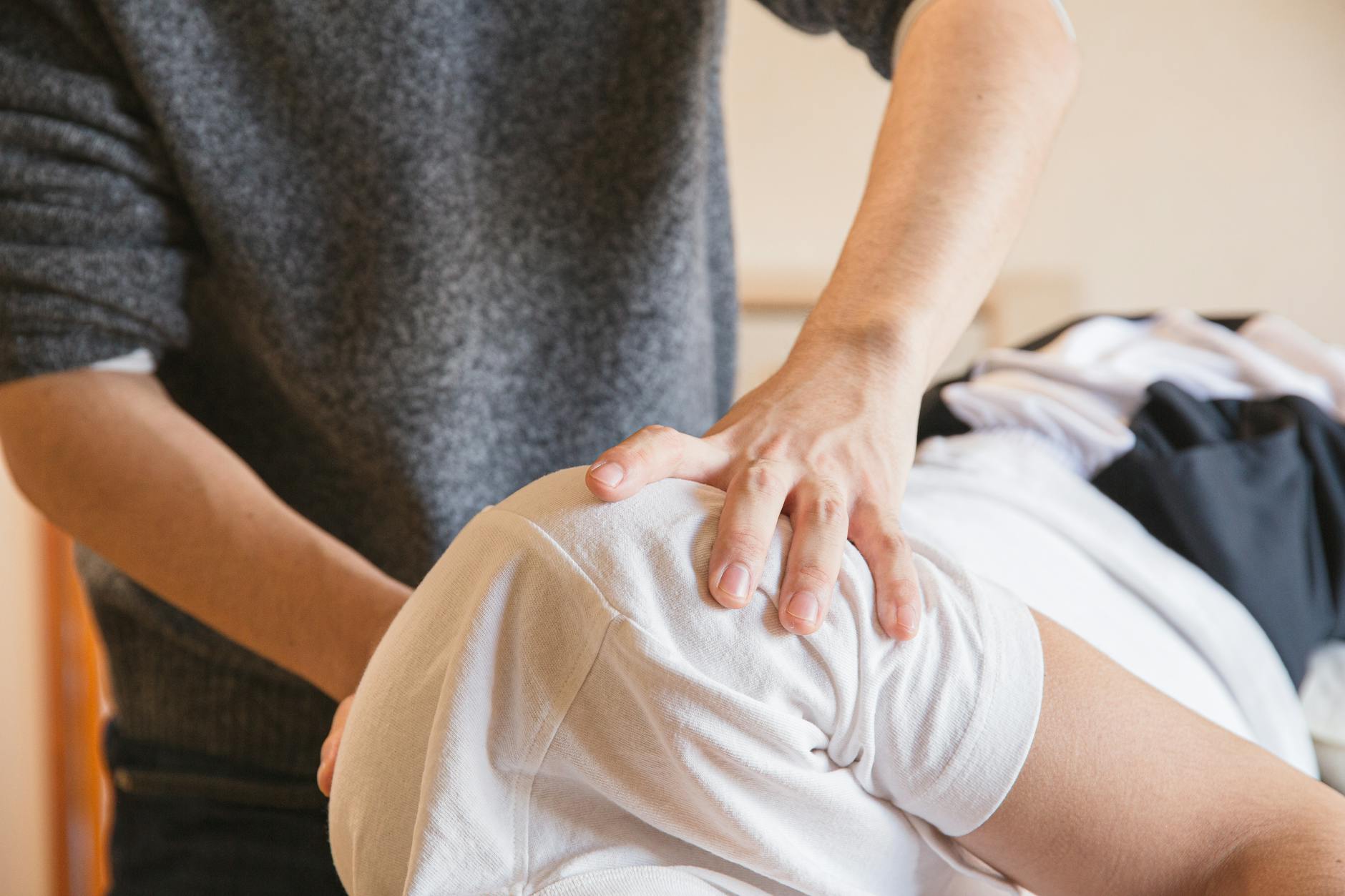
A qualified physiotherapist can design a programme specifically for your joints, fitness level, and any existing health conditions. The goal is typically a mix of low-impact aerobic activity (walking, swimming, cycling), strengthening exercises to support the joints, and flexibility work to maintain range of motion. The NHS ESCAPE-pain programme — a group-based rehabilitation programme for people with chronic knee or hip pain — has been shown to reduce pain scores and improve quality of life significantly in older adults.
Even without formal physiotherapy referral, regular low-impact movement is protective. Water-based exercise is especially valued in this population because buoyancy substantially reduces the load on arthritic joints while still providing meaningful resistance for muscle strengthening.
5. Heat Therapy — Weighted Pads and Hot Water Bottles
Applied heat has been used for pain relief across recorded history — and modern research confirms it works. Heat increases blood flow to the treated area, relaxes muscle spasm, and reduces the stiffness that makes arthritis and back pain so disabling in the morning or after periods of inactivity. For older adults managing osteoarthritis, lower back pain, or muscle tension, heat therapy is genuinely useful and carries virtually no systemic risk.
Weighted heat pads — pads filled with materials such as buckwheat, flax, or ceramic beads that can be microwaved — offer the added benefit of gentle compressive pressure, which some people find additionally soothing. Electric heat pads with automatic shut-off features are safer for older adults who may fall asleep during treatment. Always place a thin layer of fabric between the pad and the skin to prevent burns, and limit application to 15–20 minutes at a time.
Cold therapy (ice packs) can be more effective for acute injuries and inflammatory flare-ups, while heat tends to be better for chronic stiffness and muscle pain. Using both in rotation — a practice sometimes called contrast therapy — is a common recommendation from physiotherapists.
6. Acupuncture
Acupuncture has moved from alternative therapy to evidence-based option in recent years. A large 2018 meta-analysis published in the Journal of Pain — drawing on data from almost 21,000 patients — found that acupuncture produced statistically significant reductions in chronic pain (back and neck pain, osteoarthritis, and headache) that persisted at 12-month follow-up, beyond what could be explained by placebo. The NHS in England now funds acupuncture for chronic primary pain under the NICE guideline NG193 published in 2021, recognising it as a legitimate component of pain management.
For older adults, acupuncture is generally very well tolerated. The main practical considerations are finding a qualified practitioner (look for membership of the British Acupuncture Council in the UK, or a licensed acupuncturist in the US), and ensuring that any blood-thinning medications are disclosed before treatment, as these can increase bruising risk at needle sites.
What to Ask Your Doctor
If you're currently managing pain with ibuprofen or naproxen and want to transition to safer options, a structured conversation with your GP is the right starting point. To get the most from that appointment, consider asking these specific questions:
- "Is topical diclofenac suitable for me given my kidney function and other medications?" — Your GP can run a simple blood test (eGFR) to check kidney function if this hasn't been done recently.
- "Can I be referred to an NHS physiotherapist or the ESCAPE-pain programme?" — These referrals are free and evidence-based.
- "Is there a pain specialist or pain clinic I should be seen by?" — Chronic pain in older adults is genuinely complex; specialist input is sometimes appropriate.
- "Am I taking anything that already contains paracetamol?" — Ask your pharmacist to review all your medicines together.
- "Would a TENS machine be suitable for me given my heart health?" — Most people without a pacemaker are good candidates, but it's worth confirming.
- "Are there any supplements with evidence for my type of pain?" — Omega-3 fatty acids, glucosamine sulphate, and turmeric (curcumin) all have varying degrees of supportive evidence for inflammatory joint conditions, and a GP or pharmacist can advise on quality products and interactions.
Creating a Multi-Modal Pain Plan
The term "multi-modal pain management" simply means combining several approaches to achieve better overall pain control than any single intervention alone could provide. This concept is now central to modern pain medicine — and it's especially relevant for older adults, where the objective is to control pain effectively while minimising the overall drug burden.
A practical multi-modal plan for safe pain relief in the elderly might look like this:
Example Multi-Modal Plan for Knee Osteoarthritis
- Morning: Gentle warm shower or heat pad for 15 minutes to reduce stiffness before moving
- Daily: 30 minutes of low-impact exercise (walking or swimming) in two 15-minute segments if needed
- As needed: Topical diclofenac gel applied to the knee 3–4 times daily
- As needed: Paracetamol up to the agreed daily limit for breakthrough pain days
- Evening: TENS therapy for 20–30 minutes on days with elevated pain
- Weekly: Physiotherapy exercises as set by your physio
- Monthly: Review pain diary with GP to assess whether the plan is working
Pain diaries are a genuinely useful tool here. Recording pain intensity (on a 0–10 scale), what activities preceded a flare, and which interventions helped creates the kind of objective data that allows you and your doctor to refine the approach over time.

Red Flags: When to Seek Urgent Medical Attention
Non-pharmaceutical pain management is appropriate for the vast majority of chronic musculoskeletal conditions. However, pain can sometimes signal something that requires prompt medical investigation. Seek urgent or same-day medical attention if you experience any of the following:
- Sudden, severe pain that is unlike your usual chronic pain — especially in the chest, abdomen, or a limb
- Joint pain accompanied by fever, redness, and significant swelling — these could indicate septic arthritis or a gout flare requiring specific treatment
- Back pain with loss of bladder or bowel control — this is a medical emergency (possible cauda equina syndrome)
- Pain that consistently wakes you from sleep and is not associated with movement — this pattern can indicate inflammatory arthritis or, rarely, malignancy
- Unintentional weight loss alongside new or worsening pain — always worth investigating
- Pain following a fall, even if it initially seems minor — fractures in older adults can be subtle and are easily missed without imaging
Keeping a pain diary makes it easier to communicate these patterns clearly to your doctor. Photographs of swollen or inflamed joints can also be helpful evidence at an appointment.
Final Verdict: A Better Path Forward
Living with chronic pain as an older adult is genuinely hard — and the withdrawal of a familiar, accessible remedy like ibuprofen can feel like a step backward. But the evidence tells a different story. The alternatives described in this guide — topical treatments, careful use of paracetamol, TENS therapy, physiotherapy, heat, and acupuncture — are not consolation prizes. For many older adults, a well-constructed multi-modal approach produces better long-term pain control than oral NSAIDs ever did, without the cumulative toll on kidneys, stomach, and cardiovascular health.
The key is starting the conversation with your GP or pharmacist, being honest about the impact of pain on your daily life, and being open to trying more than one approach at a time. Effective, drug-free pain management for older adults is real, it is accessible, and it is within reach — the first step is asking the right questions.