Peripheral Neuropathy in the Feet: Symptoms, Causes, and the Treatments That Actually Help

If you have ever woken up at 3 a.m. to a burning, electric sensation crawling through your feet — or noticed that your soles feel like they are permanently wrapped in wet cotton — you already understand why peripheral neuropathy feet symptoms send millions of people searching for answers every year. The sensations are hard to describe and even harder to ignore. And yet, for many sufferers, a clear explanation and a practical treatment plan can take months or even years to arrive.
This guide cuts through the uncertainty. It explains exactly what peripheral neuropathy is, why the feet are so commonly affected, which underlying conditions drive nerve damage, how doctors confirm the diagnosis, and — most importantly — which treatments have real evidence behind them. Whether you are newly symptomatic or have been living with this condition for years, the information here will help you have a more productive conversation with your healthcare provider.
What Is Peripheral Neuropathy — and Why Does It Show Up in the Feet First?
Peripheral neuropathy is a broad term for damage to the peripheral nervous system — the vast network of nerves that runs from the spinal cord out to the limbs, organs, and skin. When those nerves are damaged, they either stop sending signals correctly, fire erratically, or fail to fire at all. The result is the cluster of sensations most sufferers know well: tingling, burning, numbness, sharp shooting pains, or paradoxically, hypersensitivity to touch.
The feet are affected first in the vast majority of cases because of a simple anatomical fact: the nerves supplying the feet are the longest in the body. Longer nerves are more metabolically demanding and more vulnerable to anything that disrupts blood supply or cellular nutrition. This is why neuropathy typically follows a "stocking-and-glove" pattern, beginning at the toes and feet before gradually working its way up the legs.
According to the National Institute of Neurological Disorders and Stroke, more than 20 million Americans live with some form of peripheral neuropathy. The condition is not a single disease — it is a symptom of dozens of different underlying problems, which is part of why it can be so difficult to diagnose and manage.
Recognising the Symptoms: What Peripheral Neuropathy Actually Feels Like
Understanding the full range of peripheral neuropathy feet symptoms is essential, because they vary significantly depending on which type of nerve fibres are affected — sensory, motor, or autonomic.
Sensory symptoms are by far the most common in the feet and include:
- Tingling or "pins and needles" — often the earliest sign, typically starting in the toes
- Burning pain — a deep, persistent heat that is frequently worse at night
- Electric shock sensations — sudden, sharp jolts of pain that come without warning
- Numbness — a reduction or complete loss of sensation, making it hard to feel temperature or pressure
- Allodynia — pain triggered by stimuli that should not cause pain at all, such as the weight of a bedsheet
- Loss of proprioception — difficulty knowing where your feet are in space, leading to balance problems
Motor symptoms appear when the nerves controlling muscle movement are affected:
- Muscle weakness in the feet or ankles
- Foot drop (difficulty lifting the front of the foot)
- Muscle cramps or twitching
- Wasting of the small muscles between the toes
Autonomic symptoms involve the nerves that regulate automatic body functions. In the feet, this can appear as abnormal sweating, very dry or cracked skin, or poor wound healing — all of which raise the risk of serious complications, particularly in people with diabetes.
Symptoms often begin subtly and worsen gradually. Many people dismiss early tingling as temporary circulation issues or fatigue. The danger is that by the time numbness becomes significant, some nerve damage may already be irreversible — which is why early recognition matters enormously.

The Most Common Causes of Peripheral Neuropathy in the Feet
Identifying the cause is the single most important step in treatment. Many causes are modifiable — meaning that addressing the root problem can slow, halt, or in some cases reverse the nerve damage.
1. Diabetes — the Leading Cause
Diabetic neuropathy foot symptoms affect between 50 and 70 percent of all people with diabetes over the course of their lifetime, making it by far the most common cause of peripheral neuropathy worldwide. Chronically elevated blood glucose damages the small blood vessels that supply peripheral nerves, as well as the myelin sheath that insulates them. The result is the gradual deterioration described above, beginning with tingling and burning and potentially progressing to complete sensory loss.
The risk increases with the duration of diabetes, poor blood sugar control, high blood pressure, obesity, and smoking. Crucially, nerve pain in feet caused by diabetes is not inevitable — tight glycaemic control significantly reduces both the incidence and severity of diabetic neuropathy.
2. Vitamin Deficiencies
Deficiency of B vitamins — particularly B1 (thiamine), B6 (pyridoxine), and B12 (cobalamin) — is a well-established cause of peripheral neuropathy. Vitamin B12 deficiency is especially common in older adults, vegetarians and vegans, and people taking metformin for diabetes (which impairs B12 absorption). The tingling and numbness that result are often indistinguishable from diabetic neuropathy in the early stages, which is why blood work should always include B12 levels.
3. Alcohol-Related Neuropathy
Heavy, long-term alcohol consumption is toxic to peripheral nerve cells and also depletes B vitamins through multiple mechanisms. Alcoholic neuropathy typically presents as symmetric tingling and burning in both feet, often accompanied by leg weakness. In many cases, reducing or eliminating alcohol intake alongside nutritional support leads to meaningful recovery.
4. Medication Side Effects
A significant number of commonly prescribed medications can cause or worsen peripheral neuropathy as a side effect. These include certain chemotherapy drugs (especially platinum-based agents like cisplatin and taxanes), HIV antiretroviral medications, some antibiotics (particularly metronidazole and fluoroquinolones), amiodarone (used for heart rhythm disorders), and long-term use of excessive doses of vitamin B6. Anyone who develops new tingling or numbness after starting a new medication should raise this promptly with their prescribing physician.
5. Autoimmune and Inflammatory Conditions
Conditions including Guillain-Barré syndrome, lupus, rheumatoid arthritis, Sjögren's syndrome, and vasculitis can all attack peripheral nerves directly or disrupt their blood supply. These forms of neuropathy may be more abrupt in onset and are sometimes amenable to immunosuppressive treatment.
6. Kidney and Thyroid Disease
Chronic kidney disease allows toxins to accumulate in the bloodstream that are damaging to peripheral nerves. Hypothyroidism — an underactive thyroid — can cause fluid retention that compresses peripheral nerves, as well as metabolic changes that slow nerve conduction. Both conditions are eminently treatable once identified.
7. Idiopathic Neuropathy
In approximately 30 percent of cases, no specific cause is ever found despite thorough investigation. This is referred to as idiopathic neuropathy. While the absence of a treatable root cause is frustrating, symptom management remains effective, and the condition is often slowly progressive or even stable over time.
How Is Peripheral Neuropathy Diagnosed?
Getting a confirmed diagnosis requires a systematic approach. Do not let anyone tell you the sensations are "just aging" without a proper workup — there are specific tests that can confirm nerve involvement and guide treatment decisions.
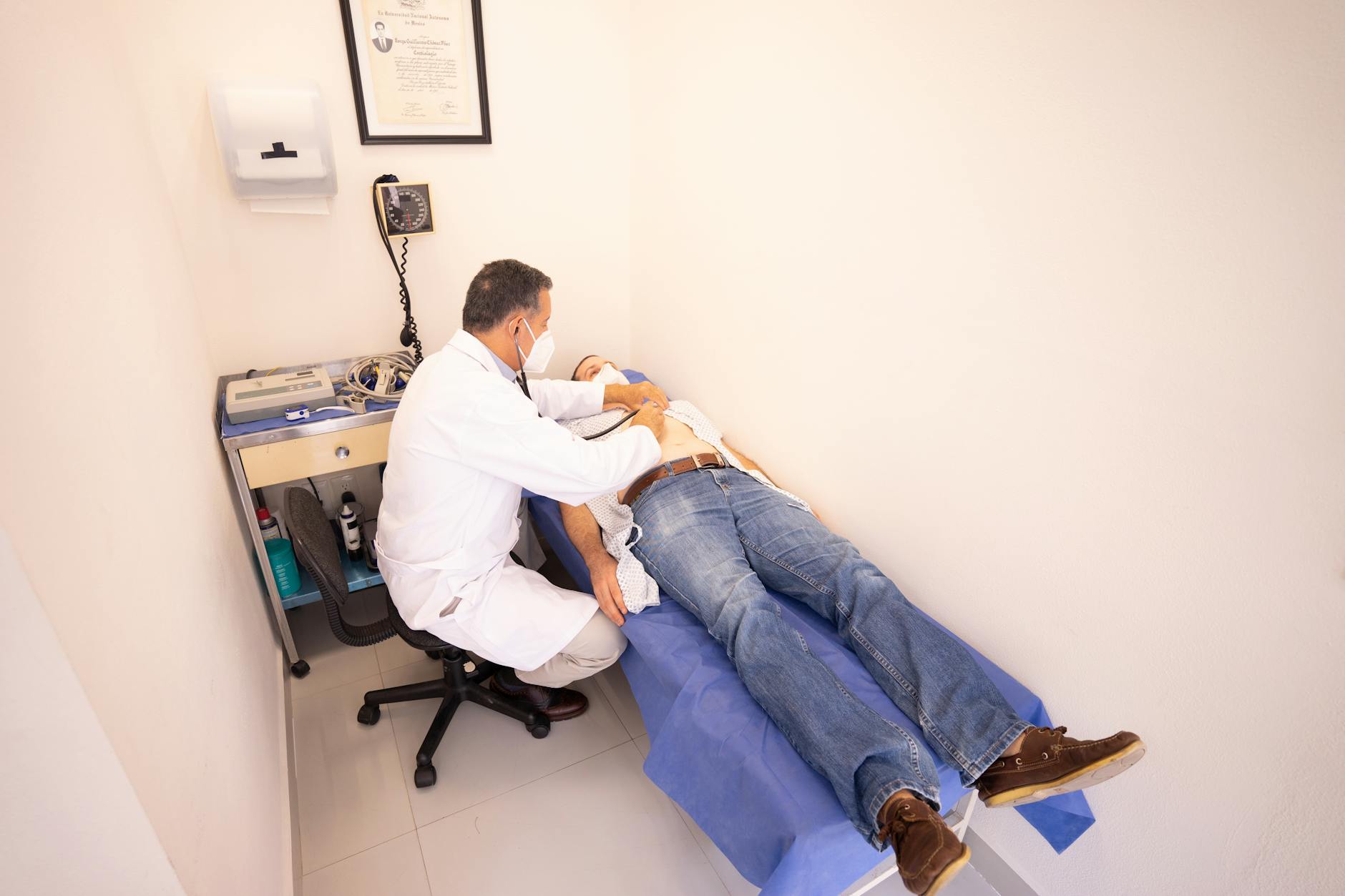
A complete diagnostic evaluation typically includes:
- Detailed medical history — including medications, alcohol use, occupational exposures, family history, and the timeline of symptoms
- Neurological examination — assessment of reflexes, muscle strength, and sensation using a tuning fork, monofilament, and pinprick tests
- Blood tests — fasting glucose and HbA1c (for diabetes), full blood count, B12 and folate levels, thyroid function, kidney function, liver enzymes, and markers of inflammation or autoimmune activity
- Nerve conduction studies (NCS) and electromyography (EMG) — these tests measure the speed and strength of electrical signals travelling through specific nerves and muscles, and can determine which types of nerve fibres are affected
- Skin biopsy — a small punch biopsy from the lower leg can measure the density of small nerve fibres, which is particularly useful when NCS is normal but symptoms are significant
- Imaging — MRI of the spine or affected limbs may be used to rule out structural compression of nerves
Your primary care physician can initiate much of this workup, but a referral to a neurologist is warranted in cases where the cause remains unclear or symptoms are progressing rapidly.
Neuropathy Treatment Options: What the Evidence Actually Supports
There is no single cure for peripheral neuropathy, but there is a substantial arsenal of treatments that reduce pain, improve function, and in some cases slow or reverse nerve damage. Effective management almost always involves combining approaches from multiple categories.
Addressing the Underlying Cause
This is always the first priority. For people with diabetic neuropathy foot symptoms, optimising blood sugar control is the single most evidence-backed intervention — studies consistently show that tight glycaemic management significantly slows neuropathy progression. For those with B12 deficiency, intramuscular or high-dose oral B12 supplementation can produce meaningful neurological recovery over months. For people with alcoholic neuropathy, abstinence combined with nutritional rehabilitation can lead to substantial improvement.
Prescription Pain Medications
When nerve pain in feet is moderate to severe, prescription medications are often necessary. The most evidence-supported options are:
- Anticonvulsants — gabapentin (Neurontin) and pregabalin (Lyrica) are FDA-approved for diabetic neuropathy pain and are first-line treatments. They work by reducing abnormal electrical activity in pain-processing nerve pathways. Side effects include dizziness, sedation, and weight gain.
- Tricyclic antidepressants (TCAs) — amitriptyline and nortriptyline have decades of evidence for neuropathic pain, though their side effect profile (dry mouth, constipation, cardiac effects) limits their use in older adults.
- SNRIs — duloxetine (Cymbalta) is FDA-approved specifically for diabetic peripheral neuropathy pain and has a more favourable side effect profile than TCAs for many patients. Venlafaxine is another option in this class.
- Opioid analgesics — tramadol has some evidence for neuropathic pain, while stronger opioids are generally reserved for refractory cases given the risks of dependence and side effects. Most guidelines place opioids as a third-line or later option.
Topical Treatments
For localised neuropathic pain, topical agents are often underused yet highly effective, with the advantage of minimal systemic side effects:
- Lidocaine patches — applied directly to painful areas, these provide localised nerve-blocking action that can significantly reduce tingling feet causes treatment in a targeted way
- Capsaicin cream or 8% capsaicin patch — depletes substance P, a key pain neurotransmitter, from nerve endings. The high-concentration patch (Qutenza) is applied in a clinical setting and can provide relief for up to three months
- Compounded topical agents — some pain clinics prepare customised topical formulations combining agents such as ketamine, gabapentin, and baclofen, though evidence remains largely anecdotal
Physical Therapy and Rehabilitation
Physical therapy plays a central role in neuropathy management that is frequently underappreciated. A structured programme delivered by a qualified physiotherapist can address multiple dimensions of the condition simultaneously.

Specific physical therapy modalities used in neuropathy include:
- Balance and proprioception training — because numbness in feet causes loss of positional sense, targeted balance exercises reduce fall risk significantly
- Strengthening exercises — targeting the intrinsic foot muscles and ankle stabilisers to compensate for motor fibre loss
- Transcutaneous electrical nerve stimulation (TENS) — delivers low-voltage electrical currents through surface electrodes to modulate pain signals; evidence is mixed but many patients report meaningful relief
- Therapeutic ultrasound — used to improve local circulation and tissue extensibility around affected nerves
- Gait retraining — helps patients adapt their walking pattern to prevent falls and secondary injuries caused by foot weakness or poor sensation
Lifestyle Modifications
Lifestyle changes are not a replacement for medical treatment, but they are powerful adjuncts that influence the course of neuropathy at a biological level:
- Regular aerobic exercise — multiple small trials have shown that aerobic exercise (particularly walking and cycling) actually promotes nerve fibre regeneration and improves neuropathy scores in people with diabetic neuropathy
- Smoking cessation — smoking constricts the small blood vessels that supply peripheral nerves, worsening damage in people with any form of neuropathy
- Foot care and protection — because loss of sensation reduces awareness of injury, people with significant neuropathy should inspect their feet daily, wear well-fitting shoes at all times, and never go barefoot, particularly on hot surfaces
- Dietary optimisation — a diet rich in B vitamins (leafy greens, eggs, legumes, lean meats), antioxidants, and omega-3 fatty acids supports nerve health broadly
- Alcohol moderation or abstinence — essential for those with alcohol-related neuropathy and beneficial for all others
Interventional and Emerging Therapies
For patients who do not achieve adequate relief with the above approaches, several additional options exist:
- Spinal cord stimulation (SCS) — an implanted device that delivers electrical pulses to the spinal cord, modulating pain signals before they reach the brain. SCS is increasingly used for refractory diabetic neuropathy and has shown promising results in clinical trials.
- Intravenous immunoglobulin (IVIG) — for autoimmune-mediated neuropathies, IVIG can suppress the immune attack on peripheral nerves and is sometimes dramatically effective
- Alpha-lipoic acid — this antioxidant supplement has a reasonable evidence base in Europe (where it is approved for diabetic neuropathy) and may modestly improve both symptoms and nerve function, particularly when taken intravenously. Oral supplementation is widely available and is considered safe
- Low-level laser therapy (LLLT) — preliminary research suggests that specific wavelengths of light may promote nerve fibre regeneration, though more large-scale trials are needed
Specific Guidance for People with Diabetic Neuropathy
If diabetes is your underlying cause, diabetic neuropathy foot symptoms require a particularly vigilant management approach beyond general neuropathy care:
- Target HbA1c carefully — most guidelines recommend an HbA1c below 7% for most people with diabetes, though targets should be individualised. Paradoxically, very rapid improvement in blood sugar control can sometimes temporarily worsen neuropathy symptoms ("treatment-induced neuropathy") before improving them.
- Annual foot exams — the American Diabetes Association recommends a comprehensive foot examination at least once per year, checking for loss of protective sensation using a 10-gram monofilament, pulse assessment, and visual inspection for skin integrity
- Prescription footwear — Medicare and many insurers cover therapeutic footwear for qualifying people with diabetic neuropathy, as proper shoes dramatically reduce the risk of ulceration and amputation
- Blood pressure control — hypertension compounds microvascular damage. Targeting blood pressure below 130/80 mmHg is recommended
- Wound vigilance — any break in the skin of a neuropathic foot should be treated as a medical concern. Poor sensation means infections can advance silently to a dangerous stage before pain alerts the patient
When to Seek Urgent Medical Attention
Most peripheral neuropathy progresses slowly, but certain features warrant prompt medical evaluation rather than a routine appointment:
- Rapid onset of significant weakness or paralysis in the feet or legs
- Loss of bladder or bowel control alongside neuropathy symptoms
- A non-healing wound or ulcer on the foot
- Sudden onset of severe neuropathic pain without a known cause
- Symptoms affecting the upper body simultaneously with a rapidly ascending pattern (which may indicate Guillain-Barré syndrome, a medical emergency)
Frequently Asked Questions About Peripheral Neuropathy in the Feet
Key Takeaways
Peripheral neuropathy feet symptoms — the tingling, burning, numbness, and pain that disrupt daily life and interrupt sleep — are not something you simply have to accept. They are signals from a damaged but often treatable nervous system.
The most important steps any person with these symptoms can take are:
- See a doctor promptly and insist on a thorough workup — including blood tests for diabetes, B12 deficiency, thyroid function, and kidney health
- Address the root cause aggressively — whether that means tighter blood sugar control, B12 supplementation, alcohol reduction, or medication review
- Combine treatment approaches — the most successful outcomes come from pairing appropriate medication with physical therapy and lifestyle modification
- Protect your feet proactively — especially if sensation is reduced, daily foot inspection and proper footwear are non-negotiable
- Exercise regularly and consistently — this is one of the few interventions with evidence for actually promoting nerve regeneration, not just masking symptoms
Living with nerve pain in the feet is genuinely difficult, but with the right diagnosis and a multi-pronged treatment strategy, the majority of people can achieve meaningful symptom reduction and a significantly improved quality of life. The key is not to wait — the earlier nerve damage is identified and addressed, the better the prospects for recovery.
This article is intended for general informational and educational purposes only. It does not constitute medical advice and should not be used as a substitute for professional medical consultation, diagnosis, or treatment. Always seek the guidance of your physician or other qualified health provider with any questions you may have regarding a medical condition.