Plantar Fasciitis: Causes, Symptoms, and Every Treatment Option Explained
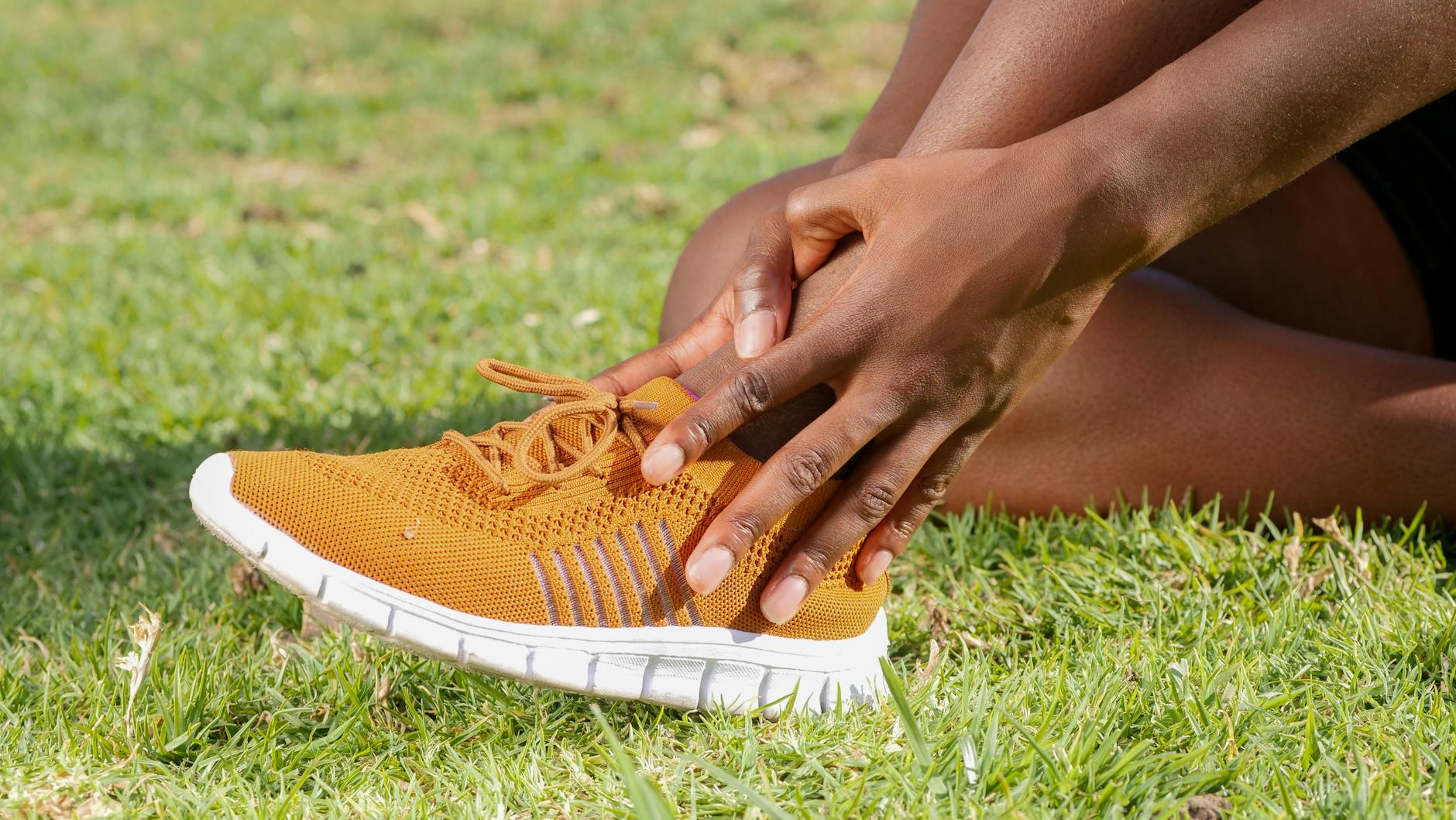
Plantar fasciitis is the single most common cause of heel pain, affecting roughly 2 million Americans every year. If you have ever taken your first steps out of bed in the morning and felt a sharp, stabbing pain in the bottom of your heel, you already know what it feels like. That pain tends to ease after a few minutes of walking — only to return after long periods of sitting, standing, or physical activity. It is one of the most recognizable patterns in all of musculoskeletal medicine, and understanding exactly what is happening inside your foot is the first step toward making it stop.
This guide covers everything you need to know: the anatomy of the plantar fascia, why it becomes inflamed, who is most at risk, how doctors diagnose it, and every treatment option available — from simple home stretches to advanced clinical procedures.
What Is the Plantar Fascia — and What Happens When It Gets Injured?
The plantar fascia is a thick, fibrous band of connective tissue that runs along the sole of your foot. It stretches from the heel bone (calcaneus) forward to the base of your toes, forming the structural arch of your foot. Its job is to absorb impact, support the arch, and help propel you forward with each step. Think of it as a strong rubber band that keeps the foot's architecture intact under load.
Under normal circumstances, the plantar fascia handles enormous forces — sometimes several times your body weight with every stride. Over time, or when subjected to sudden increases in load, repetitive micro-tears can develop at the point where the fascia attaches to the heel bone. The body attempts to repair these micro-tears through an inflammatory response, and it is this sustained cycle of injury and incomplete healing — rather than a single dramatic rupture — that produces plantar fasciitis.
The term "fasciitis" means inflammation of the fascia. Recent research has also identified a degenerative, non-inflammatory component in some chronic cases, which is why some clinicians use the alternate term "plantar fasciopathy." For most patients, the inflammatory model is still the most clinically useful framework.
Recognizing Plantar Fasciitis Symptoms
Plantar fasciitis symptoms follow a very distinctive pattern that distinguishes them from other causes of heel pain. Knowing these signs helps you identify the condition early — and early intervention significantly shortens recovery time.
- Sharp heel pain with the first steps of the morning — this is the hallmark symptom. After a night of rest, the plantar fascia tightens and shortens. The sudden load when you stand stretches it abruptly, causing intense pain that is often described as stepping on a nail.
- Pain after prolonged rest — the same "start-up" pain happens after sitting at a desk for hours or getting up from the sofa.
- Pain that improves with movement — after a few minutes of walking, the fascia warms up and loosens, and the pain typically eases. This is a key distinguishing feature.
- Pain that returns after prolonged activity — long walks, runs, or standing shifts often reintroduce pain as fatigue sets in.
- Tenderness at the heel — pressing firmly on the inner part of the heel bone usually reproduces the pain exactly.
- Tight Achilles tendon or calf muscles — many patients also report stiffness in the calf and Achilles, which is both a symptom and a contributing cause.
Pain is almost always in one foot, though up to a third of cases involve both feet simultaneously. It rarely radiates up the leg, and there is usually no numbness or tingling (which would suggest a nerve issue instead).
Causes and Risk Factors: Who Gets Plantar Fasciitis?
Heel pain causes can be broadly divided into mechanical, structural, and lifestyle-related factors. In most cases, plantar fasciitis results from a combination of several of these at once rather than a single identifiable trigger.
Age
The condition is most common in adults between 40 and 60 years old. As we age, the fat pad under the heel thins and the plantar fascia loses some of its elasticity, making it more vulnerable to repetitive stress.
Foot Mechanics and Shape
Certain foot architectures place more strain on the plantar fascia. Flat feet (overpronation) cause the arch to collapse inward with each step, placing excessive tension along the fascia. High arches reduce shock absorption, concentrating impact at the heel. Tight Achilles tendons or calf muscles limit ankle dorsiflexion (the ability to flex the foot upward), which dramatically increases tensile stress on the plantar fascia during walking and running.
Occupation and Activity Level
People whose jobs require standing on hard surfaces for long stretches — teachers, nurses, factory workers, retail staff — are at significantly elevated risk. Runners are also highly susceptible, particularly those who increase their weekly mileage too quickly, switch to a minimalist shoe, or run on hard surfaces such as concrete. Dancers and military recruits undergoing basic training are other high-incidence groups.
Body Weight
Excess body weight places greater compressive and tensile forces on the plantar fascia with every step. Studies consistently show that obesity is one of the strongest modifiable risk factors for plantar fasciitis, and even modest weight reduction can reduce symptoms.
Footwear
Worn-out athletic shoes that have lost their cushioning and arch support are a major contributor. Walking barefoot on hard floors, habitually wearing flat sandals or flip-flops, or switching footwear abruptly can all precipitate an episode. The ideal shoe for plantar fasciitis sufferers offers good arch support, a slightly elevated heel counter, and adequate cushioning.
How Is Plantar Fasciitis Diagnosed?
In the vast majority of cases, plantar fasciitis is a clinical diagnosis — meaning a doctor can identify it based on your history and a physical examination alone, without any imaging.
During the exam, the clinician will ask about the pattern of your pain (especially that characteristic morning pain and the way it eases with movement). They will palpate the medial calcaneal tubercle — the bony bump on the inner underside of your heel — which is almost always tender in plantar fasciitis. They may also assess your ankle flexibility, check for tight calves, and evaluate your foot arch while standing.
Imaging is generally not needed for an initial diagnosis. However, in cases where the diagnosis is uncertain, symptoms are severe, or the condition has not improved after several months of treatment, a clinician may order:
- X-ray — primarily to rule out a stress fracture or bone tumor. Heel spurs (bony growths at the fascia attachment point) are visible on X-ray and are present in roughly 50% of plantar fasciitis cases — but they are also present in 15–20% of people with no pain at all, so they are not diagnostic on their own.
- Ultrasound — can visualize thickening of the fascia and signs of inflammation in real time. Often used by sports medicine specialists.
- MRI — reserved for complex or refractory cases to rule out other pathology such as a partial fascial tear or nerve entrapment.
Plantar Fasciitis Treatment: The Complete Spectrum
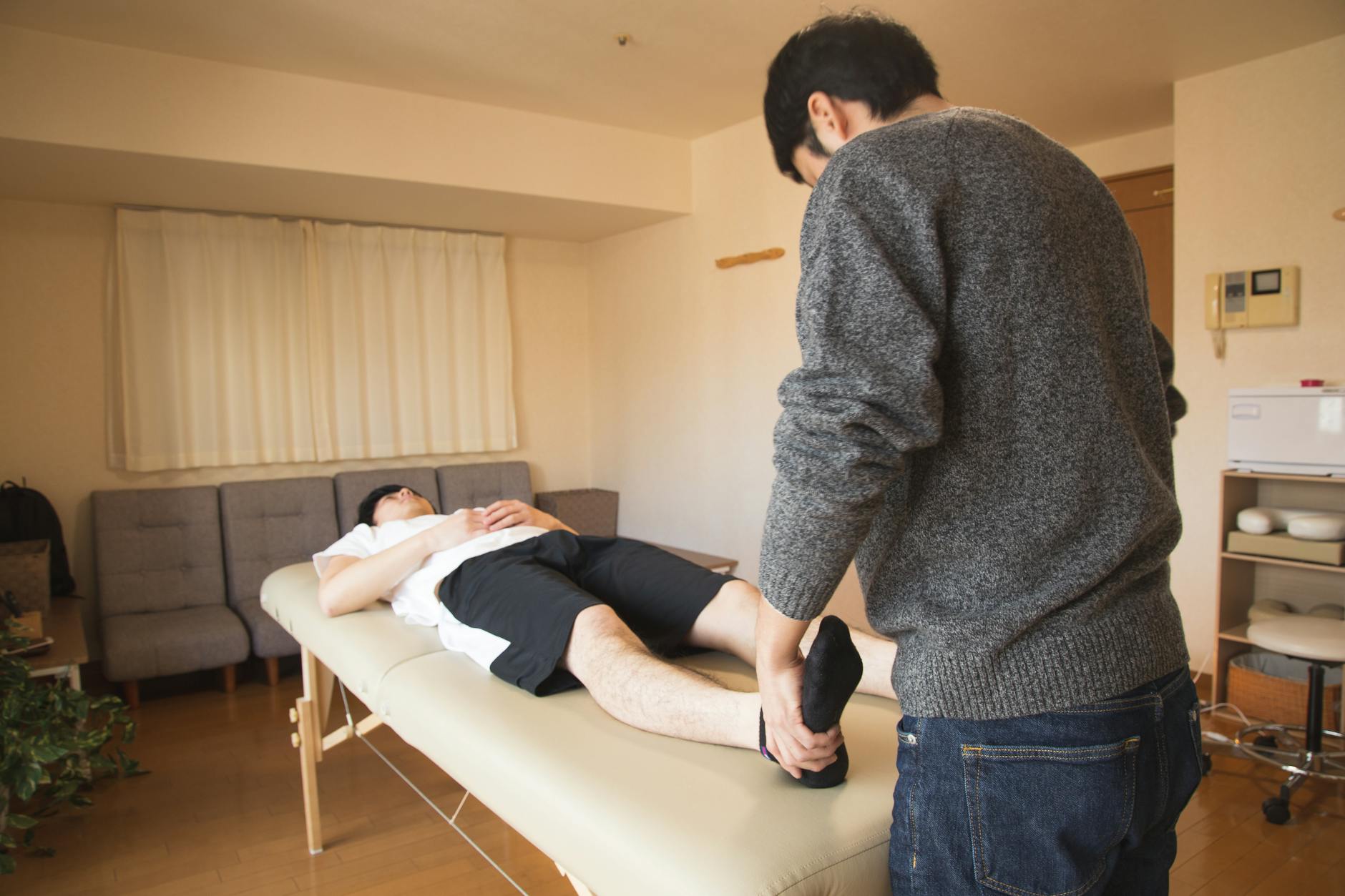
The good news: roughly 90% of plantar fasciitis cases resolve with conservative (non-surgical) treatment within 6 to 12 months. The challenge is patience — recovery rarely happens overnight, and maintaining consistent treatment habits is critical. Here is every option, organized from least to most invasive.
1. Rest and Activity Modification
Reducing the activities that aggravate the condition is the essential first step. This does not mean complete bed rest — it means temporarily scaling back high-impact activities (running, jumping) and replacing them with low-impact alternatives such as swimming or cycling. Continuing to load a chronically irritated fascia prevents healing.
2. Ice Therapy
Applying ice to the heel for 15–20 minutes three to four times a day — particularly after activity — helps reduce local inflammation and provides short-term pain relief. Rolling a frozen water bottle under the arch is a practical technique that combines cold therapy with gentle massage. Never apply ice directly to skin; wrap it in a thin towel.
3. Stretching — The Most Important Conservative Treatment
Stretching is widely regarded as the cornerstone of plantar fasciitis treatment. Two types of stretching are particularly well-supported by research:
Plantar fascia stretch: Sit in a chair, cross the affected foot over the opposite knee, and use your hand to pull the toes back toward the shin. Hold for 30 seconds, release, and repeat 3 times. Doing this before taking your first steps in the morning is especially important because it pre-stretches the fascia before it bears weight.
Calf and Achilles stretch (standing wall stretch): Stand facing a wall, place the injured foot behind you with the heel flat on the floor, and lean forward until you feel a deep stretch in the calf. Hold for 30 seconds and repeat 3 times on each side. Because tight calves are one of the primary mechanical contributors to plantar fasciitis, keeping them flexible is critical for long-term resolution.
Consistency matters more than intensity. Brief stretching sessions performed multiple times throughout the day outperform a single long session once daily.

4. NSAIDs (Anti-Inflammatory Medication)
Over-the-counter nonsteroidal anti-inflammatory drugs such as ibuprofen (Advil, Motrin) or naproxen sodium (Aleve) can reduce inflammation and ease pain, especially during flare-ups. They are most useful in the early, acutely painful stages. They are not a long-term solution and should be used as directed, keeping in mind contraindications for those with gastrointestinal or kidney concerns. Always consult a healthcare provider before starting a regular NSAID regimen.
5. Supportive Footwear
The shoes you wear every day have an outsized impact on plantar fasciitis recovery. Ideal characteristics include: a firm heel counter that prevents excessive inward rolling, adequate arch support, a slight heel lift (1–2 cm), and cushioned midsole material. Avoid walking barefoot on hard floors, particularly first thing in the morning. Keep a pair of supportive shoes or sandals next to your bed so you never have to take those first unprotected steps.
6. Orthotics and Heel Cups
Orthotic insoles — either over-the-counter or custom-made — can significantly reduce load on the plantar fascia by improving arch support and distributing pressure more evenly across the foot. For most patients, high-quality OTC orthotics work just as well as custom devices. Silicone heel cups are a lower-cost option that provide targeted cushioning under the heel. Custom orthotics prescribed and fitted by a podiatrist or orthotist are typically reserved for cases where OTC devices have failed or where there is a significant underlying biomechanical issue.
7. Night Splints
A night splint holds the foot in a dorsiflexed position while you sleep — meaning it gently keeps the plantar fascia slightly stretched rather than allowing it to shorten and tighten overnight. When you step out of bed in the morning, the fascia is already partially elongated, which dramatically reduces or eliminates that brutal first-step pain. Night splints are one of the most effective devices for patients whose dominant complaint is severe morning pain. They take a few nights to get used to but are highly effective.
8. Physical Therapy
A physiotherapist or sports medicine specialist can build a comprehensive rehabilitation program tailored to your specific biomechanics. Treatment typically includes targeted stretching and strengthening exercises (including eccentric calf raises and intrinsic foot muscle exercises), manual therapy, taping techniques (such as low-dye taping to support the arch), and education about load management. Physical therapy is especially valuable for runners and athletes who need to return to sport safely.
Advanced and Clinical Treatment Options
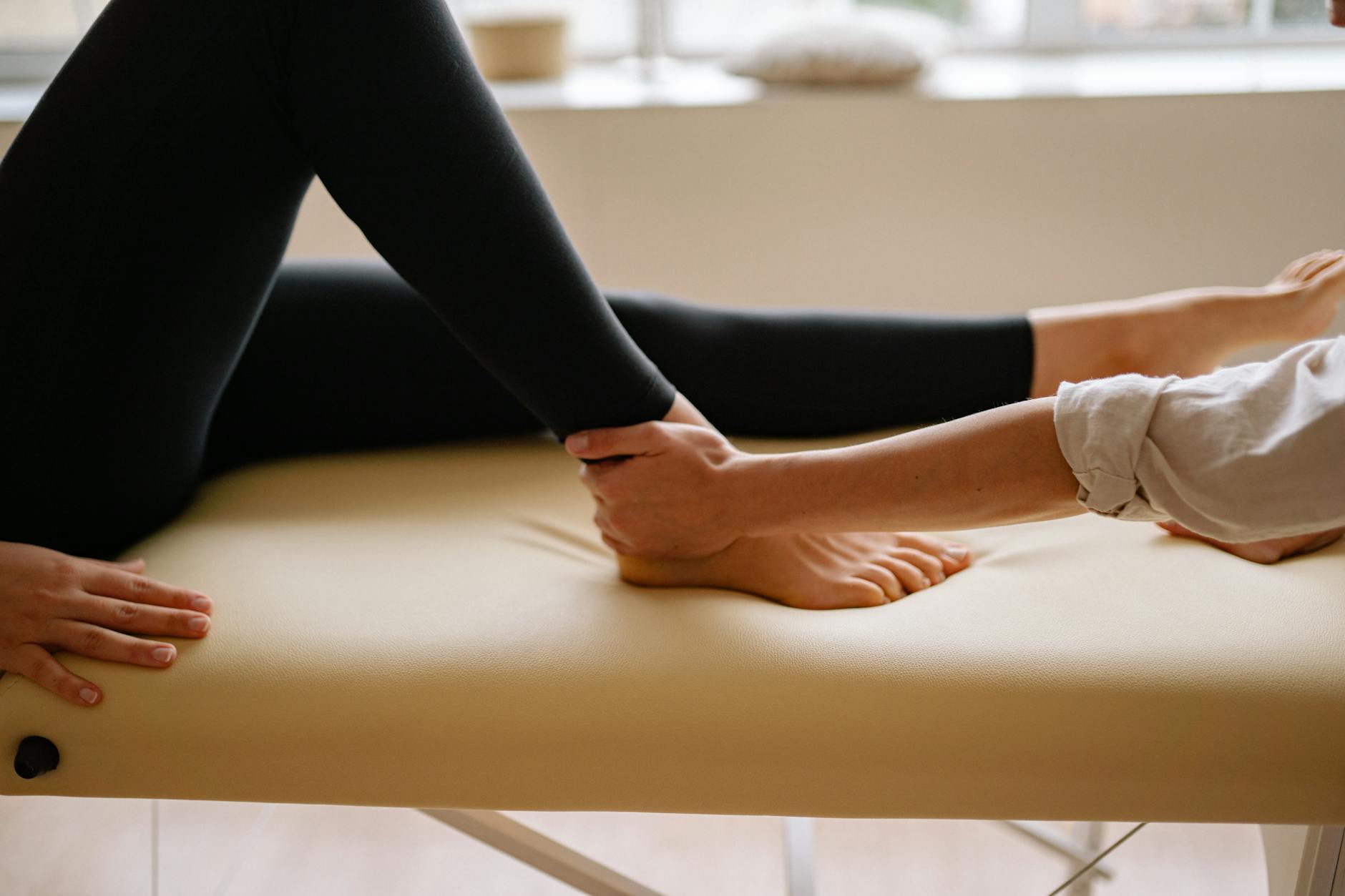
When conservative measures have not produced adequate improvement after 6 to 12 weeks, a clinician may recommend one of the following more advanced plantar fasciitis treatments.
Corticosteroid Injections
A cortisone injection delivers a powerful anti-inflammatory agent directly into the site of pain. It can provide rapid and significant relief, often within days. However, the benefits are typically temporary (lasting weeks to a few months), and repeated injections carry a risk of weakening the fascia, potentially increasing the risk of a full fascial rupture. Most guidelines recommend no more than 2–3 injections per year. Injections are most appropriate for acute, severe pain that has not responded to initial conservative measures.
Platelet-Rich Plasma (PRP) Therapy
PRP therapy involves drawing a small amount of the patient's own blood, spinning it in a centrifuge to concentrate the growth factors in the platelets, and injecting this concentrate into the plantar fascia. The theory is that growth factors stimulate healing of the chronically damaged tissue. Evidence is growing but still mixed — some randomized trials show meaningful benefit over placebo; others do not. It tends to be more expensive and is not always covered by insurance, but it is increasingly offered for recalcitrant cases.
Extracorporeal Shock Wave Therapy (ESWT)
Shockwave therapy delivers high-energy acoustic waves to the heel, which are thought to stimulate healing, break up calcified deposits, and disrupt chronic pain signals. It is a non-invasive outpatient procedure that typically requires 3 sessions spaced a week apart. Evidence supporting ESWT is reasonably strong — multiple systematic reviews have found it effective for chronic plantar fasciitis that has failed 6 months of conservative care. Side effects are generally mild (temporary soreness, bruising).
Surgery
Surgery is a last resort, recommended only after at least 12 months of aggressive non-surgical treatment has failed. The most common procedure is plantar fascia release, in which the surgeon partially cuts the plantar fascia at its heel attachment to relieve tension. This can be done open or endoscopically (through a small camera). Success rates are good — around 75–90% — but risks include nerve damage, arch collapse, and a prolonged recovery of 3–6 months. Because surgery can alter the biomechanics of the foot, it is genuinely a last resort and less than 5% of patients ever reach this stage.
Prevention: How to Stop Plantar Fasciitis Before It Starts
While not every case of plantar fasciitis is preventable, the following habits significantly reduce your risk — and are equally useful for preventing recurrence after recovery.
- Maintain calf and Achilles flexibility with daily stretching, especially if you run or stand for long periods.
- Replace athletic shoes regularly. Running shoes typically lose their effective cushioning after 400–500 miles. Do not wait for visible wear to replace them.
- Increase training load gradually. A common guideline is the "10% rule" — do not increase weekly mileage by more than 10% from one week to the next.
- Maintain a healthy body weight to reduce compressive forces on the heel.
- Wear supportive footwear at home and at work, especially on hard floors.
- Strengthen the intrinsic foot muscles with exercises such as towel scrunches, marble pick-ups, and single-leg calf raises.
- Warm up before exercise and cool down with targeted calf and foot stretching afterward.
When to See a Doctor
Most cases of foot pain in the morning from plantar fasciitis can be initially managed at home with rest, stretching, ice, and better footwear. However, you should see a healthcare professional if:
- Pain is severe and prevents normal walking.
- Pain does not improve after 2–3 weeks of consistent home treatment.
- You experience numbness, tingling, or burning alongside the heel pain (which may suggest a nerve compression such as tarsal tunnel syndrome).
- Pain follows a fall or direct injury to the foot (to rule out a stress fracture).
- Both feet are affected or the pain seems to involve joints throughout the body (which warrants evaluation for systemic inflammatory conditions like ankylosing spondylitis or reactive arthritis).
- You are a runner or athlete wanting to return to sport without worsening the injury.
A podiatrist, sports medicine physician, or orthopedic specialist is best positioned to assess and manage plantar fasciitis. In many cases, a referral to a physiotherapist will also be part of the treatment plan.
Prognosis: How Long Does Plantar Fasciitis Last?
The honest answer is: it varies. With consistent conservative treatment, the majority of patients see significant improvement within 6 weeks to 3 months. Roughly 90% of all plantar fasciitis cases resolve completely within 12 months with non-surgical management. A smaller percentage develop chronic plantar fasciitis, defined as symptoms persisting for more than 12 months — this group is more likely to need advanced interventions.
The most common reason recovery stalls is inconsistency with the stretching program. Stretching must become a daily habit, not an occasional activity. Patients who stick with their program rigorously — particularly the morning plantar fascia stretch before their first step — consistently report faster resolution.
Recurrence is possible, especially if the underlying risk factors (tight calves, poor footwear, high training loads) are not addressed. Treating the condition is only half the job — correcting the mechanics that caused it in the first place is how you prevent it from coming back.
Key Takeaways
- Plantar fasciitis is inflammation of the fibrous band connecting your heel to your toes, producing a sharp, stabbing heel pain that is worst with the first steps of the morning.
- It is most common in adults aged 40–60, runners, people who stand for long hours, those with flat feet or high arches, and anyone who is overweight.
- Diagnosis is clinical — a doctor can identify it based on your symptoms and a simple physical examination.
- The most effective first-line treatments are consistent stretching (especially before getting out of bed), supportive footwear, orthotics, and ice therapy.
- Night splints are highly effective for morning pain; physical therapy provides the most comprehensive rehabilitation for athletes.
- Advanced options — injections, shockwave therapy, PRP, and surgery — are reserved for cases that do not respond to 6–12 months of conservative care.
- Approximately 90% of patients recover fully within a year with non-surgical treatment. Early, consistent action gives you the best chance of a fast recovery.