Poor Circulation in the Feet and Legs: Warning Signs, Root Causes, and What You Can Do About It
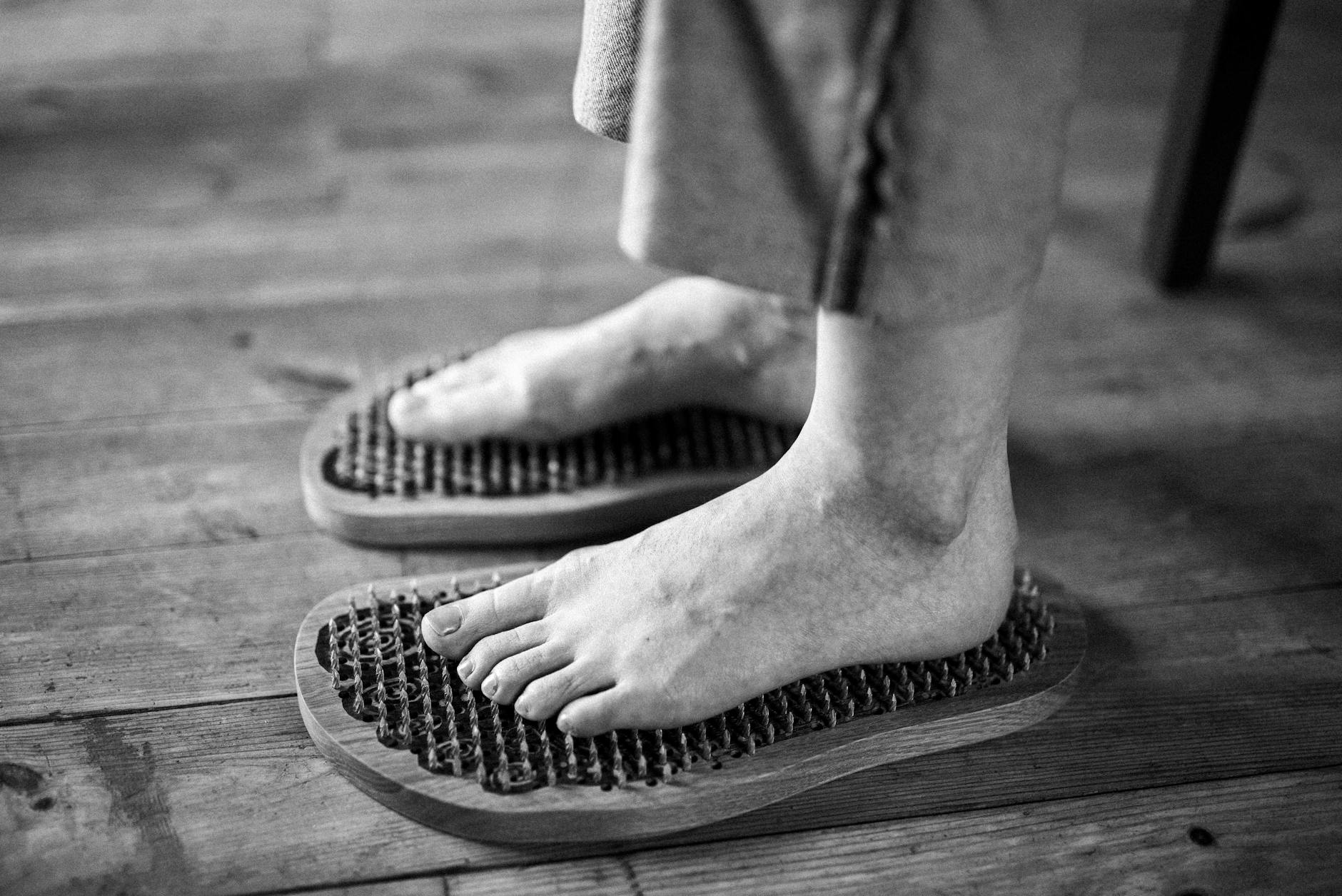
You kick off your shoes after a long day and your feet feel like two blocks of ice — even though the room is warm. Or you notice your legs cramp unpredictably, your ankles are swollen by evening, or a small cut on your foot seems to heal at a frustratingly slow pace. These are not random quirks. They are some of the most common signs of poor circulation in feet and legs, and understanding what is behind them can make a meaningful difference to your long-term health.
Poor circulation in feet and legs is not a diagnosis in itself — it is a symptom of something else happening in your cardiovascular or metabolic system. In most cases, the culprit is a combination of lifestyle factors, the natural effects of aging, and underlying conditions that reduce the efficiency of blood flow to the body's extremities. This guide explains what is actually happening, how to tell whether your symptoms need medical attention, and what the evidence says about improving peripheral circulation on your own.
What "Poor Circulation" Actually Means
Your circulatory system is responsible for delivering oxygenated blood to every cell in your body and removing waste products. In a healthy system, arteries carry blood from the heart outward to the extremities, while veins return deoxygenated blood back to the heart and lungs. When any part of this loop slows down or becomes obstructed, the tissues farthest from the heart — the feet and lower legs — are typically the first to show the effects.
The medical term for reduced blood flow to the limbs is peripheral arterial disease (PAD), but poor circulation can also stem from venous insufficiency (where the veins struggle to push blood back upward), Raynaud's phenomenon, blood clotting disorders, or simply prolonged inactivity. The experience of cold feet poor circulation produces is one of the earliest and most universal signals that blood is not reaching the extremities efficiently.
Warning Signs of Poor Circulation in the Feet and Legs
Symptoms vary depending on the underlying cause, but there are several consistent patterns that people with compromised peripheral circulation tend to notice. Paying attention to these signs — and tracking when they occur and how severe they are — will help you and your doctor identify what is driving them.
Cold or Numb Feet and Toes
Persistent coldness in the feet, especially when the rest of your body feels warm, is one of the clearest signs of poor circulation in feet. Blood carries heat, so when flow is restricted, extremities lose warmth quickly. Numbness or a "pins and needles" sensation can accompany this, caused by nerves responding to reduced oxygen supply.
Skin Discoloration
Poor circulation can cause the skin on the feet and lower legs to appear pale, bluish (cyanosis), or take on a mottled, blotchy appearance. In some people with Raynaud's phenomenon, fingers and toes cycle through white, blue, and red phases in response to cold or stress. Any persistent bluish or purplish discoloration warrants medical evaluation.
Cramping, Heaviness, and Aching
Intermittent claudication — a cramping pain in the calves, thighs, or buttocks that appears during walking and fades with rest — is a hallmark symptom of peripheral arterial disease. More broadly, legs that feel heavy, tired, or achy at the end of the day, even without significant activity, can indicate that venous return is compromised.
Swelling in the Ankles and Feet
When veins struggle to move blood back toward the heart, fluid can leak into surrounding tissue, causing swelling (edema). This tends to be worse after prolonged sitting or standing and eases somewhat with elevation overnight. Persistent or sudden swelling, especially in one leg, should always be evaluated promptly.
Slow-Healing Wounds
The feet and lower legs depend on adequate blood flow to deliver immune cells, oxygen, and nutrients needed for tissue repair. When circulation is poor, even minor cuts, blisters, or abrasions can take weeks to heal. In people with diabetes, this combination of reduced circulation and peripheral neuropathy creates serious risk for chronic wounds and infection.
Thickened or Discolored Nails
Nails that grow slowly, thicken, or take on a yellow or dark color can reflect chronically reduced blood flow to the nail bed. While fungal infections can cause similar changes, the two often coexist in people with compromised circulation.

What Causes Poor Circulation in the Feet and Legs
Understanding the root cause matters because the right intervention depends entirely on what is driving the problem. Here are the most common culprits.
Peripheral Arterial Disease (PAD)
PAD is caused by atherosclerosis — the buildup of fatty plaques inside the arterial walls — which narrows the arteries and reduces blood flow. It affects roughly 8 to 12 million people in the United States and becomes significantly more common after age 50. Risk factors include smoking, diabetes, high blood pressure, high cholesterol, and a family history of heart disease. Because PAD shares the same root cause as coronary artery disease, people diagnosed with it have an elevated risk of heart attack and stroke.
Chronic Venous Insufficiency
Veins contain one-way valves that prevent blood from flowing backward as it works its way up against gravity. When these valves weaken or fail — due to age, pregnancy, prolonged standing, obesity, or genetic predisposition — blood pools in the lower legs. This causes aching, swelling, skin changes, and over time can lead to varicose veins and venous ulcers.
Diabetes
High blood glucose damages both the walls of blood vessels and the peripheral nerves. This dual damage — called diabetic angiopathy and neuropathy — is why diabetes is the leading cause of non-traumatic lower limb amputations. People with diabetes may lose the ability to feel early warning signs like pain or temperature change, making attentive foot care essential.
Raynaud's Phenomenon
In Raynaud's, small blood vessels in the extremities overreact to cold temperatures or emotional stress, causing them to temporarily narrow dramatically. The result is the characteristic color change (white to blue to red) and intense coldness or pain in the fingers and toes. Primary Raynaud's has no underlying disease; secondary Raynaud's is associated with autoimmune conditions like lupus or scleroderma.
Sedentary Lifestyle and Prolonged Sitting
Physical inactivity is one of the most modifiable contributors to poor circulation in feet and legs. Muscle contractions in the calves act as a secondary pump, actively compressing veins and pushing blood upward. When you sit for hours at a time, this pump stops working, blood pools in the lower extremities, and the calf muscles themselves may weaken — compounding the problem over time.
Smoking
Tobacco use is one of the single most damaging things a person can do to their peripheral circulation. Nicotine causes blood vessels to constrict, carbon monoxide reduces oxygen-carrying capacity, and the chemicals in tobacco accelerate atherosclerosis. PAD is two to four times more common in smokers than non-smokers.
Obesity
Excess body weight puts mechanical pressure on the venous system of the legs, impairs the function of venous valves, and promotes the systemic inflammation that accelerates arterial damage. It also increases the risk of diabetes and hypertension, which further compromise circulation.
Deep Vein Thrombosis (DVT)
A blood clot forming in a deep vein of the leg can partially or fully block blood flow and trigger sudden-onset swelling, warmth, and pain — usually in one leg. DVT is a medical emergency because the clot can travel to the lungs (pulmonary embolism). Long-haul flights, prolonged bed rest, surgery, and certain clotting disorders all raise the risk.
When to See a Doctor — Do Not Wait on These Signs
Many mild circulation issues can be addressed through lifestyle changes, but certain symptoms require prompt medical evaluation. Do not delay if you experience any of the following:
- Sudden swelling, pain, warmth, or redness in one leg — this can indicate DVT and requires same-day evaluation
- A wound on your foot or leg that has not healed in two weeks or longer
- Persistent blue or purple discoloration of the skin that does not resolve with warming
- Cramping leg pain that reliably appears with walking and disappears with rest — the classic claudication pattern of PAD
- Sudden severe pain, coldness, or pallor in a limb — this can indicate acute arterial occlusion, a vascular emergency
- Any foot symptoms alongside a diabetes diagnosis — even minor changes deserve prompt attention
- Chest pain or shortness of breath alongside leg symptoms
Your doctor will likely begin with a physical examination and may order an ankle-brachial index (ABI) test — a simple, painless comparison of blood pressure at the ankle versus the arm that can detect arterial narrowing. Duplex ultrasound, blood panels, and in some cases angiography may follow depending on what the initial findings suggest.
How to Improve Circulation in Feet and Legs Naturally
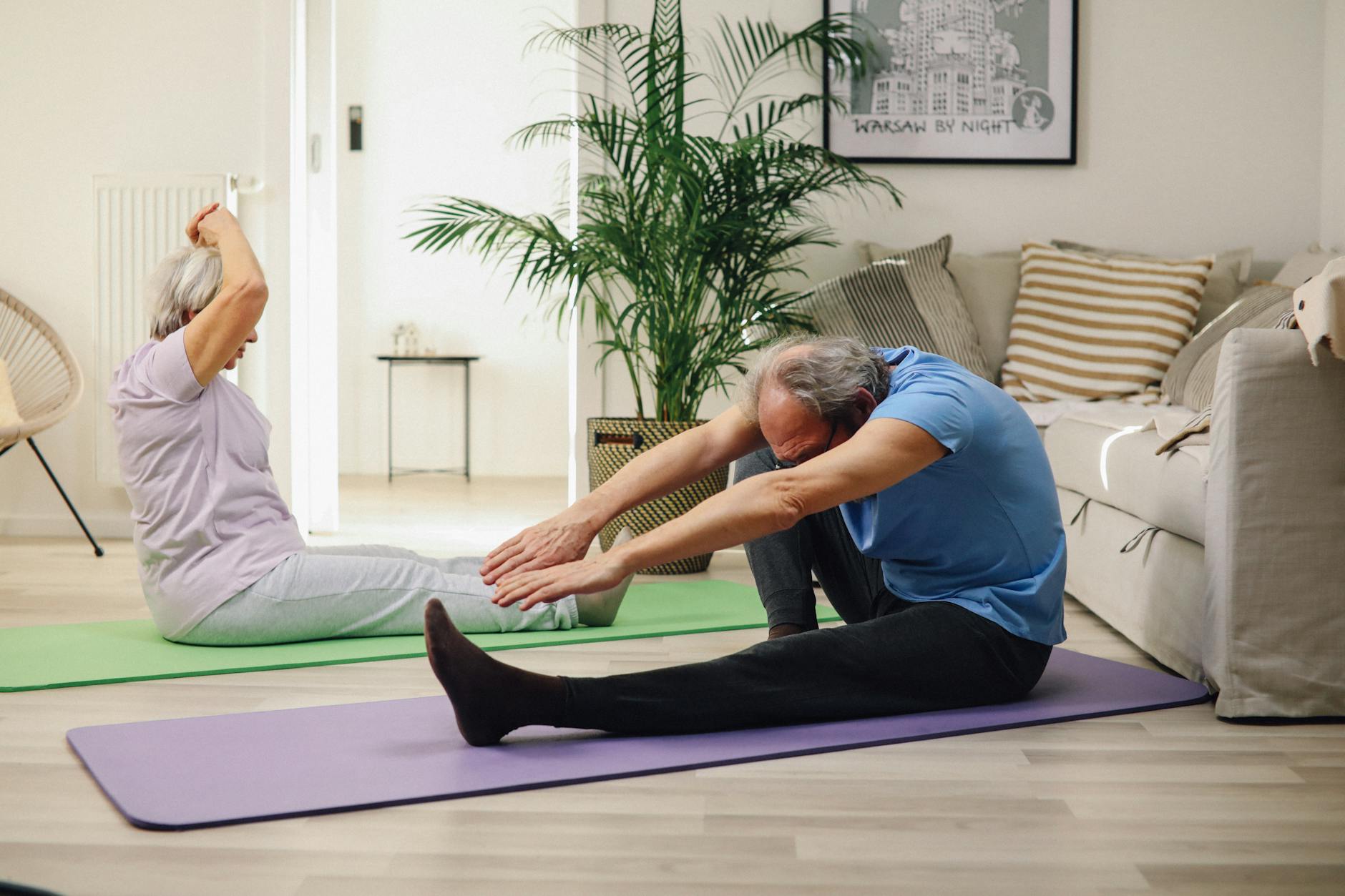
If your symptoms are mild and not caused by a serious underlying condition, there is strong evidence that targeted lifestyle changes can meaningfully improve blood flow in legs naturally. These approaches work through several different mechanisms — some increase arterial flow, others improve venous return, and others reduce the systemic risk factors driving vascular damage.
1. Move More — Especially Your Calves
Walking is the single most well-studied intervention for peripheral circulation. Even 30 minutes of brisk walking five days a week has been shown to improve symptoms of PAD and venous insufficiency. The calf muscle squeeze during each step actively pumps venous blood back toward the heart. If you sit at a desk for long periods, set a reminder to stand up and take a short walk every 45 to 60 minutes, or do simple calf raises at your desk. Ankle circles, toe points, and heel lifts can all help activate the venous pump when getting up is not practical.
2. Elevate Your Legs
Raising your legs above the level of your heart for 15 to 30 minutes, two or three times per day, harnesses gravity to drain pooled blood from the lower extremities. This is a well-established recommendation for chronic venous insufficiency and can noticeably reduce end-of-day ankle swelling. Lying on your back and propping your legs against a wall or on pillows works well.
3. Try Contrast Hydrotherapy
Alternating between warm and cool water exposure stimulates blood vessel dilation and constriction in a way that can improve peripheral vascular tone over time. A simple approach: spend 3 minutes with your feet in comfortably warm water, then 1 minute in cool water, and repeat the cycle two or three times. Finish on cool water. This is not recommended for people with Raynaud's or advanced PAD without medical guidance.
4. Eat for Vascular Health
Diet has a direct effect on the health of blood vessel walls and systemic inflammation. Several dietary patterns are particularly relevant to foot circulation treatment and vascular health generally:
- Nitrate-rich vegetables (beetroot, leafy greens, celery) — dietary nitrates convert to nitric oxide in the body, a potent vasodilator that relaxes blood vessel walls and improves flow
- Omega-3 fatty acids (oily fish, flaxseed, walnuts) — reduce triglycerides, lower systemic inflammation, and modestly reduce blood viscosity
- Flavonoid-rich foods (berries, dark chocolate, citrus) — associated with improved endothelial function and reduced arterial stiffness
- Limiting sodium — high salt intake raises blood pressure and promotes fluid retention, worsening edema
- Limiting saturated and trans fats — directly linked to the atherosclerosis that drives PAD

5. Stay Hydrated
Blood viscosity increases when you are dehydrated, meaning the heart has to work harder to push thicker blood through narrower vessels. Adequate hydration keeps blood at a consistency that flows more easily through peripheral vessels. Most adults do well with 6 to 8 glasses of water per day, though needs vary based on activity level and climate. Note that alcohol and excess caffeine act as diuretics and should not count toward fluid intake.
6. Quit Smoking
If you smoke, this is the single highest-impact change you can make for peripheral circulation. Studies have shown measurable improvement in arterial blood flow within weeks of quitting. Nicotine causes acute vasoconstriction with every cigarette; over years, smoking damages arterial walls permanently. The benefits of cessation are significant at any age.
7. Wear Compression Stockings (If Appropriate)
Graduated compression stockings apply gentle graduated pressure to the lower legs — greatest at the ankle, decreasing toward the knee — which mechanically assists venous return and reduces fluid accumulation. They are recommended for chronic venous insufficiency, varicose veins, and people who stand or sit for long periods. Medical-grade compression stockings (15–20 mmHg for mild symptoms, 20–30 mmHg for moderate) are available without a prescription, but anyone with arterial disease should check with their doctor first, as compression can be harmful if arterial flow is already compromised.
8. Manage Blood Pressure, Cholesterol, and Blood Sugar
These three systemic factors are the primary drivers of arterial damage that leads to PAD and reduced peripheral circulation. Regular monitoring and — where necessary — medication adherence alongside lifestyle changes are essential. Even modest improvements in these numbers translate to meaningful reductions in vascular risk over time.
9. Foot Massage and Self-Mobilization
Regular massage of the feet and lower legs stimulates local blood flow and lymphatic drainage. Research is limited but supports short-term improvements in localized circulation. Using a foam roller on the calves for 5 to 10 minutes daily, or simply massaging the arches and tops of the feet before bed, costs nothing and carries minimal risk for most people.
Frequently Asked Questions
Key Takeaways
Poor circulation in feet and legs is a wide-ranging issue that can stem from serious vascular disease, manageable lifestyle factors, or both. The key is learning to read your body's signals accurately. Cold, numb, discolored, or swollen feet and legs — especially if accompanied by slow-healing wounds or predictable cramping with activity — deserve attention rather than dismissal.
On the lifestyle side, the evidence is clear: regular walking, leg elevation, a diet rich in vegetables and omega-3 fats, adequate hydration, and quitting smoking are the highest-impact, lowest-risk steps most people can take to improve blood flow in legs naturally. These interventions do not require expensive equipment or specialist referrals. They do require consistency.
That said, lifestyle changes are not a substitute for medical evaluation when serious warning signs are present. Foot circulation treatment in a clinical context ranges from medications that reduce clotting risk and lower blood pressure, to supervised exercise programs, to minimally invasive procedures that can open narrowed arteries. The sooner vascular disease is identified, the more options are available — and the lower the risk of serious complications like stroke, heart attack, or limb loss.
If you have been ignoring the signals your feet and legs are sending, take this as encouragement to pay attention. The peripheral vascular system is a reliable early warning system for your broader cardiovascular health — and unlike many conditions, poor peripheral circulation often responds meaningfully to changes you can start today.
This article is for informational purposes only and does not constitute medical advice. Always consult a qualified healthcare provider for diagnosis and treatment of any health condition.