Poor Leg Circulation: Warning Signs, Causes, and How to Improve Blood Flow
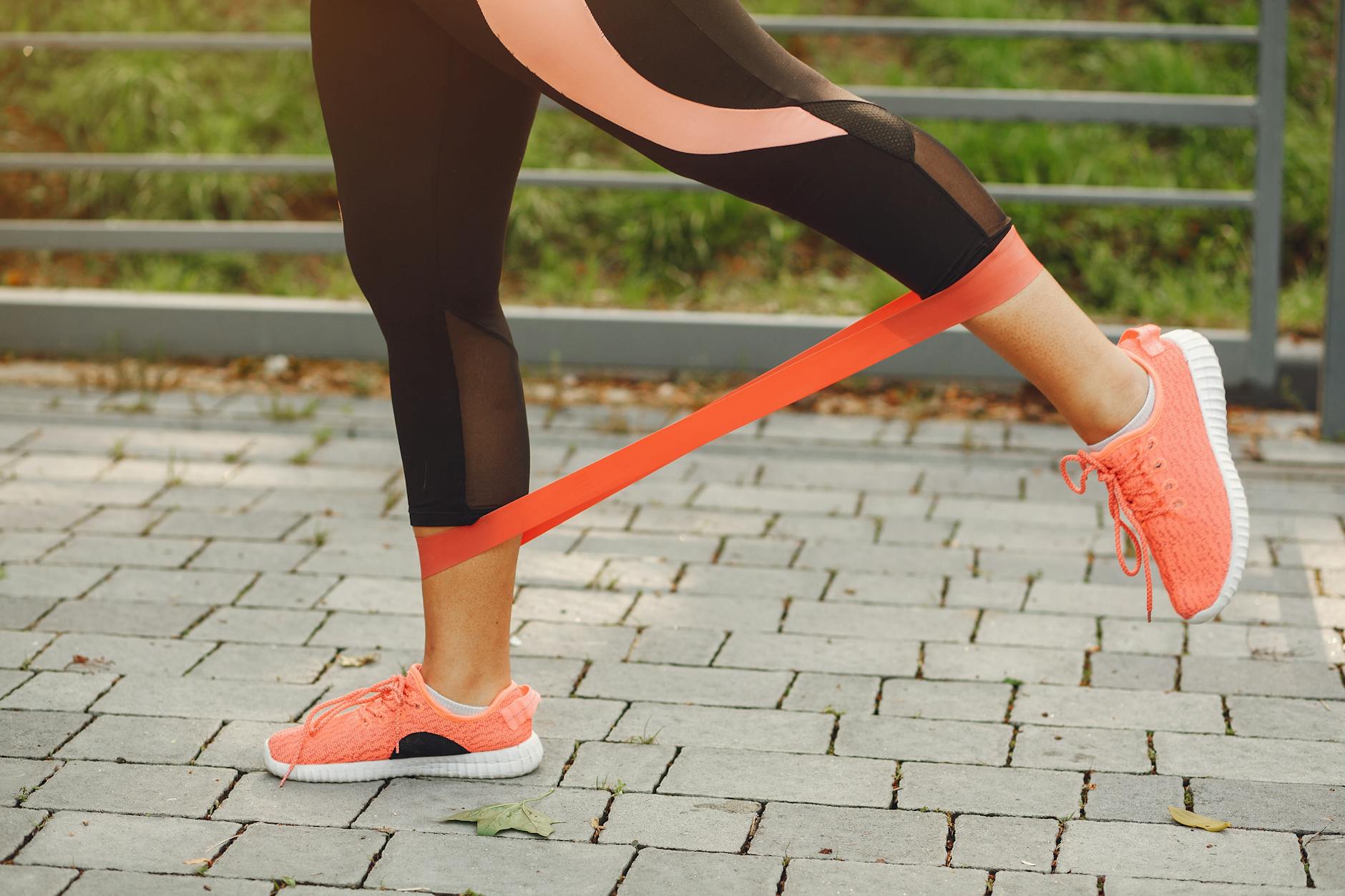
If your feet feel perpetually cold, your legs ache after sitting at a desk for a few hours, or you've noticed unusual skin discoloration around your ankles, you may be experiencing poor leg circulation symptoms — and you're far from alone. According to the American Heart Association, peripheral artery disease (PAD) alone affects more than 8.5 million Americans over the age of 40, and millions more experience subclinical circulatory issues driven by sedentary behavior, excess weight, or metabolic conditions like type 2 diabetes.
Poor circulation in the legs is not simply an inconvenience. Left unaddressed, it can progress to serious complications including non-healing wounds, deep vein thrombosis (DVT), and in severe cases, limb-threatening ischemia. The good news: how to improve blood circulation in legs is a well-researched topic, and most early-stage cases respond meaningfully to lifestyle changes, targeted exercise, and emerging therapies such as intermittent pneumatic compression.
This guide covers everything you need to know — from the earliest warning signals to a step-by-step action plan backed by current clinical evidence.
What Is Leg Circulation and Why Does It Matter?
Your circulatory system moves oxygenated blood from the heart, through the arteries, to every tissue in the body — including the legs and feet — and then returns deoxygenated blood via the veins. The legs face a unique challenge: they are the farthest point from the heart, and venous blood must travel upward against gravity. Healthy leg circulation depends on three cooperating mechanisms:
- Arterial pressure — the force generated by each heartbeat pushing blood into the extremities.
- Venous valves — one-way valves inside leg veins that prevent blood from pooling as it climbs back toward the heart.
- The calf muscle pump — contractions of the calf muscles during walking act as a secondary "peripheral heart," squeezing blood upward with each step.
When any of these mechanisms falters — whether due to arterial narrowing, damaged venous valves, or prolonged physical inactivity — circulation deteriorates. The tissues downstream receive less oxygen and fewer nutrients, waste products accumulate, and the characteristic signs of poor circulation in feet and lower legs begin to appear.
Warning Signs of Poor Leg Circulation You Should Not Ignore
Recognizing poor leg circulation symptoms early is the single most important step toward preventing serious complications. Symptoms can vary depending on whether the problem is primarily arterial (too little blood arriving) or venous (blood not returning efficiently), but many people experience a mix of both.
Persistent Coldness or Numbness in the Feet and Toes
One of the most common early signs of poor circulation in feet is a cold sensation that persists even when the rest of the body is warm. Reduced arterial inflow means less warm, oxygenated blood reaching the extremities. Numbness or a "pins and needles" sensation often accompanies this, particularly after sitting for extended periods.
Leg Cramping or Claudication During Activity
Intermittent claudication — cramping, aching, or heavy pain in the calf, thigh, or buttock that appears during walking and resolves with rest — is a hallmark symptom of peripheral artery disease. The muscles are essentially experiencing a temporary oxygen deficit. A 2019 review published in the Journal of the American College of Cardiology noted that claudication significantly reduces walking distance and quality of life, yet it is frequently underdiagnosed in primary care settings.
Skin Discoloration and Changes in Appearance
Poor venous return causes blood to pool in the lower legs, leading to a reddish-brown discoloration (hemosiderin staining) around the ankles. In arterial insufficiency, the skin may instead appear pale or have a bluish tinge (cyanosis). Shiny, hairless skin on the lower legs can also signal chronic arterial under-perfusion.
Swelling (Edema) in the Ankles and Feet
Chronic venous insufficiency — a condition in which damaged vein valves allow blood to pool — is one of the most common causes of lower-limb swelling. The American Venous Forum estimates that chronic venous disease affects approximately 25% of women and 15% of men in Western countries. Swelling that worsens throughout the day and improves with leg elevation is a telltale pattern.
Varicose Veins and Spider Veins
Visibly enlarged, twisted veins beneath the skin surface are a direct consequence of venous valve failure. While often dismissed as cosmetic concerns, varicose veins can cause aching, heaviness, and itching, and they indicate underlying venous hypertension that warrants attention.
Slow-Healing Wounds or Ulcers
Tissue with an inadequate blood supply heals poorly. Venous leg ulcers — typically located around the inner ankle — and arterial ulcers on the toes or heels are serious manifestations of advanced circulation problems. Any wound on the lower leg or foot that has not improved within two weeks deserves prompt medical evaluation.

Common Causes of Poor Leg Circulation
Understanding what drives reduced circulation is essential for choosing the right interventions.
Peripheral Artery Disease (PAD)
PAD is caused by atherosclerosis — the build-up of fatty plaques inside arterial walls — which progressively narrows the vessels supplying the legs. Risk factors mirror those for heart disease: smoking, high blood pressure, elevated LDL cholesterol, and type 2 diabetes. The CDC notes that people with diabetes are up to four times more likely to develop PAD than those without the condition.
Chronic Venous Insufficiency (CVI)
When the valves inside leg veins become weakened or damaged, blood flows backward and pools in the lower limbs. CVI is particularly common in people who spend long hours standing or sitting, those who are overweight, and women who have had multiple pregnancies. It is the underlying mechanism behind most varicose veins and venous leg ulcers.
Sedentary Lifestyle
Perhaps the most pervasive and modifiable cause. Prolonged sitting essentially paralyzes the calf-muscle pump. A landmark study published in the American Journal of Physiology demonstrated that just one hour of uninterrupted sitting significantly reduces superficial femoral artery blood flow. In an era of desk-based work, this is a daily threat for enormous numbers of people.
Obesity
Excess body weight increases venous pressure in the lower limbs, strains venous valves, and promotes chronic low-grade inflammation that damages blood vessel walls. Research consistently shows that even modest weight loss — 5 to 10% of body weight — produces measurable improvements in vascular function.
Diabetes
Chronically elevated blood glucose damages both large arteries (macrovascular disease) and small blood vessels (microvascular disease). Diabetic peripheral neuropathy further complicates the picture by reducing sensation, meaning that patients may not notice early warning signs until problems are advanced.
Smoking
Nicotine and carbon monoxide in cigarette smoke cause vasoconstriction, increase blood viscosity, and accelerate atherosclerotic plaque formation. According to the American Heart Association, smokers are up to four times more likely to develop PAD. Quitting smoking is consistently the single most impactful intervention for arresting PAD progression.
Deep Vein Thrombosis (DVT)
A blood clot in a deep vein of the leg can block venous return and, critically, can break free and travel to the lungs as a pulmonary embolism. DVT requires immediate medical attention. Risk factors include prolonged immobility (such as long-haul flights), surgery, dehydration, certain medications, and inherited clotting disorders.
How to Improve Blood Circulation in Legs: An Evidence-Based Action Plan
The good news is that how to improve blood circulation in legs is actionable at multiple levels, from simple daily habits to medically supervised therapies. The following strategies are supported by peer-reviewed research.
1. Prioritize Daily Movement — Especially Walking
Leg circulation exercises are the foundation of any circulation improvement program. Walking is uniquely effective because it activates the calf-muscle pump with every step, driving venous blood back toward the heart and stimulating nitric oxide production in arterial walls — a process that promotes vessel dilation and improved flow.
The 2020 ACC/AHA Guidelines on the Management of Patients with Lower Extremity PAD recommend supervised exercise therapy as a first-line treatment, citing evidence that structured walking programs can improve pain-free walking distance by 100–200% over 3 to 6 months. Even without a formal diagnosis, a consistent 30-minute daily walk represents one of the highest-value interventions available.
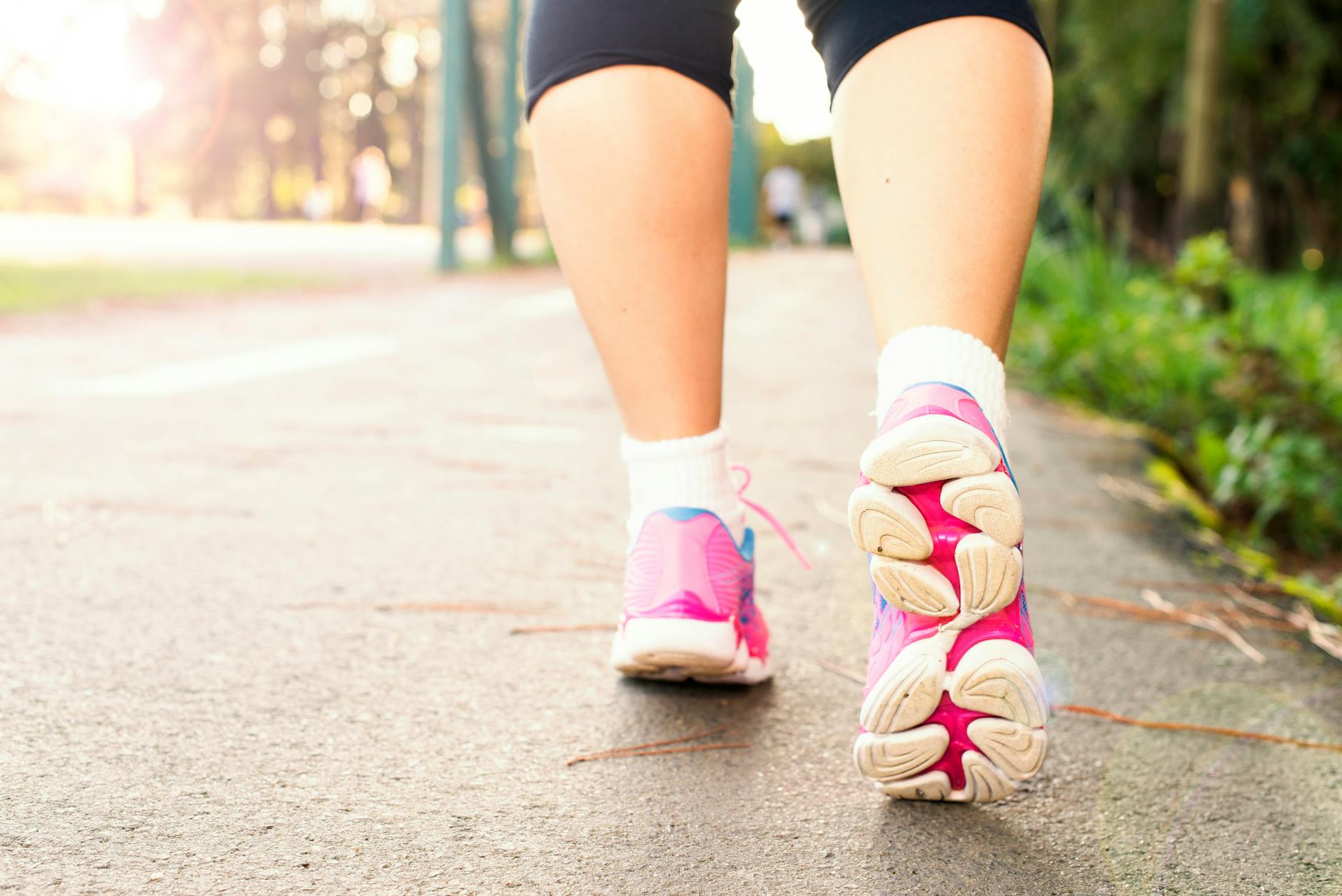
Additional leg circulation exercises to incorporate throughout the day include:
- Calf raises — standing on the balls of the feet and slowly lowering, 15–20 repetitions, can be done at a desk or kitchen counter.
- Ankle circles — rotating each foot in wide circles for 30 seconds per direction, particularly useful during long periods of sitting or travel.
- Heel-toe walking — alternating between walking on heels and toes to engage the full lower-leg musculature.
- Swimming and cycling — both are excellent low-impact options that engage the leg muscles rhythmically without the joint stress of running.
2. Elevate Your Legs
Raising the legs above heart level uses gravity to assist venous return, directly reducing the pressure that causes pooling and swelling. A 2016 study in the Journal of Vascular Surgery: Venous and Lymphatic Disorders confirmed that leg elevation significantly reduces lower-limb venous pressure in patients with CVI. Aim for 15–20 minutes of elevation two to three times per day, particularly in the evening.
3. Adopt a Circulation-Friendly Diet
Certain dietary patterns and specific foods have well-documented effects on vascular health, supporting the goal of improving blood flow naturally:
- Nitrate-rich vegetables (beetroot, spinach, arugula) are converted to nitric oxide in the body, promoting vasodilation. Research published in Hypertension (2013) found that daily beetroot juice consumption measurably lowered blood pressure and improved arterial stiffness.
- Omega-3 fatty acids (oily fish, flaxseed, walnuts) reduce blood viscosity and triglyceride levels, improving flow through smaller vessels.
- Flavonoid-rich foods (dark berries, citrus, dark chocolate, green tea) support endothelial function — the health of the cells lining blood vessels.
- Reducing sodium intake helps manage blood pressure and reduces the fluid retention that exacerbates venous swelling.
- Staying well-hydrated keeps blood at a healthy viscosity; dehydration thickens the blood and slows circulation.
4. Wear Compression Stockings
Medical-grade graduated compression stockings apply the greatest pressure at the ankle and progressively less pressure further up the leg, mechanically assisting venous blood return. A Cochrane Review of compression therapy for venous leg ulcers (2012, updated 2021) confirmed that compression substantially improves healing rates compared with no compression. They are also widely recommended for long-haul travelers to reduce DVT risk.
5. Intermittent Pneumatic Compression Therapy
Pneumatic compression therapy benefits are well-established in clinical settings and are increasingly recognized for home use. Intermittent pneumatic compression (IPC) devices use inflatable cuffs worn around the legs that cyclically inflate and deflate in a controlled sequence, mimicking and amplifying the natural calf-muscle pumping action.
Clinical evidence supports IPC across multiple conditions:
- A meta-analysis published in the European Journal of Vascular and Endovascular Surgery found IPC significantly reduces DVT incidence in post-surgical patients.
- Studies in patients with PAD have demonstrated that IPC increases arterial inflow to the foot by up to 240% per inflation cycle (Labropoulos et al., 2002, Journal of Vascular Surgery).
- The National Institute for Health and Care Excellence (NICE) in the UK recommends IPC as standard post-operative DVT prophylaxis.
Devices like sequential compression systems — originally developed for hospital use — are now available in consumer-grade formats, broadening access to pneumatic compression therapy benefits outside clinical settings.
6. Massage the Lower Legs
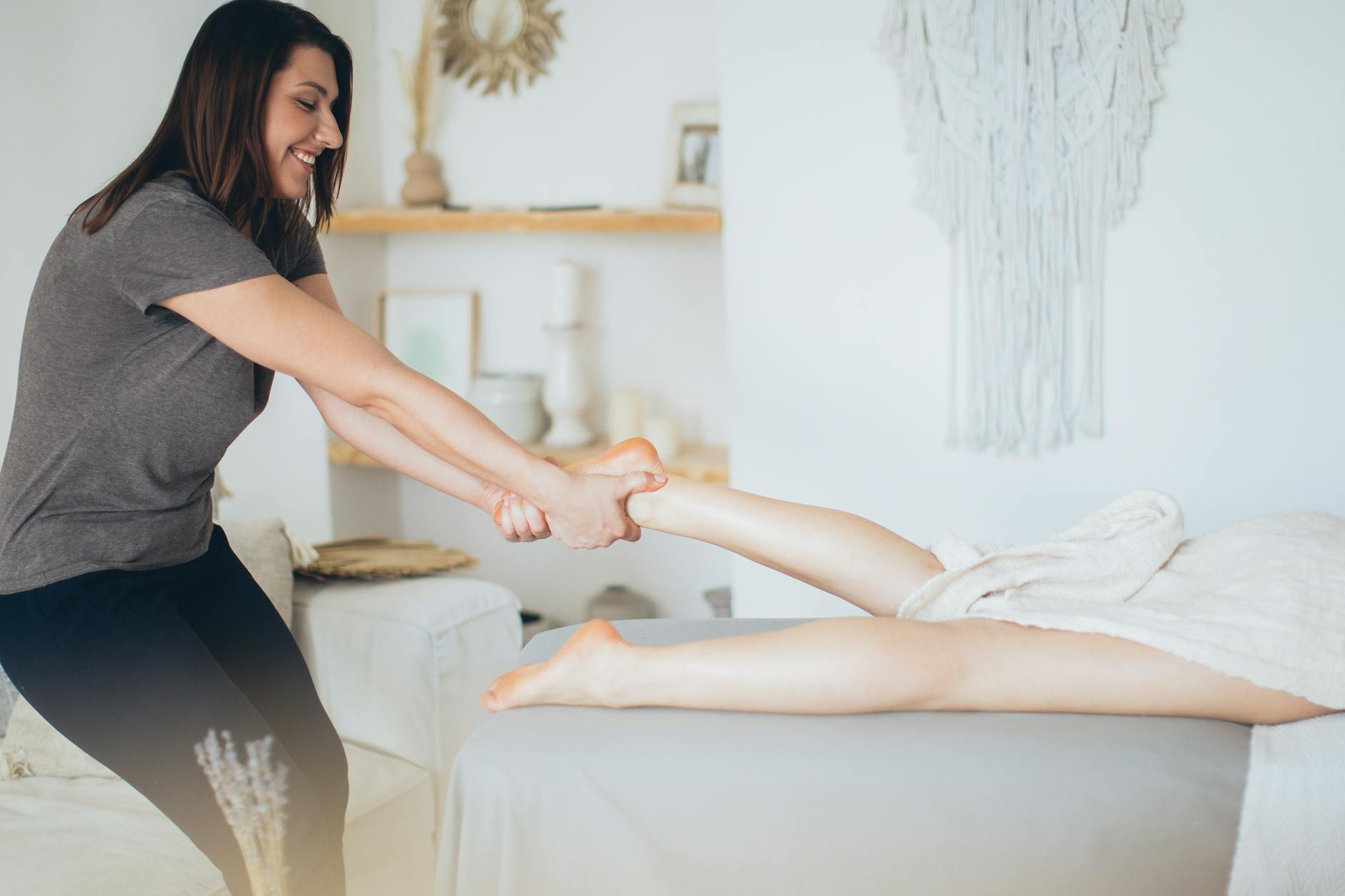
Massage mechanically moves fluid from the extremities back toward the central circulation. Effleurage-style strokes — long, sweeping motions directed from the foot toward the knee — are most effective for venous circulation. A 2014 systematic review in the Journal of Physiotherapy found that manual lymphatic drainage and massage reduced lower-limb edema and improved subjective comfort in patients with CVI. Self-massage with a foam roller applied to the calves for 5–10 minutes is a practical daily option.
7. Manage Underlying Medical Conditions
For those with diagnosed PAD, diabetes, or hypertension, working closely with a healthcare provider to optimize medical management is essential. Medications such as statins, antiplatelet agents (e.g., aspirin, clopidogrel), and antihypertensives directly address the vascular mechanisms that impair blood flow. For diabetics, tight glycemic control slows the progression of both microvascular and macrovascular disease.
When to See a Doctor
While lifestyle measures address most mild-to-moderate circulation concerns, certain symptoms warrant prompt medical evaluation. Seek care without delay if you experience any of the following:
- Sudden, severe leg pain or swelling, especially in one leg (possible DVT)
- Rest pain — aching or burning in the foot or toes at night that is relieved by hanging the foot over the bed edge
- A wound or ulcer on the foot or lower leg that is not healing
- Skin that is black, blue-black, or has developed gangrene
- Sudden numbness, weakness, or coldness in one leg without an obvious cause
- Claudication that has significantly worsened or now occurs at very short distances
Your doctor may order an ankle-brachial index (ABI) test — a simple, non-invasive ratio comparing blood pressure in the ankle to the arm — as well as Doppler ultrasound imaging to assess blood flow and identify specific sites of obstruction or valve failure.
Frequently Asked Questions
Key Takeaways
Poor leg circulation symptoms range from the subtle (persistent foot coldness, mild ankle swelling) to the serious (non-healing ulcers, rest pain, claudication), and they reflect a spectrum of underlying conditions — from sedentary habits and excess weight to PAD and chronic venous insufficiency. The earlier they are recognized, the more options remain available.
The most actionable steps to improve blood flow naturally are also the most sustainable: daily walking and targeted leg circulation exercises, leg elevation, a nitrate- and omega-3-rich diet, adequate hydration, and compression therapy. For those with confirmed vascular disease, these lifestyle measures work in concert with medical management — not instead of it.
Intermittent pneumatic compression, once confined to hospital wards, now offers clinically validated pneumatic compression therapy benefits in accessible consumer formats, providing a meaningful adjunct for people with CVI, PAD, or recovery from surgery.
Most importantly: if you are experiencing any of the red-flag symptoms described in this article — sudden leg swelling, rest pain, non-healing wounds, or possible DVT — contact a healthcare professional promptly. Leg circulation is not a cosmetic concern; it is a barometer of overall cardiovascular health.
This article is for informational purposes only and does not constitute medical advice. Always consult a qualified healthcare provider for diagnosis and treatment of circulatory conditions. Sources: American Heart Association, American College of Cardiology/AHA 2020 PAD Guidelines, Cochrane Reviews, Journal of Vascular Surgery, European Journal of Vascular and Endovascular Surgery, NICE Guidelines (UK), American Journal of Physiology, Journal of Physiotherapy.