Professional Teeth Whitening vs At-Home Kits: Is the Price Difference Worth It?
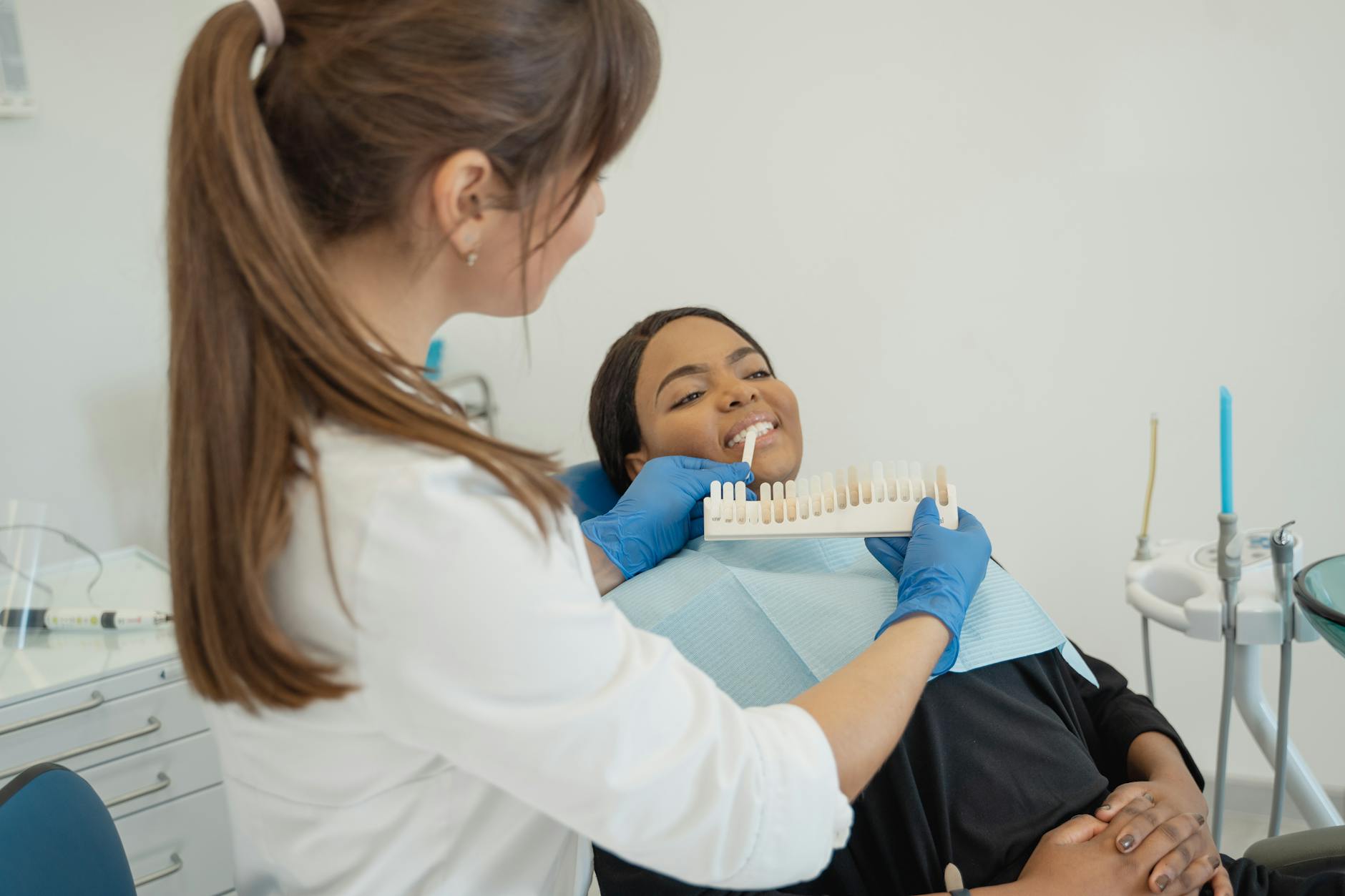
Professional whitening can cost several times what a drugstore kit does, and the honest question is what that gap buys. This comparison is built on the American Dental Association's clinical overview of whitening rather than on brand marketing — and it is written by a website, not a dentist, which matters for how you should use it.
How we researched this — and who is (not) writing
This is source-based desk research. We did not test whitening products, and no dentist wrote or reviewed this page — an earlier version appeared under a byline implying dental credentials; that attribution was inaccurate. Clinical statements below are drawn from the American Dental Association's oral-health topic on whitening, cited at the end. Your own dentist's advice about your own mouth outranks anything here.
The Three Routes, As the ADA Categorises Them
The ADA's overview groups vital tooth whitening into in-office bleaching procedures, dentist-supplied products for use at home, and over-the-counter (OTC) whiteners. Chemically they are more alike than the price gap suggests: per the ADA, "carbamide peroxide and hydrogen peroxide are commonly used in whitening interventions and can readily permeate dental hard tissues." Most whitening strips, the ADA notes, rely primarily on peroxide to bleach.
What You Are Actually Paying For
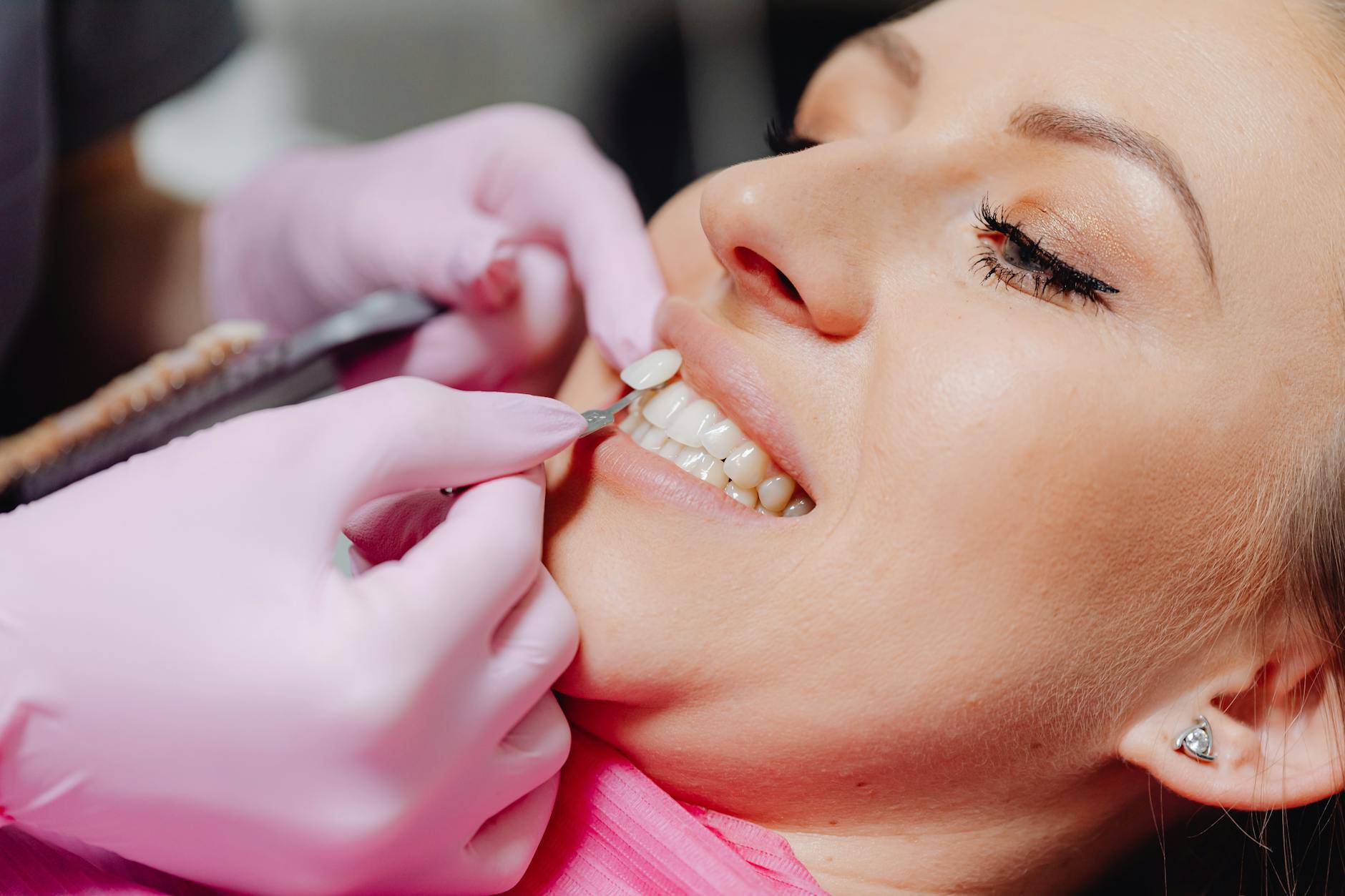
- Concentration and speed. In-office procedures use stronger formulations than OTC products, which is why results come faster. Dentist-supplied take-home gels in custom-made trays sit between the two.
- Supervision and fit. A dentist examines your teeth first, can identify why they are discoloured, and custom trays control where gel goes. OTC products are one-size and unsupervised.
- Not a different miracle. The active chemistry is the same family. Cheaper does not mean fake; pricier does not mean magic.
The Side Effects Nobody's Marketing Mentions First
Per the ADA: "Temporary tooth sensitivity and gingival inflammation are the most common adverse effects of vital tooth whitening." On OTC formats, the ADA topic cites a 2020 systematic review that “found limited evidence that whitening dentifrices had similar efficacy to paint-on gel but less efficacy than whitening strips, with comparable adverse effects (e.g., sensitivity, oral irritation).” Sensitivity is usually temporary.

See a Dentist First If Any of These Apply
These are the cases where "just grab a kit" is poor advice, and where a dental assessment should come before any whitening:
- Untreated dental disease (ADA-derived) — the ADA frames whitening as appropriate after dental disease is addressed; decay or gum disease should be treated before bleaching gels are involved.
- Crowns, veneers or fillings in the smile zone (ADA-derived) — restorative materials do not respond to bleach like enamel, so whitening can leave mismatched colour. A dentist can tell you what your specific mouth will do.
- Persistent or severe sensitivity, or sensitivity that appears during whitening and does not settle (our cautious recommendation, not an ADA conclusion).
- Pregnancy (our cautious recommendation, not an ADA conclusion) — we did not locate pregnancy-specific guidance on the ADA whitening topic; elective cosmetic treatment is easy to defer, and your dentist can advise.
- Single dark teeth or unusual discoloration (our cautious recommendation, not an ADA conclusion) — sometimes a sign of something that needs diagnosis, not bleaching.
Each flag above is labelled: “ADA-derived” items follow from the ADA's clinical framing; the rest are cautious editorial recommendations we hold because a cheap cosmetic decision should never pre-empt a diagnostic one.
So Is the Price Difference Worth It?
Our reasoned answer, labelled as such:
- Worth paying more if you want speed, have any of the see-a-dentist-first flags above, have a history of sensitivity, or simply want someone accountable examining your mouth before and after. The exam is a real part of the value.
- OTC is a reasonable start if your teeth and gums are healthy, your discoloration is ordinary surface staining, and you are content with slower, more modest change. Follow the product's instructions exactly, and stop if sensitivity or gum irritation is more than mild.
- How long results last varies. The ADA topic we rely on gives no universal longevity figure and we make no claim about one; if durability matters to you, ask a dentist what to expect for your teeth and habits.
We are deliberately not quoting price figures: whitening pricing varies widely by market and practice, and any number we printed would be stale or wrong for your area. Get a local quote and a current shelf price; the ratio between them is the real input to this decision.
Limitations of This Article
We have not tested any whitening product, compared brands, or measured outcomes, and we cite no figures we could not source. This is a framework for the decision, sourced to the ADA for the clinical facts — not a substitute for the examination that is, itself, part of what the professional option sells.
Sources
- American Dental Association — Oral Health Topics: "Whitening" (categories of whitening: in-office, dentist-supplied for home use, OTC; carbamide and hydrogen peroxide readily permeate dental hard tissues; temporary tooth sensitivity and gingival inflammation as the most common adverse effects; the 2020 systematic review comparing whitening dentifrices, paint-on gel and whitening strips; most whitening strips rely primarily on peroxide).