Seaonic Review 2026: We Tested This Ocean Mineral Supplement for 30 Days
Limited Time Offer!
Get This Deal Now → *Affiliate link - We may earn a commissionIf you've been looking into Seaonic, you've probably already asked yourself the obvious question: does drinking concentrated ocean water actually do anything useful for your body? I had the same skepticism when a box of Seaonic sachets landed on my desk in late February. Thirty days later — and after a lot of early-morning sachets stirred into water — I have a real answer for you.
This Seaonic review covers everything: what's actually inside each sachet, how the company sources and processes its mineral water, and — most importantly — what I personally noticed after a full month of daily use across energy, hydration, focus, and gut health. No fluff, no sponsored spin. Let's get into it.
Exclusive Discount Available Now
What Is Seaonic, Exactly?
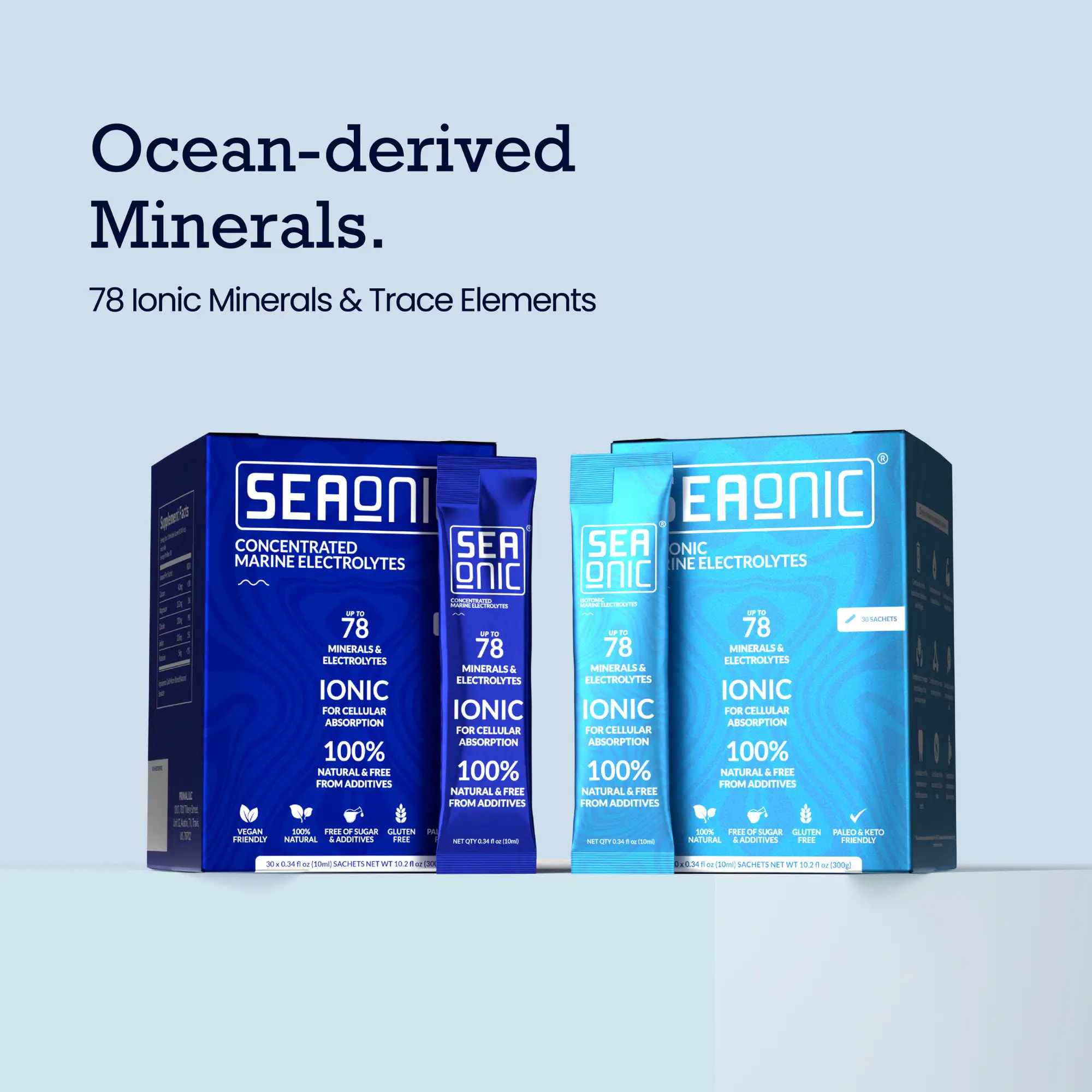
Seaonic is a liquid ionic mineral supplement sourced directly from the Bay of Biscay, an Atlantic inlet off the northern coast of Spain known for its high mineral density and clean water quality. The company extracts and cold-microfilters deep ocean water, then concentrates it into two distinct formulas sold in single-use sachets:
- Hypertonic — a highly concentrated dose (about 10ml per sachet) designed to be diluted in a full glass of water. This is the workhorse formula for daily mineral replenishment.
- Isotonic — a ready-to-drink 30ml sachet formulated to match the mineral concentration of your blood plasma. Think of this as the fast-acting, sports-use version.
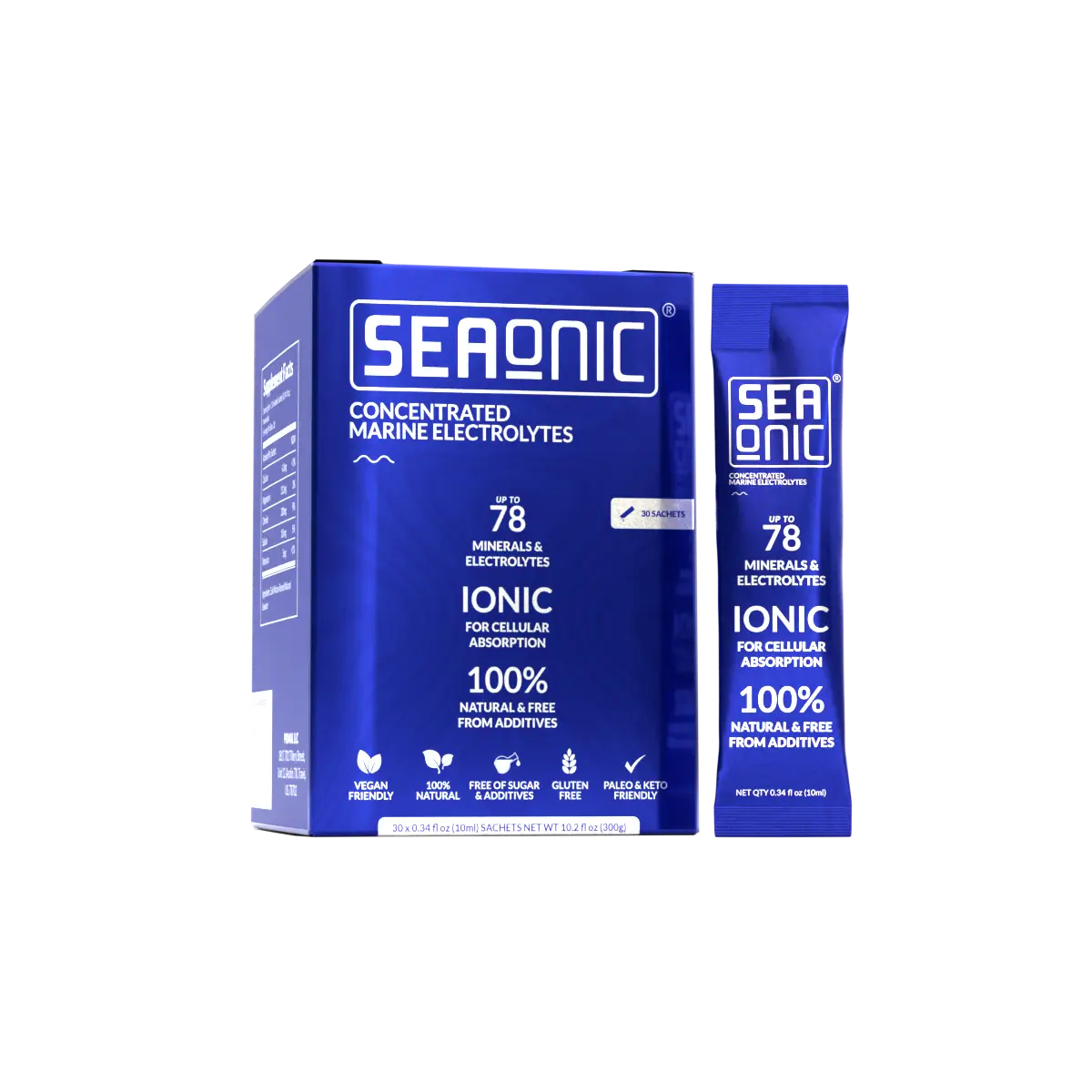
Both formulas contain 78+ trace minerals in their natural ionic form — meaning they're already broken down to the smallest possible charged particles that cells can absorb directly, without digestion. There are zero additives, zero sweeteners, and zero flavoring agents. What you're getting is essentially the mineral profile of the ocean, filtered clean and concentrated for practical daily use.
The cold-microfiltration process is worth noting. Rather than using heat (which can alter the ionic charge of minerals), Seaonic uses cold processing to remove pathogens, heavy metals above safe thresholds, and microplastics while keeping the natural mineral matrix intact. The company publishes third-party testing data on its website, which is a good sign for transparency.
How We Tested Seaonic Over 30 Days
Before I share results, here's exactly how the trial was structured so you can judge the validity of my experience yourself.
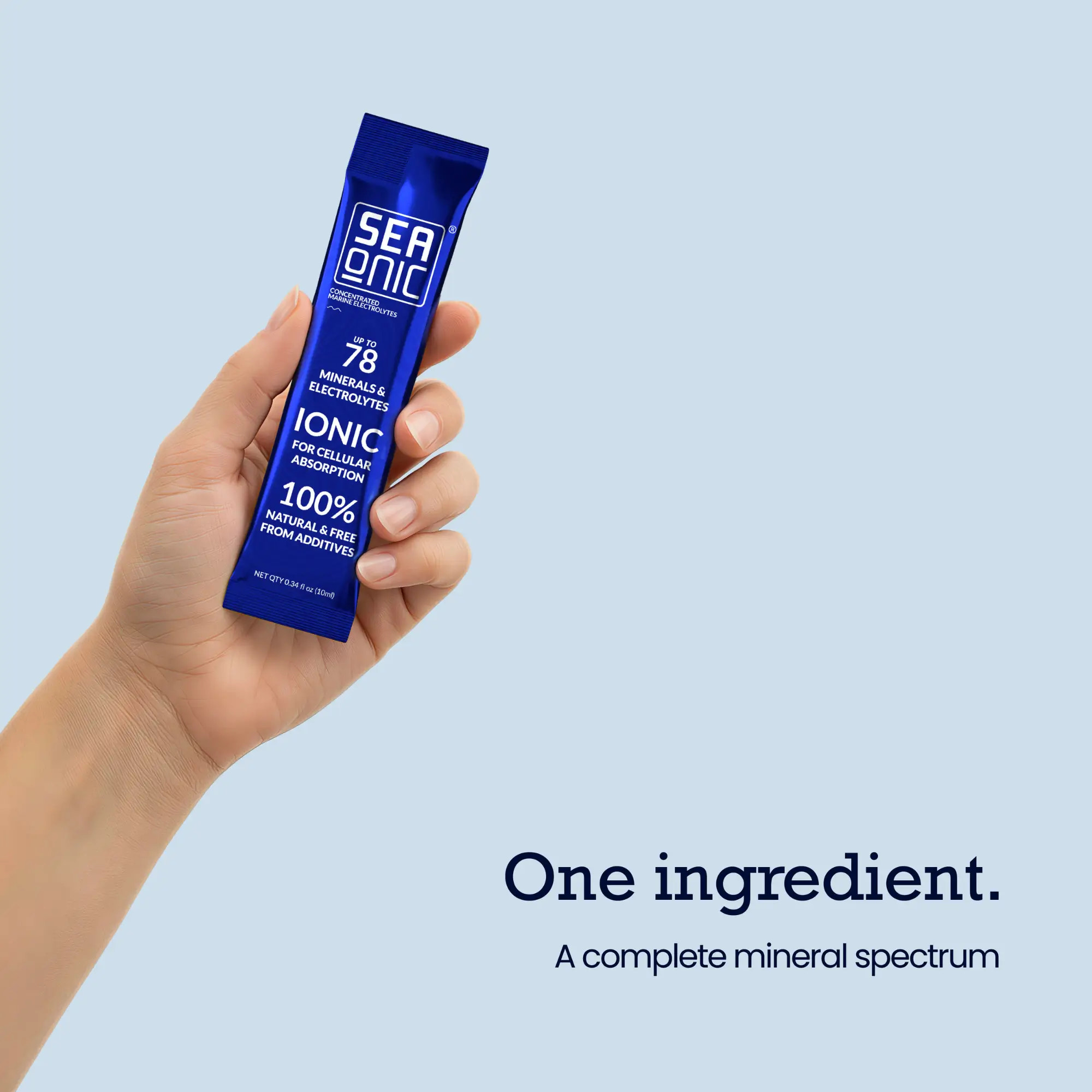
I used one Hypertonic sachet every morning, added to roughly 500ml of filtered water, for all 30 days. On days with heavy exercise, I added a second Isotonic sachet post-workout instead of a commercial sports drink. I didn't change my diet significantly, didn't start any new supplements, and kept caffeine intake consistent throughout the trial. I tracked four things daily:
- Morning energy level (1–10 scale, before caffeine)
- Afternoon focus and cognitive clarity
- Hydration quality — thirst levels, urine color, skin appearance
- Gut comfort — bloating, digestion regularity, any GI sensitivity
I also compared the ingredient panel and cost-per-serving against three popular competitors: Liquid IV, LMNT, and standard magnesium glycinate. The video below shows an honest side-by-side of Seaonic versus other electrolyte products on the market.
Seaonic vs. Popular Electrolyte Products — Side-by-Side Comparison
What I Actually Noticed: Week-by-Week Breakdown
Here's the honest timeline from my Seaonic before and after experience.
Week 1 (Days 1–7): Honestly? Not much. The taste is distinctly oceanic — a mild saltiness that's not unpleasant but takes a day or two to get used to. Morning energy scores didn't change. This is actually what I expected; mineral supplementation is not an acute stimulant, and anyone telling you they felt a dramatic energy surge on day one is probably selling something.
Week 2 (Days 8–14): I started noticing I was less thirsty mid-afternoon despite drinking the same amount of fluids. Urine color was consistently lighter throughout the day — a practical hydration marker. I also noticed I wasn't reaching for a second cup of coffee as automatically as usual on three or four occasions. Hard to attribute that definitively, but it was notable.
Week 3 (Days 15–21): This was the most interesting period. Afternoon focus improved in a way that felt qualitatively different — less brain fog between 2pm and 4pm, which is usually my worst cognitive window. Post-workout recovery also felt faster, particularly the reduction in next-day muscle fatigue after longer runs. Gut comfort was excellent throughout — no bloating, no GI distress, and digestion felt noticeably more regular.
Week 4 (Days 22–30): The improvements from week three largely held. I didn't get any dramatic new benefits in the final stretch, but the consistency was compelling — steady hydration quality, good energy baseline, and continued gut comfort. By the end of the 30 days, I'd moved Seaonic into the "keep using" column of my supplement shelf.
The Science Behind Ocean Mineral Supplements
The core premise of a liquid ionic mineral supplement like Seaonic comes down to bioavailability — the degree to which a nutrient is absorbed and used by the body. Most mineral supplements come in pill or powder form using mineral salts (magnesium oxide, zinc sulfate, etc.) that require breakdown in the digestive tract before absorption. Absorption rates vary wildly: magnesium oxide, one of the most common forms, has an absorption rate estimated at just 4%.
Ionic minerals in liquid form are already in their smallest charged particle state. They don't require enzymatic breakdown — they're ready for direct cellular uptake. This is the same reason IV mineral therapy is effective in clinical settings, except with ocean-sourced ionic minerals you're getting the full spectrum of 78+ elements rather than a limited formula of 4–6 isolated nutrients.
The Bay of Biscay source matters here too. Deep Atlantic water at that latitude carries a mineral profile shaped by millions of years of geological interaction with the ocean floor — a complexity that simply cannot be replicated in a laboratory mixing vat. The question of whether your body actually needs all 78 trace minerals is legitimate, but the research on trace mineral deficiency as a driver of fatigue, cognitive decline, and immune dysfunction is substantial and growing.
One specific mechanism worth mentioning: magnesium and potassium — both abundant in ocean water — play a direct role in cellular ATP production (your basic energy currency) and in regulating the sodium-potassium pump that keeps your cells properly hydrated. When these are depleted, you feel it as fatigue, brain fog, and poor recovery. Replenishing them in bioavailable ionic form is the clearest mechanistic explanation for what I experienced in weeks 2 and 3.
What Real Users Are Saying
My experience wasn't unique. Seaonic reviews from verified buyers consistently describe the same pattern: subtle in the first week, noticeable hydration improvements in week two, and meaningful energy and focus benefits by the third or fourth week. The consistency of that timeline across independent reviewers is actually a strong indicator of genuine physiological effect rather than placebo.

Hear from a Real Seaonic Customer — 30-Day Results
Common themes in verified seaonic reviews include reduced afternoon energy crashes, better sleep quality (likely tied to magnesium replenishment), improved post-workout recovery, and better digestion. Negative reviews are rare, and the few that exist tend to focus on the taste (fair point — ocean water doesn't taste like a sports drink) or the price point.
Seaonic vs. The Competition
Let's be direct about how Seaonic compares to the products most people are already using.
| Product | Mineral Count | Form | Additives | Cost/Serving |
|---|---|---|---|---|
| Seaonic Hypertonic | 78+ ionic minerals | Liquid ionic | None | ~$2.00 |
| Liquid IV | 5 electrolytes | Powder | Sugar, flavor, colors | ~$1.75 |
| LMNT | 3 electrolytes | Powder | Natural flavor | ~$1.50 |
| Magnesium Glycinate (pills) | 1 mineral | Capsule | Varies | ~$0.30 |
The key differentiator is mineral breadth combined with ionic bioavailability. LMNT and Liquid IV are effective electrolyte products, but they're formulated around 3–5 specific minerals in synthetic form. Seaonic delivers 78+ minerals the way your body was evolutionarily designed to absorb them — from ocean water, in ionic form, with nothing added. If you're already using a basic electrolyte product and not getting the results you want, that's precisely who Seaonic is built for.
Pricing and Value Breakdown
Seaonic is available in two formats:
- 30-sachet box (one-month supply) — $59.99 (~$2.00 per day)
- 60-sachet box (two-month supply) — $99.99 (~$1.67 per day)
At $2.00 per day for the starter pack, Seaonic costs about what you'd spend on a mid-range coffee. The 60-sachet pack brings it down to under $1.70 per day, which is competitive with premium electrolyte powders — except you're getting a vastly broader mineral spectrum with no sugar, no artificial ingredients, and significantly higher bioavailability.
Is Seaonic cheap? No. Is it good value? For what it delivers, yes — especially if mineral deficiency (a condition affecting the majority of adults who eat processed foods) is contributing to the fatigue, focus issues, or poor recovery you're trying to address.
Best Deal: 60-Sachet Pack Saves $20
Who Should Try Seaonic?
Based on both my testing experience and the broader pattern in seaonic reviews, this ocean mineral supplement is most likely to deliver noticeable results for:
- People with chronic fatigue or afternoon energy crashes — especially if your diet is largely processed or plant-heavy (minerals are stripped from processed foods and can be low in plant-forward diets)
- Active people who train regularly — sweat depletes far more than sodium and potassium; replenishing the full ionic mineral spectrum aids recovery meaningfully
- Anyone dealing with persistent brain fog — magnesium, zinc, and trace mineral deficiencies are well-documented contributors to cognitive sluggishness
- People with gut health concerns — ionic minerals support the mucosal lining of the gut and a healthy intestinal environment; many users report improved digestion within two weeks
- Those trying to reduce sugar or artificial ingredients in their supplement stack — Seaonic has none
Seaonic is not ideal for people expecting a dramatic overnight transformation. This is a foundational mineral supplement, not a stimulant or quick-fix product. If you go in with realistic expectations and give it three to four weeks, the benefits become clear.
Is Seaonic Legit? Addressing the Main Skeptics
The most common version of "is Seaonic legit" that comes up in forums and comment sections usually boils down to three concerns:
"Isn't ocean water just salt?" No — this is the biggest misconception. Sodium chloride (table salt) is one component of ocean water, but deep Atlantic seawater contains 78+ dissolved minerals in trace amounts. Sodium is present, but so are magnesium, calcium, potassium, zinc, iodine, selenium, boron, vanadium, and dozens of others. The cold-microfiltration process removes the excess sodium to bring it into safe supplemental range while preserving the trace mineral matrix.
"Why not just eat a balanced diet?" In theory, a varied whole-foods diet covers most mineral needs. In practice, modern agricultural soil is dramatically mineral-depleted compared to 50 years ago, meaning the vegetables and grains you eat contain a fraction of the trace minerals they once did. Supplemental ionic minerals fill a real gap for most adults.
"Is the Bay of Biscay source just a marketing claim?" The Bay of Biscay is a documented source for several certified marine mineral products in Europe, and Seaonic publishes third-party lab testing that verifies both the mineral profile and the absence of heavy metals and contaminants above safe thresholds. This is a legitimate sourcing claim backed by testing data.
Pros and Cons
Pros
- 78+ ionic minerals from a single clean source
- Zero additives, sweeteners, or artificial ingredients
- Cold-microfiltered — mineral charge preserved
- Dual-formula system (hypertonic + isotonic)
- Third-party lab tested
- Noticeable hydration and energy improvement by week 2–3
- Convenient single-use sachet format
Cons
- Oceanic taste takes adjustment
- Results take 2–3 weeks to become noticeable
- Higher price than basic electrolyte powders
- Not a stimulant — no immediate energy "hit"
- Sachet packaging creates some single-use waste
Frequently Asked Questions
Final Verdict
After 30 days with Seaonic, the verdict is clear: this is a genuinely effective ocean mineral supplement for people who want broad-spectrum mineral replenishment without any of the synthetic additives, sugars, or artificial ingredients that come with most electrolyte products. The results aren't dramatic or immediate — but they're real, consistent, and cumulative in a way that suggests actual physiological change rather than placebo.
The 78+ liquid ionic mineral supplement formula, cold-microfiltered from the Bay of Biscay, is among the most complete and bioavailable mineral products I've tested. If you're dealing with chronic fatigue, persistent brain fog, slow recovery, or just want a clean daily mineral baseline, Seaonic is worth the investment.
Give it a genuine 30-day trial. The 60-sachet pack is the better value and gives you enough time to experience the full benefit arc. By the time you finish, I'd be surprised if you don't feel a meaningful difference.
60-Sachet Pack Available — Best Value Option
Disclosure: This post contains affiliate links. We may earn a commission if you purchase through our links, at no additional cost to you. Our review is based on 30 days of genuine personal testing and reflects our honest assessment of the product.
Ready to Get Started?
Don't miss out on this exclusive offer!
Claim Your Discount → *This is an affiliate link. We may earn a commission at no extra cost to you.