Teeth Whitening Before a Wedding or Big Event: The Complete Timeline Guide
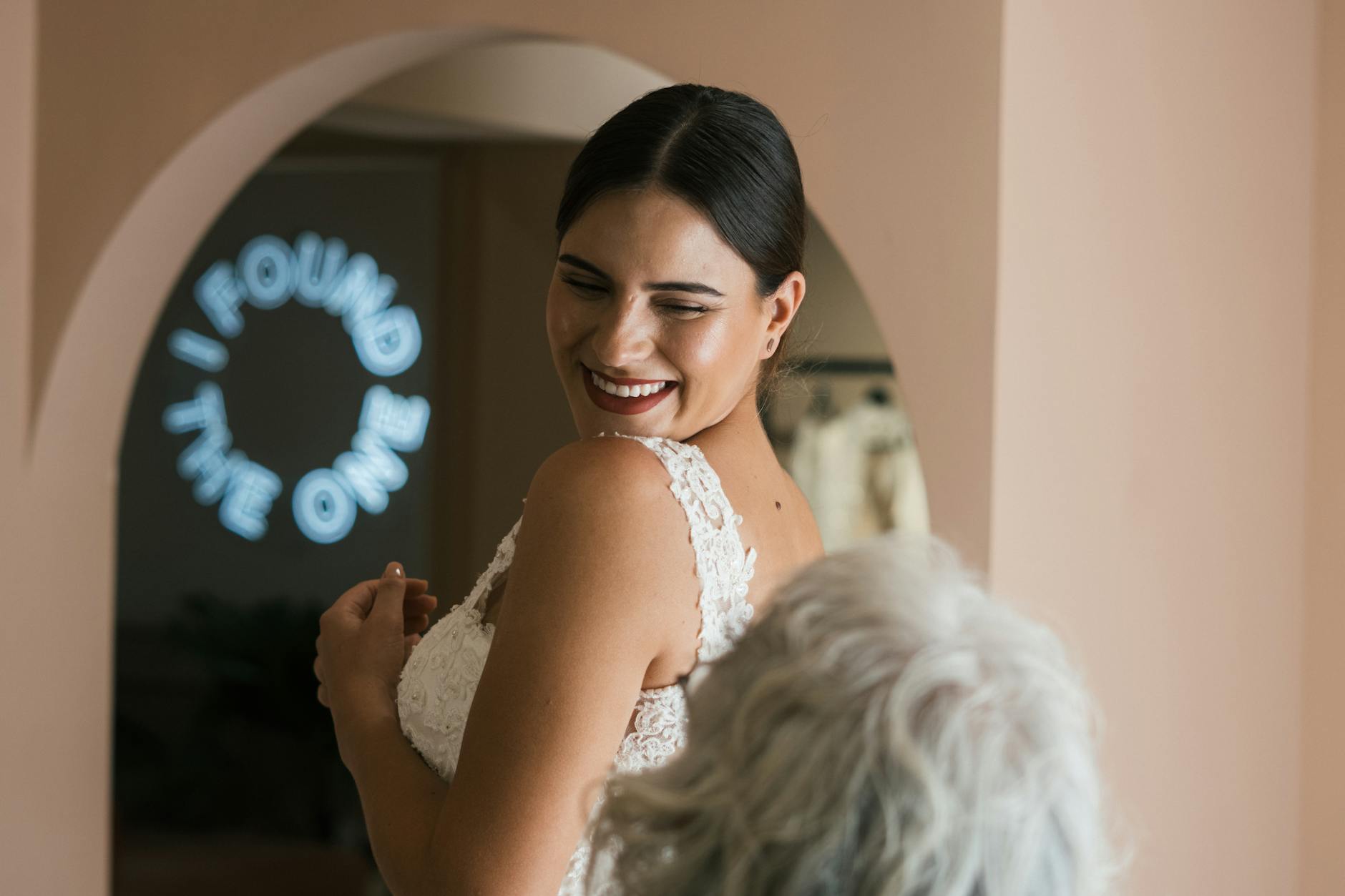
You have a date circled on the calendar — a wedding, a milestone birthday, a major job interview, a prom night, a class reunion — and you want your smile to look its absolute best in the photos. Teeth whitening before a wedding or any high-stakes event is one of the most popular beauty prep steps out there, but it is also one of the most mistimed. Start too late and your teeth are still sensitive or mid-cycle on the big day. Start too early and your results have already faded. Get the timing exactly right and you walk in with a bright, confident smile at its natural peak.
This guide gives you a concrete, week-by-week plan — an 8-week teeth whitening timeline for events — that accounts for sensitivity recovery windows, color stability, diet adjustments, and day-of maximization. Whether you are a bride, a groom, a bridesmaid, a prom attendee, or a professional prepping for a speaking engagement or headshot session, this timeline applies directly to you.
Why Timing Your Whitening Matters More Than the Product You Use
Most people focus almost entirely on which whitening product to use. Timing, however, is what separates a great result from a wasted effort. Here is why:
- Peak brightness window: Most whitening treatments reach their brightest result 24 to 72 hours after the final application. After that, teeth begin a natural remineralization process that slightly reduces the sharpness of the white. Completing your main treatment 3 to 5 days before your event — not the night before — is the sweet spot.
- Sensitivity recovery: Whitening treatments temporarily open the pores of your enamel to allow the active ingredient (usually carbamide or hydrogen peroxide) to break up stain molecules. This causes transient sensitivity that typically lasts 24 to 72 hours. If you whiten the night before your event, you may be eating wedding cake with sore teeth.
- Color stability: Newly whitened enamel is more porous than usual for 48 to 72 hours after treatment. Anything dark you consume during this window — red wine, coffee, tomato sauce, berries — will stain faster and deeper than it normally would. A well-planned teeth whitening schedule for photos builds in a dietary buffer zone around each treatment session.
The 8-Week Countdown: Your Complete Wedding Teeth Whitening Plan
The framework below assumes you have roughly 8 weeks until your event. Each phase has a specific purpose, and skipping ahead or compressing steps is what leads to sensitivity, uneven results, or a faded smile on the day itself.
Quick Reference: 8-Week Whitening Timeline
- Weeks 8–6: Assessment, dentist check-up, sensitivity baseline test
- Weeks 5–4: Main whitening treatment protocol (primary sessions)
- Weeks 3–2: Touch-up sessions + begin dietary adjustments
- Week 1: Avoidance protocol — coffee, wine, dark foods
- Days 3–5 before event: Final touch-up session
- Day before event: No whitening — let enamel settle
- Day of event: Whitening toothpaste only + lipstick/lip color tricks
Weeks 8–6: Assessment and Sensitivity Check
This is the phase most people skip entirely, and it is the one that does the most to protect your results. Two months before your event, do the following:
Schedule a dental check-up
If you have any cavities, cracked fillings, exposed root surfaces, or gum inflammation, whitening will be ineffective at best and painful at worst. Peroxide cannot fix structural problems — it will just irritate them. Getting a clean bill of health (and a professional clean if it has been more than 6 months) removes surface tartar and staining that no at-home product can shift, giving you the cleanest possible canvas before your whitening protocol begins.
Run a sensitivity baseline test
Before committing to a full treatment cycle, do one single whitening session with whichever product you plan to use — a strip, a tray, a pen — and pay attention to how your teeth feel in the 48 hours that follow. Mild tingling is normal. Sharp, shooting pain that lingers beyond 48 hours is a signal to talk to your dentist before proceeding, switch to a lower-concentration product, or shorten your application time.
Note your baseline shade
Take a photo of your teeth in natural daylight against a white piece of paper. You will use this to track your progress and to avoid over-whitening, which is a real phenomenon that gives teeth an unnatural, bluish-grey cast in photos.
Weeks 5–4: The Main Whitening Treatment Protocol
This is the engine of your wedding teeth whitening plan. You have two full weeks to run your primary whitening sessions, and the distance from your event date means you can be more aggressive here without risking sensitivity on the day itself.
How often to whiten during this phase
For most at-home products like the Purely White Deluxe teeth whitening kit, 5 to 7 sessions over 10 to 14 days produces the bulk of your visible improvement. Do not do back-to-back sessions every single day if you feel any sensitivity — give yourself a rest day between sessions. The rest day is not wasted time; it is when your enamel remineralizes and your results stabilize.
The 48-hour rule after each session
For the 48 hours following each whitening session, avoid:
- Red wine, coffee, tea, and dark sodas
- Tomato-based sauces, soy sauce, balsamic vinegar
- Berries, beets, and deeply pigmented fruits
- Curry, turmeric, and dark spices
- Smoking or vaping (which stains and also impairs gum health)
During these 48-hour windows, stick to what dentists call the "white diet" — chicken, fish, white rice, pasta with cream sauces, cauliflower, bananas, and water. It sounds restrictive, but it is only for short bursts, and the payoff in result quality is significant.
Managing sensitivity during this phase
If sensitivity is an issue during weeks 5 to 4, use a toothpaste specifically formulated for sensitivity (potassium nitrate is the active ingredient to look for) in the mornings and evenings when you are not whitening. Brush gently with a soft-bristle brush. Avoid very cold or very hot drinks for an hour after each session. These steps alone are enough to keep most people comfortable through their primary treatment cycle.
Weeks 3–2: Touch-Ups and Dietary Adjustments
By now, your smile should look noticeably brighter and you are in a position to fine-tune. The goal of this phase is to consolidate your results rather than chase additional shade improvements. Over-whitening at this stage creates diminishing returns and risks that bluish-grey over-whitened look.
Touch-up frequency
Two to three sessions over two weeks is the right cadence here. Space them out rather than clustering them. This maintains the brightness you gained in weeks 5 to 4 and corrects any minor relapse from dietary exposure without stressing your enamel further.
Expand your dietary caution
From week 3 onward, start shifting your eating habits more broadly — not just the 48-hour post-session windows. This does not mean eliminating everything you enjoy, but it does mean being mindful. Consider switching morning coffee to a lighter roast (less pigmented), drinking through a straw when consuming anything dark, and rinsing with water immediately after staining beverages rather than letting them sit on your teeth.

Week 1: What to Avoid for Maximum Brightness in Photos
The final week before your event is a protection week, not an addition week. Your job now is to protect the shade you have earned and set yourself up for maximum brightness in photographs.
The staining avoidance protocol
This week, apply the avoidance rules from the 48-hour post-session windows to your entire day, every day. Treat your teeth like they just had a whitening session. That means the white diet becomes your standard eating pattern for 7 days. It sounds dramatic, but people who follow this report that their smiles photograph meaningfully brighter than those who whitened well but then ate and drank normally in the final week.
Days 3–5 before the event: final touch-up
This is the last moment to do any whitening at all. Run one final touch-up session 3 to 5 days before your event. This sits perfectly within the peak brightness window — results will be at their sharpest right around your event date — and it gives your enamel enough time to fully settle so sensitivity is gone by the time you are standing in front of a camera or at an altar.
Do not whiten 1 or 2 days before the event. The sensitivity risk is too high and there is not enough time for peak brightness to develop in any case.
Hydration and saliva production
Drink plenty of water in the days leading up to your event. Saliva is your mouth's natural remineralizing agent — it contains calcium and phosphate ions that repair enamel and reduce sensitivity. Dehydration decreases saliva flow and makes post-whitening sensitivity worse. Eight glasses of water a day is a meaningful beauty prep step, not just general health advice.
Day of the Event: Last-Minute Tips for Maximum Brightness
No whitening treatments on the day itself. What you can do:
- Use a whitening toothpaste in the morning. These contain mild abrasives and sometimes a low concentration of peroxide that polishes surface stain without the full treatment cycle. They will give your smile a clean, fresh surface without causing sensitivity.
- Avoid coffee, tea, and red wine entirely on event day — or if you must have them, drink through a straw and rinse immediately with water.
- Use a blue-tinted lip color. This is a photography trick makeup artists have used for decades. Blue-toned pinks, mauves, berry shades, and classic reds make teeth look optically whiter by color contrast. Orange-toned lip colors do the opposite. This applies to everyone — lip balm with a cool tint works for those who prefer a natural look.
- Smile naturally, not too wide. Overly forced smiles expose more of the gum line and less of the tooth surface, which reduces the visual impact of your whitening. A relaxed, natural smile with slightly parted lips tends to photograph as brighter.
- Request photos in natural light where possible. Flash photography can wash out subtle shades and sometimes creates reflections on enamel that mute the brightness effect. Soft natural light or diffused studio lighting flatters whitened teeth most effectively.

What to Do If You're Starting Late: 2 Weeks Out
Life happens. If you are reading this two weeks before your event, you still have options — you just need to be more strategic about how to whiten teeth fast before an event safely.
With two weeks, you can realistically complete 4 to 6 treatment sessions. Here is the compressed schedule:
2-Week Emergency Timeline
- Day 1: First treatment session. Note sensitivity level.
- Day 3: Second session (skip Day 2 to allow enamel recovery).
- Day 5: Third session if sensitivity permits.
- Days 6–9: White diet only. No whitening — let results consolidate.
- Day 10: Fourth session — this is your main touch-up.
- Days 11–13: Full avoidance protocol. No whitening.
- Day 14 (event day): Whitening toothpaste only + lip color strategy.
The key difference with a compressed timeline is that you skip the gradual dietary adjustment phase and go straight to strict avoidance. You also rely more heavily on sensitivity management — use a sensitivity toothpaste twice daily, reduce your application time if needed, and do not push through significant pain. A less dramatic whitening result achieved comfortably is far better than an aggressive result that leaves you wincing through your ceremony.
Emergency Options If Something Goes Wrong
Even with the best planning, things occasionally do not go to plan. Here is how to handle the most common issues:
Severe sensitivity mid-protocol
Stop whitening immediately. Use a sensitivity toothpaste twice a day, switch to lukewarm (not cold, not hot) drinks, and take a 4 to 5 day complete break. Most sensitivity resolves within 72 hours of stopping treatment. If you still have a week or more before your event, you can resume with a shorter application time or lower-concentration product after the break.
Uneven whitening or white spots
White spots on the enamel after whitening are called demarcation lines and are usually a sign of uneven gel application, pre-existing enamel inconsistencies (called fluorosis), or a product that was applied too aggressively. They almost always even out and fade on their own within 1 to 2 weeks as the enamel remineralizes. Continuing to whiten will make them worse. Stop, wait, and let the natural process correct itself. Staying hydrated and using a fluoride or hydroxyapatite toothpaste accelerates this recovery.
Results have faded and the event is tomorrow
Do not whiten. The sensitivity-to-benefit ratio at this point is entirely unfavorable. Instead: use a whitening toothpaste that morning, apply a blue-toned lip color, request natural light or diffused lighting for your photos, and remember that genuinely healthy, well-maintained teeth look beautiful regardless of their precise shade on a shade guide. A warm, natural smile always photographs better than an anxious one.
Gum irritation from gel contact
This is common with trays that do not fit well or strips that shift position. Rinse with warm salt water, avoid whitening for at least 3 days, and if you return to whitening, use less gel and ensure it stays on the tooth surface rather than contacting the gum margin. Gum irritation is uncomfortable but resolves quickly once the irritant is removed.
Key Takeaways: The Teeth Whitening Timeline That Actually Works
Across all the variables — product type, initial tooth shade, sensitivity level, event date — the fundamental principle of teeth whitening before a wedding or major event remains constant: start early, be consistent, protect your results, and time your final session to hit the peak brightness window 3 to 5 days before the day itself.
Here are the non-negotiables to take away from this guide:
- Begin your assessment and any dental work at least 8 weeks out
- Do the bulk of your whitening in weeks 5 to 4 — far enough from the event to treat aggressively and recover fully
- Use the 48-hour post-session white diet rule every single time you whiten
- Run your final touch-up session 3 to 5 days before the event — not the night before
- Week 1 before the event is a protection week, not a treatment week
- On the day itself, use blue-toned lip colors, soft lighting, and a relaxed natural smile to maximize photographic impact
- If sensitivity becomes severe at any point, stop and recover — a slightly less white result is not worth discomfort on a day you want to be fully present for
The best smile for your big event is the one you prepared for thoughtfully — not the one you rushed at the last minute. Give yourself the time, follow the teeth whitening timeline for events above, and you will walk into the room exactly as you imagined: confident, bright, and ready for every photo.