The Gut-Brain Connection: How Stress Destroys Your Digestion (And What to Do About It)

You've tried the elimination diets. You've cut out gluten, dairy, and half the things you actually enjoy eating. You've taken antacids, digestive enzymes, and every probiotic the health food store sells. Yet the bloating keeps coming back. The stomach cramps show up without warning. The bathroom anxiety before a big meeting never quite goes away.
What if the problem isn't your gut at all — at least not entirely? What if the real driver of your digestive misery is something you'd never think to put on a food diary? The gut-brain connection is one of the most significant and underappreciated areas of modern gastroenterology, and understanding it could finally explain why your symptoms keep returning despite every dietary intervention you've tried.
What Is the Gut-Brain Connection?
The gut-brain axis refers to the continuous two-way communication network between your gastrointestinal tract and your central nervous system. Think of it less as a phone call between two separate departments and more as a shared operating system — each side constantly influencing the other's behavior in real time.
Your gut contains what researchers call the enteric nervous system (ENS), a dense mesh of roughly 500 million neurons embedded in the walls of your digestive tract. This network is so vast and so functionally independent that neuroscientists often refer to it as "the second brain." It can regulate digestion, trigger immune responses, and produce neurotransmitters entirely on its own — without waiting for instructions from your brain upstairs.
But that independence doesn't mean isolation. The ENS and the central nervous system are in constant dialogue, mediated by hormones, immune signals, the microbiome, and — most critically — the vagus nerve.
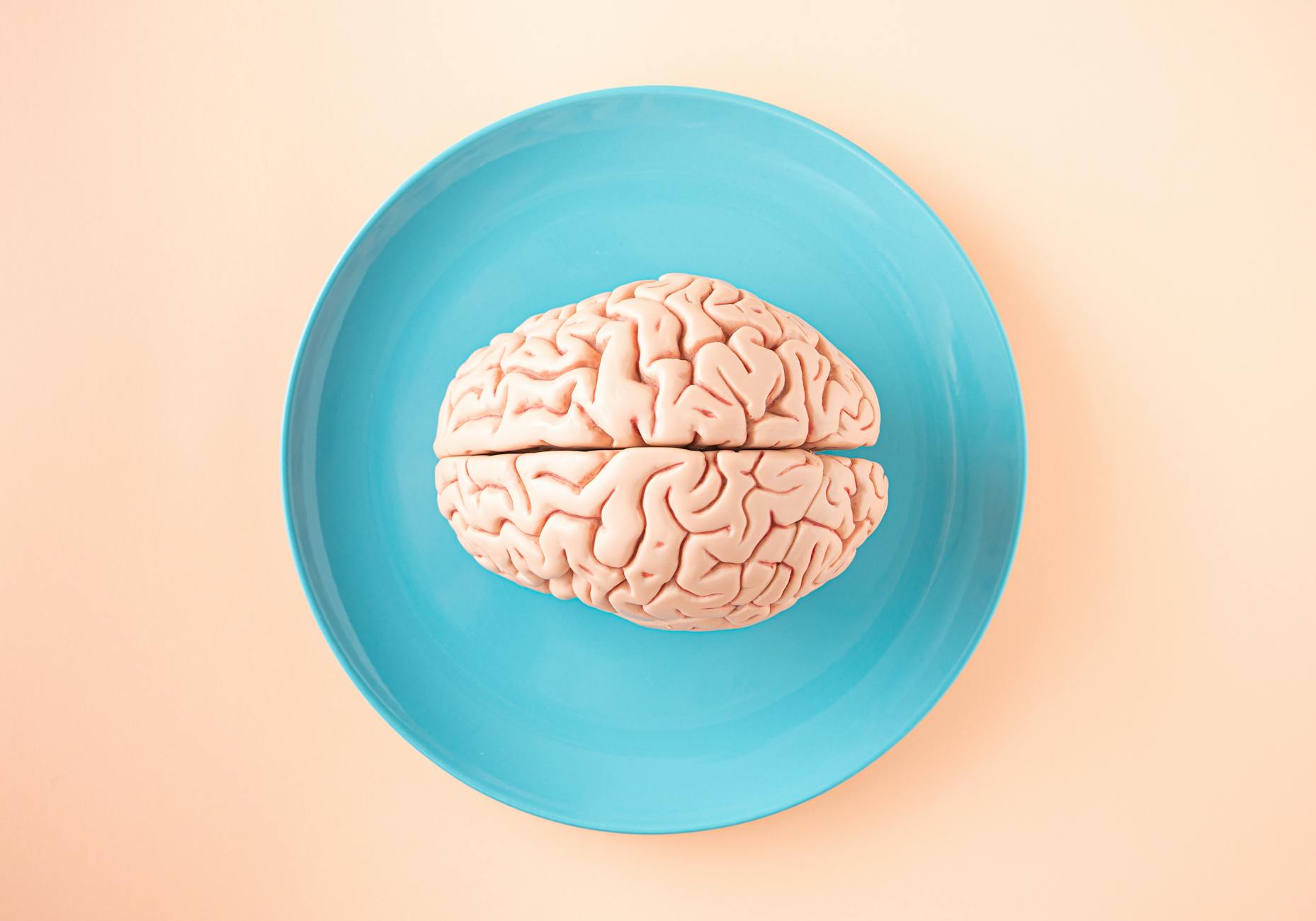
The Vagus Nerve: Your Body's Most Important Communication Highway
The vagus nerve gut relationship is at the heart of everything. The vagus nerve is the longest cranial nerve in the human body. It wanders from the brainstem all the way down through the neck, chest, and into the abdomen, connecting your brain directly to your heart, lungs, liver, stomach, and intestines.
Crucially, about 80 to 90 percent of the nerve fibers in the vagus nerve carry information upward — from the gut to the brain, not the other way around. That means your digestive system is constantly sending your brain status updates: how full you are, what microbes are present, whether there's inflammation, what mood-relevant chemicals are circulating. The brain, in turn, uses that information to regulate appetite, immune function, mood, and digestion itself.
When vagal tone is high — meaning the nerve is active, flexible, and well-regulated — digestion runs smoothly, inflammation is kept in check, and you tend to feel calm and resilient. When vagal tone is low, which is associated with chronic stress, poor sleep, and sedentary behavior, the system starts to break down. Gut motility slows or becomes erratic. Gut permeability increases. The microbiome shifts. And your digestive symptoms worsen.
This is why stress and gut health are so deeply intertwined — it's not psychological weakness or hypochondria. It is measurable neurophysiology.
How Stress Physically Disrupts Digestion
When your brain perceives a threat — whether it's a saber-toothed tiger or a passive-aggressive email from your boss — it activates the sympathetic nervous system and floods the body with stress hormones, primarily cortisol and adrenaline. This "fight or flight" response is brilliant in genuine emergencies. For digestion, it is catastrophic when it never fully switches off.

Here is what happens inside your gut during a stress response:
- Blood flow is redirected away from the intestines toward the muscles and heart, slowing digestive enzyme production and absorption.
- Gut motility becomes dysregulated. For some people, stress speeds motility — triggering urgent, loose stools. For others, it slows it — causing constipation and bloating. This is why IBS manifests so differently from person to person.
- Intestinal permeability increases. Cortisol weakens the tight junctions between intestinal cells, a phenomenon sometimes called "leaky gut." This allows bacteria, toxins, and food particles to pass into the bloodstream, triggering systemic inflammation.
- Stomach acid production is suppressed, impairing the breakdown of proteins and increasing the risk of bacterial overgrowth in the upper digestive tract.
- The gut microbiome shifts. Research published in journals including Psychosomatic Medicine and Nature Microbiology shows that psychological stress measurably alters the composition of gut bacteria within days, reducing diversity and increasing populations of potentially harmful microbes.
- Visceral sensitivity increases. The gut becomes hypersensitive to normal sensations like gas, movement, and fullness — interpreting them as pain. This is a hallmark of IBS.
None of these are imagined. Every single one is a documented physiological change driven by your nervous system's response to perceived stress.
IBS and Anxiety: A Two-Way Street
Irritable bowel syndrome affects an estimated 10 to 15 percent of the global population, making it one of the most common gastrointestinal disorders in the world. Yet a striking proportion of IBS patients — some studies suggest as many as 60 percent — also meet criteria for anxiety, depression, or both.
For years, physicians debated whether this was coincidence or causation, and if causal, which came first. The answer, as gut-brain research now makes clear, is that IBS and anxiety exist in a genuine bidirectional loop. Anxiety dysregulates the gut. A dysregulated gut then sends distress signals back to the brain that amplify anxiety. Around and around it goes.
Researchers at UCLA and other leading institutions have demonstrated that gut bacteria produce neurotransmitters including serotonin, GABA, and dopamine that directly influence mood and anxiety levels. In fact, approximately 90 to 95 percent of the body's total serotonin — the neurotransmitter most associated with mood stability — is produced in the gut, not the brain. When the microbiome is disrupted by stress, serotonin signaling goes with it, and both gut motility and emotional regulation suffer simultaneously.
This is not a minor footnote. It completely reframes how digestive disorders should be understood and addressed.
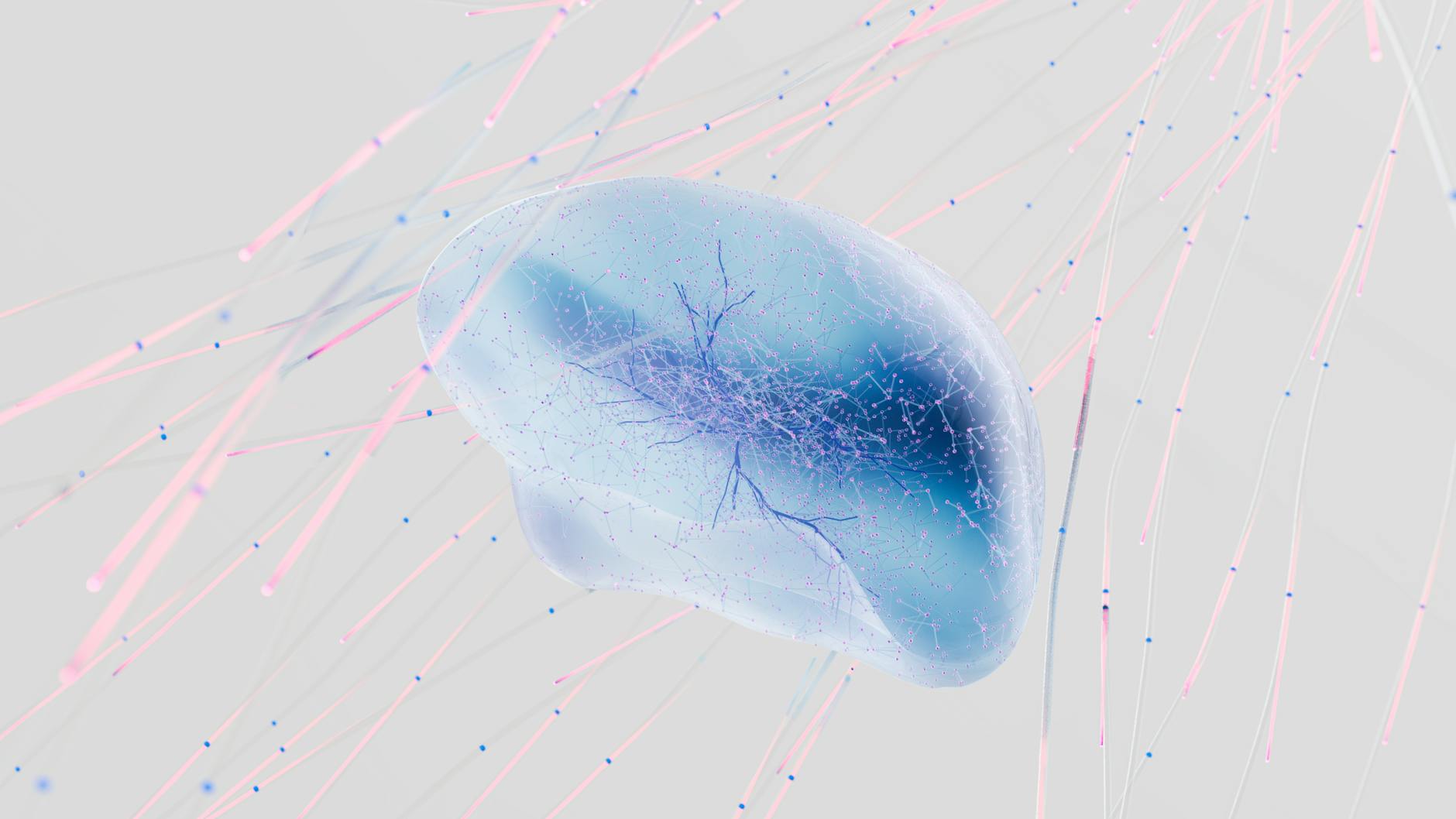
Signs Your Digestive Problems May Be Stress-Driven
Most people with stress-related gut dysfunction do not identify as particularly stressed. This is one of the biggest obstacles to effective treatment. Chronic stress becomes so normalized — so baked into daily life — that the body's baseline simply shifts upward, and the person genuinely believes they are "fine." Meanwhile, their nervous system is running a low-grade emergency broadcast 24 hours a day.
Watch for these patterns as potential indicators that the gut-brain connection is at the root of your symptoms:
- Symptoms that worsen predictably during busy periods, deadlines, or conflict — even if you do not feel emotionally stressed in the moment
- Digestive flares that follow stressful events by 24 to 72 hours (cortisol's effects on gut motility are not always immediate)
- Symptoms that improve significantly during vacations or low-demand periods
- Digestive discomfort that is associated with social situations, travel, or performance anxiety
- Poor sleep that reliably precedes a bad gut day
- A history of digestive problems beginning during or after a prolonged period of high stress, trauma, or illness
If several of these apply to you, the dietary adjustments you have been making — while not without value — are probably addressing symptoms rather than root cause.
What Actually Helps: Evidence-Based Approaches
The good news is that the gut-brain axis is not a one-way street of destruction. It is equally capable of running in a healing direction. Interventions that calm the nervous system reliably improve gut function, and interventions that heal the gut reliably improve mood and stress resilience. Here is what the evidence currently supports.
1. Vagus Nerve Activation
Because the vagus nerve gut pathway is central to the entire system, practices that stimulate vagal tone have a direct positive effect on digestion. The most evidence-backed methods include:
- Diaphragmatic (belly) breathing: Slow, deep breaths that expand the belly — rather than the chest — activate the vagus nerve within minutes. A protocol of 4 to 6 breaths per minute for 10 to 20 minutes daily has been shown in clinical studies to reduce IBS symptom severity and lower cortisol.
- Cold water exposure: Even briefly splashing cold water on your face or a 30-second cold shower can trigger a vagal response, shifting the nervous system toward parasympathetic ("rest and digest") dominance.
- Humming, singing, or gargling: The vagus nerve runs directly through the larynx. Vibrations from humming or gargling with water stimulate it — a surprisingly well-supported finding in vagal tone research.
- Gentle exercise: Yoga, tai chi, and low-intensity walking have all shown measurable effects on vagal tone and gut symptom reduction in randomized trials. High-intensity exercise, by contrast, can temporarily worsen gut symptoms in some individuals.
2. Mind-Body Therapies with Clinical Evidence
Several psychological interventions now have robust clinical trial data specifically for IBS and functional gut disorders:
- Gut-directed hypnotherapy has shown response rates of 70 to 80 percent in IBS patients in multiple controlled trials, including studies from Manchester University. It works by directly downregulating visceral hypersensitivity via the gut-brain axis.
- Cognitive Behavioral Therapy (CBT) adapted for IBS has been shown in a landmark 2011 Gastroenterology trial to produce sustained symptom improvement superior to standard medical care alone.
- Mindfulness-Based Stress Reduction (MBSR) has demonstrated reductions in IBS symptom severity and improvements in quality of life in multiple studies, likely through its effects on cortisol regulation and vagal tone.
3. Dietary Strategies That Support Both the Gut and the Nervous System
Diet matters — just perhaps not always in the ways most people assume. Rather than focusing exclusively on trigger food elimination, consider approaches that support the microbiome and nervous system together:
- Increase dietary fiber gradually. Prebiotic fibers — found in garlic, onions, leeks, asparagus, oats, and bananas — feed beneficial gut bacteria that produce short-chain fatty acids (SCFAs). SCFAs reduce gut inflammation and signal to the brain via the vagus nerve, supporting mood stability and stress resilience.
- Eat fermented foods regularly. A 2021 Stanford study published in Cell found that a diet high in fermented foods (yogurt, kefir, kimchi, sauerkraut, kombucha) increased microbiome diversity and reduced inflammatory markers more effectively than a high-fiber diet alone.
- Prioritize omega-3 fatty acids. Found in oily fish, flaxseed, and walnuts, omega-3s reduce neuroinflammation, support microbiome balance, and have been shown to lower anxiety levels — directly addressing both sides of the gut-brain axis.
- Limit ultra-processed foods and refined sugar. These feed inflammatory bacterial populations, disrupt the gut lining, and contribute to the dysbiosis that amplifies stress reactivity.
- Consider a low-FODMAP trial with professional guidance. While not a permanent solution, a supervised low-FODMAP elimination protocol can help identify specific fermentable carbohydrates driving bloating and pain — particularly useful when stress management alone is insufficient.
4. Probiotics and the Microbiome
Not all probiotics are created equal, and the evidence for specific strains is more nuanced than supplement marketing suggests. For the gut-brain axis specifically, the most studied and promising strains include Lactobacillus rhamnosus (shown to reduce anxiety-like behavior in animal models and some human trials), Bifidobacterium longum (associated with reduced cortisol and improved mood scores), and multi-strain preparations containing both Lactobacillus and Bifidobacterium species.
The term "psychobiotics" — probiotics that demonstrably influence mental health and stress response through the gut-brain axis — is gaining traction in the scientific literature. While the field is still maturing, early findings are consistently encouraging for stress-related gut dysfunction.
5. Sleep as a Non-Negotiable Foundation
Chronic sleep deprivation is one of the most potent disruptors of both gut microbiome diversity and HPA axis regulation (the body's central stress response system). Research shows that even two nights of poor sleep are sufficient to measurably alter gut bacteria composition. Prioritizing 7 to 9 hours of quality sleep is not a passive lifestyle recommendation — for anyone dealing with stress-related gut dysfunction, it is a primary therapeutic intervention.

When to See a Doctor
Understanding the gut-brain axis should not become a reason to dismiss symptoms that warrant medical evaluation. Always consult a healthcare professional if you experience unintended weight loss, blood in the stool, persistent vomiting, fever accompanying digestive symptoms, or new symptoms emerging after the age of 50. These can indicate conditions unrelated to stress that require investigation.
A gastroenterologist can rule out inflammatory bowel disease, celiac disease, and other structural or autoimmune causes before concluding that functional gut disorder and the gut-brain axis are the primary explanation. Getting that diagnosis confirmed is an important step, not a defeat — because once structural causes are excluded, the evidence-based interventions described above become the most powerful tools available.
Frequently Asked Questions
Key Takeaways
The gut-brain connection is not a wellness trend or a metaphor. It is a fully documented, bidirectional physiological system that governs the relationship between your emotional state and your digestive health in profound, measurable ways. Understanding this changes everything about how chronic gut problems should be approached.
If you have been managing digestive symptoms purely through food restriction and you are not getting lasting relief, the missing variable is almost certainly your nervous system. Chronic stress — even the normalized, invisible kind that no longer feels like "stress" — keeps the body locked in a state that is fundamentally incompatible with healthy digestion.
The most powerful shifts tend to come not from eliminating one more food group, but from daily vagus nerve activation, mind-body practices, microbiome-supportive eating, and honest attention to sleep. These are not supplementary lifestyle suggestions. For the millions of people whose gut dysfunction is rooted in the gut-brain axis, they are the primary medicine.
Your gut and your brain are in constant conversation. Learning to influence that conversation — rather than just silencing symptoms at the surface — is where genuine, lasting relief begins.