The Gut-Liver Axis Explained: How Your Microbiome Directly Controls Your Liver Health
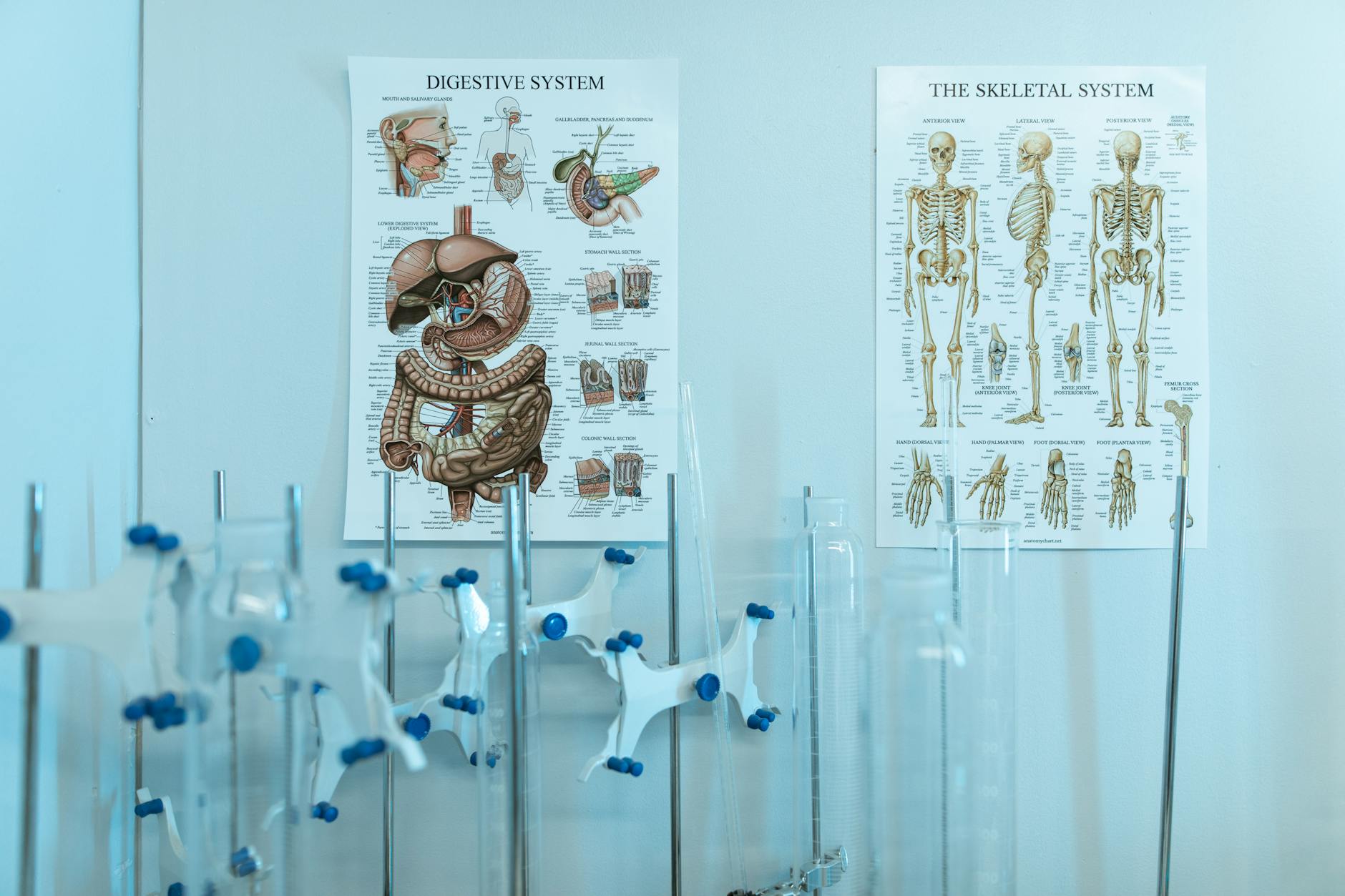
If you have ever wondered why gastroenterologists and liver specialists talk to each other so often, the answer comes down to a single anatomical highway: the portal vein. The gut liver connection is not a vague wellness concept — it is hard-wired anatomy, and researchers now believe it is one of the most important relationships in the entire body. Understanding how your gut microbiome communicates with your liver could reshape the way you think about everything from bloating to fatty liver disease.
This guide breaks down the gut-liver axis in plain language, explains what happens when that relationship goes wrong, and gives you a clear picture of the science behind one of medicine's fastest-growing research areas.
What Is the Gut-Liver Axis?
The gut-liver axis is the term scientists use to describe the bidirectional communication system between your gastrointestinal tract and your liver. Think of it like a two-lane motorway: traffic flows from the gut to the liver, and return signals travel back in the form of bile acids, immune molecules, and metabolic feedback.
The most critical lane on that motorway is the portal vein — a large blood vessel that collects blood draining from the entire intestinal tract and carries it directly to the liver before it enters general circulation. Every molecule that crosses your gut lining — nutrients, metabolic byproducts, bacterial fragments, and toxins — passes through this portal vein first. The liver is therefore the first organ to see everything your gut produces. It acts as a gatekeeper, processing the useful, neutralizing the harmful, and signaling back to the gut about what it needs.
This arrangement makes evolutionary sense. Your gut is exposed to enormous quantities of foreign material every day — food, pathogens, and the roughly 38 trillion bacteria that make up your gut microbiome. Having the liver positioned directly downstream means that potential threats are intercepted before they reach the heart, brain, or any other vital organ.
Meet Your Gut Microbiome: The Community Running the Show
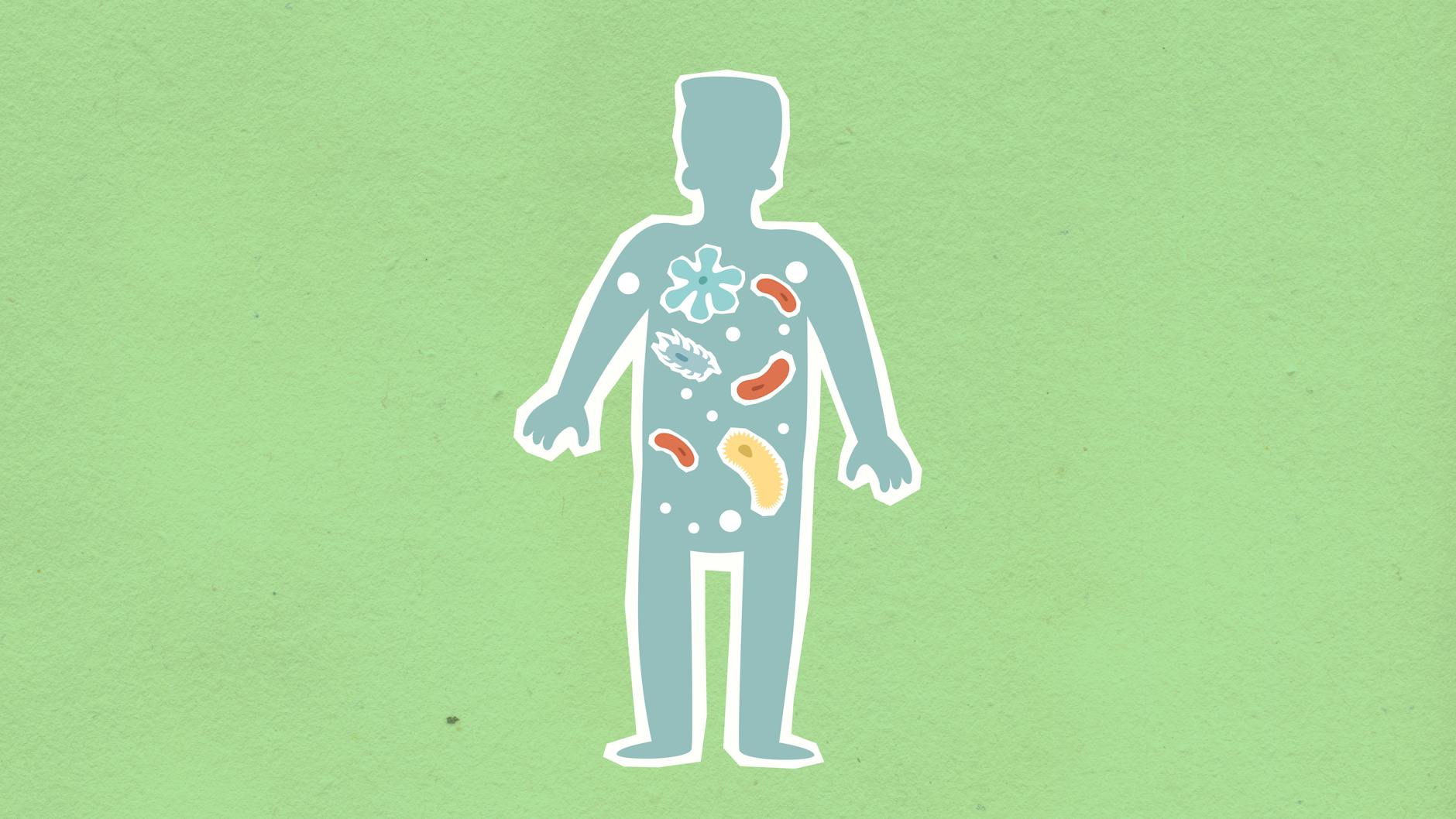
Your gut is home to an ecosystem of bacteria, viruses, fungi, and archaea collectively known as the gut microbiome. A healthy microbiome is extraordinarily diverse — up to 1,000 different bacterial species can coexist in a well-balanced gut. These microbes are not passive residents; they are metabolically active factories that produce hundreds of compounds your body depends on.
Short-chain fatty acids (SCFAs) such as butyrate, propionate, and acetate are among the most important products of microbial fermentation. Butyrate in particular is the primary fuel source for the cells lining your colon. It also helps regulate immune activity, reduce inflammation, and maintain the tight junctions between gut cells — a feature that becomes crucial when we talk about leaky gut.
Healthy gut bacteria also synthesize certain B vitamins, activate bile acids recycled from the liver, and compete with harmful pathogens for space and nutrients. In a well-functioning microbiome, the beneficial bacteria keep opportunistic species in check. The liver, receiving a steady stream of microbial metabolites through the portal vein, learns to recognize these signals and responds with appropriate metabolic and immune activity.
When this balance is disrupted — a state called dysbiosis — the consequences travel directly upstream to the liver via the gut liver connection.
Dysbiosis: When the Balance Tips the Wrong Way
Dysbiosis simply means an imbalance in the microbial community. It is not defined by the presence of a single "bad" bacterium but rather by a shift in the overall composition — fewer beneficial species, more inflammatory or toxic-producing ones, and reduced overall diversity.
Common triggers of dysbiosis include:
- Prolonged antibiotic use, which kills beneficial bacteria indiscriminately
- A diet high in ultra-processed foods, refined sugars, and saturated fats
- Chronic psychological stress, which alters gut motility and immune signaling
- Alcohol consumption, which directly injures gut epithelial cells
- Low dietary fiber intake, which starves the bacteria that produce SCFAs
- Disrupted circadian rhythms from shift work or chronic sleep deprivation
When dysbiosis develops, several harmful changes happen simultaneously. Butyrate production drops, depriving colon cells of their fuel. Inflammatory bacterial species expand. And critically, the gut lining itself begins to deteriorate — a process that sets the stage for what researchers call intestinal permeability, more commonly known as leaky gut.
Leaky Gut: The Gateway to Liver Damage
Your intestinal lining is a single layer of epithelial cells held together by protein structures called tight junctions. Under healthy conditions, these tight junctions act like a highly selective mesh — allowing digested nutrients, water, and certain molecules to pass through while blocking bacteria, bacterial fragments, and undigested proteins.
Think of it like a well-maintained brick wall with proper mortar. When the mortar erodes, bricks shift, and gaps appear. That is essentially what happens in increased intestinal permeability. The tight junction proteins loosen, and the barrier becomes porous.
Once the gut wall is compromised, a particularly dangerous molecule called lipopolysaccharide (LPS) begins crossing into the bloodstream in much larger quantities. LPS is a component of the outer membrane of gram-negative bacteria — it is essentially a bacterial "fingerprint" that the immune system is designed to react to strongly. Under normal circumstances, tiny amounts of LPS reach the portal vein and are efficiently cleared by Kupffer cells (the liver's resident immune cells) without triggering significant inflammation. But when leaky gut allows LPS to flood the portal circulation, the liver's immune response is overwhelmed.
Kupffer cells release pro-inflammatory cytokines — signaling molecules like TNF-alpha, IL-1, and IL-6. These drive hepatic inflammation, impair insulin signaling in liver cells, and promote fat accumulation. This is the cellular-level story behind leaky gut liver damage, and it is now considered a central mechanism in the development of several liver conditions.
How Gut Microbiome Imbalance Drives Liver Disease
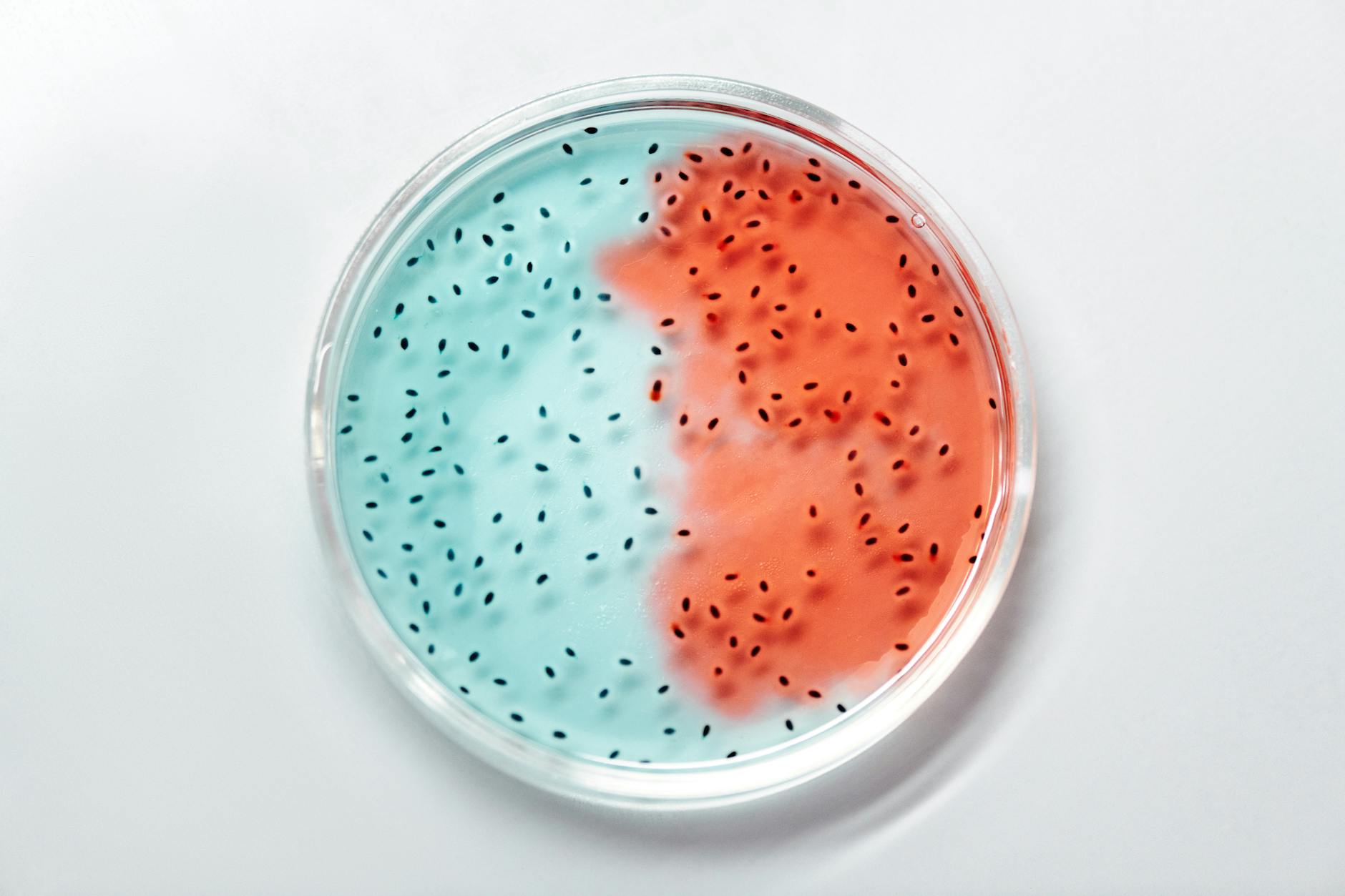
The link between gut microbiome and liver disease is now supported by a substantial body of clinical and laboratory research. Here is how dysbiosis contributes to three major liver conditions:
Non-Alcoholic Fatty Liver Disease (NAFLD)
NAFLD — the accumulation of fat in liver cells unrelated to alcohol — now affects an estimated 25% of adults globally, making it the most common liver condition worldwide. Studies consistently show that people with NAFLD have significantly different gut microbiome compositions compared to healthy individuals: reduced Bacteroidetes, elevated Firmicutes and Proteobacteria, and lower SCFA-producing species.
The mechanisms are interconnected. Dysbiosis increases intestinal permeability, raising portal LPS levels. At the same time, certain gut bacteria produce ethanol as a fermentation byproduct — even in people who drink no alcohol at all. This endogenous alcohol reaches the liver through the portal vein and contributes to oxidative stress and fat accumulation. Additionally, disrupted bile acid metabolism (the gut microbiome plays a key role in recycling bile acids) impairs fat processing in the liver itself.
Non-Alcoholic Steatohepatitis (NASH)
NASH is the more severe, inflammatory stage of NAFLD. The same LPS-driven inflammatory cascade described above is a primary driver of the transition from simple fat accumulation to active liver inflammation and cell injury. Elevated portal LPS and microbial metabolites activate stellate cells — the liver's "scar-forming" cells — beginning a process of fibrosis that can eventually progress to cirrhosis if left unchecked.
Alcoholic Liver Disease (ALD)
Alcohol directly injures gut epithelial cells and dramatically disrupts microbiome composition, increasing intestinal permeability within days of heavy consumption. The resulting surge in portal LPS is one of the primary drivers of alcoholic hepatitis. Research has shown that germ-free mice (mice raised without any gut bacteria) are largely protected from alcohol-induced liver damage, providing compelling evidence that the gut microbiome is not just a bystander but an active mediator of alcoholic liver injury.
The Portal Vein: Your Body's Internal Reporting System
It is worth spending a moment on the anatomy that makes all of this possible, because understanding it illuminates why the gut-liver relationship is so intimate compared to other organ pairings.
The portal vein forms from the convergence of veins draining the stomach, small intestine, large intestine, spleen, and pancreas. It enters the liver and branches into an intricate network of small vessels called sinusoids — microscopically narrow channels lined with hepatocytes (liver cells) and Kupffer cells on one side, and blood on the other. This arrangement maximizes contact time between blood and liver cells, allowing the liver to extract nutrients, detoxify compounds, and sample the molecular "news" arriving from the gut.
Imagine the portal vein as a daily newspaper delivered directly from the gut to the liver's front door. On a healthy day, the headlines are routine: "Butyrate levels normal, LPS minimal, bile acids recycled efficiently." On a dysbiosis day, the headlines read very differently: "LPS surge detected, inflammatory signals elevated, microbial toxins present." The liver reads every edition and responds accordingly.
This is also why gut bacteria liver detox is not just a marketing phrase but a real biological process. A healthy microbiome actively reduces the liver's detoxification workload by preventing harmful compounds from reaching the portal circulation in the first place.
The Liver Talks Back: Bile Acids as Gut Regulators
The gut-liver axis is genuinely bidirectional, and the liver's primary message back to the gut is delivered through bile acids. The liver synthesizes primary bile acids from cholesterol and secretes them into the small intestine, where they emulsify dietary fats for digestion. In the lower intestine, gut bacteria transform these primary bile acids into secondary bile acids through a process called biotransformation.
Secondary bile acids are not simply digestive leftovers. They are potent signaling molecules that activate receptors throughout the gut and liver — most notably the farnesoid X receptor (FXR) and the G protein-coupled bile acid receptor (TGR5). Through these receptors, bile acids regulate glucose metabolism, lipid homeostasis, intestinal motility, and the composition of the microbiome itself. Certain bile acids are antimicrobial, shaping which bacterial species can thrive in the gut environment.
When dysbiosis disrupts the gut bacteria responsible for bile acid transformation, this feedback loop breaks down. Altered bile acid profiles impair FXR signaling, which in turn increases fat synthesis in the liver and reduces its ability to manage glucose — a pattern seen consistently in patients with NAFLD and type 2 diabetes. It is a vicious cycle: dysbiosis impairs bile acid signaling, impaired bile acid signaling worsens metabolic dysfunction, and metabolic dysfunction feeds further dysbiosis.
What Influences the Gut-Liver Axis in Daily Life?
Understanding the gut liver axis explained at a molecular level is valuable, but most people want to know what this means practically. The following lifestyle and dietary factors are the most evidence-supported modulators of the gut-liver relationship:
Dietary Fiber
Fermentable dietary fiber is the primary fuel source for beneficial gut bacteria. Diets rich in vegetables, legumes, whole grains, and fruits support the SCFA-producing species that maintain gut barrier integrity. Research consistently links higher fiber intake with lower LPS levels in portal circulation, reduced liver fat, and lower rates of NAFLD progression.
Polyphenols
Plant compounds like those found in berries, green tea, olive oil, and dark chocolate are poorly absorbed in the small intestine — meaning they arrive largely intact in the colon, where gut bacteria metabolize them into bioactive metabolites. These metabolites support microbial diversity, reduce intestinal inflammation, and have been shown to reduce liver fat and liver enzyme levels in several clinical trials.
Alcohol Consumption
Even moderate alcohol use alters gut microbiome composition and increases intestinal permeability. Heavy consumption causes rapid, dramatic shifts in the microbiome and is one of the most potent drivers of LPS-mediated liver inflammation. For individuals with existing dysbiosis or early liver changes, even moderate alcohol may have disproportionate effects.
Sleep and Circadian Rhythm
Both the gut microbiome and liver metabolism operate on circadian rhythms. Shift work, chronic sleep deprivation, and inconsistent meal timing have all been shown to disrupt microbial diversity and alter bile acid rhythms, increasing susceptibility to metabolic liver disease.
Physical Activity
Regular aerobic exercise independently improves gut microbial diversity, increases SCFA production, and reduces liver fat even in the absence of weight loss. The mechanisms appear to involve both direct effects on intestinal motility and indirect effects through reduced systemic inflammation.
Emerging Research: Can We Target the Gut to Treat Liver Disease?
One of the most exciting implications of microbiome liver health research is the possibility of treating liver disease by intervening at the gut level. Several therapeutic approaches are currently under active investigation:
Probiotics and Synbiotics: Multiple clinical trials have tested specific probiotic strains in NAFLD patients, with promising results for reducing liver enzymes, liver fat scores, and inflammatory markers. A 2020 meta-analysis in the journal Nutrients found that probiotic supplementation significantly reduced ALT (a key marker of liver injury) compared to placebo.
Fecal Microbiota Transplantation (FMT): FMT — transferring the entire microbiome from a healthy donor — is already approved for recurrent C. difficile infection and is being studied for alcoholic hepatitis and NAFLD. Early results suggest it can reduce liver inflammation and improve gut barrier function in carefully selected patients.
Postbiotics: Researchers are investigating the use of specific microbial metabolites (such as butyrate supplementation or engineered secondary bile acids) to bypass the microbiome and deliver beneficial signals directly to the liver.
Precision Nutrition: Because individual microbiome composition determines how people respond to specific foods, personalized dietary interventions based on microbiome profiling may eventually allow for targeted improvement of the gut-liver axis in high-risk individuals.
Key Takeaways
The science of the gut liver connection has moved far beyond speculation. The portal vein creates an anatomical bond between these two organs that is constant, unavoidable, and profoundly consequential for health. Here is a summary of the core concepts:
- The gut-liver axis is a bidirectional communication system mediated primarily by the portal vein, bile acids, and immune signals.
- Dysbiosis — an imbalance in gut microbial communities — reduces the production of protective compounds like butyrate and allows harmful bacterial products to accumulate.
- Leaky gut (increased intestinal permeability) allows bacterial LPS to flood the portal circulation, overwhelming the liver's immune defenses and triggering inflammation.
- This LPS-driven inflammation is a central mechanism in NAFLD, NASH, and alcoholic liver disease.
- The liver regulates the gut in return through bile acids, which shape microbiome composition, gut motility, and metabolic function throughout the body.
- Diet, physical activity, alcohol intake, sleep, and circadian rhythm are all modifiable factors that directly influence gut-liver axis health.
- Therapeutic strategies targeting the microbiome — including probiotics, FMT, and precision nutrition — represent a promising frontier for liver disease prevention and treatment.
The relationship between your gut and your liver is one of the most active areas in metabolic medicine today. What researchers have uncovered over the past two decades fundamentally changes how we understand conditions like fatty liver disease — not as isolated organ problems, but as system-wide metabolic failures that begin, in many cases, with the bacteria living in your gut.