The Gut-Liver-Metabolism Connection: How Your Microbiome Affects Fat Burning
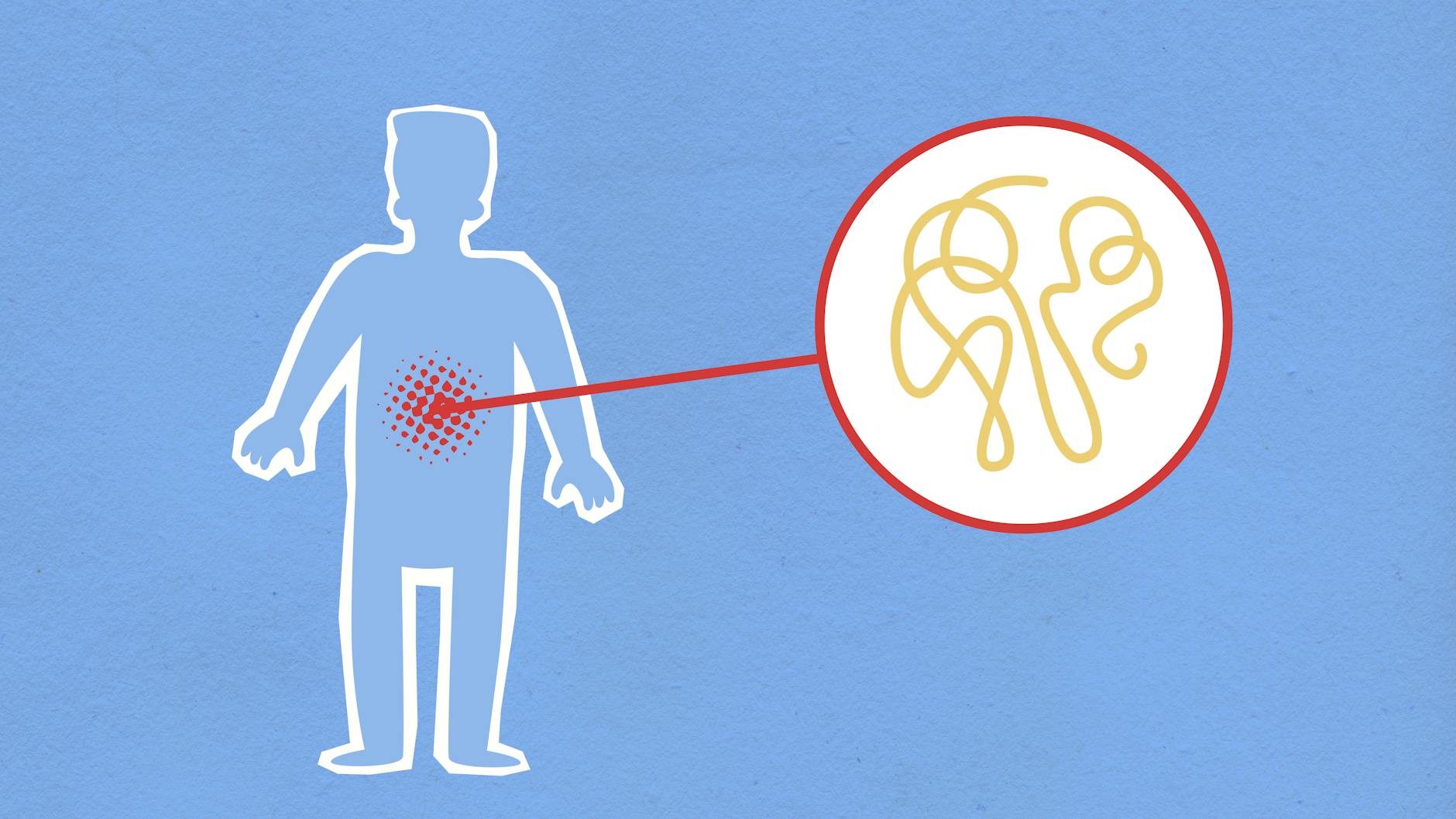
You've counted calories. You've exercised regularly. You've tried cutting carbs, boosting protein, and intermittent fasting. Yet the scale barely moves — or worse, the weight returns within months. For millions of people, the conventional wisdom of "eat less, move more" simply doesn't tell the whole story.
Emerging research points to a missing piece that most diet plans completely ignore: the intricate three-way relationship between your gut, your liver, and your metabolism. Scientists now understand that gut health metabolism is far more complex than a simple energy equation. The trillions of microorganisms living in your intestines — collectively called the gut microbiome — are actively shaping how efficiently your body burns fat, stores energy, and regulates weight.
This interconnected system, known as the gut-liver-metabolism axis, represents one of the most exciting frontiers in metabolic science. Understanding how it works doesn't just explain why some people struggle with weight despite doing everything "right" — it opens the door to genuinely effective, personalized strategies for improving metabolic health. In this guide, we'll walk through the science in plain language and give you actionable insights you can apply today.
The Gut-Liver-Metabolism Axis Explained
Think of the gut, liver, and metabolism not as three separate systems, but as a continuous communication network — one where each node constantly sends and receives signals that influence the others.
At the center of this network is the portal vein, a major blood vessel that carries blood directly from the intestines to the liver. Everything your gut absorbs — nutrients, bacterial metabolites, signaling molecules, and unfortunately, toxins — travels through this express highway to your liver before entering general circulation. This anatomical arrangement means the liver is the first organ to "see" what your gut has been up to, making it uniquely positioned as a metabolic gatekeeper.
The communication runs in multiple directions simultaneously:
- Gut to Liver: Bacterial metabolites, bile acids, short-chain fatty acids, and immune signals travel via the portal vein.
- Liver to Gut: The liver secretes bile acids into the intestine, directly shaping which bacterial species thrive.
- Gut to Brain: The enteric nervous system and gut hormones (GLP-1, PYY, ghrelin) regulate appetite, satiety, and whole-body energy expenditure.
- Liver to Whole Body: The liver controls blood glucose, produces ketones during fasting, and determines how dietary fat is processed or stored.
When this axis functions well, your body efficiently extracts energy from food, regulates blood sugar with precision, burns fat during periods of low intake, and maintains a healthy weight without constant conscious effort. When it breaks down — through poor diet, chronic stress, antibiotic overuse, or sedentary living — the result is metabolic dysfunction that no amount of calorie restriction alone can fully reverse.
Your Gut Microbiome's Role in Metabolism
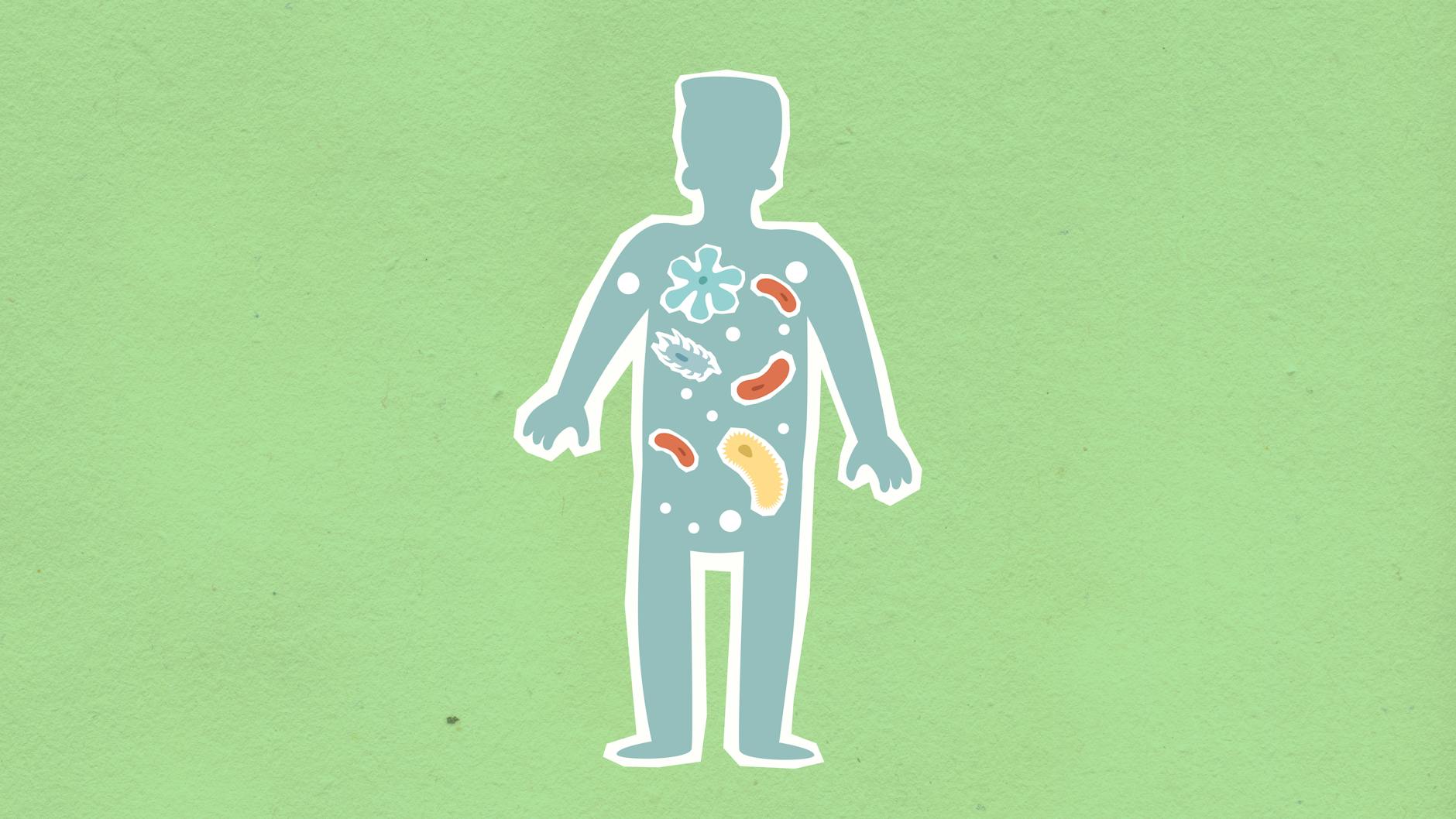
The human gut is home to roughly 38 trillion microorganisms — bacteria, archaea, fungi, and viruses — that collectively outnumber your own cells. Far from passive passengers, these microbes are metabolically active partners that profoundly shape gut bacteria metabolism in ways researchers are only beginning to fully map.
Energy Harvest from Food
One of the microbiome's most consequential metabolic functions is determining how many calories you actually absorb from food. Certain bacteria — particularly those from the Firmicutes phylum — are highly efficient at breaking down complex carbohydrates and dietary fibers that human enzymes cannot digest. Studies have shown that individuals with a higher proportion of these bacteria extract significantly more energy (calories) from identical meals compared to those with different microbiome compositions. Two people can eat the same meal and absorb a measurably different number of calories.
Short-Chain Fatty Acids (SCFAs)
When gut bacteria ferment dietary fiber, they produce short-chain fatty acids — primarily acetate, propionate, and butyrate. These small molecules have outsized metabolic effects:
- Butyrate is the primary fuel source for colonocytes (colon cells) and plays a critical role in maintaining gut barrier integrity.
- Propionate travels to the liver via the portal vein, where it helps regulate glucose production and signals satiety to the brain.
- Acetate enters the bloodstream, crosses the blood-brain barrier, and suppresses appetite by acting on hypothalamic neurons.
In essence, the more fiber you eat and the more diverse your microbiome, the more SCFAs you produce — and the better your appetite regulation and metabolic control tend to be.
Bile Acid Metabolism
Gut bacteria transform primary bile acids (produced by the liver) into secondary bile acids with distinct signaling properties. These modified bile acids act as hormones, activating receptors throughout the gut and liver that regulate fat absorption, glucose homeostasis, and energy expenditure. Disruptions to this bile acid transformation — caused by antibiotic use or low-fiber diets — measurably impair metabolic function.
Inflammation Regulation
A diverse, balanced microbiome keeps intestinal inflammation in check by outcompeting harmful species and producing anti-inflammatory compounds. When this balance tips toward dysbiosis (microbial imbalance), low-grade systemic inflammation can develop — a state strongly linked to insulin resistance, obesity, and metabolic syndrome.
Research Spotlight
A landmark 2013 study published in Nature by Ridaura et al. transplanted gut microbiota from obese and lean human twins into germ-free mice. The mice receiving the "obese" microbiome gained significantly more fat mass than those receiving the "lean" microbiome — even when both groups ate identical diets. This demonstrated for the first time that microbiome composition alone can drive obesity-like metabolic changes in a controlled setting.
The Liver: Your Metabolic Control Center
While the microbiome generates metabolic signals, the liver is where much of the heavy metabolic processing actually happens. Weighing roughly 1.5 kg and performing over 500 distinct biochemical functions, the liver is arguably the most metabolically complex organ in the body — and one of the most directly impacted by gut health.
Glucose Regulation
The liver acts as the primary buffer for blood glucose. After a meal, it absorbs excess glucose from the portal vein and stores it as glycogen. Between meals, it releases glucose back into the bloodstream to maintain stable energy levels. When this regulation fails — as in insulin resistance — blood sugar swings become extreme and fat storage accelerates.
Fat Metabolism
The liver performs de novo lipogenesis (converting excess carbohydrates into fat), beta-oxidation (burning fatty acids for fuel), and the production of ketone bodies during fasting or low-carbohydrate periods. When the liver is burdened by excess calories, fructose, alcohol, or microbial endotoxins from the gut, fat accumulates within the organ itself — a condition known as non-alcoholic fatty liver disease (NAFLD).
Bile Production
The liver produces bile, which is stored in the gallbladder and released into the small intestine during meals to emulsify dietary fats. As described above, gut bacteria modify these bile acids, creating a bidirectional feedback loop between the liver gut connection that regulates fat digestion and metabolic signaling throughout the body.
Detoxification and Immune Function
The liver is home to Kupffer cells — the largest population of resident macrophages in the body. These immune cells continuously sample blood arriving from the gut and mount inflammatory responses to bacterial toxins and other threats. When gut barrier integrity is compromised, this immune surveillance system becomes chronically activated, driving liver inflammation and metabolic dysfunction.
How Gut Bacteria Influence Liver Function
The gut-liver axis is perhaps the most clinically significant component of the gut-liver-metabolism triad. Research over the past decade has revealed specific mechanisms by which gut bacteria — and their metabolic byproducts — directly alter liver function, for better or worse.
Bacterial Metabolites as Signals
Beyond SCFAs and bile acids, gut bacteria produce a wide array of bioactive compounds including trimethylamine N-oxide (TMAO), indoles, phenols, and branched-chain amino acid metabolites. TMAO, for example — produced when gut bacteria metabolize choline and carnitine from red meat and eggs — has been linked to increased cardiovascular risk and insulin resistance, and its production varies dramatically depending on individual microbiome composition.
Endotoxins and Liver Inflammation
Lipopolysaccharide (LPS) is a component of the outer membrane of gram-negative bacteria. Under normal conditions, the intestinal barrier prevents most LPS from entering circulation. However, when gut permeability increases — a state colloquially called "leaky gut" and more formally called increased intestinal permeability — LPS enters the portal bloodstream. The liver's Kupffer cells detect LPS and trigger inflammatory cascades via toll-like receptor 4 (TLR4) signaling. Chronic, low-level LPS exposure creates a state of metabolic endotoxemia: persistent, low-grade liver inflammation that promotes insulin resistance and fat accumulation.
The NAFLD Connection
Non-alcoholic fatty liver disease now affects an estimated 25% of the global adult population and is strongly associated with gut dysbiosis. Studies consistently find that NAFLD patients have distinct microbiome profiles characterized by reduced diversity, lower levels of SCFA-producing bacteria, and higher levels of alcohol-producing bacteria (yes, certain gut bacteria produce ethanol endogenously). Correcting the gut microbiome through dietary changes, prebiotics, and probiotics has shown measurable improvements in NAFLD markers in clinical trials.
Research Spotlight
A 2021 meta-analysis in Hepatology Communications reviewed 19 randomized controlled trials on probiotic and synbiotic supplementation in NAFLD patients. The review found significant reductions in liver enzymes (ALT, AST), liver fat content, and inflammatory markers — suggesting that microbiome-targeted interventions can measurably improve liver metabolic health independent of dietary changes.
The Obesity-Microbiome Connection
One of the most studied — and striking — aspects of microbiome weight loss research concerns the fundamental differences in gut microbiome composition between individuals with obesity and those who maintain a healthy weight.
The Firmicutes/Bacteroidetes Ratio
Two bacterial phyla dominate the human gut: Firmicutes and Bacteroidetes. Research, beginning with pioneering work by Jeffrey Gordon's lab at Washington University, found that individuals with obesity tend to have a higher ratio of Firmicutes to Bacteroidetes compared to lean individuals. Firmicutes are particularly efficient at extracting energy from food and fermenting carbohydrates, potentially contributing to increased caloric harvest. When obese individuals lost weight, their Bacteroidetes populations increased proportionally.
While subsequent research has shown this ratio is one piece of a far more complex picture, the fundamental finding has been replicated across dozens of studies and multiple continents: microbiome composition and obesity are deeply intertwined.
Energy-Harvesting Bacteria
Beyond the Firmicutes/Bacteroidetes ratio, specific bacterial genera have been linked to metabolic outcomes. Populations of Ruminococcus and certain Clostridiales species are associated with increased energy harvest from polysaccharides. Conversely, Faecalibacterium prausnitzii — a major butyrate producer — is consistently lower in individuals with obesity, type 2 diabetes, and inflammatory bowel conditions, suggesting it plays a protective metabolic role.
Akkermansia and Mucosal Integrity
The genus Akkermansia, particularly Akkermansia muciniphila, has emerged as one of the most intensively studied bacteria in metabolic health research. This mucus-layer-dwelling species makes up roughly 3-5% of the gut microbiome in healthy individuals but is dramatically reduced in obesity, type 2 diabetes, and NAFLD. Animal studies and early human trials suggest it helps maintain gut barrier integrity, reduce metabolic endotoxemia, and improve insulin sensitivity. Higher Akkermansia abundance is consistently associated with healthier metabolic profiles.
Metabolic Endotoxemia in Obesity
In 2007, Patrice Cani and colleagues demonstrated that a high-fat diet in mice induced rapid, dramatic changes in gut microbiome composition that preceded the development of obesity and insulin resistance. Crucially, these microbiome changes increased intestinal permeability and elevated circulating LPS levels by 2-3x — a state they coined "metabolic endotoxemia." This finding reframed obesity not merely as a problem of energy surplus, but as a condition with a significant infectious/inflammatory component driven by gut bacteria.
How Your Metabolism Affects Your Microbiome
The relationship between gut bacteria metabolism and overall metabolic health is not a one-way street. Your metabolic state actively shapes which microorganisms thrive in your gut — creating either a virtuous cycle of health or a vicious cycle of dysfunction.
Dietary Choices as Microbial Inputs
Every meal you eat is simultaneously feeding you and your microbiome. High-fiber, plant-diverse diets selectively enrich Bacteroidetes and SCFA-producing Firmicutes species associated with lean metabolic profiles. Diets high in ultra-processed foods, refined sugars, and saturated fats deplete these beneficial species while enriching inflammatory, opportunistic bacteria. The shift can begin within 24-48 hours of a dietary change — the microbiome is remarkably responsive.
Metabolic Dysfunction Drives Dysbiosis
Insulin resistance itself alters the gut environment. Elevated blood glucose feeds certain bacterial species preferentially. Increased intestinal transit time (common in metabolic syndrome) allows more time for fermentation of unfavorable substrates. Elevated cortisol from chronic stress weakens the intestinal tight junctions that maintain barrier integrity. In this way, metabolic dysfunction reshapes the microbiome in ways that further worsen metabolic function.
The Vicious and Virtuous Cycle
Poor metabolic health promotes dysbiosis, which drives more metabolic dysfunction — a vicious cycle that explains why obesity and type 2 diabetes tend to be self-reinforcing. The encouraging flip side is that the virtuous cycle works equally powerfully: improving diet quality rapidly enriches beneficial bacteria, which improves gut barrier function, reduces liver inflammation, improves insulin sensitivity, and makes further dietary adherence easier by reducing cravings and appetite dysregulation.
Why Diets Fail: The Microbiome Perspective
"Why did this diet work perfectly for my friend but not for me?" This common frustration now has a scientifically grounded answer: individual differences in microbiome composition are a primary driver of variable responses to identical dietary interventions.
A landmark 2015 study by Zeevi et al. in Cell monitored blood glucose responses to standardized meals in 800 people and found strikingly different glycemic responses to identical foods. A person's postprandial glucose response to bread, for instance, correlated more strongly with their individual microbiome composition than with the nutritional content of the food itself. Using microbiome data, the researchers were able to predict individualized dietary recommendations that outperformed standard nutritional advice.
Microbiome Composition Predicts Diet Success
Multiple studies now show that pre-intervention microbiome analysis can predict whether a given individual will respond favorably to a particular dietary pattern — Mediterranean, low-carb, low-fat — before they begin. This is why microbiome weight loss research is shifting rapidly toward personalized nutrition: there may genuinely be no single "best diet" for everyone, because optimal dietary composition depends partly on the microbial ecosystem you're working with.
Set Point Theory Revisited
The concept of a metabolic "set point" — the body's tendency to defend a particular weight — may be partly mediated by the microbiome. After weight loss, the microbiome tends to retain characteristics associated with the previous higher weight for an extended period, potentially contributing to weight regain. This suggests that long-term weight management may require not just sustained dietary change, but deliberate, sustained microbiome remodeling.
Optimizing the Gut-Liver-Metabolism Axis
The science is clear: supporting all three components of the gut-liver-metabolism axis simultaneously is more effective than targeting any single component in isolation. Here is a practical, evidence-based framework for doing exactly that.
Foods That Support All Three
Dietary Fiber (Prebiotics)
Fiber is the single most impactful dietary intervention for microbiome diversity and SCFA production. Aim for 25-38 grams daily from diverse sources: legumes (lentils, chickpeas, black beans), whole grains (oats, barley, rye), vegetables (Jerusalem artichokes, garlic, leeks, onions, asparagus), and fruits (apples, pears, berries). Different fiber types feed different bacterial species — diversity of plant foods is as important as total fiber quantity. Research suggests that eating 30+ distinct plant foods per week is associated with significantly greater microbiome diversity than eating fewer than 10.
Fermented Foods (Live Probiotics)
A 2021 Stanford study by Wastyk et al. found that a high-fermented-food diet — yogurt, kefir, kimchi, sauerkraut, kombucha, tempeh — increased microbiome diversity and reduced markers of systemic inflammation over 10 weeks, outperforming a high-fiber diet alone on these specific metrics. Incorporate 1-2 servings of fermented foods daily for a consistent supply of beneficial microorganisms.
Polyphenols
Polyphenols — the plant compounds responsible for color in berries, dark chocolate, olive oil, green tea, and red wine — are poorly absorbed by human enzymes but heavily metabolized by gut bacteria. This microbiome-mediated transformation produces bioactive metabolites with anti-inflammatory, antioxidant, and metabolic benefits. Polyphenols also selectively enrich beneficial bacterial species. They support the liver by reducing oxidative stress and activating Nrf2 pathways involved in cellular protection.

What to Limit
- Excess added sugar and fructose: High fructose intake drives hepatic de novo lipogenesis (liver fat production) and promotes growth of pro-inflammatory bacterial species. The liver and the microbiome are both negatively affected.
- Ultra-processed foods: Emulsifiers (carboxymethylcellulose, polysorbate-80) found in processed foods have been shown in animal models to disrupt the mucus layer and promote dysbiosis. These foods also displace fiber-rich whole foods from the diet.
- Alcohol: Even moderate alcohol consumption alters microbiome composition, increases intestinal permeability, and places direct metabolic burden on the liver. Periods of alcohol reduction consistently improve gut-liver metabolic markers.
- Unnecessary antibiotics: A single course of broad-spectrum antibiotics can reduce microbiome diversity by up to 30%, with some species taking months to recover. This is not an argument against medically necessary antibiotics — but a reason to discuss necessity with your physician.
Lifestyle Factors with Strong Microbiome Evidence
- Exercise: Regular aerobic exercise independently increases microbiome diversity and enriches SCFA-producing species. A 2018 study showed these effects were partly reversible when exercise ceased, suggesting consistent physical activity is needed to maintain microbiome benefits.
- Sleep quality: Even two nights of partial sleep deprivation alter microbiome composition and increase intestinal permeability. Circadian rhythm disruption — common in shift workers — is associated with significant dysbiosis and metabolic dysfunction.
- Stress management: The gut-brain axis runs bidirectionally. Chronic psychological stress elevates cortisol, which weakens intestinal tight junctions and shifts microbiome composition toward inflammatory species. Practices like meditation, deep breathing, and time in nature have measurable effects on gut permeability and microbiome diversity markers.
- Time-restricted eating: Aligning food intake with circadian rhythms — eating within a 10-12 hour window during daylight hours — benefits both the liver (by providing overnight fasting for hepatic repair) and the microbiome (which exhibits its own circadian oscillations).
Research Spotlight
A 2022 trial published in Cell Host & Microbe found that adding just one avocado daily to participants' diets for 12 weeks increased populations of Faecalibacterium, Lachnospira, and Alistipes — all SCFA-producing genera — while simultaneously reducing fecal bile acid concentrations, suggesting improved bile acid reabsorption and liver signaling. The effect was attributed to avocado's unique combination of soluble fiber and monounsaturated fat.
The Future of Metabolic Health
We are entering an era where understanding your personal microbiome may become as routine as a standard blood panel. Consumer microbiome testing has become increasingly accessible and informative, with platforms now capable of identifying specific bacterial imbalances and suggesting targeted dietary and probiotic interventions — though the field is still evolving and interpretive accuracy varies considerably between providers.
Fecal Microbiota Transplantation (FMT)
FMT — transferring gut bacteria from a healthy donor to a recipient — has proven highly effective for recurrent Clostridioides difficile infection and is being actively investigated for metabolic conditions. A 2012 Dutch trial found that FMT from lean donors improved insulin sensitivity in obese recipients. Larger trials are ongoing, and while FMT for metabolic disease is not yet standard clinical practice, early results are encouraging.
Next-Generation Probiotics
Beyond traditional lactobacilli and bifidobacteria, researchers are developing "next-generation probiotics" — live bacterial strains specifically selected for metabolic benefits and engineered to survive and colonize the gut. Akkermansia muciniphila, Faecalibacterium prausnitzii, and Christensenella minuta are among the most promising candidates in early-phase trials.
Metabolic Engineering and Precision Nutrition
The convergence of microbiome science, metabolomics, artificial intelligence, and genomics is making genuinely personalized metabolic interventions possible. Within the next decade, it is plausible that a comprehensive metabolic health assessment — integrating microbiome sequencing, continuous glucose monitoring, inflammatory markers, and liver function tests — could generate a truly individualized dietary and lifestyle prescription. The era of population-level dietary guidelines giving way to n-of-1 precision nutrition is not far off.
Key Takeaways
The gut-liver-metabolism axis represents a paradigm shift in how we understand weight management and metabolic health. The core message is this: your body weight and metabolic function are not simply the result of individual willpower applied to a calorie equation. They emerge from a complex, dynamic, bidirectional conversation between your gut microbiome, your liver, and your metabolic systems — a conversation that is shaped by diet, lifestyle, sleep, stress, and genetics.
This understanding is not discouraging — it is empowering. It means that targeted, consistent changes to diet and lifestyle do not just shift the scale temporarily; they remodel the biological terrain in which metabolism operates. Small but sustained shifts — adding 5 more plant foods per week, prioritizing fermented foods, exercising consistently, protecting sleep — compound into microbiome changes that compound into improved liver function that compound into better gut health metabolism across the board.
There is no single magic intervention for metabolic health. But there is a deeply interconnected system that responds predictably to the right inputs. Understanding that system — and working with it rather than against it — is the foundation of lasting metabolic change.