The Most Common Causes of House Fires (And How to Protect Your Home)
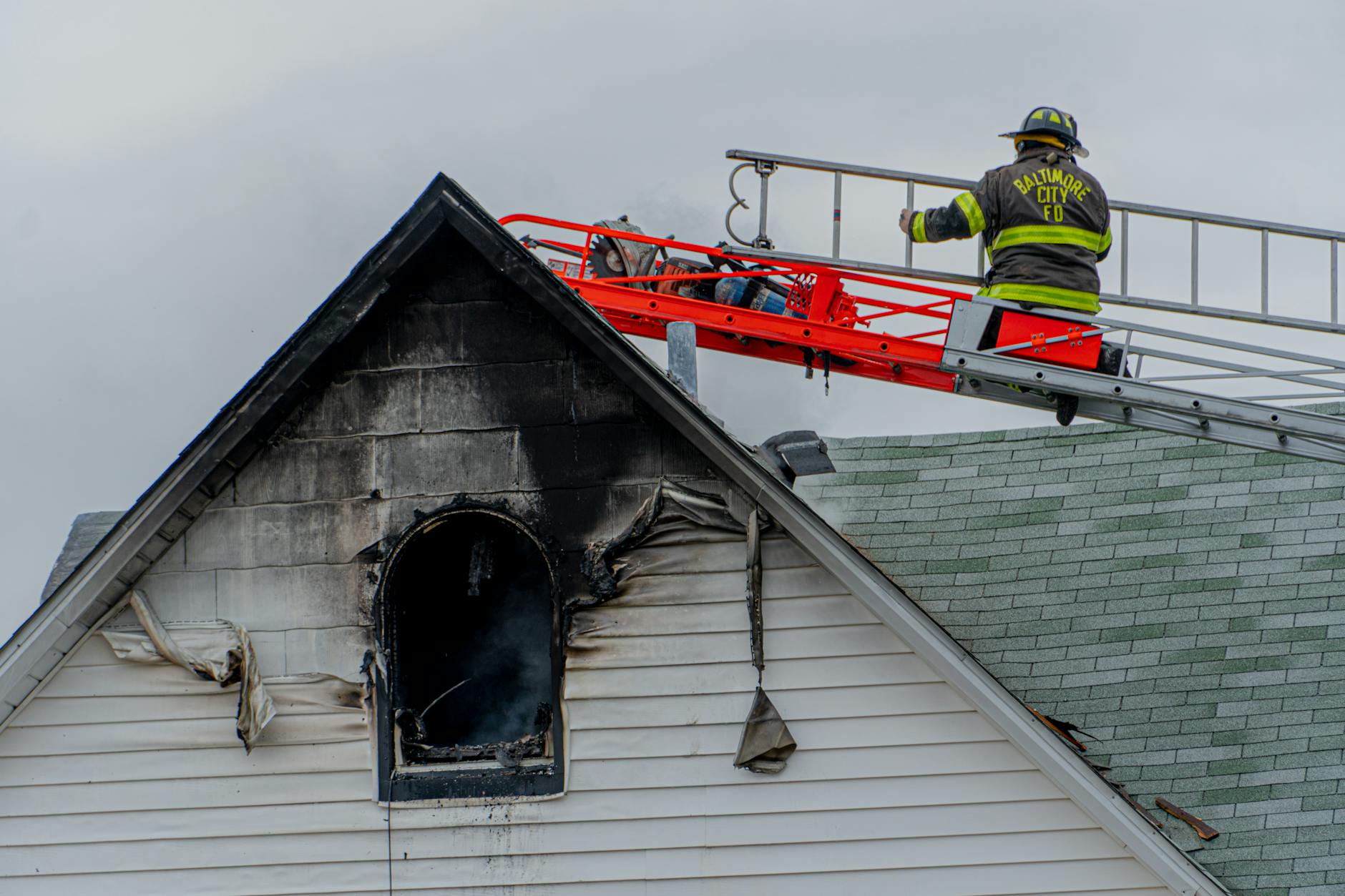
Every year in the United States, residential fires claim more than 2,500 lives, injure roughly 11,000 people, and cause an estimated $8 billion in property damage, according to the National Fire Protection Association (NFPA). Understanding the most common causes of house fires is the first and most powerful step any homeowner or renter can take toward protecting their family. The reassuring truth is that the vast majority of home fires are entirely preventable — they stem from predictable, avoidable behaviors and conditions that most people overlook in their daily routines.
This guide draws on the latest available data from the NFPA and the U.S. Fire Administration (USFA) to rank and explain the leading causes of home fires, with practical, evidence-based prevention tips for each one. Whether you live in a house, apartment, or condo, the risks are largely the same — and so are the solutions.
How Serious Is the Home Fire Problem?
Before diving into individual causes, it helps to understand the overall picture. According to NFPA research, a home structure fire is reported in the United States every 88 seconds. Of all structure fires reported to U.S. fire departments, roughly 73% occur in residential properties. Home fires account for the majority of fire deaths — roughly 75% of all fire fatalities happen in the place we consider safest: our own homes.
The USFA breaks house fire statistics down by cause, time of day, and property type. The data consistently shows that a small number of root causes are responsible for the overwhelming majority of incidents. Tackling just the top three causes would eliminate well over half of all residential fires nationwide.
1. Cooking Equipment — The Leading Cause of Home Fires
Cooking is, by a significant margin, the single leading cause of home fires and home fire injuries in America. The NFPA reports that cooking equipment accounts for approximately 49% of all reported home fires — nearly one in every two. It is also the leading cause of home fire injuries, responsible for 42% of reported incidents.
Why It Happens
The most common culprit is unattended cooking. Stovetop cooking — particularly frying — generates enough heat to ignite nearby combustibles almost instantly if left unsupervised. Cooking fires peak between 5 p.m. and 8 p.m., coinciding with dinner preparation. Ranges and cooktops cause far more fires than ovens, and frying is the cooking activity most often associated with fire. Grease fires are especially dangerous because water makes them worse, causing the oil to splatter and spread the flames.
Prevention Tips
- Never leave stovetop cooking unattended, even briefly. Turn off the burner before stepping away.
- Keep a tight-fitting lid nearby when frying — if a grease fire starts, sliding the lid over the pan smothers it immediately.
- Keep the stovetop and oven clean. Built-up grease is a ready ignition source.
- Keep flammable items (paper towels, dish cloths, wooden utensils, loose clothing) well away from burners.
- Install a smoke alarm near — but not directly in — the kitchen. The NFPA recommends mounting one at least 10 feet from cooking appliances to reduce nuisance alarms.
- Never use water on a grease fire. Use a Class K fire extinguisher or cover the pan.
- If an oven fire starts, turn off the heat and keep the door closed. The lack of oxygen will usually extinguish it.
2. Heating Equipment — The Second Most Dangerous Home Fire Hazard
Heating equipment is the second most common cause of house fires, responsible for approximately 14% of home fire incidents and 19% of home fire deaths, according to NFPA data. This makes it disproportionately deadly relative to its frequency — heating fires tend to be more fatal than cooking fires, in part because they often ignite while occupants are asleep.
Why It Happens
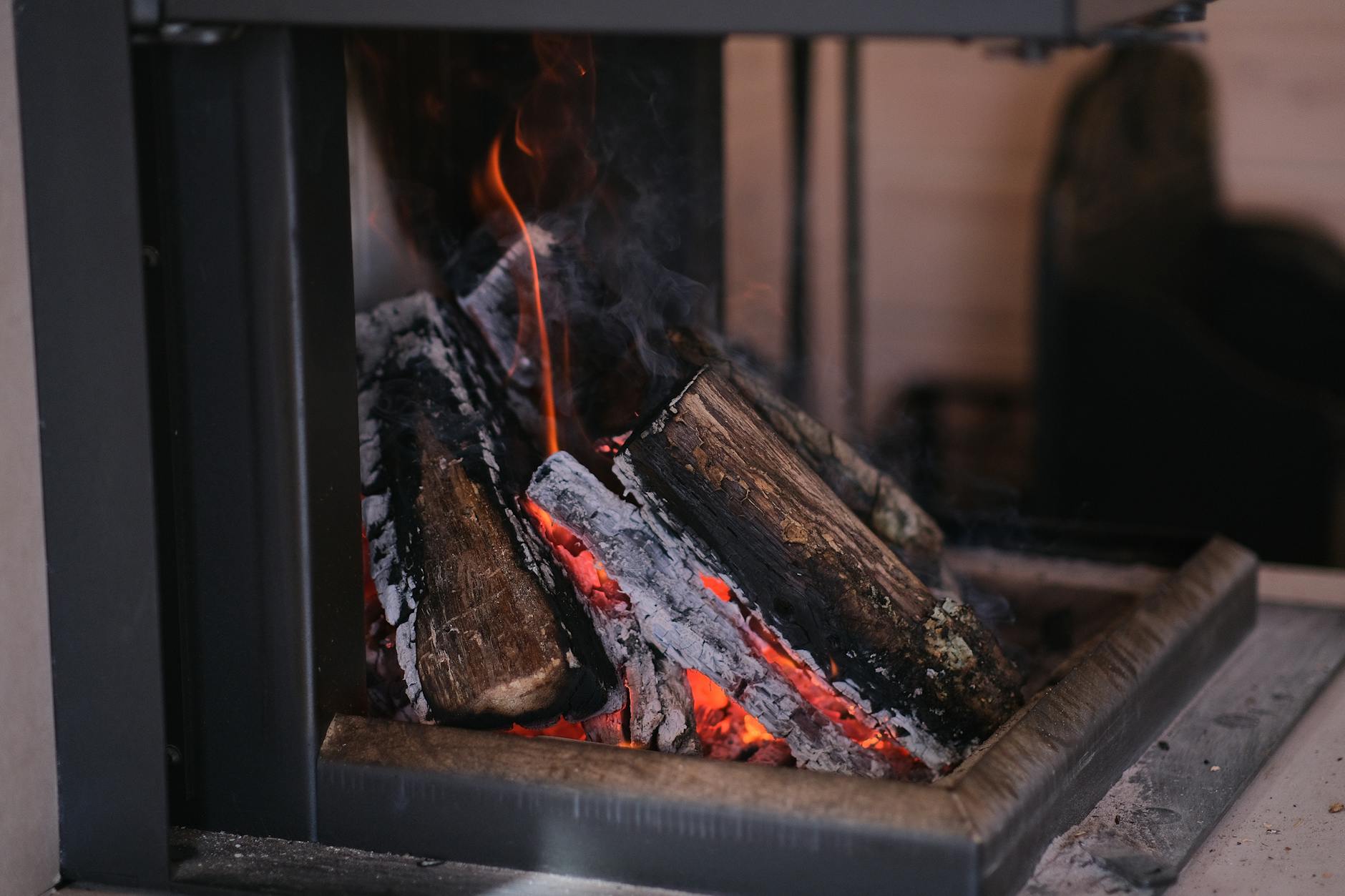
Space heaters are involved in the largest share of heating fires and deaths. The primary failure mode is placing a space heater too close to combustible materials — bedding, curtains, upholstered furniture, and clothing can ignite when within the recommended clearance zone. Portable electric heaters left on overnight or unattended are a particular risk. Chimneys and fireplaces account for a significant portion of heating fires as well, primarily due to creosote buildup, which is a flammable residue that accumulates inside flue linings from burning wood. Faulty or aging central heating systems round out the category.
Prevention Tips
- Keep space heaters at least 3 feet away from anything flammable. The NFPA calls this the "3-foot circle of safety."
- Never leave a space heater running unattended or while you sleep.
- Plug space heaters directly into a wall outlet — never into an extension cord or power strip, which can overheat.
- Have your chimney professionally inspected and cleaned at least once a year, especially if you burn wood regularly.
- Use a fireplace screen to keep embers from escaping onto flooring or rugs.
- Never burn trash, cardboard, or treated wood in a fireplace — these materials produce excessive sparks and toxic creosote.
- Schedule annual maintenance for furnaces, boilers, and central heating systems with a qualified technician.
3. Electrical Systems and Equipment
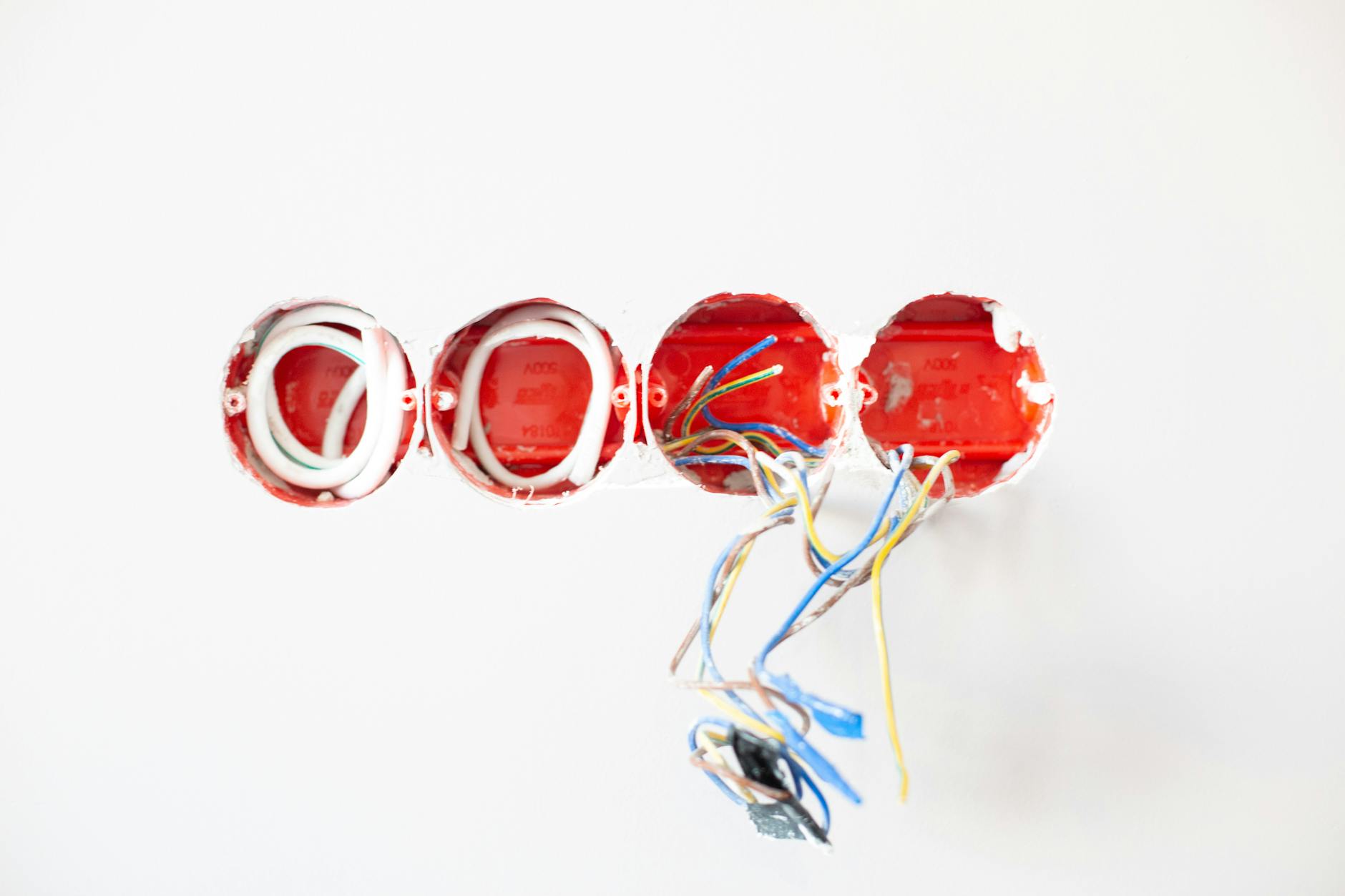
Electrical fires account for approximately 6 to 9% of home fires but are responsible for a disproportionate share of fatalities and property losses. The NFPA estimates electrical distribution and lighting equipment cause roughly 44,000 home fires per year. Electrical fires are particularly dangerous because they often start inside walls, in attic spaces, or in areas not visible during routine household activity — meaning they can burn for a significant amount of time before being detected.
Why It Happens
The causes within this category are varied. Wiring in older homes — particularly homes built before 1970 — may use outdated aluminum wiring or deteriorating insulation that poses an elevated risk. Arc faults, which occur when electricity jumps between conductors due to damaged insulation or loose connections, are a leading cause of electrical fires. Overloaded circuits, improper use of extension cords, and damaged appliance cords are also frequent contributors. Outlet and switch plates that are warm to the touch, flickering lights, or breakers that trip repeatedly are all warning signs that should be investigated by a licensed electrician immediately.
Prevention Tips
- Have an electrician inspect your home's wiring if it is more than 40 years old or shows any warning signs.
- Install Arc Fault Circuit Interrupters (AFCIs) — these devices detect dangerous arc faults and shut off the circuit before a fire can start. The National Electrical Code now requires them in most areas of new homes.
- Never run extension cords under rugs, through walls, or in high-traffic areas where damage can occur.
- Do not overload outlets or power strips. Use power strips with built-in surge protection for electronics.
- Replace any appliance with a frayed, cracked, or damaged power cord immediately.
- Ensure all electrical work in your home is done by a licensed electrician and permitted correctly.
- Install Ground Fault Circuit Interrupters (GFCIs) in bathrooms, kitchens, garages, and outdoors.
4. Smoking Materials
Despite a long-term decline in smoking rates, cigarettes, cigars, and other smoking materials remain one of the leading causes of home fire deaths. While smoking-material fires account for only about 5% of home fires, they are responsible for approximately 23% of home fire deaths — making them the deadliest fire cause per incident by a substantial margin. This lethality is largely explained by the fact that smoking fires frequently start when a smoker has fallen asleep or is otherwise impaired.
Why It Happens
The most common scenario involves a lit cigarette dropped onto upholstered furniture, mattresses, or bedding — materials that smolder slowly before eventually bursting into flame. Alcohol impairment is a contributing factor in many smoking-related fire deaths. Improper disposal of smoking materials — discarding still-lit cigarettes into trash cans or planters containing dry soil or mulch — is another frequent trigger.
Prevention Tips
- Smoke outside whenever possible. Most smoking-related fire deaths occur when smoking materials contact indoor furniture or bedding.
- Use deep, wide, non-tip ashtrays and ensure all ash and butts are fully extinguished before disposal.
- Never smoke in bed or when drowsy or impaired.
- Before emptying an ashtray, douse the contents with water to confirm everything is out.
- Check furniture cushions and upholstery after any gathering where smoking may have occurred.
- Keep lighters and matches out of reach of children, stored in a locked or high location.
5. Candles
Candles cause an estimated 7,400 home fires per year, according to NFPA data, resulting in around 90 deaths, 670 injuries, and $291 million in property damage annually. The peak days for candle fires are Christmas Eve, Christmas Day, New Year's Day, and New Year's Eve — reflecting the seasonal and celebratory contexts in which candle use spikes.
Why It Happens
The most common cause of candle fires is a candle left burning while the occupant is asleep or has left the room. The second most common cause is a candle placed too close to flammable materials — curtains, paper, dried decorations, or wooden surfaces. Candles in the bedroom account for more than one-third of candle fires and more than half of all candle fire deaths, reflecting the high frequency with which candles are left burning while occupants sleep.
Prevention Tips
- Never leave a burning candle unattended. Extinguish all candles before leaving a room or going to sleep.
- Keep candles at least 12 inches from anything flammable.
- Use candle holders that are sturdy, won't tip over, and are made from non-combustible material.
- Keep candles out of reach of children and pets.
- Consider battery-operated flameless candles — they produce the same visual effect with zero fire risk.
- Do not burn candles in drafty areas where the flame could flicker and contact nearby materials.
6. Intentional Fires and Arson
Intentionally set fires account for approximately 8% of home fires and 6% of home fire deaths, according to USFA data. While the proportion has declined steadily over recent decades, arson remains a notable and entirely preventable cause. Many intentional fires are set by children playing with fire — a separate sub-category that represents a meaningful percentage of home fire ignitions involving juvenile fire-setting behavior.
Prevention in this category centers on good general security practices: keeping exterior areas well-lit, not storing combustibles adjacent to the home, and keeping flammable materials locked away from children. If you have concerns about a child's fascination with fire, fire safety education programs run by local fire departments are specifically designed to address this behavior early.
7. Other Notable Home Fire Hazards
Several additional causes each contribute a smaller but still meaningful share of residential fire incidents:
- Clothes dryers: Dryer fires are responsible for roughly 14,000 home fires per year. The overwhelming majority are caused by lint buildup in the dryer duct, which catches fire from the heat of normal operation. Clean your lint trap before every use and have your dryer duct professionally cleaned annually.
- Lithium-ion battery fires: An emerging and rapidly growing cause, particularly tied to e-bikes, e-scooters, and power tools. These fires burn intensely and can be extremely difficult to extinguish. Always use the manufacturer's charger, avoid charging batteries overnight, and never charge devices in hallways or exit routes.
- Flammable liquids: Gasoline, paint thinner, and cleaning solvents stored or used improperly near ignition sources cause hundreds of home fires annually. These materials should be stored in approved containers in cool, well-ventilated areas away from any flame or heat source.
- Natural gas leaks: While not a "fire cause" on their own, gas leaks from faulty appliances, damaged lines, or improper connections create explosive conditions. Install a combination smoke and carbon monoxide detector, and know the smell of gas so you can respond quickly.

General Home Fire Prevention Checklist
Beyond the cause-specific advice above, these foundational practices apply to every home and should be reviewed regularly as part of a whole-home fire safety routine:
Smoke Alarms
- Install smoke alarms on every level of the home, inside every bedroom, and outside each sleeping area.
- Test smoke alarms monthly and replace batteries once a year (or use 10-year sealed-battery alarms).
- Replace smoke alarms entirely every 10 years — the sensors degrade over time.
- If you are a heavy sleeper or hard of hearing, consider smoke alarms with strobe lights or bed shakers.
- Use interconnected alarms so that when one sounds, all alarms in the home sound simultaneously.
Carbon Monoxide Detectors
- Install CO detectors on every level of the home and outside sleeping areas.
- CO detectors should be replaced every 5 to 7 years according to manufacturer guidance.
Home Escape Plan
- Create a floor plan showing at least two ways out of every room — a primary exit and a secondary one (usually a window).
- Designate a meeting place outside the home where all household members will gather.
- Practice the escape plan at least twice a year. Include children in the drill so the response becomes instinctive.
- In a fire, close doors as you leave — a closed door can hold back smoke and heat for several minutes, potentially saving lives.
- If smoke is present, stay low and crawl below it where the air is cleaner.
Fire Extinguishers
- Keep at least one multi-purpose fire extinguisher (rated ABC) in the kitchen and on each floor of the home.
- Learn how to use an extinguisher before you need it. The PASS technique — Pull, Aim, Squeeze, Sweep — is easy to memorize.
- Inspect extinguishers annually and replace or recharge them according to manufacturer guidelines.
- Only attempt to fight a small, contained fire. If there is any doubt about your ability to control it, evacuate immediately and call 911.
Frequently Asked Questions
Key Takeaways
The most common causes of house fires — cooking, heating equipment, electrical faults, smoking materials, and candles — account for the overwhelming majority of residential fire incidents, deaths, and property losses. The unifying thread across all of them is that prevention is almost entirely within the homeowner's or renter's control.
Working smoke alarms are the single most important life-safety device in any home. Homes with working smoke alarms have a death rate that is roughly 55% lower than homes without them, according to the NFPA. Add a practiced escape plan, a properly maintained fire extinguisher, and the cause-specific habits outlined above, and you will have meaningfully reduced your household's fire risk.
Fire safety is not a one-time task — it is an ongoing practice. Set a calendar reminder twice a year (many fire departments recommend daylight saving time changes as a convenient trigger) to test your smoke alarms, review your escape plan with your household, and check for any of the home fire hazards covered in this guide. A few minutes of routine attention can make the difference between a close call and a catastrophe.