The Real Reason Teeth Go Yellow With Age (It's Not What You Think)
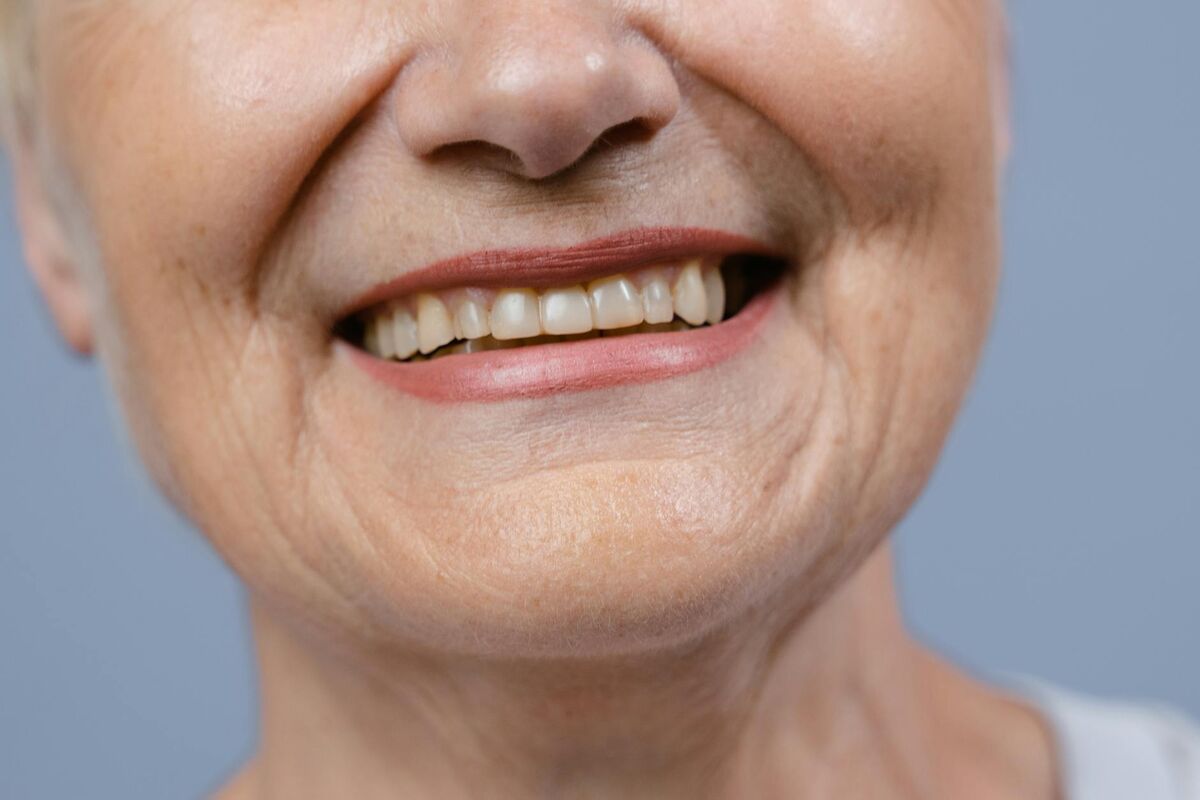
You've been brushing twice a day for decades. You rinse after your morning coffee. You've never been much of a red-wine drinker. And yet, somewhere in your 40s or 50s, you looked in the mirror and noticed it — your teeth have taken on a distinctly yellow tint that wasn't there twenty years ago. So what's going on?
Here's the counterintuitive truth: why teeth yellow with age has very little to do with surface stains for most adults. The dominant driver isn't what's landing on your enamel from the outside. It's what's happening structurally, from the inside — a slow, inevitable shift in the architecture of the tooth itself that no amount of brushing can reverse.
Understanding this distinction isn't just academic. It changes everything about how you should approach the problem, including why some whitening methods work brilliantly for younger adults but fall flat — or even cause harm — for people over 40, which is why we tested products like the Purely White Deluxe teeth whitening kit designed specifically for mature teeth.
Teeth Are Not One Solid Material
Most people think of a tooth as a single, uniform white object. In reality, it's a layered structure, and each layer has its own color, hardness, and biological role.
The outermost layer — enamel — is the hardest substance in the human body. It is largely translucent to slightly bluish-white in appearance. When you look at a healthy young tooth and see that bright, almost luminous white, what you're partly seeing is the light scattering through enamel. The brilliance comes from the thickness and mineral density of this outer shell.
Beneath the enamel lies dentin — a living tissue that makes up the bulk of the tooth. And dentin is naturally yellow. Not off-white, not cream. A genuine, deep amber-yellow. In youth, the enamel layer is thick enough that it largely masks the color of the dentin beneath. The tooth appears white because you're mostly seeing light bouncing off and through the enamel, not the dentin underneath.
Here's where aging enters the picture.
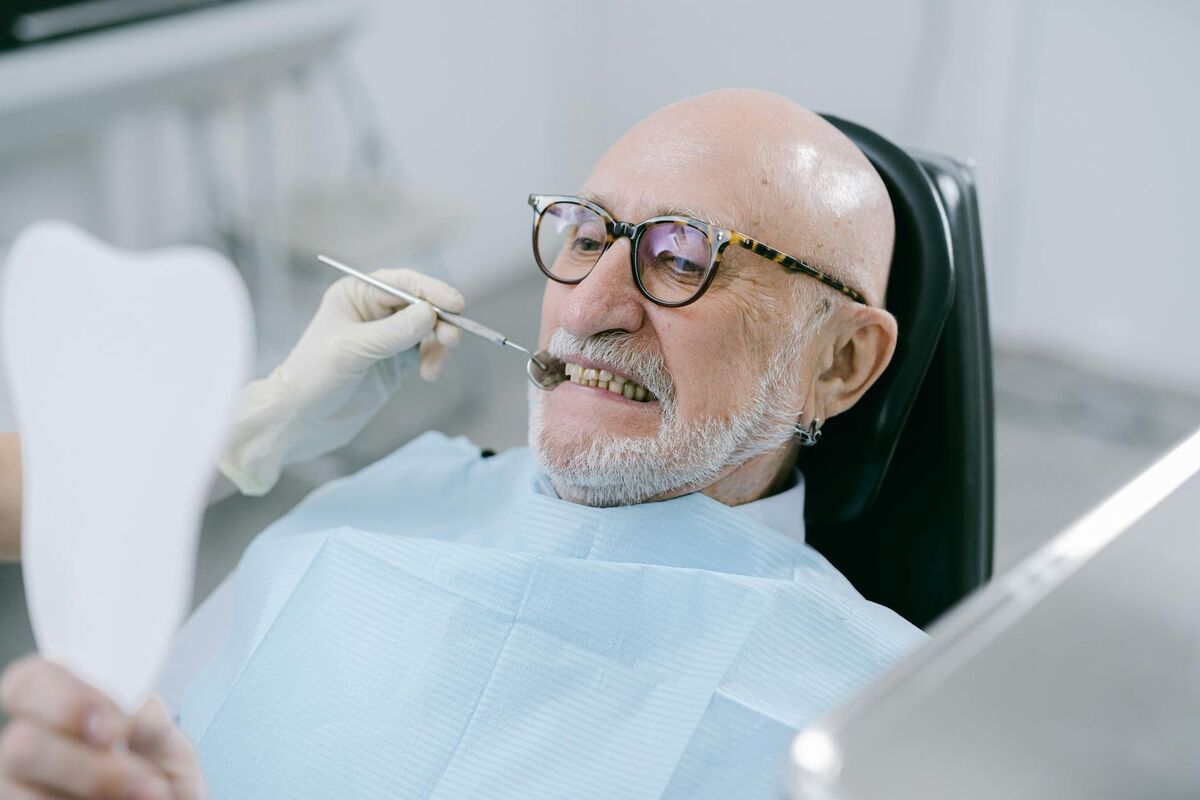
Enamel Thinning: The Slow Reveal of Your Dentin
Enamel does not regenerate. Once it's gone, it's gone. Unlike bone or skin, enamel contains no living cells that can rebuild it — it is essentially a mineralized shell created before your adult teeth fully erupted. From the moment your permanent teeth came in, you've been spending down a fixed budget of enamel that can never be replenished.
Over the decades, enamel erodes through a combination of forces:
- Acid exposure — from food, drinks, acid reflux, and the natural bacteria in your mouth. Every acidic meal temporarily softens enamel, making it more vulnerable to mechanical wear.
- Mechanical abrasion — the daily friction of brushing, chewing, and in many people, the unconscious grinding called bruxism. Even brushing with too much force over decades takes a measurable toll.
- Attrition — the natural wear that comes from teeth meeting teeth. Upper and lower teeth contact thousands of times a day, and over a lifetime, this steadily reduces enamel at the biting edges and surfaces.
The result of this slow erosion is that the enamel layer — already translucent rather than white — becomes progressively thinner. And as it thins, the deeply yellow dentin beneath it starts to show through more and more clearly. This is the primary driver of aging teeth yellowing causes in adults over 40.
Think of it like a frosted glass window. When the glass is thick, the light diffuses beautifully. As the glass wears thin, you start to see the colors of whatever is behind it. That's your dentin, and it's yellow.
Dentin Darkening With Age Makes Things Worse
It would be challenging enough if enamel simply thinned while dentin stayed the same. But dentin doesn't stay the same — it darkens independently.
Dentin darkening with age is a separate biological process driven by two mechanisms. First, dentin is a living tissue threaded with microscopic tubules and contains dentinal fluid. Over time, secondary dentin — a less organized, denser form of dentin — continues to be deposited by the inner pulp cells. This secondary dentin is darker and more opaque than the primary dentin laid down in youth.
Second, the organic matrix within dentin undergoes natural chemical changes over time. Proteins in the dentin structure undergo a process called glycation, where they bind with sugars in the surrounding fluid. This is the same browning reaction responsible for the color of cooked food, and in the body's tissues, it produces compounds called advanced glycation end-products (AGEs) that lend a progressively darker, more yellow-brown hue to aging dentin.
So the two processes — enamel thinning revealing more dentin, and dentin itself growing darker — compound each other. Older teeth show more dentin and that dentin is a deeper shade of yellow than it was in youth. This is why teeth discoloration over 40 often feels like it accelerates: both processes are happening simultaneously and reinforcing each other.
The Role of Saliva — and Why It Declines
There's a third factor in the aging-teeth equation that rarely gets discussed: saliva production.
Saliva is far more than a lubricant. It is your mouth's primary defense system. It neutralizes acids, delivers calcium and phosphate ions that remineralize softened enamel, physically washes away food particles, and contains antimicrobial proteins that suppress the bacteria responsible for acid production. A healthy saliva flow is the single most underappreciated factor in lifelong dental health.
Unfortunately, saliva production naturally declines with age. Research published in the Journal of Dental Research and other peer-reviewed publications has documented that resting saliva flow rates decrease measurably after middle age, and the problem is compounded significantly by the fact that many medications commonly taken by adults over 50 — including antihistamines, antidepressants, blood pressure medications, and diuretics — list dry mouth as a side effect.
When saliva flow diminishes, several things happen that accelerate teeth discoloration over 40:
- Acids from food and bacteria linger on tooth surfaces longer, accelerating enamel erosion.
- The remineralization process slows, meaning small enamel losses are repaired less efficiently.
- Food pigments — the chromogens from coffee, tea, berries, and tomato-based sauces — have more time in contact with tooth surfaces before being washed away, leading to greater extrinsic staining on top of the intrinsic changes already underway.
- The slightly stickier oral environment also allows plaque to accumulate more readily, adding a further yellowing layer.
Staying well hydrated, chewing sugar-free gum to stimulate saliva flow, and speaking with a doctor or pharmacist about medication side effects are all practical steps worth considering.
Extrinsic vs. Intrinsic Yellowing: Why the Distinction Matters
Dentists classify tooth discoloration into two broad categories, and understanding which type you're dealing with has direct practical implications.
Extrinsic staining occurs on the outer surface of the tooth. It's caused by chromogenic compounds — the color molecules in coffee, tea, red wine, tobacco, and certain foods — that adhere to the thin protein film (pellicle) that coats enamel. Extrinsic staining is, at least in principle, removable. Good brushing technique, professional cleaning, and surface-level whitening products can address it effectively because the stain is sitting on the enamel, not embedded in the tooth's structure.
Intrinsic discoloration is different in kind, not just degree. It originates within the tooth — in the dentin, in the enamel mineral itself, or in the pulp. The age-related yellowing described throughout this article — enamel thinning revealing darker dentin, and dentin itself darkening through secondary deposition and glycation — is intrinsic discoloration. It cannot be scrubbed away. It cannot be neutralized by a surface bleaching agent working on stains that aren't there. To have any effect on intrinsic yellowing, a whitening agent must penetrate the enamel and work on the dentin beneath.
This is why so many adults over 40 feel disappointed by whitening toothpastes or even basic whitening strips. These products are designed primarily for extrinsic staining. When the yellowing is structural and intrinsic, their results will be underwhelming at best — and their abrasive components may actually worsen the situation over time by further thinning the already-compromised enamel.
Why Older Adults Need a Different Approach to Whitening
The logical question at this point is: if intrinsic yellowing is the dominant driver after 40, can anything actually help?
The answer is a qualified yes — but with important caveats that differ meaningfully from the advice appropriate for a 25-year-old with normal enamel thickness.
How to whiten aging teeth safely requires starting from a realistic set of priorities. The goal should be to maximize the brightness of what you have while protecting the enamel that remains — not to pursue the high-contrast, blue-white brightness of a 20-year-old's teeth, which reflects a fundamentally different tooth structure that cannot be recreated by whitening alone.
Clinically, the key considerations for whitening aging teeth include:
- Enamel protection must come first. Any whitening regimen for adults over 40 should incorporate remineralizing agents — fluoride, hydroxyapatite, or both — either in the whitening product itself or as a complementary step. These materials help shore up enamel that is already thin and vulnerable. Using aggressive whitening products without remineralization support is like stripping paint from a surface that's already worn through in places.
- Hydrogen peroxide concentration matters. Higher-concentration peroxide gels achieve faster results but cause more temporary sensitivity and, with repeated use, can dehydrate and weaken enamel. For older adults whose enamel is already thinner, lower concentrations used more gradually tend to produce better long-term outcomes with less risk of sensitivity and structural damage.
- Professional guidance is more valuable after 40. A dentist can assess how much of your yellowing is extrinsic versus intrinsic, check for areas of significant enamel wear, identify any recession that has exposed the even-more-yellow root surface (cementum), and recommend an approach calibrated to your specific situation.
- Sensitivity is a signal, not just a nuisance. Whitening-induced sensitivity in older adults is often a sign that the peroxide is reaching a dentin layer that's more exposed than it should be. Persistent sensitivity warrants a conversation with a dentist, not simply pushing through.
- Managing extrinsic staining remains worthwhile even when intrinsic yellowing is the dominant issue. Reducing chromogen-rich food and drink, using a straw for acidic or staining beverages, and maintaining excellent brushing and flossing habits all reduce the extrinsic layer that compounds the intrinsic discoloration.
The Genetics Factor People Overlook
One more variable deserves mention: genetics plays a substantial role in both the starting thickness of your enamel and the natural shade of your dentin. Some people are simply born with thicker enamel and/or lighter dentin, and their teeth will show less yellowing at any age. Others inherit thinner enamel and naturally darker dentin — and their teeth may appear yellow even in their 20s, with no staining involved at all.
This is why comparing your teeth to someone else's — or to the teeth you had at 22 — is rarely a useful exercise. The appropriate benchmark is the health and function of your own teeth, not an external appearance standard shaped by genetics you don't share and a tooth structure that no longer applies to you.
Dentists use shade guides to assess tooth color on a standardized scale. Most healthy adult teeth in middle age and beyond fall into the A3 to A4 range on the Vita shade guide — shades that read as noticeably yellow compared to the bleached-white B1 or "Hollywood white" standard promoted in advertising. But A3 is within the natural range of healthy teeth. Understanding that can be genuinely reassuring, and it puts any whitening goals in appropriate perspective.
The Enamel-Dentin Relationship Over Time: A Summary
To bring together the key mechanisms covered here, it helps to think about the changes in sequence:
- At birth and through early adulthood, enamel is at its thickest. Teeth appear brightest because the translucent enamel layer is doing the most effective job of masking the yellow dentin beneath.
- From the late 20s onward, acid exposure, mechanical wear, and normal use begin to thin the enamel layer gradually. The dentin beneath becomes incrementally more visible.
- Simultaneously, dentin continues to mineralize internally. Secondary dentin deposits accumulate, progressively darkening the dentin and further reducing the pulp cavity size.
- Saliva production decreases with age and medication use, reducing the mouth's natural acid-buffering and remineralizing capacity. This accelerates enamel erosion.
- By the 40s and 50s, the cumulative effect of these changes produces a noticeably more yellow appearance — even in people who have been fastidious about oral hygiene and dietary habits their whole lives.
None of these processes are pathological. They are normal biological aging — the same aging that happens in every other tissue of the body. What makes why teeth yellow with age such a misunderstood topic is that the whitening industry has spent decades framing all tooth discoloration as a staining problem with a surface solution. For older adults, that framing is fundamentally incorrect.
Key Takeaways
Understanding the real biology of aging teeth yellowing causes reframes the conversation in a productive way. The yellowing you see in the mirror after 40 is primarily a structural story — enamel wearing thin to reveal the naturally yellow dentin beneath, and that dentin growing darker through normal biological aging processes. Surface staining compounds the picture, but it is rarely the root cause.
That means:
- Whitening toothpastes designed to fight extrinsic stains will have limited effect on the underlying structural change.
- Protecting the enamel you still have is the single most important thing you can do for the long-term appearance and health of your teeth.
- Any whitening approach after 40 should be gentler, slower, and paired with remineralization — not accelerated or intensified.
- Genetics and natural shade variation mean that "white" is not a universal standard, and healthy teeth in middle age are naturally warmer in tone than in youth.
- A dentist is your best resource for understanding where your specific discoloration falls on the extrinsic-to-intrinsic spectrum and what realistic improvement looks like for your teeth.
The good news in all of this is that yellowing with age is not a sign of poor health or failure of care. It is the visible record of decades of normal use. And with the right understanding, it is something you can approach thoughtfully — protecting what you have, improving what you can, and setting expectations grounded in biology rather than marketing.