The Real Reason Your Teeth Feel Sensitive After Brushing
You finish brushing your teeth, rinse, and within seconds there it is — a sharp, fleeting sting that shoots through one or more teeth. Maybe it happens when you spit cold water, maybe it lingers for a minute afterward. If you experience sensitive teeth after brushing on a regular basis, you are not alone: research consistently shows that dentin hypersensitivity affects somewhere between 10 and 30 percent of adults, and for many people, the brushing routine itself is a direct trigger.
The good news is that this kind of sensitivity is rarely a dental emergency. The less-good news is that it almost always means something about your teeth or your brushing habits needs to change. Understanding the underlying science makes it far easier to take the right action — and to stop doing the things that make the problem worse without realizing it.
What Is Dentin Hypersensitivity and Why Does It Hurt?
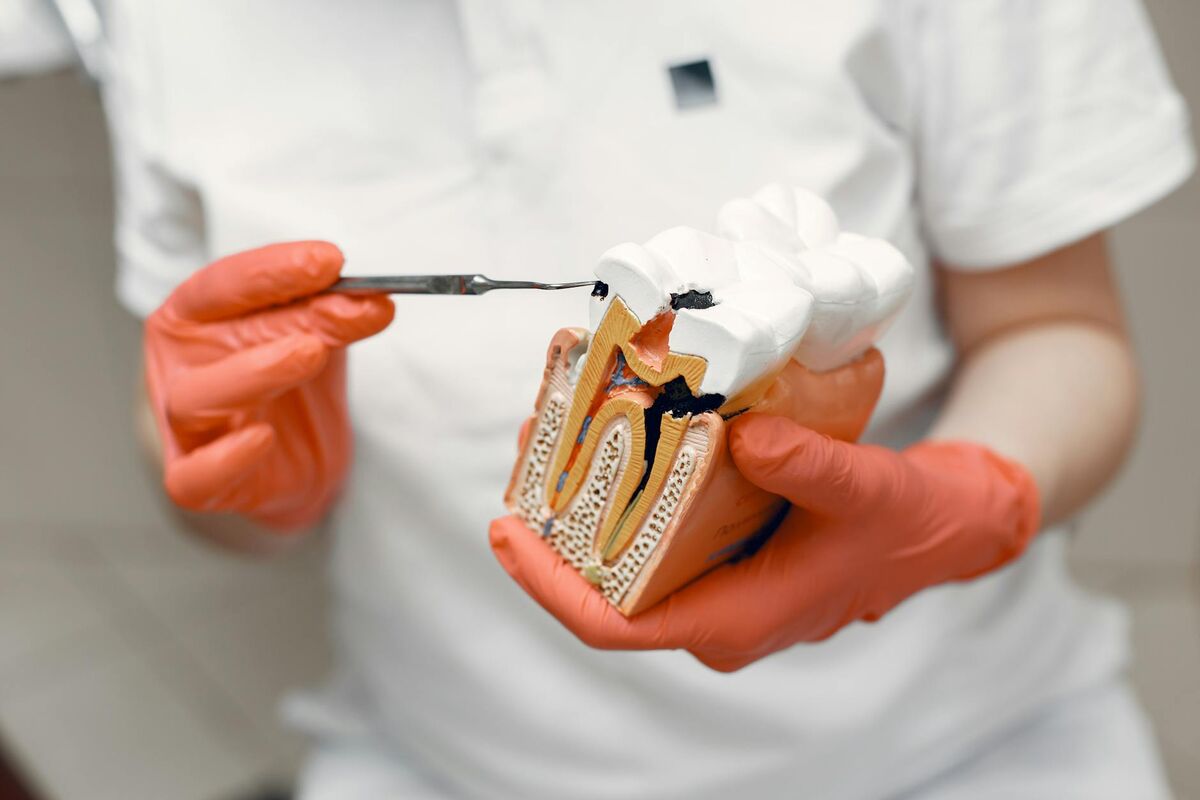
To understand tooth sensitivity causes, you need a quick look at tooth anatomy. Each tooth is made up of three main layers. The outermost layer you can see is enamel — the hardest substance in the human body, and completely non-living. Beneath it is dentin, a softer, yellowish tissue riddled with microscopic channels called dentinal tubules. At the very center is the pulp, where the nerves and blood vessels live.
Enamel is your tooth's primary defense. As long as it is intact and your gum tissue covers the root surface, the dentinal tubules are sealed off from the outside world. But when enamel wears away — or when gums recede and expose the root — those tubules open up. Fluid inside the tubules can now move in response to temperature changes, sweet or acidic foods, air, or physical pressure. That fluid movement is detected by nerve fibers at the pulp end of the tubules, producing the short, sharp, characteristic jolt of sensitivity. This mechanism is known as the hydrodynamic theory of dentin sensitivity, and it is the most widely accepted explanation in dental research.
In plain language: your teeth hurt because the protective layer is thin or missing, and the exposed dentin is transmitting signals directly to your nerves.
Why Brushing Specifically Triggers the Pain
Brushing creates mechanical stimulation on the tooth surface. When enamel is intact, that stimulation stays at the surface and causes no discomfort. When enamel is thin or absent, the same pressure transmits fluid movement through the dentinal tubules, activating the nerve response. Cold water from the tap amplifies this further because temperature change is one of the most potent triggers of tubule fluid movement.
There is also a timing element. The act of brushing momentarily disturbs the saliva pellicle — a thin protein film that naturally coats your teeth and provides a small degree of insulation. In the minutes immediately after brushing, this protective coating is disrupted, meaning teeth are briefly more exposed than they would be otherwise. For someone with sensitive teeth after brushing, this window of increased exposure coincides with rinsing with cold water, which explains why the discomfort so often peaks right at the end of the brushing routine.
The Overbrushing Problem: How Brushing Too Hard Damages Enamel
Here is the counterintuitive truth that dentists repeat constantly and that most people still do not fully believe: brushing too hard does not clean your teeth better. It cleans them worse over time, because it gradually destroys the very surface you are trying to protect.
Enamel, despite being the hardest biological material in the body, can be abraded by repetitive mechanical force — especially when that force is combined with an abrasive toothpaste. Studies measuring brushing too hard enamel damage have found measurable enamel loss in people who apply more than 150 grams of force during brushing, which is far less pressure than most people think. One commonly cited study found that the majority of participants applied between 200 and 400 grams of force without realizing it.
The damage does not happen overnight. Over months and years of aggressive brushing, a characteristic pattern called toothbrush abrasion develops. You can often see it as notch-like grooves at the gum line, particularly on the outer surfaces of premolars and canines. The enamel in these areas wears away, the dentin beneath becomes exposed, and sensitivity follows. Crucially, enamel does not regenerate — once it is gone, it cannot grow back on its own.
The gum tissue is equally vulnerable. Hard brushing causes the gum margin to recede, progressively exposing the root surface of the tooth. Unlike the crown of a tooth, the root is not covered by enamel at all — it is covered by a thinner material called cementum. Once gum recession uncovers root dentin, sensitivity can become severe, because the dentinal tubules there are wider and more numerous than those on the crown.

Other Common Causes of Tooth Sensitivity
While brushing too hard enamel damage is one of the most common culprits, it is not the only reason teeth become sensitive. Understanding the full picture helps you identify whether a dentist visit is needed or whether you can address the issue at home.
Acidic diet and enamel erosion. Dietary acids from citrus fruits, fizzy drinks, sports drinks, vinegar-based foods, and wine chemically dissolve enamel in a process called erosion. Unlike abrasion (which is mechanical), erosion softens the enamel surface, making it more vulnerable and thinner over time. People who frequently consume acidic foods or drinks and then brush within 30 minutes are doubling the damage — the enamel is chemically weakened by acid and then physically abraded by brushing.
Teeth grinding (bruxism). Grinding at night wears down enamel from the biting surfaces of teeth, particularly the molars and front teeth. Many people do not realize they grind because it happens during sleep. Sensitivity on the tops of teeth, combined with jaw soreness in the morning, can be a sign.
Gum disease. Periodontal disease causes the supporting bone and gum tissue around teeth to deteriorate. As gums pull away from the tooth, the root becomes exposed. Sensitivity is often one of the first noticeable symptoms of early gum disease, though many people attribute it to other causes.
Recent dental work. Fillings, crowns, and professional whitening treatments can temporarily increase sensitivity by irritating the pulp or exposing dentinal tubules during the procedure. This type of sensitivity typically resolves within a few weeks.
Cracked teeth. A hairline crack in a tooth can allow fluid and pressure to reach the pulp directly, causing sharp sensitivity that is often localized to one specific tooth. If sensitivity is consistently isolated to a single tooth — particularly when biting down — a cracked tooth should be ruled out by a dentist.
Whitening products. Peroxide-based whitening treatments temporarily increase the permeability of enamel, allowing the bleaching agent to reach the dentin. The resulting sensitivity is usually short-lived but can be significant during active treatment.
How to Tell If Your Sensitivity Is Technique-Related or Something More Serious
This is one of the most important distinctions to make, because the appropriate response is very different in each case.
Sensitivity that is likely technique-related tends to affect multiple teeth rather than one, is most pronounced right after brushing, is triggered by temperature and cold water but not consistently by biting pressure, and has developed gradually over time. People in this group often also notice that their toothbrush bristles splay outward — a classic sign of brushing too hard — or that their gum line has visibly receded compared to photos from years ago.
Sensitivity that warrants a dental visit tends to be localized to one or two specific teeth, is triggered by biting or chewing (which suggests structural issues), is accompanied by throbbing or aching pain that lasts more than 30 seconds after a trigger (which may indicate pulp involvement), or is new and rapidly worsening. Severe spontaneous pain — pain that comes on without any trigger at all — is a red flag that should not be ignored.
When in doubt, see a dentist. Why are my teeth so sensitive is one of the most common questions dentists hear, and a proper clinical assessment can identify the exact cause and rule out anything that needs treatment.
How to Brush Sensitive Teeth: Technique That Actually Protects
If technique is the problem, the fix begins with changing how you brush. The following guidelines are consistent with recommendations from dental associations and periodontists.
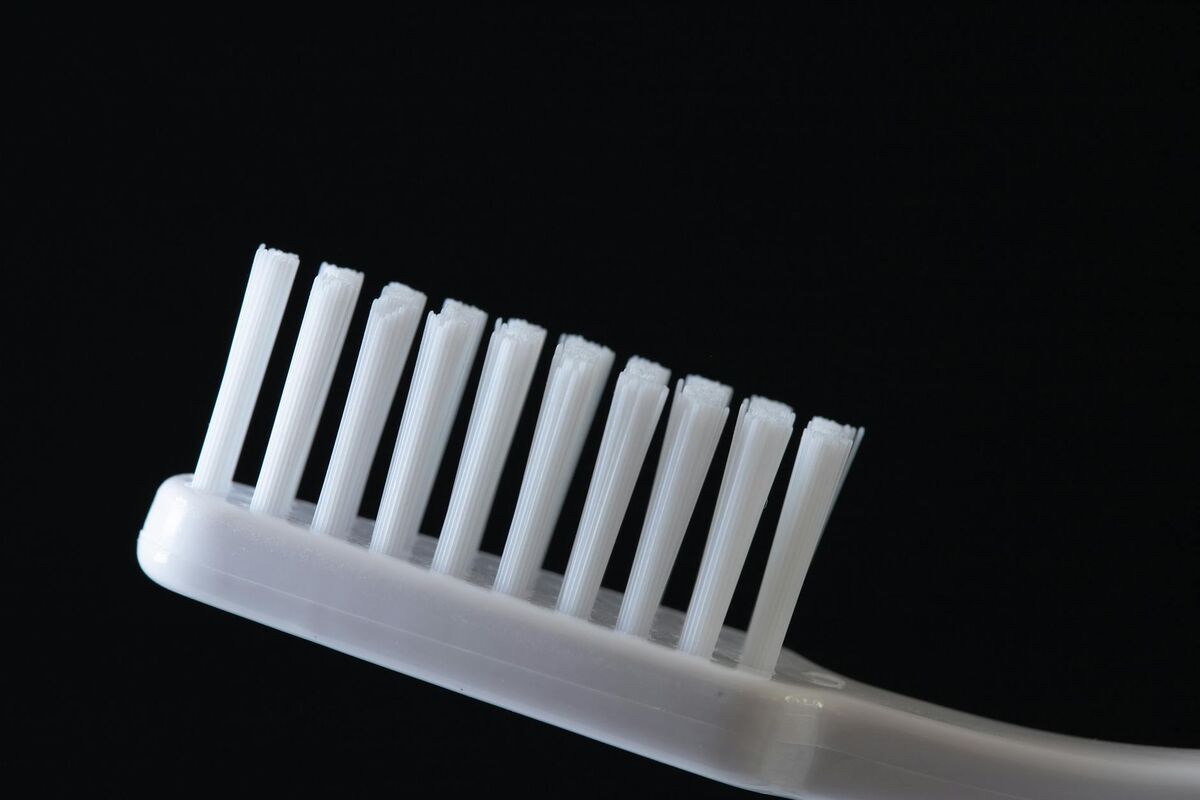
Use a soft-bristle toothbrush. This is non-negotiable for anyone with sensitivity. Medium and hard bristle brushes are aggressive enough to abrade enamel and traumatize gum tissue even with moderate pressure. Soft bristles clean the tooth surface and gum margin effectively without the mechanical damage. If you are unsure, go soft — there is no clinical benefit to stiffer bristles for a home brushing routine.
Reduce your pressure dramatically. The goal of brushing is to disrupt the bacterial biofilm (plaque) on tooth surfaces. Plaque is soft and loosely adhered — it does not require force to remove, only contact. Try holding your toothbrush with just your thumb and index finger rather than a full palm grip. This naturally limits the pressure you can apply. Many electric toothbrushes now include pressure sensors that alert you when you are pressing too hard — these can be genuinely useful for breaking the habit.
Use gentle, circular or angled strokes. The bass technique — angling the bristles at 45 degrees to the gum line and using small circular or vibrating motions — is widely recommended by periodontists. Avoid horizontal scrubbing strokes across the teeth, which concentrate abrasive force on the gum margin and enamel at the neck of the tooth. Spend about 30 seconds per quadrant (upper right, upper left, lower right, lower left) for a thorough two-minute session.
Do not brush immediately after acidic food or drink. After consuming something acidic, wait at least 30 minutes before brushing. Saliva needs time to neutralize the acid and partially reharden the softened enamel surface. Brushing while enamel is in a weakened state dramatically increases the rate of abrasion.
Rinse with plain water, not cold water. If cold water triggers sensitivity, rinsing with lukewarm or room-temperature water at the end of brushing reduces the thermal trigger. Some people find that simply avoiding the cold rinse eliminates most of their post-brushing discomfort immediately.
What to Look for in a Toothpaste for Sensitive Teeth
The market for toothpaste for sensitive teeth has expanded significantly, and not all products work in the same way or equally well. Understanding the active ingredients helps you make an informed choice.
Potassium nitrate. Found in many mainstream sensitivity toothpastes, potassium nitrate works by diffusing into the dentinal tubules and depolarizing the nerve fibers inside them. Over time — typically two to four weeks of consistent use — it reduces the nerve's ability to fire in response to stimuli. It does not block the tubules physically; it quiets the nerve. This is effective for ongoing management but requires daily use to maintain the effect.
Stannous fluoride. Unlike sodium fluoride (the most common fluoride in regular toothpaste), stannous fluoride both strengthens enamel and forms a thin precipitate that physically occludes (blocks) the dentinal tubule openings. Research suggests that stannous fluoride-based formulations may provide faster relief than potassium nitrate alone for some patients, as well as offering broader antibacterial benefits.
Nano-hydroxyapatite. A newer ingredient gaining significant research attention, nano-hydroxyapatite is a biocompatible form of the same calcium phosphate mineral that makes up enamel and dentin. It works by depositing into demineralized enamel and physically filling dentinal tubule openings. Several clinical studies have shown it to be comparable to fluoride for remineralization and effective for reducing sensitivity symptoms. It is particularly popular in fluoride-free formulations.
Arginine-calcium carbonate. This combination works by bonding to exposed dentin and forming a mineral plug inside tubules, providing relatively rapid occlusion. Some patients report noticeable relief within days rather than weeks.
One thing to be cautious about: some whitening toothpastes contain high levels of abrasive particles (measured as the relative dentin abrasivity or RDA value). If you already have sensitive teeth from enamel wear, high-abrasivity whitening toothpaste will accelerate the damage. If whitening is a priority, look for formulations specifically designed for sensitive teeth with a low RDA value.
Lifestyle Habits That Make Sensitivity Worse
Beyond brushing technique, several everyday habits either directly erode enamel or prevent the natural repair processes that could help.
Frequent snacking on acidic foods. Every exposure to dietary acid temporarily lowers the pH around your teeth and softens enamel. Frequent small exposures throughout the day — sipping a fizzy drink slowly over an hour, nibbling citrus — cause far more cumulative damage than a single concentrated exposure, because saliva never gets a chance to fully recover the pH between events.
Swimming in chlorinated pools. Competitive swimmers who spend many hours per week in chlorinated water can develop significant enamel erosion. The water in pools is maintained at a pH that is acidic enough to damage unprotected enamel over prolonged exposure.
Gastric acid reflux (GERD). Stomach acid has a pH of around 2 — far more corrosive to enamel than dietary acids. People with frequent acid reflux, particularly at night, can experience rapid and severe enamel erosion on the inner surfaces of their teeth. If you notice sensitivity on the tongue-side surfaces of upper front teeth, GERD may be a factor worth discussing with a doctor.
Dry mouth. Saliva is your mouth's natural defense system. It neutralizes acids, contains minerals that support enamel remineralization, and helps wash bacteria off tooth surfaces. Medications that cause dry mouth as a side effect — antihistamines, antidepressants, diuretics, and many others — reduce this protective effect and increase the rate at which teeth demineralize.
When to See a Dentist
While changing your brushing technique and switching to a sensitivity toothpaste can make a significant difference, there are situations where self-management is not enough and professional intervention is needed.
A dentist can apply in-office desensitizing treatments — including concentrated fluoride varnishes, bonding agents, and oxalate compounds — that provide more immediate and durable tubule occlusion than over-the-counter products. For gum recession that is severe enough to expose significant root surface, a periodontist can perform a gum graft procedure to restore coverage. For bruxism, a custom night guard can eliminate the mechanical wear that is driving the sensitivity.
If sensitivity has developed suddenly, is getting worse over weeks, or is associated with swelling, spontaneous pain, or pain that wakes you up at night, these are signs that the pulp may be involved and that more urgent care is needed. Waiting in these cases risks a straightforward problem becoming a complex one.
Key Takeaways
Sensitive teeth after brushing is an extremely common problem, and in most cases it is both explainable and addressable. The underlying mechanism — exposed dentinal tubules transmitting fluid movement to the nerve — is well understood, and the most common cause is enamel erosion or gum recession from brushing too hard over many years.
The most impactful changes you can make right now are switching to a soft-bristle toothbrush, dramatically reducing your brushing pressure, adopting the correct angled technique, and using a sensitivity toothpaste consistently for at least four weeks. If you consume acidic food or drinks regularly, wait 30 minutes before brushing and consider whether your diet is contributing to enamel erosion over and above anything your technique is causing.
Most importantly, recognize that tooth sensitivity causes exist on a spectrum from mild (technique and enamel wear) to more serious (cracks, pulp involvement, gum disease). If your symptoms are localized, worsening, or accompanied by persistent pain, a dental assessment is the right next step — not because something is necessarily wrong, but because knowing for certain is always better than guessing.