The Science of Clean Scent: What Makes a Fragrance Safe vs Harmful
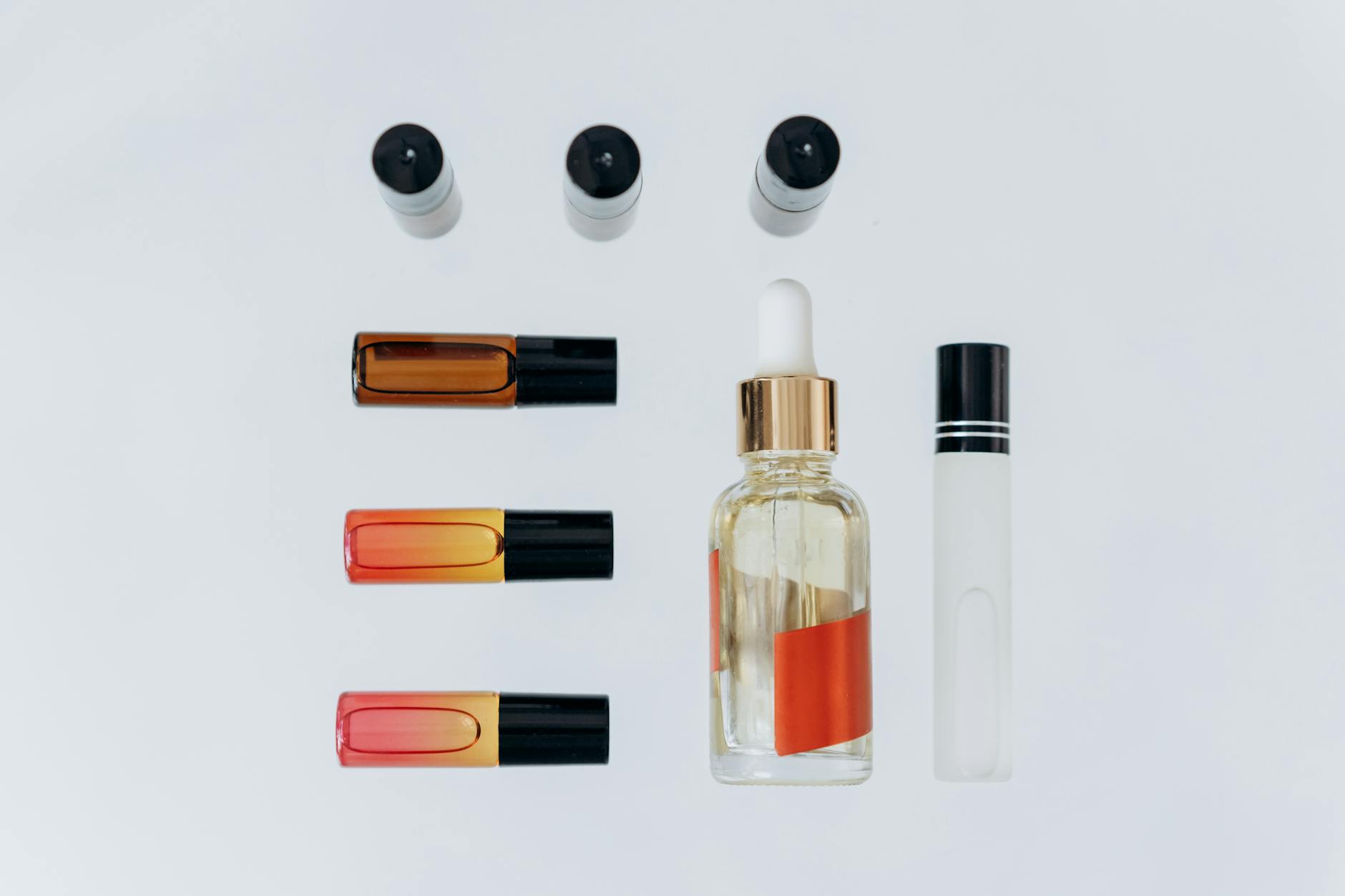
Walk down any beauty aisle in 2026 and you will see the word "clean" stamped on bottles of perfume, body lotion, candles, and air fresheners. It sounds reassuring. It is not a regulated term. No government agency in the United States defines what "clean fragrance" means, and no third-party body is required to verify the claim before a brand prints it on its packaging. Understanding the genuine science behind safe vs harmful fragrance ingredients — rather than relying on a marketing label — is the most reliable way to make informed choices about what you breathe and apply to your skin every day.
This guide walks through the chemistry, the regulatory landscape, the specific ingredient categories that raise legitimate safety questions, and the practical tools available to any consumer who wants to move beyond the label.
What "Clean Fragrance" Actually Means — and What It Doesn't
The phrase "clean fragrance" emerged from the broader clean beauty movement, which gained serious commercial momentum in the 2010s. At its most sincere, the movement asked brands to disclose what was in their products and to eliminate compounds with documented health concerns. At its least sincere, it became a positioning strategy that required nothing more than a marketing budget.
Because no regulatory body has codified the term, any brand can apply it to any product. Some "clean" perfumes exclude a list of 50 ingredients. Others exclude 1,500. Some make decisions based on peer-reviewed toxicology. Others base them on consumer perception. The word, standing alone, tells you almost nothing concrete about ingredient safety.
What the term can do — when backed by transparent disclosure — is signal a brand's intent to go beyond minimum legal requirements. The value is entirely in what the brand puts behind the claim, not in the claim itself.
The Regulatory Gap: Why Fragrance Is Largely Unregulated in the US
In the United States, cosmetics and personal care products are governed primarily by the Federal Food, Drug, and Cosmetic Act (FD&C Act), last comprehensively updated in 1938. The Modernization of Cosmetics Regulation Act of 2022 (MoCRA) added new safety substantiation and labeling requirements, but it maintained a significant carve-out: fragrance formulas are considered trade secrets.
This means a company can list "fragrance" or "parfum" as a single ingredient on a product label while that entry may represent dozens or even hundreds of individual chemical compounds. Consumers reading the label have no way of knowing what those compounds are without independently contacting the manufacturer or consulting third-party databases.
The European Union takes a more restrictive approach. The EU Cosmetics Regulation requires individual disclosure of 26 fragrance allergens above concentration thresholds of 0.001% in rinse-off products and 0.01% in leave-on products. As of 2023, the EU has further proposed expanding that allergen list to 56 compounds. Products sold in both markets are sometimes reformulated for EU compliance, which means the same brand's product may contain different ingredients depending on where it was purchased.
Fragrance Ingredients Commonly Flagged: Aldehydes, Musks, and Phthalates
Three ingredient categories draw the most scrutiny in published toxicology literature and consumer safety databases. Understanding what each one actually is — and what the evidence genuinely shows — allows for a more measured assessment than either dismissal or alarm.

Aldehydes are a broad class of organic compounds present in both natural ingredients (vanilla, cinnamon) and synthetic fragrance molecules. Some aldehydes — particularly short-chain aliphatic aldehydes — are known skin sensitizers at high concentrations. Cinnamaldehyde, which occurs naturally in cinnamon, is one of the most common fragrance allergens in clinical patch-test populations. The hazard here is not that these molecules are inherently toxic, but that they can trigger immune sensitization in susceptible individuals, particularly with repeated exposure. The IFRA (International Fragrance Association) sets maximum use concentrations for sensitizing aldehydes based on quantitative risk assessment.
Synthetic musks fall into several chemical subgroups: nitro musks, polycyclic musks, and macrocyclic musks. Nitro musks like musk ambrette and musk tibetene were phased out of industry use decades ago due to neurotoxicity concerns. Polycyclic musks such as galaxolide and tonalide remain widely used but have attracted attention because they accumulate in human tissue and aquatic environments. They are classified as persistent, bioaccumulative compounds. Macrocyclic musks are generally considered safer from a bioaccumulation standpoint and are increasingly preferred in formulations marketed as environmentally responsible.
Phthalates are plasticizers historically used in fragrance formulations as carriers and fixatives, most notably diethyl phthalate (DEP). Concern centers on their classification as potential endocrine disruptors at high exposure levels. It is important to note that DEP is classified as lower risk among phthalates, and the exposure from cosmetic fragrance products is generally orders of magnitude below the levels used in animal studies showing hormonal effects. Nevertheless, the precautionary principle — especially for products used daily or on children — has led many brands to eliminate phthalates voluntarily. The EU restricts several phthalates in cosmetics outright.
Natural vs Synthetic Fragrance Safety: The Nuanced Answer
A persistent and misleading assumption in the clean beauty space is that natural fragrance ingredients are safer than synthetic ones. The chemistry does not support this as a general rule. Safety is a property of a specific molecule at a specific dose in a specific exposure context — not of its botanical or laboratory origin.
Natural fragrance ingredients derived from plants can contain significant concentrations of known allergens. Oakmoss and treemoss absolutes, for example, contain atranol and chloroatranol, which are among the most potent contact allergens documented in dermatology literature. The EU has severely restricted their use. Citrus-derived limonene and linalool are natural terpenes found in thousands of fragrance products — and both are on the EU's mandatory disclosure list because they are common sensitizers.
Synthetic fragrance molecules, by contrast, can be designed and purified to specific isomer ratios that minimize sensitization potential. Many are structurally identical to molecules found in nature but produced under controlled conditions that eliminate the variation inherent in botanical extraction. Some synthetic musks and fixatives have decades of safety data behind them accumulated through IFRA's research program.
The more accurate framing is not "natural vs synthetic" but rather "what is the specific molecule, at what concentration, and how does the total formula behave on skin or when inhaled." This framing is less marketable but far more scientifically accurate.
Biodegradable Carriers and Mineral-Based Delivery: What the Science Shows
Beyond the fragrance molecules themselves, the carrier system — the medium that delivers the scent — is a meaningful part of the safety picture. Traditional fragrance carriers include ethanol, propylene glycol, and benzyl alcohol. Each has an established safety profile at cosmetic-use concentrations, though propylene glycol is a known skin irritant at higher concentrations in individuals with sensitive skin.
Biodegradable carriers derived from plant-based alcohols (such as ethanol from sugarcane fermentation) are functionally similar to petrochemical-derived ethanol but carry a lower environmental burden during production. The biodegradability claim pertains primarily to the carrier's fate in wastewater systems rather than to its safety profile on the user, which is essentially identical.
Mineral-based delivery systems — including zeolites and silica microspheres — are used in some solid and powder fragrance formats to encapsulate scent molecules and release them gradually. These materials are inert and non-absorbable, meaning they do not cross the skin barrier or enter the body. Their main safety advantage is that they allow lower total fragrance loading to achieve a given scent intensity, which can reduce the cumulative dose of sensitizing molecules.
How IFRA Standards Work and What Certification Means
The International Fragrance Association (IFRA) is the primary industry self-regulatory body for fragrance safety globally. It publishes a "Standards" document — currently in its 51st amendment — that sets maximum allowable concentrations for fragrance materials across 12 product categories, ranging from fine fragrance to leave-on skin products to products intended for use in the oral cavity.
These standards are developed using the Research Institute for Fragrance Materials (RIFM) database, which contains safety assessments for over 6,000 fragrance ingredients based on human and animal study data. IFRA standards address skin sensitization, phototoxicity, reproductive toxicity, and environmental persistence, among other endpoints.
IFRA certification means a product has been formulated in compliance with the current IFRA standards — not that it has been independently tested or verified by IFRA itself. Compliance is self-declared by brands. A brand claiming IFRA compliance is making a statement that their formula does not exceed the maximum concentrations set for each regulated material. This is a meaningful baseline but it is not equivalent to independent third-party laboratory testing.
For consumers seeking a higher level of verification, organizations such as EWG (Environmental Working Group), MADE SAFE, and the Leaping Bunny program offer independent assessments, though each applies different criteria and has different methodological rigor. EWG's Skin Deep database assigns hazard scores to individual ingredients based on published research, and products registered in their verified program have undergone ingredient review against their standards.
Reading a Fragrance Ingredient List: A Practical Guide
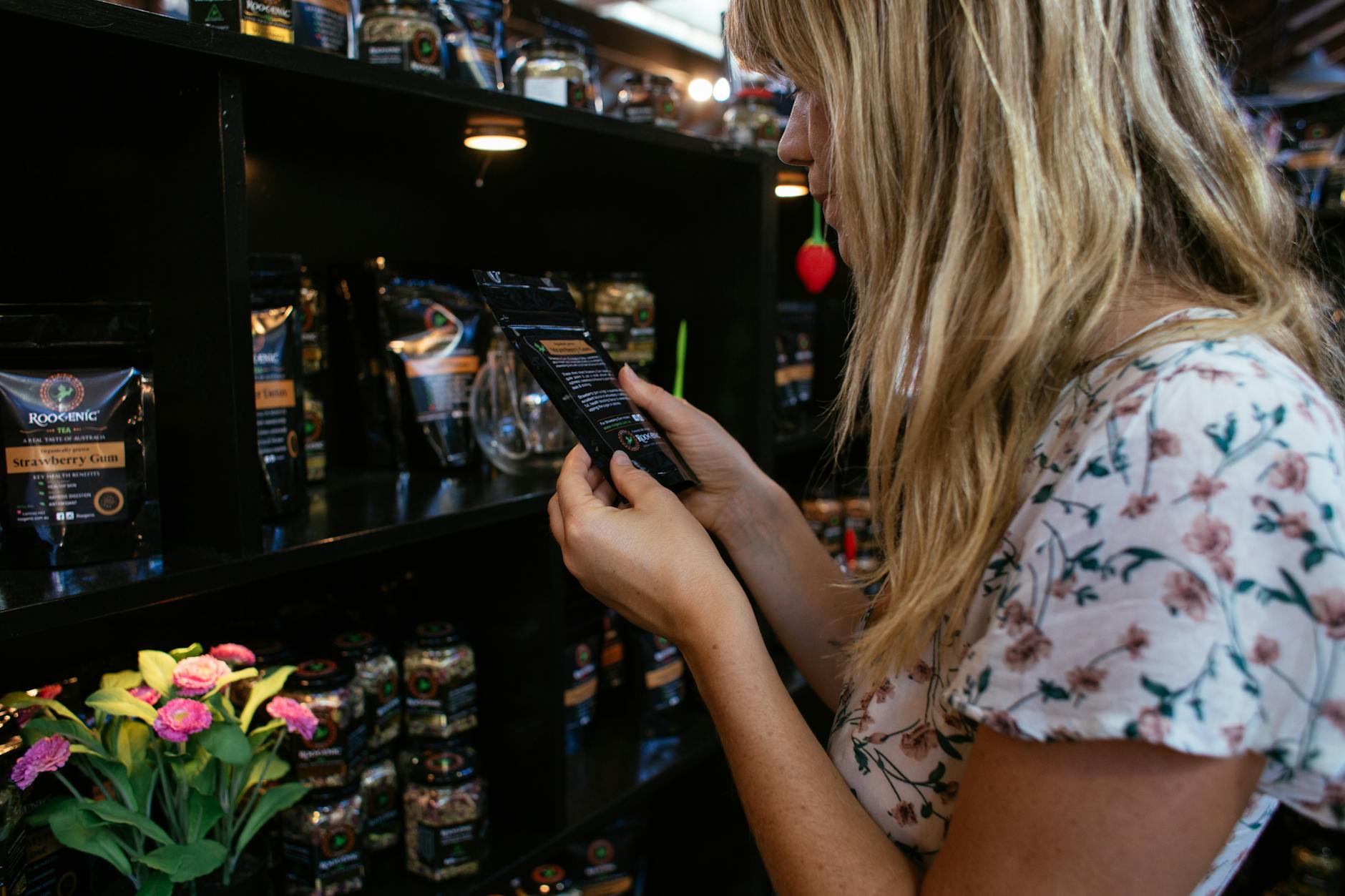
Cosmetic ingredient lists in the US are required to follow INCI (International Nomenclature of Cosmetic Ingredients) naming conventions. Once you understand a few principles, these lists become considerably more readable.
Ingredients are listed in descending order of concentration down to 1%. Below 1%, ingredients can appear in any order. This means the first five or six ingredients on a product are its primary components. A fragrance ingredient appearing in the top five of a product has a meaningfully higher exposure profile than the same ingredient appearing near the end of a long list.
The word "fragrance" or "parfum" in an INCI list signals an undisclosed blend. If a brand voluntarily discloses the individual components of their fragrance blend — listing molecules like linalool, geraniol, or citronellol individually — this is a positive sign of transparency regardless of whether the molecules are natural or synthetic in origin.
On products sold in Europe or on brands that comply with EU standards voluntarily, you may see individual allergens listed after the fragrance entry, for example: "fragrance (contains linalool, limonene)." This follows the EU disclosure requirement and is more informative than a bare "fragrance" listing.
Red Flags vs Green Flags on Product Labels
Armed with the context above, certain label features become meaningful signals rather than noise. The following is a practical framework for distinguishing claims that carry weight from those that do not.
Red flags to look for: The word "fragrance" or "parfum" appearing alone with no further disclosure. Vague claims like "natural scent" or "essential oil blend" without naming the specific oils. "Free from parabens" claims that distract from undisclosed fragrance components. No mention of allergen disclosure, IFRA compliance, or third-party verification. Products claiming to be "chemical-free" — all matter is made of chemicals, and this phrase signals poor scientific literacy in the brand's communication rather than actual safety.
Green flags to look for: Full fragrance ingredient disclosure listing individual molecules by INCI name. Explicit statement of IFRA compliance with reference to the amendment number. Registration in a verified third-party program such as EWG Verified or MADE SAFE. EU-compliant allergen disclosure even on products sold in the US, indicating the brand has opted into stricter standards voluntarily. A published "restricted ingredients" list that names what has been excluded and why, with references to the evidence behind each exclusion.
How to Verify Brand Safety Claims Independently
No tool replaces full ingredient disclosure, but several publicly accessible resources allow consumers to investigate specific ingredients and brands before purchasing.
The EWG Skin Deep database (ewg.org/skindeep) contains hazard assessments for over 90,000 products and 50,000 ingredients. It assigns a score from 1 (low hazard) to 10 (high hazard) based on available data. The scores reflect data availability as well as toxicological concern, which means a high score sometimes reflects a lack of study rather than confirmed harm. Understanding this distinction is important when interpreting results.
The RIFM Fragrance Ingredient Database is not publicly accessible but its findings are published through peer-reviewed journals including Food and Chemical Toxicology, where IFRA safety assessments appear. Searching the journal for a specific ingredient name will often yield the assessment data used to set IFRA limits.
The EU Cosmetics Regulation database (CosIng) is publicly accessible and contains the EU's regulatory status for cosmetic ingredients including any restrictions or prohibitions. Because EU standards are generally more restrictive than US requirements, an ingredient that is restricted in the EU but permitted in the US represents a data point worth considering, though not necessarily a reason for alarm.
The CosmEthics and Think Dirty apps allow users to scan product barcodes and receive ingredient breakdowns with safety annotations. These tools are useful for quick in-store reference, though they rely on brand-submitted data and should be cross-referenced with EWG or CosIng for ingredients that raise questions.
Key Takeaways
The question of safe vs harmful fragrance ingredients does not resolve into a simple approved-or-banned list. It involves understanding concentration thresholds, individual sensitization potential, cumulative exposure from multiple products used daily, and the environmental fate of compounds that enter wastewater systems. A few durable principles cut through the complexity.
First, ingredient transparency is the precondition for any meaningful safety evaluation. A brand that discloses its full fragrance formula — using INCI names, not marketing language — gives you something to research. One that hides behind "fragrance" gives you nothing.
Second, the natural-vs-synthetic framing is not a reliable proxy for safety. Some of the most potent contact allergens in clinical dermatology are naturally derived. Some of the safest fragrance molecules are fully synthetic. Evaluate the specific compound, not its origin story.
Third, IFRA compliance is a useful but incomplete baseline. It represents industry consensus rather than independent verification. Third-party programs like EWG Verified and MADE SAFE add a layer of external review that self-declared compliance cannot provide.
Fourth, the regulatory gap in the US is real and it matters. MoCRA represented progress, but the trade-secret protection for fragrance formulas remains in place. Consumers who want full disclosure are, for now, dependent on brands choosing transparency voluntarily — which means supporting brands that provide it is the most direct way to shift the incentive structure of the industry.
Understanding these principles turns the act of reading a label from an exercise in label literacy into a genuinely informed evaluation. That is what the clean fragrance conversation should always have been about.