Travel Security Tips: How to Keep Your Bags and Belongings Safe on Every Trip
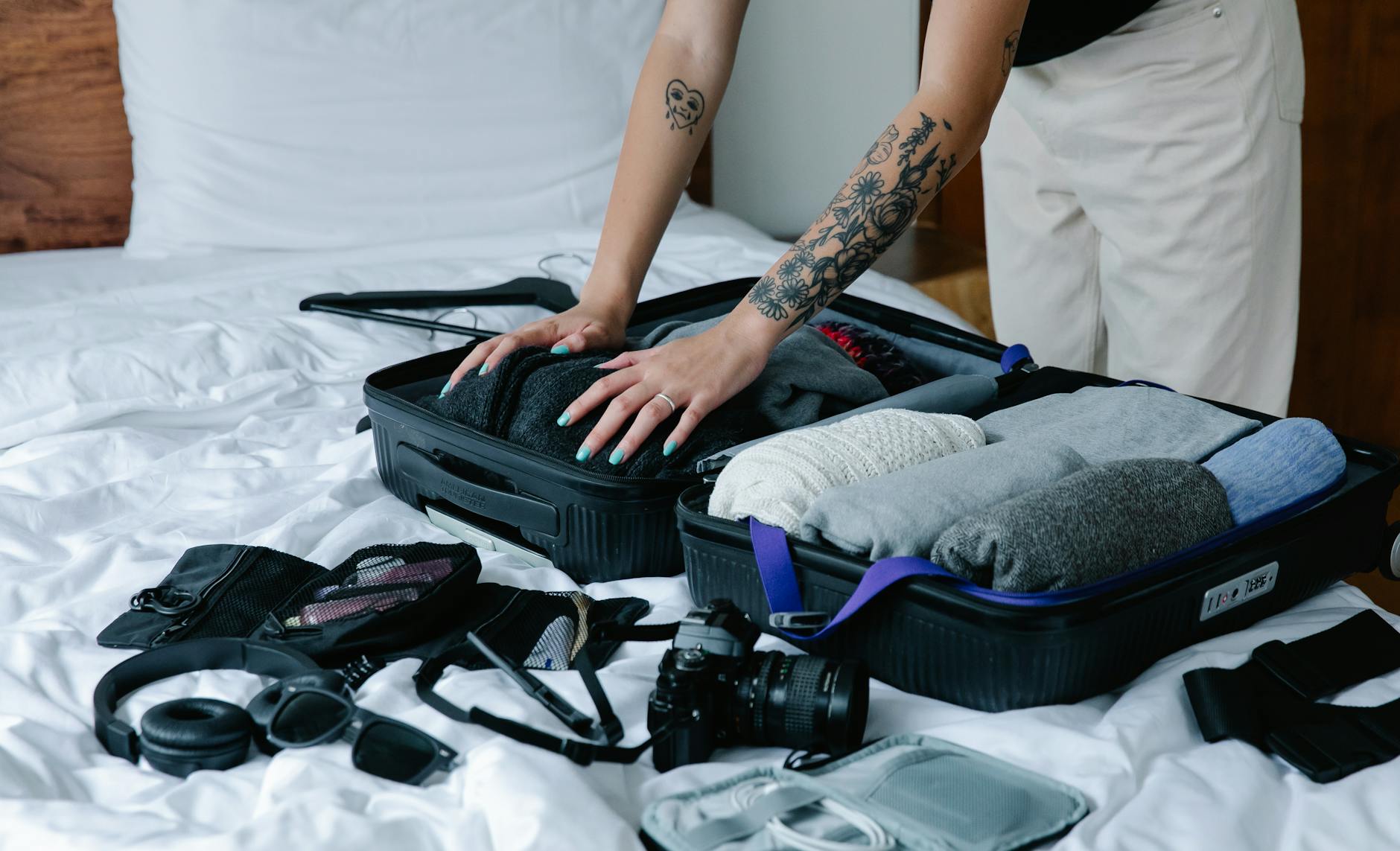
Every year, airlines handle more than five billion bags worldwide — and tens of thousands of them are lost, delayed, or stolen. Beyond checked luggage, pickpocketing, hotel room theft, and opportunistic bag snatching cost travelers an estimated $8 billion annually. The good news is that most of these losses are entirely preventable. With the right travel security tips for luggage and a consistent set of habits, you can dramatically reduce the chances that your trip ends with a police report instead of a great story.
This guide covers the full picture: how to prepare before you leave home, how to navigate airport security without losing your valuables, how to lock and track your luggage, how to stay safe at hotels and hostels, and what to do if things go wrong despite your best efforts. Whether you travel once a year or every other week, these strategies apply to every kind of trip.
Pre-Trip Preparation: The Foundation of Travel Security
Most travelers do their security thinking at the airport. The smart ones do it at home, days before departure.
Document Your Belongings Before You Pack
Walk through your home with your phone and record a short video of every item going into your bags. Show serial numbers on electronics, photograph the contents of your wallet, and note the make and model of your luggage. Store these files in cloud storage — not just on the device you're traveling with. If anything is stolen, this documentation speeds up police reports, airline claims, and travel insurance reimbursements enormously.
Get Travel Insurance That Actually Covers Theft
Standard homeowners or renters insurance sometimes extends coverage to belongings stolen while traveling, but the limits are often low and the exclusions are wide. A dedicated travel insurance policy with baggage loss and theft coverage gives you a clear, separate claim process. Read the policy carefully: most require you to file a police report within 24 hours of discovering a theft, and some exclude electronics unless you purchased a specific rider.
Pack Light and Pack Strategically
The less you bring, the less you can lose. Leave irreplaceable jewelry, sentimental items, and expensive watches at home. If you must bring something valuable, keep it on your person or in your carry-on — never in checked luggage. Make a packing list and stick to it; overpacked bags are harder to close securely, easier to rifle through quickly, and more likely to be flagged for inspection.
Airport Security: Protecting Your Belongings at the Most Vulnerable Moment
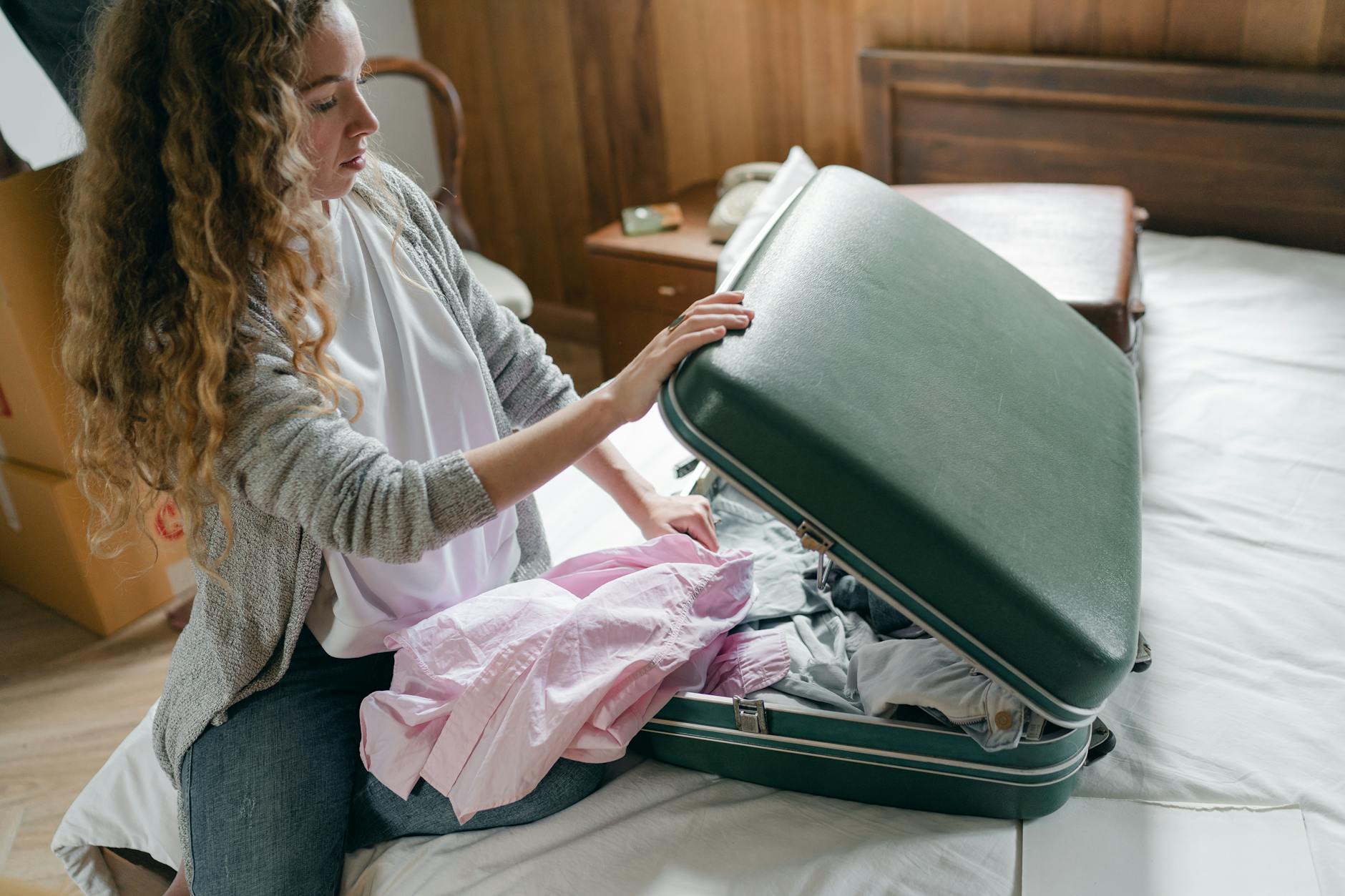
Airports are paradoxically one of the riskiest environments for travelers. You're distracted, rushing, surrounded by strangers, and often handling bags and electronics simultaneously. Airport security personal belongings theft is more common than most people realize — and a significant portion of it happens not to checked bags, but at the security screening belt itself.
What Goes in Your Carry-On vs. Checked Bags
The golden rule: anything you cannot replace or afford to lose goes in your carry-on. This includes:
- Laptop, tablet, and all electronics
- Medications (especially prescription drugs)
- Passport, travel documents, and backup copies
- Cash and payment cards
- Jewelry and valuables
- Keys (home and car)
- Anything with irreplaceable sentimental value
Checked bags should contain clothes, toiletries, and things that are inconvenient but not devastating to lose. Never pack anything in a checked bag that you would be devastated to have stolen or delayed by 48 hours.
TSA Screening: Stay Aware and Stay Together
The conveyor belt at a TSA checkpoint is one of the most common theft locations in any airport. Experienced thieves work in pairs: one causes a slowdown at the metal detector while the other walks off with your laptop or phone tray. Protect yourself with these habits:
- Don't put your phone or wallet in the tray until you're immediately ready to walk through the scanner
- Keep your eyes on the belt — watch your tray until it clears the X-ray machine
- If you get stopped for additional screening, ask an agent to watch your belongings on the belt
- Reassemble your belongings away from the belt area, not in the crowded lane
- Use TSA PreCheck or Global Entry to move through security faster and with less bag unpacking
In the Terminal: Don't Leave Bags Unattended
Gate areas, restaurants, and charging stations are theft hotspots. Never leave your bag to "save a seat" while you use the restroom — take it with you. If you need to charge your phone, sit directly next to the outlet rather than setting the phone down unattended. Be particularly alert in crowded boarding areas where the chaos of boarding masks quick grabs.
Luggage Security: Locks, Identification, and Smart Bag Choices
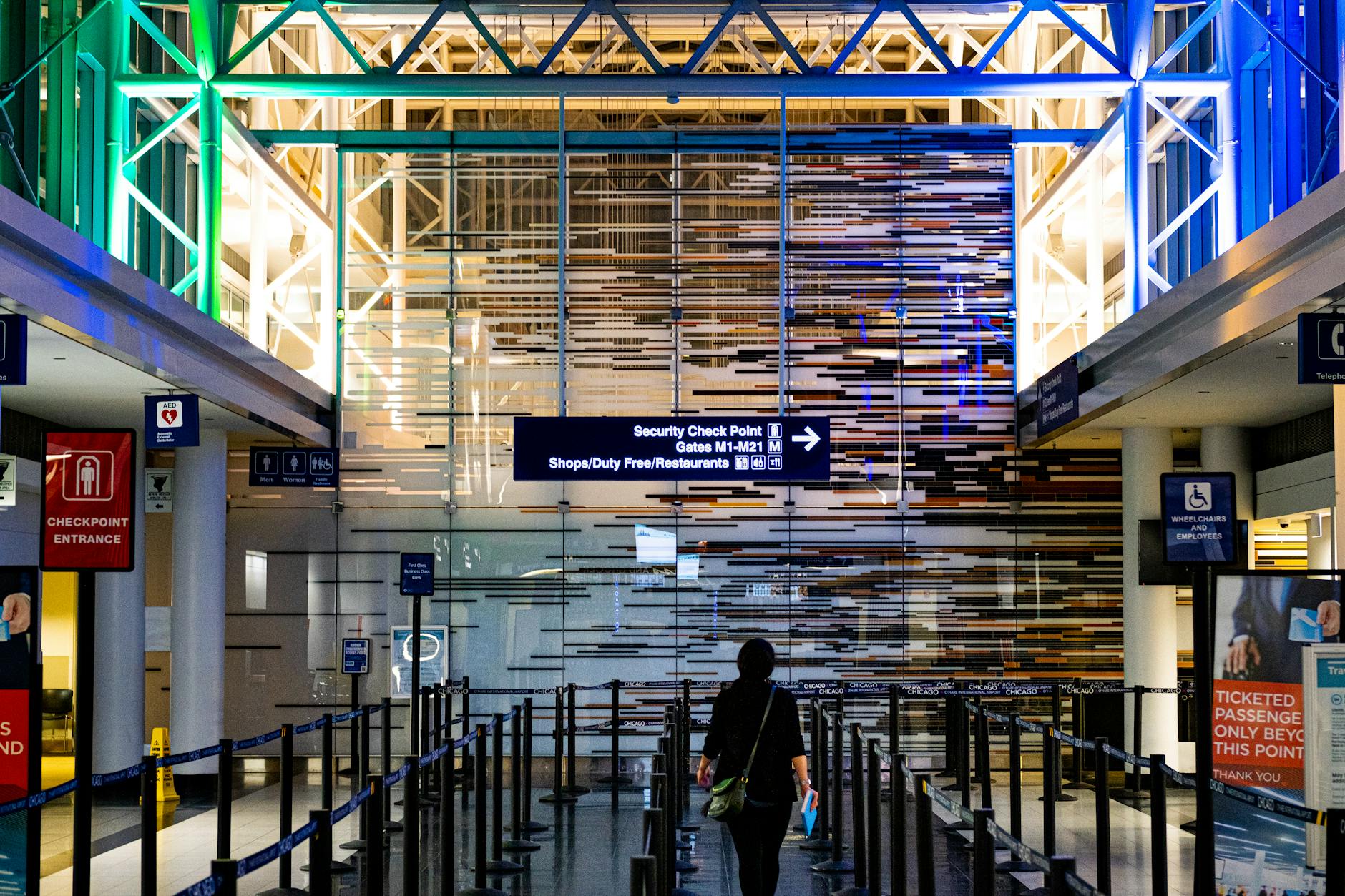
Knowing how to secure luggage while traveling goes well beyond slapping a padlock on your zipper. A layered approach — the right bag, the right locks, and the right identification — makes your luggage a much harder target.
Choosing TSA-Approved Locks
TSA-approved locks (those bearing the Travel Sentry or Safe Skies logo) allow TSA agents to open and re-lock your bag during inspection without cutting the lock off. Standard padlocks offer the same deterrent effect but will be destroyed if agents need to inspect your bag. For international travel, check whether your destination country's security agencies also recognize TSA-approved locks — many do not, which means your bag may be opened by other means regardless.
Combination locks are generally preferable to keyed locks for travel: you cannot lose the combination the way you can lose a key. Choose a lock with a hardened steel shackle and a mechanism rated for at least 4-digit combinations.
Cable Locks for Zipper Security
A determined thief can slice open a soft-sided bag or pop a zipper with a ballpoint pen in seconds — no lock required. While you cannot fully prevent a committed criminal, you can make your bag a less attractive target than the one next to it. Cable locks looped through zipper pulls add a layer that discourages opportunistic theft. Some travelers also use luggage straps that wrap the entire bag: these slow down access and help hold the bag together if a zipper fails.
Making Your Bag Distinctive
The most common color combination for suitcases worldwide is black with a retractable handle. If your bag looks like 30 others on the carousel, the risk of it being taken accidentally — or deliberately swapped — increases. Add a brightly colored luggage tag, a distinctive strap, a ribbon tied to the handle, or a custom luggage sticker. The goal is for your bag to be instantly recognizable to you and obviously not anonymous to a thief.
Always put an identification card inside the bag as well as on the outside. If the outer tag falls off, internal ID is the only way an airline or finder can return the bag to you.
Hard-Sided vs. Soft-Sided Luggage
Hard-sided polycarbonate suitcases are significantly harder to slash open than fabric bags. They're also better at protecting fragile contents. The tradeoff is weight and flexibility. For checked bags that will be out of your sight for hours, hard-sided cases offer a meaningful security advantage. For carry-ons you keep with you, a well-organized soft bag is perfectly adequate as long as it stays in your possession.
Tracking Technology: Using GPS and Smart Tools
Luggage tracking technology has become genuinely useful in the last few years. Bluetooth trackers (like Apple AirTags or Tile) can be placed inside checked bags and monitored through a smartphone app. When your bag is in range of any device in the tracker's network, its location updates automatically. This won't prevent theft, but it dramatically changes what happens after: you can tell an airline or police exactly where your bag is, which has led to recoveries that simply would not have happened otherwise.
A few practical notes on trackers:
- Hide the tracker inside the lining or inside a shoe — don't leave it visible in a mesh pocket where it can be easily removed
- Bluetooth trackers have limited real-time range; their usefulness depends on how densely seeded the network is in your destination city
- Some countries have raised privacy concerns about certain tracker brands — research regulations for your destination
- Most airlines now have their own bag-tracking apps that use their internal scanning data; use these in addition to, not instead of, a personal tracker
- Smart luggage with built-in GPS offers real-time tracking but requires battery management and may be restricted on some flights
For electronics specifically, enable Find My (iPhone/Mac) or Find My Device (Android/Windows) before you leave home. These services work over cellular and WiFi rather than Bluetooth, giving you a longer range tracking solution for your most valuable items.
Hotel and Accommodation Security
Your hotel room is not as secure as it feels. Key cards can be cloned, staff have master access, and the locks on many budget accommodation doors are trivially easy to bypass. That does not mean you should travel in fear — it means you should apply a few consistent habits regardless of where you stay.

Using In-Room Safes Correctly
Most hotel rooms above budget tier include an in-room safe. Use it for your passport (after check-in, when you no longer need to present it), spare cash, backup cards, and anything you won't need during the day. When setting the safe code, avoid obvious combinations (1234, your birth year) and reset it each time you open it. Note that in-room safes are typically bolted to a shelf or closet wall, not the floor — they deter casual theft, but a determined and patient intruder could remove a poorly secured unit. For highest-value items, ask the front desk about the hotel's main safe deposit service.
Securing Bags in Your Room
When you leave for the day, don't leave valuables scattered on the bed or desk. Lock your bag and place it in the closet or out of the direct line of sight from the door. Some travelers use a cable lock to secure their bag to a fixed piece of furniture — a bed frame or closet rod — making a quick grab impossible. Hang the Do Not Disturb sign when you leave to discourage unauthorized entry, and consider bringing a portable door alarm or door wedge for additional peace of mind.
Hostel Dorm Precautions
Dormitory-style hostels require a heightened level of vigilance. Most reputable hostels provide individual lockers — bring your own padlock, as the ones for sale or rent at the desk are often low quality. Never leave valuables on your bunk or in an unlocked bag. Sleep with your most valuable items (phone, wallet, passport) in a small pouch under your pillow or in a bag attached to your bed frame. Get to know your dorm-mates quickly; most hostel theft is opportunistic, and a connected social environment is a natural deterrent.
On-the-Go Security: Streets, Transit, and Tourist Areas
These are the luggage theft prevention tips that matter most once you leave your accommodation. Public environments — transit hubs, markets, restaurant terraces, tourist attractions — are where most travel theft actually occurs.
Public Transportation
On buses, metro systems, and trains, keep bags in front of you or on your lap rather than on overhead racks or in spaces behind you. On overnight trains, cable-lock your bag to the luggage rack. In crowded carriages, wear backpacks on your front or hold them by the top handle at your side. Be especially alert at entry and exit points where crowds compress and distraction is easy.
Restaurants and Cafes
Bag theft from restaurant chairs is extraordinarily common worldwide. Never hang your bag on the back of your chair; put it on your lap, hook the strap around your leg, or set it on the floor where you can feel it with your foot. In outdoor terrace settings, be aware of people approaching the table from the side or back — a common technique is for one person to distract you with a question while another lifts your bag.
Pickpocketing in Tourist Areas
Classic pickpocketing techniques rely on distraction and close physical contact: someone bumps into you, someone points at something above you, someone asks you to sign a petition, and in the confusion your wallet or phone is lifted. Countermeasures:
- Keep your phone in a front pocket, never a back pocket
- Use a money belt or neck pouch for your passport and primary cards when in high-risk areas
- Carry only what you need for the day; leave extra cards and cash in the hotel safe
- Be immediately suspicious of anyone who creates an unexpected physical interaction with you in a tourist area
- Distribute your cash across multiple pockets — losing one pocket's worth is manageable; losing everything at once is not
Digital Security: Protecting Electronics and Documents While Traveling
Physical theft is one risk; digital theft is another that many travelers overlook entirely.
Public WiFi Risks
Airport lounges, hotel lobbies, and cafe networks are convenient but not private. Avoid accessing banking apps, logging into sensitive accounts, or transmitting personal data over public WiFi without a VPN (Virtual Private Network). A reputable VPN encrypts your connection so that even on an unsecured network, your traffic is not readable to others on the same network. Set your device to forget public networks after connecting so it doesn't auto-reconnect on future visits without your knowledge.
Protecting Your Devices
Enable full-disk encryption on your laptop before you travel — this protects your data even if the physical device is stolen. Use strong, unique passwords or biometric locks on all devices. Enable remote wipe capability on your phone and laptop so that if they are stolen you can erase them remotely before the thief accesses your data. Keep your devices in sleep mode rather than fully off — sleep requires authentication to wake; a cold start sometimes allows bypass techniques on older devices.
Backup Your Travel Documents
Photograph your passport, visa, travel insurance policy, airline confirmation, hotel bookings, and emergency contact numbers. Store these photos in cloud storage that you can access from any device or internet cafe. Email a copy of your passport photo page to yourself. Consider leaving a copy with a trusted person at home who can fax or email documents to an embassy if needed. This single preparation step has rescued countless travelers from what would otherwise have been catastrophic situations.
What to Do If Something Is Stolen
Despite every precaution, theft can still happen. The steps you take in the first hour matter enormously:
- File a police report immediately — most travel insurance policies and airline claims require an official police report filed within 24 hours. Get a written copy or case number.
- Cancel stolen cards immediately — call your bank's international number (keep this saved separately, not only on your phone). Enable card-specific fraud alerts if not already active.
- Report passport theft to the nearest embassy or consulate. They can issue emergency travel documents, but the process takes time — start it immediately.
- File an airline claim for checked baggage theft or damage. Airlines have specific liability limits under international conventions, but the claim must be filed promptly — usually within 7 days for damaged bags and 21 days for delayed bags.
- Use your tracker data — if your GPS tracker shows your bag's location, share this with local police rather than attempting to recover it yourself.
- Contact your travel insurance provider — most have 24-hour hotlines and can arrange emergency cash transfers, replacement documents, and medical assistance if needed.
Your Complete Travel Security Checklist
Use this travel safety checklist for bags and belongings before every trip:
Before You Leave Home
- Video and photograph all packed items; store in cloud
- Purchase or confirm travel insurance with theft coverage
- Photograph all travel documents; email copies to yourself and a trusted contact
- Note international numbers for your bank and card issuers
- Install GPS trackers in checked bags
- Enable Find My / Find My Device on all electronics
- Enable remote wipe on phone and laptop
- Set up or verify VPN on all devices
- Attach distinctive identification inside and outside all bags
At the Airport
- Lock checked bags with TSA-approved locks
- Keep valuables, medications, and documents in carry-on
- Watch the screening belt; don't place items until you're ready to walk through
- Never leave bags unattended at the gate or charging stations
At Your Accommodation
- Use the in-room safe for passport and spare cash
- Lock bags and store them out of sight when leaving the room
- Consider a portable door alarm or door wedge
- Bring your own padlock for hostel lockers
Out and About
- Phone in front pocket, not back pocket
- Bag in front of you on transit; looped around leg at restaurants
- Carry only the cash and cards you need for the day
- Avoid public WiFi without a VPN
- Stay alert in crowded tourist areas
FAQ: Travel Security for Luggage
Key Takeaways
Effective travel security tips for luggage are not about paranoia — they're about making deliberate choices that shift the odds heavily in your favor. The overwhelming majority of travel theft is opportunistic: it happens to the traveler who is distracted, the bag that's unattended, the phone left on the restaurant table. Building consistent, automatic habits around your belongings is what separates travelers who've never had a problem from those who have.
Start with the basics: document your belongings, use TSA-approved locks, keep your valuables in your carry-on, and use the hotel safe. Add a GPS tracker to your checked bags and enable remote wipe on your devices. Stay aware in airports, transit hubs, and tourist areas. Back up your documents before you leave home.
None of these steps takes more than a few minutes. Together, they create a comprehensive security posture that makes your trip meaningfully safer — so that your energy goes into enjoying where you are, not worrying about where your bags are.