TSA Luggage Lock Rules Explained: What You Can and Cannot Lock on a Plane
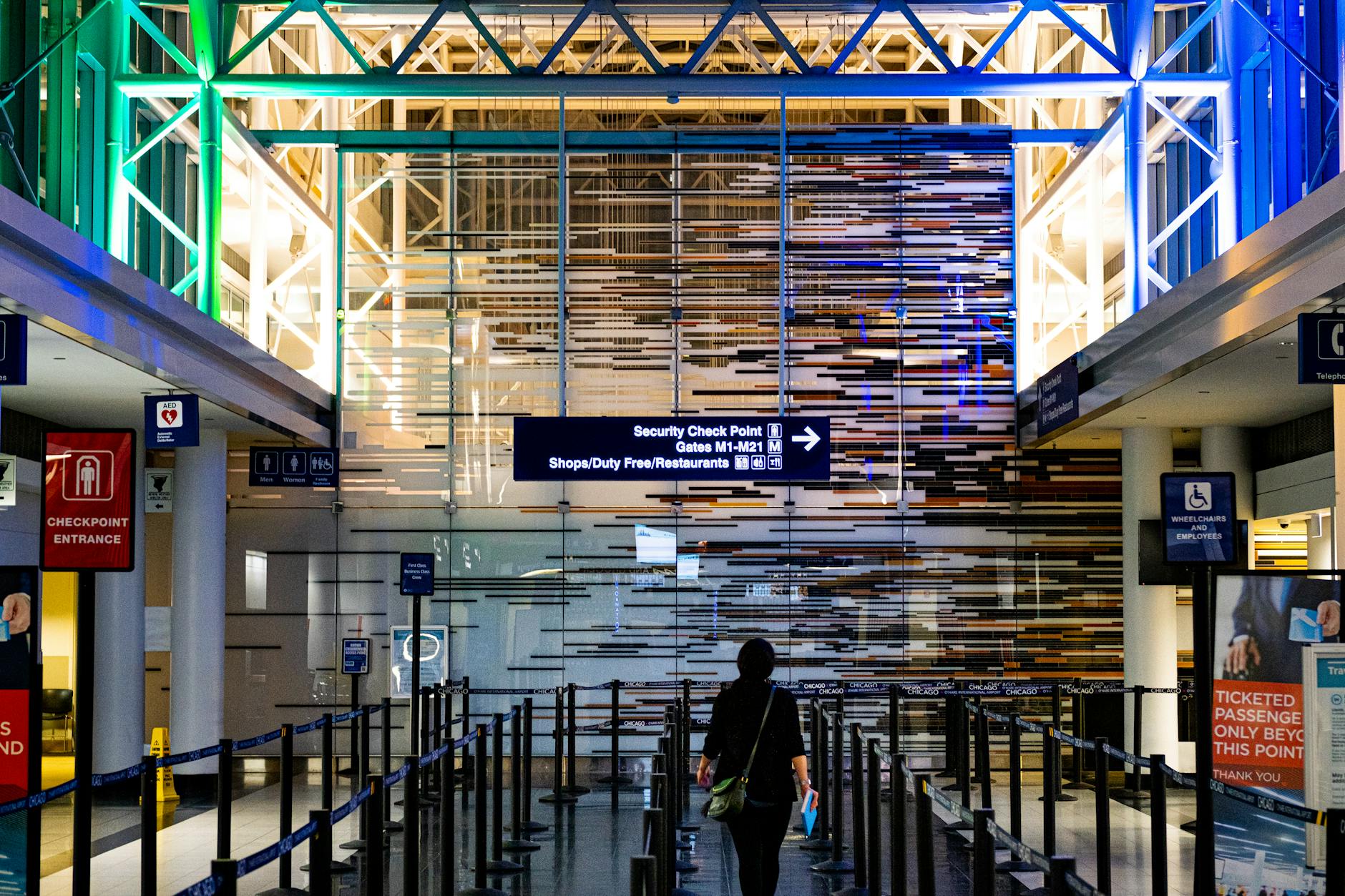
If you have ever packed a suitcase for a flight and reached for a padlock, you have probably wondered: can I actually lock this, or will TSA just cut it off? The answer depends entirely on which type of lock you use — and most travelers get this wrong. Understanding TSA luggage lock rules before you travel can save you from returning to a damaged bag, a missing lock, and a rummaged suitcase with no explanation beyond a paper notice stuffed inside.
This guide covers everything you need to know: the law that gives TSA the authority to open your bags, what the phrase "TSA-approved" actually means, what happens when you use a non-approved lock, and how the entire system works in practice. Whether you are flying domestically or internationally, this is the definitive breakdown of what you can and cannot lock on a plane.
Why TSA Lock Rules Exist: The Legal Backstory
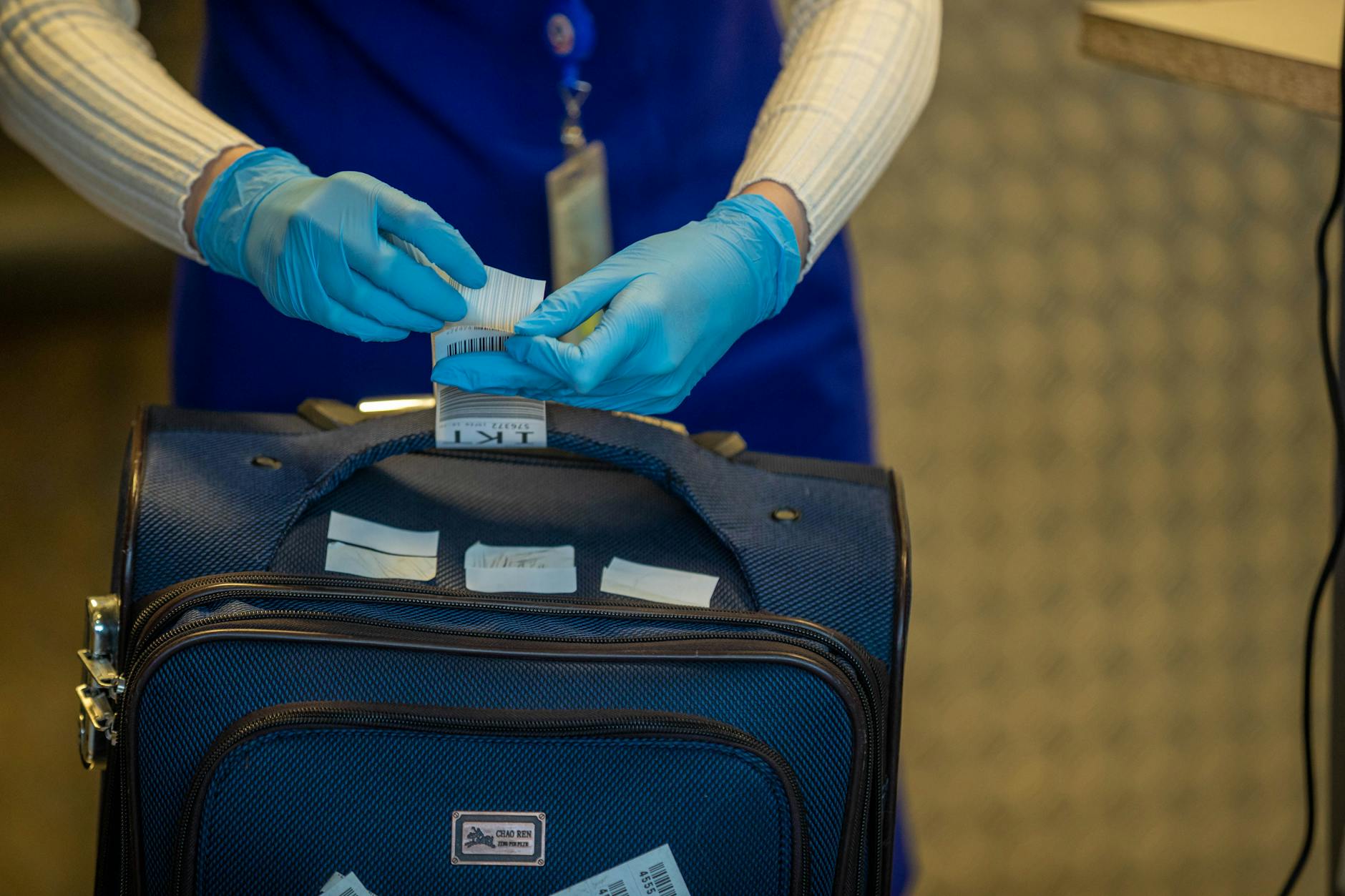
TSA's authority to inspect luggage without the passenger present traces directly to the Aviation and Transportation Security Act of 2001, passed by Congress in the weeks following the September 11 attacks. The law created the Transportation Security Administration and gave it sweeping authority to screen all checked baggage for prohibited items and security threats before it is loaded onto an aircraft.
That authority is not discretionary — it is federal law. According to TSA.gov, the agency "has the authority to inspect all checked baggage, and may search your checked baggage during the screening process." This means TSA officers are legally permitted to open any locked bag if screening equipment flags it for additional inspection. If your bag is locked and they cannot open it, they are authorized to cut the lock.
The rule is not arbitrary bureaucracy. Checked bags are screened primarily by CT (computed tomography) X-ray machines, which can identify suspicious shapes and densities without opening a bag. But when the machine flags something unclear, a human officer must physically inspect the contents. A non-TSA lock on that bag creates a problem: the officer cannot open it, and the flight cannot wait. The lock gets cut.
What "TSA-Approved" Actually Means
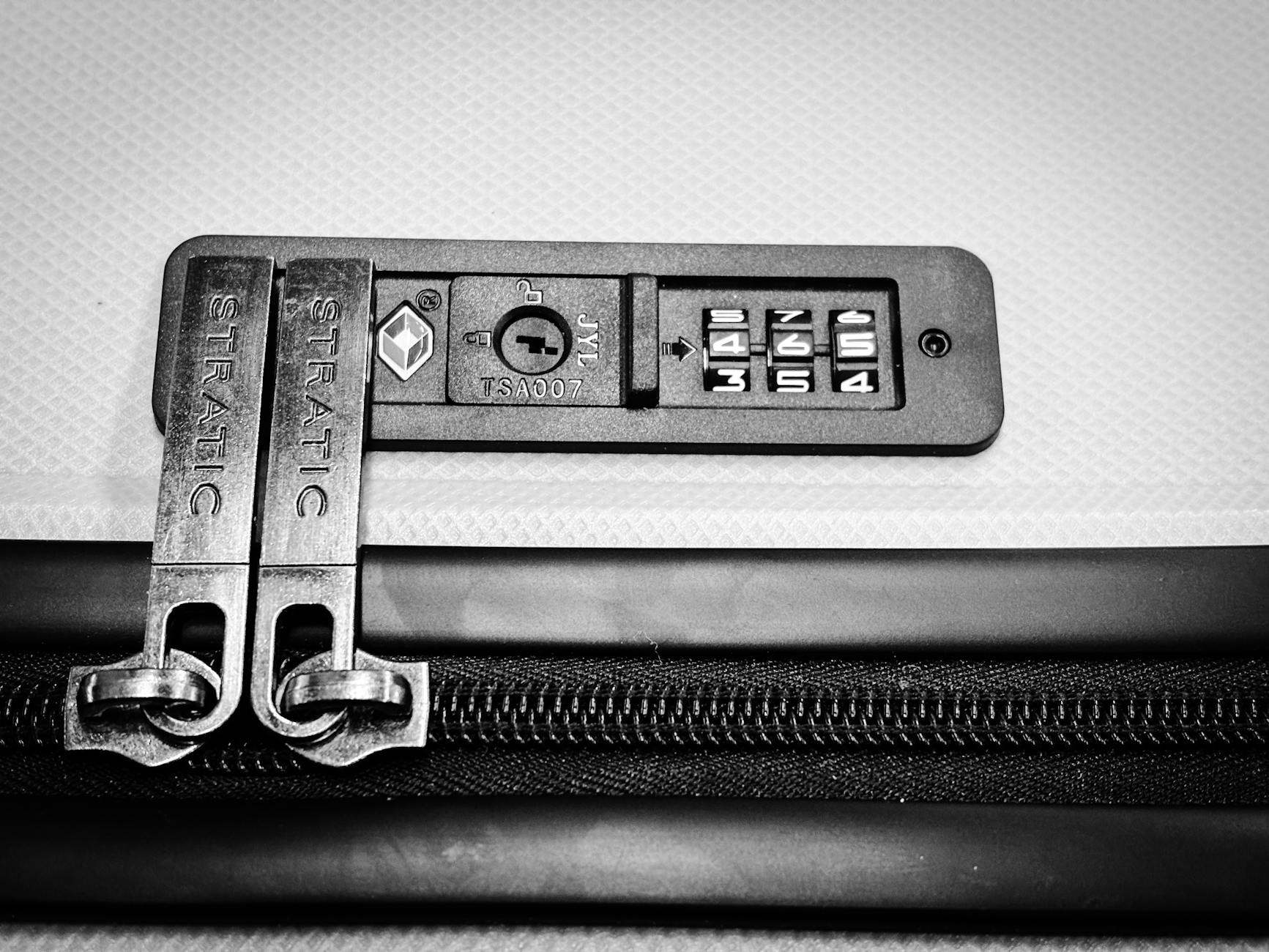
The term TSA-approved lock refers specifically to locks that carry the Travel Sentry or Safe Skies logo — typically a small red diamond or green clover symbol on the lock body. These logos indicate that the lock manufacturer has licensed a set of master keys from TSA, allowing security officers to open the lock with a dedicated tool during inspection and then re-lock it afterward, leaving your bag secured and your lock intact.
Here is how the system works in practice:
- Travel Sentry is a private company that developed the master key system in 2003, shortly after TSA was created. They license the technology to lock manufacturers worldwide.
- Safe Skies is a competing standard that also holds TSA authorization. Locks bearing either logo are considered TSA-approved.
- TSA holds a set of master keys — reportedly around a dozen — that open every lock bearing these logos, regardless of what combination or key the owner uses.
- When a TSA officer needs to inspect a bag with a Travel Sentry or Safe Skies lock, they use their master key, open the bag, inspect it, and re-lock it. The passenger's lock remains undamaged.
The red diamond symbol (Travel Sentry) is by far the most common marking you will see. If a lock packaging says "TSA-approved" but carries no official logo, treat that claim with skepticism. Always look for the Travel Sentry or Safe Skies emblem on the lock itself, not just the box.
It is worth noting that the master keys were effectively made public in 2015 when the Washington Post published a photograph showing all TSA master keys in detail. 3D-printable files for these keys circulated online within hours. This is a known limitation of the system — TSA-approved locks provide a meaningful deterrent against opportunistic theft, but they do not offer high-security protection. Their primary purpose is compliance with TSA inspection requirements, not anti-theft performance.
What Happens If You Use a Non-TSA Lock
This is the scenario most travelers fear — and it happens regularly. If TSA needs to inspect your checked bag and your lock is not TSA-approved, the officer has two choices: move on to the next bag, or cut your lock. In practice, they cut the lock. TSA is not required to replace it.
When this happens, you will typically find a TSA Notice of Baggage Inspection — a paper slip — inside your bag when you collect it at the destination. The notice confirms that your bag was opened and inspected. It does not always explain why, and it does not include contact information for reimbursement of the cut lock.
Here are the key facts about non-TSA locks and what to expect:
- TSA is not legally obligated to replace a lock that was cut during a lawful inspection.
- Standard combination padlocks, keyed padlocks, and cable locks without the Travel Sentry or Safe Skies logo are all non-TSA-approved and will be cut if your bag needs inspection.
- There is no guaranteed way to know in advance whether your specific bag will be flagged for inspection. Any bag can be selected.
- If TSA damages your bag during inspection (not just the lock), you can file a claim through TSA's claims process at tsa.gov/contact/claims. Lock cuts are specifically excluded from most claims because cutting a non-approved lock is considered a lawful act.
The practical takeaway: using a non-TSA lock on checked luggage is a gamble. Most bags go through without being physically opened, but there is no guarantee. If your bag is flagged, the lock is gone.
TSA Rules for Checked Baggage vs. Carry-On Bags
The rules differ significantly depending on whether your bag is going in the cargo hold or staying with you in the cabin.
Checked Baggage
For checked baggage, TSA-approved locks are permitted and recommended. Non-TSA locks are technically permitted by the airline but will be cut if your bag requires physical inspection. The general guidance from TSA.gov is to use only TSA-approved locks on checked bags, or to leave the bag unlocked and accept the risk of pilferage during handling.
Carry-On Bags
For carry-on bags, the situation is different. Your carry-on goes through the X-ray machine at the checkpoint with you present. If a TSA officer needs to physically inspect your carry-on, you are typically there and can unlock it yourself. As a result, TSA does not require TSA-approved locks on carry-on bags — you can use any lock, because you are available to open it.
However, if you are not present or refuse to open your carry-on when asked, TSA can decline to allow the bag through the checkpoint. In practice, most travelers do not lock their carry-ons, since the bag stays with them at all times.
What You Can and Cannot Lock: A Practical Summary
Understanding what locks are allowed on checked luggage comes down to one clear rule: any lock is "allowed," but only TSA-approved locks will survive intact if your bag is inspected.
Checked Baggage — What Is Allowed
- TSA-approved locks (Travel Sentry or Safe Skies logo) — always allowed, will not be cut
- Non-TSA combination locks — allowed by airlines, but will be cut if inspection is needed
- Non-TSA keyed padlocks — same as above
- No lock at all — completely allowed; TSA can open and re-close the zipper without issue
Carry-On Bags — What Is Allowed
- Any lock — since you are present to open it if asked
- No lock — most common and simplest approach
- Note: if you cannot or will not unlock your carry-on when a TSA officer requests, the bag may not be permitted through the checkpoint
One important note: certain items inside your bag can trigger a mandatory inspection regardless of whether your bag is locked. Items like lithium batteries, power banks, dense food items, and certain electronics may cause the CT scanner to flag your bag. Having a TSA-approved lock means the inspection can proceed and your lock will be replaced afterward. A non-TSA lock in the same situation gets cut.
Domestic vs. International Flights: Are the Rules Different?
For domestic US flights, the rules described above apply in full. TSA screens all checked baggage at US airports before it is loaded.
For international flights departing the US, TSA still screens bags at the departure airport, so the same lock rules apply at the point of departure.
For international flights arriving in the US (inbound international travel), your bags pass through US Customs and Border Protection (CBP), not TSA. CBP has its own authority to inspect baggage and can also cut non-compliant locks. Most CBP officers are equipped with the same Travel Sentry master keys used by TSA, as Travel Sentry has pursued adoption internationally.
For flights between international destinations (not touching US soil), TSA rules do not apply. Other countries have their own security agencies, and some participate in the Travel Sentry master key program while others do not. If you are traveling entirely outside the US, check whether your destination country's security agency is a Travel Sentry participant. Many European, Asian, and Australian airports have adopted the standard, but it is not universal.
How TSA-Approved Locks Actually Work: The Dual-Key System
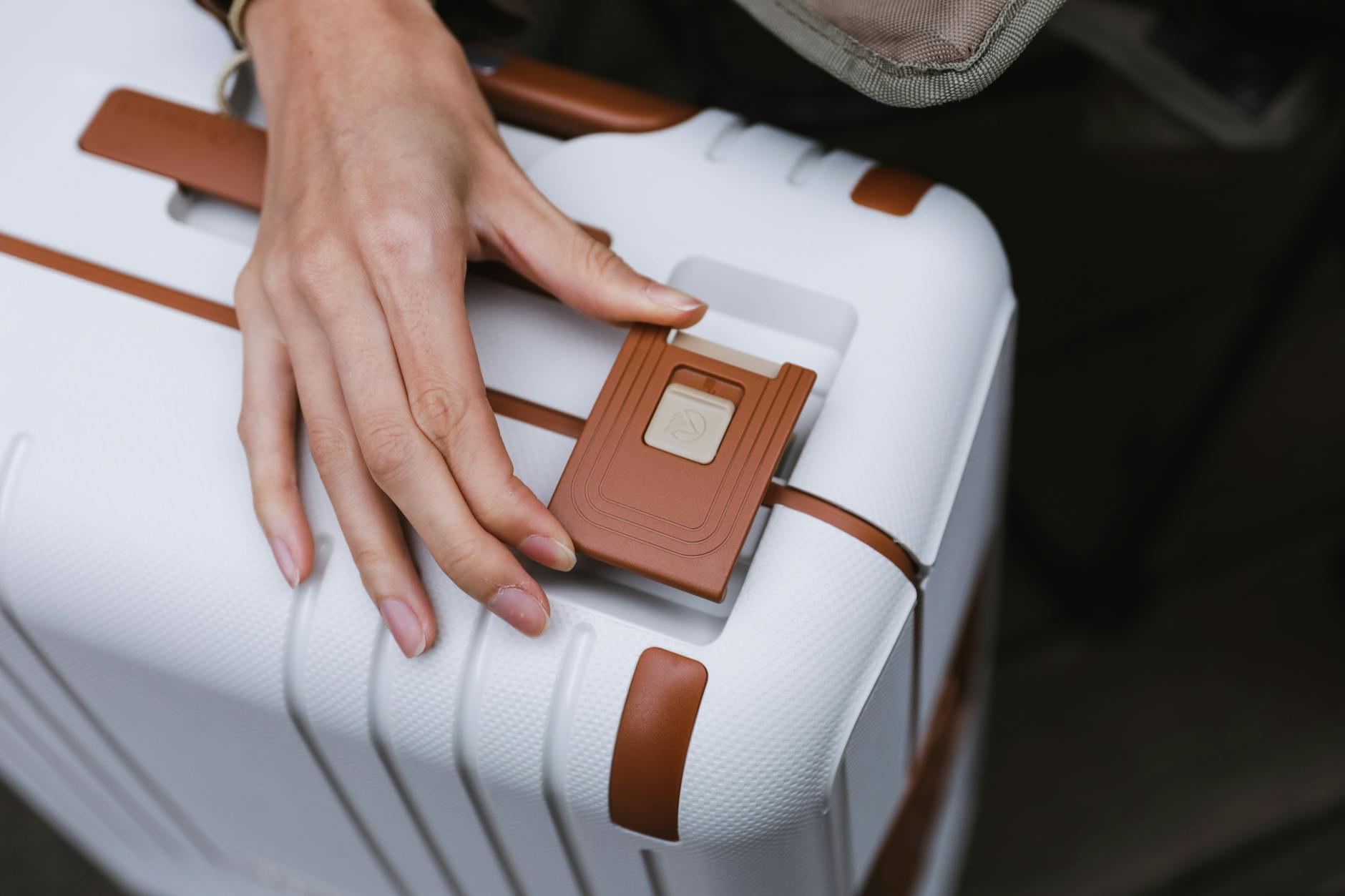
TSA-approved locks use what is called a dual-access system. The lock has two separate access methods built into the same mechanism:
- Your combination or key: This is the access method you use as a traveler. You set a 3- or 4-digit combination (or use a provided key) to open and close the lock during normal use.
- The TSA master key slot: On the opposite or side face of the lock, there is a small keyhole designed to accept TSA's master key. This slot is independent of your combination — a TSA officer can insert their master key, turn it, and open the lock without knowing your combination at all.
When TSA inspects a bag with a Travel Sentry lock, they open it with the master key, conduct their inspection, and use the same key to re-lock it. Your combination is never touched and remains set as you left it. This is why TSA-approved locks are sometimes called "keyed-alike with TSA" — they are ordinary locks that also happen to accept a shared master key.
The limitation, as noted earlier, is that this master key system is no longer secret. Security researchers and travelers are aware that these locks offer limited protection against anyone who has obtained (or 3D-printed) a copy of the master keys. For the purpose of TSA compliance, however, they work exactly as designed.
What to Do If TSA Damages Your Bag or Cuts Your Lock
Despite TSA's authority to open bags, you do have recourse if the agency causes damage beyond the lock itself. Here is what to do:
- Document everything immediately. Before leaving the baggage claim area, take photos of any damage to your bag — torn zippers, broken frames, cracked hard shells, missing items. Time-stamped photos are your best evidence.
- Check for the Notice of Baggage Inspection slip. This confirms TSA opened your bag. Without it, TSA may deny that your bag was inspected at all.
- File a claim at TSA.gov. Go to tsa.gov/contact/claims and submit a Property Damage Claim. You will need to provide your flight details, evidence of the damage, and an estimate of the value of damaged property. Claims must be filed within two years of the incident.
- Understand what is and is not covered. TSA's claims process typically covers physical damage to the bag itself — handles, wheels, frames, zippers — when that damage occurred during inspection. Locks cut because they were non-TSA-approved are generally not covered, as TSA considers this a lawful act. Items missing from your bag may be covered if you can demonstrate they were there when you packed.
- Contact your airline as well. Airlines handle baggage as common carriers and have their own claims processes. If your bag was damaged by rough handling (separate from the TSA inspection), your airline may be liable.
Filing claims requires patience. TSA claims processing can take months, and many claims are denied or settled for less than the requested amount. Keeping receipts for high-value items packed in checked luggage is always advisable.
Common Myths About TSA Lock Rules — Debunked
Key Takeaways
TSA luggage lock rules exist because federal law requires TSA to screen all checked baggage, and officers must be able to physically open bags when screening equipment flags them. The system is straightforward once you understand it:
- TSA has the legal authority to open any checked bag, with or without your permission, under the Aviation and Transportation Security Act of 2001.
- TSA-approved locks (Travel Sentry red diamond or Safe Skies green clover logo) contain a secondary master key slot that lets officers open and re-lock your bag without damaging the lock.
- Non-TSA locks will be cut if your bag is inspected and cannot otherwise be opened. TSA is not required to replace or reimburse a cut lock.
- Carry-on bags can use any lock, since you are present to open them if asked.
- Checked bags should always use TSA-approved locks if you want the lock to survive the journey.
- International flights departing the US follow the same TSA rules at departure. Inbound international bags are handled by CBP, which uses the same master key system.
- If TSA damages your bag (not just the lock), you can file a claim at tsa.gov/contact/claims within two years of the incident.
The bottom line on TSA luggage lock rules is simple: use a lock with the red diamond Travel Sentry logo on every piece of checked luggage, every time you fly. It costs a few dollars more than a standard padlock, and in exchange you get the peace of mind of knowing your bag can be inspected and re-secured without you losing your lock in the process. That is a straightforward trade-off that every regular traveler should make.