USA vs Argentina: A Fan's Guide to Attending International Soccer in 2026
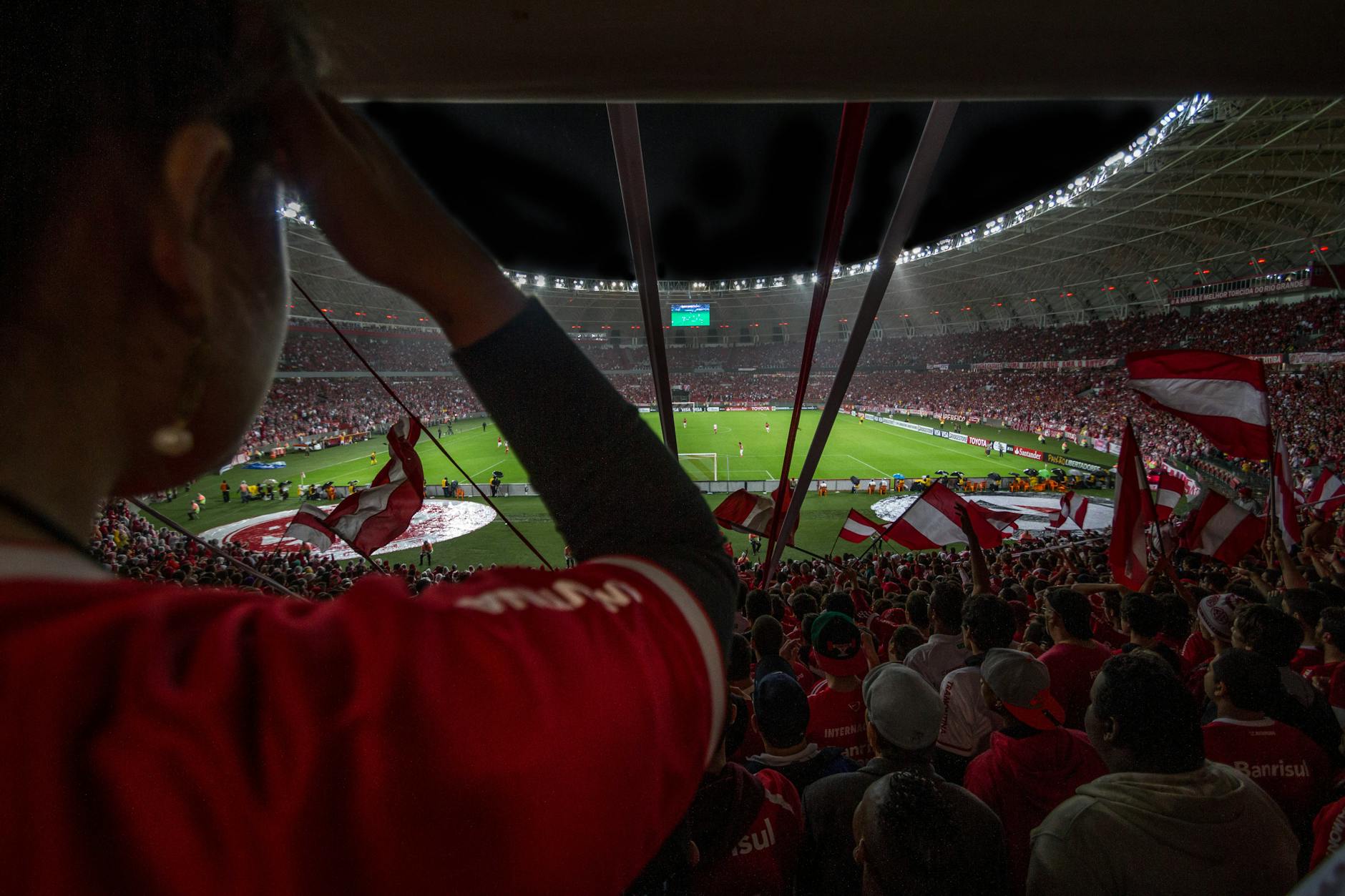
A USA vs Argentina soccer match is one of the most electrically charged fixtures in international football. Whether it's a friendly on neutral ground, a Copa America group stage battle, or a high-stakes FIFA World Cup encounter, the collision between American grit and Argentine passion makes for one of the most intense stadium experiences any soccer fan can witness in 2026. But attending one — especially if you're an American fan traveling to South America — requires more than just booking a flight and showing up with your jersey.
This guide covers everything you need to know: how Argentine stadium culture actually works, what to expect as a visiting American supporter, how to navigate language barriers in a passionate sporting environment, and the practical travel safety considerations that can make or break your trip. Whether you're a first-time international football traveler or a seasoned away-day veteran, this international soccer travel guide 2026 will help you attend confidently and safely.
Understanding What Makes USA vs Argentina Different
To appreciate what you're walking into, it helps to understand the history. Argentina and the United States have met multiple times at the senior international level, with encounters at the Copa America, the Confederations Cup, and various pre-tournament friendlies. Argentina has historically dominated the series, but the growth of American soccer — particularly since the MLS era and the Pulisic-led generation — means modern matchups are genuinely competitive affairs.
For Argentine fans, la selección is not just a sports team. It is a national identity. The blue-and-white jersey carries the weight of Diego Maradona's legacy, the 1978 and 1986 World Cup victories, the long wait that ended in Qatar 2022, and the living mythology of Lionel Messi. When Argentines sing in the stands, it is not background noise — it is a coordinated, rehearsed, hour-long performance that begins before kickoff and does not stop until after the final whistle.
American fan culture, by contrast, is still finding its identity. The US supporter groups — most notably the American Outlaws — have grown significantly in volume and organization, but the gap between Argentine and American terrace culture remains wide. Going into this gap with awareness, rather than obliviousness, will transform your experience.

Attending a Match in Argentina: What American Fans Need to Know
If the us vs argentina fixture is being played on Argentine soil — most likely in Buenos Aires at the Estadio Monumental (capacity 84,000) or El Estadio Único Madre de Ciudades in Santiago del Estero — the experience as a visiting fan will be fundamentally different from attending a match in the United States.
The Visiting Fan Section Is Non-Negotiable
Argentine football has a strict policy: visiting supporters attend in a designated section, separated from home fans by security barriers, police, and in some cases chain-link fencing. This is not optional. Attempting to sit in a general home section as a foreigner in a US jersey will draw attention at best and create a confrontational situation at worst. Always purchase tickets explicitly designated for the visiting supporter allocation, and stay within that section for the duration of the match.
For international fixtures involving the Argentine national team (as opposed to club matches), security protocols are somewhat more relaxed than in domestic league play. But the principle holds: identify your correct section before match day, arrive as a group where possible, and do not wander.
Ticket Purchasing in Spanish
The Argentine Football Association (AFA) and CONMEBOL typically handle international match ticketing through their own portals, often in Spanish only. Key vocabulary you will need:
- Tribuna visitante — visiting fan stand
- Entrada — ticket/entrance
- Localidades — seats/places
- Platea — seated section (usually more expensive, more comfortable)
- Popular — standing terrace section
- Cancha — the pitch/ground (colloquially, the whole stadium)
- Boletería — ticket window/box office
Many ticketing systems require a local DNI (Argentine national ID) or a CUIT number for registration, which foreign visitors obviously do not have. For international FIFA or CONMEBOL-managed tournaments, tickets are usually available through the official tournament website, which will have English options. For friendly matches, authorized resellers or your hotel's concierge service may be the most practical route.
The Language Barrier in Passionate Sporting Environments
Buenos Aires is a large, cosmopolitan city where English is spoken in hotels, airports, and tourist-heavy areas. But once you are standing in a queue outside the Monumental at 7 PM surrounded by thousands of Argentine supporters, the linguistic landscape shifts sharply. Stadium staff, police officers, vendors, and fellow fans will almost exclusively communicate in Argentine Spanish — which itself has distinctive features (the voseo pronoun system, the Rioplatense accent) that can trip up even intermediate Spanish speakers.

Essential Phrases for Match Day
Learning a small set of practical phrases before you travel can prevent genuine confusion and open doors. Here are the ones that matter most on international football match day:
- "¿Dónde está la tribuna visitante?" — Where is the visiting section?
- "¿Puedo ver su credencial?" — Can I see your credentials/ID? (useful if someone claims authority)
- "No entiendo, ¿habla inglés?" — I don't understand, do you speak English?
- "¿Dónde están los baños?" — Where are the bathrooms?
- "Perdón, ¿cómo llego a...?" — Excuse me, how do I get to...?
- "Necesito ayuda" — I need help
- "¿Está libre este asiento?" — Is this seat free?
Beyond phrase memorization, download a translation app with offline capability before you leave the US. Google Translate's offline Spanish pack is free and the camera translation feature (point your phone at a sign) is genuinely useful for reading stadium signage, transit maps, and food menus. Do not rely on data connectivity inside a packed stadium — download everything you need in advance.
Fan Culture Differences: What to Expect and How to Behave
Argentine football culture operates on a different register than almost any other in the world. Understanding the social norms will help you avoid inadvertent disrespect and enjoy the experience more fully.
The Cantos: More Than Just Chanting
Argentine supporters sing coordinated cantos (chants) that are passed down within supporter groups and rehearsed. They are not improvised. When 80,000 people perform the same chant in unison, with call-and-response patterns, it creates a sound unlike anything in American sports. As a visiting fan, you will not know these songs — and that is completely fine. You are there as a guest of the sport. Respectful appreciation goes a long way; attempting to mock or drown out the home fans' songs does not.
American supporter groups, particularly the American Outlaws, have their own well-developed repertoire for US national team games. If the match is a neutral-site fixture in the US or a third country, the visiting supporter dynamic will be reversed, and you can engage fully with the Outlaws' section.
The Pre-Match and Post-Match Protocols
In Argentina, visiting fans are typically held inside the stadium for 30–60 minutes after the final whistle while home fans disperse. This is standard safety protocol and is not a punishment — it is a system that has been in place for decades. Plan your post-match transport and any dinner reservations with this delay factored in. Do not attempt to leave the visiting section early; security staff will direct you firmly back.
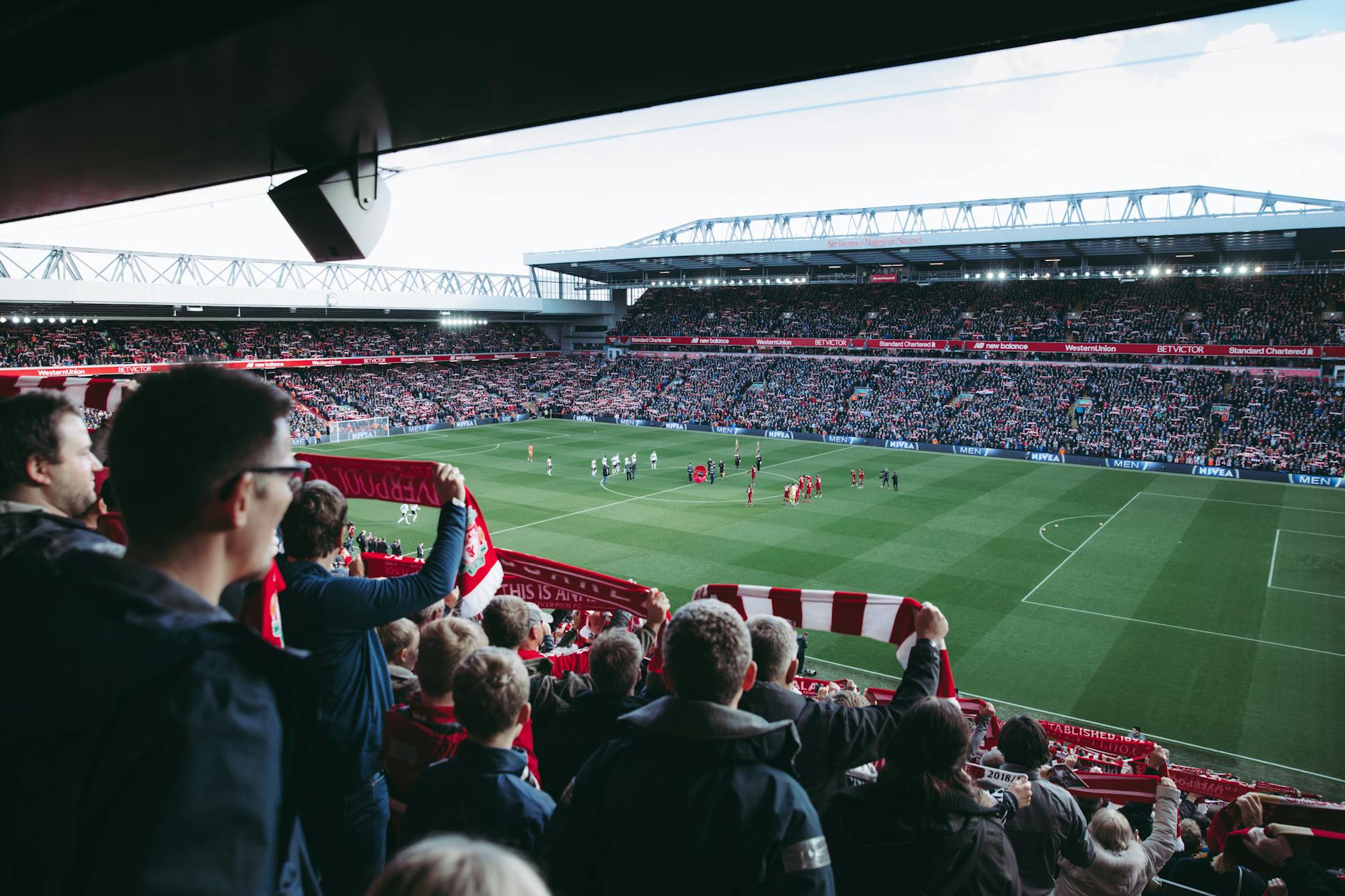
Before the match, arrive at least 90 minutes early. Argentine stadium queuing is not always orderly by North American standards, and the security checks (bag inspections, ticket verification) can be slow. Arriving early also lets you absorb the pre-match atmosphere, which is genuinely one of the great spectacles in world football.
Safe Travel Tips for American Fans in South American Cities
Buenos Aires is a world-class city with a rich cultural life, excellent food, and a passionate sports culture that is generally welcoming to foreign visitors. It is also a city where basic urban street sense is necessary, particularly around major sporting events when crowds, alcohol, and heightened emotion create conditions that opportunistic thieves exploit.
Getting to and from the Stadium
The Estadio Monumental is located in the Núñez neighborhood in northern Buenos Aires, accessible by the C-line subway (Subte) or bus. On match days, the Subte and bus lines near the ground are extremely crowded. Keep your wallet and phone in a front pocket or a zipped inner pocket — not in a back pocket or an open bag. If you are using your phone for Google Maps navigation, be aware of your surroundings when you pull it out.
Ride-share apps (Uber and Cabify both operate in Buenos Aires) are generally safe and reliable for getting to and from the ground. Agree on your pickup point with your driver in advance via the app — match-day traffic makes drop-off locations unpredictable. Taxis hailed from the street are functional but settle on the metered fare before you get in.
What to Leave at the Hotel
Attending an international soccer match as a visible foreign fan means you may stand out. Keep your stadium kit to a minimum: your match ticket (printed or downloaded offline), a small amount of local currency (Argentine pesos) for food and drink, and your phone. Leave your passport at the hotel safe and carry a photocopy instead. Do not bring expensive cameras, large amounts of cash, or jewelry you cannot afford to lose.
Most Argentine stadiums prohibit full-size umbrellas, selfie sticks, and large banners not pre-approved by the home club or federation. Check the specific venue's prohibited items list — usually available on the AFA or CONMEBOL website — before match day.
Alcohol and Stadium Regulations
The sale of alcohol inside Argentine football stadiums is banned under federal law that has been in place since the 1980s. This means no beer stands inside the ground. Fans do drink in bars and restaurants around the stadium before matches, and the pre-match atmosphere in those settings can be very intense. If you choose to join it, be aware that alcohol and partisan passion are a volatile combination in any culture; maintain situational awareness and disengage from any escalating situations early.
If the Match Is Held in the United States or on Neutral Ground
When the USA vs Argentina fixture takes place on American soil — as it has at Copa America editions hosted in the US — the dynamic shifts considerably. Argentine fans travel in enormous numbers for major tournaments; the 2024 Copa America drew tens of thousands of Argentine supporters to US stadiums, creating a home-away-from-home atmosphere in cities like Miami, Houston, and Atlanta.
In this context, American fans are technically the home supporters, but you may find yourself a numerical minority in your own stadium if the Argentine contingent travels in force. The rules of visiting-fan etiquette then apply to them, though enforcement in US venues is typically less strict than in South America. MLS and US Soccer have improved significantly in supporter infrastructure, though the separation of fan sections and organized chanting culture is still more developed at international fixtures than at domestic league level.
Connecting With the American Outlaws and Organized US Supporter Groups
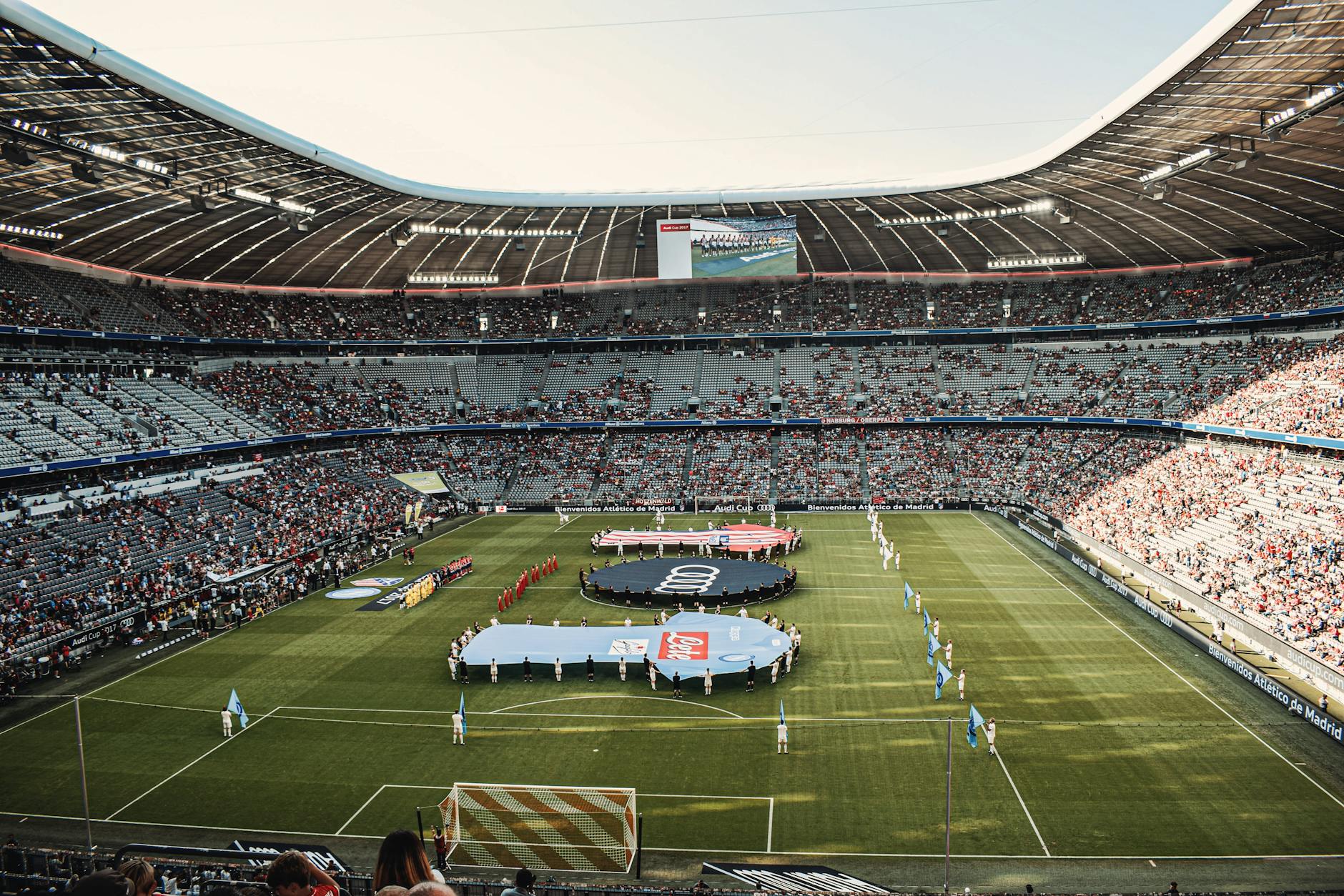
If you are attending a USA soccer game abroad as an American supporter, connecting with the American Outlaws (the official US national team supporter group) before you travel is one of the smartest things you can do. The Outlaws have chapters in most major US cities and a robust travel program for away fixtures. They organize group travel, block ticket purchases in the visiting supporter section, pre-match gatherings at designated bars, and post-match meetups.
Traveling with or near an organized supporter group provides safety in numbers, a ready-made social network, and people who have done this before. Many experienced away-day travelers within the Outlaws community have attended fixtures in South America and can provide up-to-date, ground-level advice that no travel guide (including this one) can fully replace. Find their official website and check for a chapter in your city or region before you book.
Cultural Respect as the Foundation of the Experience
The single most important mindset shift for an American fan attending a us vs argentina fan guide-level fixture abroad is this: you are a guest. Argentine football culture predates MLS by decades and has its own deep rituals, heroes, and emotional landscape. Approaching it with genuine curiosity rather than comparison to what you know back home will open up an experience that most sports tourists never access.
Argentine supporters are, as a rule, intensely proud of their football culture and respond warmly to visitors who show respect for it. A simple acknowledgment — wearing your US jersey without antagonism, applauding a good Argentine move as well as American ones, learning a few words of Spanish — signals that you are there as a fan of the sport, not just of the result. In that spirit, some of the most memorable conversations any soccer traveler has happen across the language barrier, jersey to jersey, between fans who share nothing except a love of the game.
Key Takeaways
- Always purchase tickets in the designated visiting supporter section and stay within it throughout the match.
- Learn a core set of practical Spanish phrases before you travel — stadium staff and police will not speak English.
- Download offline translation tools and maps before you leave your hotel; connectivity inside packed stadiums is unreliable.
- Factor in a 30–60 minute post-match holding period for visiting fans when planning your evening.
- Travel light to the stadium: ticket, local currency, phone — leave your passport in the hotel safe.
- Connect with the American Outlaws or organized supporter groups before you travel for group safety, block tickets, and local knowledge.
- Approach Argentine fan culture with respect and curiosity; it will make every aspect of the experience richer.
- For neutral-site matches on US soil, expect large Argentine travelling support and prepare accordingly.