Visceral Fat Explained: Why Belly Fat Is More Dangerous Than You Think

You step on the scale and the number looks reasonable. Your BMI falls within the "normal" range. Yet something feels off — a soft, persistent roundness around your midsection that no amount of crunches seems to touch. What you may be dealing with is visceral fat: a type of body fat that hides deep inside your abdomen, wrapped around your liver, pancreas, intestines, and other vital organs.
Unlike the fat you can pinch on your arms or thighs, visceral fat is invisible from the outside. It doesn't announce itself on the scale. But it is, according to decades of research, one of the most metabolically dangerous substances your body can accumulate. Excess visceral fat is strongly linked to type 2 diabetes, heart disease, stroke, dementia, and several cancers — even in people who appear outwardly slim.
The good news? Visceral fat is also among the most responsive types of fat to lifestyle changes. Unlike subcutaneous fat (the kind under your skin), visceral fat mobilizes relatively quickly when you change your diet, increase physical activity, reduce stress, and improve sleep. Understanding what it is, why it accumulates, and how to reduce it is one of the most valuable things you can do for your long-term health.
This guide covers the science of visceral fat in plain language — what it is, why it's so harmful, how to measure it at home, what causes it, and the most evidence-backed strategies to reduce it starting today.
What Is Visceral Fat?
Visceral fat is adipose tissue stored deep within the abdominal cavity, surrounding the internal organs. The word "visceral" comes from the Latin for "internal organs" (viscera), which precisely describes where this fat lives. It is sometimes called "active fat" because it is metabolically active in ways that subcutaneous fat — the fat stored just beneath your skin — is not.
In a healthy body, a small amount of visceral fat is normal and even beneficial. It cushions and insulates the organs. The problem begins when visceral fat accumulates in excess, at which point it begins behaving less like passive storage tissue and more like a malfunctioning endocrine organ.
Visceral fat cells release a continuous stream of hormones, inflammatory proteins, and fatty acids directly into the portal vein — the blood vessel that feeds your liver. This gives visceral fat unusually direct access to your body's metabolic control center, which is a major reason it is so much more dangerous than fat stored elsewhere.
How do you know if you have too much of it? A large waist circumference is the most accessible indicator. Men with a waist over 40 inches (102 cm) and women with a waist over 35 inches (88 cm) are considered at elevated risk. However, as we'll cover later, some people — including those who appear lean — carry dangerous amounts of visceral fat that only body composition scanning can reveal.
Fast Fact
Visceral fat accounts for only about 10% of total body fat in most people — but it is responsible for a disproportionately large share of the metabolic health risks associated with obesity. Even modest reductions (5–10% of total body weight) can significantly lower visceral fat levels.
Visceral Fat vs. Subcutaneous Fat: Key Differences
Not all body fat is created equal, and understanding the distinction between visceral and subcutaneous fat is essential to understanding why your waist measurement matters more than your total weight.
Subcutaneous fat is the fat stored just beneath the skin — the kind you can pinch on your belly, hips, thighs, and arms. While excess subcutaneous fat can contribute to metabolic issues over time, it is far less dangerous than visceral fat. In fact, some research suggests that subcutaneous fat in the hips and thighs may have a mildly protective metabolic effect.
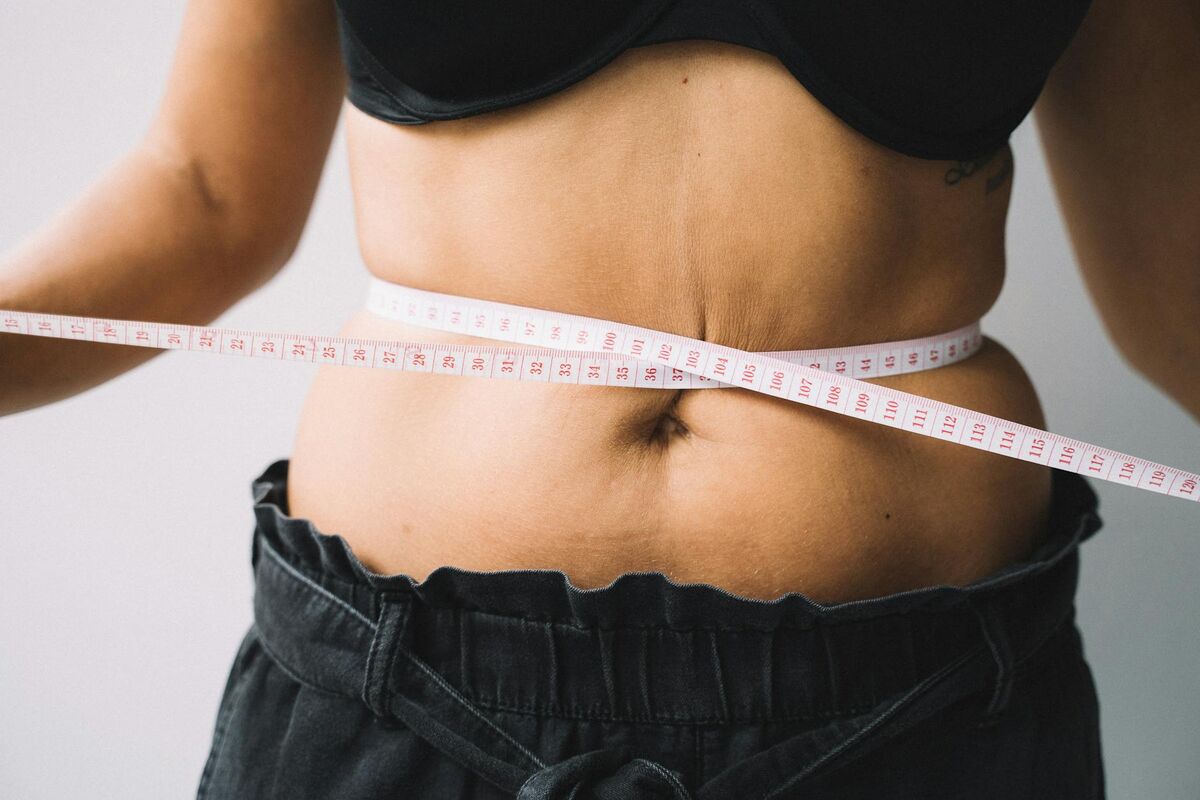
Visceral fat, by contrast, is stored behind the abdominal wall, nestled among your organs. It is not pinchable. When you press on a large belly that feels firm or tight, much of what you're feeling is visceral fat pressing outward. A soft, "jiggly" belly tends to indicate more subcutaneous fat; a hard, distended belly often signals significant visceral accumulation.
One particularly important concept here is the "skinny fat" phenomenon — clinically known as "normal weight obesity" or MONW (metabolically obese, normal weight). These are individuals who appear thin by conventional measurements (healthy BMI, unremarkable scale weight) but carry excess visceral fat. Research published in the Journal of the American Medical Association found that nearly one in four adults with a normal BMI had metabolic abnormalities consistent with high visceral fat. This is why waist circumference and body composition scans are far more informative than BMI or scale weight alone.
Why Visceral Fat Is So Dangerous
To understand why visceral fat is so much more harmful than other types of body fat, you need to understand what it actually does inside your body. It is not simply an inert storage depot for extra calories — it is biologically active tissue that continuously secretes substances into your bloodstream.
1. It Releases Inflammatory Compounds
Visceral fat cells produce and release cytokines — signaling proteins that trigger inflammation throughout the body. Two of the most studied are interleukin-6 (IL-6) and tumor necrosis factor-alpha (TNF-α). Chronic low-grade inflammation caused by these cytokines is a driver of insulin resistance, atherosclerosis (artery hardening), and cellular damage that underlies cancer development. Think of it as your abdominal fat permanently holding a lit match near a dry forest floor.
2. It Floods the Liver With Fatty Acids
Visceral fat drains directly into the portal vein, which carries blood straight to the liver. This means the liver is bombarded with a constant high concentration of free fatty acids released by visceral fat cells. The result: the liver begins storing fat itself (non-alcoholic fatty liver disease), and its ability to regulate blood sugar and cholesterol becomes impaired.
3. It Disrupts Hormone Signaling
Visceral fat cells release a hormone called resistin that promotes insulin resistance, and suppress production of adiponectin, a beneficial hormone that normally helps regulate glucose and fat metabolism. At the same time, excess visceral fat is associated with elevated cortisol and disrupted leptin signaling — making hunger harder to control and recovery from stress harder to achieve.
4. It Physically Crowds the Organs
At high levels, visceral fat places mechanical pressure on surrounding organs including the kidneys and diaphragm. This can impair kidney filtration, contribute to sleep apnea (by restricting breathing space), and increase intra-abdominal pressure in ways that promote acid reflux and hernias.
Fast Fact
Visceral fat drains into the portal vein — the same vessel that supplies the liver. This gives it a direct metabolic "hotline" to the liver that subcutaneous fat, which drains into the systemic circulation, simply doesn't have. This anatomical difference explains much of what makes visceral fat so uniquely harmful.
The Health Risks of Excess Visceral Fat
The scientific literature on the belly fat health risks associated with excess visceral fat is both extensive and sobering. Here is a summary of the best-documented conditions:
Type 2 Diabetes
Visceral fat is one of the strongest independent predictors of type 2 diabetes. Its inflammatory output and direct portal vein drainage drive insulin resistance in the liver, causing blood glucose to rise. A landmark study in Diabetes Care found that visceral fat area was a better predictor of insulin resistance than total body fat in both obese and non-obese individuals.
Cardiovascular Disease
The dangerous belly fat surrounding your organs promotes atherosclerosis (plaque buildup in arteries) through multiple pathways: elevated triglycerides, reduced HDL ("good") cholesterol, elevated LDL, hypertension, and chronic systemic inflammation. Research from the Framingham Heart Study confirmed that visceral fat volume was independently associated with cardiovascular disease risk, even after controlling for total body fat.
Stroke
The same cardiovascular mechanisms — arterial plaque, hypertension, and inflammation — elevate stroke risk. Abdominal obesity (a proxy for visceral fat) is listed by the World Health Organization as one of the key modifiable risk factors for stroke.
Non-Alcoholic Fatty Liver Disease (NAFLD)
As explained above, the portal vein connection means visceral fat directly overloads the liver with fatty acids. NAFLD affects an estimated 25% of the global adult population and can progress to cirrhosis and liver failure. It is now the most common cause of chronic liver disease in developed countries and is tightly correlated with visceral fat levels.
Certain Cancers
Chronic low-grade inflammation and elevated insulin levels (a consequence of insulin resistance) create a biological environment that promotes tumor growth. Cancers most strongly associated with excess visceral fat include colorectal cancer, breast cancer (postmenopausal), endometrial cancer, and pancreatic cancer.
Dementia and Cognitive Decline
A 2021 meta-analysis in Obesity Reviews found that abdominal obesity — particularly visceral fat — was associated with a significantly increased risk of dementia, including Alzheimer's disease. The mechanisms involve vascular damage, chronic neuroinflammation, and disrupted insulin signaling in the brain (sometimes referred to as "type 3 diabetes").
How to Measure Visceral Fat
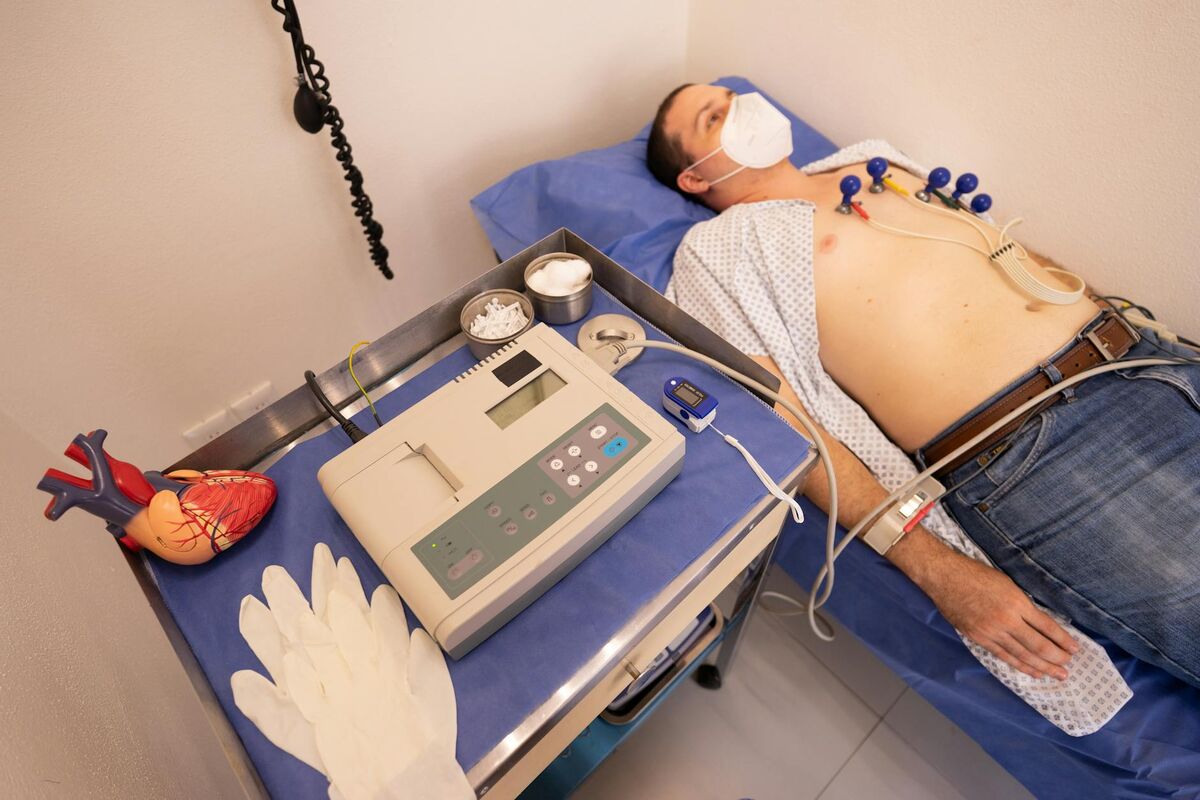
Measuring visceral fat precisely requires clinical imaging, but there are practical at-home methods that give you a useful picture of your risk.
Waist Circumference (Most Accessible)
Measure around your bare abdomen at the level of your navel, after a normal exhale. Use a flexible tape measure and don't suck in. Risk thresholds established by the National Institutes of Health:
- Men: At risk above 40 inches (102 cm); high risk above 47 inches (120 cm)
- Women: At risk above 35 inches (88 cm); high risk above 43 inches (110 cm)
- Asian populations have lower thresholds: above 35 in. (90 cm) for men, 31 in. (80 cm) for women
Waist-to-Hip Ratio
Divide your waist measurement by your hip measurement (widest point). A ratio above 0.90 for men or 0.85 for women (WHO thresholds) is associated with substantially elevated cardiovascular and metabolic risk. This ratio helps account for natural differences in body shape.
Waist-to-Height Ratio
Emerging research suggests the waist-to-height ratio may be the single most useful simple screening tool. The target: your waist circumference should be less than half your height. A person 5'8" (172 cm) tall should aim for a waist under 34 inches (86 cm).
DEXA Scan
Dual-energy X-ray absorptiometry (DEXA) is the most accessible clinical body composition scan. It distinguishes between subcutaneous fat, visceral fat, lean muscle mass, and bone density. Many sports medicine clinics and some gyms offer DEXA scans for $50–$150. It provides a detailed visceral fat area reading with meaningful precision.
CT and MRI Scans
CT and MRI scanning of the abdomen is the gold standard for measuring visceral fat area. These are typically used in clinical research settings rather than routine health screening, but if you've had an abdominal CT or MRI for any reason, the radiologist's report may reference visceral fat findings.
What Causes Visceral Fat Accumulation?
Visceral fat doesn't appear overnight, and it isn't caused by a single factor. It is the product of multiple overlapping lifestyle, hormonal, and genetic influences.
Diet: Sugar, Refined Carbohydrates, and Trans Fats
Diets high in added sugar — particularly fructose — are strongly linked to visceral fat accumulation. Fructose is metabolized almost exclusively in the liver, where excess amounts are converted directly into fat (a process called de novo lipogenesis). Liquid calories from sugary beverages are especially potent visceral fat drivers. Trans fats (partially hydrogenated oils), while now banned in many countries, remain in some processed foods and are independently associated with visceral fat redistribution even without excess total caloric intake.
Physical Inactivity
Sedentary behavior — independent of total calorie intake — promotes visceral fat accumulation. Muscle tissue, when active, produces hormones (myokines) that actively suppress visceral fat. When muscles are underused, this protective effect is lost.
Chronic Stress and Cortisol
This is one of the most underappreciated drivers of dangerous belly fat. Cortisol, your body's primary stress hormone, directly signals fat cells in the abdominal region to expand and store more fat. Visceral fat cells have an unusually high density of cortisol receptors compared to subcutaneous fat cells. This is why chronic psychological stress — even without dietary changes — reliably increases visceral fat over time.
Poor Sleep
Research consistently shows that sleeping fewer than 6 hours per night is associated with higher visceral fat levels. Poor sleep elevates cortisol, increases ghrelin (the hunger hormone), decreases leptin (the satiety hormone), and drives people toward higher-calorie food choices — a perfect storm for visceral fat accumulation.
Alcohol
Regular alcohol consumption — particularly beer and spirits — is closely associated with central adiposity and visceral fat. Even moderate drinking (2+ drinks per day) promotes fat storage in the abdominal region, and heavy drinking dramatically accelerates this process as well as directly damaging the liver.
Age and Hormonal Changes
Visceral fat naturally increases with age, even without changes in diet or exercise. In women, the menopausal transition is associated with a pronounced shift toward central fat storage as estrogen levels decline. In men, declining testosterone is linked to similar redistribution. This makes visceral fat management particularly important after age 40.
Genetics
Genetic factors influence where your body preferentially stores fat. Some people are genetically predisposed to store more visceral fat than others at the same caloric surplus. However, genetics determines predisposition — not destiny. Lifestyle interventions remain highly effective even in those with genetic susceptibility.
How to Reduce Visceral Fat
Here is the genuinely encouraging part of the visceral fat story: of all the places fat can accumulate, visceral fat tends to be the most responsive to lifestyle intervention. When you lose weight through diet and exercise, a disproportionately large fraction of what you lose comes from visceral stores. You don't have to achieve dramatic weight loss to see meaningful metabolic benefits — even a 5–10% reduction in body weight can reduce visceral fat by 30% or more.

1. Dietary Strategies
Reduce added sugar aggressively. This is the single highest-impact dietary change for visceral fat. Cut out sugary beverages entirely (soda, juice, energy drinks, sweetened coffee). Limit added sugar to under 25 grams per day (the WHO recommended maximum for adults). Read nutrition labels — sugar hides in sauces, yogurt, salad dressings, and "health" foods.
Adopt a whole-foods, high-fiber diet. Vegetables, legumes, whole grains, nuts, and seeds provide soluble fiber that feeds beneficial gut bacteria, reduces systemic inflammation, and slows the glucose absorption that drives visceral fat storage.
Increase dietary protein. Higher protein intake (targeting 1.2–1.6g per kg of body weight) reduces overall caloric intake through satiety, preserves lean muscle mass during weight loss, and appears to specifically reduce abdominal fat relative to low-protein diets.
Consider time-restricted eating. Compressing your eating window to 8–10 hours (e.g., eating between 10 AM and 6 PM) has shown promising results for visceral fat reduction in randomized controlled trials, independent of changes in total caloric intake.
2. Exercise: What the Research Actually Shows
Aerobic exercise is the most well-proven exercise intervention for visceral fat. Studies consistently show that 150–300 minutes per week of moderate-intensity aerobic exercise (brisk walking, jogging, cycling, swimming) significantly reduces visceral fat, even without dietary changes. The effect is dose-dependent — more is better, up to a point.
High-Intensity Interval Training (HIIT) produces visceral fat reduction in considerably less time. A meta-analysis in the British Journal of Sports Medicine found that HIIT was more effective than continuous moderate exercise at reducing abdominal fat per unit of time invested. Just 3 sessions per week of 20–30 minutes each can produce meaningful results.
Resistance training (weightlifting) preserves and builds muscle mass, which raises your resting metabolic rate and produces myokines that directly suppress visceral fat. Combined with aerobic exercise, resistance training produces greater visceral fat reductions than either modality alone.
Reduce sitting time. Research shows that even breaking up sedentary periods with brief 2–3 minute walks every 30–45 minutes improves insulin sensitivity and reduces markers of visceral fat accumulation, independent of formal exercise sessions.
3. Stress Management
Because of the cortisol-visceral fat connection, stress management is a genuinely effective (and often overlooked) tool for reducing abdominal fat. Evidence-based approaches include mindfulness meditation (even 10 minutes daily has been shown to measurably lower cortisol), yoga, progressive muscle relaxation, and regular social connection. If your stress is chronic and severe, working with a therapist or counselor is a legitimate part of your metabolic health strategy.
4. Sleep Optimization
Prioritizing 7–9 hours of quality sleep is not optional for visceral fat management — it is foundational. Consistent sleep deprivation undermines every other intervention you attempt by elevating cortisol and hunger hormones. Practical steps: maintain a consistent sleep/wake schedule (even on weekends), avoid screens 60 minutes before bed, keep your bedroom cool and dark, and limit caffeine after noon.
5. Reduce Alcohol
Cutting back on alcohol — or eliminating it — can produce meaningful reductions in visceral fat relatively quickly. If you currently drink regularly, reducing to no more than 7 standard drinks per week (and no more than 2 per day) is a significant step. Full abstinence, even temporarily, gives the liver a chance to clear accumulated fat and is often reflected in measurable waist circumference reduction within weeks.
Fast Fact
A landmark 2011 study published in Obesity found that exercise alone (without calorie restriction) significantly reduced visceral fat over 6 months — even in participants whose total body weight barely changed. The number on the scale doesn't tell the whole story. Changes in body composition — specifically visceral fat — are what matter most metabolically.
Foods That Fight Visceral Fat

No single food burns visceral fat, but certain foods actively support the dietary patterns most associated with visceral fat reduction.
Foods to Prioritize
- Soluble fiber sources: Oats, barley, legumes (lentils, chickpeas, black beans), apples, and flaxseeds. Soluble fiber forms a gel in the gut that slows glucose absorption and has been specifically shown to reduce visceral fat. Each 10-gram increase in daily soluble fiber intake is associated with a 3.7% reduction in visceral fat accumulation over 5 years (according to a Wake Forest University study).
- Protein-rich foods: Eggs, Greek yogurt, chicken, fish (especially fatty fish like salmon and sardines), lentils, and tofu. Protein increases satiety, preserves muscle mass, and requires more energy to digest than carbohydrates or fat.
- Healthy fats: Avocados, extra-virgin olive oil, nuts, and fatty fish. These foods support anti-inflammatory pathways and improve metabolic markers. Mediterranean-pattern diets rich in these foods consistently outperform low-fat diets for abdominal fat reduction.
- Green tea: Contains catechins (particularly EGCG) that have been shown in multiple studies to modestly but significantly reduce visceral fat when consumed regularly (3–5 cups daily). The combination of caffeine and EGCG appears to enhance fat oxidation, particularly during aerobic exercise.
- Fermented foods: Yogurt, kefir, kimchi, sauerkraut, and miso support gut microbiome diversity. Emerging research links gut microbiome composition to visceral fat levels — people with more diverse microbiomes tend to carry less visceral fat.
Foods to Minimize
- Sugary beverages (the single highest-impact dietary change)
- Refined carbohydrates: White bread, white rice, pasta, most breakfast cereals
- Ultra-processed foods: Packaged snacks, fast food, frozen meals high in added sugars and refined fats
- Alcohol, especially beer and spirits
- Trans fats: Any product listing "partially hydrogenated oil" in the ingredients
- High-fructose corn syrup: Found in sodas, many condiments, and processed baked goods
Frequently Asked Questions
Key Takeaways
Visceral fat is one of the most important — and most actionable — risk factors for chronic disease that most people never think about. It hides behind a normal-looking exterior, operates silently at the cellular level, and drives disease risk through multiple overlapping biological pathways. But it is not inevitable, and it is not permanent.
The science is clear and encouraging in equal measure: visceral fat responds exceptionally well to lifestyle intervention. Cutting added sugar, moving your body consistently, sleeping 7–9 hours, managing stress, and limiting alcohol are not abstract health advice — they are direct, evidence-based inputs that reduce the metabolically dangerous fat surrounding your organs.
You don't need a perfect diet or an elite fitness regimen. Small, consistent changes compound powerfully over time. A 5% reduction in body weight — achievable by most people with moderate effort — can cut visceral fat by 30% or more. That translates to measurably lower inflammation, better blood sugar control, improved cardiovascular markers, and reduced long-term disease risk.
The best time to start reducing belly fat health risks is always now. Your organs will notice the difference faster than the mirror will — and that is exactly the point.