What Actually Causes Crepey Skin on Arms (And What the Science Says About Fixing It)
You notice it first when you reach across a table, or maybe when a photo catches your arm in bright light — that fine, paper-thin wrinkling that looks less like a normal skin crease and more like crumpled tissue paper. If you've been searching for a crepey skin arms treatment that actually does something, you've probably already found that the topic is full of conflicting advice and overblown product claims. This article strips that away and focuses on what the science says: why crepey skin forms, which biological mechanisms drive it, and what each category of treatment can and cannot realistically achieve.
What Is Crepey Skin, Exactly?
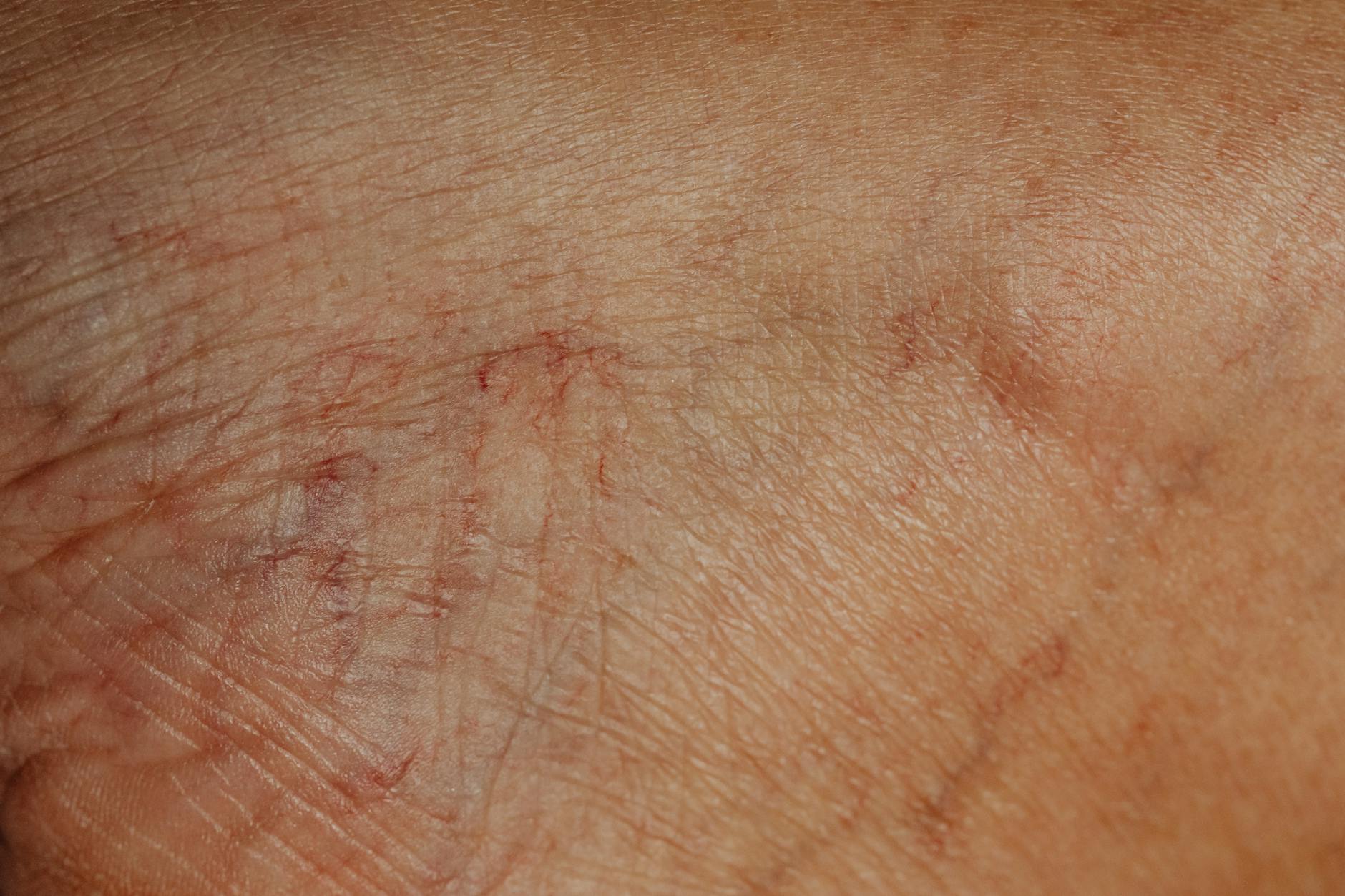
Crepey skin is characterised by a thin, finely wrinkled, loose appearance that visually resembles crepe paper — hence the name. Unlike deeper expression lines caused by repeated muscle movement, crepey texture develops across broader surface areas of the skin and is driven primarily by structural breakdown within the dermis rather than at the surface. The upper arms, inner arms, and the backs of hands are among the most commonly affected areas, though the neck, chest, and knees are frequently involved too.
The outer layer of skin you can see — the epidermis — thins as we age, but the real action happens in the layer beneath it, called the dermis. This is where collagen fibers provide structural support, elastin fibers allow the skin to spring back after being stretched, and glycosaminoglycans (including hyaluronic acid) hold water to keep tissue plump and resilient. When these structures degrade faster than the body can repair them, the skin loses its tensile strength and hydration — and that characteristic crepey texture follows.
Why Does Skin Get Crepey With Age? The Biology Explained
Understanding why skin gets crepey with age requires a look at several overlapping biological processes. These aren't separate problems — they compound one another, which is part of why crepey skin can progress quickly once it starts.
Collagen Degradation
Collagen is the most abundant protein in the human body. In the dermis, type I and type III collagen fibers form a dense mesh that gives skin its firmness and resistance to mechanical stress. Fibroblasts — the cells responsible for manufacturing collagen — begin producing less of it from roughly the mid-20s onward, at an estimated rate of about 1% per year. By the time someone reaches their 50s or 60s, cumulative loss is substantial.
At the same time, an enzyme family called matrix metalloproteinases (MMPs) becomes increasingly active with UV exposure and inflammation, actively breaking down existing collagen fibers. Research published in the Journal of Investigative Dermatology has demonstrated that UV radiation induces MMP expression within hours of sun exposure, meaning that decades of unprotected time in the sun creates an accelerating cycle: less production, more destruction. The dermis literally thins out, and the skin above it no longer has the scaffolding it needs to stay taut.
Elastin Loss and Crosslinking
Elastin fibers are what allow skin to snap back after being pinched or stretched. Unlike collagen, elastin is rarely replaced after childhood — we largely rely on the elastin we're born with throughout adult life. With age and UV exposure, existing elastin fibers become fragmented and disorganised through a process called solar elastosis. A 2021 study in Aging Cell noted that elastin fiber disorganisation is detectable in chronologically aged skin even without significant UV history, suggesting that intrinsic aging alone degrades elastin over time.
What remains is stiff, crosslinked elastin that no longer functions properly. The result is skin that stretches and sags rather than recoiling — a direct physical mechanism behind the loose, crepey texture seen on the upper arms.
Loss of Dermal Water and Glycosaminoglycans
Hyaluronic acid and other glycosaminoglycans (GAGs) are large molecules embedded in the dermal matrix that can hold up to 1,000 times their weight in water. This hydration gives skin its plumpness and volume. With age, both the quantity of hyaluronic acid and the length of its molecular chains decrease significantly. Research in Dermatoendocrinology has linked declining estrogen levels — which accelerate after menopause — with significant reductions in dermal GAG content. This partially explains why crepey skin on arms often becomes markedly more pronounced in post-menopausal women.
Subcutaneous Fat Loss
The layer of fat sitting just beneath the dermis provides volume and insulation that help give arms a smooth, rounded contour. As this layer thins with age — a process called lipoatrophy — the overlying skin has less support to drape over, making loose skin and surface irregularities more visible. This is distinct from skin laxity itself, but it amplifies the appearance of crepiness considerably.
Hormonal Shifts
Estrogen plays a significant supporting role in skin integrity. It promotes collagen synthesis, maintains skin hydration, and supports the activity of skin fibroblasts. The sharp drop in estrogen that occurs with menopause is associated with a loss of approximately 30% of skin collagen in the first five years post-menopause, according to research published in Maturitas. For women, this hormonal shift often acts as an accelerant on changes that were already slowly building — and the upper arms are particularly vulnerable because the skin there is relatively thin to begin with and less supported by underlying muscle in many individuals.

Contributing Factors That Speed Up the Process
While intrinsic aging is inevitable, several extrinsic factors can dramatically accelerate crepey skin development on the arms:
- Cumulative UV exposure: Photoaging from UVA and UVB radiation is considered the single largest extrinsic driver of crepey skin. UVA rays penetrate deeply into the dermis, generating reactive oxygen species (free radicals) that directly damage collagen and elastin. The arms are frequently exposed — especially the forearms and upper arms in warmer months — often without sunscreen.
- Rapid or significant weight loss: When fat stores in the arm area decrease quickly, the overlying skin may not have enough time or cellular capacity to contract proportionally. This can leave visibly loose, thin, crepey skin that is partly structural in nature and harder to address with topical treatments alone.
- Chronic dehydration: While surface dehydration doesn't cause the underlying structural loss, persistent lack of fluid intake can worsen the appearance of crepey texture by reducing the water content of both the dermis and epidermis, making fine wrinkles more prominent.
- Smoking: Nicotine constricts blood vessels and reduces oxygen delivery to skin tissue. Smoking also directly activates MMP enzymes, mimicking — and stacking with — UV-induced collagen breakdown.
- Poor nutrition: Collagen synthesis depends on vitamin C, zinc, copper, and amino acids such as proline and glycine. Diets consistently lacking these nutrients impair the skin's ability to maintain and repair its structural matrix.
What Crepey Skin Arms Treatment Can Realistically Achieve
This is where honest information matters most. There are genuinely effective interventions for crepey skin treatment for arms, but their outcomes depend heavily on the severity of the condition, the individual's age and skin baseline, and consistency of application. No single best treatment for crepey skin on arms works identically for everyone, and results across all categories are improvements — not reversals.
Topical Treatments: What Works and What Doesn't
The topical ingredient with the strongest evidence base for addressing the structural causes of crepey skin is retinol (vitamin A) and its prescription-strength derivatives, the retinoids. Multiple controlled trials have demonstrated that topical retinoids stimulate fibroblast activity, increase collagen synthesis, and partially reverse some markers of photoaging. A landmark 1995 study in the New England Journal of Medicine confirmed histological improvements in photo-damaged skin with tretinoin use — including increased collagen deposition and epidermal thickening.
Over-the-counter retinol formulations are weaker than prescription tretinoin but do produce measurable effects with long-term consistent use. The key caveat is time: meaningful improvement typically requires six to twelve months of nightly use, and initial use often causes dryness and flaking that some people discontinue before seeing results.
Peptides are short amino acid chains that signal fibroblasts to produce more collagen. Signal peptides such as palmitoyl tripeptide-1 and palmitoyl tetrapeptide-7 appear in numerous skincare formulations. The clinical evidence for peptides is thinner than for retinoids, but several randomised controlled trials have demonstrated modest improvements in skin firmness and texture with consistent use over 8–12 weeks.
Niacinamide (vitamin B3) at concentrations of 4–5% has been shown to improve skin barrier function, reduce water loss, and modestly stimulate collagen production. It is well-tolerated and often used alongside retinol to counteract irritation.
Alpha-hydroxy acids (AHAs) — particularly glycolic acid and lactic acid — exfoliate the outermost dead skin cells, which can temporarily smooth surface texture and improve the penetration of other active ingredients. They don't address the underlying structural deficit but can make treated skin look brighter and feel smoother.
Hyaluronic acid in topical form is frequently marketed for crepey skin. Its actual ability to plump the dermis from the outside is limited — high-molecular-weight hyaluronic acid molecules cannot penetrate the skin barrier. Lower-molecular-weight versions show slightly better penetration in studies, but topical HA primarily acts as a surface humectant. It can improve the appearance of crepey skin by keeping the surface hydrated, but it doesn't rebuild the dermal matrix.
Lifestyle Interventions
Among all crepey arms remedies, consistent lifestyle measures are the most underestimated. They work slowly but address root causes rather than symptoms.
Daily broad-spectrum sunscreen on the arms is arguably the single most impactful preventive and maintenance step for any crepey skin treatment program. Using SPF 30 or higher on exposed arm skin every day stops further UV-driven collagen destruction — the very process that created the problem. A 2013 randomized controlled trial in the Annals of Internal Medicine showed that daily sunscreen use over four years resulted in significantly less skin aging compared to discretionary use. Applying sunscreen only at the beach misses the majority of lifetime UV exposure, which accumulates through windows, driving, and everyday outdoor time.
Resistance training builds the underlying muscle mass beneath the upper arm skin, providing a firmer substrate that reduces the visual impact of loose, crepey skin. While muscle growth doesn't change the skin's structure directly, it creates a more toned contour that makes mild-to-moderate skin laxity far less noticeable. A 2020 review in Ageing Research Reviews noted that resistance exercise also supports collagen synthesis in connective tissue, suggesting some direct benefit beyond the mechanical effect.
Dietary collagen support involves ensuring adequate intake of vitamin C (essential for hydroxylation of collagen), protein (providing amino acid building blocks), and antioxidants from vegetables and fruits (which neutralise free radicals). Some evidence supports the use of oral hydrolyzed collagen peptide supplements — a 2019 systematic review in the Journal of Drugs in Dermatology found that multiple randomised trials showed improvements in skin elasticity and hydration with collagen peptide supplementation, though effect sizes were modest and the research field continues to evolve.
Consistent daily moisturising keeps the stratum corneum (outermost skin layer) hydrated and supple, reducing the visual contrast of fine crepey lines. Using a rich emollient after showering while skin is still slightly damp helps seal in moisture most effectively. This doesn't treat the underlying cause but materially improves day-to-day appearance.
Device-Based and In-Office Treatments
For more pronounced crepey skin, where topical approaches alone are insufficient, a range of professional and device-based options exists. These treatments directly target the dermal layer and can produce more substantial structural improvements.
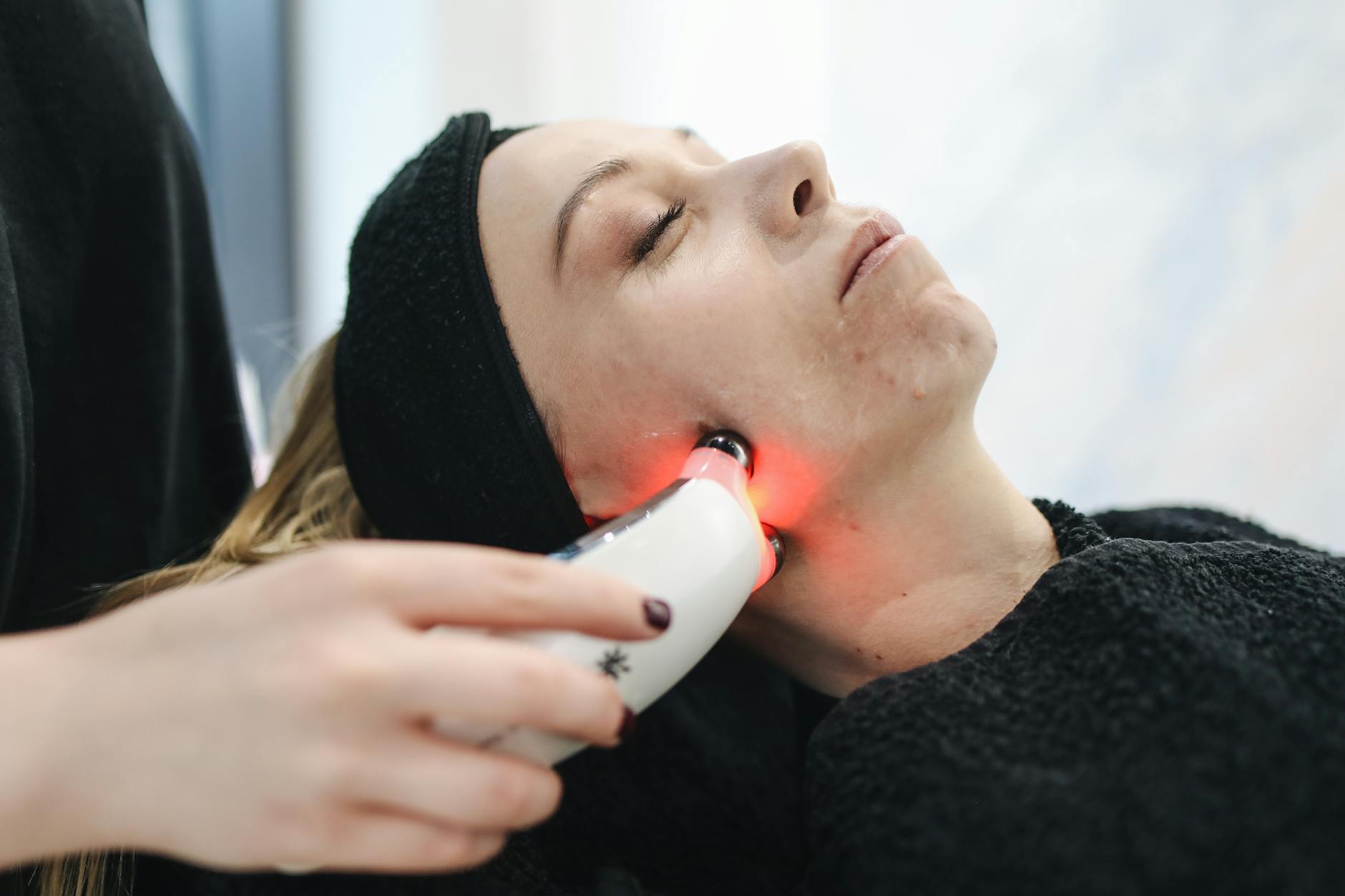
Radiofrequency (RF) treatments deliver controlled thermal energy into the dermis, triggering the wound-healing response and stimulating new collagen and elastin production without damaging the skin surface. Both monopolar and bipolar RF devices are used on the arms, and multiple published studies confirm that RF treatment produces measurable improvements in skin laxity and texture over a series of sessions. Results typically develop progressively over three to six months as new collagen matures.
Ultrasound-based treatments (such as focused ultrasound therapy) deliver precise energy to the dermis and superficial muscular aponeurotic system at specific depths, triggering thermal coagulation points that initiate collagen remodelling. Clinical trials have demonstrated significant improvements in skin laxity with focused ultrasound, though the arms are treated less frequently than the face and neck — meaning the evidence base is somewhat smaller for this specific area.
Fractional laser resurfacing creates thousands of micro-injuries in a controlled grid pattern across the skin. The surrounding unaffected tissue enables rapid healing while simultaneously triggering fibroblast activation and new collagen synthesis. Ablative fractional CO2 lasers produce the most robust results but require a recovery period. Non-ablative fractional lasers (such as 1550nm erbium fiber lasers) have a gentler profile and may require multiple sessions.
Microneedling achieves a similar wound-healing response through mechanical micro-injuries using fine needles. It is less expensive than laser treatments and carries lower risk of post-inflammatory hyperpigmentation in darker skin tones. A 2018 meta-analysis in the Journal of Cosmetic Dermatology found that microneedling produced significant improvements in skin texture, laxity, and collagen density across multiple clinical studies.
Surgical Options
For severe skin laxity — particularly following significant weight loss — surgical brachioplasty (arm lift) is the only intervention that can physically remove and redrape excess skin. It produces the most dramatic and permanent structural improvement, but carries all the risks associated with surgery, including scarring, anesthesia risks, and recovery time. Most people with moderate crepey skin on arms are not candidates for or interested in surgery, and surgical consultation should always involve board-certified plastic surgeons with experience in body contouring.
Emerging Non-Invasive Approaches and Where Research Is Heading
The field of non-invasive skin rejuvenation is advancing rapidly, and several promising directions are generating meaningful clinical interest for the specific challenge of crepey skin on arms.
Exosome therapy is an emerging area in which cell-derived vesicles containing growth factors and signalling molecules are applied to or injected into the skin with the aim of stimulating fibroblast activity and tissue repair. Early research is promising, but large-scale randomised controlled trials are still limited and this approach is not yet standard of care.
Topical senolytic compounds are being explored in dermatology research. Senescent cells — cells that have stopped dividing but remain metabolically active and secreting inflammatory molecules — accumulate in aging skin and are thought to contribute to the deterioration of the extracellular matrix. Compounds that selectively clear these cells are being studied for their potential to restore more youthful skin function, though this remains largely pre-clinical.
Next-generation retinoid alternatives such as bakuchiol (a plant-derived compound) have received attention as gentler substitutes for retinol in sensitive individuals. A 2018 randomised double-blind trial in the British Journal of Dermatology found that 0.5% bakuchiol twice daily produced comparable improvements to 0.5% retinol in skin wrinkles and pigmentation with significantly less irritation. This may offer a usable pathway for people whose skin cannot tolerate conventional retinoids.
Combination protocols — pairing topical retinoids with in-office radiofrequency or microneedling — are increasingly being used by dermatologists for a more comprehensive approach to crepey skin on arms. The topicals maintain and extend results between professional treatments, while the device-based sessions provide structural stimulus that topicals alone cannot replicate.
A Realistic Timeline for Improvement
One of the most important things to understand about any crepey skin treatment for arms is that skin remodelling takes time. Collagen fibers take weeks to months to form and mature. Even the most effective in-office treatments don't show full results for three to six months after the session. Topical retinoids typically require consistent use for at least six months before noticeable structural improvement becomes visible. Setting realistic expectations avoids premature abandonment of treatments that are actually working.
Most dermatologists recommend a layered approach: daily photoprotection and moisturisation as a foundation, active topicals (retinol, peptides, AHAs) applied consistently, resistance training to build underlying muscle, and professional treatments where budget and severity warrant them. This isn't a quick fix — but it is a science-backed framework that addresses multiple causes simultaneously.
Key Takeaways
- Crepey skin on arms is caused by collagen and elastin degradation, loss of dermal hydration, subcutaneous fat thinning, and hormonal shifts — not surface dryness alone.
- UV exposure is the single largest accelerant of crepey skin formation and daily sunscreen use is the most evidence-supported preventive measure available.
- Topical retinoids have the strongest clinical evidence of any topical treatment for rebuilding dermal structure, though results require months of consistent use.
- Radiofrequency, focused ultrasound, and fractional laser treatments offer more significant structural improvement for established crepey skin but require professional administration.
- Lifestyle factors — resistance training, adequate nutrition, hydration, and sun protection — are underutilised but meaningful contributors to both prevention and improvement.
- There is no instant cure for crepey skin on arms. Effective treatment requires patience, consistency, and a multi-pronged approach targeting the underlying biological mechanisms.