What Causes Bad Breath Even After Brushing (And How to Actually Fix It)

You spend two minutes brushing, rinse with minty mouthwash, and walk out the door feeling confident — only to notice, an hour later, that your breath still smells. If you've ever wondered why your breath still smells after brushing, you're not alone. Studies estimate that roughly 50% of adults experience chronic bad breath, also called halitosis, at some point in their lives. And for many of them, a toothbrush is simply not enough to fix it.
The frustrating truth is that bad breath after brushing is almost never caused by dirty tooth surfaces. It's caused by a complex ecosystem of bacteria, anatomy, saliva, and sometimes your overall health — factors that toothpaste was never designed to address. This guide breaks down exactly what's going on in your mouth, why conventional brushing falls short, and what the evidence actually says about eliminating persistent halitosis for good.
Why Brushing Alone Isn't Enough
Toothpaste and brushing are remarkably good at one thing: removing plaque from the smooth and reachable surfaces of your teeth. They are significantly less effective at everything else. The mouth is a densely populated microbial environment — the human oral microbiome contains over 700 species of bacteria — and most of them don't live on your tooth enamel.
The back of your tongue, the spaces between teeth, the pockets along your gumline, and the tonsils (if you still have them) are all habitats that a standard toothbrush barely touches. Brushing can temporarily lower bacterial counts in the mouth and mask odour with flavouring agents, but the effect is short-lived. Within 30 to 60 minutes of brushing, bacterial populations begin rebounding — and so does the smell.

The Real Causes of Persistent Bad Breath
Understanding chronic bad breath causes requires looking beyond the obvious. Here are the main culprits — many of which can stack on top of each other, making the problem significantly worse.
1. VSC-Producing Bacteria on the Tongue
This is the single most common cause of halitosis, responsible for an estimated 60–80% of cases. Certain anaerobic bacteria — organisms that thrive in low-oxygen environments — metabolize proteins and amino acids and release compounds called volatile sulfur compounds (VSCs). The main offenders are hydrogen sulfide (smells like rotten eggs), methyl mercaptan (smells like decomposing cabbage), and dimethyl sulfide.
These bacteria colonize the deep furrows and papillae on the back third of the tongue, forming a whitish or yellowish coating. A toothbrush is too wide and too soft to dislodge this biofilm effectively. Because the bacteria are anaerobic, they also multiply fastest at night when saliva flow drops — which is why morning breath is so much more intense than afternoon breath.
2. Dry Mouth (Xerostomia)
Saliva is your mouth's natural self-cleaning system. It physically washes away food particles and dead cells, contains enzymes that break down odour-causing compounds, and maintains a pH that keeps anaerobic bacteria in check. When saliva production drops — due to mouth breathing, dehydration, certain medications (antihistamines, antidepressants, blood pressure drugs), or medical conditions — the result is a dramatic increase in VSC production.
Dry mouth explains why coffee drinkers frequently notice bad breath after brushing in the morning: caffeine is a mild diuretic and can inhibit saliva glands. It also explains why people who sleep with their mouths open wake up with far worse breath than those who breathe through their nose.
3. Gum Disease and Periodontal Pockets
Gingivitis and periodontitis create deep pockets between the gums and teeth — sometimes 4–8mm deep — where anaerobic bacteria flourish completely undisturbed by brushing or flossing. These bacteria break down the proteins in gum tissue and produce VSCs at a much higher rate than those on a healthy tongue. If your breath has a distinctly sour or rotten quality that doesn't improve with any amount of oral hygiene, periodontal disease is a strong candidate.
The CDC estimates that nearly half of American adults over 30 have some form of periodontal disease. Many have no idea, because the early stages are painless. Bleeding gums when you brush, swollen gum tissue, or teeth that feel loose are key warning signs.
4. Post-Nasal Drip
Mucus from the sinuses dripping down the back of the throat provides a protein-rich food source for odour-causing bacteria. Seasonal allergies, chronic sinusitis, and even acid reflux (which can trigger mucus production) can create a steady supply of material for VSC-producing bacteria to feed on. This form of halitosis often feels like it comes from deep in the throat rather than the front of the mouth.
5. Toothbrush Reinfection
An often-overlooked contributor: the toothbrush itself. After a week of use, toothbrush bristles harbour millions of bacteria — including the same anaerobic strains you're trying to remove. Brushing with a contaminated brush can reintroduce bacterial colonies into the mouth immediately after cleaning. This is especially relevant if you store your toothbrush close to the toilet, where aerosolized particles can settle on bristle surfaces.
6. Dietary Factors
Garlic and onions contain sulfur compounds that are absorbed into the bloodstream and released through the lungs — meaning no amount of brushing will eliminate the odour, because it's coming from your breath, not your mouth surface. High-protein, low-carbohydrate diets (like keto) trigger a metabolic state called ketosis, during which the body produces acetone as a byproduct. This creates a distinctive fruity or chemical smell on the breath that is completely unrelated to oral bacteria.
7. Systemic Medical Conditions
In roughly 5–10% of halitosis cases, the root cause is not oral at all. Conditions including kidney disease (creates an ammonia-like smell), liver disease (a musty or sweet smell), uncontrolled diabetes (fruity, acetone-like breath), gastroesophageal reflux disease (GERD), and certain respiratory infections can all manifest as chronic bad breath. If you've addressed every oral hygiene variable and the smell persists, a visit to your GP is warranted.
How to Diagnose Your Specific Cause
Before you can fix bad breath after brushing, it helps to identify where yours is coming from. A simple self-assessment can point you in the right direction.
- Lick the back of your wrist, let it dry for 10 seconds, then smell it. This gives a rough approximation of tongue-coat VSC production. A sulfurous smell suggests tongue bacteria are the primary source.
- Floss between your back molars and smell the floss. A distinctly foul odour suggests food trapping, decay, or gum disease in those areas.
- Breathe through your mouth into cupped hands. A fruity or chemical odour can indicate ketosis or diabetes. An ammonia-like smell may point to kidney issues.
- Note when the breath is worst. If it's primarily in the morning, dry mouth and tongue bacteria are most likely. If it persists all day regardless of what you eat or drink, gum disease or systemic factors are more probable.
- Check your tongue in bright light. A white, yellow, or brownish coating on the back third of the tongue is a strong visual indicator of VSC-producing bacterial buildup.
Evidence-Based Solutions That Actually Work
Tongue Scraping
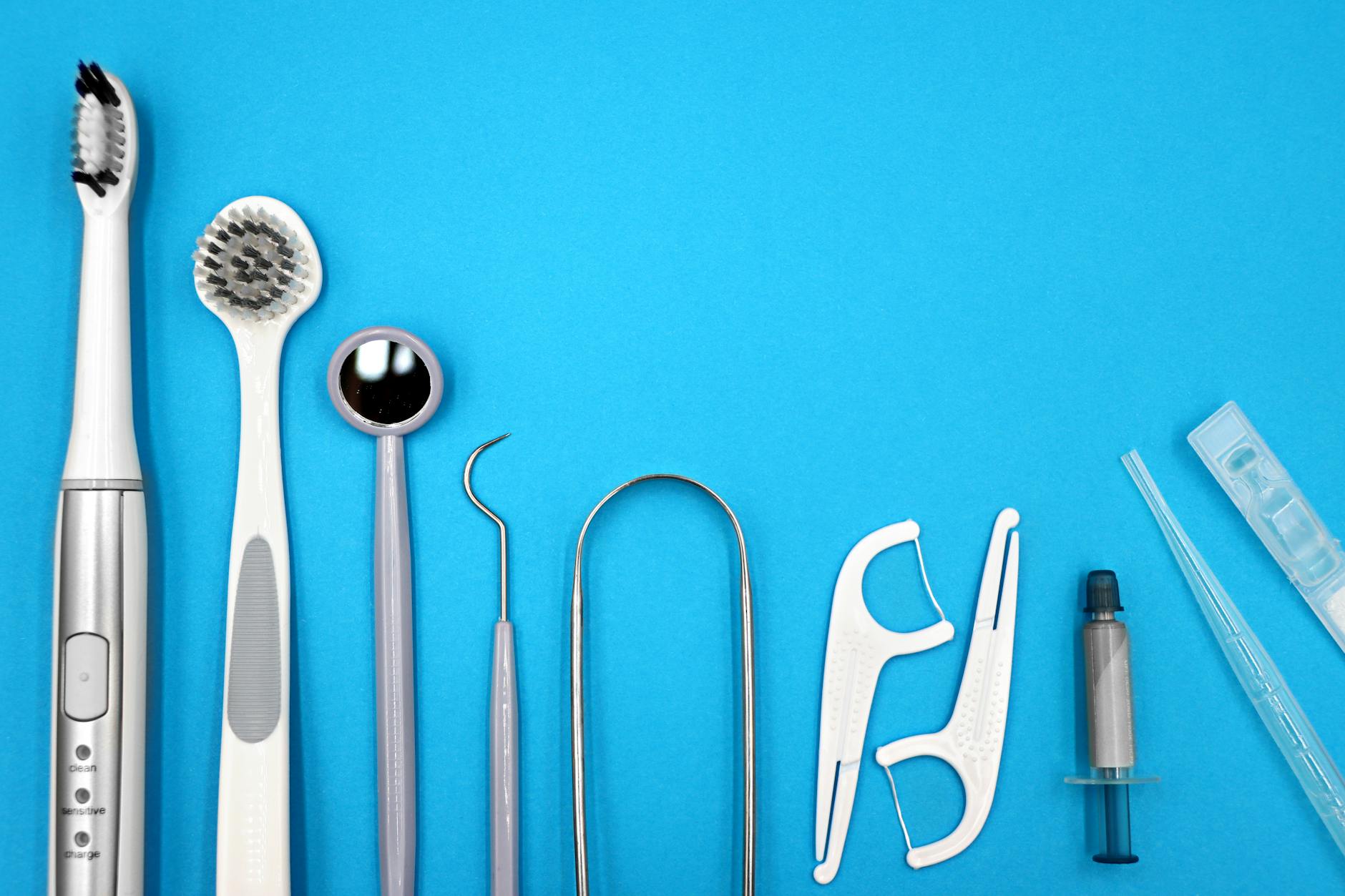
Multiple randomized controlled trials have found that tongue scraping reduces VSC production significantly more than toothbrushing the tongue alone. A metal or plastic tongue scraper reaches further back, applies more consistent pressure, and physically removes the biofilm rather than just redistributing it. Use it daily, ideally before brushing: scrape from the back of the tongue forward, rinse the scraper, and repeat 4–5 times. Most people notice a difference within a few days.
Strategic Hydration
Drinking water throughout the day — not just at meals — is one of the most underrated halitosis treatments. Water physically washes bacteria and food debris from oral surfaces and supports saliva production. Sipping water first thing in the morning before eating or drinking anything else is particularly effective, as it rinses away the concentrated bacterial buildup that accumulates overnight. Avoid alcohol-based mouthwashes as a hydration substitute, as they can worsen dry mouth over time.
Antibacterial Rinses with the Right Ingredients
Not all mouthwashes are created equal for halitosis. Rinses containing chlorhexidine, cetylpyridinium chloride (CPC), or zinc compounds have demonstrated evidence in clinical studies for reducing VSC production. Zinc, in particular, works by chemically binding to sulfur compounds and neutralizing them before they can become volatile. Look for alcohol-free formulas, since alcohol-based products dry out the mucosa and can worsen odour long-term.
Flossing Daily (and Correctly)
Interproximal spaces — the gaps between your teeth — trap food particles and create exactly the low-oxygen environment that anaerobic bacteria thrive in. Flossing once daily, particularly before bed, removes this material before bacteria can fully metabolize it overnight. If standard floss is difficult to use, interdental brushes or water flossers achieve comparable results in clinical comparisons.
Toothbrush Hygiene and Replacement
Replace your toothbrush (or electric brush head) every 8–12 weeks, or sooner after illness. Store it upright in an open-air holder away from the toilet. Rinsing bristles with hot water after each use helps, but does not sterilize the brush. UV toothbrush sanitizers are commercially available and do reduce microbial load on bristles, though the clinical evidence on whether this measurably improves breath is still limited.
Treating Underlying Gum Disease
If periodontal disease is driving your halitosis, no amount of at-home oral care will permanently resolve it. Professional dental cleaning — specifically scaling and root planing — removes calcified bacterial deposits (tartar) from below the gumline that are impossible to remove at home. Many patients report a dramatic improvement in breath odour after a single deep cleaning session. Maintenance appointments every 3–6 months are typically needed to prevent recurrence.
What Doesn't Work (Common Myths Debunked)
The oral care market is full of products that promise fresh breath but deliver only temporary masking. Understanding what doesn't address the root cause of halitosis can save you time, money, and frustration.
- Breath mints and gum: These contain flavouring agents and sometimes small amounts of antibacterial compounds, but they mask odour for 15–30 minutes at best. Sugary mints can actually worsen breath by feeding bacteria. Sugar-free gum containing xylitol has some mild antimicrobial benefit but is not a treatment for chronic halitosis.
- Alcohol-based mouthwash used repeatedly: Listerine-style alcohol rinses kill bacteria on contact, but the effect is fleeting, and regular use dries out oral tissues, ultimately reducing saliva and worsening long-term odour. They are best used occasionally, not as a daily standalone solution.
- Brushing more frequently: Brushing 4–5 times a day does not proportionally reduce halitosis because the primary bacteria live on the tongue, not the teeth. Over-brushing can also damage enamel and gum tissue.
- Charcoal toothpaste: Activated charcoal toothpastes are heavily marketed but have no peer-reviewed evidence demonstrating effectiveness for halitosis. Some formulations are abrasive enough to cause enamel damage with daily use.
- Oil pulling: Despite widespread popularity, the evidence for oil pulling as a halitosis treatment remains weak. One small study found modest benefits comparable to chlorhexidine rinse, but the research is not robust enough to recommend it as a primary treatment.
When to See a Dentist or Doctor
While most cases of bad breath after brushing respond to improved oral hygiene habits, certain signs suggest you need professional evaluation:
- Gums that bleed consistently when you brush or floss
- Gum tissue that is visibly receded, swollen, or pulling away from teeth
- Teeth that feel loose or have shifted position
- Persistent bad breath despite implementing tongue scraping, flossing, and hydration strategies for 3–4 weeks
- Breath with an ammonia, fishy, or distinctly fruity/chemical quality (possible systemic cause)
- A persistent white patch or sore in the mouth that doesn't heal within two weeks
- Dry mouth that is severe or accompanied by dry eyes (possible Sjogren's syndrome)
A dentist can accurately diagnose the source of halitosis using organoleptic testing (professional smell assessment) and instruments that measure VSC levels in the breath. If a dental cause is ruled out, your GP can evaluate for systemic conditions through blood work and other diagnostics.
FAQ: Bad Breath After Brushing
Key Takeaways: Your Complete Fresh Breath Protocol
Bad breath after brushing is common, frustrating, and almost always fixable — but only once you understand that the toothbrush is a tool for cleaning teeth, not for eliminating halitosis. Here is the evidence-based daily protocol that addresses all the major causes:
- Scrape your tongue every morning before brushing — use a dedicated tongue scraper and work from the back forward 4–5 times.
- Brush for two minutes with a fluoride toothpaste, paying attention to the gumline and back molars.
- Floss once daily, ideally at night, removing food debris from interproximal spaces before it feeds overnight bacteria.
- Rinse with an alcohol-free antibacterial mouthwash containing zinc, CPC, or chlorhexidine (short-term) — not simply flavoured water.
- Drink water consistently throughout the day to maintain saliva production and flush bacterial byproducts.
- Replace your toothbrush every 8–12 weeks and store it upright in open air away from the toilet.
- See your dentist every 6 months (or every 3–4 months if you have a history of gum disease) for professional cleaning that reaches where no toothbrush can.
Chronic halitosis is one of those problems that feels deeply personal and embarrassing, but it is fundamentally a microbiology problem — and microbiology problems respond to systematic solutions. Give the full protocol above three to four consistent weeks before evaluating results. For most people, the improvement is noticeable within the first week, and significant within the first month.
If you implement all of these changes and your breath is still a persistent concern, that's useful information too: it tells you the cause is likely below the gumline or systemic, and it's time to bring in professional support. Either way, the answer to why your breath still smells after brushing is never "brush harder" — it's always about addressing what brushing was never designed to reach.