What Happens to Your Luggage After You Check It In (And How to Protect It)

You hand your bag to the check-in agent, watch it disappear behind a rubber curtain, and then spend the next several hours hoping you'll see it again on the other end. For most travelers, what happens to checked luggage between that moment and the baggage carousel is a complete mystery — and that uncertainty is exactly why so many people feel anxious about it.
The truth is that your bag goes on quite a journey: it passes through multiple conveyor systems, gets scanned by machines weighing thousands of pounds, is handled by a rotating cast of ground crew workers, and travels in a pressurized cargo hold underneath your feet at 35,000 feet. Most of the time, it arrives safely. But understanding the checked baggage handling process — including where things go wrong — is the first step toward traveling with real peace of mind.
This guide covers the complete journey of a checked bag, the specific risk windows where theft or loss are most likely, the statistics that put the problem in perspective, and the practical steps you can take to protect your belongings on every trip.
The Complete Baggage Handling Journey, Step by Step
Modern airport baggage systems are remarkable feats of logistics. A major hub like Atlanta's Hartsfield-Jackson or London Heathrow processes tens of thousands of bags every single day. Here is exactly what happens from the moment you check in.
Step 1: Check-In Counter and Tagging
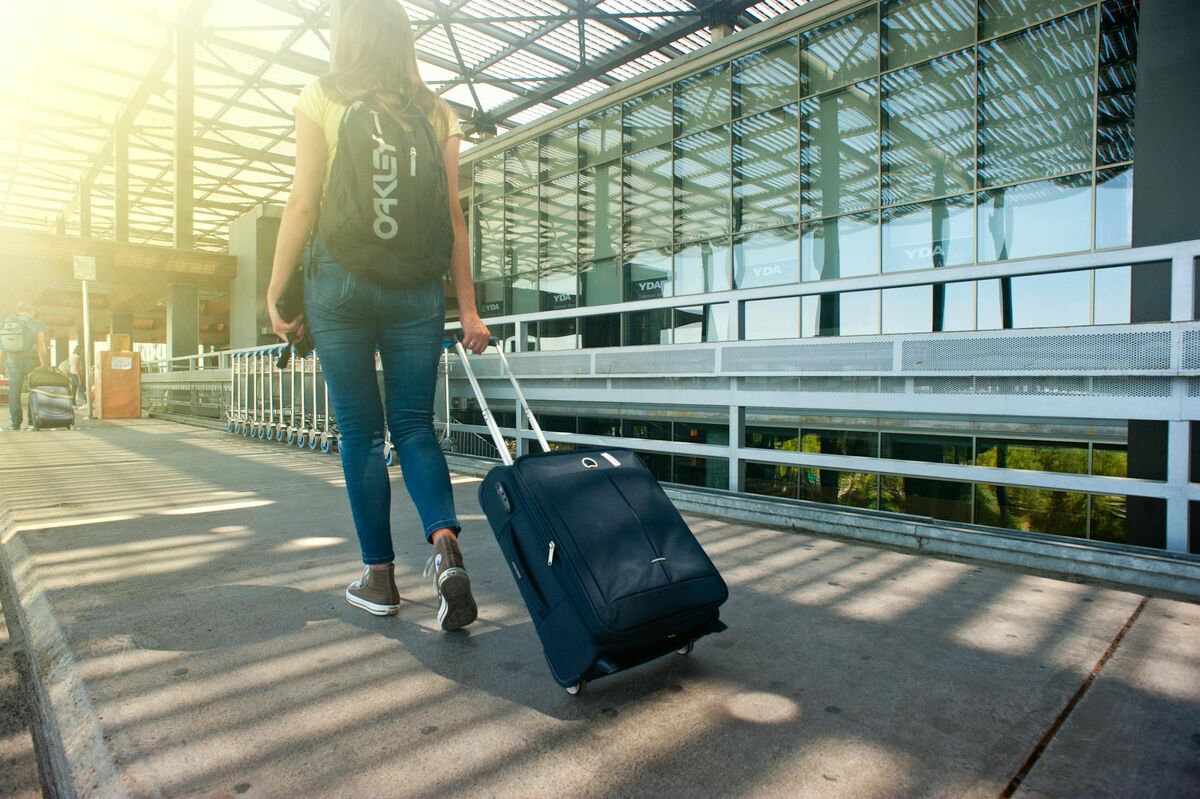
When the agent scans your boarding pass and tags your bag, they're doing more than sticking a sticker on the handle. That barcode tag — sometimes called a barcoded baggage label (BBL) — is the single identifier that will be used to route your bag through the entire airport system. It encodes your flight number, destination, and a unique bag ID number that links back to your passenger record.
The agent then places your bag on a belt behind the counter. From here, it typically drops out of sight within seconds. This is the last time most passengers ever see their bag until the destination carousel.
Step 2: The Conveyor Belt Sorting System
Behind the check-in counter, bags enter an extensive network of conveyor belts that can stretch for miles inside a large airport. These automated systems are designed to sort bags by flight without human intervention. Optical readers and RFID sensors scan the barcode tag as the bag travels, and diverter arms physically shunt it onto the correct branch of the belt heading toward the right gate area.
If a bag's tag is damaged or unreadable — perhaps because the sticker was applied loosely or the barcode was obscured — it gets shunted to a manual sorting area. A human worker has to read the tag by hand and reroute the bag, which is one of the leading causes of delayed baggage. This is why it's worth keeping your tag firmly attached and adding a backup paper label inside the bag with your contact information.
Step 3: TSA Security Screening
In the United States, every checked bag is required by law to pass through security screening before it can be loaded onto an aircraft. The Transportation Security Administration (TSA) uses a combination of automated X-ray systems, explosive trace detection (ETD) machines, and in some cases, physical inspection by officers.
The vast majority of bags pass through automated screening without being opened. However, if a bag triggers an alarm — due to a suspicious shape, dense item, or chemical trace — a TSA officer will open it for physical inspection. If this happens, they are required to leave a paper notice inside ("Notice of Baggage Inspection") indicating the bag was opened. Officers are permitted to use any TSA master key to open TSA-approved locks; standard padlocks will be cut off. This is why using TSA-approved locks specifically is so important — more on that below.
Step 4: Loading onto the Aircraft
Once screened and sorted, bags are consolidated in a holding area near the gate and loaded into containers called Unit Load Devices (ULDs) for wide-body aircraft, or stacked directly into the cargo hold for narrowbody planes. Ground crew workers load bags manually, and the process is done under time pressure — turnaround times for a domestic flight can be as short as 25 minutes.
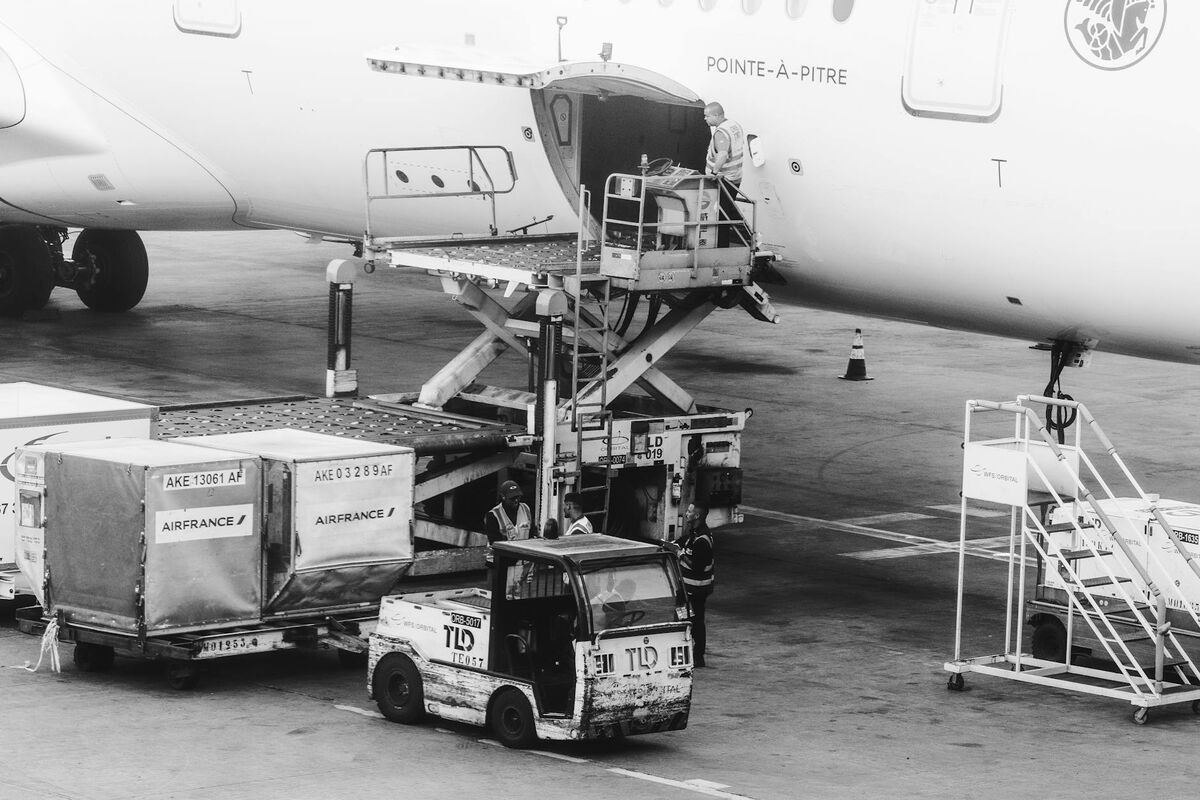
It is during this loading phase that bags are most vulnerable to rough handling. Bags can be tossed, dragged, or stacked under heavy weight — especially on shorter regional routes where dedicated baggage carts are less common. Fragile items packed near the top or in the outer pockets of a bag are particularly at risk of damage.
Step 5: Transfer Connections
If you have a connecting flight, the complexity multiplies significantly. Your bag needs to be offloaded from the arriving aircraft, transported across the tarmac (sometimes between separate terminals), re-screened if entering a new security zone, and reloaded onto your next flight — all within your connection window.
The minimum connection time for a bag is typically longer than the minimum connection time for a passenger. Airlines usually require at least 45 minutes to an hour for an international connection to guarantee bag transfer — though this varies by airport and carrier. When connections are tight, bags are statistically far more likely to be left behind, which is why short layovers are one of the most common causes of delayed baggage.
Step 6: Arrival and the Baggage Carousel
At your destination, bags are offloaded from the aircraft and transported to the baggage claim area on dedicated carts. They are then placed on a carousel, which circulates until the passenger claims the bag. Most domestic bags appear at the carousel within 20–30 minutes of landing; international bags can take considerably longer due to customs handling.
The carousel is also a minor risk point. Bags sit in public view with no verification that the person grabbing a bag actually owns it — most airports rely on an honor system, and misidentification (or deliberate theft) does occur at this final stage.
Where Things Go Wrong: The Real Risk Windows
The checked baggage handling process is surprisingly robust, but it is not without genuine vulnerabilities. There are five primary windows where loss, damage, or theft can occur:
- The sorting system: Unreadable tags are the number-one cause of bags being misrouted.
- TSA inspection rooms: Bags that are opened for physical inspection pass through areas with limited camera coverage and are handled by individuals under minimal oversight.
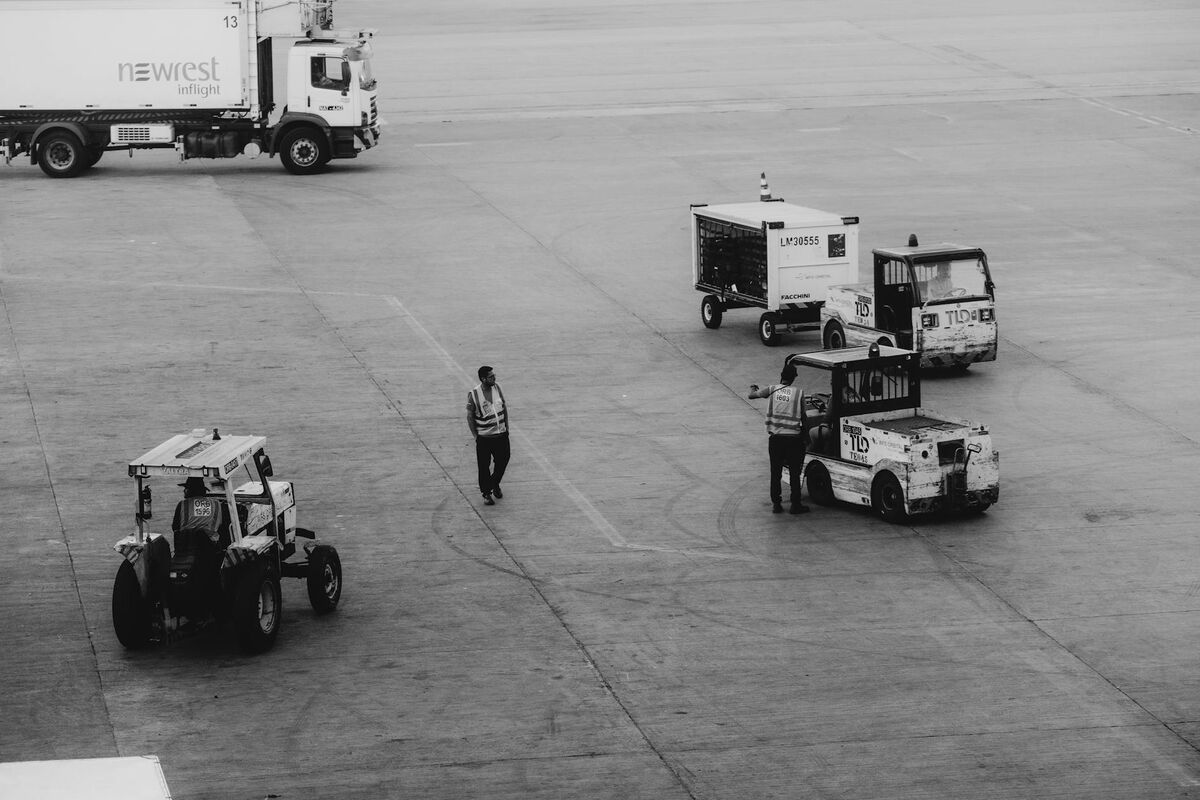
- The tarmac loading/offloading process: Ground crew work in fast-paced, high-pressure environments with limited direct supervision. This is where the majority of theft incidents are documented.
- Transfer corridors between terminals: Bags traveling between terminals exist in a logistical gray zone, sometimes sitting unattended for extended periods.
- The baggage carousel: Public access and similar-looking luggage create a low-level but real opportunity for accidental or intentional misappropriation.
Luggage Loss and Theft: What the Statistics Actually Say
Understanding is checked luggage safe starts with looking at honest numbers. According to SITA's annual Baggage IT Insights report — one of the most comprehensive industry datasets — airlines worldwide mishandled approximately 6 bags per 1,000 passengers in recent years. That figure includes delayed bags (the vast majority), damaged bags, and lost bags.
The good news: outright lost bags — meaning bags that never arrive at all — represent a small fraction of total mishandled bags. SITA reports that over 80% of mishandled bags are simply delayed, not gone. Airlines eventually deliver the overwhelming majority of delayed bags within 24–48 hours.
Theft is harder to quantify because it is chronically underreported. However, the U.S. Department of Transportation does log complaints filed by passengers with airlines, and theft-related complaints consistently rank among the top categories. Luggage theft at airports is most commonly reported in two forms: items missing from bags (theft during TSA inspection or loading) and entire bags going missing.
The TSA itself has paid out millions of dollars in settlements for theft by screeners over the past decade — a number that represents only cases that were formally pursued and proven. Consumer advocacy groups estimate the true incidence is considerably higher.
Damaged luggage is far more common than theft. Hard-shell bags suffer cracked exteriors; soft-shell bags arrive with torn zippers, broken wheels, or ripped handles. Airlines are legally required to compensate for damage caused during handling, but the claim process can be slow and payouts are often limited.
How to Protect Your Checked Bags: Practical Strategies That Work
Knowing how the system operates puts you in a much better position to protect your belongings. Here are the most effective strategies for how to protect checked bags.
1. Use TSA-Approved Locks
This is the single most important physical security measure you can take. TSA-approved locks — identifiable by the Travel Sentry or Safe Skies logo — can be opened by TSA officers using master keys without cutting or damaging the lock. If you use a standard padlock, it will be cut off if your bag is selected for inspection, leaving your bag unsecured for the remainder of the journey.
TSA-approved locks do not prevent all theft, but they meaningfully raise the barrier for opportunistic access. A bag that requires a key or combination to open is significantly less attractive to someone with limited time than one with no lock at all.
2. Wrap or Use a Bag Cover
Shrink-wrapping your bag — a service offered at many international airports — adds a layer of tamper evidence and makes unauthorized access immediately obvious. Aftermarket luggage covers serve a similar purpose while also protecting against scratches and damage. Some travelers use bright or patterned bags specifically to make their luggage visually distinctive and harder to grab accidentally at the carousel.
3. Leverage Tracking Technology
One of the most significant shifts in checked baggage handling in recent years has been the rise of consumer-accessible tracking technology. Apple AirTags and similar Bluetooth trackers have become mainstream tools for travelers who want to know — in real time — where their bag is. By placing a small tracker inside your bag, you can follow its journey through airport systems, confirm it has been loaded onto your flight, and locate it quickly if it's delayed or misrouted.
Beyond Bluetooth trackers, some luggage manufacturers now build GPS or cellular tracking directly into bags. These integrated solutions offer broader coverage — particularly useful internationally, where Bluetooth networks are less dense — but typically require a subscription or battery management.
Tracking technology doesn't prevent theft, but it dramatically accelerates recovery. When a passenger can tell an airline agent "my bag is currently in Terminal D of this airport," the resolution process moves much faster than a general "my bag didn't arrive" complaint. In documented theft cases, tracker data has been used to identify the location of a stolen bag with enough precision to support law enforcement action.
It's worth noting that airlines are increasingly aware of tracker use. Most carriers now permit AirTags and similar devices in checked luggage, though you should verify your specific airline's policy before travel, particularly for international routes where regulations differ.
4. Pack Strategically to Minimize Loss Impact
No protection strategy eliminates risk entirely, so smart packing is about minimizing what you stand to lose if the worst happens:
- Never pack irreplaceable items in checked luggage. Passports, medication, jewelry, electronics, and sentimental items belong in your carry-on. The Warsaw Convention and Montreal Convention — the international treaties governing airline liability — cap compensation for lost checked bags at levels far below the replacement cost of high-value electronics.
- Split your essentials across bags. If you're traveling with a companion, put one change of clothes in each other's bag. A delayed bag stings much less if you're not stranded without anything to wear.
- Include a paper ID card inside your bag. Not just on the outside tag. If the tag falls off, an agent who opens your bag needs a way to identify you. Include your name, phone number, email, and destination address.
- Photograph your packed bag contents before closing it. If you need to file a claim for missing items, a photo taken immediately before check-in is compelling documentation.
- Use inner zipper locks or cable ties on interior compartments. Even a simple cable tie won't stop a determined thief, but it creates tamper evidence — and you'll know immediately if a compartment was accessed.
5. Consider Travel Insurance for High-Value Trips
Airline liability for lost or damaged checked bags is limited by international treaty. Under the Montreal Convention, which governs most international flights, compensation is capped at approximately 1,288 Special Drawing Rights per passenger — roughly $1,700 USD at current exchange rates. For a family traveling with multiple bags of clothing, gear, or gifts, that figure can fall well short of actual losses.
Travel insurance policies with baggage coverage can fill this gap. Look specifically for policies that cover delayed baggage (most policies reimburse necessary purchases if your bag is delayed beyond a threshold period), lost baggage, and baggage damage. Read the exclusions carefully: many policies exclude electronics, jewelry, and sports equipment from standard baggage claims.
Some premium credit cards also include travel protection benefits that cover lost or delayed baggage when you purchase your ticket with the card. It's worth checking your card's benefits guide before purchasing a separate policy.
What to Do If Your Bag Is Lost, Damaged, or Stolen
If your bag doesn't appear at the carousel, act immediately — do not leave the airport first. Every minute matters because airline systems are still active and records are easiest to pull while the flight information is current.
- Go directly to the airline's baggage service desk before leaving baggage claim. File a Property Irregularity Report (PIR) in person and get a reference number. This is the formal claim that starts the clock on the airline's obligation to locate and deliver your bag.
- Check your tracking device (if you have one) to see where the bag actually is. This information can dramatically speed up the process — you may find your bag is at the airport but simply wasn't loaded.
- Request interim expense coverage. If your bag is delayed (not lost), airlines are typically required to reimburse reasonable expenses for essential items — toiletries, a change of clothes — while you wait. Keep receipts for everything.
- File a police report if theft is suspected. If items are missing from your bag or your bag disappears entirely and theft seems likely, file a police report at the airport. This creates a formal record that supports insurance claims and any further investigation.
- Submit a written claim within the required timeframe. For international flights under the Montreal Convention, you must file a written claim for damage within 7 days of delivery, and for delayed bags within 21 days of receiving them. Missing these deadlines can void your right to compensation.
The Bigger Picture: An Imperfect but Mostly Reliable System
The modern baggage handling system is, by most measures, an impressive logistical achievement. Tens of millions of bags move through global airports every week, and the overwhelming majority arrive on time and intact. The industry's mishandling rate has dropped significantly over the past decade, driven largely by technology improvements — RFID tagging at major hubs, better automated sorting systems, and real-time bag tracking integrated into airline apps.
But "mostly reliable" is not the same as "risk-free." The risk windows are real, the theft statistics are real, and the gap in airline liability coverage is real. For most leisure travelers checking a bag of clothes, the existing system works well enough that worrying too much is counterproductive. For anyone carrying anything of value — or simply anyone who has had the deeply frustrating experience of standing at an empty carousel — taking a few precautionary steps is straightforward common sense.
Understanding what happens to checked luggage is ultimately about being an informed traveler. The system is not a black box. It has identifiable steps, known risk points, and proven protective measures. With the right preparation, you can hand your bag over at the counter with considerably more confidence than most people ever feel.
Key Takeaways
- Your checked bag passes through automated conveyor systems, TSA screening, manual loading, and potentially one or more connection transfers before reaching the carousel.
- The primary risk windows are: the TSA inspection room, the tarmac loading process, and transfer corridors between terminals.
- Airlines mishandle roughly 6 bags per 1,000 passengers globally; most mishandled bags are delayed rather than lost or stolen.
- TSA-approved locks are essential — standard locks will be cut off during inspection, leaving your bag unsecured.
- Tracking technology (AirTags, GPS trackers, integrated luggage trackers) can locate a missing bag and dramatically accelerate recovery.
- Never pack passports, medications, jewelry, or irreplaceable electronics in checked luggage.
- If your bag doesn't arrive, file a Property Irregularity Report immediately — before leaving the airport.
- Airline liability under the Montreal Convention is capped around $1,700 USD; travel insurance can close the gap for high-value trips.