What Is Akkermansia Muciniphila and Why Scientists Call It the Most Important Gut Bacteria You Have Never Heard Of
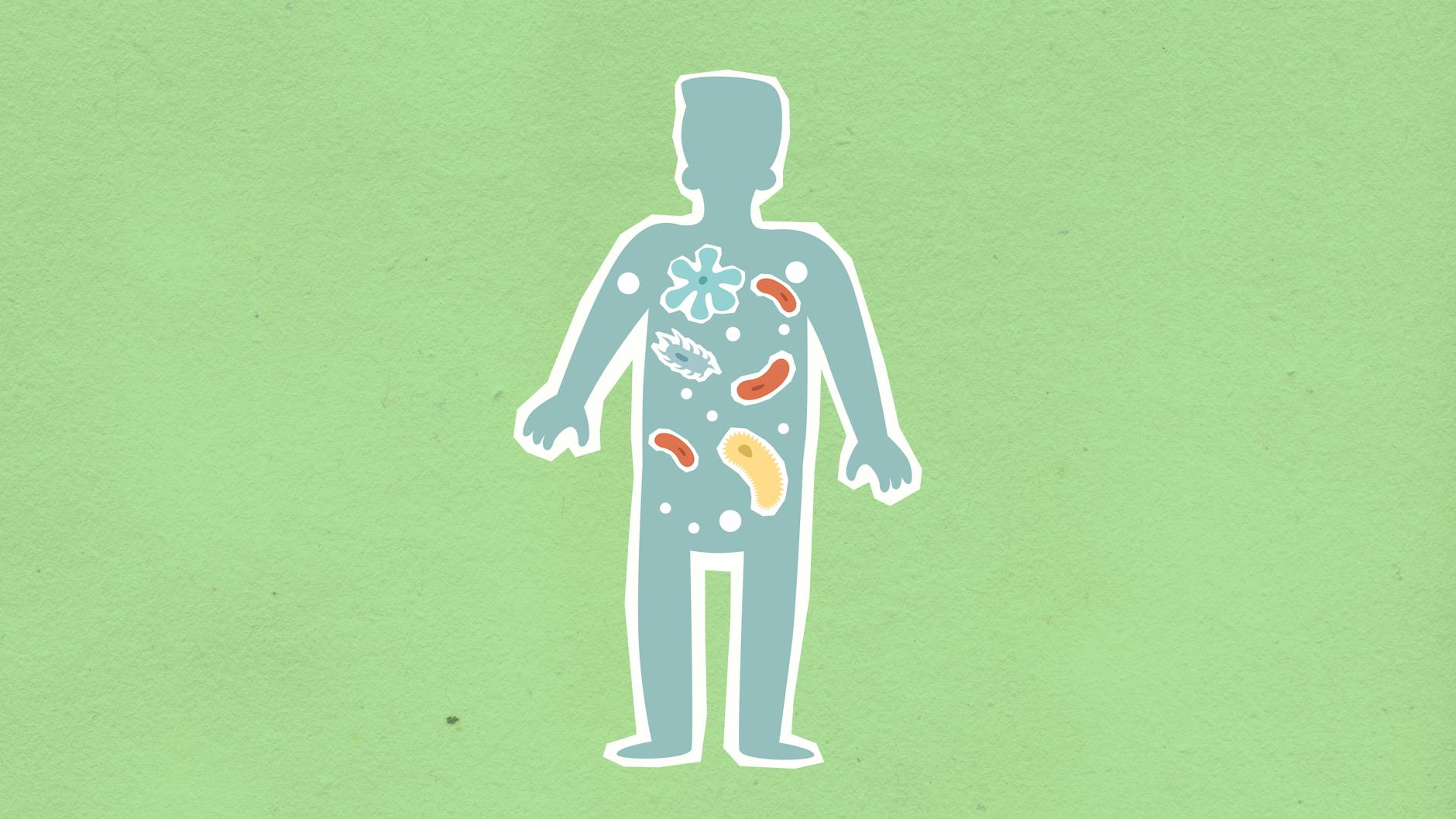
If you have spent any time reading about gut health, you have likely encountered terms like probiotics, prebiotics, and the microbiome. But one name that rarely makes it into mainstream conversation — despite being at the center of hundreds of peer-reviewed studies — is Akkermansia muciniphila. Scientists who study metabolic disease, obesity, diabetes, and inflammatory conditions are paying close attention to this single species of bacteria, and the findings are genuinely remarkable.
This article breaks down what Akkermansia muciniphila is, what it does inside your body, why modern diets and lifestyles deplete it, and what the current research says about its connection to weight regulation, blood sugar control, and gut lining integrity. No hype, no product pitch — just the science, explained in plain English.
What Exactly Is Akkermansia Muciniphila?
Akkermansia muciniphila is a gram-negative, anaerobic bacterium that was first isolated and described in 2004 by Dutch microbiologist Muriel Derrien and her team at Wageningen University. Its name is quite literal: Akkermansia honours the late microbial ecologist Antoon Akkermans, while muciniphila derives from the Latin for "mucus-loving." That second part is the key to understanding everything this organism does.
Unlike most beneficial gut bacteria that live in the lumen of the intestine feeding on dietary fibre, Akkermansia occupies a very specific niche: it lives within the mucus layer that coats the intestinal wall. It uses mucin — the protein backbone of intestinal mucus — as its primary carbon and nitrogen source. This is not destructive. In fact, by degrading and recycling the outer layers of mucus, Akkermansia stimulates the gut lining to constantly replenish and renew that protective barrier.
In a healthy adult, Akkermansia muciniphila can make up anywhere from 1% to 5% of the total gut microbiome. But in people with obesity, type 2 diabetes, inflammatory bowel disease, and metabolic syndrome, its abundance tends to drop significantly — sometimes to near-undetectable levels. That pattern is one of the most consistent findings in modern microbiome research.

The Gut Lining: Why Akkermansia's Location Matters So Much
To understand why gut lining repair bacteria like Akkermansia are so important, you need a quick primer on what the intestinal barrier actually does. The gut wall is not just a tube. It is a highly sophisticated single-cell-thick barrier that must simultaneously allow nutrients to pass into the bloodstream while keeping out bacteria, toxins, and undigested food particles.
This barrier is protected by two layers of mucus. The inner layer is nearly sterile — it sits directly against the epithelial cells and forms the last line of defence. The outer layer is colonised by microorganisms and acts as a kind of buffer zone. Akkermansia muciniphila lives at this interface.
When Akkermansia levels are healthy, the mucus layer is thick, well-structured, and constantly refreshed. Research published in the journal Nature Medicine in 2019 found that supplementing with Akkermansia (both live and pasteurised forms) in overweight adults improved metabolic markers, reduced endotoxin levels in the blood, and notably increased the thickness of the intestinal mucus layer.
When Akkermansia declines, the mucus layer thins. This is where the cascade begins. A thinner mucus layer means bacteria and their byproducts — particularly lipopolysaccharide (LPS), a component of gram-negative bacterial cell walls — can breach the barrier and enter the bloodstream. This low-grade bacterial translocation triggers chronic, systemic inflammation that underpins metabolic syndrome, insulin resistance, and non-alcoholic fatty liver disease.
Akkermansia Muciniphila, Gut Bacteria and Metabolism
The link between gut bacteria and metabolism has been studied intensely since the early 2000s, but the specific role of Akkermansia did not become clear until a landmark 2013 study by Patrice Cani's laboratory at the Université catholique de Louvain in Belgium. This research, published in PNAS, showed that in mouse models of diet-induced obesity, Akkermansia abundance dropped dramatically after a high-fat diet was introduced — and that restoring Akkermansia levels reversed many of the metabolic consequences, including fat accumulation, insulin resistance, and gut permeability.
Since then, dozens of human observational studies have confirmed the inverse relationship: people with lower Akkermansia abundance are significantly more likely to have:
- Higher fasting blood glucose and insulin resistance
- Greater visceral fat accumulation
- Elevated triglycerides and lower HDL cholesterol
- Higher circulating levels of LPS (a marker of gut permeability)
- Poorer response to caloric restriction and weight loss interventions
A 2020 study in Cell Metabolism extended these findings to non-alcoholic fatty liver disease (NAFLD). Participants with low Akkermansia levels had worse liver inflammation scores and higher hepatic fat content. The researchers proposed that the mechanism runs through LPS: when gut barrier integrity fails, LPS travels via the portal vein directly to the liver, triggering the inflammatory cascade that drives NAFLD progression. This is the heart of the microbiome and liver health connection that researchers are now investigating so actively.

Why Modern Life Depletes Akkermansia
If Akkermansia is so beneficial, why do so many people have low levels of it? The answer lies in the mismatch between the conditions Akkermansia evolved in and the conditions most people now live in. Several well-documented factors deplete this beneficial gut bacteria.
1. Ultra-Processed Food Consumption
Akkermansia feeds on mucin and, indirectly, on the polyphenols and fermentable fibres found in whole plant foods. A diet high in ultra-processed foods — refined grains, added sugars, industrial seed oils, and food additives — starves Akkermansia of its preferred fuel sources. Studies comparing microbiomes across populations have found that hunter-gatherer and traditional agricultural communities have Akkermansia levels two to four times higher than those in Westernised populations.
2. Antibiotic Use
Akkermansia is sensitive to broad-spectrum antibiotics. Research has shown that a single course of antibiotics can reduce Akkermansia to undetectable levels, and recovery may be slow and incomplete without deliberate dietary support. Each course of antibiotics in childhood has been associated with higher rates of overweight and metabolic dysfunction in later life — a connection partly attributed to microbiome disruption, including depletion of Akkermansia.
3. Ageing
Akkermansia abundance tends to decline with age, particularly after the age of 50. Older adults with the highest levels of Akkermansia have been associated in some studies with longevity and healthier ageing biomarkers, leading researchers to explore it as a potential target in healthy-ageing interventions.
4. Chronic Stress and Poor Sleep
The gut-brain axis is bidirectional. Chronic psychological stress alters gut motility, mucus secretion, and the composition of the microbiome. Animal studies have shown that chronic unpredictable stress reduces Akkermansia abundance within weeks. Similarly, sleep fragmentation — even without caloric changes — has been associated with measurable declines in beneficial gut bacteria including Akkermansia.
5. Sedentary Lifestyle
Physical activity has a well-documented positive effect on microbiome diversity. Research comparing endurance athletes to sedentary controls consistently finds higher Akkermansia abundance in the athletic group. A 2019 intervention study demonstrated that six weeks of aerobic exercise (three sessions per week) increased Akkermansia abundance in overweight participants — an effect that was reversed when the exercise stopped.
The Akkermansia-Immune System Connection
Beyond metabolism, emerging evidence points to Akkermansia as a key modulator of immune function. The intestinal mucus layer is not just a physical barrier — it is also an immune organ. Akkermansia produces a protein called Amuc_1100, which is found on its outer membrane and has been shown to interact directly with Toll-like receptor 2 (TLR2) on immune cells in the gut lining.
This interaction appears to reduce inflammatory signalling while promoting regulatory immune responses. In mouse models of colitis and inflammatory bowel disease, higher Akkermansia levels are associated with lower mucosal inflammation. In human studies, patients with IBD, rheumatoid arthritis, and multiple sclerosis all show reduced Akkermansia compared to healthy controls — though whether the depletion is a cause or consequence of inflammation remains an active area of debate.
Perhaps most intriguingly, a 2020 study in Nature Medicine found that higher Akkermansia abundance prior to cancer immunotherapy predicted significantly better treatment outcomes. Patients with melanoma who responded to PD-1 checkpoint inhibitor therapy had markedly higher Akkermansia levels than non-responders. This finding has triggered substantial interest in the microbiome as a modifier of cancer treatment efficacy.
How to Increase Akkermansia Muciniphila Naturally Through Diet
This is the practical question most people want answered. The research on Akkermansia muciniphila foods and dietary interventions is still maturing, but several consistently supported strategies have emerged. Importantly, Akkermansia cannot currently be found in standard probiotic supplements (though pasteurised preparations are available as of 2024 in some markets). For most people, dietary approaches remain the primary tool.
Polyphenol-Rich Foods
This is probably the most robustly supported dietary strategy. Polyphenols are plant compounds that are poorly absorbed in the small intestine — meaning they arrive largely intact in the colon, where they selectively feed Akkermansia. Research has specifically identified the following as Akkermansia-promoting:
- Pomegranate: Rich in ellagitannins, which gut bacteria convert to urolithins — some of the strongest known Akkermansia-promoting compounds. A 2016 study found that pomegranate extract significantly increased Akkermansia in mice.
- Cranberries: Studies on cranberry extract have repeatedly shown increases in Akkermansia abundance alongside improvements in metabolic markers.
- Dark berries (blueberries, blackcurrants): Anthocyanins in dark berries have been linked to increased Akkermansia in human intervention studies.
- Green tea: EGCG, the dominant catechin in green tea, has been shown to selectively promote Akkermansia growth in vitro and in animal studies.
- Grape-derived polyphenols (red wine, grape seed extract): Resveratrol and proanthocyanidins have both been associated with Akkermansia proliferation.
Prebiotic Fibre Sources
While Akkermansia primarily feeds on mucin, it also responds to certain prebiotic fibres that feed cross-feeding bacteria, creating an environment more hospitable to Akkermansia. Inulin-rich foods (chicory root, Jerusalem artichoke, garlic, leeks) and arabinoxylan-rich grains (oats, rye) have been associated with increased Akkermansia in human studies. Total dietary fibre intake appears to be one of the strongest predictors of Akkermansia abundance in large population studies.
Omega-3 Fatty Acids
Fish oil supplementation has been shown in several studies to increase Akkermansia abundance. A 2015 study published in Cell Metabolism found that omega-3 fatty acids promoted Akkermansia growth and reduced gut permeability in mouse models. Human data, while less conclusive, trends in the same direction. Oily fish (sardines, mackerel, salmon), flaxseed, and walnuts are the most accessible dietary sources.
Fasting and Time-Restricted Eating
Several studies have found that intermittent fasting and time-restricted eating protocols increase Akkermansia abundance, likely because fasting periods reduce the constant flow of food substrates through the gut and encourage Akkermansia to rely more heavily on mucin — which in turn stimulates mucus renewal. A 2019 Ramadan fasting study found a significant increase in Akkermansia over the fasting period that partially reversed upon return to normal eating patterns.
What the Research Still Does Not Know
It would be dishonest to present the Akkermansia story without acknowledging its limitations. Most of the mechanistic evidence comes from animal studies. Human clinical trials are still in early phases, and the largest human intervention study to date (the 2019 Nature Medicine trial) enrolled only 40 participants. Correlation between low Akkermansia and disease does not establish causation — it remains possible that metabolic disease depletes Akkermansia rather than the other way around, although the mechanistic evidence increasingly supports the causal direction.
There is also the question of context-dependency. The gut microbiome is an ecosystem of trillions of microorganisms. Akkermansia does not act in isolation — its effects depend on the presence or absence of hundreds of other species. What increases Akkermansia in one individual may have minimal effect in another, depending on the overall microbiome composition, diet quality, medication use, and genetic background.
Finally, while the first human safety and tolerability studies on pasteurised Akkermansia supplementation have been encouraging, long-term data in larger populations remains limited. Researchers have appropriately called for caution before making definitive clinical recommendations.
Frequently Asked Questions About Akkermansia Muciniphila
Key Takeaways
Akkermansia muciniphila is far more than a curiosity in microbiome science. It is a keystone species that occupies a critical position in the gut ecosystem — physically within the mucus layer that separates us from our own intestinal bacteria. Its influence on gut barrier integrity, metabolic signalling, immune regulation, and liver health makes it one of the most consequential single organisms in the human body.
The pattern that has emerged across hundreds of studies is consistent: low Akkermansia correlates with the most prevalent chronic diseases of the modern world — obesity, type 2 diabetes, metabolic syndrome, non-alcoholic fatty liver disease, and inflammatory bowel conditions. Conversely, interventions that increase Akkermansia — whether dietary, pharmacological, or lifestyle-based — tend to improve these same metabolic parameters.
The most evidence-based strategies for supporting Akkermansia levels are not exotic or expensive. They align almost perfectly with conventional dietary wisdom: eat more whole plant foods rich in polyphenols and fibre (particularly pomegranate, dark berries, green tea, garlic, leeks, and oats), include omega-3 rich foods, maintain regular physical activity, get adequate sleep, limit ultra-processed food intake, and avoid unnecessary antibiotic use. The fact that these strategies support dozens of other health outcomes simultaneously makes them worth adopting regardless of your current Akkermansia status.
As gut microbiome science matures, Akkermansia muciniphila is likely to move from the pages of academic journals into clinical guidelines. For now, the strongest thing most people can do is create the internal conditions — through diet and lifestyle — that allow this remarkable bacterium to thrive.