What is Akkermansia Muciniphila? The Beneficial Gut Bacteria Linked to Weight Loss
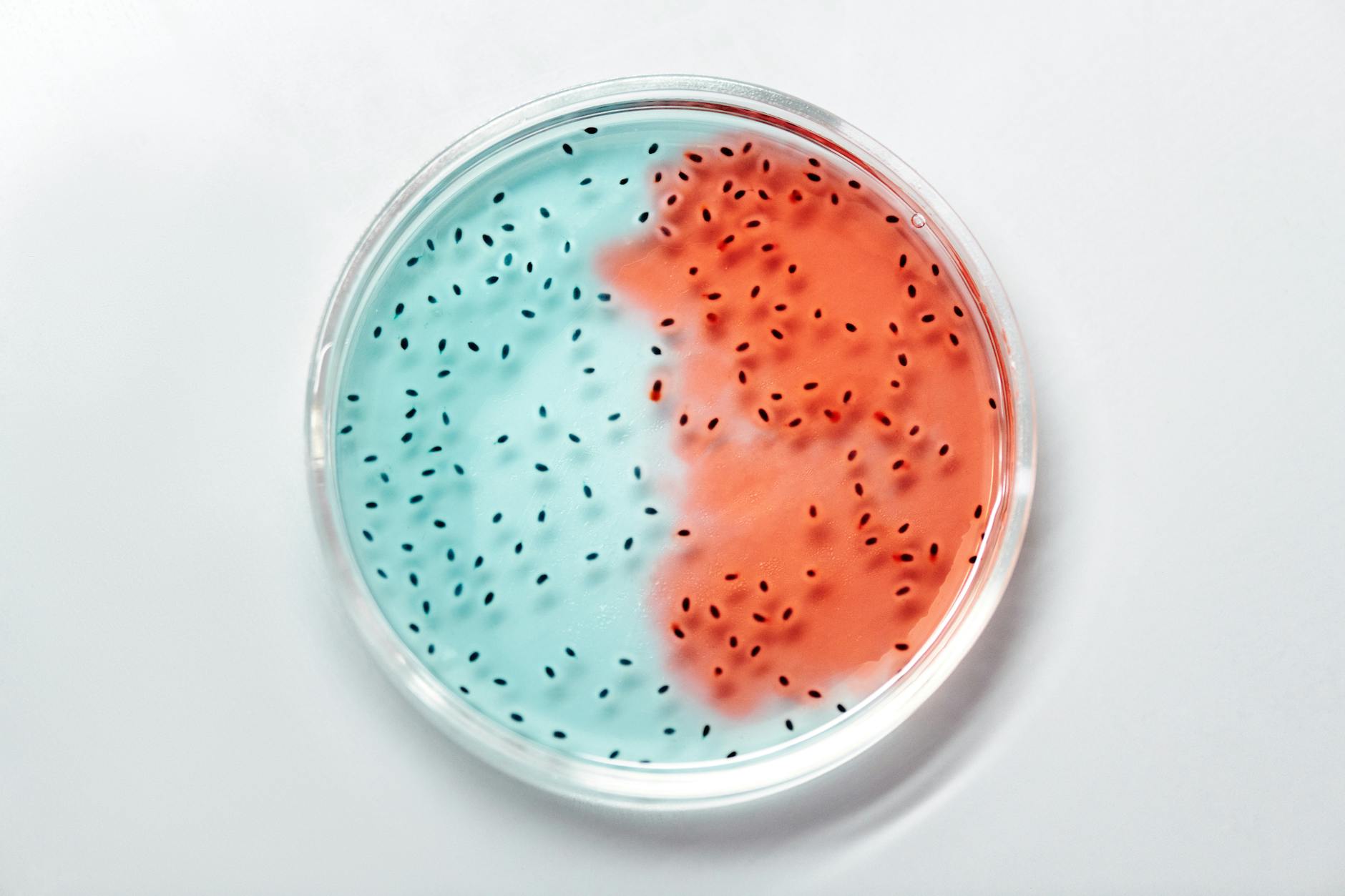
Scientists exploring the human gut microbiome have uncovered thousands of microbial species — but few have generated as much excitement in recent years as Akkermansia muciniphila. This single-celled bacterium, invisible to the naked eye, is quietly reshaping how researchers think about weight management, metabolic disease, and the health of your intestinal lining. The more scientists study it, the more remarkable its effects appear to be.
People with higher levels of Akkermansia muciniphila in their gut tend to be leaner, have better blood sugar control, and show lower levels of systemic inflammation — even after accounting for diet and lifestyle. That correlation has sparked a wave of clinical research aimed at understanding exactly what this bacterium does, and whether boosting its numbers could become a genuine strategy for improving human health.
This guide covers everything the science currently knows about Akkermansia muciniphila: what it is, where it lives, what it does, and — crucially — how you can naturally support its growth through food and lifestyle choices.
What is Akkermansia Muciniphila?
Akkermansia muciniphila (pronounced ah-KAIR-man-see-ah myoo-SIN-ih-fee-lah) is a gram-negative, anaerobic bacterium that lives in the mucus layer lining your intestines. It was first isolated and described in 2004 by Dutch microbiologist Muriel Derrien and her colleagues at Wageningen University, who named it after the late microbial ecologist Antoon Akkermans. The species name "muciniphila" means "mucin-loving" in Latin — a direct reference to its preferred home.
Taxonomically, it belongs to the phylum Verrucomicrobia, which makes it relatively unusual among gut bacteria. The vast majority of gut microbes belong to just two phyla — Firmicutes and Bacteroidetes — making Akkermansia something of an outlier. Despite this, it is remarkably abundant: in healthy adults, it can constitute up to 3–5% of the total gut microbiome, making it one of the more dominant single species in the intestinal ecosystem.
What makes this bacterium uniquely important is where it lives: the mucus layer of the gut wall. This gel-like coating, composed largely of mucin proteins, forms the first line of defence between the contents of your intestines and the delicate cells of the intestinal epithelium. Akkermansia does not just reside in this layer — it actively feeds on mucin, stimulating the gut to continuously produce fresh mucus. The result is a thicker, more resilient gut lining that is better at keeping harmful substances from leaking into the bloodstream.
Did You Know?
Akkermansia muciniphila was only discovered in 2004, yet it has since become one of the most studied bacteria in the human gut. A search of the scientific literature now returns thousands of papers on this single species — an extraordinary level of research attention for such a recent discovery.
The Health Benefits of Akkermansia Muciniphila
Research into akkermansia benefits has accelerated dramatically over the past decade. Studies in both animal models and human clinical trials have linked higher levels of this bacterium to a wide range of positive health outcomes. Here is what the science currently shows.
Weight Management and Obesity Prevention
One of the most consistent findings in microbiome research is that people with obesity tend to have significantly lower levels of Akkermansia than lean individuals. Studies have found that Akkermansia abundance is inversely correlated with body mass index, waist circumference, and fat mass. In animal studies, supplementing with Akkermansia reversed diet-induced obesity in mice, reduced fat accumulation, and improved metabolic markers — even without changes to caloric intake.
Blood Sugar Regulation and Type 2 Diabetes
Research consistently shows that individuals with type 2 diabetes or insulin resistance have depleted Akkermansia populations. The bacterium appears to play a key role in regulating glucose metabolism by improving insulin sensitivity and reducing fasting blood glucose. This has led researchers to investigate it as a potential therapeutic target for metabolic disease.
Gut Barrier Integrity
By stimulating mucus production, Akkermansia directly strengthens the intestinal barrier. A compromised gut lining — often called "leaky gut" — allows bacterial endotoxins like lipopolysaccharide (LPS) to enter the bloodstream, triggering widespread inflammation. Higher Akkermansia levels are associated with a thicker mucus layer and reduced intestinal permeability, meaning fewer harmful substances cross into circulation.
Inflammation Reduction
Chronic low-grade inflammation underpins many modern diseases, from cardiovascular disease to non-alcoholic fatty liver disease. Studies show that Akkermansia helps modulate the immune response in the gut, reducing pro-inflammatory signalling. This anti-inflammatory effect may be one of the key mechanisms through which it influences metabolic health.
Cardiovascular Health
Emerging research suggests that higher Akkermansia abundance is associated with healthier cholesterol profiles, lower triglycerides, and improved blood pressure regulation — all key markers of cardiovascular risk. While the evidence here is still preliminary compared to the metabolic data, the trend is consistent enough to be considered promising.

The Science: What Key Research Shows
The scientific case for akkermansia muciniphila as a beneficial gut bacteria rests on a growing body of human and animal research. Here are some of the most important findings to date.
The 2019 Plovier et al. clinical trial published in Nature Medicine was a landmark moment. Researchers gave pasteurised (heat-killed) Akkermansia to overweight and obese adults for three months. Participants showed improvements in insulin sensitivity, reduced cholesterol levels, and lower body weight compared to the placebo group — all without any dietary intervention. Crucially, the pasteurised form worked as well as or better than live bacteria, suggesting that specific bacterial proteins may be responsible for the benefits.
Amuc_1100 — the key protein. Researchers have identified a specific outer membrane protein called Amuc_1100 as a likely driver of Akkermansia's health effects. This protein appears to interact with Toll-like receptor 2 (TLR2) on intestinal cells, triggering a cascade of anti-inflammatory and barrier-protective effects. This discovery opened up the possibility of targeted therapies that don't require live bacteria at all.
Gut permeability studies have repeatedly shown that Akkermansia colonisation correlates with lower levels of blood-borne LPS — the endotoxin released by gram-negative bacteria that triggers systemic inflammation when it leaks across a damaged gut wall. This reduction in "metabolic endotoxemia" is thought to be a central mechanism linking Akkermansia to better metabolic health.
An important caveat: most human studies showing a correlation between Akkermansia levels and health outcomes are observational. They demonstrate an association, not necessarily cause and effect. Randomised controlled trials — the gold standard of evidence — are still relatively limited in number. Researchers are careful to note that while the direction of evidence is consistently positive, more large-scale human trials are needed before firm clinical recommendations can be made.
Did You Know?
Akkermansia muciniphila is not classified as a traditional probiotic — yet. The European Food Safety Authority (EFSA) qualified it as "safe for human consumption" in 2021, and it is now sold as a novel food supplement in Europe. The scientific community is closely watching whether it will become the first formally approved "next-generation probiotic."
Akkermansia Levels: Who Has More, Who Has Less?
Akkermansia abundance varies enormously between individuals — and even within the same person over time. Research has identified several key factors that influence whether this beneficial gut bacteria thrives or dwindles.
Factors That Deplete Akkermansia
- Antibiotic use: Broad-spectrum antibiotics can drastically reduce Akkermansia populations, sometimes for months after the course ends.
- High-fat, low-fibre Western diets: Diets low in plant-based fibre consistently correlate with lower Akkermansia counts.
- Obesity and metabolic disease: These conditions are both correlated with reduced Akkermansia, creating a potential feedback loop.
- Ageing: Akkermansia levels tend to decline naturally with age, particularly after 60.
- Chronic stress: The gut-brain axis means that prolonged psychological stress can alter the gut microbiome composition unfavourably.
- Proton pump inhibitors (PPIs): These common acid-reducing medications have been linked to reduced microbial diversity, including lower Akkermansia levels.
Populations with Naturally Higher Levels
- Healthy, lean adults eating varied plant-based diets
- People who exercise regularly
- Individuals who consume polyphenol-rich foods (berries, green tea, red wine in moderation)
- Breastfed infants (Akkermansia is notably present in breast milk and infant gut)
Can You Test Your Akkermansia Levels?
Several direct-to-consumer gut microbiome testing services (such as those using 16S rRNA sequencing) can detect and quantify Akkermansia in a stool sample. While these tests are not medical diagnostics, they can provide a general picture of your microbiome diversity. Clinical gut microbiome analysis through a registered dietitian or gastroenterologist will yield more actionable insights.
How to Naturally Increase Akkermansia Muciniphila
You cannot yet walk into a pharmacy and pick up a reliable live Akkermansia probiotic — the bacterium is extremely sensitive to oxygen and very difficult to cultivate and package in viable form. However, research has identified several dietary and lifestyle strategies that consistently support Akkermansia growth through indirect means, primarily by feeding and protecting the environment this bacterium needs to thrive.
1. Eat More Prebiotic Fibre
Akkermansia feeds on the mucin layer of your gut, but it is also stimulated to grow when prebiotic fibres are present in the diet. Inulin, fructooligosaccharides (FOS), and arabinoxylan — found in foods like chicory root, Jerusalem artichokes, leeks, onions, garlic, and whole oats — have been shown to increase Akkermansia abundance in multiple studies. Aim for at least 25–38 grams of total dietary fibre per day.
2. Load Up on Polyphenols
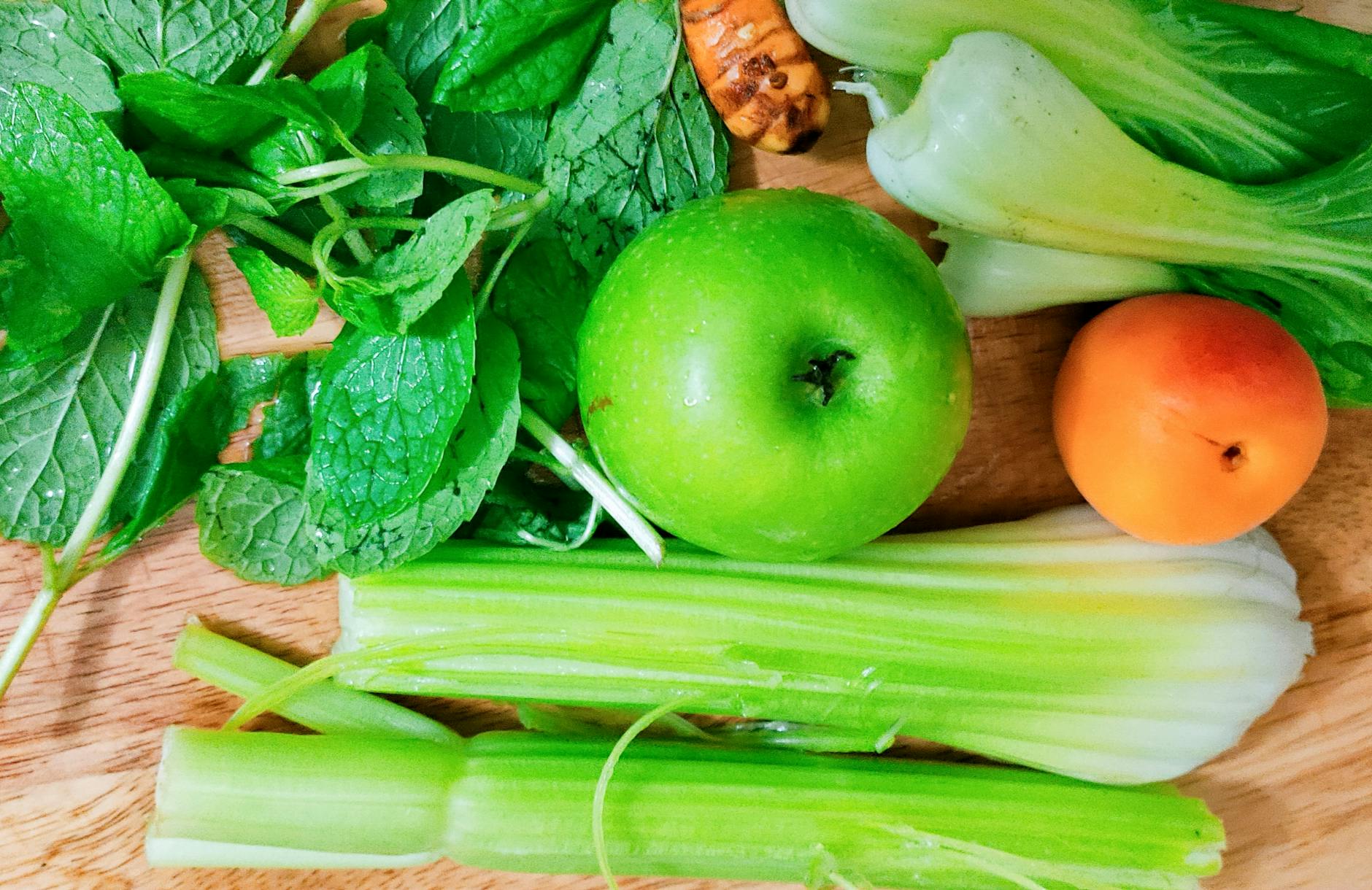
Polyphenols — the plant compounds responsible for the colour and bitterness of many fruits, vegetables, and beverages — have emerged as one of the most powerful natural promoters of gut bacteria weight loss research involving Akkermansia. Polyphenols are poorly absorbed in the small intestine, meaning they arrive largely intact in the large intestine, where they serve as fuel for beneficial microbes including Akkermansia. Key sources include:
- Pomegranate and pomegranate juice
- Cranberries and blueberries
- Green tea and black tea
- Dark chocolate (70%+ cacao)
- Red grapes and red wine (in moderation)
- Extra-virgin olive oil
- Walnuts and almonds
3. Consider Intermittent Fasting
Several studies have found that intermittent fasting protocols — particularly time-restricted eating windows — are associated with significant increases in Akkermansia abundance. The mechanism is not fully understood, but researchers believe that periods of fasting alter the gut environment in ways that favour mucin-loving bacteria. Even a 12-hour overnight fast may provide some benefit.
4. Exercise Regularly
Physical activity is one of the most robust predictors of microbiome diversity. Studies comparing athletes to sedentary individuals consistently find higher levels of Akkermansia among those who exercise. Both aerobic exercise (running, cycling, swimming) and resistance training appear to have positive effects, with at least 150 minutes of moderate-intensity exercise per week being the research-backed recommendation.
5. Manage Stress and Prioritise Sleep
The gut-brain axis is bidirectional: stress signals from the brain reach the gut and alter the microbial environment. Chronic psychological stress has been shown to reduce microbial diversity and specifically deplete Akkermansia. Sleep deprivation compounds this effect. Prioritising 7–9 hours of quality sleep and incorporating stress-reduction practices such as mindfulness, breathing exercises, or regular time outdoors can meaningfully support a healthier gut microbiome over time.
Polyphenol-Rich Foods That Support Akkermansia
Polyphenols deserve special attention given the strength of the evidence linking them to akkermansia benefits. A 2019 study found that pomegranate extract — one of the richest sources of ellagitannins, a class of polyphenol — led to a 47-fold increase in Akkermansia abundance in animal models. Human studies using cranberry extract and green tea polyphenols have also shown significant increases.
Here is a practical guide to the best dietary sources:

Did You Know?
Pomegranate polyphenols are not directly absorbed in the small intestine — instead, they reach the large intestine intact, where gut bacteria convert them into urolithins. These compounds have been shown to have powerful anti-inflammatory effects in their own right, and their production is closely linked to the presence of Akkermansia and other beneficial bacteria. Not everyone produces urolithins efficiently; this variability is thought to be one reason why some people respond more dramatically to pomegranate supplementation than others.
FAQ: Common Questions About Akkermansia Muciniphila
Key Takeaways
Akkermansia muciniphila is one of the most scientifically compelling bacteria in the human gut. Discovered only in 2004, it has rapidly become one of the most researched microbes in the field of metabolic health — and for good reason. Its consistent association with healthy body weight, better blood sugar regulation, a stronger gut barrier, and reduced inflammation makes it a standout example of how beneficial gut bacteria influence health far beyond the digestive system.
The research is still evolving, and large-scale human clinical trials are ongoing. But the direction of the evidence is clear: a gut environment that supports Akkermansia is a healthier one. The good news is that you don't need to wait for the science to fully mature to take action. Supporting this bacterium through diet and lifestyle — more polyphenol-rich foods, more fibre, regular exercise, adequate sleep, and reduced antibiotic use when possible — aligns perfectly with well-established principles of healthy living anyway.
Whether you are interested in gut bacteria weight loss research, improving metabolic health, or simply building a more resilient digestive system, understanding and supporting Akkermansia muciniphila is a smart place to start. As microbiome science continues to advance, this remarkable mucus-loving bacterium is likely to play an increasingly central role in how medicine approaches everything from obesity to autoimmune disease.