What Is EMS Microcurrent Therapy? How It Tones Facial Muscles Without Surgery
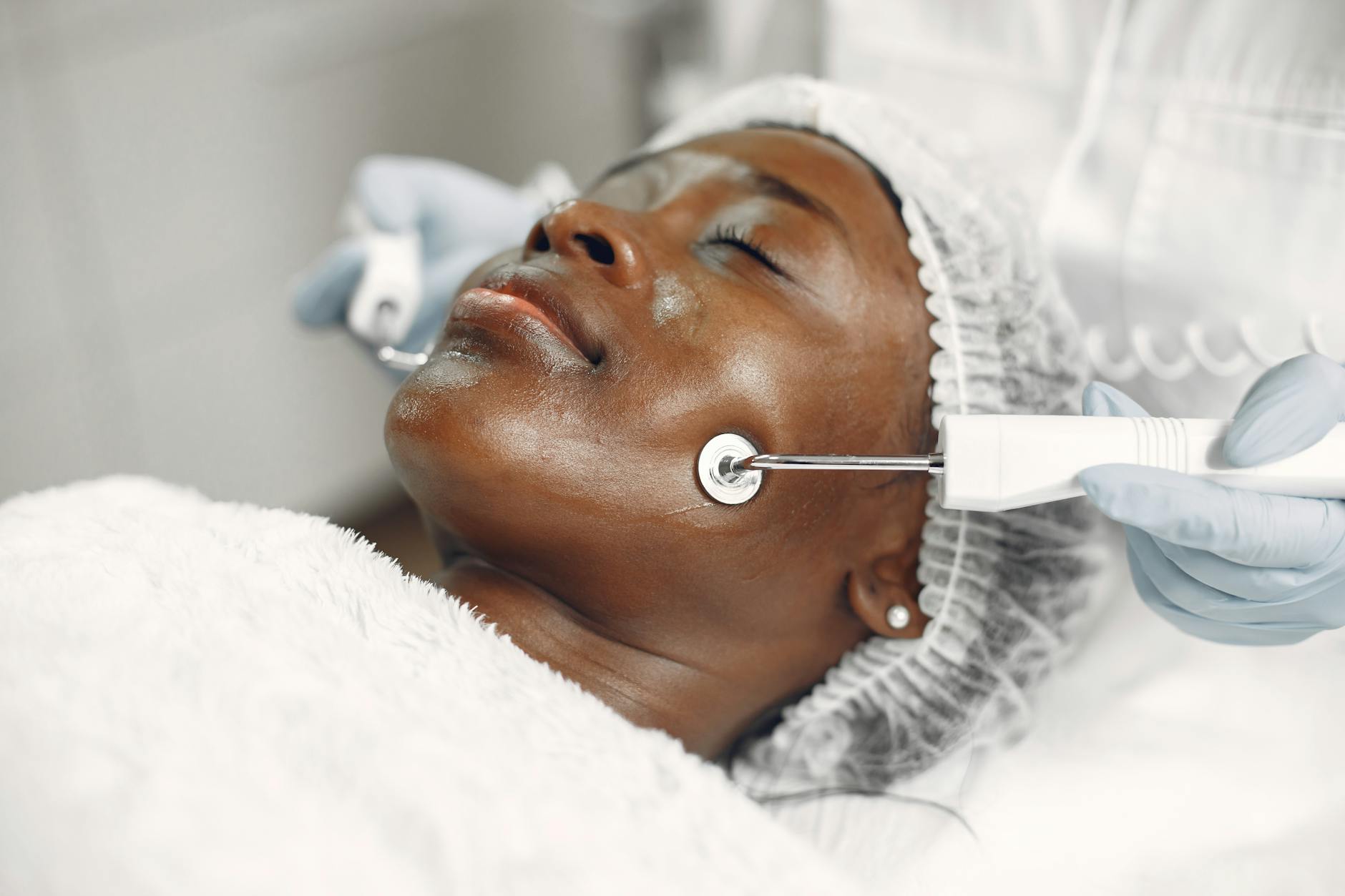
If you've been exploring non-surgical ways to keep your skin looking lifted and youthful, you've almost certainly come across EMS microcurrent facial therapy. Once a closely guarded secret of Hollywood aestheticians and elite spas, microcurrent technology has moved steadily into mainstream skincare — and for good reason. The science behind it is both fascinating and well-documented, with roots that go back decades before anyone thought of applying it to beauty.
But with so much marketing noise around the topic, it can be genuinely hard to separate fact from hype. This guide cuts through the confusion. Below, you'll find a plain-English breakdown of what EMS microcurrent facial therapy actually is, how the electrical impulses interact with your facial muscles and skin cells, where the technology came from, and what you can realistically expect from consistent use — whether in a professional clinic or at home.
What Is EMS Microcurrent Therapy?
EMS microcurrent facial therapy uses extremely low levels of electrical current — measured in microamperes, or millionths of an amp — to stimulate the muscles, nerves, and cells beneath the surface of the skin. The term "EMS" stands for electrical muscle stimulation, and "microcurrent" refers specifically to the intensity of the current used: so low that most people feel little to nothing during a session.
It's important to understand how this differs from stronger electrical treatments. TENS (transcutaneous electrical nerve stimulation) therapy, for instance, operates at milliampere levels — strong enough to cause visible muscle contractions and the tingling most people associate with electric muscle stimulators used in physiotherapy. Microcurrent, by contrast, works at a sub-sensory level. You're not forcing the muscle to contract dramatically. Instead, you're delivering a gentle signal that mimics the body's own bioelectrical currents, nudging cells and muscles to respond in specific ways.
This distinction matters because it defines what microcurrent can and can't do. It won't dramatically flex a muscle in a single session the way a stronger EMS device might. What it does is subtler and, according to the research, more cumulative: it re-trains muscle tone over time, boosts cellular energy production, and improves the structural environment in the skin itself.
The Science Behind Microcurrent: What's Actually Happening Under the Skin
Understanding how electrical muscle stimulation on the face works requires a brief detour into basic cell biology. Every living cell in your body operates on electrical signals. Your neurons fire them. Your heart muscle is coordinated by them. Even the fibroblasts in your skin — the cells responsible for producing collagen and elastin — are sensitive to bioelectrical fields. Microcurrent therapy exploits this sensitivity deliberately.
Re-Educating Facial Muscle Tone
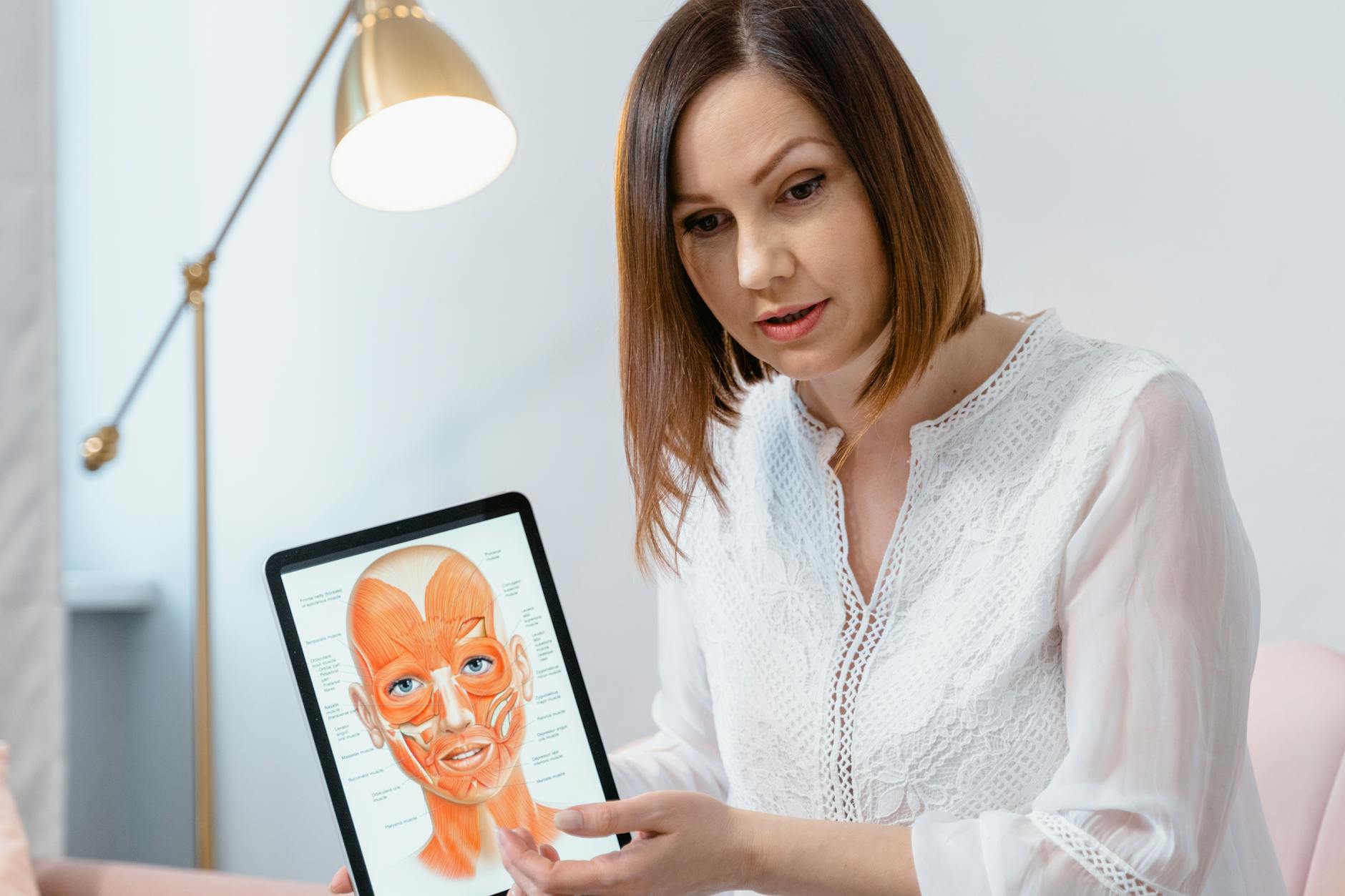
The face contains over 40 individual muscles, most of which attach directly to skin rather than bone (unlike the muscles in your limbs). This is what allows us to make complex expressions. It's also why these muscles are uniquely susceptible to postural habits and gravity over time.
As we age, some facial muscles become chronically shortened from habitual expressions — think the muscles around the eyes from squinting, or the downturned muscles around the mouth from frowning. Others become elongated and lose tone, contributing to sagging in the cheeks, jowls, and brow. Microcurrent therapy targets this imbalance by delivering signals that help re-educate muscle tone. In practical terms, this means repeatedly stimulating specific muscle groups in patterns that encourage them to return to a more lifted, toned position — similar in concept to how physical therapy rehabilitates a weakened limb muscle.
ATP Production: The Cellular Energy Boost
One of the most cited mechanisms in microcurrent research involves adenosine triphosphate, or ATP — the molecule that powers virtually every cellular function. A landmark study by researcher Ngok Cheng, published in the journal Clinical Orthopaedics and Related Research, demonstrated that electrical stimulation at the microcurrent level could increase ATP production in tissue by as much as 500%. Higher ATP levels mean cells have more energy to carry out their normal repair and maintenance functions, including the synthesis of collagen and elastin.
This is one reason why proponents of microcurrent argue it goes beyond surface-level toning. By restoring cellular energy, it may support the skin's ability to actually produce the structural proteins that keep it looking firm and smooth.
Circulation and Lymphatic Drainage
Microcurrent stimulation also has a well-documented effect on local circulation. The gentle electrical pulses encourage vasodilation — widening of the blood vessels — which increases the delivery of oxygen and nutrients to the treated tissue. Simultaneously, the treatment stimulates the lymphatic system, helping to clear metabolic waste products and reduce fluid retention in the face. This is why many people notice an immediate reduction in puffiness after a session, particularly around the eyes and jawline — a common and visible microcurrent facial benefit.
Collagen and Elastin Stimulation
Beyond ATP and circulation, microcurrent therapy appears to directly influence fibroblast activity. Fibroblasts are the skin cells responsible for manufacturing collagen and elastin. Studies on electrical stimulation have found that low-level current can upregulate gene expression in fibroblasts, essentially telling these cells to produce more of the proteins that give skin its structure and bounce. While the research is still developing, particularly for at-home devices, the clinical evidence from professional-grade equipment is encouraging enough that dermatologists have incorporated the technology into non-surgical treatment protocols.
The Clinical History of Microcurrent: From Physical Therapy to the Spa
Microcurrent therapy was not invented for skincare. Its origins lie firmly in rehabilitative medicine. In the 1970s and 1980s, physical therapists and sports medicine practitioners began using low-level electrical stimulation to accelerate the healing of soft tissue injuries, reduce inflammation, and rehabilitate weakened muscles in post-surgical patients. The technology proved effective enough that the FDA cleared specific microcurrent devices for use in physical therapy — a regulatory milestone that gave the field significant credibility.
The crossover into aesthetics happened gradually. Practitioners noticed that patients receiving microcurrent therapy to the neck and jaw for pain management reported improvements in skin tone and a subtle lifting effect in the treated area. By the late 1980s and through the 1990s, specialized aesthetic microcurrent devices began appearing in high-end spas and dermatology practices, initially in the United States and Europe.
Today, the FDA has cleared certain microcurrent facial devices as Class II medical devices for specific indications, including muscle relaxation and increased local circulation. The technology's long track record in clinical settings is one reason it is generally regarded as one of the more scientifically grounded non-surgical facial treatments available — distinct from many beauty trends that lack any peer-reviewed research behind them.
Microcurrent Facial Benefits: What You Can Realistically Expect
The benefits of microcurrent for the face that are most consistently reported in both clinical literature and consumer experience include the following:
- Lifting and firming of the brow: One of the most pronounced effects, often visible after even a single professional session, though cumulative results are longer-lasting.
- Improved jawline definition: By toning the platysma and masseter muscles, microcurrent can help sharpen the definition between the jaw and neck area.
- Cheek contouring: Stimulating the zygomaticus and buccinator muscles can produce a subtle lifting of the midface that gives cheeks a more sculpted appearance.
- Reduction of puffiness and facial swelling: Thanks to enhanced lymphatic drainage, particularly effective for morning facial swelling.
- Smoother skin texture: Over time, the boost to collagen and elastin production can contribute to a plumper, smoother skin surface.
- Reduced appearance of fine lines: By improving the underlying muscle tone and skin hydration through better circulation, fine lines can appear softened.
It is worth being clear about the realistic timeframe for these results. Single sessions produce noticeable but temporary improvements in lift and radiance — typically lasting a few days. A full course of treatment, usually defined as 10 to 15 professional sessions over five to eight weeks, is typically required before cumulative, lasting changes in muscle tone and skin texture become apparent. Maintenance sessions are then recommended monthly to sustain results.
Microcurrent vs. Botox vs. Fillers: An Honest Comparison
For anyone considering non-surgical facial rejuvenation, understanding where microcurrent fits relative to Botox and dermal fillers is genuinely useful. These are fundamentally different technologies with different mechanisms, risks, costs, and outcomes.
| Factor | Microcurrent / EMS | Botox | Dermal Fillers |
|---|---|---|---|
| Mechanism | Electrical stimulation of muscles and cells | Neurotoxin that temporarily paralyzes muscle | Injectable gel that adds volume |
| Invasiveness | Non-invasive, no needles | Injectable (needles required) | Injectable (needles required) |
| Duration of Results | Cumulative; maintained with regular use | 3–6 months per treatment | 6–18 months depending on filler type |
| Typical Cost (Professional) | $100–$300 per session | $300–$600+ per area | $600–$2,000+ per syringe |
| At-Home Option? | Yes — consumer devices widely available | No — clinic only | No — clinic only |
| Risk Profile | Low; minor temporary redness possible | Moderate; bruising, asymmetry, rare complications | Moderate–high; vascular occlusion risk |
| Muscle Effect | Tones and lifts via stimulation | Relaxes/freezes movement | No direct muscle effect |
| Downtime | None | Minimal (1–2 days bruising possible) | 1–7 days swelling/bruising possible |
The key takeaway from this comparison is that microcurrent and injectables are not really competing for the same outcome. Botox temporarily prevents muscle movement to reduce the appearance of dynamic wrinkles. Microcurrent does the opposite — it activates muscles to improve their tone and position. Fillers add structural volume. All three can be complementary when used appropriately, but they work via entirely different pathways.
What to Expect from a Microcurrent Session
Professional Clinic Treatment
A professional EMS microcurrent facial therapy session typically lasts between 60 and 90 minutes. The aesthetician or skincare therapist will cleanse the face and apply a conductive gel — usually water-based — which allows the current to pass efficiently into the tissue and prevents any discomfort from skin resistance. Two small probes or wands are then moved in specific patterns across the face, following the direction of the underlying muscle fibers.
You should feel very little, if anything — perhaps a faint metallic taste if the probes are used near the mouth, or a very subtle pulsing sensation on thinner skin around the eyes. There is no pain involved in a properly calibrated session. The treatment concludes with the application of a serum or moisturizer, taking advantage of the slightly increased absorption that follows the improved circulation.
Most clinics recommend an initial course of 10 to 15 treatments, ideally two to three times per week, to build foundational results. After this, monthly maintenance sessions are standard.
At-Home Devices
The accessibility of non-surgical face lift at home technology has expanded significantly in recent years. Consumer-grade microcurrent devices are now widely available and use the same fundamental technology as professional equipment, though typically at lower current levels and with simplified probe configurations to make self-application practical.
At-home sessions generally take 5 to 20 minutes, depending on the device and how many facial zones you treat. As with professional treatment, a conductive gel is required, and most reputable devices include or recommend one. Consistency is especially important with at-home devices: because the current output is lower than professional equipment, more frequent sessions — typically four to five times per week — are generally recommended to achieve comparable cumulative results.
Is EMS Microcurrent Therapy Safe? Side Effects to Know
For the vast majority of healthy adults, EMS microcurrent facial therapy has an excellent safety record. Because the current levels are so low — far below the threshold of nerve excitation — the treatment does not cause the muscle fatigue or post-treatment soreness sometimes associated with stronger electrical stimulation modalities.
Reported side effects are minimal and typically transient:
- Temporary skin redness: Usually resolves within 30 minutes of treatment, caused by the increased circulation.
- Mild tingling: Particularly around thinner skin areas like the eyes or lips, especially as you adjust to the sensation.
- Metallic taste: A benign effect occasionally reported when probes are used near the mouth; caused by electrical stimulation of taste receptors.
- Mild fatigue: Rarely reported; thought to be related to the lymphatic activity stimulated by treatment.
There are no documented serious adverse events from properly used consumer microcurrent devices in healthy individuals, making it one of the safer entries in the non-surgical aesthetics category.
Who Should — and Shouldn't — Use Microcurrent
Microcurrent therapy is suitable for a wide range of adults, but there are important contraindications that should be taken seriously:
Good Candidates
- Adults in their 30s and above noticing early signs of facial muscle laxity, sagging, or loss of definition
- Those seeking preventive maintenance of facial tone before significant aging becomes apparent
- People who want a non-invasive alternative to injectables for mild-to-moderate facial rejuvenation
- Individuals with busy schedules who prefer the flexibility of an at-home routine
- Those already using professional treatments who want to maintain results between clinic visits
Who Should Avoid Microcurrent
- People with pacemakers or other implanted electrical devices: Electrical stimulation can interfere with device function — this is an absolute contraindication.
- Those with epilepsy: Electrical stimulation to the face and neck should be avoided without explicit medical clearance.
- Pregnant women: Out of precaution, most device manufacturers and clinicians advise against use during pregnancy as effects on fetal development have not been studied.
- Active skin conditions in the treatment area: Including active acne breakouts, open wounds, rosacea flares, eczema, or psoriasis — wait for conditions to resolve before treating.
- Recent injectables (within 2 weeks): Microcurrent over freshly injected Botox or fillers may cause the product to migrate. Most clinicians advise a two-week wait.
- Metal implants in the face: Certain dental implants, metal plates, or surgical screws in the facial area may be affected by electrical stimulation — consult a physician first.
- Cancer (especially active): Electrical stimulation is generally contraindicated in areas of active malignancy or near tumor sites.
When in doubt, it's always worth a brief conversation with a dermatologist or your primary care physician before beginning any new electrical stimulation treatment.
Key Takeaways
EMS microcurrent facial therapy is one of the most scientifically grounded non-invasive approaches to facial rejuvenation available today. Its clinical history in physical therapy, the documented mechanisms around ATP production, muscle re-education, and collagen stimulation, and its FDA-cleared status for certain devices all distinguish it from treatments built purely on marketing.
What it is not is an overnight fix or a surgical substitute. The results from microcurrent are real and measurable, but they are cumulative and require consistency to achieve and maintain. For someone looking for immediate dramatic change, injectables will deliver faster visible results. For someone interested in a non-surgical face lift at home that works with the body's own physiology, improves the underlying condition of facial tissue over time, and carries minimal risk — microcurrent is a genuinely compelling option backed by decades of clinical use.
The growing accessibility of consumer-grade devices has opened this technology to a far broader audience than ever before. As with any skincare investment, the most important factors are realistic expectations, consistent use, and confirming you don't fall into one of the contraindicated groups above. With those boxes checked, microcurrent therapy offers a meaningful, evidence-based tool in the non-surgical skincare toolkit.