What Is the Latest Tech Gadget Everyone Is Talking About in 2026?

If you have paid any attention to tech headlines in the past few months, you already know that latest tech gadgets are arriving faster than most people can keep up with. From AI assistants that anticipate your schedule before you even wake up, to wearables that track biomarkers with medical-grade accuracy, 2026 has delivered a wave of innovation that genuinely feels different from the incremental updates of years past. This guide breaks down the hottest gadget categories right now — what they do, why people are excited about them, and whether the hype is deserved.
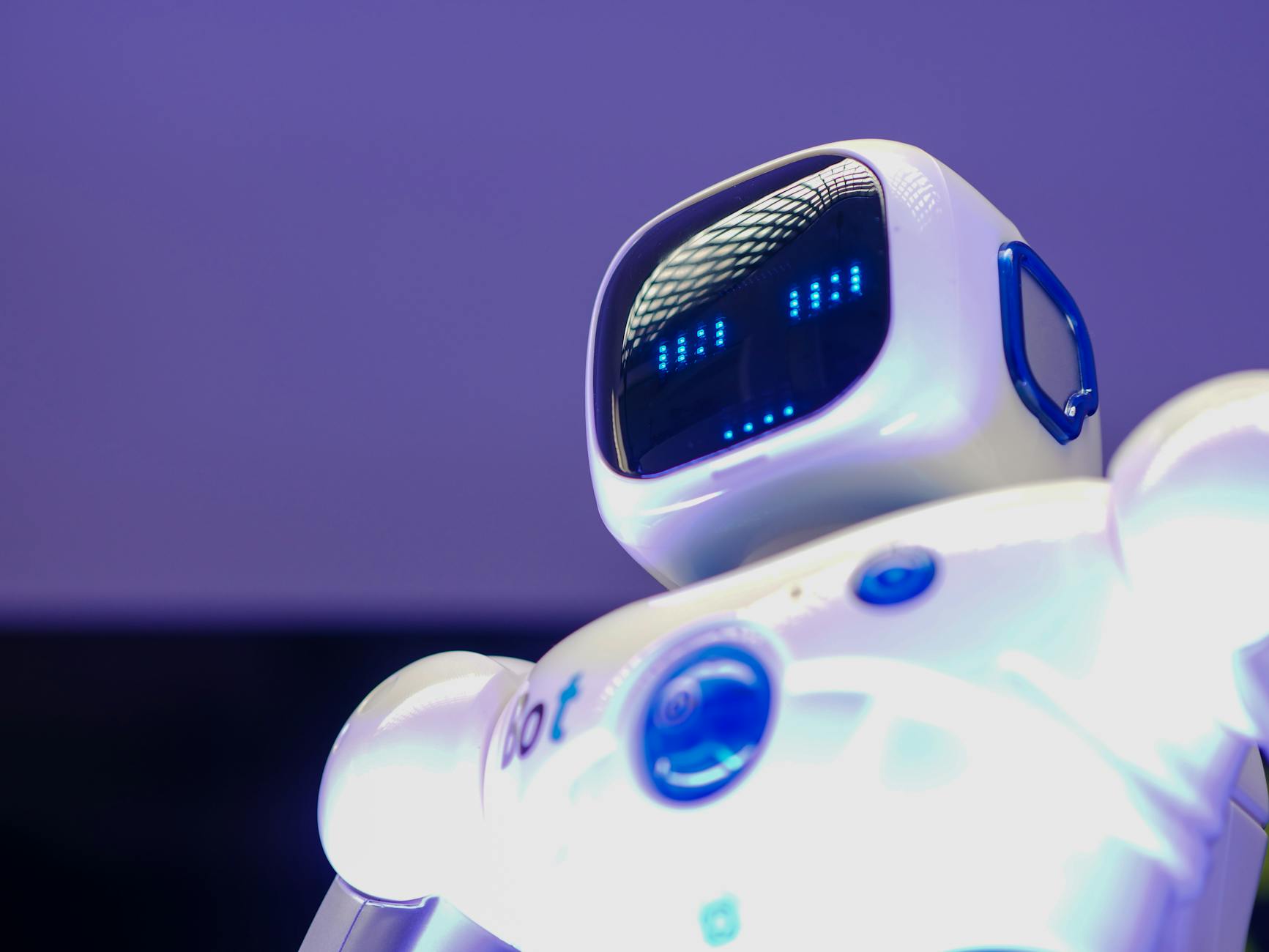
1. AI-Powered Personal Assistants — Now Actually Useful
For years, voice assistants were a party trick: ask them to set a timer or play a song and they performed reasonably well. Ask them anything more nuanced and they fell apart. That era is effectively over. The new tech gadgets 2026 has produced include a generation of AI assistants — both software-based and embedded in dedicated hardware — that can hold multi-turn conversations, remember context across days, and complete genuine tasks like drafting emails, managing calendars, and summarizing documents.
Dedicated AI hardware devices (small, always-on ambient computers that sit on your desk or clip to your clothing) are among the most-discussed cool tech gadgets this year. Unlike a smartphone, these devices are purpose-built for conversational AI interaction, with far-field microphones, local processing chips, and lean operating systems that keep response latency under a second. Early reviews from productivity writers suggest that people who integrate these into daily workflows genuinely save one to two hours per day.
What to watch for: battery life and privacy. Many of these devices offer on-device processing to avoid cloud dependency, which is a meaningful differentiator worth looking for when evaluating options.
2. Advanced Wearables — Beyond Step Counting
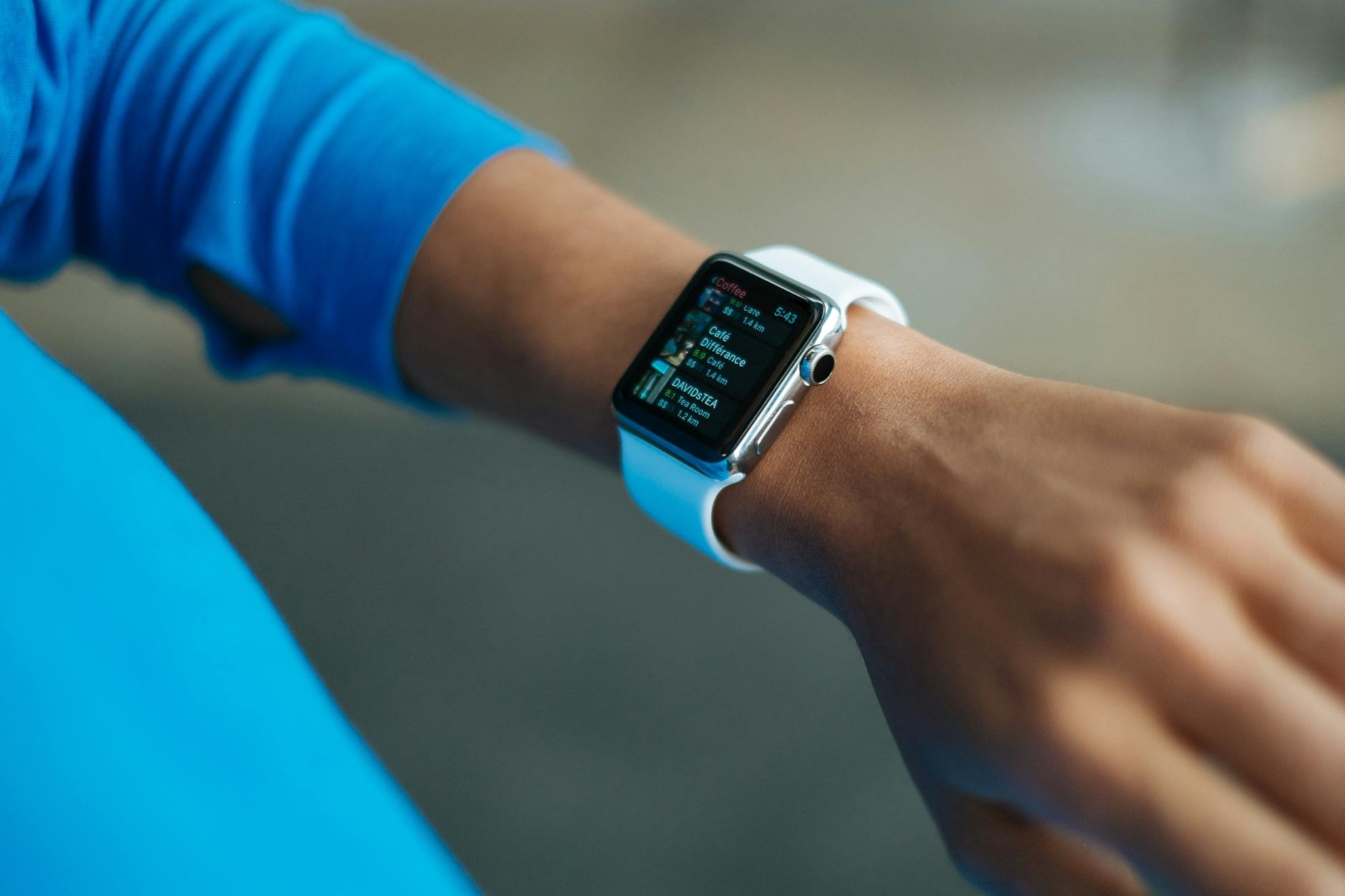
Wearable technology is arguably the category with the most dramatic year-over-year improvement. The top tech gadgets 2026 has introduced in the wearables space include smartwatches and rings capable of continuous glucose monitoring without a finger-prick, real-time stress scoring based on heart rate variability, and sleep staging analysis that rivals clinical polysomnography for accuracy.
Smart rings in particular have exploded in popularity. Smaller and more discreet than a watch, they collect biometric data around the clock without the bulk. Several new models released in early 2026 offer seven-day battery life and skin-temperature sensing accurate enough to detect early signs of illness one to two days before symptoms appear — something that resonated strongly with people who lived through pandemic-era health anxiety.
Beyond health, the latest wearable platforms are also functioning as payments devices, access credentials, and even two-factor authentication tokens. Wearing your wallet on your wrist — literally — is becoming mainstream rather than novelty.
Key specs to compare when shopping for wearables:
- Sensor accuracy and whether the manufacturer publishes independent clinical validation
- Battery life (rings generally outperform watches here)
- Data ownership — does the company sell your health data to third parties?
- Compatibility with your existing smartphone ecosystem
- Water resistance rating (look for at least 5ATM for swimming)
3. Smart Home Devices — The Ecosystem Finally Clicked
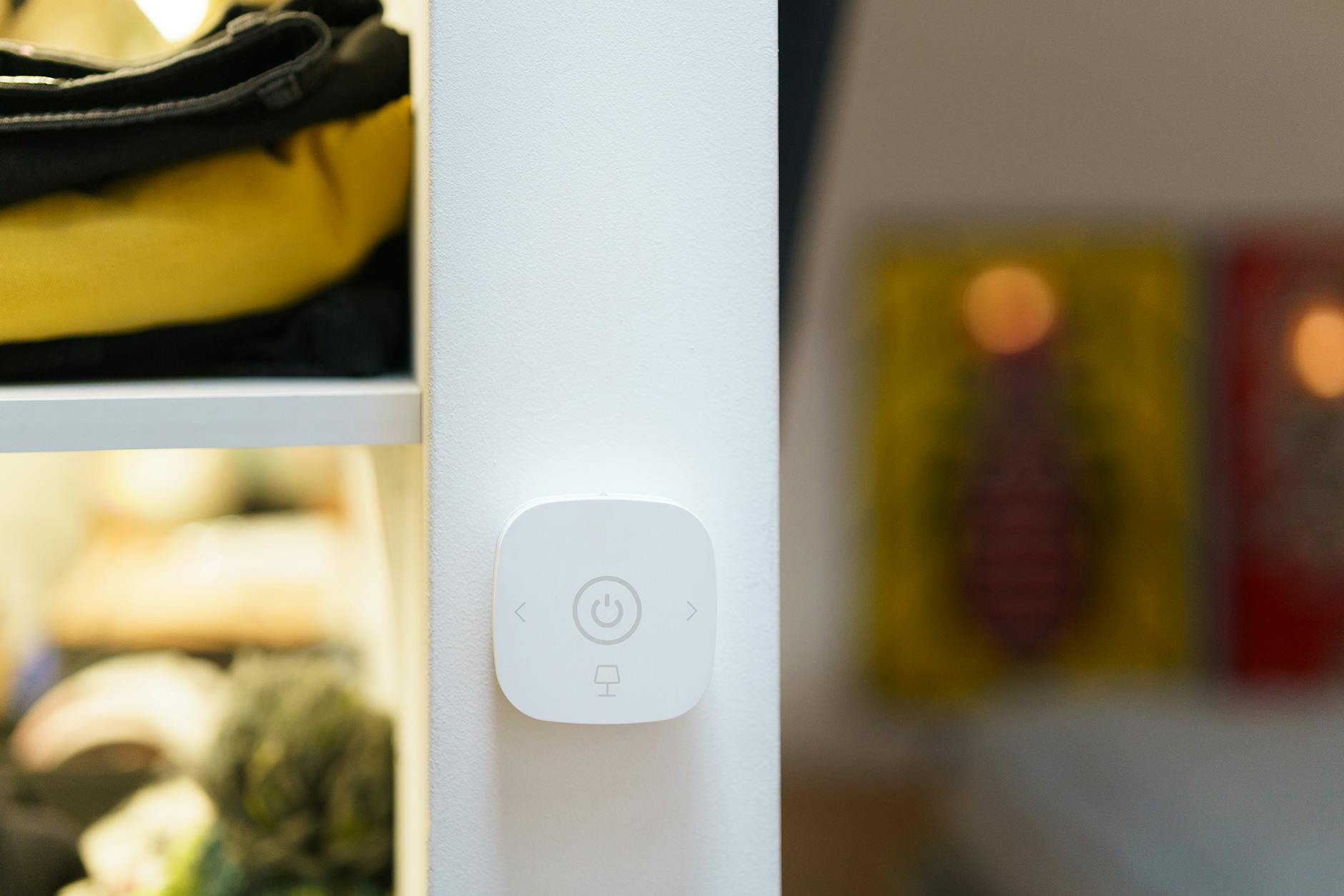
For the better part of a decade, smart home technology promised a seamlessly connected living space and delivered a frustrating patchwork of incompatible apps and proprietary protocols. That changed decisively in 2024 and 2025 with the broad adoption of the Matter standard, and in 2026 the benefits are fully visible. Must-have gadgets 2026 in the smart home category include devices that communicate fluently across brands without a dedicated bridge or hub.
The gadgets generating the most buzz right now include:
- AI-native smart displays — touchscreen hubs that serve as the central control point for your home, now with on-device AI that learns your routines and adjusts lighting, temperature, and security settings automatically.
- Thread-enabled sensors — ultra-low-power motion, door, and leak detectors that run for years on a single coin battery and communicate via mesh networking for rock-solid reliability.
- Robotic vacuum/mop hybrids with AI obstacle avoidance — the newest models use stereo vision cameras and edge AI to identify and navigate around 100+ object types, including charging cables and pet toys, without needing cloud processing.
- Smart energy monitors — whole-home devices that clip onto your breaker panel and give you appliance-level energy breakdowns, increasingly important as electricity prices have risen and EV charging at home becomes more common.
4. Next-Generation Earbuds and Spatial Audio Gear
Audio tech is one of the quieter (no pun intended) categories among the latest tech gadgets, but the advances in 2026 are genuinely striking. True wireless earbuds now offer adaptive active noise cancellation that adjusts in real time based on the acoustic environment — not just toggling between "on" and "off" profiles. Conversation awareness modes have also become sophisticated enough to detect not just speech near the wearer, but directional audio cues, so the earbuds can lower music only for the person speaking directly to you.
Spatial audio has migrated from headphones into speakers, creating compact bookshelf units that map your room and beam sound in a three-dimensional field without requiring a multi-speaker surround setup. For apartment dwellers and renters who cannot install a proper home theater, these are a significant quality-of-life upgrade.
On the health crossover side, several earbud manufacturers have embedded hearing health features — continuous monitoring of exposure levels, audiologist-designed equalization for people with mild high-frequency hearing loss, and even real-time translation in over 40 languages handled on-device rather than via a cloud server.
5. Personal Security and Identity Protection Tools
Security gadgets have become some of the most-searched cool tech gadgets of 2026, driven partly by high-profile data breaches and partly by increasing awareness of physical identity theft. This category spans both digital and physical dimensions.
On the digital side, hardware security keys have gone mainstream. These small USB or NFC devices provide a physical second factor for authentication that cannot be phished — even if a hacker has your password and your phone number, they cannot log into your accounts without the physical key. Major tech platforms now support them natively, and their adoption has accelerated among people who were burned by SIM-swap attacks.
On the physical side, RFID-blocking accessories have moved from niche to mainstream. Modern contactless credit cards and passports transmit data using radio frequency, and while true "drive-by" skimming attacks require close proximity, awareness of the vulnerability has driven significant consumer interest in wallets, cardholders, and passport sleeves that block unauthorized scans. These are simple, passive devices — no battery required — but they represent a meaningful category of everyday carry security gear that more people are adding to their routines.
Home security has also seen notable new tech gadgets 2026 arrivals: doorbell cameras with on-device facial recognition that never sends footage to the cloud, motion detectors that distinguish between humans, animals, and vehicles with enough accuracy to nearly eliminate false alerts, and smart locks that use UWB (ultra-wideband) radio to detect your phone's precise location and unlock the door as you approach — not just when you are standing in front of it.
6. Portable Power and Sustainable Energy Gadgets
Energy independence — at both the household and personal level — is a theme running through many of the top tech gadgets 2026. Solar-integrated portable chargers have improved substantially: bifacial solar panels on slim, foldable units now convert enough energy in two hours of direct sunlight to fully charge a smartphone, making them practical for outdoor use rather than just emergency backup.
Portable power stations (essentially large battery packs with AC outlets and USB-C Power Delivery) have come down dramatically in price while capacity has gone up. The most compelling models now integrate bidirectional EV charging — you can use your electric vehicle's battery as a home backup power source, or charge the portable station from your car on a road trip. This vehicle-to-load (V2L) functionality, once limited to expensive whole-home systems, is now available in consumer devices under $500.
On the micro scale, graphene-based battery technology is beginning to appear in consumer products, promising charge times of under 15 minutes for smartphone-sized batteries. Early products are expensive and limited in availability, but the technology is real and scaling.
7. AR Glasses and Mixed Reality Devices
Augmented reality glasses have been "almost ready" for nearly a decade. In 2026, the category has meaningfully matured — though it is still not fully mainstream. The latest devices are light enough to wear all day (under 60 grams for the leading models), offer daylight-readable displays, and integrate with AI assistants to overlay contextual information on the world in front of you — think turn-by-turn navigation in your field of view, live translation of foreign-language signs, or object identification in a hardware store.
The use cases generating the most genuine enthusiasm are practical and grounded: surgeons using AR overlays during procedures, field technicians seeing repair diagrams superimposed on machinery, and travelers navigating unfamiliar cities without looking down at a phone. Consumer adoption is still early, but the form factor and battery life improvements of the past 18 months have been substantial enough that industry analysts now expect AR glasses to become a mainstream accessory category by 2027 or 2028.
8. AI-Integrated Cameras and Imaging Devices
Photography and videography hardware has been transformed by on-device AI processing. The must-have gadgets 2026 in this category include action cameras with real-time subject tracking so smooth it was previously only achievable with professional camera operators, and 360-degree cameras that use AI to automatically reframe footage into standard aspect ratios in post-production.
Perhaps the most interesting development is the emergence of AI-powered webcams and video conferencing hardware designed specifically for hybrid work. These devices use depth sensors and AI to separate the speaker from the background with more accuracy than software-based background blur, adjust lighting in real time based on environmental conditions, and even apply subtle sharpening to compensate for poor ambient lighting — all without requiring a powerful computer to do the processing.
For content creators, AI upscaling now allows footage shot at 1080p to be intelligently enlarged to 4K or even 8K with realistic detail reconstruction rather than simple interpolation. This has democratized high-resolution content creation for people who cannot afford or do not want to carry professional cinema cameras.
9. Health and Wellness Monitoring Devices
Beyond the wearables category covered earlier, a growing segment of cool tech gadgets focuses on at-home clinical-grade health monitoring. These are not fitness trackers — they are devices positioning themselves as legitimate medical tools, and several have received regulatory clearance in the US and EU.
Blood pressure monitors that use optical sensing rather than an inflatable cuff are among the most anticipated. Several manufacturers have achieved the necessary accuracy for this approach after years of development. Similarly, portable ECG devices that snap onto a smartphone have become more affordable and more accurate, with some now capable of detecting atrial fibrillation, irregular rhythms, and even early indicators of certain cardiovascular conditions.
Sleep tech is another growing area: mattress sensor pads that measure sleep stages, breathing rate, and even detect signs of sleep apnea without a wearable on the body have gained significant traction. For people who find wristbands or rings uncomfortable during sleep, these passive sensor approaches represent a meaningful alternative.
10. Productivity and Focus Hardware
A somewhat counterintuitive trend among new tech gadgets 2026 is the rise of hardware specifically designed to reduce your dependency on other hardware. Distraction-free writing devices — e-ink-screened keyboards with no internet browser, no notification system, and no app store — have found an enthusiastic niche among writers, students, and knowledge workers who find conventional laptops too tempting as entertainment platforms.
Mechanical keyboards with customizable per-key AI macros are another productivity-focused category gaining traction. These allow users to assign complex, multi-step AI-assisted tasks to a single keystroke — summarizing a document, reformatting a spreadsheet, or generating a first draft from bullet notes — reducing the friction of integrating AI tools into existing workflows.
Ergonomic desk accessories have also evolved significantly. Smart standing desk converters now track sitting and standing time, nudge you to change position based on your historical fatigue patterns, and sync with wearable data to time position changes for when your focus is naturally waning.
Key Takeaways
The defining theme across all ten of these categories is the same: intelligence at the edge. The most compelling latest tech gadgets of 2026 are not simply connected to the cloud — they are doing meaningful computation locally, which makes them faster, more private, and more reliable. Whether you are considering a health wearable, a smart home upgrade, an AI assistant device, or a personal security tool, the key questions to ask are the same: Does it process data on-device? Who owns your data? Does it work when the internet is down? And does it solve a real problem you actually have, rather than one a marketing team invented?
The gadget market has never moved faster than it is moving right now. The good news is that the underlying quality — accuracy of sensors, intelligence of algorithms, battery life of portable devices — has finally caught up with the ambition of the product pitches. For anyone who has been waiting for technology to genuinely earn a place in their daily life, 2026 is a strong year to start paying attention.
Quick Reference: 2026 Gadget Categories at a Glance
- AI Personal Assistants — Ambient hardware that handles tasks, not just queries
- Advanced Wearables — Smart rings and watches with clinical-grade biosensing
- Smart Home (Matter-enabled) — Cross-brand compatibility finally works
- Next-Gen Earbuds — Adaptive ANC, spatial audio, hearing health features
- Security & Identity Tools — Hardware keys, RFID protection, UWB smart locks
- Portable Power — Solar chargers, V2L-capable power stations, graphene batteries
- AR Glasses — Lightweight, daylight-readable, AI-connected overlays
- AI Cameras — On-device tracking, AI upscaling, conferencing-optimized hardware
- Home Health Monitors — Cuffless BP, ECG phones, passive sleep sensors
- Focus & Productivity Hardware — Distraction-free devices, smart desks, AI keyboards