What Is the Vagus Nerve and Why Does Everyone Suddenly Care About It?
You've seen it on TikTok, in wellness newsletters, and splashed across health podcasts: the vagus nerve. Influencers are humming to activate it, researchers are publishing studies on it, and a growing number of clinicians are using it as a treatment target. But if you're not a neuroscientist, you could be forgiven for wondering: what is the vagus nerve, why does it matter, and is this just another wellness trend that will quietly disappear in six months?
The short answer is: no, this one isn't going away. The vagus nerve has been studied seriously for well over a century, and the recent surge of public interest is actually tracking a real surge in scientific research. This guide will walk you through what the vagus nerve is, what it does, why its tone matters for your stress response and gut health, and why it became the unlikely focal point of modern wellness culture.
The Anatomy: What Exactly Is the Vagus Nerve?
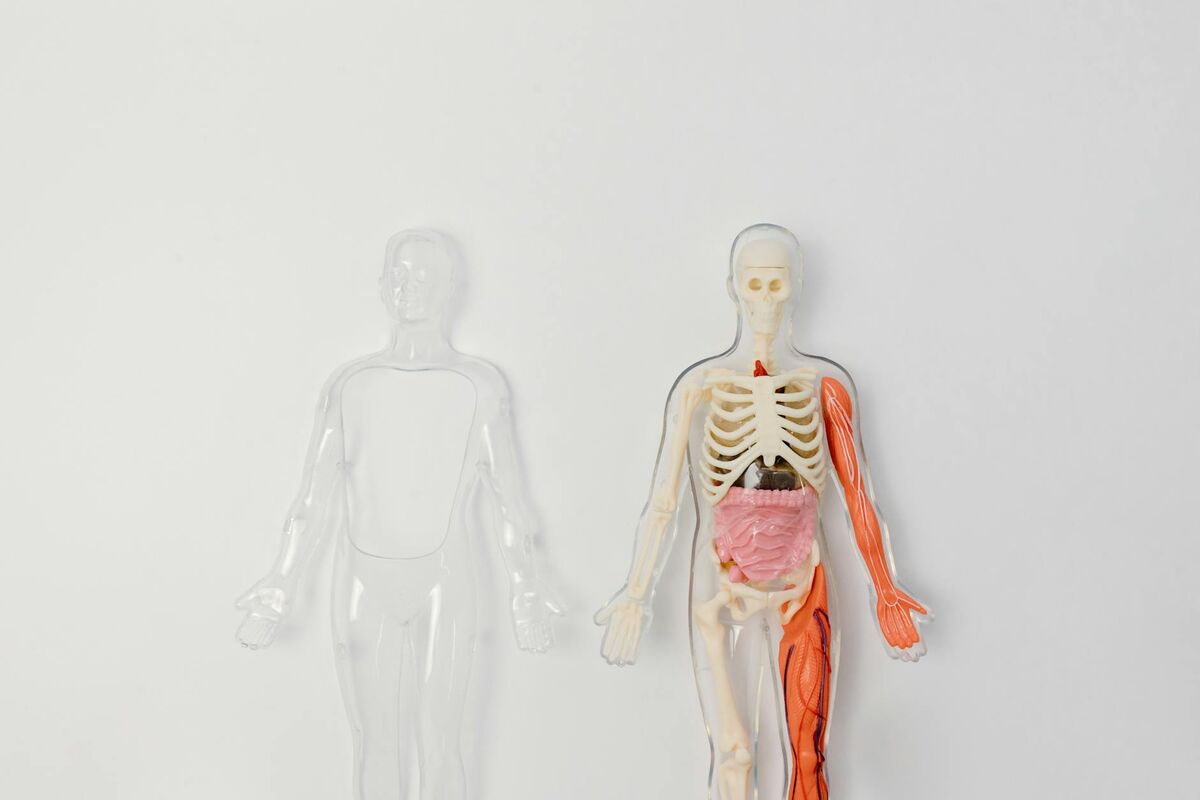
The vagus nerve is the tenth and longest of the twelve cranial nerves — paired bundles of nerve fibers that connect the brain directly to the body without traveling through the spinal cord. While most cranial nerves serve the face and head, the vagus nerve is a true wanderer. The word "vagus" comes from the Latin for wandering, and the name fits perfectly. Starting at the brainstem, each vagus nerve (there is one on each side of the body) threads down through the neck, into the chest, and all the way into the abdomen.
Along the way, it makes stops at — and exchanges signals with — the heart, the lungs, the esophagus, the stomach, the liver, the spleen, the kidneys, and most of the intestinal tract. This single nerve communicates with nearly every major organ you have. That breadth of connection is precisely why researchers and clinicians have become so fascinated with it.
Crucially, the vagus nerve is not a one-way street. Approximately 80 percent of its fibers are afferent, meaning they carry information up to the brain rather than down from it. Your gut, heart, and lungs are constantly sending sensory data to the brain via the vagus nerve — data about fullness, heart rhythm, breathing depth, inflammation levels, and much more. The brain processes all of this and sends instructions back down. This constant two-way conversation is at the heart of why the vagus nerve touches so many aspects of health.
The Parasympathetic Nervous System: "Rest and Digest" Explained
To understand the vagus nerve's role in stress and anxiety, you first need a quick map of the autonomic nervous system — the part of your nervous system that operates below conscious awareness, regulating heartbeat, digestion, breathing, and immune response.
The autonomic nervous system has two primary branches. The sympathetic nervous system is the accelerator: it drives the classic fight-or-flight response, releasing adrenaline, increasing heart rate, diverting blood to muscles, and suppressing digestion. This response evolved to help you outrun a predator. It is brilliant in emergencies and genuinely damaging when it runs chronically in the background of modern life.
The parasympathetic nervous system is the brake. It is responsible for "rest and digest" — slowing the heart rate, stimulating digestion, reducing inflammation, and restoring the body to a calm, regulated state after a stressor has passed. The vagus nerve is the single most important conduit of the parasympathetic nervous system. It carries roughly 75 percent of all parasympathetic nerve fibers in the body. When people talk about "activating the vagus nerve," they are really talking about shifting the body's balance from sympathetic overdrive into parasympathetic calm.

What Is Vagal Tone and Why Should You Care?
Vagal tone refers to the baseline level of activity in the vagus nerve — essentially, how well your parasympathetic brake is functioning at rest. High vagal tone means the nerve is active, responsive, and doing its job of regulating the body efficiently. Low vagal tone means the brake is sluggish: the body takes longer to calm down after stress, inflammation stays elevated, and the heart rate is less responsive to changing conditions.
Scientists measure vagal tone indirectly through a metric called heart rate variability (HRV). A healthy heart does not beat like a metronome — it speeds up slightly on the inhale and slows down on the exhale. The size of that variation is driven largely by the vagus nerve, and a wider variation (higher HRV) is associated with better vagal tone. Higher HRV has been linked in research to lower rates of cardiovascular disease, better emotional regulation, reduced anxiety, stronger immune function, and even improved cognitive performance.
Low vagal tone, by contrast, shows up repeatedly as a feature of several common conditions: depression, anxiety disorders, inflammatory bowel disease, type 2 diabetes, heart disease, and post-traumatic stress disorder. That list is not a coincidence — it is a reflection of how central vagus nerve function is to whole-body regulation. When the brake fails, a lot of systems suffer simultaneously.
The Gut-Brain Axis: Your Second Brain's Phone Line
One of the most striking pieces of vagus nerve science involves the gut. The enteric nervous system — the network of roughly 500 million neurons embedded in the lining of the gastrointestinal tract — is sometimes called the "second brain." It can function independently of the central nervous system, but it maintains constant communication with the actual brain primarily through the vagus nerve.
This gut-brain axis is bidirectional. Emotional stress can trigger nausea, cramping, and changes in bowel habits because the brain sends distress signals down the vagus to the gut. Equally, gut disturbances — inflammation, dysbiosis, or infection — can send distress signals upward and influence mood, cognition, and anxiety levels. This is why researchers studying vagus nerve and anxiety have become increasingly interested in the microbiome: the trillions of bacteria living in the gut may be influencing brain states partly through vagal signaling.
Studies have shown that germ-free mice (raised without any gut bacteria) show abnormally high stress responses — and that transplanting certain bacterial strains can reduce that anxiety, but only if the vagus nerve is intact. Cut the vagus nerve, and the bacteria no longer have a communication channel to the brain. This line of research is still young, but it suggests that supporting vagal tone may be one mechanism through which lifestyle choices — diet, probiotics, sleep — affect mental health.

The Vagus Nerve and Anxiety: What the Research Shows
The relationship between the vagus nerve and anxiety is one of the most clinically significant areas of current research. In a healthy stress response, a threat is perceived, the sympathetic system fires, and then — once the danger passes — the vagus nerve activates to bring the system back to baseline. In anxiety disorders, this recovery phase is impaired. The parasympathetic brake either activates too slowly, too weakly, or not at all, leaving the person stuck in a prolonged state of physiological alarm.
This is more than a psychological experience. It is measurable in the body: elevated resting heart rate, shallow breathing, increased cortisol and inflammatory markers, and reduced HRV. People with chronic anxiety often show chronically low vagal tone, which creates a vicious cycle — the anxiety suppresses vagal activity, which makes it harder for the body to self-regulate, which feeds more anxiety.
Interventions that improve vagal tone have shown measurable effects on anxiety symptoms in clinical settings. Deep, slow breathing — particularly extending the exhale — has perhaps the strongest evidence base. When you breathe out slowly, the vagus nerve slows the heart rate, HRV improves, and the parasympathetic nervous system gets a direct workout. Decades of research on mindfulness meditation show similar effects, partly through the same vagal pathway. Cold water exposure, humming, singing, and gargling have all shown modest but real evidence of vagal activation, likely because the vagus nerve innervates the muscles and mucous membranes of the throat and larynx.
More recently, researchers have explored transcutaneous vagus nerve stimulation — electrical stimulation delivered to the ear or neck, where branches of the vagus nerve run close to the surface of the skin. This approach emerged from decades of implanted vagus nerve stimulation, which has been an FDA-approved treatment for epilepsy since 1997 and for treatment-resistant depression since 2005. The non-invasive versions are newer, but a growing body of trials has found effects on mood, inflammatory markers, and HRV in healthy subjects as well as clinical populations.
Why Did the Vagus Nerve Become a Wellness Focal Point?
If the vagus nerve has been studied for over a century, why did it explode into mainstream health culture only recently? Several converging trends explain the timing.
First, the fight or flight response has become one of the defining problems of modern life. Chronic stress from work, technology, financial pressure, and social media has produced a population where low-grade sympathetic activation is nearly universal. People are searching for biological explanations for why they feel perpetually wired and tired — and the vagus nerve offers a satisfyingly concrete answer.
Second, the gut-brain axis research went mainstream. Books and popular science coverage of the microbiome, leaky gut, and the enteric nervous system made millions of people aware that the gut and brain talk to each other. The vagus nerve is the cable that carries that conversation, and once people understood that, interest in vagal health followed naturally.
Third, wearable technology made vagal tone measurable. Heart rate variability tracking became a feature of consumer fitness devices — Garmin watches, Oura rings, Apple Watch, Whoop bands — putting a live readout of something that approximates vagal tone on millions of wrists. When people can see a number go up or down, they become motivated to try things that move it.
Fourth, the science genuinely accelerated. The number of peer-reviewed publications mentioning the vagus nerve has roughly doubled in the past decade, with new findings connecting it to inflammation, autoimmunity, obesity, PTSD, and even Alzheimer's disease. Mainstream health media followed the research, and social media amplified what mainstream media published.
What Can Genuinely Influence Vagal Tone?
Before closing, it is worth being honest about what the evidence does and does not support. Vagal tone is real, measurable, and medically meaningful. But that does not mean every product or practice claiming to "activate your vagus nerve" has solid evidence behind it. Here is what does have a reasonable evidence base:
Slow, diaphragmatic breathing is the most accessible and well-validated method. Aim for about five to six breaths per minute, with an extended exhale (try inhaling for four counts and exhaling for six to eight). This directly stimulates the vagal brake on the heart and improves HRV within minutes. Practiced regularly, it can produce lasting improvements in baseline vagal tone.
Regular aerobic exercise consistently improves HRV over time and is one of the most powerful tools available for building vagal tone. The mechanism involves both direct cardiovascular adaptation and downstream effects on inflammatory signaling, to which the vagus nerve is central.
Cold water exposure — face immersion in cold water, cold showers, or outdoor swimming — activates the diving reflex, which drives a rapid parasympathetic response mediated in part by the vagus. The evidence is modest but consistent.
Meditation and mindfulness show improved HRV and reduced anxiety in numerous trials. The effects are likely partly vagal and partly mediated by other regulatory systems, but the result is similar: better parasympathetic regulation.
Social connection and laughter may sound like soft wellness advice, but there is good physiological data showing that positive social interaction improves HRV, and that isolation suppresses it. The vagus nerve appears to be involved in social engagement — a concept called polyvagal theory, proposed by researcher Stephen Porges — though this framework remains more debated among researchers than its enthusiastic adoption in therapy culture might suggest.
Transcutaneous vagus nerve stimulation through devices applied to the ear or neck is an emerging and increasingly researched method, moving from clinical settings into consumer products. The evidence base is younger than for the behavioral approaches above, but the mechanistic rationale is clear and trials are ongoing.
Key Takeaways
The vagus nerve is not a wellness trend — it is a fundamental piece of human physiology that science has been quietly (and more recently, loudly) studying for decades. It is the primary highway of the parasympathetic nervous system, the master conductor of the gut-brain axis, and one of the most important regulators of inflammation, heart rate, and emotional state in the body.
Vagal tone — the baseline activity level of this nerve — turns out to be a surprisingly useful proxy for overall physiological resilience. High vagal tone is associated with better stress recovery, lower inflammation, improved mood, and reduced anxiety. Low vagal tone threads through many of the most common modern health complaints.
The good news is that vagal tone is not fixed. It responds to behavior: to how you breathe, how you move, how you sleep, how you connect with others, and — as the research continues to expand — to a growing range of technological and clinical interventions. Understanding the vagus nerve is, at its core, understanding one of the body's most powerful self-regulation systems. And the more clearly you understand it, the better equipped you are to work with it rather than against it.