What Teeth Whitening Ingredients Actually Do to Your Enamel (And Which Are Safe)
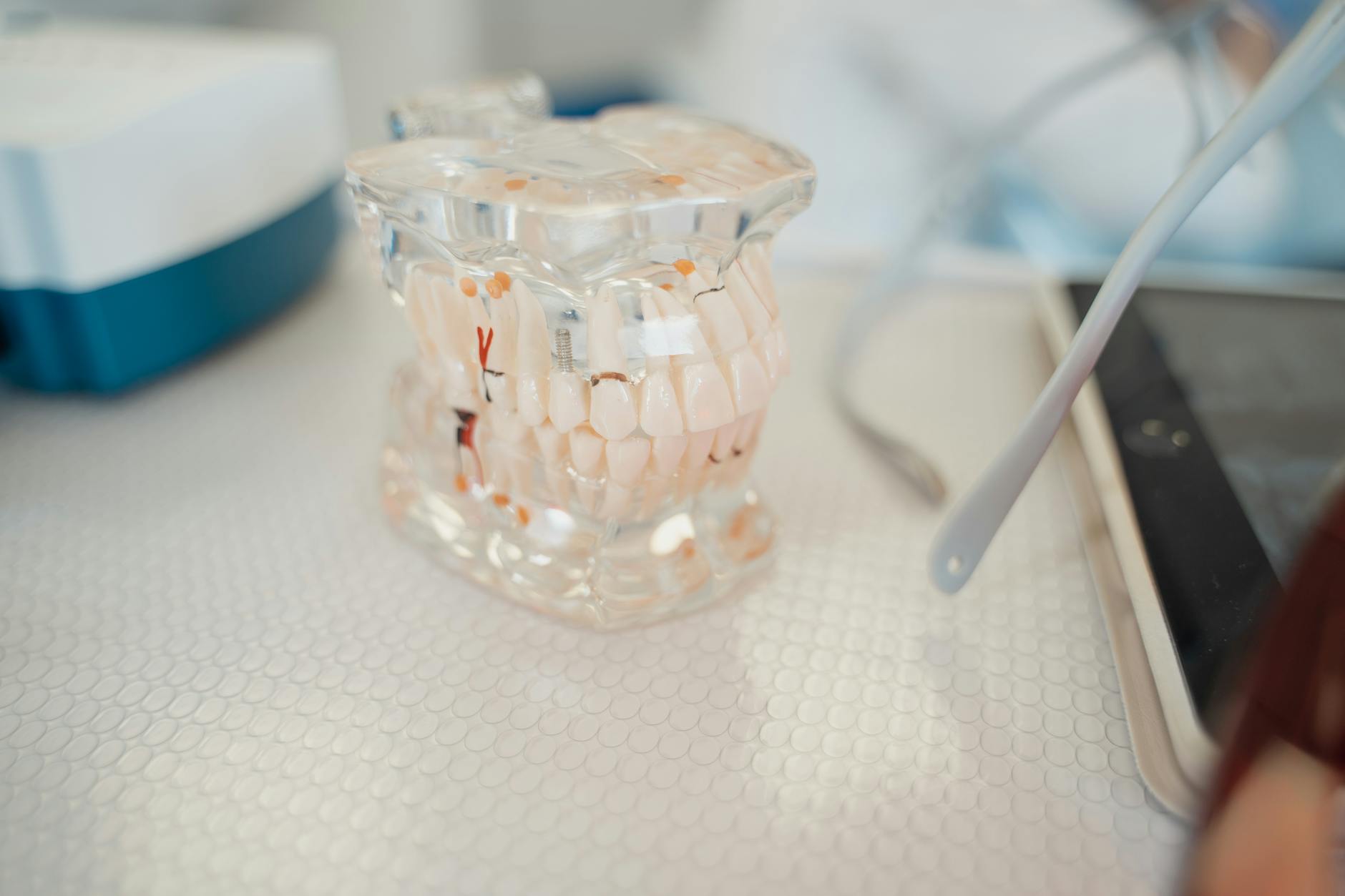
If you've ever winced at a cold drink after using a whitening strip, you've felt the real-world effect of teeth whitening enamel damage in progress. But not all whitening products behave the same way at the molecular level — and the difference between an ingredient that gently lifts surface stains and one that progressively weakens your enamel is more significant than most people realize.
This guide breaks down the science behind the most common whitening ingredients — hydrogen peroxide, carbamide peroxide, PAP (phthalimidoperoxycaproic acid), activated charcoal, and baking soda — explaining exactly how each one interacts with the hardest substance in your body. Understanding the chemistry is the first step toward making informed choices about your oral health.
What Enamel Actually Is (And Why It Cannot Grow Back)
Before examining how whitening ingredients affect enamel, it helps to understand what enamel is at a structural level. Tooth enamel is composed almost entirely — roughly 96% by weight — of a crystalline mineral called hydroxyapatite, a calcium phosphate compound arranged in tightly packed rods that run perpendicular to the tooth surface. The remaining 4% is water and organic proteins.
What makes enamel unique, and what makes damage to it so consequential, is that it contains no living cells. Unlike bone, which is constantly remodeled by osteoblasts and osteoclasts, enamel is produced exclusively by cells called ameloblasts — and those cells die off completely once a tooth finishes forming. This means that any enamel lost to erosion, abrasion, or chemical dissolution is gone permanently. There is no biological repair mechanism that restores lost enamel the way a broken bone knits back together.
This single fact — enamel cannot regenerate — is the most important context for evaluating every whitening ingredient discussed below.
How Enamel Demineralizes
Demineralization occurs when acids or reactive chemical species dissolve the hydroxyapatite crystal lattice. The process looks like this at the molecular level: hydrogen ions (H+) from an acid — or reactive oxygen species from peroxide compounds — attack the carbonate substitutions within the hydroxyapatite structure, causing calcium and phosphate ions to leach out of the enamel surface into the surrounding saliva. The result is a softened, microscopically porous enamel surface.
Saliva contains calcium and phosphate naturally, and under normal circumstances it slowly remineralizes mildly demineralized enamel. However, repeated or sustained chemical insult overwhelms this natural repair capacity, leading to cumulative enamel erosion over time.
Hydrogen Peroxide: How It Whitens and What It Costs
Hydrogen peroxide (H2O2) is the most widely studied whitening agent in dentistry and the active ingredient in the majority of over-the-counter and professional whitening products. Understanding is teeth whitening safe for enamel requires understanding this compound first.
The Whitening Mechanism
Peroxide whitens teeth through a process called oxidation. When hydrogen peroxide contacts enamel, it diffuses through the porous enamel surface and into the dentin layer beneath, where it breaks down into water and highly reactive free radicals — primarily hydroxyl radicals (OH•). These radicals attack the chromophore molecules responsible for tooth discoloration. Chromophores are large organic compounds, typically polyphenols from coffee, tea, or wine, that lodge within the enamel's microstructure and absorb visible light, making teeth appear yellow or brown. The free radicals break the conjugated double-bond systems in these chromophores, converting them into smaller, colorless molecules.
This is why peroxide-based whitening works: it does not clean the surface so much as chemically alter the color-causing compounds embedded within the tooth itself.
The Enamel Damage Mechanism
The same oxidative chemistry that attacks chromophores also interacts with the enamel matrix. Research published in the Journal of Dentistry and other peer-reviewed sources has demonstrated several concerning effects from hydrogen peroxide exposure:
- Protein degradation: The organic protein matrix within enamel — which contributes to its structural integrity — is vulnerable to oxidative attack. Studies using scanning electron microscopy have shown increased porosity and surface irregularity in enamel samples treated with high-concentration peroxide.
- Temporary demineralization: Peroxide gels, particularly those with acidic pH values, have been shown to reduce enamel microhardness in in vitro studies. This effect is often described as reversible with remineralizing treatments, but duration and concentration matter significantly.
- Pulpal irritation: Because hydrogen peroxide diffuses all the way through enamel and dentin, it can reach the pulp and trigger sensitivity. Studies have measured peroxide concentrations inside the pulp chamber following whitening treatments, explaining the tooth sensitivity that many users report.
Concentration is the key variable. Professional in-office whitening may use gels containing 25–40% hydrogen peroxide, while most over-the-counter strips contain 6–10% — and if you're considering an at-home option, products like the Purely White Deluxe teeth whitening kit typically fall into the lower concentration range. The higher the concentration and the longer the contact time, the greater the potential for enamel erosion from teeth whitening. Dentist-supervised protocols typically incorporate remineralizing agents and enforce rest periods specifically to mitigate these effects.
Carbamide Peroxide: A Slower Release, Similar Concerns
Carbamide peroxide is a compound that breaks down in the mouth to release approximately one-third of its weight in hydrogen peroxide, along with urea. A 10% carbamide peroxide gel, commonly used in dentist-dispensed take-home trays, releases roughly 3.3% hydrogen peroxide over several hours.
Because the peroxide release is slower and more sustained, carbamide peroxide is often considered gentler than equivalent concentrations of straight hydrogen peroxide. The urea byproduct is mildly alkaline, which may partially offset the acidic environment created by some gel formulations. However, the fundamental chemistry — and the potential for enamel interaction — is the same. Prolonged overnight use of carbamide peroxide trays has been associated with measurable reductions in enamel microhardness, and the evidence on whether this microhardness loss fully recovers is mixed.
From a dentist approved whitening ingredients standpoint, carbamide peroxide used in professionally supervised protocols with appropriate concentrations and timed application is broadly considered acceptable. The concern arises with unsupervised, extended use — particularly with products that are not pH-buffered or used without remineralizing support.
PAP (Phthalimidoperoxycaproic Acid): The Peroxide-Free Alternative
PAP, or phthalimidoperoxycaproic acid, represents a fundamentally different approach to whitening chemistry and is the compound at the center of most peroxide free teeth whitening products entering the market. Understanding why it differs requires looking at how it oxidizes stains without the same enamel interaction profile as hydrogen peroxide.
How PAP Whitens
PAP is an organic peracid — meaning it contains a reactive peroxide-like bond — but it does not generate free hydroxyl radicals the way hydrogen peroxide does. Instead, PAP acts as a direct oxidant through a mechanism that is more selective. It targets chromophore molecules through electrophilic attack on double bonds, breaking the conjugated systems responsible for color. Because this reaction pathway does not produce the same free radical cascade as H2O2, it is considered to have a much narrower zone of reactivity.
The Enamel Safety Profile
Multiple peer-reviewed studies — including a frequently cited 2021 paper in the British Dental Journal — have compared PAP directly against hydrogen peroxide using standardized enamel microhardness measurements. The findings consistently show that PAP produces no statistically significant reduction in enamel microhardness at concentrations required for effective whitening, while hydrogen peroxide at comparable whitening efficacy does produce measurable microhardness loss.
Critically, PAP does not penetrate as deeply through enamel into dentin, which explains why studies also report significantly reduced tooth sensitivity with PAP-based systems compared to peroxide-based ones. For individuals with naturally thin enamel, existing sensitivity, or a history of gum recession, this distinction in the teeth whitening enamel damage profile has meaningful clinical relevance.
PAP is often formulated alongside hydroxyapatite — the same mineral compound that makes up enamel — which actively fills microscopic surface defects and provides a remineralizing effect concurrent with whitening. This combination is particularly noteworthy because it means the product may simultaneously whiten and repair surface-level enamel defects rather than simply failing to cause additional damage.
Activated Charcoal: The Trend With a Troubling Mechanism
Activated charcoal whitening products — powders, pastes, and charcoal-infused toothpastes — became widely popular in the mid-2010s and continue to occupy shelf space and social media feeds. The proposed mechanism is adsorption: charcoal's highly porous surface is claimed to bind to stain molecules and lift them from teeth.
The scientific consensus is considerably less enthusiastic than the marketing. The American Dental Association (ADA) has explicitly noted the lack of evidence supporting activated charcoal's safety or efficacy for whitening, and several concerns have been raised in dental literature:
- High abrasivity: Activated charcoal particles are physically abrasive. The Relative Dentin Abrasivity (RDA) score — the standard measure used to assess toothpaste abrasiveness — has been measured at alarmingly high levels for some charcoal products. The ADA recommends a maximum RDA of 250; several charcoal products tested in studies exceeded this threshold significantly. Repeated abrasion irreversibly wears enamel and exposes dentin.
- No chemical whitening action: Unlike peroxide or PAP, charcoal has no chemical mechanism for altering intrinsic tooth color. Any whitening effect is limited to surface stain removal through abrasion — the same mechanism as vigorous brushing, but potentially more damaging.
- Fluoride interference: Research suggests activated charcoal may adsorb fluoride ions from toothpaste, reducing the remineralizing and caries-protective benefit of fluoride. This effect has been demonstrated in vitro and is a legitimate concern for people using charcoal products alongside fluoride toothpaste.
The bottom line on activated charcoal is that it offers surface-level stain removal at the cost of enamel abrasion, with no demonstrated ability to whiten intrinsic discoloration. For anyone already concerned about enamel erosion from teeth whitening, charcoal products should be approached with particular caution.
Baking Soda: Mild Abrasive With a Favorable Safety Record
Sodium bicarbonate — baking soda — has been used as a tooth-cleaning agent for over a century and has one of the most extensively studied safety profiles of any whitening-adjacent ingredient. It whitens primarily through mild mechanical abrasion of surface stains, though some researchers have also proposed a minor chemical contribution related to its alkaline pH disrupting stain adhesion to the enamel surface.
Baking soda's RDA score is approximately 7, which is among the lowest of any abrasive dentifrice ingredient — far gentler than most conventional toothpaste abrasives (typically 35–150 RDA) and dramatically less abrasive than activated charcoal. Multiple clinical studies have confirmed that sodium bicarbonate toothpastes are safe for long-term daily use and do not cause clinically significant enamel loss.
Its limitations are also worth noting: baking soda cannot whiten intrinsic discoloration. It is effective at removing surface stains from coffee, tea, and tobacco, but it has no mechanism for penetrating enamel to alter the chromophores embedded within the dentin layer. For individuals seeking a safe maintenance tool for surface brightness, baking soda has a strong evidence base. For meaningful shade improvement, its effects are modest.
Remineralizing Agents: The Other Side of the Equation
Any complete discussion of is teeth whitening safe for enamel must include the agents specifically formulated to protect and rebuild enamel during or after whitening. Three stand out in the current evidence base:
Hydroxyapatite (HAp)
Nano-hydroxyapatite is the synthetic form of the same mineral that makes up 96% of enamel. When incorporated into a toothpaste or whitening formulation, nano-HAp particles are small enough to physically fill the nanoscale pores and micro-defects on the enamel surface. Multiple clinical trials have demonstrated that nano-HAp toothpastes reduce sensitivity, improve surface smoothness under electron microscopy, and provide remineralization effects comparable to fluoride for certain applications. It is increasingly considered a key dentist approved whitening ingredient category for remineralization support.
Fluoride
Fluoride does not remineralize enamel by replacing lost hydroxyapatite directly, but it does facilitate the deposition of fluorapatite — a related mineral that is actually more acid-resistant than the original hydroxyapatite. Post-whitening fluoride treatments are a standard recommendation in professional dental practice precisely because they help the softened, temporarily porous enamel surface become more resistant to subsequent acid attack.
Potassium Nitrate
Potassium nitrate is not a remineralizing agent per se, but it is the most evidence-backed ingredient for reducing whitening-associated tooth sensitivity. It works by depolarizing the sensory nerves within the dentinal tubules, raising the threshold required to trigger a pain signal. Its inclusion in a whitening formulation does not protect enamel at the mineral level but substantially improves the user experience and reduces the likelihood of users abandoning protective protocols due to discomfort.
What the Research Actually Says About Safe Whitening Practice
A synthesis of the available literature yields several practical conclusions that go beyond ingredient labels:
Concentration and pH matter more than ingredient choice alone. A hydrogen peroxide product formulated at a safe pH with remineralizing agents and proper contact time restrictions may cause less cumulative harm than a "natural" product with an unregulated acid base. Always check whether a whitening product lists its pH — products below pH 5.5 are in the demineralization danger zone for enamel regardless of their active ingredient.
Contact time is a major risk amplifier. The longer a whitening agent remains in contact with enamel, the greater the potential for mineral loss. This is why overnight whitening trays — particularly with higher-concentration formulas — carry more risk than 10-minute strip applications, even when the active ingredient is the same.
Frequency matters. Clinical guidelines from major dental organizations generally advise limiting whitening treatments and incorporating recovery periods. Saliva-mediated remineralization requires time, and treatments applied too frequently do not allow the enamel surface to recover between sessions.
Individual enamel thickness varies substantially. Some people have genetically thinner enamel than others, and certain conditions — acid reflux, frequent consumption of acidic foods and beverages, previous erosion — reduce the enamel buffer available before dentin is exposed. What is low-risk for one person may be genuinely damaging for another. This is precisely why professional consultation provides information that ingredient lists alone cannot.
FAQ: Teeth Whitening and Enamel Safety
Key Takeaways
The science of teeth whitening and enamel safety is nuanced, but a few clear principles emerge from the evidence:
- Enamel is irreplaceable. Because it cannot regenerate after formation, protecting it is not a cosmetic consideration — it is a permanent health decision.
- Hydrogen peroxide and carbamide peroxide are effective whiteners with a well-documented track record, but they carry real potential for teeth whitening enamel damage when used at high concentrations, low pH, or with excessive frequency without remineralizing support.
- PAP represents the most promising advance in peroxide-free whitening chemistry, offering comparable efficacy with a significantly improved enamel safety profile and substantially reduced sensitivity based on current research.
- Activated charcoal whitens primarily through abrasion, lacks evidence for intrinsic whitening, and carries a measurable risk of cumulative enamel wear. Its popularity is largely driven by aesthetics rather than science.
- Baking soda is among the safest abrasive whitening agents, effective for surface stain maintenance, but limited to extrinsic stains with no intrinsic whitening mechanism.
- Remineralizing agents — nano-hydroxyapatite, fluoride, and potassium nitrate — are important companions to any whitening protocol, particularly peroxide-based ones, and their presence in a formulation is a meaningful indicator of product quality.
- When in doubt, consult a dentist. Individual enamel thickness, existing sensitivity, and the presence of restorations all affect which approach is appropriate — and a brief professional assessment can prevent years of cumulative damage from an uninformed product choice.