Why Skin Loses Elasticity After 40: The Biology of Aging Skin and What You Can Do About It

You catch your reflection in the bathroom mirror one morning and something is different. The skin along your jaw looks softer than it used to. The skin on the back of your hand no longer snaps back the way it once did when you pinch it. Nothing dramatic — just a quiet shift that seems to have happened without warning. If you are a woman in your 40s or beyond, this is one of the most common experiences people describe, and it almost always triggers the same question: why does skin lose elasticity with age, and is there anything that actually helps?
The answer is not a single cause. It is a convergence of biological processes — some written into your DNA from birth, others driven by decades of environmental exposure, and some triggered by the hormonal transformation of menopause. Understanding what is happening under the surface of your skin is the first step toward making informed, effective decisions about how to care for it at every stage of life.
What Skin Elasticity Actually Means
Skin elasticity refers to the skin's ability to stretch and then return to its original shape. Think of a new rubber band versus an old one left in a drawer for years. The new one snaps back with energy. The old one stretches slowly and does not fully recover. Your skin behaves in a similar way, and the materials responsible for that snap-back quality are two structural proteins: collagen and elastin.
Collagen provides the scaffolding — the dense, rope-like fibers that give skin its firmness and structural integrity. Elastin, true to its name, provides the elasticity — the recoil that allows skin to resume its shape after being stretched or compressed. Together, these proteins are produced by cells called fibroblasts, which live in the deeper layers of the dermis. When both proteins are abundant and healthy, skin looks full, firm, and resilient. When production slows or existing fibers are damaged faster than they can be replaced, the visible signs of aging begin.
Healthy skin is also supported by hyaluronic acid, a molecule that binds water and keeps tissue plump and hydrated. As hyaluronic acid levels decline with age, the loss of volume compounds the effect of reduced elasticity, making the skin appear both thinner and looser at the same time.
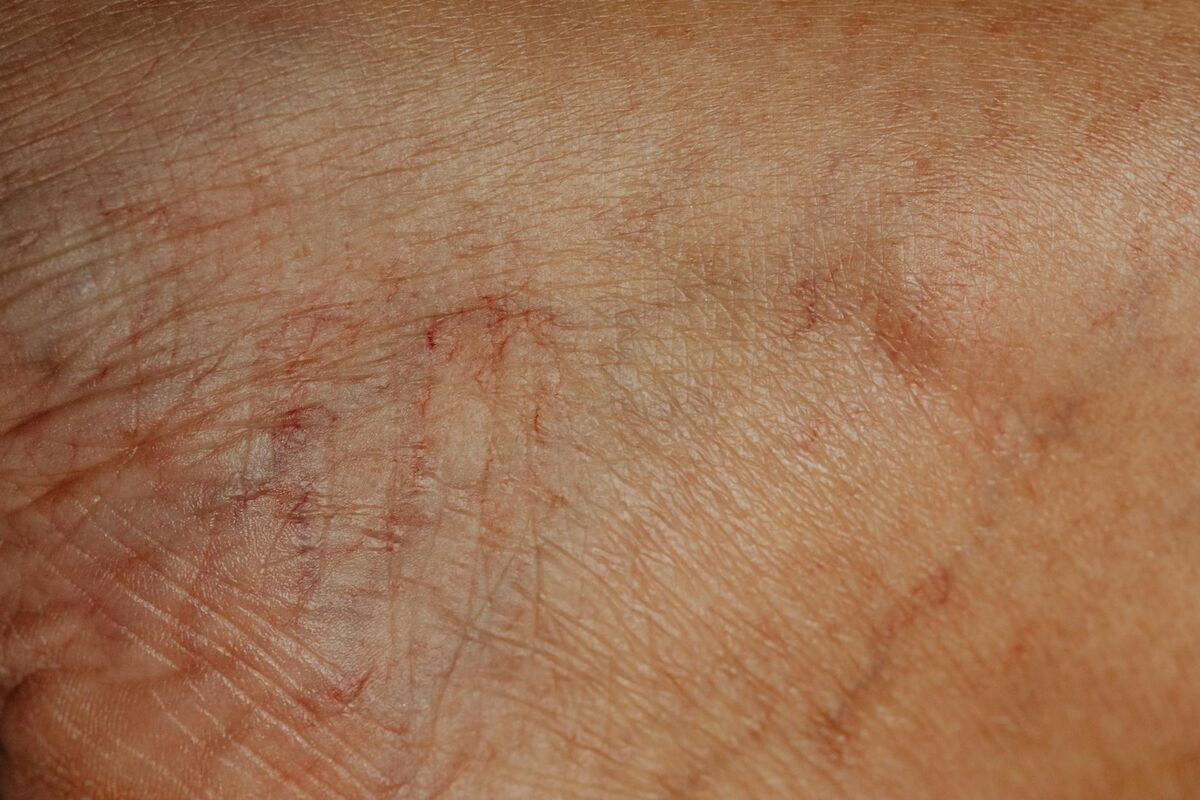
Intrinsic Aging: What Your Genes and a Clock Are Doing to Your Skin
Scientists divide the causes of skin aging into two broad categories: intrinsic aging and extrinsic aging. Understanding this distinction matters because each category has different implications for what you can and cannot control.
Intrinsic aging — also called chronological aging — is the baseline rate of change programmed into your biology. It begins in your mid-20s, long before any visible signs appear. From approximately age 25, fibroblast activity begins to slow. Collagen production declines at a rate of roughly 1 percent per year. Elastin synthesis gradually decreases as well, and the existing elastin fibers in the dermis begin to cross-link and stiffen rather than remaining flexible.
By the time most women reach their early 40s, cumulative collagen loss is significant — typically somewhere between 15 and 20 percent of what was present at peak production. This reduction is enough to alter the mechanical properties of skin in ways that become visually noticeable. The skin begins to lose its ability to resist the downward pull of gravity as efficiently as it once did. Fine lines deepen. The oval shape of the face begins to soften and descend.
Intrinsic aging is also influenced by telomere shortening — the progressive erosion of the protective caps on chromosomes that occurs each time a cell divides. As telomeres shorten, cellular replication becomes less efficient and eventually stops altogether. Skin cells renew more slowly, the epidermis thins, and the turnover of damaged proteins accelerates beyond the body's capacity to fully repair them.
Genetics play a meaningful role here. Fair-skinned individuals with less melanin often notice the signs of collagen loss earlier than darker-skinned individuals, because melanin provides some protection against UV-driven collagen degradation. Family history of skin aging patterns is often a reasonable predictor of your own timeline — though it is far from destiny, because the extrinsic factors you control can substantially alter the outcome.
Extrinsic Aging: The Environmental Forces That Accelerate Collagen and Elastin Breakdown
Extrinsic aging refers to the damage caused by outside factors that accelerate the intrinsic timeline. Research published in dermatology literature suggests that up to 80 percent of visible facial aging is attributable to cumulative sun exposure alone — a figure that underscores just how powerful environmental factors are compared to genetic programming.
Ultraviolet radiation is the most significant extrinsic driver of loose sagging skin causes. UV-A rays penetrate deep into the dermis and trigger the production of matrix metalloproteinases (MMPs) — enzymes whose job is to break down and remodel collagen. Under normal circumstances, MMPs are regulated and serve a useful maintenance function. Under chronic UV exposure, they become overactive, degrading collagen fibers faster than fibroblasts can synthesize new ones. This creates a structural deficit in the dermis that accumulates over decades.
UV radiation also directly damages elastin. The result is a condition dermatologists call solar elastosis — a breakdown and clumping of elastin fibers in the dermis that produces a leathery, inelastic quality to sun-damaged skin. Solar elastosis is irreversible through topical means alone.
Smoking is the second most significant extrinsic accelerant of skin elasticity loss. Cigarette smoke contains thousands of chemical compounds that generate oxidative stress, narrowing the small blood vessels that supply the dermis with oxygen and nutrients. Smoking also directly activates the same MMP enzymes that UV light triggers, and it reduces the skin's ability to synthesize new collagen. Research consistently shows that smokers of comparable age have measurably lower skin collagen density and elasticity than non-smokers.
Chronic sleep deprivation and high cortisol levels contribute as well. Cortisol — the body's primary stress hormone — actively inhibits collagen synthesis when it remains chronically elevated. Sleep is the window during which growth hormone levels peak and skin repair is most active. Consistently poor sleep compounds collagen deficits over time.
Diet and glycation represent a less-discussed but scientifically well-supported mechanism. When glucose binds to collagen fibers in a process called glycation, it forms advanced glycation end products (AGEs) that make collagen fibers stiff, brittle, and prone to cross-linking in ways that reduce their function. High-sugar and high-glycemic diets accelerate this process. This is one reason why the dietary pattern you maintain in your 30s and 40s has real, structural consequences for how your skin ages in your 50s and 60s.
The Hormonal Factor: How Menopause Reshapes Skin Biology
For women, there is a third and frequently underappreciated category of skin aging that sits between intrinsic and extrinsic: hormonal aging. The decline of estrogen during perimenopause and menopause is one of the most dramatic shifts in skin biology that a woman will experience in her lifetime — and it happens relatively quickly.
Estrogen receptors are distributed throughout the skin, and estrogen has several skin-protective functions. It stimulates collagen production, promotes hyaluronic acid synthesis, supports skin thickness, and maintains the activity of sebaceous glands. When estrogen levels decline — which typically begins in the mid-40s during perimenopause and accelerates in the years immediately before and after the final menstrual period — all of these functions are diminished simultaneously.
Studies have found that skin loses approximately 30 percent of its collagen in the first five years after menopause. That figure is strikingly high. For context, the 1-percent-per-year loss that characterizes intrinsic aging means a 30 percent loss would otherwise take three decades to accumulate. Menopause compresses that degree of structural change into a very short window. This is why many women describe a noticeable change in skin quality — not just a gradual drift, but a perceptible shift — in their late 40s or early 50s.
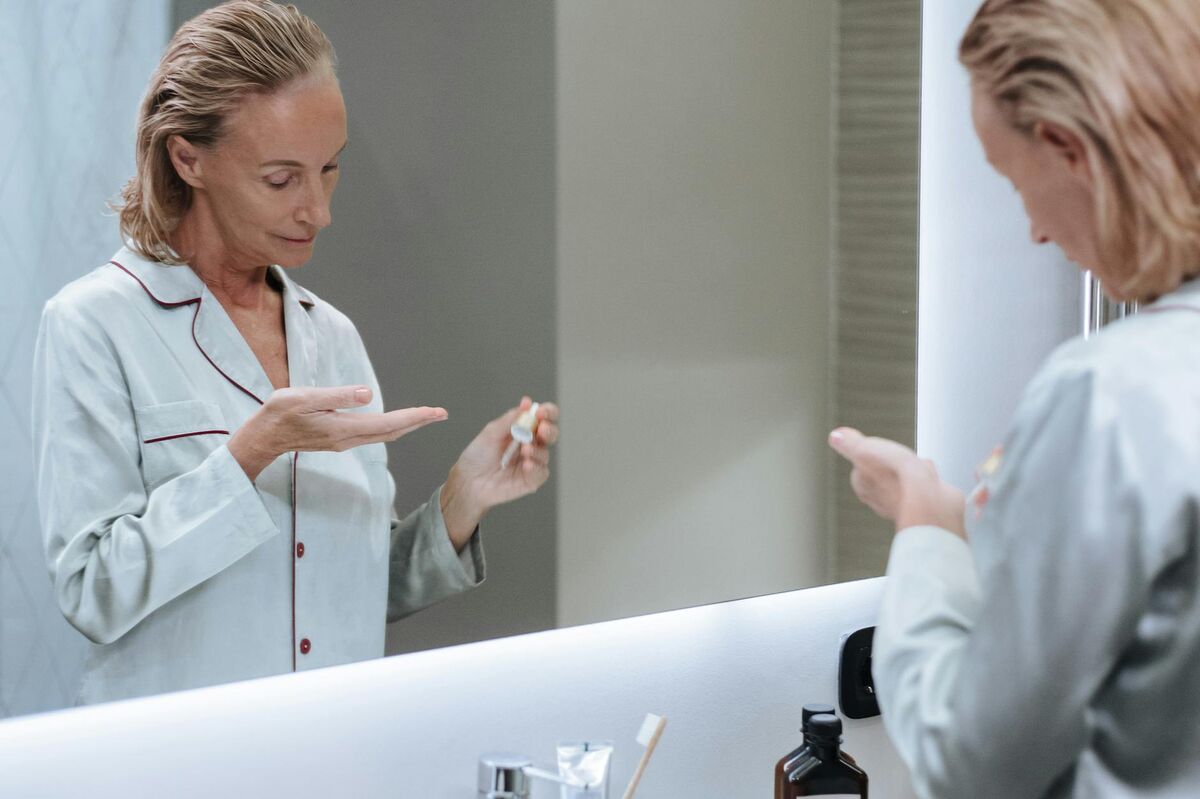
Post-menopausal skin also becomes thinner overall, as the epidermis loses both cell density and moisture-binding capacity. The subcutaneous fat layer — which provides volume and a smooth surface contour beneath the skin — redistributes and diminishes in the face and hands, contributing to a hollowed or sagging appearance even in individuals whose collagen levels might otherwise be relatively preserved.
Progesterone, which declines alongside estrogen, also plays a role in sebaceous gland activity. Some women notice that post-menopausal skin becomes significantly drier, which in turn makes the appearance of fine lines and elasticity loss more pronounced — even if the underlying structural changes are the same as in someone with better-hydrated skin.
The Collagen-Elastin Breakdown Timeline: What Is Happening Decade by Decade
To make sense of skin elasticity loss causes, it helps to think about the biological timeline in decades:
In your 20s: Collagen production begins its slow decline around age 25, but the deficit is minor and surface skin appearance remains largely unchanged. The effects of any UV exposure, smoking, or poor diet that occurred during adolescence or early adulthood begin to accumulate in the dermis as subclinical collagen fragmentation — invisible for now, but present.
In your 30s: The pace of collagen decline is steady but still relatively slow. Fine lines begin to appear, particularly around the eyes and mouth where repeated facial movement causes micro-damage to a dermis that is slightly less robust than it was. Skin may feel slightly less "bouncy" to the touch. For women who smoke, have had significant sun exposure, or carry chronic high stress, these changes may be more noticeable.
In your 40s: This is the decade when the convergence of intrinsic decline and cumulative extrinsic damage becomes visible to most women. Perimenopause may begin in the mid-to-late 40s, adding the estrogen-withdrawal component to an already-accelerating loss of collagen and elastin. Skin begins to lose its ability to "rebound" visibly. Nasolabial folds deepen. The jawline may begin to soften.
In your 50s and beyond: Post-menopausal skin has typically lost a substantial percentage of its structural protein. The dermis is measurably thinner. Fat redistribution in the face is visible. Without targeted intervention, the rate of visible change may slow after the initial post-menopausal acceleration, but the cumulative deficit continues to compound. The skin's barrier function also weakens, making it more reactive to environmental irritants and slower to recover from minor injury.
What the Science Says About Improving Skin Elasticity After 40
Understanding the biology opens up a more grounded conversation about what actually works to address how to improve skin elasticity. The evidence base is uneven — some interventions are well-supported, others are heavily marketed but poorly validated. Here is what the research consistently shows.
Broad-spectrum SPF is the single most impactful daily intervention. Because UV radiation is responsible for such a large proportion of visible skin aging, and because solar elastosis is structurally irreversible once established, the most important thing any person can do — at any age — is prevent further UV-driven damage with daily broad-spectrum sunscreen of at least SPF 30. This applies even on overcast days and for people who spend most of their time indoors, since UV-A rays penetrate windows.
Retinoids are the most evidence-supported topical treatment. Prescription tretinoin and over-the-counter retinol both work by binding to nuclear receptors in skin cells and upregulating genes involved in collagen synthesis while simultaneously inhibiting MMP activity. Multiple randomized controlled trials have demonstrated measurable increases in dermal collagen density and improvements in skin elasticity with consistent retinoid use over 12 to 24 weeks. Results require patience and a period of skin adjustment, but the mechanism is among the most validated in dermatology.
Vitamin C (ascorbic acid) as a topical antioxidant supports collagen synthesis by acting as a necessary cofactor for the enzymes that stabilize and cross-link collagen fibers. It also neutralizes free radicals generated by UV exposure before they can activate MMP pathways. A stable L-ascorbic acid formulation applied in the morning, under sunscreen, is one of the most useful additions to a skin-firming routine.
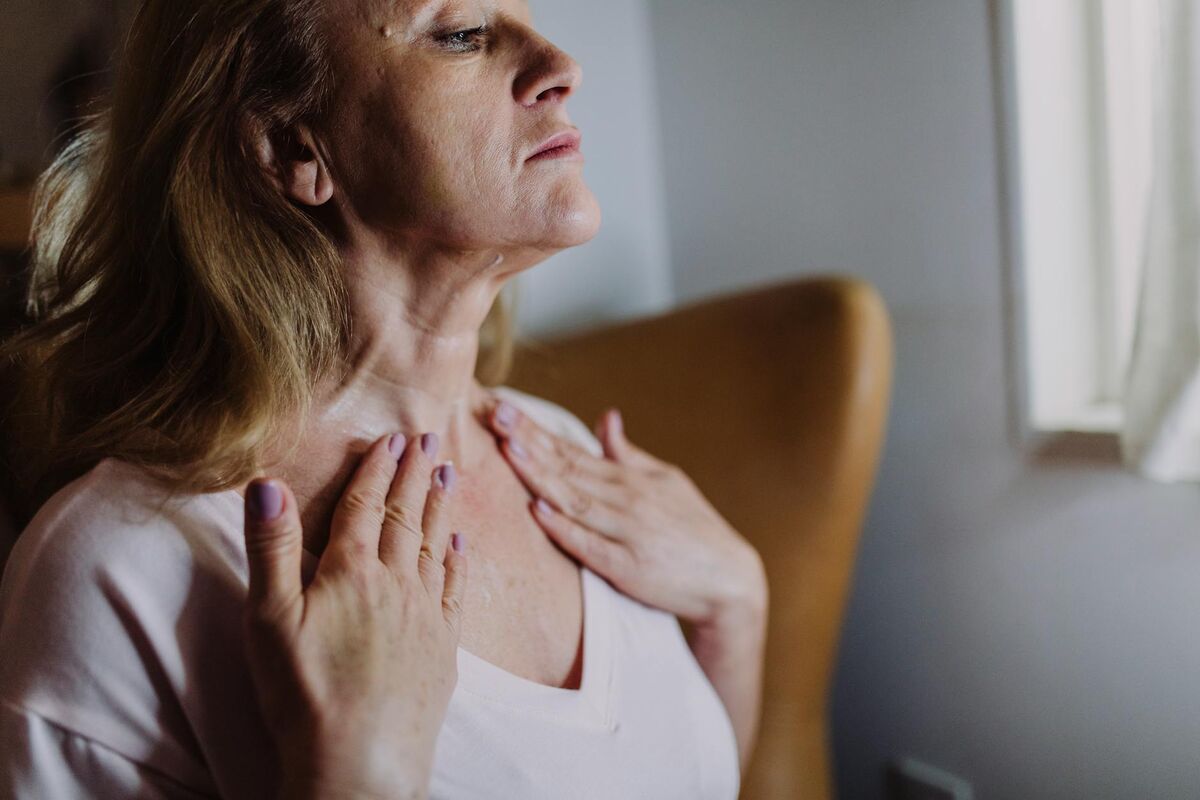
Dietary collagen peptides have accumulated a growing body of clinical evidence over the past decade. Several double-blind, placebo-controlled trials have found that daily supplementation with hydrolyzed collagen peptides (typically 2.5–10g per day) leads to measurable improvements in skin elasticity, hydration, and the appearance of wrinkles after 8–12 weeks. The proposed mechanism is that collagen peptides absorbed from the gut act as signaling molecules that stimulate fibroblast activity. The research is not conclusive enough to constitute settled science, but the evidence quality is improving.
Lifestyle modifications with direct dermal impact include quitting smoking (which has been shown to produce measurable improvements in skin collagen density within months), reducing dietary sugar and refined carbohydrates to slow glycation, prioritizing adequate sleep, and managing chronic stress. These are not glamorous interventions, but they address root causes of accelerated collagen degradation rather than surface symptoms.
Professional procedures — including microneedling, radiofrequency treatments, ultrasound-based devices, and laser resurfacing — work through different mechanisms but share a common goal: stimulating the dermis to produce new collagen by creating controlled micro-injury or thermal energy delivery. These are among the most clinically validated approaches for meaningful improvements in skin laxity. They require consultation with a qualified dermatologist or aesthetic practitioner and vary considerably in cost, recovery time, and suitability for different skin tones and conditions.
Skin Firming Tips for Women Over 40: Practical Starting Points
For women in their 40s who are beginning to notice loose sagging skin causes playing out in real time, the most effective approach is one that addresses multiple layers of the problem simultaneously:
- Apply a broad-spectrum SPF 30 or higher sunscreen every morning — this is non-negotiable regardless of what else you do.
- Introduce a retinoid product into your evening routine, starting with a low-concentration retinol and building gradually to minimize irritation.
- Use a stable vitamin C serum in the morning before sunscreen to support collagen synthesis and neutralize oxidative stress.
- Keep skin well-hydrated with a moisturizer that contains hyaluronic acid or ceramides — hydrated skin looks measurably firmer and more resilient even when structural changes are present.
- Evaluate your diet for high-glycemic foods and excessive added sugar, both of which accelerate glycation and collagen cross-linking.
- Prioritize consistent sleep — 7 to 9 hours — to give your skin its most active repair window each night.
- Consider a consultation with a dermatologist to discuss whether prescription retinoids or in-clinic procedures are appropriate for your skin type and specific concerns.
There is no intervention that reverses decades of collagen loss overnight. But there is strong evidence that consistent, biology-informed habits can meaningfully slow the rate of further loss, support what remains, and in some cases stimulate genuine structural improvement. The key is understanding that the skin you care for today is setting the foundation for how you will look in five and ten years — and that it is never too late to start.
Final Thoughts: Knowledge Is the Foundation of Better Skin
The reason skin loses elasticity with age is not mysterious once you understand the biology. It is the predictable result of slowing fibroblast activity, accumulating UV and oxidative damage, hormonal withdrawal, and the physics of a structural protein network that has been under constant low-grade stress for decades. None of that is within your full control — but much of it is influenceable.
The women who tend to have the best outcomes in midlife and beyond are not the ones who find the most expensive cream or the most aggressive procedure. They are the ones who understand the underlying biology well enough to make consistent, targeted choices across multiple areas of their life — from the sunscreen they reach for every morning, to the sleep they protect, to the professional advice they eventually seek. Informed action, taken regularly over time, is what the science most consistently rewards.